
Review · TOKYO
Tokyo: Sumo Morning Practice Viewing Tour
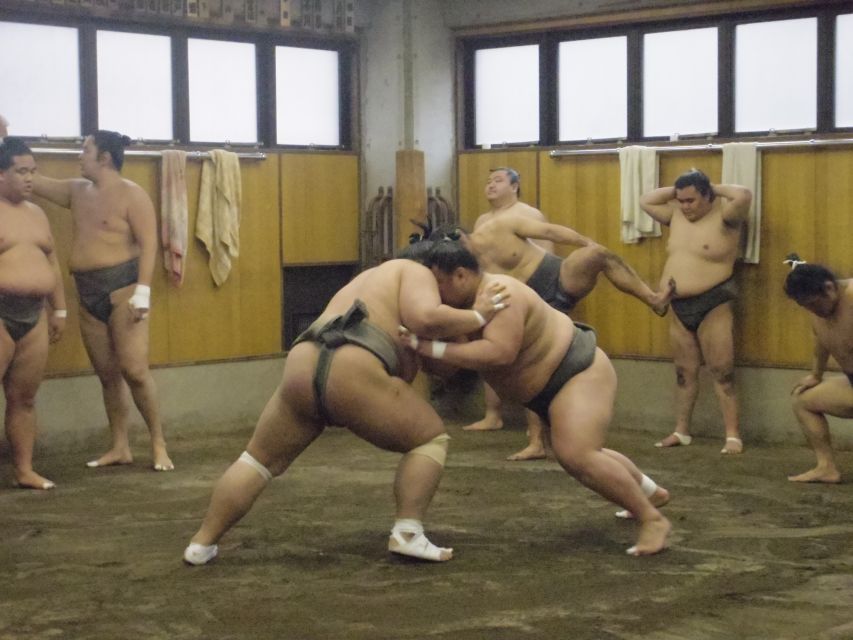
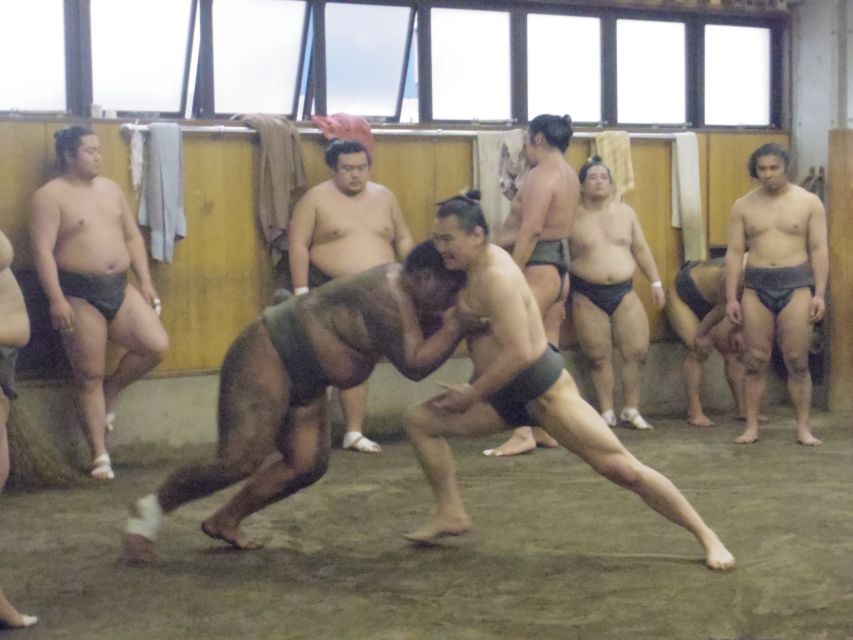
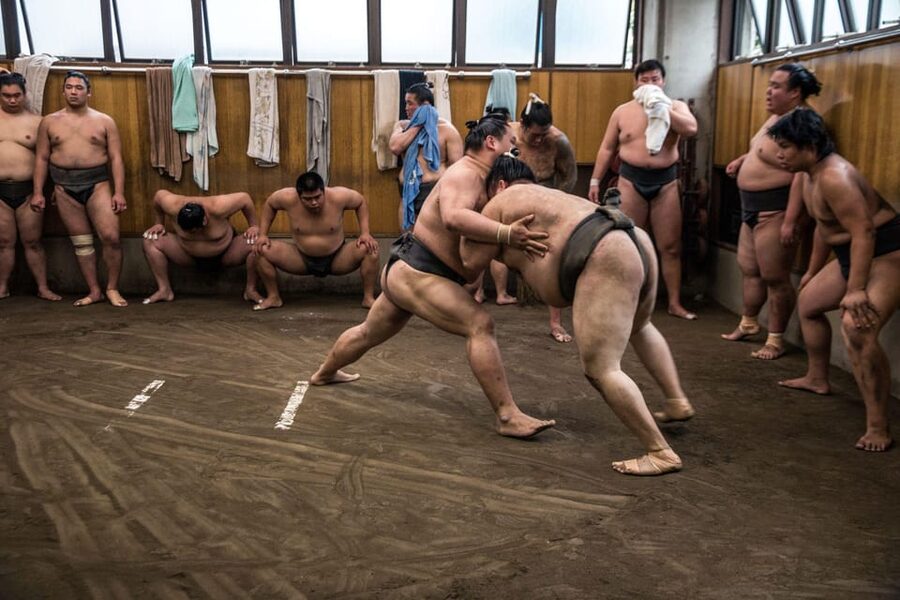
A morning at a real sumo stable gives you something a stadium ticket cannot: a close view of the daily work behind Japan’s national sport. You sit only a few feet from wrestlers as they stretch, practice drills, and collide with startling force. The small, authentic setting is the main attraction.
I like the clear explanations from guides such as Yuko, Noriko, Oku-san, and Kaz, and I like that the practice is not dressed up as a dinner show. The drawback is simple: you must remain silent, still, and seated until the session ends, and you cannot leave and return.
Key points to know before you book
- Real working stable: You enter a place where wrestlers live and train, rather than watching a staged performance.
- Close-up training: Expect to see drills, rituals, stretching, and hard practice from only a few feet away.
- English guidance: Guides explain the rules, customs, wrestlers, and techniques before and during the session.
- Strict etiquette: No hats, sunglasses, food, drinks, flash photography, or video recording are allowed.
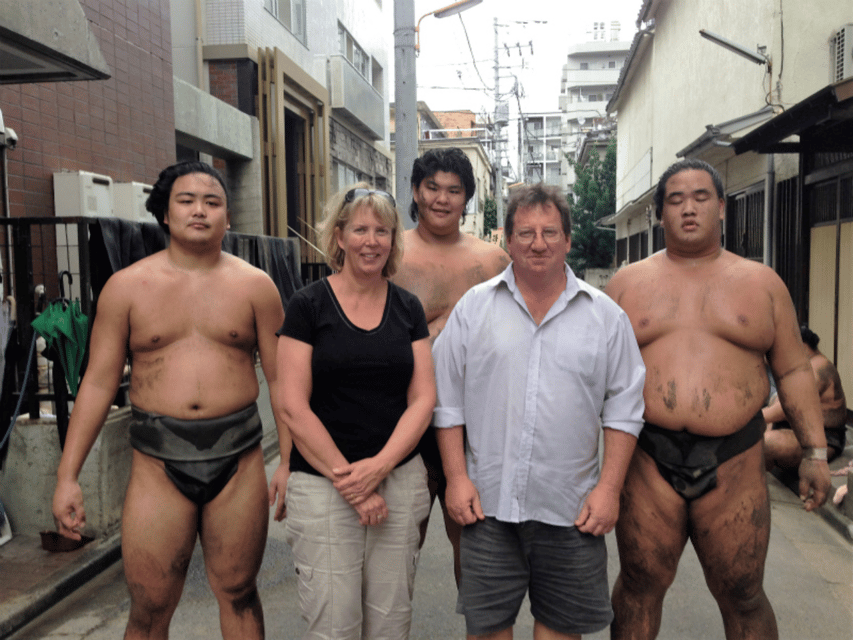
- Photos are possible: You may take a photo with wrestlers after practice, but this depends on the day.
- Ryogoku location: The sumo district is close to the National Sumo Arena and several sumo-related restaurants.
Why a stable visit feels different from a sumo tournament
A tournament shows you the finished product: formal entrances, packed seating, judging, and bouts that can end in seconds. This visit shows the work that leads to those moments.
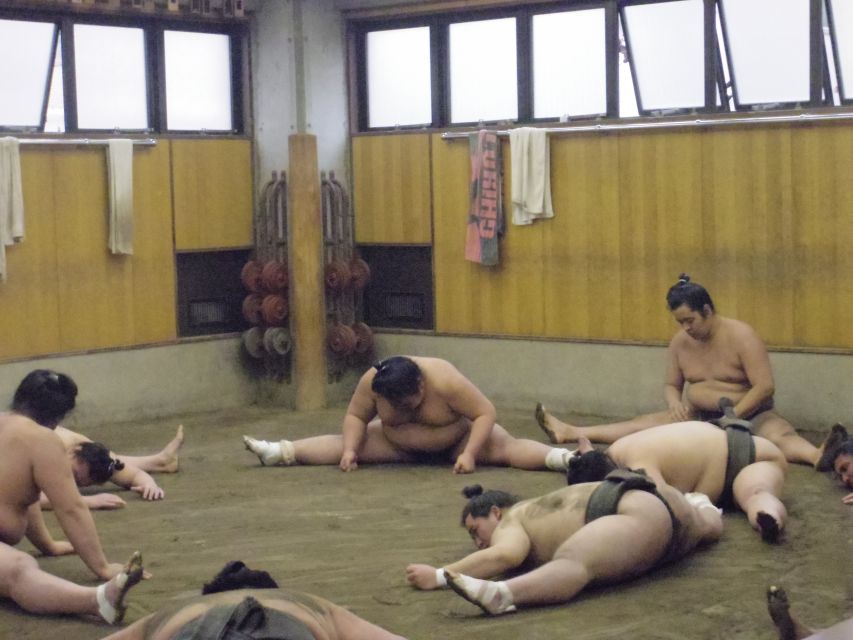
You see wrestlers train in the morning, often for an hour or more. The action can be repetitive, but that repetition is the point. Sumo depends on balance, timing, footwork, grip, and explosive force. From a few feet away, you notice how much effort goes into movements that can look simple on television.
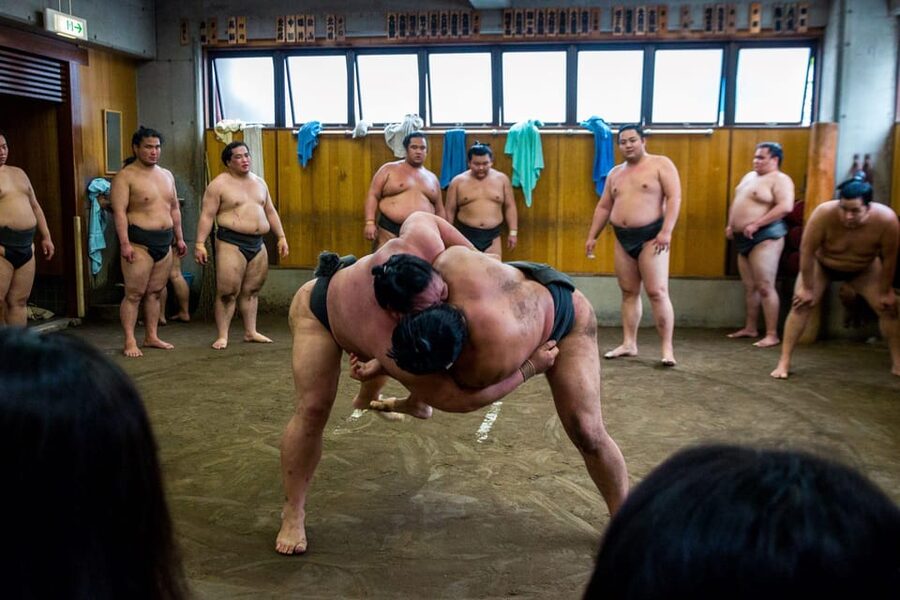
The practice also reveals the quieter side of the sport. Wrestlers live and train together in a stable, under the direction of a stable master and coaching staff. You may see senior figures observing from the side while younger wrestlers work through drills and bouts.
This is not a substitute for a tournament. There is no competition atmosphere, and the schedule can change depending on the stable’s training plan. Still, it may be the best way to understand what happens before a wrestler enters the ring at Ryogoku Arena.
More Sumo Experiences in Tokyo
- Tokyo: Sumo Show and Dining Experience
★ 4.8 · 2,742 reviews - the SUMO show
★ 5.0 · 1,960 reviews - Tokyo Shinjuku Sumo Show & Experience with Photo
★ 5.0 · 1,750 reviews
Meeting in Ryogoku and reaching the stable
The meeting point depends on the option you book. After meeting your guide, the group may take a train to the stable, followed by a walk. The exact route matters less than arriving on time and staying with the group, since a sumo stable is a working place rather than a standard sightseeing attraction.
Ryogoku is the right setting for this experience. It is Tokyo’s sumo neighborhood, close to the National Sumo Arena and other stables. The walk itself can give you a feel for the area, and guides sometimes point out local sumo landmarks and explain the district’s connection with the sport.
Allow extra time to find the meeting point. One practical improvement would be a clear photo of the exact meeting spot, since a few travelers have found it difficult to identify. Arrive early. Early groups may get the front row, while later arrivals can find themselves in the second row or toward the side.
That seating detail matters. The room is intimate, and even a small difference in position can affect your view and your photos. The tour operator generally organizes the group well, but you do not control your place in the room unless you arrive promptly.
The opening explanation makes the practice easier to follow
Before heading inside, your guide gives you an introduction to sumo. This usually covers the sport’s Shinto connections, the basic aim of forcing an opponent out of the ring or making any part of the body touch the ground, and the customs surrounding a bout.
This briefing is more useful than it may sound. Without it, morning practice can look like a sequence of large men pushing one another. With a little context, you begin to recognize the difference between a warm-up, a strength drill, a technique exercise, and a serious practice bout.
Guides also explain the life of a rikishi, the Japanese term for a sumo wrestler, and the long path toward the highest ranks. Sumo wrestlers train intensely for six major tournaments each year. A stable may include young wrestlers trying to rise through the ranks alongside well-known competitors.
Some guides use printed information sheets or pass written notes during the session. That is especially useful because you cannot chat freely once practice begins. Yuko, Noriko, Oku-san, Mako, Taku, and Kaz are among the guides praised for explaining the rules clearly and keeping groups together on the way to the stable. Your guide will vary, but English instruction is included.
Inside the stable, silence is part of the experience
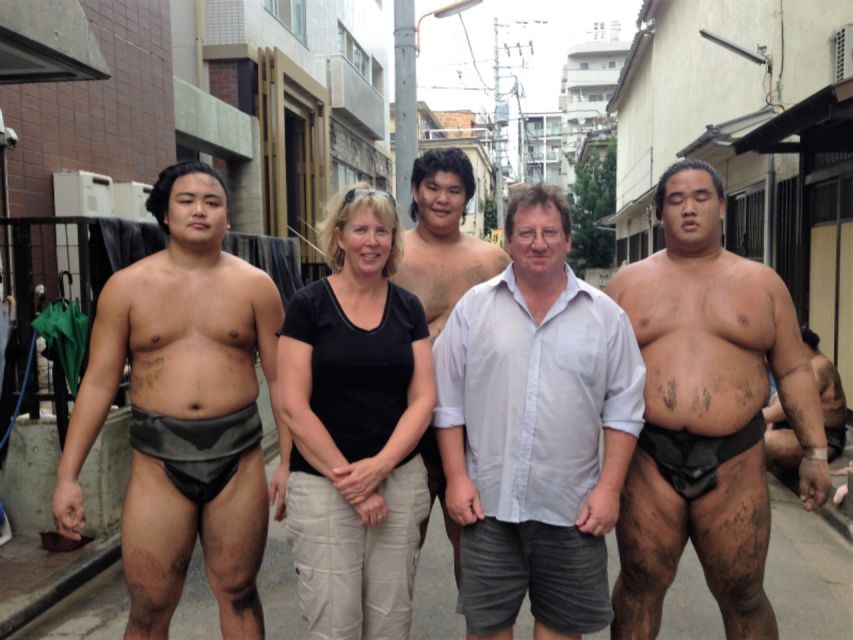
Once you enter, you take a seat near the practice area. The room is not arranged like a theater, and the stable is not built for sightseeing groups. You are entering a place where athletes are working, so the tone is quiet and respectful.
The rules are firm:
- Keep your phone on silent.
- Do not stand up or move around during practice.
- Do not use flash photography.
- Do not record video.
- Do not eat or drink.
- Do not wear a hat or sunglasses.
- Wear modest clothing.
At first, the silence may feel unusual. Your guide may explain something before practice, then use a quiet note or gesture once the wrestlers begin. This limits live commentary, but it also prevents the tour from turning into a noisy show.
Bring your attention rather than your camera. You can take photographs where permitted, but you cannot record video. That restriction may frustrate you, especially when a bout produces a powerful thud, but it also encourages you to watch the movement instead of viewing the whole session through a screen.
Same city, another way to catch the action:
- Tokyo: Sumo Show and Experience in Shinjuku
★ 4.8 · 1,001 reviews - Tokyo Grand Sumo Tournament Viewing Tour with Tickets
★ 5.0 · 692 reviews - Tokyo Sumo Wrestling Tournament Experience
★ 5.0 · 660 reviews - Tokyo:Luxury Sumo Show Experience & Japanese cuisine & Drink
★ 4.7 · 577 reviews
What you actually see during 60 to 90 minutes
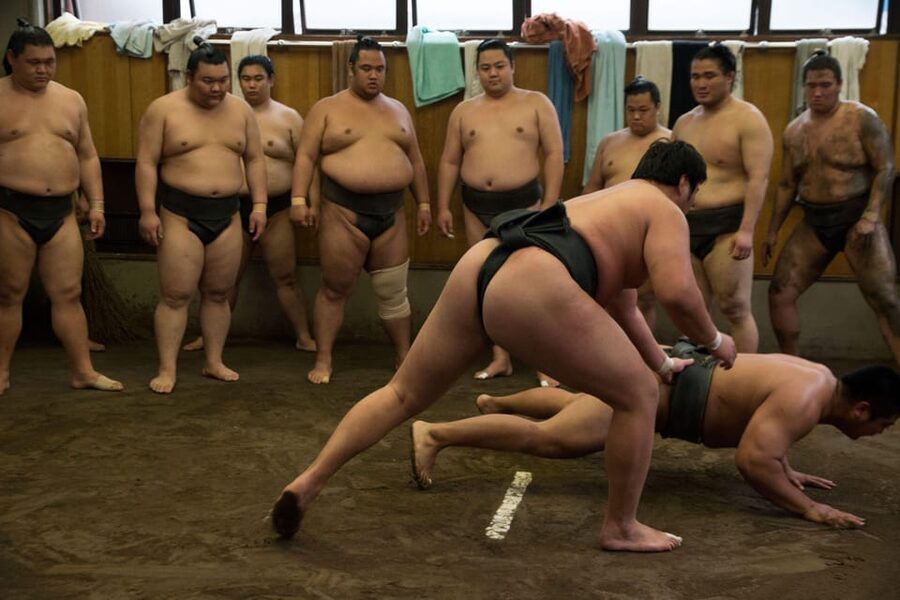
The practice can include stretching, warm-ups, footwork, pushing drills, and bouts between wrestlers. The exact order and length depend on the day, so you should not expect a fixed performance with a predictable finale.
The physical contrast is striking. Sumo wrestlers are large, but they are not simply relying on size. They work on balance, speed, positioning, and the ability to absorb or redirect force. A bout may last only seconds, yet every step and hand position can decide the result.
The sound is part of the lesson. When two wrestlers collide at close range, you feel the force in a way television cannot reproduce. One visitor described the noise and power as startling at first, then easier to understand as the session continued. Sit still and watch the feet, hips, hands, and reactions, not only the final push.
You may also see different levels of experience within the same room. Younger wrestlers might complete demanding drills while senior wrestlers practice with one another. On a particularly fortunate day, you might see famous competitors or a former yokozuna, but no particular wrestler or stable can be guaranteed.
The practice normally lasts about 60 to 90 minutes. You must stay until it ends, usually around 9:00 to 10:00 in the morning. The tour may run shorter or longer, so do not schedule a tight appointment immediately afterward.
The stable master and post-practice contact
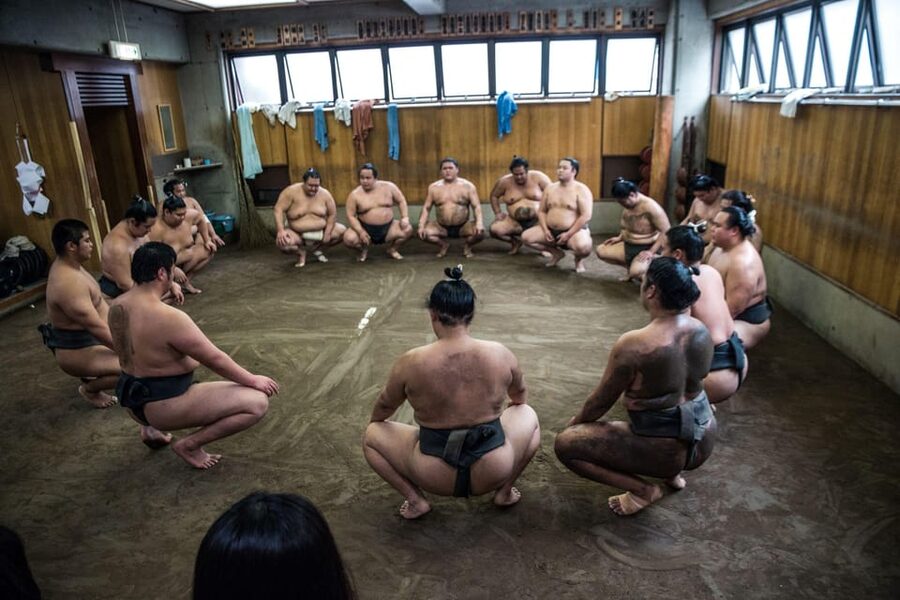
After practice, there may be time for questions or a brief exchange with the stable master or coach. This is one of the most valuable parts of the visit because it connects the physical training with the daily life of the stable.
The amount of contact depends on the day and the stable’s schedule. Some groups have been able to ask the stable master about the sport and the wrestlers’ lives. In other cases, the guide provides most of the explanation and the group moves on once practice finishes.
Photos with wrestlers may also be available after training. Treat this as a possibility, not a guaranteed feature. The wrestlers are at work, and the stable decides what is practical that morning.
When photographs are allowed, keep the process quick and polite. You may be standing beside wrestlers who have just completed a hard session, so this is not the place for a long personal photo shoot.
How authentic is the experience?
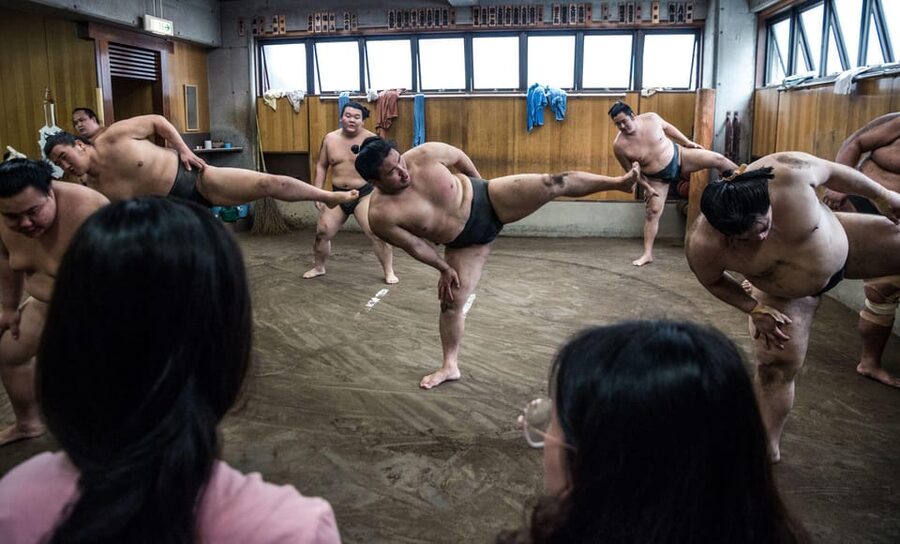
This is one of the more genuine ways to encounter sumo in Tokyo. It is not a staged sumo dinner, a demonstration arranged only for tourists, or a museum display. You watch a real practice session in a stable that is normally not open to the public.
That access is unusual even for Japanese residents. Traditionally, stable visits have often been connected to sponsors and personal introductions. The tour gives you a controlled way to enter without pretending that the stable is a public attraction.
The trade-off is that authenticity comes with rules. The stable is not designed for comfort or entertainment. You cannot wander around, ask questions whenever you like, or leave when you get bored and return later. You must respect the athletes’ concentration.
I would describe the experience as intimate, not polished. A group may include around 30 people, although the size can vary. Seating is generally arranged by arrival, and the first group inside may have a better view. If you want the best chance at a front-row seat, arrive early and follow the meeting instructions carefully.
Is $81 a fair price?
At $81 per person, this is not a cheap way to fill an hour in Tokyo. You are paying for access that is difficult to arrange independently, an English-speaking licensed guide, the walk or train transfer to the stable, and the careful explanation of an unfamiliar sport.
The price makes the most sense if you value access and interpretation. A tournament ticket can offer more spectacle, but tournament seats vary in quality and the event lasts much longer. A morning stable visit gives you close physical proximity and a clearer look at training.
It is less convincing if you only want to see a dramatic contest. Practice can be repetitive, and the most advanced wrestlers may not be working at the exact moment your session ends. You also cannot count on a photograph with a wrestler.
For someone already interested in sumo, the price is easier to justify. For someone only mildly curious, the decision depends on your patience. If you can sit quietly and watch athletes repeat difficult movements, you are likely to find the cost worthwhile. If you need constant commentary, action, or the freedom to move around, choose a tournament or a different Tokyo activity.
Who should book this morning activity?
I recommend it for adults, martial arts fans, sports followers, photographers who can work without flash, and anyone curious about a major Japanese tradition beyond the usual sightseeing route.
It also works well before an afternoon tournament. A morning stable visit can help you understand the wrestlers, rituals, and techniques before seeing the formal matches at Ryogoku Arena. One particularly useful combination is to visit the stable in the morning and attend a tournament later the same day, if the schedule allows.
This is not suitable for children under 11. The rules require quiet, still behavior, and the session can feel long if you do not enjoy watching training. It is also not suitable for people with mobility impairments, since you may need to sit on the floor and use stairs or public transport depending on the meeting option.
Wear modest clothes that allow you to sit comfortably. Leave food and drinks behind, remove your hat and sunglasses, and silence your phone before entering. Once you leave the stable, there is no re-entry.
Small details that improve the morning
Arrive early, especially if you care about your view. The front row can make a real difference in a compact room, both for watching technique and taking permitted photographs.
Do not plan a rushed connection afterward. The advertised duration is 90 minutes to two hours, but practice may finish earlier or later. The ending location may also differ from the meeting place.
Listen closely when the guide explains the stable rules. During a bout, the group may need to remain completely silent, which means the guide cannot provide a running sports commentary. Written notes can help, but you should expect some stretches where you simply watch.
Keep your expectations flexible about the stable and the wrestlers. You may see a famous name, an ex-yokozuna, or a stable full of young wrestlers working through basic drills. All are useful. The point is to see the training culture, not to collect a guaranteed celebrity encounter.
Should you book the Tokyo sumo stable tour?
Book it if you want close access to the work behind sumo and can respect a quiet, strict setting. The combination of a real stable, an English-speaking guide, and a close view of practice is difficult to recreate on your own.
Skip it if you want a competition, a flexible schedule, or a highly interactive show. For everyone else, this is a strong choice in Ryogoku, especially if you are already planning to see the arena or want a side of Tokyo that most standard sightseeing routes miss.
FAQ
How long does the sumo morning practice tour last?
The experience lasts about 90 minutes to two hours. The practice itself usually takes 60 to 90 minutes, and the ending time can change depending on the stable’s schedule.
Where does the tour take place?
It takes place inside a real sumo stable in Tokyo’s Ryogoku district. The meeting point can vary by booking option, and the group may take a train to the stable after meeting the guide.
Is the tour conducted in English?
Yes. The tour includes a live English-speaking guide who explains sumo, its customs, its history, and the practice session.
Can I take photos or videos?
Photography rules apply inside the stable. Flash photography and video recording are not allowed. Photos with wrestlers may be available after practice, depending on the day.
Can I leave the stable early?
You are expected to stay until the practice ends, usually around 9:00 to 10:00 in the morning. Once you leave, you cannot re-enter the stable.
Is this tour suitable for children?
No. The experience is not suitable for children under 11. Participants must remain quiet, still, and seated during practice.
What should I wear and bring?
Wear modest clothing and prepare to sit quietly during the session. Hats, sunglasses, food, drinks, flash photography, and video recording are not allowed.
New on the fixture list around Tokyo
- Tokyo: Watching Sumo and Ryogoku Area Walking Tour★ 4.0 · 5 reviews
- Tokyo: Sumo Morning Practice Viewing Tour at a Real Stable★ 4.9 · 32 reviews
- Tokyo: Sumo Morning Practice -Stable Visit Tour with a Guide★ 4.8 · 16 reviews
- Tokyo: Sumo Morning Practice Tour in Ryogoku and Photo Shoot★ 4.7 · 47 reviews
- Tokyo: Sumo Keiko Training Tour with Audio Guide & Photo★ 4.8 · 5 reviews
- Tokyo Sumo Morning Practice: Witness the Life of a Wrestler★ 4.8 · 56 reviews
- Tokyo: Sanctuary Authentic Grand Sumo Experience & Training★ 5.0 · 7 reviews
- Tokyo Highlights Tour: Sumo, Sushi, Tea, and Tokyo Tower★ 5.0 · 2 reviews
More Sumo Experiences in Tokyo to weigh up.
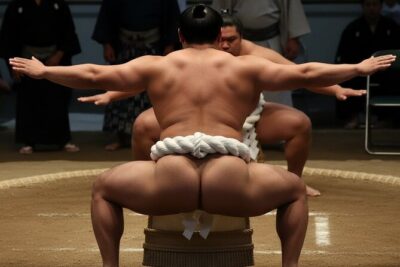
Tokyo Shinjuku Sumo Show & Experience with Photo
Read our review →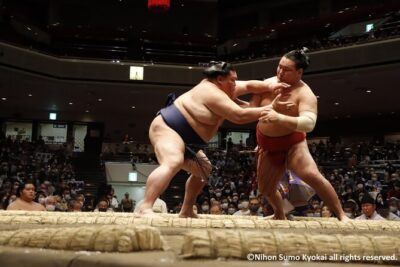
Tokyo Grand Sumo Tournament Viewing Tour with Tickets
Read our review →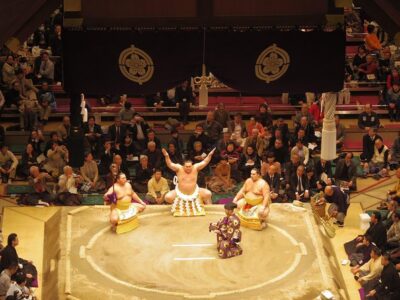
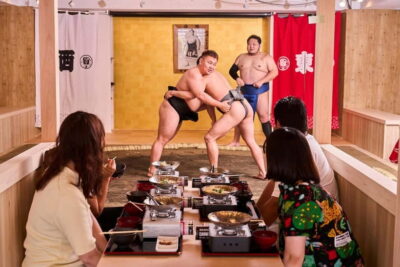
Tokyo:Luxury Sumo Show Experience & Japanese cuisine & Drink
Read our review →Tokyo Sumo Experience: Chanko & Mochi with a Former Pro
Read our review →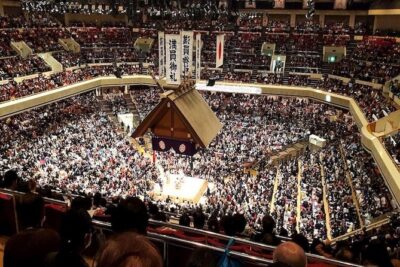
Ultimate Sumo Tournament: Tokyo, Osaka, Nagoya, Fukuoka
Read our review →This one also appears in