
Review · TOKYO
Tokyo Sumo Wrestling Tournament Experience
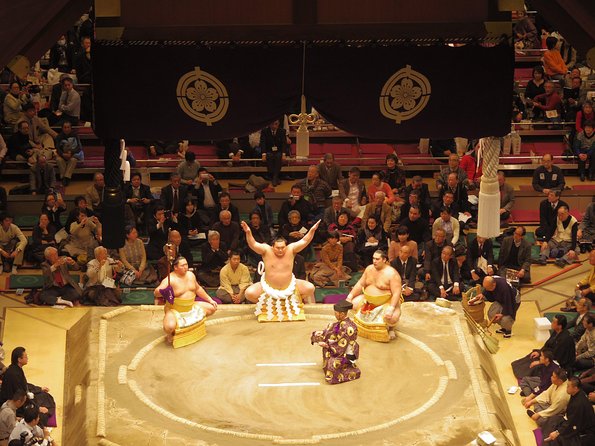
A sumo tournament is not a staged cultural show. It is a real sporting contest, wrapped in centuries of ritual, and the atmosphere changes sharply when the top wrestlers enter the ring. At Ryogoku Kokugikan, you watch from a proper seat while an English-speaking guide explains what is happening around you.
I like two things here in particular: the guide gives meaning to the bowing, salt throwing, ring-entering ceremonies, and fast bouts, and the three-hour stadium time lets you see the senior wrestlers rather than only a quick demonstration. The optional hot pot lunch is another useful touch.
The main drawback is price. At $124, this is far more than the face value printed on some tickets, so you are paying for access, help on the day, a reserved place, and interpretation. Second-floor chair seats can also be high up, while first-floor box seating means sitting on a cushion without a backrest and removing your shoes.
Key points to know before booking
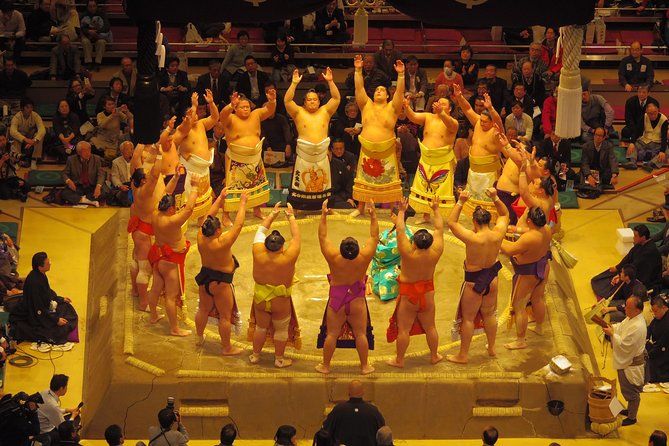
- See a real Tokyo tournament: This is one of the three annual sumo tournaments held in Tokyo, not a short cultural performance.
- Get the rules explained: Guides such as Yuko, Taka, Maddie, and Kenichi have helped visitors follow the rituals, wrestlers, and scoring.
- Expect a long afternoon: The stadium portion lasts about three hours, with the full experience taking roughly three and a half hours.
- Choose your seat carefully: Chair S, A, and B options are on the second floor. First-floor seating is in a private box with floor cushions.
- Add lunch if it suits you: The lunch plan includes a Japanese hot pot meal before the tournament.
- Arrive on time: This is a group outing with a maximum of 15 people, and the group leaves at the stated meeting time.
Why sumo works so well as a first Japanese sporting event
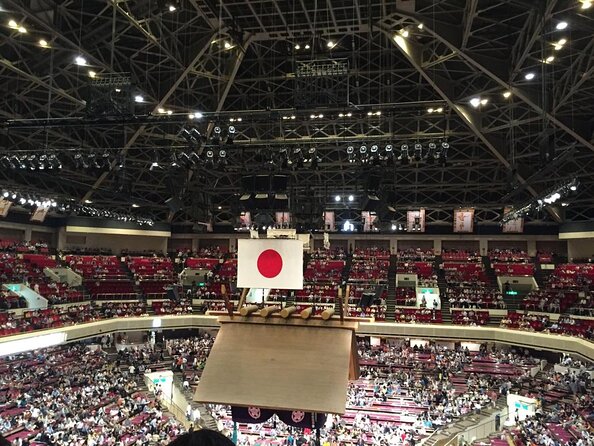
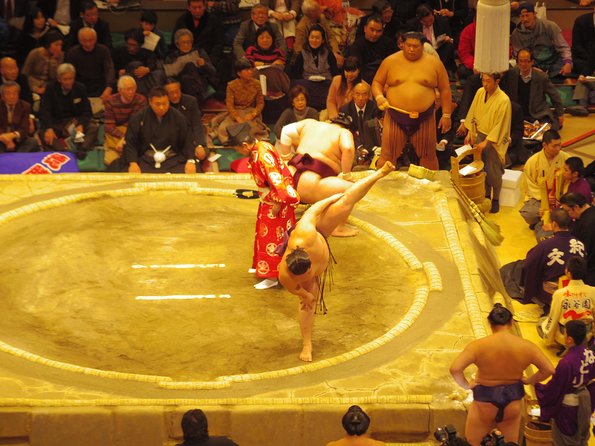
You do not need to know the rankings or speak Japanese to enjoy the tournament. A bout may last only seconds, but the build-up is deliberate: wrestlers face each other, stamp, throw salt, and test the tension before the charge. That contrast gives the afternoon its rhythm.
The sport grew from Shinto religious practice and is traditionally described as more than 1,500 years old. You do not need a lecture on every part of that story, but some context changes what you see. The ring is not simply a place for two large athletes to push one another. It is a ceremonial space, and the pre-bout movements matter almost as much as the collision.
This is also a good way to see Japanese sporting culture from inside the country. The crowd reacts loudly when a wrestler gains ground, then falls quiet during the ritual. The sound rises and falls with the bout, and the mood can shift in an instant.
More Sumo Experiences in Tokyo
- Tokyo: Sumo Show and Dining Experience
★ 4.8 · 2,742 reviews - the SUMO show
★ 5.0 · 1,960 reviews - Tokyo Shinjuku Sumo Show & Experience with Photo
★ 5.0 · 1,750 reviews
Meeting at Ryogoku and getting inside
Your starting point depends on the ticket option you choose. For Chair S, A, and B seats, you meet near the west gate of JR Ryogoku Station. Those choosing the lunch plan meet at Ryogoku Hanano-mai Restaurant. Chair C ticket holders meet at Ryogoku River Center.
This matters because the meeting points are not interchangeable. Check your booking details before leaving your hotel, and allow enough time to find the exact spot. The group leaves on time, so a last-minute arrival creates unnecessary stress.
Your guide hands over the tournament ticket on the day. From the meeting point, it is about a five-minute walk to Ryogoku Kokugikan, the city’s main sumo arena. The short walk is easy, but the handoff is one reason this experience can be useful if official tickets are difficult to obtain on your own.
The group size is limited to 15 people. That is small enough for questions and personal help without turning the pre-match explanation into a private tour. You will still be attending a major public event, not receiving a private stadium visit.
The Sumo Museum, when the crowd allows
The plan includes a visit to the Sumo Museum inside the arena. It is a brief stop, listed at about five minutes, so think of it as an introduction rather than a full museum visit.
The museum may be skipped when the stadium is crowded. That is worth knowing before you book. The tournament itself is the main event, and the museum is an extra look at sumo culture, not the reason to choose this outing.
If the museum is open during your visit, your guide can help you connect what you see there with the action in the arena. The short stop is especially useful if this is your first contact with sumo and you want a little background before taking your seat.
Three hours inside Ryogoku Kokugikan
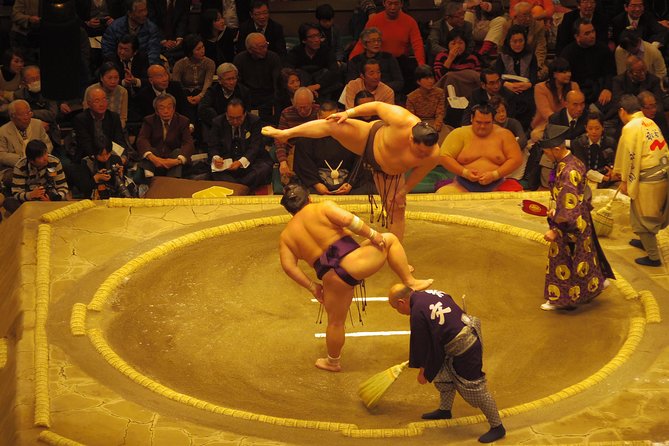
The tournament is the heart of the experience. You spend about three hours watching the grand sumo competition, with the guide helping you understand the ceremony, the wrestlers, and the changing energy in the ring.
The senior bouts are the main attraction. One visitor described seeing roughly 16 matches involving the highest-ranked wrestlers, including Japan’s top competitor. Exact matchups depend on the tournament day, but the afternoon gives you a chance to see the important bouts rather than leaving after a single contest.
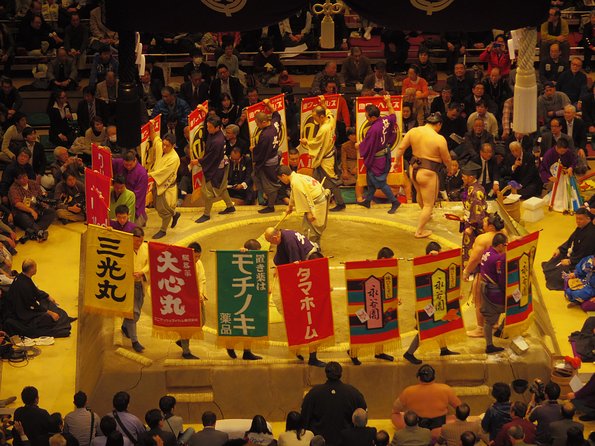
You may also catch the opening ceremonies and the formal ring-entering sequence. These moments are easy to miss if you know only the basic goal of forcing an opponent out of the ring. Your guide can point out the parts that are difficult to interpret from a seat.
Past guides have included Yuko, Taka, Maddie, Mia, and Kenichi. The assigned guide can vary, but the strongest part of the experience is the live explanation. A good guide helps you follow which wrestler has momentum, explains the basic rules, and adds background about the competitors.
The guidance also helps with the names. Sumo wrestlers can be hard to distinguish at first, especially when you are watching from a distance. Knowing a little about their rank, style, or current standing gives each bout more meaning.
Bring compact binoculars if you already own a pair and want a closer look at the ring. One practical tip from the experience is to wear cool, comfortable clothing. You do not need to dress up for the stadium.
Same city, another way to catch the action:
- Tokyo: Sumo Show and Experience in Shinjuku
★ 4.8 · 1,001 reviews - Tokyo Grand Sumo Tournament Viewing Tour with Tickets
★ 5.0 · 692 reviews - Tokyo:Luxury Sumo Show Experience & Japanese cuisine & Drink
★ 4.7 · 577 reviews - Tokyo: Sumo Morning Practice Viewing Tour
★ 4.8 · 570 reviews
Chair seats, box seats, and what your $124 pays for
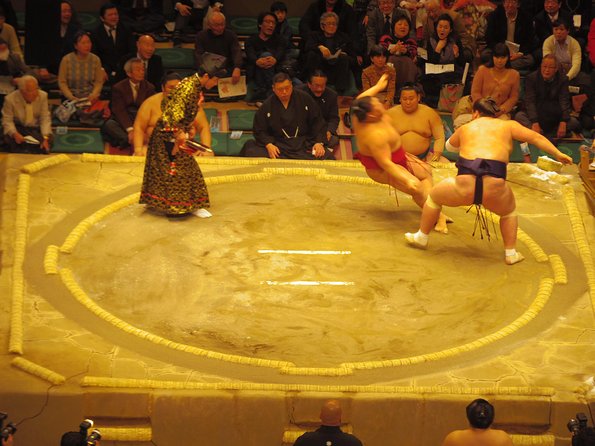
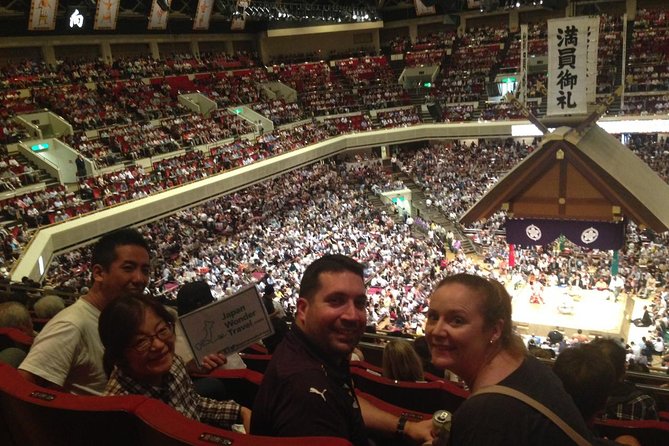
The standard chair options are on the second floor. These are conventional seats with a back, which is the easier choice for most people during a three-hour event. The tradeoff is distance. Some seats are high up, so the action may feel less immediate than it would from the first floor.
First-floor tickets are box seats. Each group choosing this option receives its own private seating space rather than sharing with another party. The seating is on cushions without a backrest, and you remove your shoes before sitting. That arrangement is part of traditional sumo viewing, but it can be less comfortable if you have trouble sitting on the floor.
At $124, the experience is not the cheapest route into the arena. You may see a lower ticket price printed on the physical ticket, and the difference can feel large. The extra cost pays for the organized entry, the English-speaking guide, the help choosing or receiving tickets, and access during a tournament that may be sold out when you try to arrange it late.
I would not call it a bargain in the narrow ticket-price sense. I would call it a convenience purchase for a rare event. If you already understand sumo, can obtain an official ticket, and are comfortable arranging everything yourself, you may prefer to save money. If you want a smoother first visit and need help making sense of the sport, the price is easier to justify.
The optional hot pot lunch
The lunch plan adds a Japanese hot pot meal before the tournament. This is a sensible choice if you want the afternoon organized from start to finish, or if you enjoy sharing a meal with a small group before the event.
The lunch is not included in the non-lunch option. If you choose it, report to Ryogoku Hanano-mai Restaurant rather than the station meeting point. Tell the operator about allergies or dietary restrictions when booking or as soon as possible after reserving.
Do not choose the lunch plan simply because you assume it is required. The tournament is the main experience, and the non-lunch option gives you more flexibility. Choose the meal if you like having one less decision to make on a busy tournament day.
Family, luggage, and practical comfort
Children aged three and under can enter free, but they do not receive their own seat and must sit on an adult’s lap. Children aged four and older need their own tickets.
An 11-month-old child has been accommodated at the venue, and there is a place to store baby strollers. Strollers cannot be taken up to the seats, so families should plan for that limitation. Large luggage also cannot be brought into the seating area.
Most people can take part, and the venue is close to public transportation. The activity itself involves a short walk and several hours of seated viewing. The floor cushions in first-floor boxes are the main comfort concern, while second-floor chair seats are the more straightforward option for families and anyone who prefers a normal chair.
The tour finishes at Ryogoku Kokugikan around 6:00 p.m. That gives you a clear end point for dinner or an evening plan in Tokyo, but do not schedule something that requires you to leave early. You will miss the most important bouts if you treat the stadium time as optional.
What makes the guide worth having
You can watch sumo without a guide, but the first hour may feel confusing. The rules are simple on paper, yet the ceremony, rankings, names, and short bouts create a lot to take in.
A good guide helps you notice why the crowd reacts to one wrestler, what the formal gestures mean, and which competitors are worth watching. Several guides connected with this experience have been praised for their enthusiasm and clear English. Maddie has been described as energetic and encouraging, while Yuko and Kenichi have been singled out for explaining the sport and its customs in detail.
The guide also gives you someone to ask about small things. Why is salt thrown? Why does a wrestler wait so long before charging? What happens when both competitors touch the ground at the same time? You may not remember every answer, but the questions turn a strange sport into a gripping one.
There is also a social benefit. The group may begin as strangers, but the guide can get everyone choosing favorite wrestlers and reacting together. That shared sense of occasion is difficult to create if you simply enter the arena alone with a ticket.
Who should book this sumo experience
I would recommend it most strongly if you meet one of these descriptions:
- You are visiting Tokyo during a tournament and want to see an important part of Japanese culture.
- You have never watched sumo and want the rules and ceremonies explained in English.
- You are concerned about finding tickets or navigating the venue on your own.
- You prefer a seated sporting event to a walking tour.
- You would enjoy combining a tournament with a short museum visit and optional Japanese meal.
I would be more cautious if your main goal is the lowest possible ticket price. The organized format costs more than the face value on some tickets. I would also think twice about first-floor box seats if you dislike sitting on a cushion without a backrest.
For the best balance of comfort and simplicity, I would choose a second-floor chair seat and bring binoculars if you have them. For a more traditional setup, choose a box seat and accept that floor seating is part of the experience.
Should you book the Tokyo sumo tournament tour?
If you are in Tokyo during one of the city’s three annual tournaments, I think this is a strong choice for a first sumo experience. You receive a real tournament, several hours of top-level bouts, a reserved seat, and an English-speaking guide who can explain the parts you would otherwise miss.
The $124 price needs an honest look. It is not the best deal for someone who can buy a cheap ticket well in advance and already knows the sport. It is a fairer trade for someone facing a sold-out event, limited planning time, or uncertainty about how to follow sumo once inside.
Book it if the date fits your trip and you value access and explanation more than the lowest price. Skip it if you are not interested in Japanese sport, dislike long seated events, or expect a quick entertainment show. Sumo rewards patience, and this afternoon gives you enough time to see why.
FAQ
How long does the Tokyo sumo experience last?
The experience lasts about three and a half hours. The stadium portion is about three hours, and the tour finishes around 6:00 p.m.
Where does the tour meet?
Meeting points vary by ticket option. Chair S, A, and B guests meet at the west gate of JR Ryogoku Station. Lunch-plan guests meet at Ryogoku Hanano-mai Restaurant. Chair C guests meet at Ryogoku River Center.
Is lunch included?
Lunch is included only with the lunch plan. The meal is Japanese hot pot. Lunch is not included with the non-lunch option.
What type of seat will I receive?
Chair S, A, and B options provide a second-floor chair seat. First-floor seating consists of box seats with floor cushions and no backrest. You must remove your shoes in the box seats.
Will the guide provide the tournament ticket?
Yes. The guide hands out the ticket on the tour date.
Can children join the experience?
Children aged three and under can enter free but must sit on an adult’s lap and do not receive their own seat. Children aged four and older must have their own tickets.
Can I bring a stroller or large luggage?
Strollers can be stored at the stadium but cannot be taken up to the seats. Large luggage cannot be brought into the seating area.
Can I cancel for a refund?
You can cancel at least 24 hours before the start time for a full refund. Cancellations or changes made within 24 hours are not accepted and are not refunded.
New on the fixture list around Tokyo
- Tokyo: Sumo Morning Practice Viewing Tour at a Real Stable★ 4.9 · 32 reviews
- Tokyo: Sumo Morning Practice -Stable Visit Tour with a Guide★ 4.8 · 16 reviews
- Tokyo: Watching Sumo and Ryogoku Area Walking Tour★ 4.0 · 5 reviews
- Tokyo: Sumo Morning Practice Tour in Ryogoku and Photo Shoot★ 4.7 · 47 reviews
- Tokyo: Sumo Keiko Training Tour with Audio Guide & Photo★ 4.8 · 5 reviews
- Tokyo Sumo Morning Practice: Witness the Life of a Wrestler★ 4.8 · 56 reviews
- Tokyo Highlights Tour: Sumo, Sushi, Tea, and Tokyo Tower★ 5.0 · 2 reviews
- Tokyo: Sanctuary Authentic Grand Sumo Experience & Training★ 5.0 · 7 reviews
More Sumo Experiences in Tokyo to weigh up.
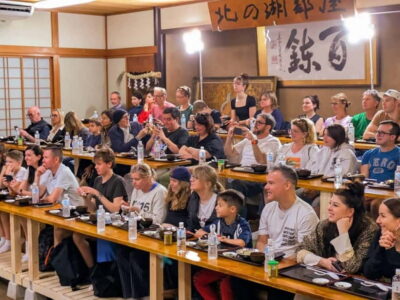
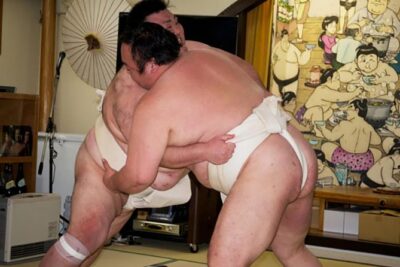
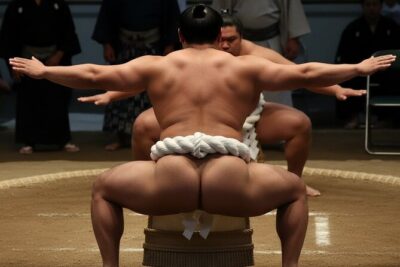
Tokyo Shinjuku Sumo Show & Experience with Photo
Read our review →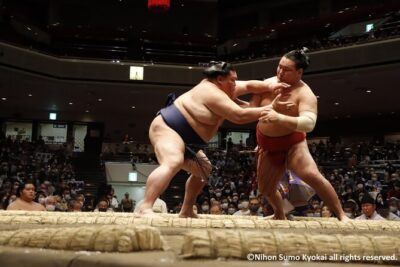
Tokyo Grand Sumo Tournament Viewing Tour with Tickets
Read our review →
Tokyo:Luxury Sumo Show Experience & Japanese cuisine & Drink
Read our review →
Tokyo Sumo Experience: Chanko & Mochi with a Former Pro
Read our review →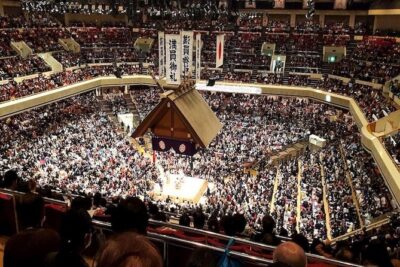
Ultimate Sumo Tournament: Tokyo, Osaka, Nagoya, Fukuoka
Read our review →This one also appears in