
Review · TOKYO
Tokyo: Sumo Morning Practice Tour in Ryogoku and Photo Shoot
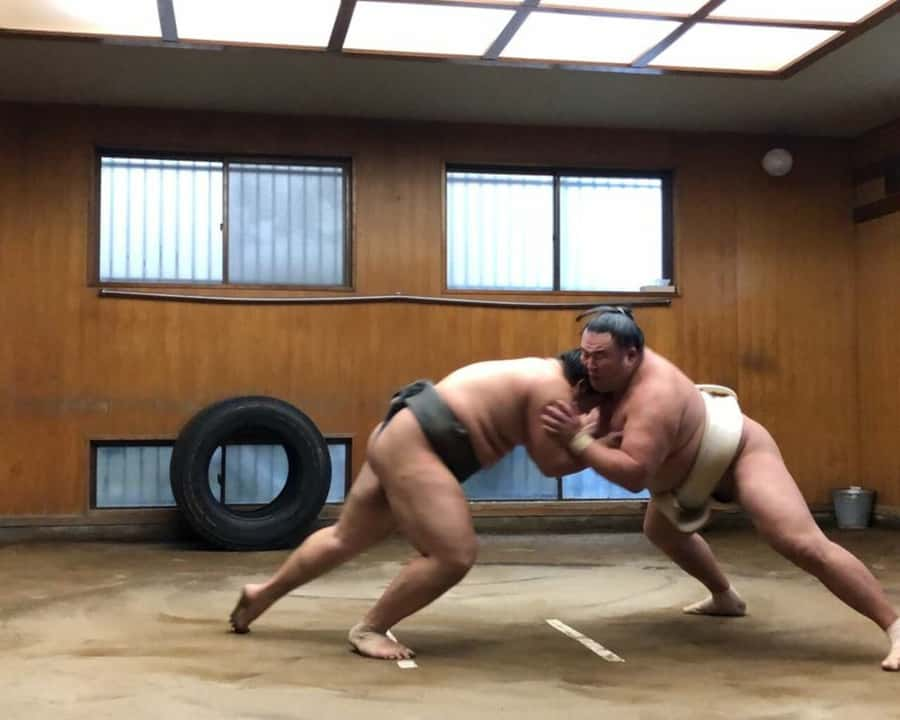
Tokyo’s sumo wrestlers begin work early, and this morning practice visit lets you watch that serious routine from inside a real stable. You sit quietly on tatami while powerful athletes train just a few feet away, with no theater, ring announcer, or tourist show to soften the experience.
I like the small group of up to nine, which makes it easier to hear the English guide and see the action. I also like the photo session at the end, since it gives you a keepsake beyond a few distant snapshots. The main drawback is that practice can be shortened or canceled without notice, and you may spend much of the visit sitting on the floor.
Key points at a glance
- Morning training inside a real sumo stable, not a staged demonstration
- About 105 minutes at the stable, within a two-hour outing
- English guide explains rules, customs, training, and diet
- Photo session with wrestlers included, though contact and photography can vary
- Small group limited to nine people, with seating assigned on a first-come basis
- Strict etiquette applies, including no food, drinks, video, short skirts, or sleeveless shirts
Why a morning at a sumo stable feels different
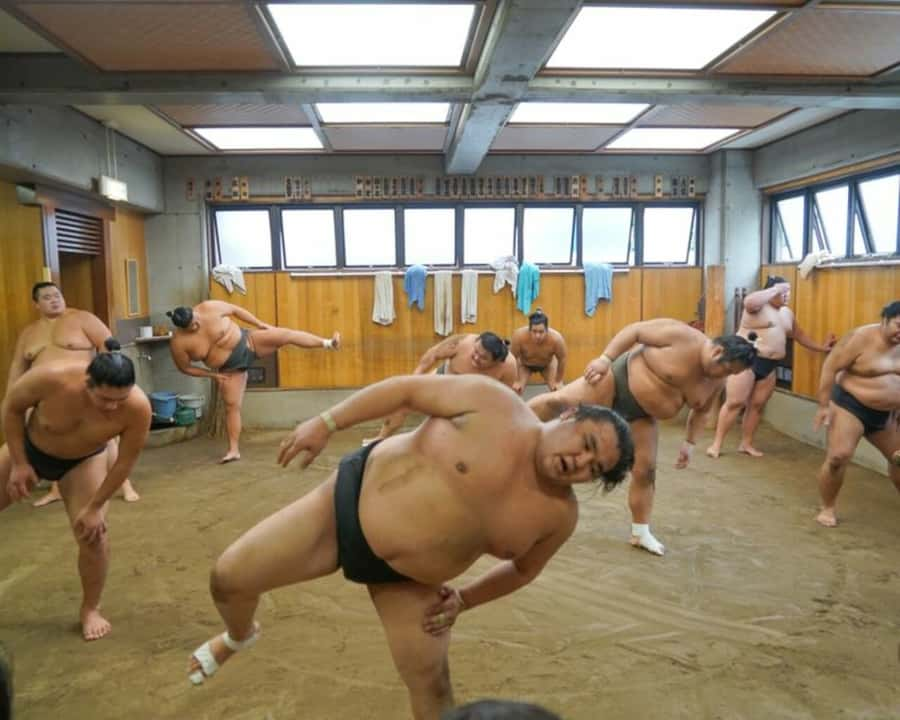
Sumo is easy to recognize but harder to understand from a grandstand seat. You see two enormous men push, slap, and throw each other, yet the sport’s rules and rituals can seem mysterious. This visit fills in those gaps while you watch the athletes prepare.
The practice takes place at a sumo stable, the training and living base for wrestlers. You are not simply hearing a talk about sumo in a museum. You are watching athletes repeat the movements, conditioning exercises, and bouts that shape their competition.
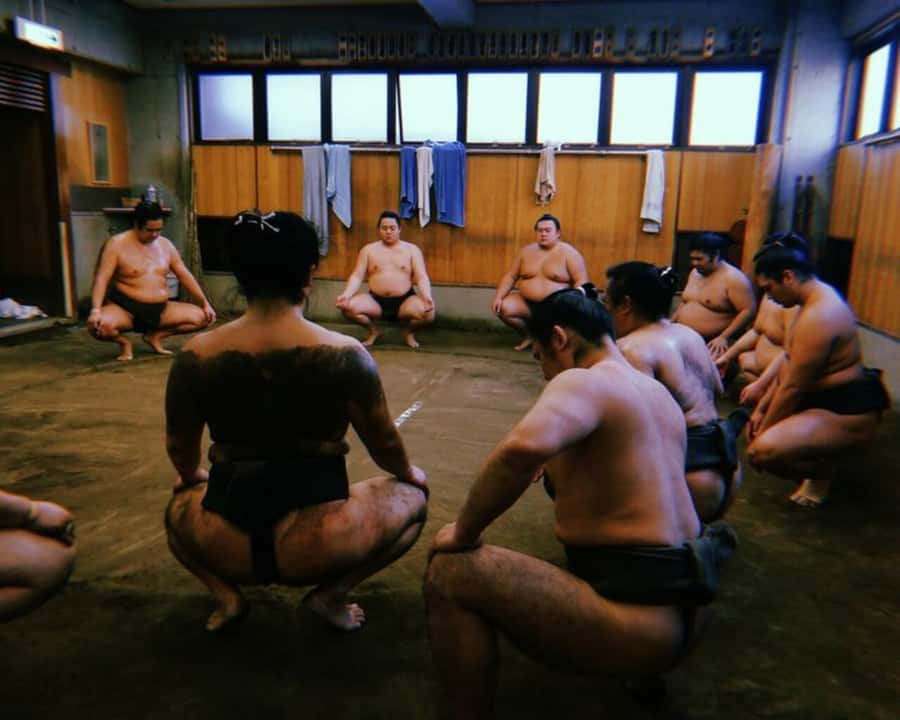
That setting matters. Sumo is built on discipline and routine, and morning practice shows that side clearly. The tour is not designed as a loud entertainment show. Silence, careful attention, and respect for the stable come first.
Your guide explains the roots and customs of the sport in English. You can expect an introduction to the basic rules, the wrestlers’ training, and the food regimen linked to their demanding lifestyle. You may also have a chance to speak with a wrestler, but that is not guaranteed.
More Sumo Experiences in Tokyo
- Tokyo: Sumo Show and Dining Experience
★ 4.8 · 2,742 reviews - the SUMO show
★ 5.0 · 1,960 reviews - Tokyo Shinjuku Sumo Show & Experience with Photo
★ 5.0 · 1,750 reviews
Meeting at JR Ryogoku Station
The meeting point is directly outside the East Exit of JR Ryogoku Station, in front of Re.Ra.Ku. This detail is important because Ryogoku has two stations, and the meeting point is not at the Toei-Oedo Line station.
Look for the guide holding a red or orange Magical Trip sign. The location is intended to be easy to find, and the tour begins on time. If you arrive late, you cannot join the visit or reschedule it, so give yourself extra time to find the correct station exit.
There is no hotel pickup. You make your own way to Ryogoku, then return to the same Re.Ra.Ku meeting point after the stable visit.
Ryogoku is the right part of Tokyo for this experience. The district is closely tied to sumo, and the station area makes a practical starting point for a morning outing. The tour itself, however, is the focus. Do not expect a longer neighborhood walk or a broad sightseeing route.
The first moments inside the stable
After meeting the guide, the group walks to the sumo stable. The provided schedule allows about 105 minutes at the stable, with the full experience lasting two hours.
Inside, you sit on tatami while practice takes place. No chairs are provided, so this is worth considering if sitting on the floor is difficult for you. The stable may also have limited access for wheelchairs and strollers.
The seating is first-come, first-served. Groups can be split, and the room may not give everyone the same angle. Arriving on time helps you settle in, but it does not guarantee a particular spot.
The stable is a working place, not a photo studio. You need to follow instructions, stay out of restricted areas, and avoid disruptive behavior. Entering areas reserved for wrestlers or disturbing practice can lead to removal without a refund.
That strictness is part of the value. You get to see a real training environment, but you do so on the stable’s terms. If you prefer an easygoing attraction where you can move around freely, this may feel restrictive.
Watching wrestlers train up close
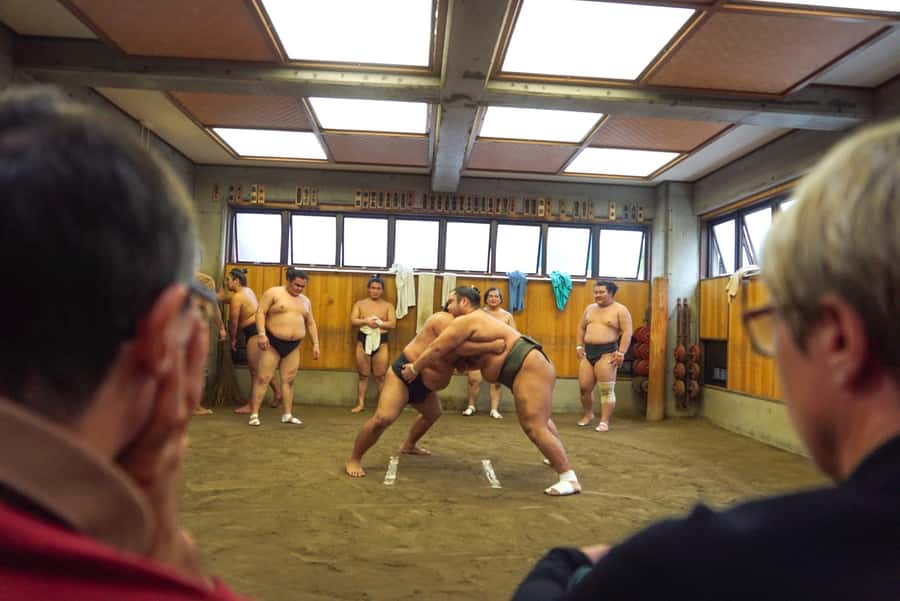
The main event is the practice itself. You watch the wrestlers begin their morning training and see the physical demands placed on their bodies. The guide provides context so you can understand what you are seeing rather than treating every movement as one large blur of muscle and noise.
The close distance changes the experience. A sumo wrestler’s size is hard to judge on television, but sitting in the same room gives you a far clearer sense of scale. The athletes’ power, balance, and concentration become much easier to appreciate.
Practice may include repeated bouts and conditioning work, though the exact session can vary. The schedule and length are not guaranteed. A practice session can be canceled or shortened without notice, and a full refund is provided if the tour is canceled.
That uncertainty is the chief tradeoff. You are paying for access to a working stable, not a fixed stage performance. The reward is authenticity. The risk is that the morning may be shorter or less active than you hoped.
The guide also helps explain why sumo is more than a simple contest of strength. Rules, rank, ritual, training habits, and stable customs all shape the sport. For someone new to sumo, that explanation can make a future tournament or televised bout far easier to follow.
Same city, another way to catch the action:
- Tokyo: Sumo Show and Experience in Shinjuku
★ 4.8 · 1,001 reviews - Tokyo Grand Sumo Tournament Viewing Tour with Tickets
★ 5.0 · 692 reviews - Tokyo Sumo Wrestling Tournament Experience
★ 5.0 · 660 reviews - Tokyo:Luxury Sumo Show Experience & Japanese cuisine & Drink
★ 4.7 · 577 reviews
What the English guide adds
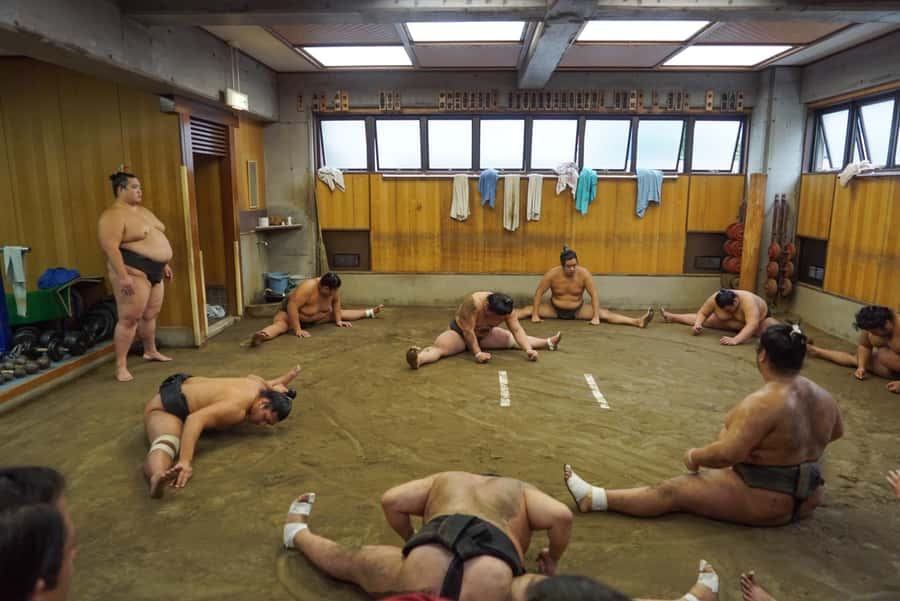
The guide is an important part of the outing. Without clear explanations, you might see a demanding practice but miss the meaning behind it.
The tour is conducted in English, and the guide covers:
- Basic sumo rules
- The sport’s roots and customs
- Morning training routines
- The wrestlers’ diet and regimen
- The appeal of sumo in Japanese culture
A guide named Marie has led the experience with enthusiasm and has been able to answer detailed questions. Other guides may lead the tour, so you should not book solely on the expectation that Marie will be present. Still, her example shows the kind of personal explanation the tour aims to provide.
You can ask questions during the visit, but remember that the stable’s rules come first. The guide’s best work is not just translating words. It is helping you understand when to watch quietly, what a training action means, and why certain boundaries matter.
The photo session at the end
The included photo session takes place with sumo wrestlers at the end of the stable visit. This is a useful finishing touch because photography during practice may be limited, and you should not assume you can photograph every moment.
The photo opportunity is not a promise of unlimited access. Stable rules control what is allowed, and photography can be restricted depending on the location and the practice session. Video recording is not permitted.
You should also understand that speaking with a wrestler is possible but not guaranteed. The photo session is included, but the exact format may vary. Treat it as a respectful group photo opportunity, not a private meeting or a long personal conversation.
Bring a camera or phone for still pictures if permitted, but keep it ready to put away when instructed. The atmosphere is formal enough that you should wait for the guide’s direction before taking pictures.
Etiquette, clothing, and comfort
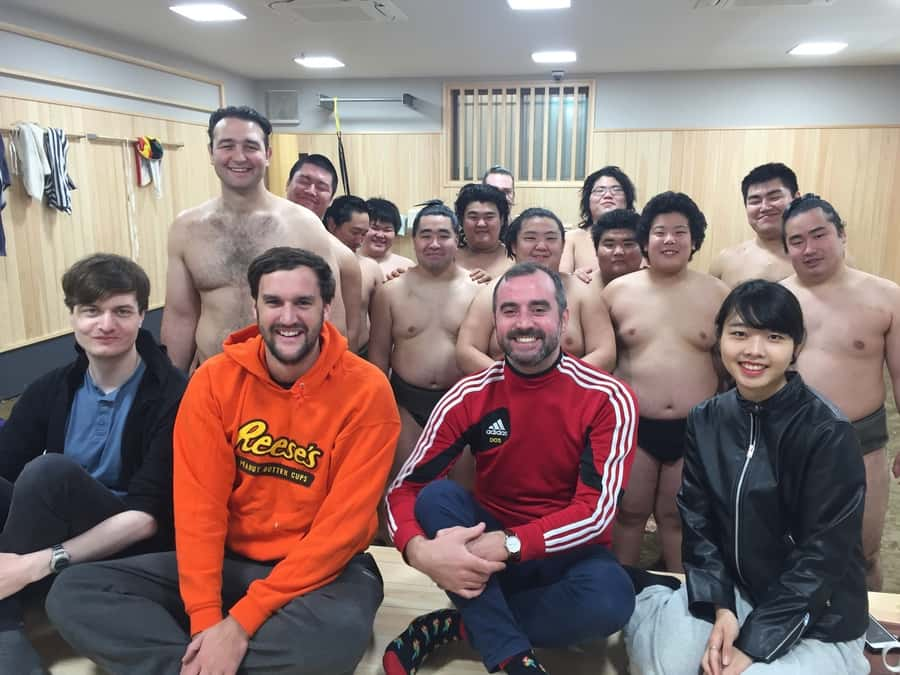
The stable’s rules are more demanding than those at a typical Tokyo attraction. Food and drinks are not allowed during the visit. Short skirts and sleeveless shirts are also prohibited, so choose modest clothing that lets you sit comfortably on tatami.
Video recording is not allowed. Still photography may be limited, and you must obey the stable’s instructions at all times.
There are no restrooms during the tour. Use one before meeting the guide. This small detail can make a big difference during a two-hour outing, especially since early exits are allowed but re-entry is not.
Dress for the weather when heading to Ryogoku, but remember that the key clothing concern is suitable attire inside the stable. You do not need to pay an extra fee on the day.
The tour is for people aged 12 and over. Children under 12 cannot take part and will be denied entry without a refund. For older children and teenagers who already have an interest in Japanese sports, the visit could be a memorable introduction, provided they can sit quietly and follow the rules.
How the $96 price measures up
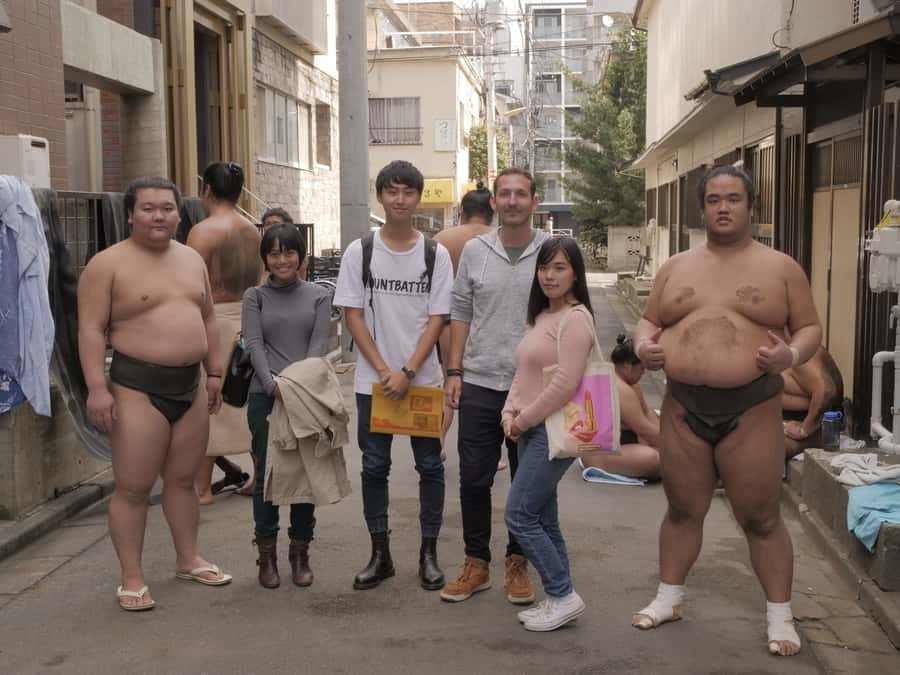
At $96 per person, this is not a budget stop. The price includes the local guide, entrance to morning practice, and the photo session with wrestlers. It does not include transportation to Ryogoku or hotel pickup.
The value depends on what you want from your Tokyo sightseeing. If you only want to see a few sumo bouts, a television broadcast or tournament ticket may cost less. But those options do not place you inside a training stable or give you an English explanation of the routines and customs.
The small group helps justify the price. With a maximum of nine participants, the guide can answer questions more easily than on a large bus tour. The group is still large enough that seating and sightlines are not guaranteed, so do not treat the small-group label as a promise of a private visit.
I see the price as reasonable for a rare access-based experience, especially for a sumo fan or anyone with only a short time in Tokyo. It is harder to justify if you are not interested in the sport, dislike floor seating, or need a fixed schedule with guaranteed entertainment.
The free cancellation policy allows a full refund when you cancel at least three days in advance. Same-day changes are not available, and the date or time cannot simply be adjusted on the morning of the tour.
Who should book this experience
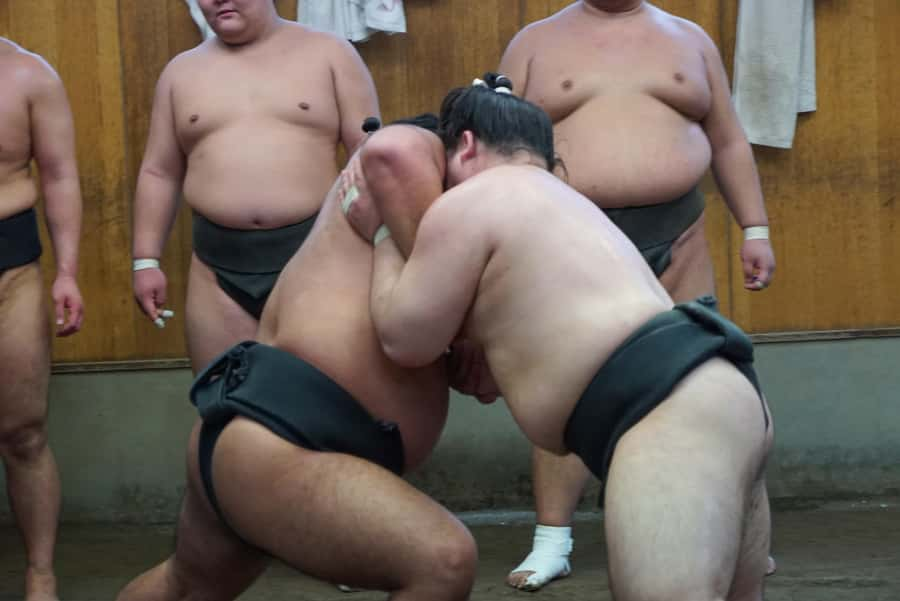
I would recommend this outing to:
- First-time visitors who want a cultural activity beyond major temples and shopping streets
- Sumo fans who want to see training rather than only a tournament
- Adults and children aged 12 or older who can sit quietly and follow instructions
- Visitors who value a small group and direct access over a flexible schedule
- Photographers who want still images from a distinctive Tokyo experience, within the stable’s limits
I would think twice if you have trouble sitting on tatami, need wheelchair or stroller access, or want to move around freely. I would also avoid booking it as the one fixed event on a tightly packed morning, since practice may be shortened or canceled.
The experience suits curious visitors more than people seeking a polished show. You need to accept that the stable is a working environment, with rules that may limit photos, conversation, and movement.
Planning your morning in Ryogoku
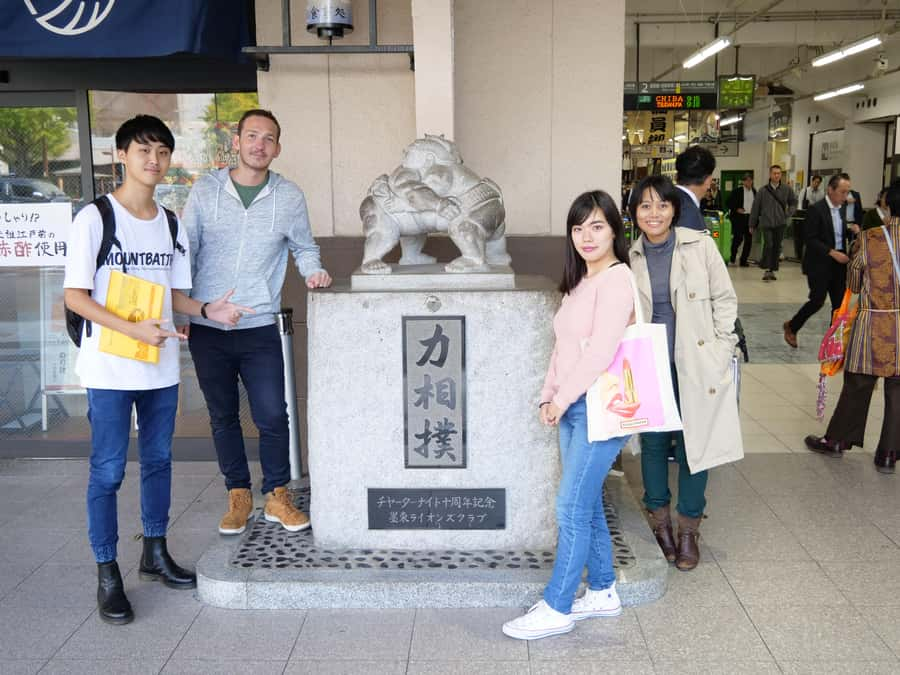
Build in extra time before the meeting. The tour starts promptly, and being at the wrong Ryogoku station is an easy mistake. Head for the JR line, exit at the East Exit, and find the red or orange Magical Trip sign outside Re.Ra.Ku.
Use the restroom before you meet the guide. Wear clothing that covers your shoulders and is suitable for sitting on a tatami floor. Avoid bringing food or drinks into the stable.
Do not schedule an important appointment immediately afterward. The planned length is two hours, but practice can change, and the return time may not feel as exact as a museum visit. If the session ends early, you may leave, but you cannot go back inside.
The full outing begins and ends near JR Ryogoku Station, which makes it easy to continue exploring Tokyo afterward. The supplied schedule does not include an additional sightseeing stop, so plan your own next activity separately.
The final call
Book this sumo morning practice tour if you want close access to an authentic training session, clear English explanations, and a small group rather than a large organized crowd. The photo session adds a useful memory, and the chance to see wrestlers at work gives the visit more substance than a simple photo stop.
Skip it if you need guaranteed practice time, chair seating, unrestricted photography, or a relaxed arrival window. For the right person, the $96 cost buys access to a part of Tokyo that most visitors cannot see on their own. Just arrive early, dress appropriately, keep your phone ready for still photos only, and let the stable set the pace.
FAQ
Where does the sumo morning practice tour meet?
Meet outside Re.Ra.Ku at the East Exit of JR Ryogoku Station. Be sure to use the JR station, not the Toei-Oedo Line station. The guide will hold a red or orange Magical Trip sign.
How long does the experience last?
The full activity lasts two hours, with about 105 minutes spent visiting the sumo stable. The practice itself can be shortened or canceled without notice.
Is the tour conducted in English?
Yes. The tour includes a live English-speaking guide who explains sumo rules, customs, training, and diet.
Can I take photos or record video?
Still photography may be allowed, and a photo session with wrestlers is included at the end. Photography can be limited by the stable. Video recording is not allowed.
Can children join the tour?
The tour is for people aged 12 and over. Children under 12 cannot join and will be denied entry without a refund.
What should I wear and bring?
Wear clothing without short skirts or sleeveless shirts, and be prepared to sit on tatami because no chairs are provided. Food and drinks are not allowed, and you should use a restroom before the tour because there are no restrooms during the visit.
New on the fixture list around Tokyo
- Tokyo: Sumo Morning Practice Viewing Tour at a Real Stable★ 4.9 · 32 reviews
- Tokyo: Sumo Morning Practice -Stable Visit Tour with a Guide★ 4.8 · 16 reviews
- Tokyo: Watching Sumo and Ryogoku Area Walking Tour★ 4.0 · 5 reviews
- Tokyo: Sumo Keiko Training Tour with Audio Guide & Photo★ 4.8 · 5 reviews
- Tokyo Sumo Morning Practice: Witness the Life of a Wrestler★ 4.8 · 56 reviews
- Tokyo Highlights Tour: Sumo, Sushi, Tea, and Tokyo Tower★ 5.0 · 2 reviews
- Tokyo: Sanctuary Authentic Grand Sumo Experience & Training★ 5.0 · 7 reviews
- Tokyo Ginza : Sumo and Mikoshi Experience,Open from Sep.★ 5.0 · 8 reviews
More Sumo Experiences in Tokyo to weigh up.
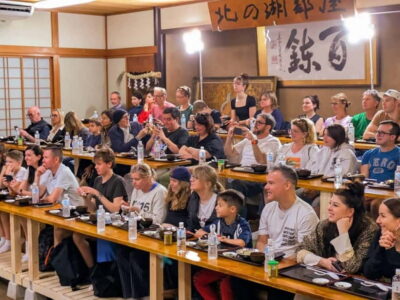
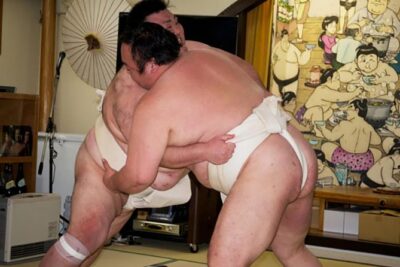
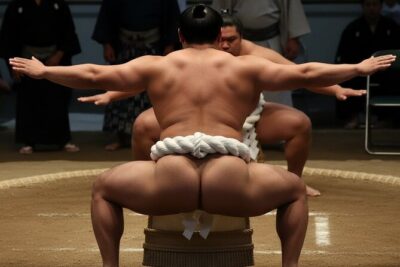
Tokyo Shinjuku Sumo Show & Experience with Photo
Read our review →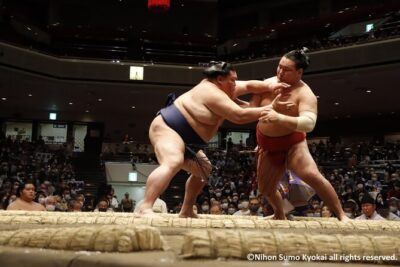
Tokyo Grand Sumo Tournament Viewing Tour with Tickets
Read our review →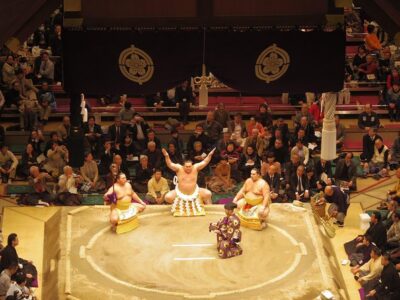
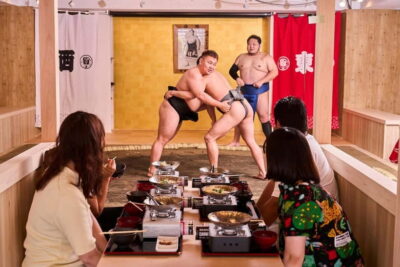
Tokyo:Luxury Sumo Show Experience & Japanese cuisine & Drink
Read our review →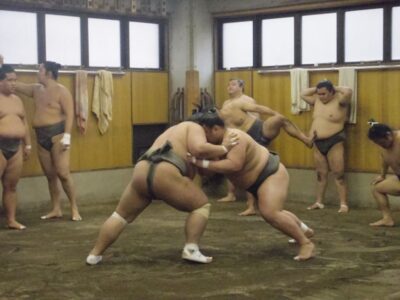
Tokyo Sumo Experience: Chanko & Mochi with a Former Pro
Read our review →This one also appears in