
Review · TOKYO
Tokyo Sumo Morning Practice: Witness the Life of a Wrestler
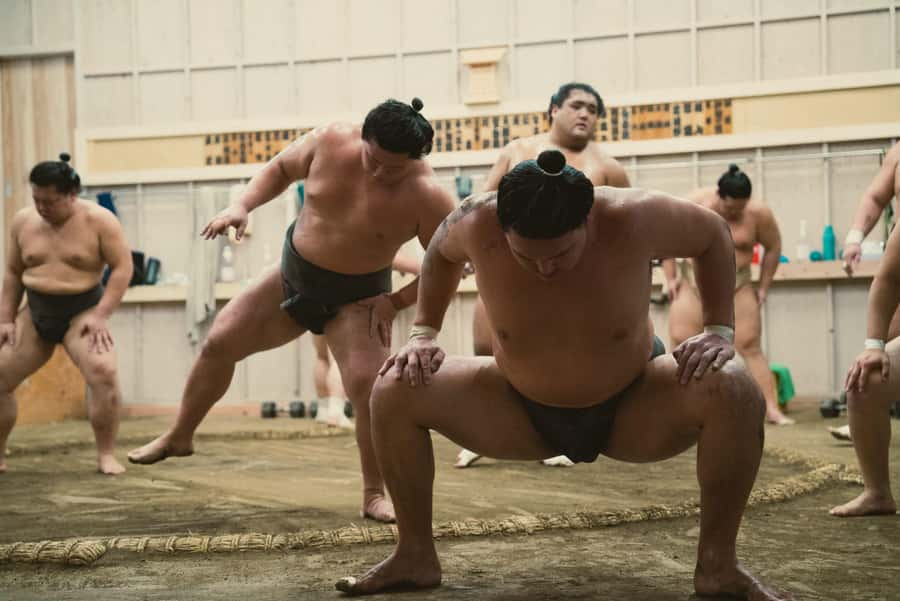
The remarkable part is the distance. You sit only a few feet from professional wrestlers as they collide, stomp, stretch, and repeat their techniques inside a working sumo stable, not a staged theater. I like the direct view of training and the guide’s live explanation through earbuds, which lets you follow the action without breaking the stable’s silence.
I also like the short lesson before practice, where you learn the ranking system, rules, and rituals before trying to make sense of the action. The main drawback is comfort: you may sit on a floor cushion for roughly 75 to 105 minutes, and you cannot leave during practice. The Yokozuna trains at this stable, but his presence is not guaranteed.
Key points before you book
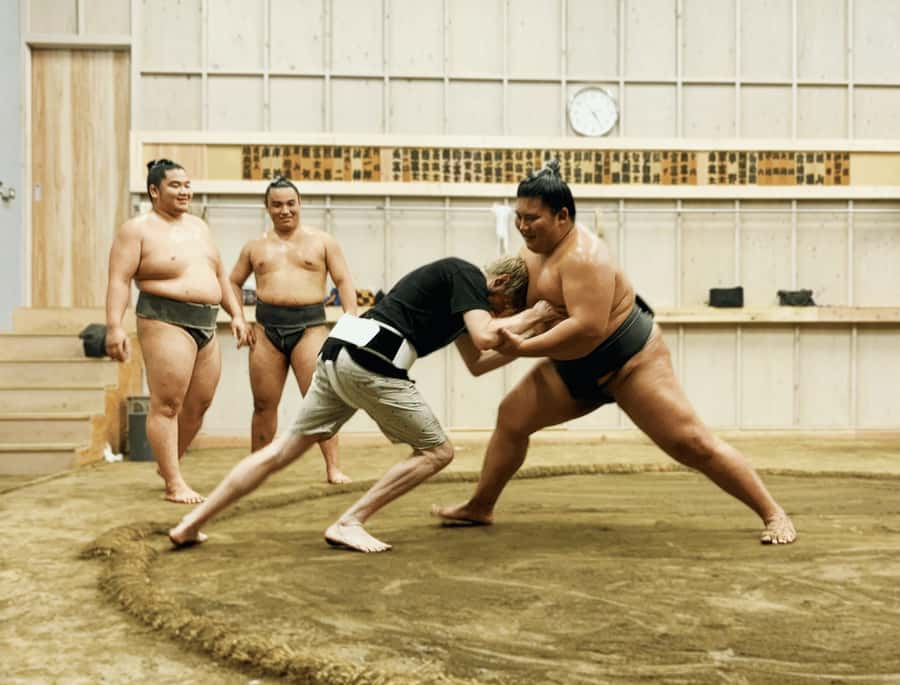
- Watch practice inside a real Yokozuna stable: This is a working home and training place for wrestlers, not a public show venue.
- Expect close, quiet observation: You must watch silently, keep your phone on silent, and avoid flash photography and video.
- Listen through earbuds: Your guide can explain the action in real time without interrupting the wrestlers.
- Prepare for floor seating: Shoes come off, and seating may be on zabuton cushions for the whole practice.
- Photo opportunities come afterward: Group photos with some wrestlers may be available, depending on the day and stable arrangements.
- The Yokozuna might be absent: The stable is his training base, but nobody knows until the morning if he will attend.
Entering a working sumo stable in Tokyo
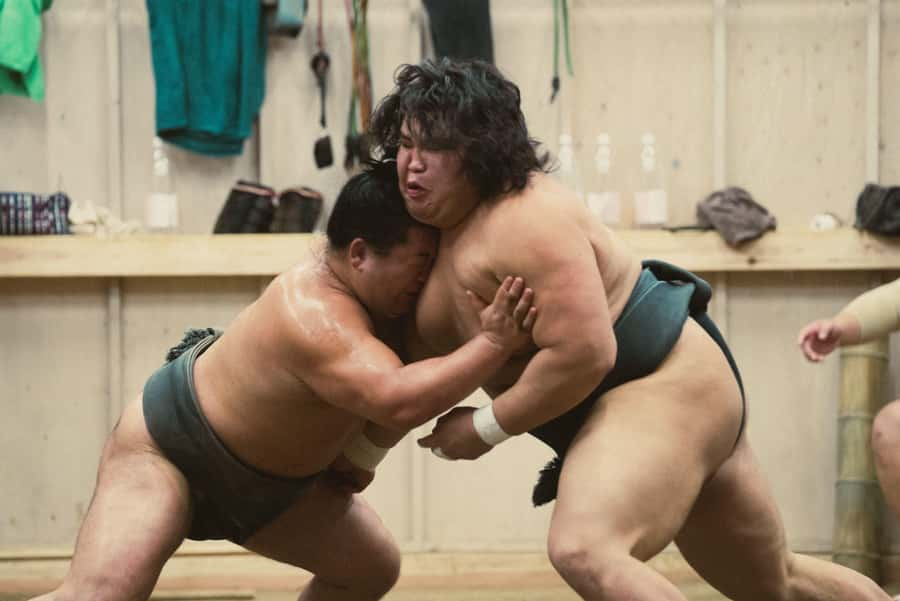
Sumo stables, called heya or beya, are the homes and training centers of professional wrestlers. Wrestlers live together under the direction of their oyakata, the stablemaster. They train, eat, and handle household duties as a group, following a strict rank system.
That setting explains why this tour feels different from watching a tournament in a large arena. You are not seeing a polished contest with announcements, tickets, and a crowd. You are entering a private workplace where wrestlers repeat basic movements until they become second nature.
The stable connected with this experience is where a Yokozuna trains. A Yokozuna is the highest rank in professional sumo, and only one such champion currently belongs to this stable. The stable also has a large number of professional wrestlers, so you may see several ranks training in the same room.
The word may matters here. The Yokozuna can be away, resting, injured, or simply not scheduled to attend that morning. Book this for access to serious sumo training, not for a guaranteed meeting with one particular champion.
More Sumo Experiences in Tokyo
- Tokyo: Sumo Show and Dining Experience
★ 4.8 · 2,742 reviews - the SUMO show
★ 5.0 · 1,960 reviews - Tokyo Shinjuku Sumo Show & Experience with Photo
★ 5.0 · 1,750 reviews
Meeting the guide and walking to practice
You meet your guide in front of the stable or at the confirmed meeting point sent after booking. Look for the Japan Wonder Travel board. The exact location and start time can change with the tour date, so use the final instructions rather than relying on a general map pin.
A short walk may connect the meeting point and stable. One reported route took about seven minutes, but the important point is to arrive ready to enter promptly. Use the restroom before meeting the group. You may not have another chance until practice ends.
The English-speaking guide gives you background before you enter. Yuki, one guide named in the experience, explains the history of sumo, the rules, the ranking system, and the stable’s role. This introduction is more useful than it sounds. Sumo practice can look repetitive at first, and knowing what to watch for helps you recognize the difference between warmups, pushing drills, technique work, and sparring.
The live commentary continues through earbuds during the session. That is a thoughtful touch. You can hear explanations without needing the guide to speak loudly over the heavy slaps and foot stamps, and the wrestlers can maintain their concentration.
Removing your shoes and settling onto the floor
Inside the stable, you remove your shoes before entering the practice area. Seating can be on zabuton cushions placed on the floor, although one recent arrangement used folding chairs. You should be prepared for either setup, since the stable controls the seating and conditions can vary.
This is the tour’s biggest practical concern. Sitting on the floor for around an hour and 15 minutes to nearly two hours can be difficult if you have knee, hip, or back problems. The experience is not suitable for wheelchair users, and it may not suit anyone with limited mobility.
You also cannot stretch your legs toward the ring. Showing the soles of your feet to the wrestlers is considered rude. Sit neatly, keep your movements small, and follow the guide’s instructions.
The rules may feel strict, but they protect the character of the place. The wrestlers are training, not performing for a tourist audience. Silence lets you hear the slap of bodies and the stablemaster’s instructions. It also shows respect for a demanding routine that begins long before most visitors are awake.
What morning practice actually looks and sounds like
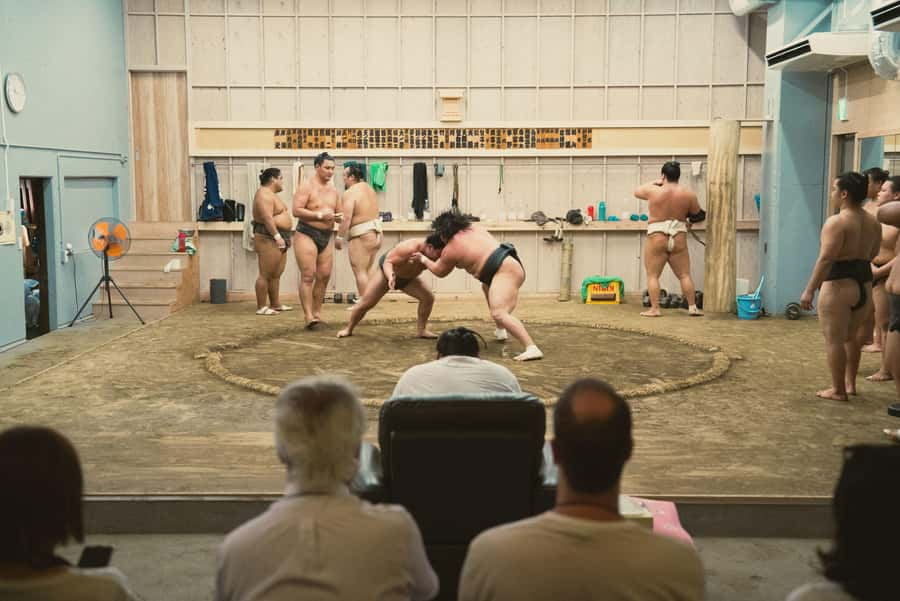
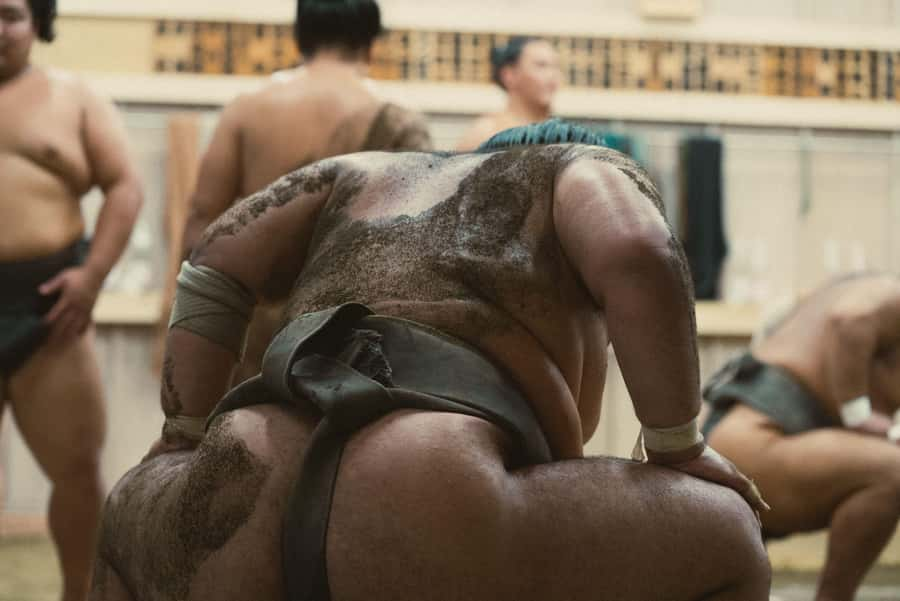
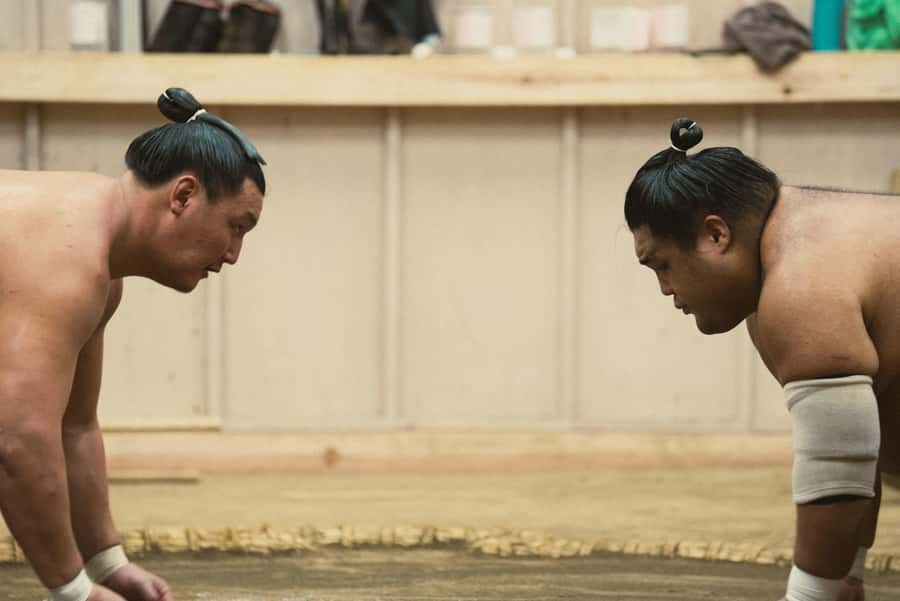
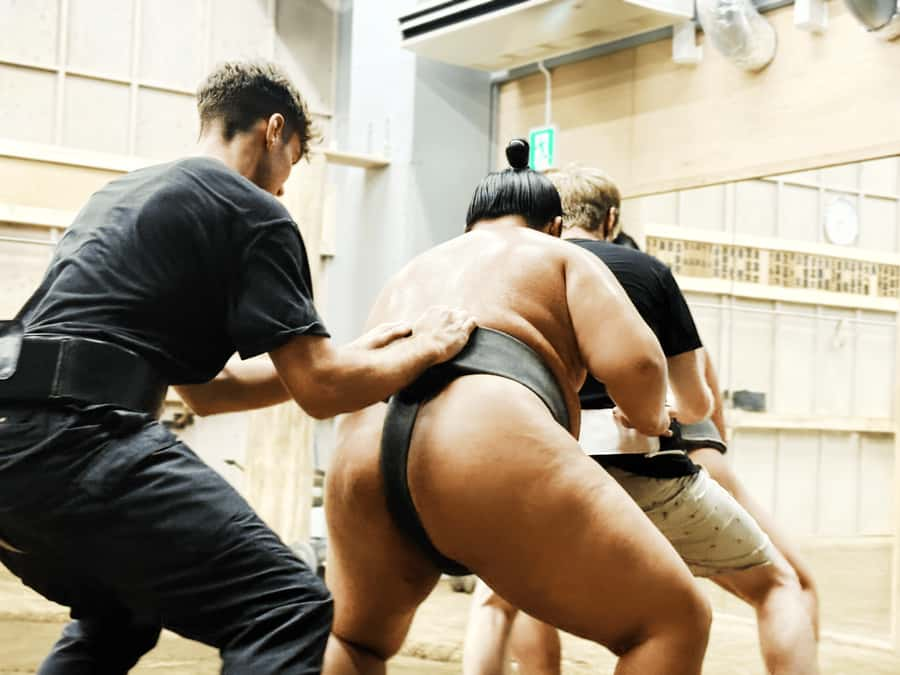
The training is physical in a way that television does not fully convey. You see large athletes move with surprising speed, balance, and control. They work on footwork, posture, pushing power, throws, and the ability to absorb force without losing position.
Some exercises look simple. A wrestler may repeat a basic movement again and again, then use it in a bout with a training partner. The strength is obvious, but so are agility and timing. Sumo is not just about size. The wrestler who gets his feet set, controls the angle, or shifts his opponent’s weight can win before the collision looks dramatic.
Practice can include several ranks. Lower-ranked wrestlers carry out much of the stable’s daily work and assist senior wrestlers with errands and household chores. That hierarchy is part of sumo culture, and the training room gives you a rare look at how a traditional professional system functions day to day.
The stablemaster directs the session. You may see a Yokozuna giving advice or watching from close range, but his attendance is uncertain. One particularly fortunate morning included Terunofuji instructing the wrestlers, while Enho was also present but did not enter the training ring. That kind of moment is possible, not promised.
The session may last about 75 to 80 minutes, or closer to an hour and 45 minutes. It can run shorter or longer depending on the practice. You need to be comfortable staying until the group is released.
Same city, another way to catch the action:
- Tokyo: Sumo Show and Experience in Shinjuku
★ 4.8 · 1,001 reviews - Tokyo Grand Sumo Tournament Viewing Tour with Tickets
★ 5.0 · 692 reviews - Tokyo Sumo Wrestling Tournament Experience
★ 5.0 · 660 reviews - Tokyo:Luxury Sumo Show Experience & Japanese cuisine & Drink
★ 4.7 · 577 reviews
Why the silence matters
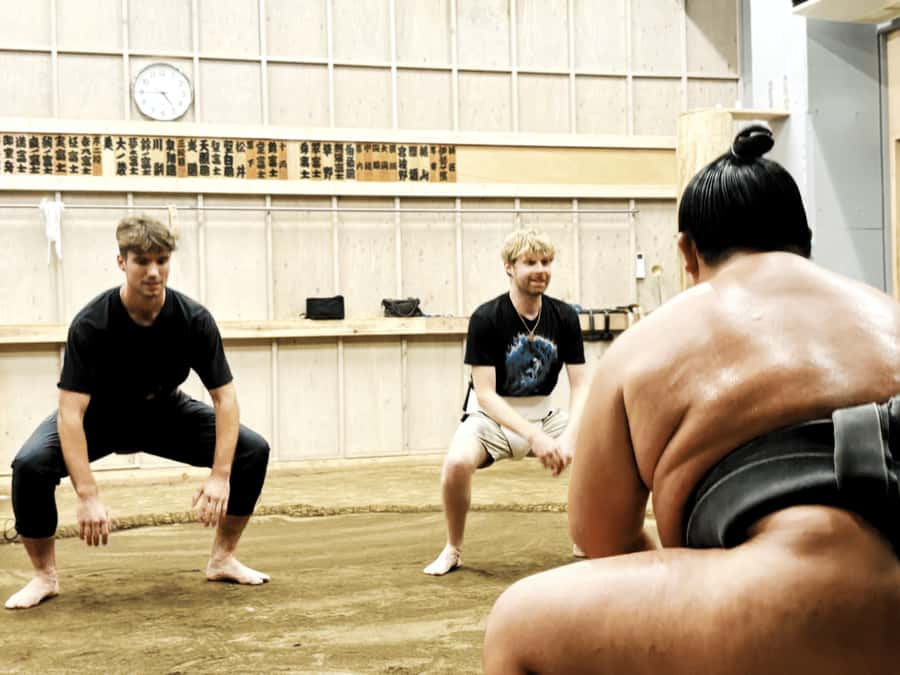
You are asked to remain silent throughout the practice. Cellphones must be on silent, and flash photography and video recording are not allowed. Sunglasses and food are also not permitted.
These are not minor etiquette suggestions. A stable is a living and training space, and the wrestlers are concentrating. Even a camera shutter can be distracting, which is why you may need to turn off your phone’s shutter sound before entering.
The quiet also improves the experience for you. Without tour-group chatter, you hear foot stomps, sharp breathing, the slap of hands, and the stablemaster’s commands. The room’s atmosphere becomes part of the lesson.
You should also avoid assuming that every unusual moment is part of a planned demonstration. Practice can include correction, discipline, or difficult scenes that may be unfamiliar to outsiders. One visitor encountered a lower-ranked wrestler being disciplined during the session. It was upsetting and not presented as a normal feature of the tour, but it shows that this is a real working environment rather than a performance designed around visitor comfort.
Meeting the wrestlers after practice
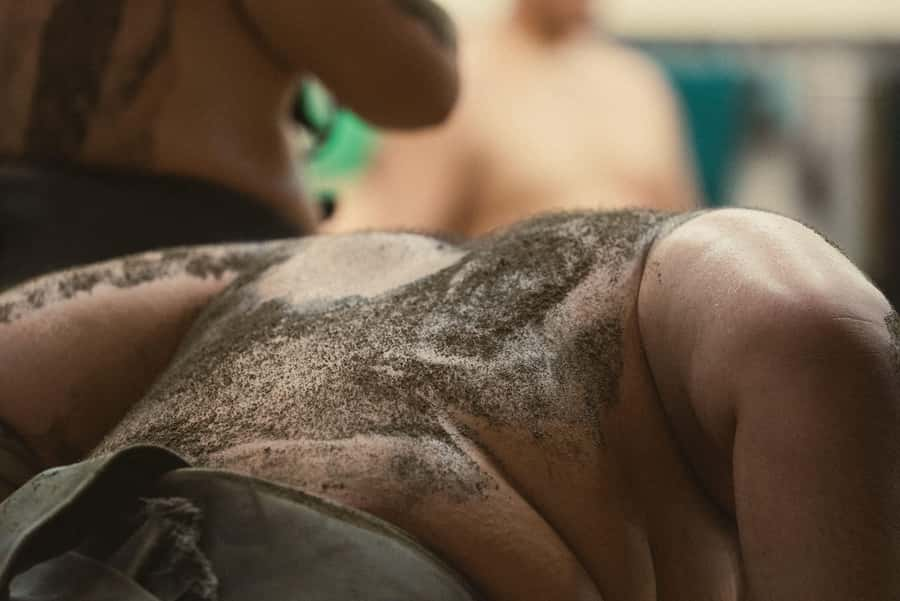
Photo opportunities with wrestlers are included, but the format can change. On one morning, a small group took photos outside the building with four wrestlers, including Enho. On another day, photos took place inside with the full group standing near the ring.
You may also have a chance to ask questions through the guide. The guide can translate, which is especially helpful if you want to ask about training, rank, or daily life. Keep questions brief and respectful. The wrestlers have just completed a demanding session, and the stable’s routine comes first.
Do not treat the photo as the main event. It is a pleasant finish, but the real value lies in watching practice from close range and seeing how the stable operates. A photo with a wrestler is a bonus that depends on the day’s schedule and stable permission.
The provided experience details do not promise lunch. Some longer visits have included a meal, but you should not book this tour expecting one. Dietary restrictions cannot be accommodated, so eat beforehand unless your confirmed arrangements specifically say otherwise.
Timing, group size, and the price of $121
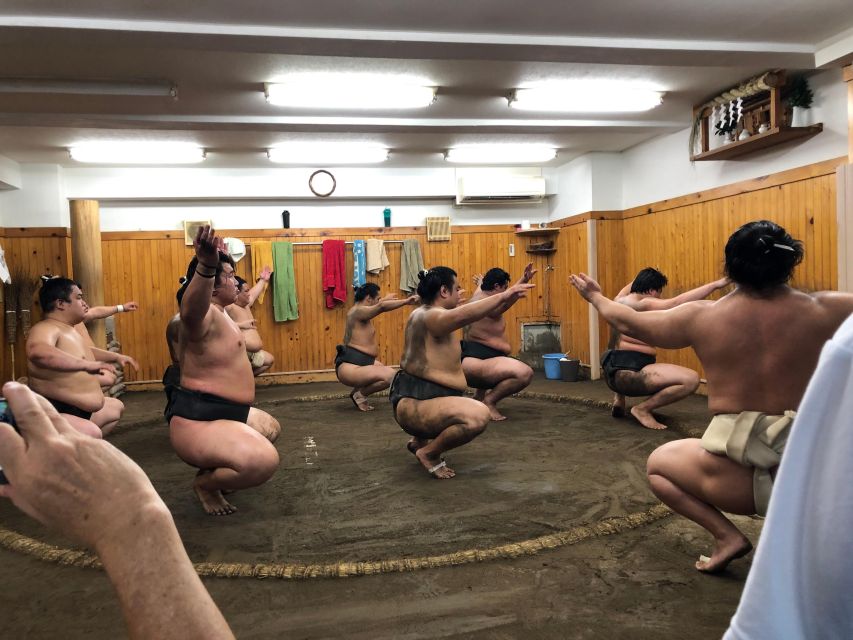
At $121 per person, this is not a cheap sightseeing stop. The price pays for controlled access to a place most people cannot enter, an English-speaking guide, live commentary, and the chance to watch professional practice at close range.
I think the cost makes the most sense for someone who already has an interest in sumo, Japanese customs, or working cultural institutions. You are paying for access and context, not for a long list of attractions. The visit centers on one stable and one practice session.
The value is weaker if you expect a guaranteed Yokozuna appearance, a staged match, or an open schedule. The champion may not be there. You also cannot leave halfway through, and the strict rules limit casual sightseeing behavior.
Group size can be around 10 to 12 people, based on one reported session, though the exact number is not specified as fixed. A smaller group helps everyone see the ring, but the stable remains the priority. Seating, timing, and the place where photos happen can all change from one morning to the next.
The location and start time are also variable. You receive the specific details after booking, so leave flexibility in your morning plans. The activity ends back at the meeting point.
How to prepare for the morning
Wear clothing that lets you sit comfortably for a long period. Since shoes come off, choose socks without holes and avoid footwear that is difficult to remove. The tour is not suitable for people with a cold, so do not attend while ill.
Arrive early enough to find the meeting point and use the restroom. Bring a phone only if you can keep it silent and disable the camera shutter sound. Do not bring food into the stable, and do not plan to film.
Most important, adjust your expectations. This is not a sumo lesson where you take part. You observe. You do not wander around, talk through the session, or leave whenever you like. The restrictions are part of gaining entry to a place that normally has no reason to accommodate sightseeing.
Who will enjoy this most
I would recommend this to sumo fans first, then to visitors who want a close look at traditional Japanese institutions. It also suits anyone who enjoys watching skilled work in progress rather than collecting quick photo stops.
It is a strong choice for a second or third day in Tokyo, once you have enough time to appreciate the context. The guide’s introduction helps, but the experience rewards patience. You need to sit quietly and watch patterns develop.
It is less suitable for young children who cannot remain silent, people who need frequent restroom breaks, and anyone uncomfortable with floor seating. It is also a poor fit if your schedule cannot absorb a session that may be shorter or longer than expected.
For photographers, the tour has limits. No flash and no video mean you cannot document the practice freely. You can take permitted photos, especially during the arranged photo opportunity, but the stable’s rules come before your camera.
Should you book the Tokyo sumo morning practice?
Book it if you want real training in a real stable, and you can accept that the Yokozuna may be absent. The close seating, powerful training, live explanation, and possible photo with wrestlers make this one of Tokyo’s more unusual cultural experiences.
Skip it if you need flexible movement, guaranteed access to a champion, or a comfortable seated show with no etiquette rules. For the right visitor, $121 buys something difficult to arrange independently: a quiet place inside the daily world of professional sumo.
FAQ
Is the Yokozuna guaranteed to be at the stable?
No. The stable is where the Yokozuna trains, but his attendance is not known until the morning of the experience.
How long does the sumo practice last?
The practice can vary. It may last around 75 to 80 minutes, while some sessions run closer to an hour and 45 minutes. The tour can be shorter or longer depending on that day’s training.
Can I leave the stable during practice?
No. You cannot leave in the middle of the practice, so use the restroom before arriving.
Can I take photos or record video?
Flash photography and video recording are not allowed. Photo opportunities with wrestlers may be arranged after practice.
Do I have to sit on the floor?
You should be prepared to sit on a zabuton cushion on the floor for the practice. Some seating arrangements may use folding chairs, but this is not guaranteed.
Can I talk during the training session?
No. Participants must watch silently and respectfully. Cellphones must also be on silent.
Is the tour suitable for wheelchair users?
No. The experience is not suitable for wheelchair users. It is also not suitable for people with a cold.
New on the fixture list around Tokyo
- Tokyo: Sumo Morning Practice Viewing Tour at a Real Stable★ 4.9 · 32 reviews
- Tokyo: Sumo Morning Practice -Stable Visit Tour with a Guide★ 4.8 · 16 reviews
- Tokyo: Watching Sumo and Ryogoku Area Walking Tour★ 4.0 · 5 reviews
- Tokyo: Sumo Morning Practice Tour in Ryogoku and Photo Shoot★ 4.7 · 47 reviews
- Tokyo: Sumo Keiko Training Tour with Audio Guide & Photo★ 4.8 · 5 reviews
- Tokyo Highlights Tour: Sumo, Sushi, Tea, and Tokyo Tower★ 5.0 · 2 reviews
- Tokyo: Sanctuary Authentic Grand Sumo Experience & Training★ 5.0 · 7 reviews
- Tokyo Ginza : Sumo and Mikoshi Experience,Open from Sep.★ 5.0 · 8 reviews
More Sumo Experiences in Tokyo to weigh up.
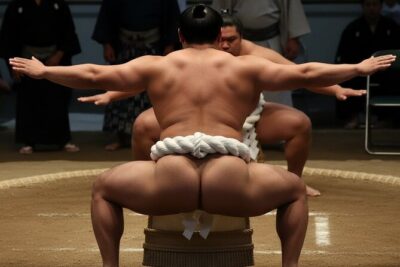
Tokyo Shinjuku Sumo Show & Experience with Photo
Read our review →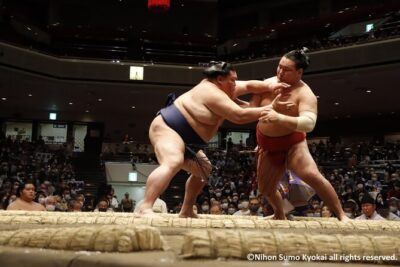
Tokyo Grand Sumo Tournament Viewing Tour with Tickets
Read our review →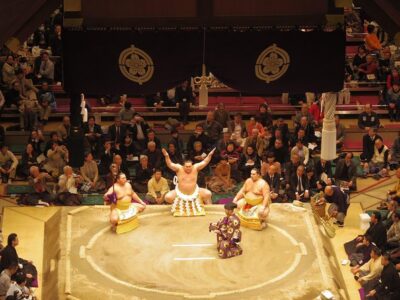
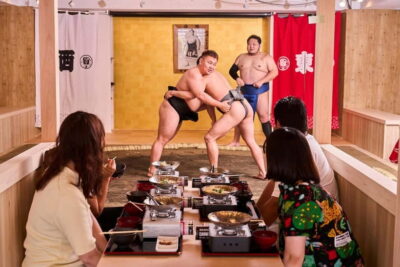
Tokyo:Luxury Sumo Show Experience & Japanese cuisine & Drink
Read our review →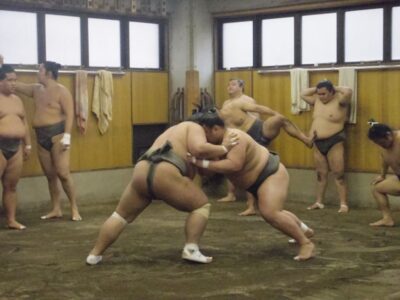
Tokyo Sumo Experience: Chanko & Mochi with a Former Pro
Read our review →This one also appears in