
Review · TOKYO
Tokyo Highlights Tour: Sumo, Sushi, Tea, and Tokyo Tower
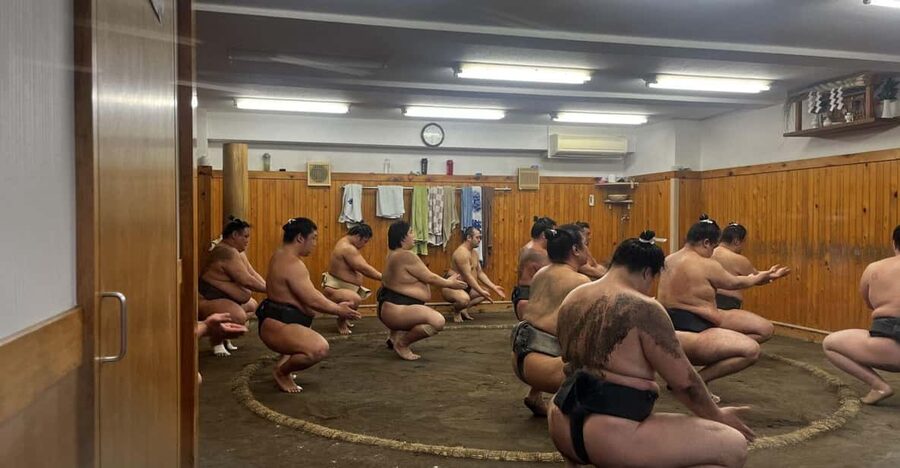
Seeing sumo wrestlers train through the windows of a real sumo beya is the unusual hook here. You are not watching a staged demonstration. Training is private and serious, so you observe quietly from outside, with a chance of meeting wrestlers if they come out afterward.
I like the mix of food and tradition, from an early wander through Tsukiji Outer Market to matcha and wagashi in a historic garden tea house. I also like the day’s steady rhythm: a short train ride, several walks, a calm temple stop, and a final view from Tokyo Tower. The main catch is that sumo training is not guaranteed, and the day is too active for wheelchair users or people with limited mobility.
Key points to know before booking
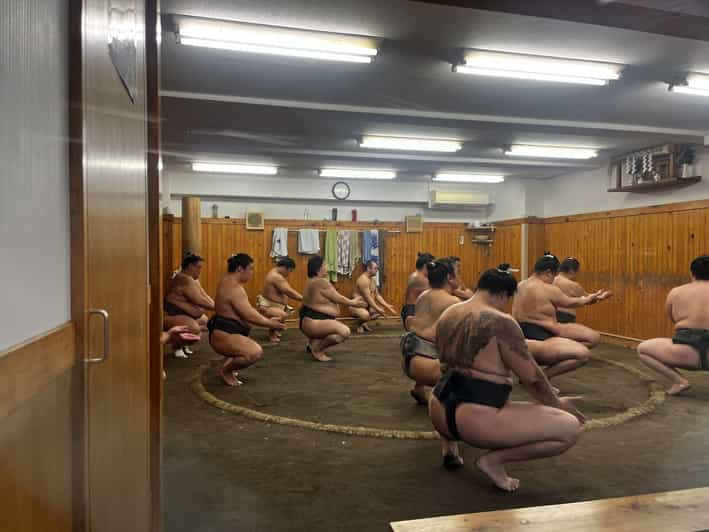
- Sumo is real practice, not a performance: Watch through large windows and keep quiet while wrestlers train.
- Tsukiji is your breakfast stop: Sushi, wagyu, fruit, sweet potatoes, and other foods are available, but you pay for your own food.
- Tea comes with a view of old Tokyo: Hamarikyu Gardens includes a guided visit, free time, matcha, and a Japanese sweet.
- The temple visit has a hands-on element: Copy a Buddhist sutra and receive a Goshuin temple stamp.
- Tokyo Tower closes the day: Your ticket gives you panoramic city views from one of Tokyo’s best-known landmarks.
- The schedule can change: Sumo may be unavailable, and Wednesday meeting arrangements differ when it is not offered.
A full Tokyo day built around five different experiences
At $150 per person, this is not a cheap sightseeing walk, but it covers a lot. You get an English-speaking guide for roughly eight and a half hours, admission to Hamarikyu Gardens, the tea house experience, the sutra-copying fee, Tokyo Tower entry, and the listed train fare from Ningyocho Station to Tsukiji Station.
You still need to buy breakfast, lunch, and any food or drinks at the market. You also pay for transport to the meeting point and from the finishing station. I see the price as reasonable if you want context and help moving between several parts of Tokyo, but less attractive if you prefer to explore markets and temples on your own.
The day begins at 8:15 a.m. inside Hamacho Station. That early start matters. Tsukiji works best before the day’s pace slows, and the morning also gives you more time for the many stops that follow. The tour ends at Akabanebashi Station, not back at Hamacho, so plan your return journey from that side of the city.
More Sumo Experiences in Tokyo
- Tokyo: Sumo Show and Dining Experience
★ 4.8 · 2,742 reviews - the SUMO show
★ 5.0 · 1,960 reviews - Tokyo Shinjuku Sumo Show & Experience with Photo
★ 5.0 · 1,750 reviews
Watching sumo at a working beya
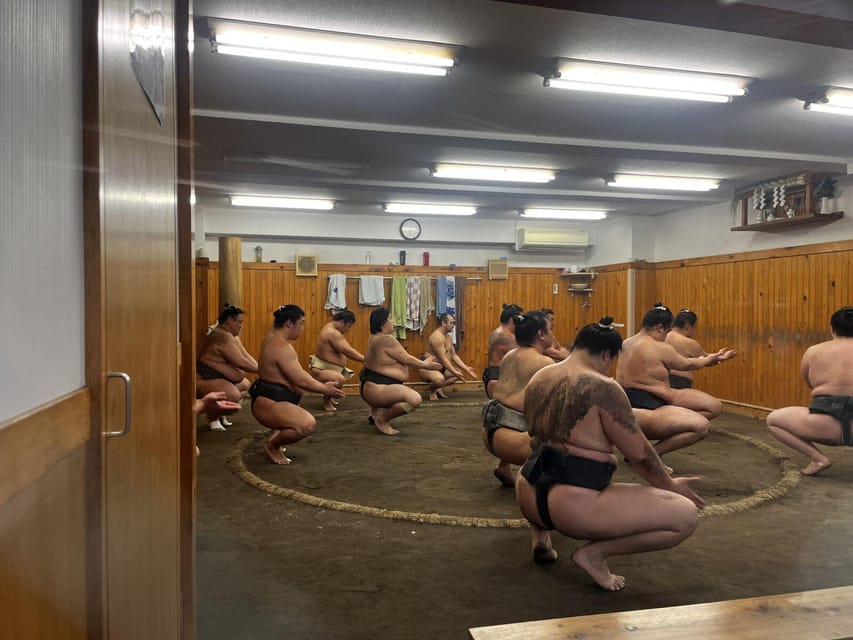
The opening stop is a traditional sumo beya, or training room, about a five-minute walk from Hamacho Station. This is the most restricted part of the day. You watch through large viewing windows from outside while the wrestlers carry out their normal practice.
That setup is important. You are not entering the training room, taking selfies beside athletes, or expecting an explanation during the session. The wrestlers cannot be disturbed. The best approach is to treat this as a quiet observation of a working routine.
Sometimes wrestlers come outside and pose for photos with visitors. That possibility adds a pleasant surprise, but it should not shape your expectations. The guaranteed part is the chance to watch if training is taking place.
There are several schedule limits. Training may not happen on your date, and it closes during certain weeks when the Grand Sumo Tournaments take place in January, May, and September. If sumo is unavailable, the meeting point changes to Tsukiji Station at 8:15 a.m. On a Wednesday in that situation, the meeting time is 9:30 a.m., and the operator will contact you.
This uncertainty is the largest weakness of the tour. If sumo is your main reason for booking, check the arrangements carefully. If you see the beya as one part of a wider Tokyo day, the tour remains worthwhile even when the opening stop changes.
Finding breakfast at Tsukiji Outer Market
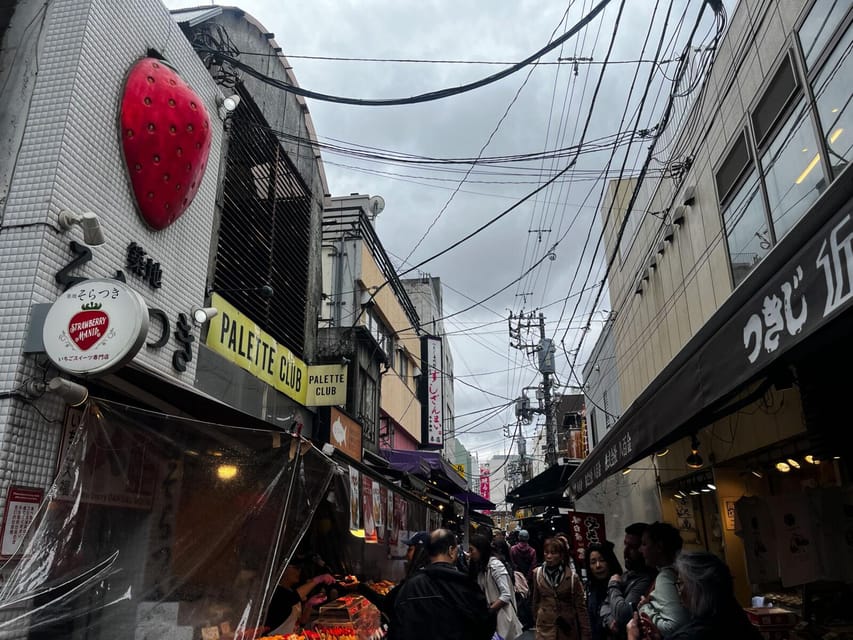
After the sumo visit, you take a short train ride of about 15 minutes to Tsukiji Outer Market. The train fare from Ningyocho Station to Tsukiji Station is included.
Tsukiji Outer Market opened in 1935 and has long supplied Tokyo restaurants with seafood, fish, and sushi. The market is not huge, which makes it manageable on a guided visit. Your guide shows you around first, then gives you free time to choose what you want to eat.
This is where you should plan to have breakfast. The tour does not include a meal, so bring money for the food you choose. You might find sushi, wagyu, fresh fruit, sweet potatoes, and Japanese sweets among the available choices. The point is not a set tasting menu. You get the freedom to sample what catches your eye.
I like that arrangement better than being locked into one restaurant. You can keep breakfast light, try something unfamiliar, or spend more time browsing. The tradeoff is that your meal cost is separate, and the experience depends partly on what is available and appealing when you arrive.
Because the tour starts early, Tsukiji provides a practical meal stop as well as a cultural one. You see how food fits into everyday Tokyo, rather than simply looking at a market from the outside. Keep an eye on the clock, though. The day continues on foot, and lunch is not included later.
A quiet pause at Hamarikyu Gardens
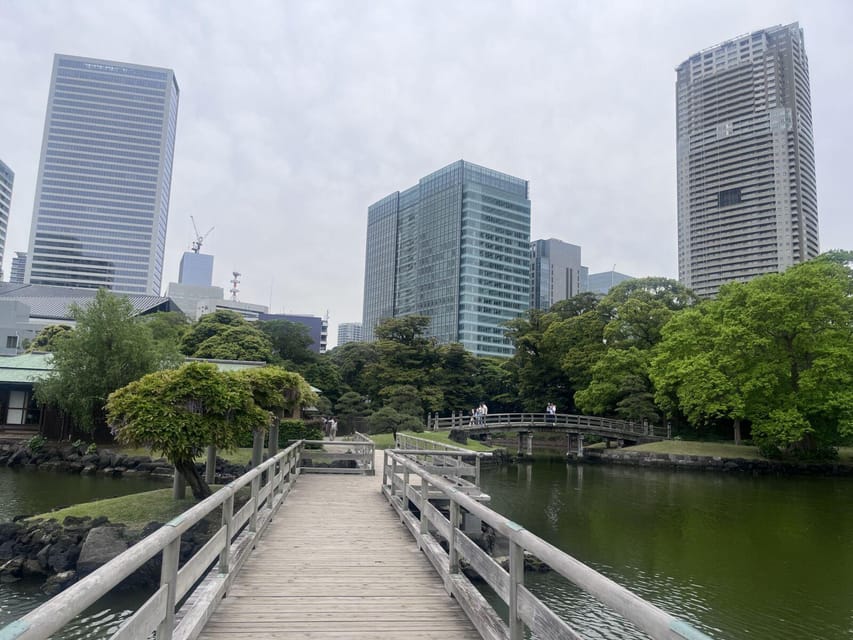
From Tsukiji, you walk for about 20 minutes to Hamarikyu Gardens. The garden was built in 1654 by the Tokugawa shogunate family and sits at the mouth of the Sumida River.
This is a useful change of pace after the market. Tokyo can feel crowded and fast, but the garden offers open paths, water, and a more reflective setting. Your guide gives you an introduction to the garden and its past, then you have free time to walk at your own speed before meeting again at the tea house.
The tea experience includes matcha and wagashi, a traditional Japanese sweet. It is a modest ritual, but it gives the garden visit a clear focus. You are not simply passing through a pretty park. You get a chance to sit, taste, and learn how tea and sweets fit together in a Japanese setting.
I especially like the balance between explanation and free time here. A guide can point out why the garden matters, while you still have room to look around without being talked at every minute. If you want a slow morning, this is one of the strongest parts of the schedule.
The walk from the market and the later walk to the temple mean comfortable shoes are essential. The tour is not designed for people with mobility impairments or wheelchair users, and the day includes several stretches on foot.
Same city, another way to catch the action:
- Tokyo: Sumo Show and Experience in Shinjuku
★ 4.8 · 1,001 reviews - Tokyo Grand Sumo Tournament Viewing Tour with Tickets
★ 5.0 · 692 reviews - Tokyo Sumo Wrestling Tournament Experience
★ 5.0 · 660 reviews - Tokyo:Luxury Sumo Show Experience & Japanese cuisine & Drink
★ 4.7 · 577 reviews
Copying a sutra at Zojo-ji Temple
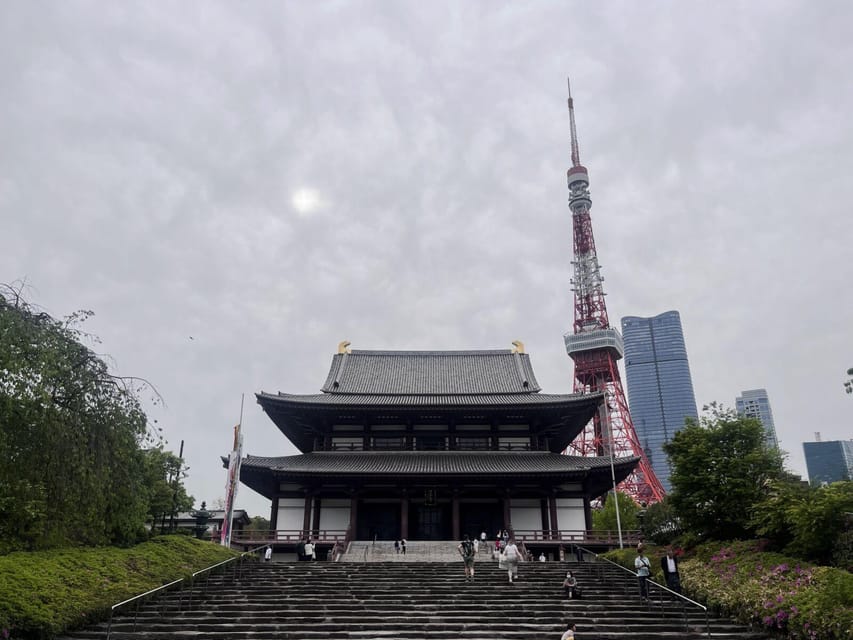
After the garden, you walk for about 10 minutes to Zojo-ji Temple, a Buddhist temple founded in 1393. Tokyo Tower rises directly behind the temple grounds, creating one of the day’s most memorable contrasts: an old religious site in front of a modern city landmark.
The grounds are large, and the guide explains the temple and its past before you begin the sutra-copying session. You copy a Buddhist sutra inside the temple, with incense in the air. You do not need to be religious to appreciate the exercise. It is a quiet, focused activity that gives you a break from sightseeing at a quick pace.
When you finish, you receive a Goshuin, or temple stamp. It makes a meaningful souvenir because it connects directly to the place and the activity, rather than being a generic shop purchase.
This stop may not suit everyone. If you only want major views and famous buildings, an hour at a temple with a copying activity may feel slow. I think it earns its place because it asks you to pause and take part. The tour is not only about looking at Tokyo. It gives you a few chances to do something, from watching sumo practice to making your own temple keepsake.
Tokyo Tower and the final city view
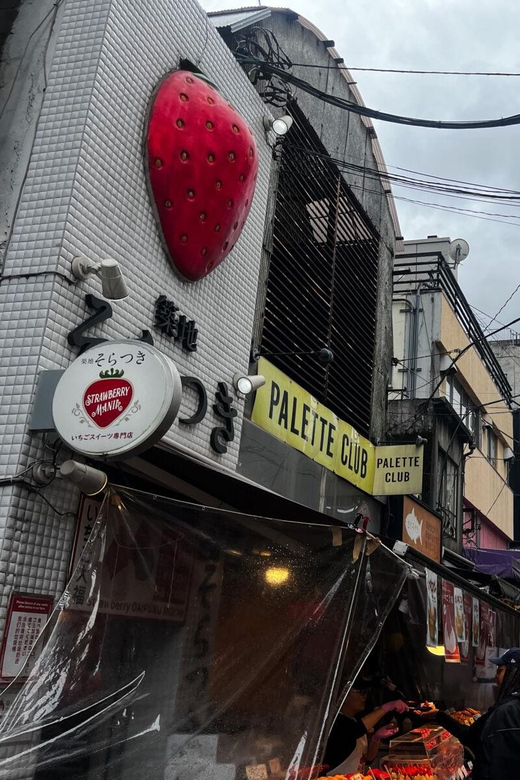
The last major stop is Tokyo Tower, built in 1958. It is Tokyo’s oldest observatory and has a retro character that sets it apart from newer high-rise viewing decks.
The included ticket takes you up for panoramic views across the city. After a day of markets, gardens, and temple grounds, the tower offers a broad view of how the pieces fit together. You can look back over the sprawling urban area and finish with the city at full scale.
Your guide provides context during the visit, and the tour ends with a walk to nearby Akabanebashi Station. The guide can help with questions about trains and transport after the tour. That is useful if Tokyo’s rail system still feels confusing, especially since you finish in a different area from where you started.
The tower is a strong final stop because it does not demand much physical effort compared with the walking earlier in the day. Still, the tour has already lasted around 510 minutes, or eight and a half hours. If you prefer short outings, this may feel long by the end.
What the guide adds to the day
A good guide matters here because the tour moves between experiences that do not naturally form one route on your own. You are not only being taken to five attractions. You are getting help with the station meeting point, the market layout, the garden’s background, the temple activity, and your final train questions.
The guide language is English. Two guides named in the tour feedback, Jeff and Beth, were praised for being welcoming, helpful, and well prepared. Beth was also singled out for being accommodating, while Jeff was described as especially friendly. The names do not guarantee who will lead your departure, but they give you a sense of the warm guiding style this experience aims for.
The best guides on a day like this know when to explain and when to let the place speak for itself. The sumo stop needs restraint. The market needs practical help. The tea house and temple need enough context to make the customs understandable without turning them into a lecture.
Meeting point, walking, and practical planning
At Hamacho Station, follow signs for exits A1 and A2 from the platform and go up the stairs. After passing through the ticket gates, look for a green vending machine marked Merci. The guide meets you there at 8:15 a.m.
If sumo is unavailable, you meet outside Exit 2 at Tsukiji Station instead. The time remains 8:15 a.m., except on Wednesdays, when it changes to 9:30 a.m. in that situation. The operator says you will be contacted if this applies.
Wear shoes suitable for walking. The route includes a five-minute walk to the first stop, a 15-minute train ride, a 20-minute walk from Tsukiji to Hamarikyu Gardens, and another 10-minute walk to Zojo-ji Temple, along with walking inside each site.
Bring money for breakfast and any market purchases. Lunch and all other food and drink are excluded. The included items are the train fare listed above, garden admission, tea house experience, sutra copying, Tokyo Tower admission, and the English-speaking guide.
Free cancellation is available up to 24 hours before departure, and you can reserve while paying later. That helps if your Tokyo schedule is still shifting, but it does not remove the need to confirm the correct meeting point before setting out.
Is this Tokyo tour worth booking?
Book it if you want one carefully arranged day that combines sumo, food, tea, Buddhism, and city views. It suits first-time visitors who want help with transport and cultural context, as well as curious independent-minded visitors who prefer a guide for the complicated parts and free time at the market and garden.
Think twice if you need a wheelchair-accessible route, dislike early starts, or want a relaxed day with little walking. Also consider how you feel about the uncertain sumo stop. The tour’s best value comes from the complete mix, not from a guaranteed wrestler photo or a single market meal.
For most able-bodied visitors with one full day available, I see this as a well-balanced introduction to Tokyo. The included admissions and activities help justify the $150 cost, and the day gives you more than a string of photo stops. Just arrive ready to walk, pay separately for food, and treat the sumo viewing as a special possibility rather than a promise.
FAQ
How long does the tour last?
The tour lasts 510 minutes, or about eight and a half hours.
Where does the tour begin?
It begins inside Hamacho Station at 8:15 a.m. Meet near the green vending machine marked Merci, after following signs for exits A1 and A2 and passing through the ticket gates.
Where does the tour finish?
The tour finishes at Akabanebashi Station after the Tokyo Tower visit.
Is sumo training guaranteed?
No. The sumo schedule can change, and training may not be available on your date. It also closes during certain weeks when Grand Sumo Tournaments take place in January, May, and September.
Where do I meet if sumo viewing is unavailable?
You meet outside Exit 2 at Tsukiji Station at 8:15 a.m. If this happens on a Wednesday, the meeting time is 9:30 a.m. The operator will contact you if the arrangement changes.
Can I enter the sumo training room?
No. You watch the training from outside through large viewing windows because the wrestlers cannot be disturbed.
Is food included?
No. Breakfast, lunch, food, and drinks are not included. You have free time at Tsukiji Outer Market to buy food such as sushi, wagyu, fruit, sweet potatoes, and sweets.
What is included at Hamarikyu Gardens?
Admission to Hamarikyu Gardens and a tea house experience with matcha and a wagashi Japanese sweet are included.
What happens at Zojo-ji Temple?
You receive a guided visit to the temple and take part in a sutra-copying experience. Afterward, you receive a Goshuin temple stamp.
Is the tour suitable for wheelchair users?
No. The experience is not suitable for wheelchair users or people with mobility impairments.
New on the fixture list around Tokyo
- Tokyo: Sumo Morning Practice -Stable Visit Tour with a Guide★ 4.8 · 16 reviews
- Tokyo: Watching Sumo and Ryogoku Area Walking Tour★ 4.0 · 5 reviews
- Tokyo: Sumo Morning Practice Viewing Tour at a Real Stable★ 4.9 · 32 reviews
- Tokyo: Sumo Morning Practice Tour in Ryogoku and Photo Shoot★ 4.7 · 47 reviews
- Tokyo: Sumo Keiko Training Tour with Audio Guide & Photo★ 4.8 · 5 reviews
- Tokyo Sumo Morning Practice: Witness the Life of a Wrestler★ 4.8 · 56 reviews
- Tokyo: Sanctuary Authentic Grand Sumo Experience & Training★ 5.0 · 7 reviews
- Tokyo: Enjoy Sumo match and know about it! [Ticket included]★ 4.4 · 7 reviews
More Sumo Experiences in Tokyo to weigh up.

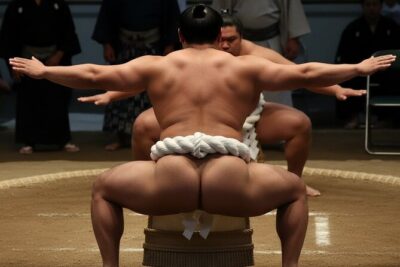
Tokyo Shinjuku Sumo Show & Experience with Photo
Read our review →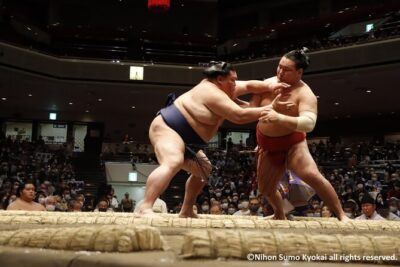
Tokyo Grand Sumo Tournament Viewing Tour with Tickets
Read our review →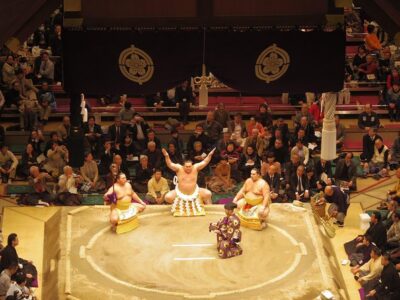
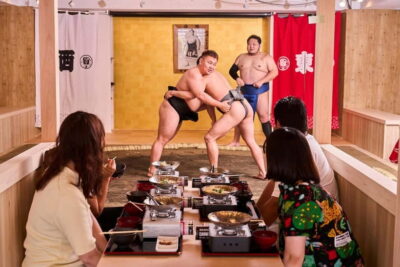
Tokyo:Luxury Sumo Show Experience & Japanese cuisine & Drink
Read our review →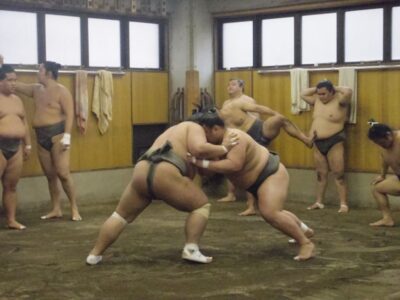
Tokyo Sumo Experience: Chanko & Mochi with a Former Pro
Read our review →This one also appears in