
Review · TOKYO
Tokyo Shinjuku Sumo Show & Experience with Photo
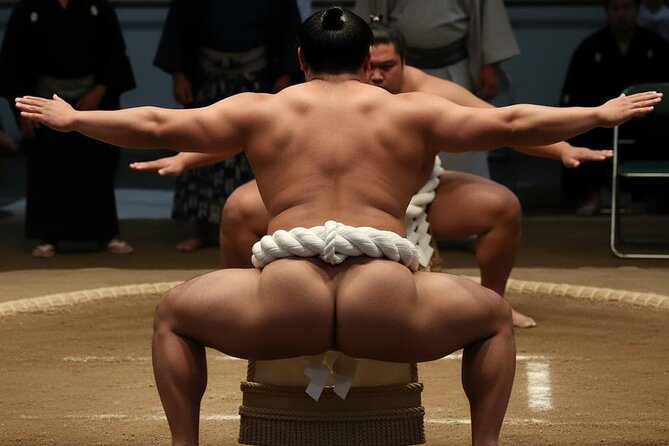
Sumo here is more than two big men pushing in a ring. You’ll see the salt throwing, ring stomping, and pre-match rituals explained as they happen, then watch two professional wrestlers demonstrate the speed and technique behind the sport. The bilingual host keeps the lesson light, with plenty of humor and audience questions.
I like the hands-on audience participation and the chance to take photos with the wrestlers after seeing them work. I also like that the show explains sumo for complete beginners, so you do not need to know the rules before arriving. The main drawback is that this is a friendly cultural show, not a serious tournament, and some visitors may find it less exciting than a live professional match.
Key points to know before booking
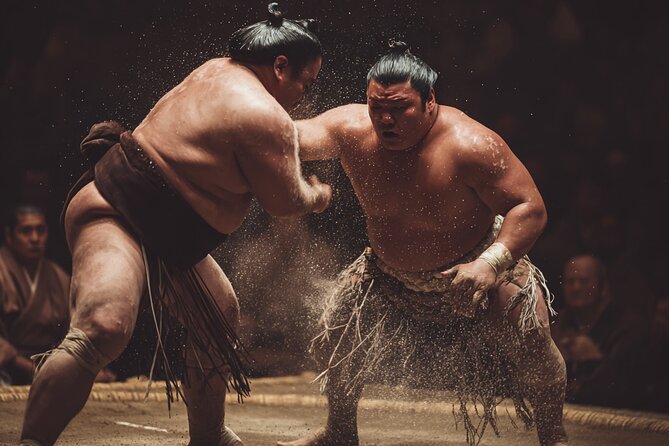
- Live demonstrations by two professional wrestlers: Expect strength, speed, tactics, and playful interaction rather than a formal tournament bout.
- A bilingual host explains the action: Hosts including Shane, Manny, and Mr. So have been praised for clear explanations and easy humor.
- Audience members may enter the dohyō: Selected participants can try a friendly sumo challenge, with children especially enjoying the inflatable sumo costumes.
- You learn the meaning behind the rituals: Salt throwing, stomping, ceremony, rules, tactics, and sumo’s origins all receive attention.
- The visit lasts about 90 minutes: That makes it easy to fit into a Tokyo day, though you should allow extra time to find the venue and get seated.
- The price is $79.59 per person: It is a reasonable choice if you value cultural explanation, live performance, photos, and audience interaction in one short outing.
What the Shinjuku Sumo Club experience really offers
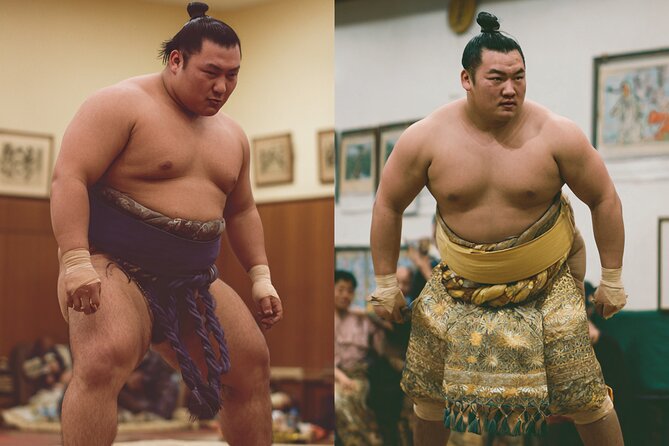
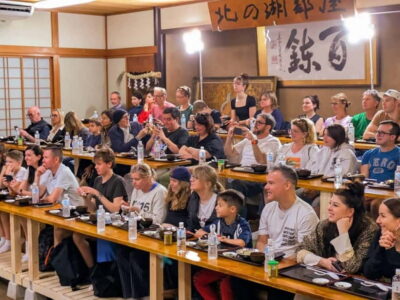
This is a compact introduction to Japan’s national sport, staged in a traditional-style venue in Shinjuku. You sit close to the action, hear explanations in English through a bilingual MC, and see the wrestlers perform rather than simply watching a lecture about sumo.
The format is designed for people who have never followed sumo. You learn what the wrestlers are doing, why certain movements matter, and how ritual fits into the sport. That context makes the physical demonstrations easier to appreciate. Without it, a sumo bout can look like a brief collision. With it, you begin to notice balance, footwork, timing, and tactics.
The show has a friendly, upbeat mood. The wrestlers play to the audience, answer questions, and take part in the lighter parts of the program. Hosts named in audience feedback include Shane, Manny, and Mr. So. The exact host and wrestlers can vary, but the format remains the same: clear explanation, live action, humor, and participation.
More Sumo Experiences in Tokyo
- Tokyo: Sumo Show and Dining Experience
★ 4.8 · 2,742 reviews - the SUMO show
★ 5.0 · 1,960 reviews - Tokyo: Sumo Show and Experience in Shinjuku
★ 4.8 · 1,001 reviews
Seeing the rituals before the wrestling begins
The first useful lesson is that sumo is not only about force. The ceremonies around the bout carry meaning, and the MC explains them as you watch.
You’ll see the wrestlers throw salt into the ring. You’ll also see them stomp their feet and perform the movements that come before a match. These actions can seem puzzling if you encounter them without an explanation. Here, the host gives you the cultural and sporting context in plain language.
That is one of the strongest parts of the experience. The explanation turns small gestures into something worth watching. You are not simply waiting for the wrestlers to collide. You understand that the ritual helps prepare the wrestlers and marks the ring as a special place.
The MC also covers the origins, rules, and basic tactics of sumo. The material is introductory rather than academic, but that is the right level for most people booking a 90-minute show during a Tokyo holiday. You leave with enough information to recognize the main movements and follow a professional tournament more easily.
Watching two wrestlers show speed and technique
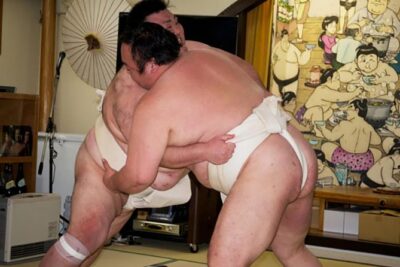
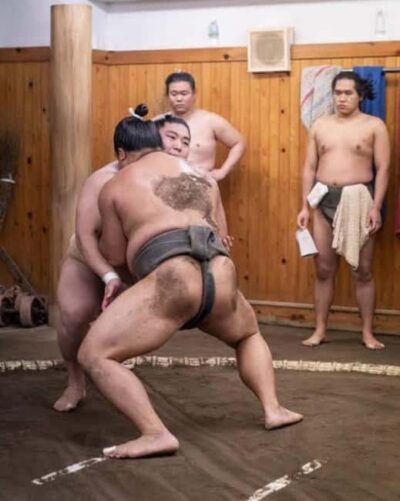
The wrestlers are the main reason to book this experience. Their size catches your eye first, but the demonstrations also show how quickly they can move and how much technique the sport requires.
You’ll see live matches and demonstrations in the ring. The show presents the wrestlers as serious athletes, but it is not built around a tense competitive tournament. The tone is more relaxed and theatrical, with the performers engaging the audience and adding humor between demonstrations.
That balance works well for families and first-time visitors. Children can enjoy the spectacle, while adults receive enough explanation to understand what they are seeing. The wrestlers also help make the sport feel personal. The question-and-answer portion gives you a chance to hear about sumo directly and connect the athletic display with the people performing it.
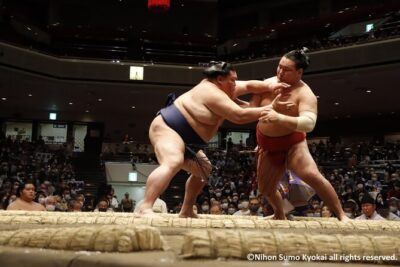
You should set your expectations correctly. If your main goal is to watch official competition, you should seek out a professional sumo tournament instead. This Shinjuku show gives you a friendly introduction, close viewing, and personal interaction. It is a cultural performance with real wrestlers, not a tournament ticket.
Trying the dohyō yourself
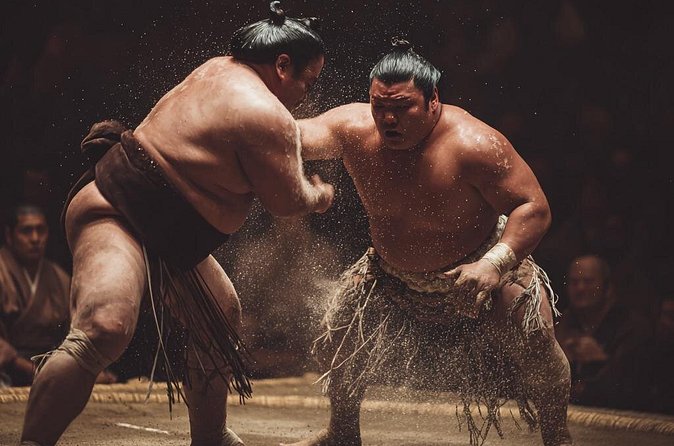
Audience participation is a major part of the appeal. During the show, some visitors are invited to step onto the dohyō and challenge a wrestler in a friendly contest.
This is not a serious test of strength. It is a playful chance to experience the scale of the ring and the power of a sumo athlete at close range. Children may wear inflatable sumo costumes for their turn, which adds a comic touch and creates some of the most memorable photos of the afternoon or evening.
You do not have to take part to enjoy the show. You can watch other participants and cheer from your seat. That matters for anyone who prefers not to be singled out or who is traveling with a child who wants to watch rather than wrestle.
The activity is especially effective for families because it breaks up the viewing time. Instead of sitting quietly through a long presentation, you get demonstrations, explanations, questions, and short interactive moments. Couples and groups of friends can also enjoy the humor, particularly if someone in the party volunteers.
Same city, another way to catch the action:
- Tokyo Grand Sumo Tournament Viewing Tour with Tickets
★ 5.0 · 692 reviews - Tokyo Sumo Wrestling Tournament Experience
★ 5.0 · 660 reviews - Tokyo:Luxury Sumo Show Experience & Japanese cuisine & Drink
★ 4.7 · 577 reviews - Tokyo: Sumo Morning Practice Viewing Tour
★ 4.8 · 570 reviews
Meeting the wrestlers and taking photos
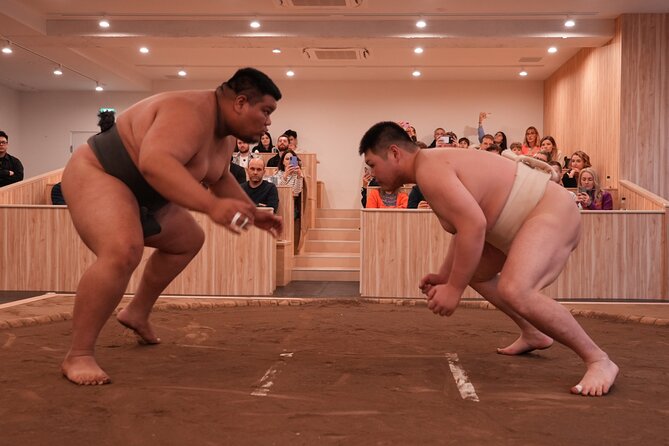
The photo session gives you a more personal finish than a standard stage show. You can take photos with the wrestlers, ask questions, and see them at close range after the demonstrations.
The photographs are not just a souvenir of a performance. They show the remarkable difference in size between you and a sumo wrestler, and they help children remember the experience as something they took part in rather than simply watched.
The interaction also supports the educational side of the program. Once you have seen the wrestlers perform, asking a question feels more natural. You can connect the person in front of you with the rituals, techniques, and matches explained earlier.
If photos matter to you, keep your phone ready during the relevant part of the program. The experience includes photo opportunities, but the exact flow and timing may depend on the show schedule and audience size.
Why the bilingual MC matters
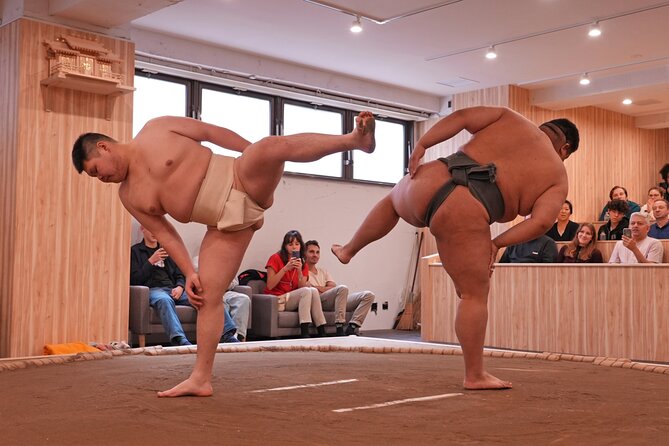
A good host is essential in a show like this. Without clear explanation, the rituals could pass quickly and the demonstrations might become a string of entertaining but confusing clashes.
The MC explains the movements and traditions in a way that beginners can follow. Audience feedback has singled out hosts such as Shane and Manny for their humor, smooth delivery, and ability to keep the show moving. Mr. So has also been praised for creating a friendly atmosphere.
The bilingual format makes this a practical choice for international visitors. You do not need prior knowledge of Japanese or sumo. The host explains the sport, invites questions, and helps connect the audience with the wrestlers.
I especially like the balance between respect and comedy. Sumo is treated as an honorable sport with serious traditions, but the presentation does not become stiff. The jokes and audience interaction make the information easier to remember.
Is $79.59 good value for 90 minutes?
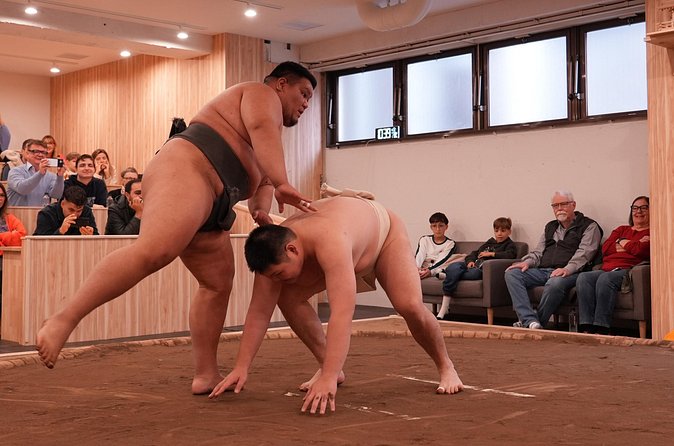
At $79.59 per person, this is not a bargain activity in the way a free temple visit or neighborhood walk might be. You are paying for a staged cultural experience, professional performers, a bilingual explanation, audience participation, and photos in a central Tokyo setting.
The value is strongest if you want several elements in one booking. You receive a short lesson in sumo culture, live demonstrations, a question-and-answer opportunity, a possible ring challenge, and a photo session. For a family, the chance to keep children engaged may be worth as much as the wrestling itself.
The price is less attractive if you only want serious sumo competition. In that case, the show may feel more like entertainment than sport. One audience member found it merely adequate compared with other Tokyo activities, and that is a fair warning for anyone with limited time and a strong preference for formal cultural sites or major sporting events.
For most first-time visitors, I see this as a midrange cultural activity with a clear purpose. It gives you an easy way to learn about sumo without committing to a tournament schedule or spending several hours studying the sport beforehand.
Fitting the show into a Shinjuku day
The experience lasts about one hour and 30 minutes, so it can fit neatly between other plans. You might pair it with time in Shinjuku before or after the show, since the venue is close to public transportation and has been described as easy to find from the train.
Do not cut the timing too close. Heavy traffic has caused people to arrive just in time, so I would allow at least 30 minutes of extra margin for finding the venue and getting settled. This is especially important if you are traveling with children or a larger group.
The mobile ticket makes arrival simple. You receive confirmation when booking, and the experience is near public transportation. Specific seating details are not provided, so do not assume that every seat has the same view. The ring is central to the program, and the intimate venue is part of the appeal, but your exact position may affect how close the action feels.
Drinks and snacks may be available for purchase during the show. One point to note is that the included drink has been described as a bottled water rather than a broad selection of beverages. If you expect a full meal or a wide drink service, plan accordingly.
Who will enjoy this most?
This is a strong choice for families. The short length, inflatable sumo costumes, audience participation, and clear explanations give children several ways to stay interested. Young visitors can laugh at the playful challenges while adults learn why the rituals matter.
It also suits couples and first-time visitors who want a cultural activity without a long lecture. You get a close look at a traditional sport, plenty of photographs, and a lively presentation in less than two hours.
Fans of Japanese culture will appreciate the focus on ceremony and history, even if they have never watched a sumo tournament. The show gives you a useful starting point for understanding what you see at a formal competition later.
I would be more cautious if you are looking for official sport. The wrestlers may be retired, and the tone is intentionally friendly. The performances show real skill and athletic ability, but the evening is built to entertain and teach rather than decide a winner.
Practical booking details and cancellation
Most people can participate, and the venue is near public transportation. The mobile ticket is useful for a busy Tokyo schedule, and confirmation is provided at booking.
You can cancel for a full refund if you do so at least 24 hours before the experience begins. Cancellations or changes made less than 24 hours before the start time are not refunded or accepted, and the cut-off follows Tokyo local time.
The experience provider is Shinjuku Sumo Club. Since the program depends on live performers and audience interaction, the exact names of the wrestlers and MC may differ by date. Hosts such as Shane, Manny, and Mr. So have been associated with the style of presentation described here, but you should not book expecting one particular person unless your confirmation says so.
Should you book the Shinjuku Sumo Show?
Book it if you want a cheerful, easy-to-follow introduction to sumo with live demonstrations, ritual explanations, audience participation, and photos. The format works especially well for families, first-time visitors, and anyone who wants a cultural activity that does not require a full day.
Think twice if you have only a few hours in Tokyo and prefer major sights, formal museums, or official sporting competition. The show is intentionally playful, and the $79.59 price depends on how much you value personal interaction.
For most visitors, I would book it as a fun Shinjuku evening or family outing. You’ll learn enough to watch sumo with new eyes, laugh with the audience, and leave with a better sense of why this ancient sport still matters in Japan.
FAQ
How long does the Tokyo Shinjuku Sumo Show last?
The experience lasts approximately one hour and 30 minutes.
How much does the experience cost?
The listed price is $79.59 per person.
Is the show suitable for children?
Yes. The experience is family-friendly, includes audience participation, and may include children wearing inflatable sumo costumes during playful challenges.
Do I need to know anything about sumo before attending?
No. The bilingual MC explains the origins, rituals, rules, tactics, and key movements for beginners.
Will I see real sumo wrestlers?
Yes. Two professional wrestlers perform live demonstrations and matches during the experience.
Can I try sumo wrestling?
Audience members may be invited to step onto the dohyō and take part in a friendly sumo challenge.
Can I take photos with the wrestlers?
Yes. The experience includes a photo opportunity with the wrestlers.
Is the show a formal sumo tournament?
No. It is an educational and entertaining cultural show with demonstrations and audience interaction, not a formal tournament.
Is the venue easy to reach?
The Shinjuku Sumo Club is near public transportation, and the location has been described as easy to find from the train.
What is the cancellation policy?
You can receive a full refund by canceling at least 24 hours before the start time. Cancellations or changes made less than 24 hours before the experience are not accepted or refunded.
New on the fixture list around Tokyo
- Tokyo: Sumo Morning Practice Viewing Tour at a Real Stable★ 4.9 · 32 reviews
- Tokyo: Sumo Morning Practice -Stable Visit Tour with a Guide★ 4.8 · 16 reviews
- Tokyo: Watching Sumo and Ryogoku Area Walking Tour★ 4.0 · 5 reviews
- Tokyo: Sumo Keiko Training Tour with Audio Guide & Photo★ 4.8 · 5 reviews
- Tokyo Sumo Morning Practice: Witness the Life of a Wrestler★ 4.8 · 56 reviews
- Tokyo: Sumo Morning Practice Tour in Ryogoku and Photo Shoot★ 4.7 · 47 reviews
- Tokyo Highlights Tour: Sumo, Sushi, Tea, and Tokyo Tower★ 5.0 · 2 reviews
- Tokyo: Sanctuary Authentic Grand Sumo Experience & Training★ 5.0 · 7 reviews
More Sumo Experiences in Tokyo to weigh up.
Tokyo Grand Sumo Tournament Viewing Tour with Tickets
Read our review →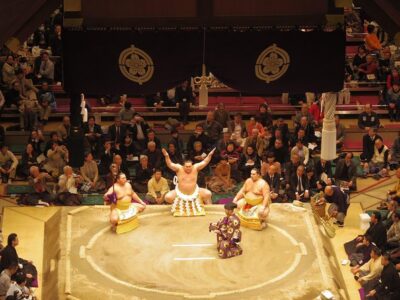
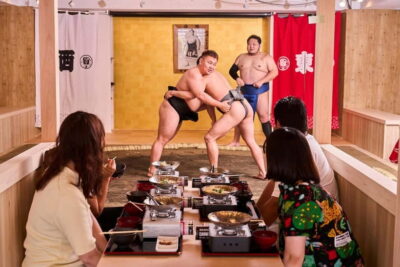
Tokyo:Luxury Sumo Show Experience & Japanese cuisine & Drink
Read our review →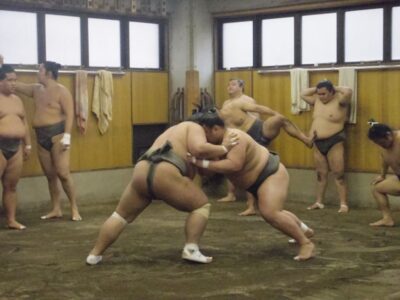
Tokyo Sumo Experience: Chanko & Mochi with a Former Pro
Read our review →This one also appears in