
Review · TOKYO
Tokyo: Sumo Morning Practice -Stable Visit Tour with a Guide
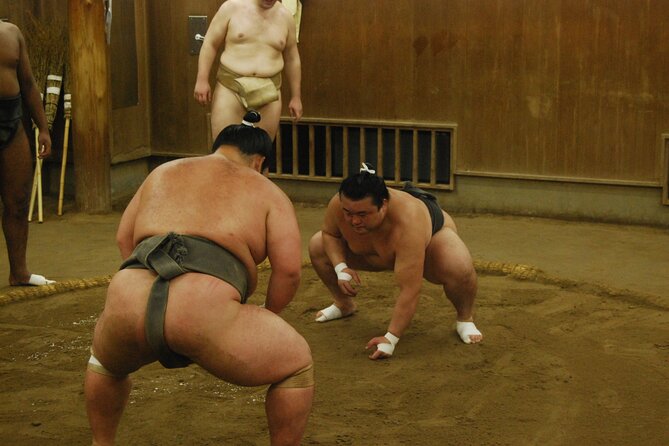
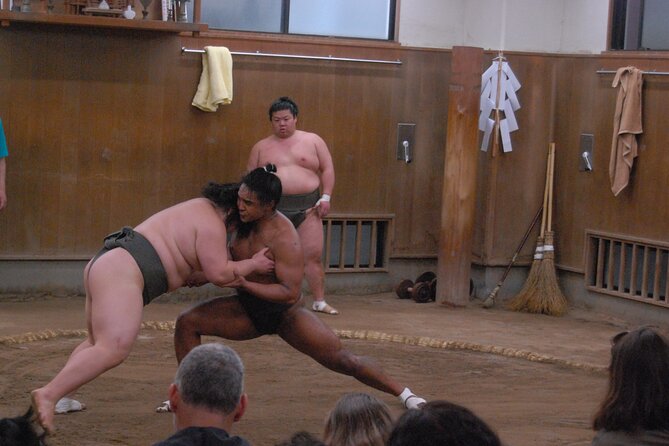
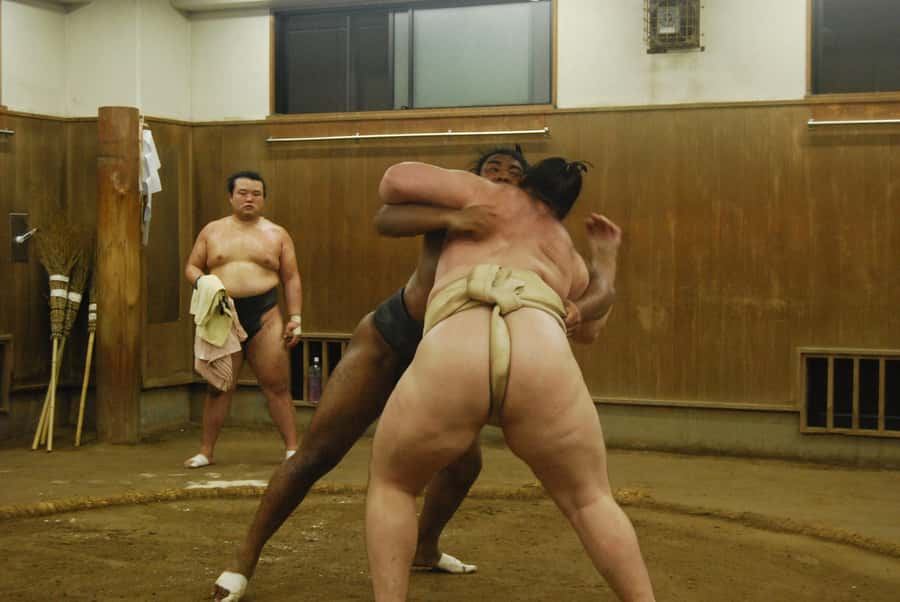
At this sumo stable near Tokyo Skytree, you watch the sport at close range, not from a distant seat in the Kokugikan. You can see the wrestlers’ breathing, facial expressions, and the force of each collision as the morning practice unfolds.
I like two things especially: guide Ishida’s clear introduction to sumo rules and stable life, and the chance to sit on cushions close enough to feel part of the room without interrupting it. The photo opportunity with the rikishi adds a personal finish. The main drawback is that this is a quiet, disciplined observation experience, not a show, so you must avoid conversation, noise, video, and flash photography.
Key points at a glance
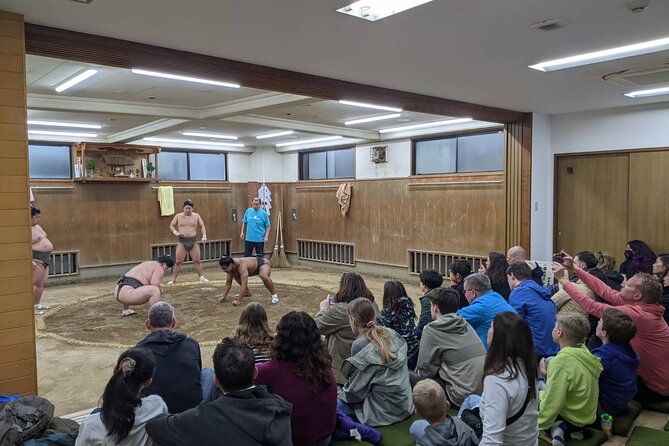
- Watch real morning practice: See wrestlers and apprentices train inside Ikazuchi Sumo Stable.
- Sit close to the action: The view is more intimate than at an official tournament.
- Learn from guide Ishida: Get an English explanation of sumo rules, history, and life inside a stable.
- Hear the force of training: Expect loud body impacts and a coach’s strong, sharp voice.
- Take non-flash photos: Photography is allowed, but video and flash are forbidden.
- Plan for a quiet two hours: Children under 10 are not permitted, and private conversation is discouraged.
Why a stable visit feels different from a sumo tournament
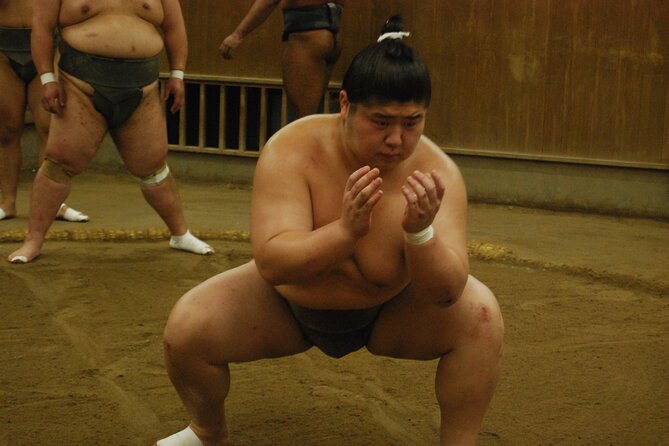
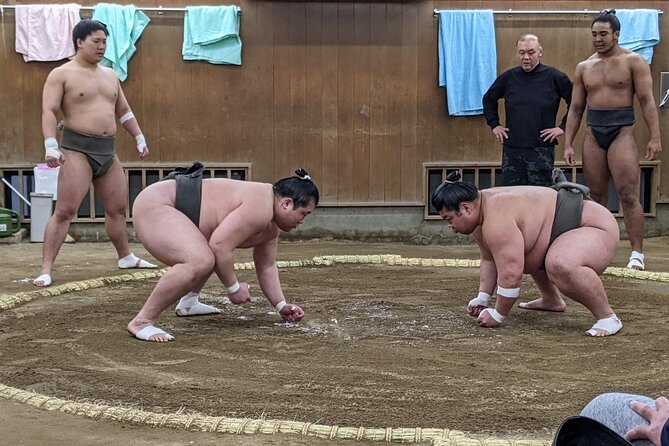
A tournament gives you the polished public version of sumo. A stable visit shows the working side of the sport. You are watching wrestlers and apprentices repeat the basic movements, push their bodies, and prepare for competition under the coach’s close direction.
The setting near Tokyo Skytree is part of the appeal. You meet in front of the Memorial Statue of Soramachi Hiroba, then go to the stable for the practice session. The experience is built around being present in the room, not moving from one sight to another.
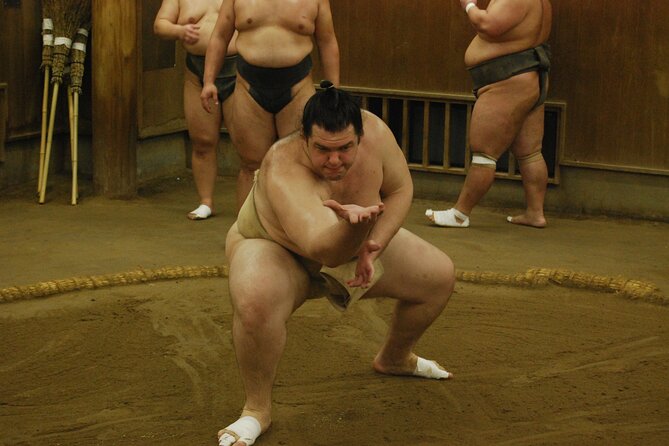
I like this format because it gives you time to notice small details. You can watch a wrestler gather himself before a clash, hear the thud when two bodies meet, and see how much effort goes into each exchange. At the Kokugikan, your attention may move with the full event. Here, the concentration is narrower and more intense.
The stable also has a role beyond the morning workout. It is a place where sumo is taught and preserved for future generations. That gives the visit more weight than a simple sports demonstration. You are seeing a daily routine connected to the survival of Japan’s national sport.
More Sumo Experiences in Tokyo
- Tokyo: Sumo Show and Dining Experience
★ 4.8 · 2,742 reviews - the SUMO show
★ 5.0 · 1,960 reviews - Tokyo Shinjuku Sumo Show & Experience with Photo
★ 5.0 · 1,750 reviews
Arriving near Tokyo Skytree and entering the stable
The meeting point is in front of a Memorial Statue of Soramachi Hiroba. That detail matters because a sumo stable is not presented like a major tourist attraction with a large entrance sign. You should follow the meeting instructions closely and arrive with enough time to find the statue.
Guide Ishida helps you get oriented before the practice begins. An introduction to basic sumo rules is useful even if you know very little about the sport. Sumo has its own terms, customs, and ways of reading a match, so a short explanation helps you understand what you are seeing rather than simply watching large athletes collide.
I also like the stable-life context. You learn about the demanding routine of a wrestler living and training at the stable, along with the respect between the rikishi and their coaches. This information gives meaning to the coach’s commands and to the repeated drills.
The stable is a working place, not a performance hall. You need to enter with the right attitude. Keep your voice down, listen to instructions, and remember that the wrestlers are concentrating on their practice.
Two hours of close-up morning practice
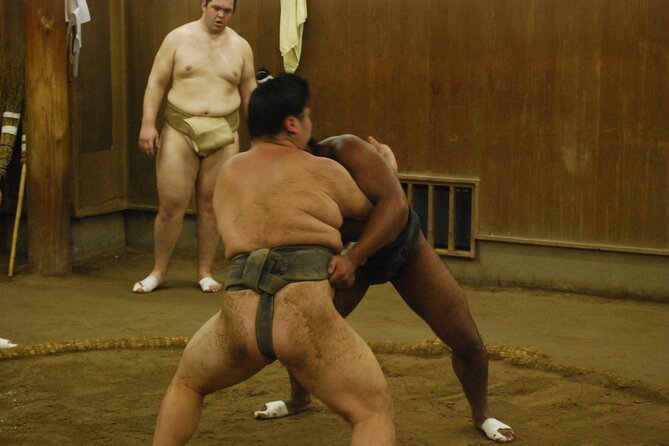
The central part of the visit is the morning training session. You sit on cushions and watch from a close position. One visitor described having an excellent view from the cushions, which is exactly the practical advantage of this format: you are near enough to observe expressions, breathing, and the physical strain of training.
The action can be surprisingly quiet one moment and startlingly loud the next. The impact of bodies meeting is part of the experience, as is the coach’s forceful voice. His tone may sound harsh at first, but it reflects the serious relationship between coach and wrestlers. The practice depends on trust, discipline, and concentration.
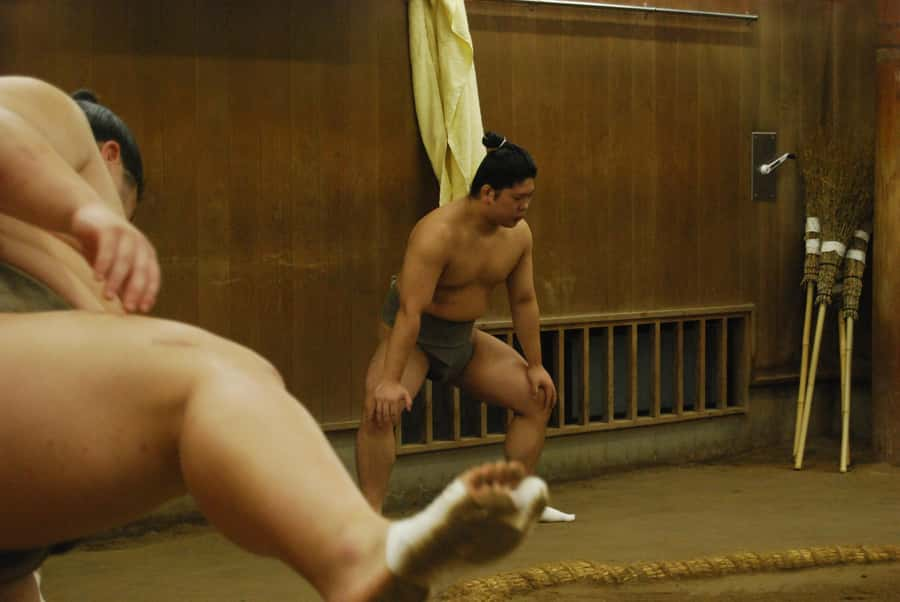
You should not expect a neat series of short matches with constant explanation. Morning practice is a working session, and the pace may feel repetitive if you are looking for a staged attraction. That repetition is also what makes the visit useful. You see the labor behind the public bouts.
The close view lets you notice what a tournament seat may hide. You can watch a wrestler brace his feet, control his breathing, and recover after contact. You can also see the apprentices learning from more experienced rikishi. The focus is on training, not applause.
Private conversation is discouraged during the practice. This rule may feel strict, but it protects the atmosphere. The wrestlers need to maintain focus, and the quieter you are, the more clearly you can hear the coach and the movement in the room.
What guide Ishida adds to the morning
Guide Ishida is an important part of the experience. He explains the basic rules before or during the visit and helps you understand the life of a wrestler inside the stable. That makes the tour a better choice for first-time sumo spectators than simply trying to locate a stable on your own.
I appreciate this kind of guiding because sumo can be difficult to read without context. You may see a powerful clash, but Ishida’s explanation helps you understand the preparation, the rules, and the respect built into the training environment.
He also helps bridge the gap between visitor and working athlete. You are not there to interrupt the wrestlers or demand attention. Instead, the guide gives you a way to observe properly and understand why the stable operates as it does.
The tour includes a special brochure about sumo. Keep it as a reference during the visit, since it gives you something to follow while the practice is underway. The brochure is also useful after the tour when you want to remember the terms or explain the experience to someone who did not come with you.
Same city, another way to catch the action:
- Tokyo: Sumo Show and Experience in Shinjuku
★ 4.8 · 1,001 reviews - Tokyo Grand Sumo Tournament Viewing Tour with Tickets
★ 5.0 · 692 reviews - Tokyo Sumo Wrestling Tournament Experience
★ 5.0 · 660 reviews - Tokyo:Luxury Sumo Show Experience & Japanese cuisine & Drink
★ 4.7 · 577 reviews
The photo opportunity with the rikishi
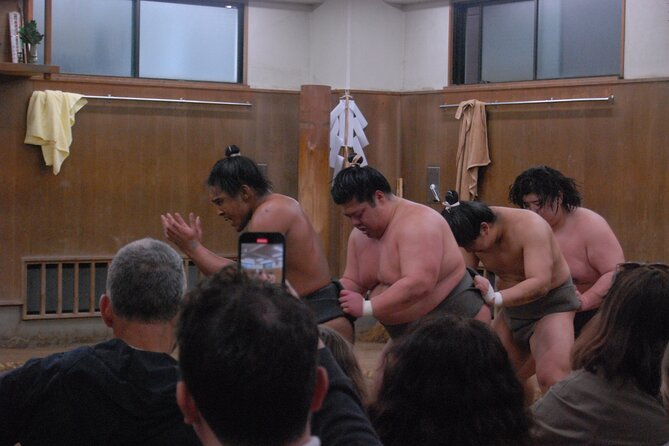
Photography is allowed inside the stable if you turn off the flash. This lets you capture the setting and parts of the practice without disturbing the wrestlers. Video recording is not allowed, so do not arrive expecting to make a film of the session.
A photo shoot with the sumo wrestlers is one of the listed highlights. It gives the visit a more personal ending after the serious concentration of practice. You should still follow the guide’s instructions and keep the moment respectful.
The ban on flash matters in a small indoor space. A sudden burst of light can distract the rikishi, especially while they are training. Check your camera or phone before the session begins, and make sure you can take photographs silently and without flash.
I would treat the photos as a bonus, not the main reason to book. The strongest part of the tour is watching the practice close up. The photo opportunity works best because you have first seen the work and discipline behind the athletes.
Rules that shape the experience
The restrictions are simple, but they are important:
- No flash photography.
- No video recording.
- No loud noise.
- Avoid private conversation during practice.
- Do not bring snacks, bread, rice balls, or other food into the morning session.
- Bring drinks only in containers with lids.
- Children under 10 are not permitted.
These rules may sound more demanding than those for an ordinary sightseeing activity. I see them as part of the bargain. You are entering a functioning training space, and the wrestlers are not performing solely for visitors.
The food rule is easy to overlook, especially if you are starting early. Eat before you arrive, or plan to wait until after the two-hour experience. A lidded drink is allowed, which is useful if you need water during the morning.
You may also leave a tip for the rikishi after practice if you feel inclined to support them. This is optional, but it gives you a way to show appreciation for the access and effort involved.
Is $90 a fair price for two hours?
At $90 per person, this is not a low-cost photo stop. The value depends on what you want from Tokyo. If you only want to see sumo from the outside, the price will feel high. If you want close access to a real stable, an English explanation, a brochure, and a guided introduction to sumo life, the cost is easier to justify.
The tour lasts two hours, which is enough time to learn the basics and watch a meaningful stretch of practice. You are paying for access to a place that most people in Japan do not see as part of their normal daily life, not just for transportation or a quick explanation.
I would compare it with the cost of attending an official tournament, but the two experiences offer different things. A tournament gives you the public spectacle and the excitement of scheduled bouts. This stable visit gives you proximity and a look at training. If you have room in your budget for only one sumo activity, choose based on that difference.
The guide also affects the value. Without English context, the practice could be hard to follow. Ishida’s explanation of rules and stable life helps turn a silent observation into a clearer cultural experience.
Who will enjoy this sumo experience most?
I recommend this tour to adults and older children who are curious about how sumo works behind the tournament setting. It suits you if you enjoy watching skill develop through repetition, and if you can sit quietly for a full practice session.
It is also a good choice for first-time visitors to Japan who want something more specific than a major sightseeing stop. The location near Tokyo Skytree makes it easy to pair with other plans in the area, though the stable visit itself should remain the main focus of the morning.
You will probably enjoy it less if you need constant movement, narration, or entertainment. This is not a staged show, and the wrestlers are not there to perform a sequence designed for tourists.
Children under 10 cannot join. Older children must still be comfortable with the quiet rules and serious mood. Anyone who dislikes strict photography limits should also think twice before booking.
Practical timing and preparation
The exact starting time depends on availability, so check the schedule when booking. The activity lasts two hours, and the practice takes place in the morning. That early timing is essential because you are watching the stable’s regular training routine.
Wear something comfortable for sitting on cushions. The provided information does not specify a dress code, so the safest plan is practical clothing that allows you to sit quietly and comfortably.
Before you leave, check three things: your phone’s flash is off, your camera is ready for still photographs only, and your drink has a lid. Do not bring food into the practice area.
The activity is conducted in English, with a live English-speaking guide. You can cancel up to 24 hours in advance for a full refund, and you can reserve now while paying later. Those options help if your Tokyo schedule is still changing.
My verdict: book it if you value access over spectacle
I would book this tour if you want to see sumo as a daily discipline rather than only as a formal contest. The close seating, strong physical sounds, English guidance from Ishida, and photo opportunity create a focused two-hour experience that feels very different from watching a tournament.
I would skip it if you want a casual, noisy attraction or a flexible activity where you can eat, film, and chat. The stable’s rules are firm, and the practice belongs to the rikishi first.
For the right visitor, $90 is a reasonable price for rare access and useful context. Go prepared to be quiet, pay attention, and let the training unfold at its own pace.
FAQ
Where does the sumo stable visit take place?
The visit takes place at a sumo stable near Tokyo Skytree in Tokyo, on Honshu, Japan.
Where is the meeting point?
Meet in front of a Memorial Statue of Soramachi Hiroba.
How long does the activity last?
The tour lasts two hours.
Is an English-speaking guide included?
Yes. The experience includes a live English-speaking guide.
Who is the guide?
The guide named for this experience is Ishida.
Can I take photographs inside the stable?
Yes, you can take photographs without flash.
Can I record video during practice?
No. Video recording is prohibited inside the sumo stable.
Can I talk during the practice?
Private conversation should be avoided during the tour so the rikishi and apprentices can concentrate.
Can I bring food into the stable?
No. Snacks, bread, rice balls, and other food are not allowed during morning practice. Drinks are allowed if they have lids.
Are children allowed to join?
Children under 10 are not permitted to take part.
Is cancellation available?
Yes. You can cancel up to 24 hours in advance for a full refund.
Can I pay later?
Yes. The reserve now and pay later option lets you book without paying immediately.
New on the fixture list around Tokyo
- Tokyo: Sumo Morning Practice Viewing Tour at a Real Stable★ 4.9 · 32 reviews
- Tokyo: Watching Sumo and Ryogoku Area Walking Tour★ 4.0 · 5 reviews
- Tokyo Sumo Morning Practice: Witness the Life of a Wrestler★ 4.8 · 56 reviews
- Tokyo: Sumo Morning Practice Tour in Ryogoku and Photo Shoot★ 4.7 · 47 reviews
- Tokyo: Sumo Keiko Training Tour with Audio Guide & Photo★ 4.8 · 5 reviews
- Tokyo Highlights Tour: Sumo, Sushi, Tea, and Tokyo Tower★ 5.0 · 2 reviews
- Tokyo: Sanctuary Authentic Grand Sumo Experience & Training★ 5.0 · 7 reviews
- Tokyo Ginza : Sumo and Mikoshi Experience,Open from Sep.★ 5.0 · 8 reviews
More Sumo Experiences in Tokyo to weigh up.
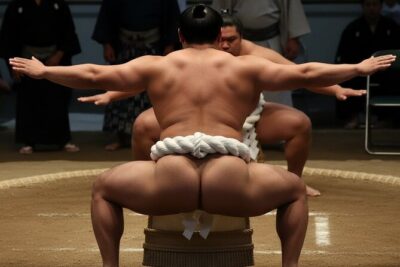
Tokyo Shinjuku Sumo Show & Experience with Photo
Read our review →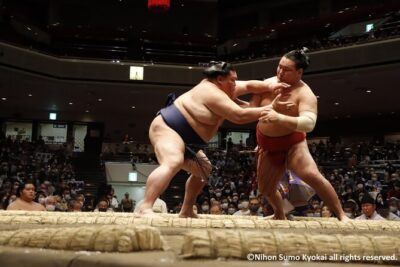
Tokyo Grand Sumo Tournament Viewing Tour with Tickets
Read our review →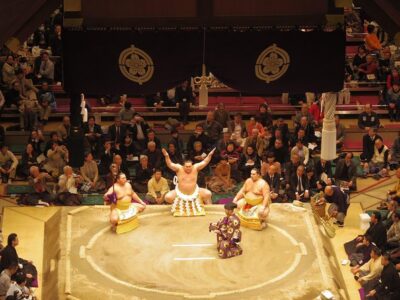
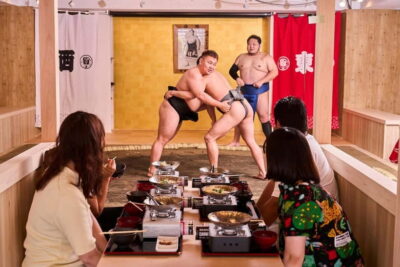
Tokyo:Luxury Sumo Show Experience & Japanese cuisine & Drink
Read our review →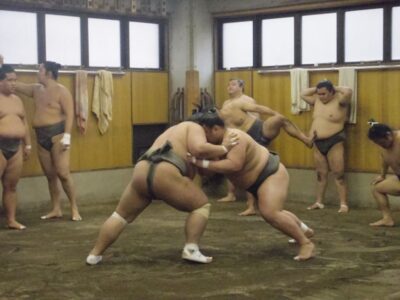
Tokyo Sumo Experience: Chanko & Mochi with a Former Pro
Read our review →This one also appears in