
Review · TOKYO
Tokyo:Luxury Sumo Show Experience & Japanese cuisine & Drink
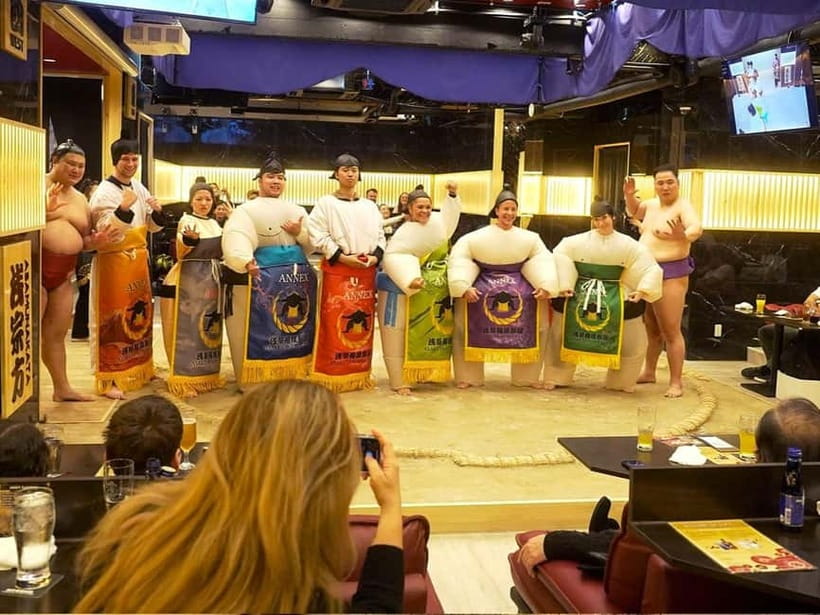
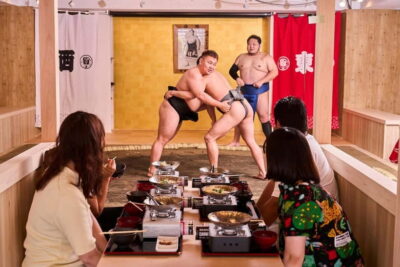
The main event here is not a quiet glimpse into professional sumo life. It is a polished, funny stage show where retired wrestlers explain the sport, demonstrate its rituals, and then throw themselves into lively bouts just a few feet from your table. The real ring in the middle of the restaurant gives the evening a strong sense of occasion, while English commentary keeps you in the story.
I like two things right away: the show makes sumo easy to understand, and it gives you a chance to take part rather than simply watch. The geisha dance, audience questions, commemorative photo, and possible ring challenge add variety. The drawback is just as important: this is tourist entertainment, not an active-stable training visit, and the $103 starting price can feel high if you do not value the meal, drinks, and interaction.
Key points to know before booking
- Two hours in Asakusa: A compact evening combining food, cultural explanation, live bouts, and photos.
- A real sumo ring indoors: You sit close to the action and can see training moves and matches clearly.
- Bilingual hosting: English and Japanese commentary explains rules, customs, and the history of sumo.
- Audience participation: You may enter the ring for a friendly challenge, but places can be assigned by lottery.
- Three seating levels: Standard includes one drink, Business adds sofa seating, tempura, and unlimited drinks, while First Class adds front-row seats, premium whisky, and a happi coat souvenir.
- Advance meal planning matters: Vegetarian and vegan meals require at least two days’ notice. Gluten-free and halal meals are not available.
A sumo show built for understanding
Sumo can be hard to follow if you see it without context. A bout may last only seconds, and the gestures, salt, footwork, and ring rules can seem mysterious. This show solves that problem with a clear introduction before the main matches.
The bilingual commentary explains the history, rules, rituals, and training methods in a light, accessible way. The hosts do not treat the sport like a dry lecture. They use humor and demonstrations, then invite questions from the room. If you have ever watched a sumo bout and wondered why the wrestlers spend so long preparing before pushing, this is a good place to ask.
The English hosting is a major part of the value. Several comments singled out the clear delivery and the friendly style of the master of ceremonies. Luke and Go are associated with the hosting, and the evening depends heavily on that connection between the stage and the tables.
You should expect a show designed for adults and children. Seven-year-olds and teenagers have taken part in the fun, and the explanations are simple enough for families without making the evening feel childish. Solo visitors can also fit in well, since the staff help with photos and bring individuals into the activity.
More Sumo Experiences in Tokyo
- Tokyo: Sumo Show and Dining Experience
★ 4.8 · 2,742 reviews - the SUMO show
★ 5.0 · 1,960 reviews - Tokyo Shinjuku Sumo Show & Experience with Photo
★ 5.0 · 1,750 reviews
A graceful geisha dance opens the evening
The first performance is a Japanese dance by a geisha. It changes the pace before the louder sumo portion begins. The dance focuses on controlled, small movements and traditional presentation, so it offers a useful contrast with the physical comedy and force of the bouts that follow.
You can usually take a photo with the geisha after the performance. This is a short part of the evening, but it helps show that the program is about more than wrestling. You get a quick look at two very different forms of Japanese performance: the quiet precision of the dance and the direct physical theater of sumo.
It is best to see this as an introduction rather than a full geisha arts program. The geisha appearance is an added feature within the two-hour event, not the main subject. Still, it gives the evening a more varied shape and makes it especially appealing if you want several Japanese cultural elements in one booking.
Dinner arrives beside the ring
Food is served during the sumo program, so you are not choosing between dinner and the show. The standard meal includes a sukiyaki bento made with Japanese A5-ranked wagyu beef, chanko nabe hot pot, and a matcha dessert.
Sukiyaki brings a rich, sweet-savory flavor and gives the meal a clear premium touch. Chanko nabe is closely linked with the sumo world, since hot pot is a familiar part of a wrestler’s traditional diet. Here, it adds context as well as warmth to the meal.
The food received generally strong praise, though one useful criticism is that some dishes could arrive hotter. That is worth keeping in mind if you expect a restaurant meal served at a leisurely pace. The program has several moving parts, so the meal is part of the entertainment schedule rather than a long, quiet dinner.
Business and First Class include tempura in addition to the sukiyaki, hot pot, dessert, and drinks. Standard includes one complimentary drink, with further drinks available for purchase. Business and First Class include unlimited drinks, and First Class includes premium Japanese whisky such as Yamazaki.
That drink difference can change the value calculation. If you plan to enjoy beer, sake, soft drinks, or whisky throughout the show, the upgraded seating may make more sense. If you mainly want the sumo and a complete meal, Standard may be enough.
What each seating category really offers
The three seating levels are not just labels for different parts of the room. They affect your comfort, food, drinks, distance from the ring, and souvenirs.
Standard table seats offer a clear view and include the main meal plus one drink. This is the sensible choice if you want the program without paying for a long drinks service. You may be seated with other people, so this category suits visitors who do not mind sharing a table.
Business sofa seats add more space and a more relaxed feel. You get the sukiyaki meal, tempura, chanko hot pot, and unlimited drinks. The sofa arrangement was especially appreciated by people who wanted comfort and a good view without paying for the closest position.
First Class front-row sofa seats put you nearest the ring. You receive the full food and drink package, including premium Yamazaki whisky, along with an exclusive souvenir set featuring a happi coat. Choose this level if you care about close-up photos, want the most direct interaction, or expect to make serious use of the drink package.
At $103 per person for the advertised starting price, this is not a bargain meal with a small performance attached. You are paying for a private-style venue, food, drinks depending on the category, bilingual hosting, wrestlers, a geisha performance, photos, and souvenirs. The price is easiest to justify when you treat it as a full evening program rather than a standard dinner.
Same city, another way to catch the action:
- Tokyo: Sumo Show and Experience in Shinjuku
★ 4.8 · 1,001 reviews - Tokyo Grand Sumo Tournament Viewing Tour with Tickets
★ 5.0 · 692 reviews - Tokyo Sumo Wrestling Tournament Experience
★ 5.0 · 660 reviews - Tokyo: Sumo Morning Practice Viewing Tour
★ 4.8 · 570 reviews
The wrestlers bring humor and real technique
After the introduction, retired sumo wrestlers demonstrate training techniques and stage bouts. The word retired matters. These are former wrestlers performing for entertainment, not active athletes inviting you into a morning practice at a working stable.
That distinction should guide your expectations. You will not see the quiet discipline of an early training session or observe wrestlers preparing for an official tournament. You will see a show built to explain sumo and keep the room involved. The wrestlers use their knowledge and physical skill, but the tone is warm, playful, and theatrical.
The bouts are close enough to feel energetic, especially from the sofa categories. You can watch the wrestlers move, brace, push, and use basic techniques without trying to decode everything yourself. The commentary explains what is happening, which makes the action much more satisfying than watching a series of unexplained shoves.
The staff also encourage questions. Prepare a few of your own, especially if you want more than the basic introduction. The question-and-answer portion can be one of the most useful parts of the evening because you can ask about rules, training, rituals, or the wrestlers’ own experience.
Should you volunteer for the sumo challenge?
The ring challenge is the evening’s biggest personal memory. Brave volunteers can step into the ring and test themselves against a sumo wrestler in a friendly contest. It is played for laughs, but the size and strength difference makes the result fairly predictable.
Children and teenagers can be included when appropriate, and the challenge has created some of the funniest family moments. Adults can take part too. You do not need to be athletic, but you should be comfortable with public attention and physical contact.
There is one catch: the number of challengers is limited. If many people want to participate, names are selected by lottery. Booking First Class does not guarantee a place in the ring. Go in hoping to participate, but enjoy the show even if your name is not chosen.
You should also follow the staff’s instructions carefully. The point is friendly interaction, not a serious contest. The staff control the activity and keep it suitable for the room.
Photos and souvenirs make the evening feel complete
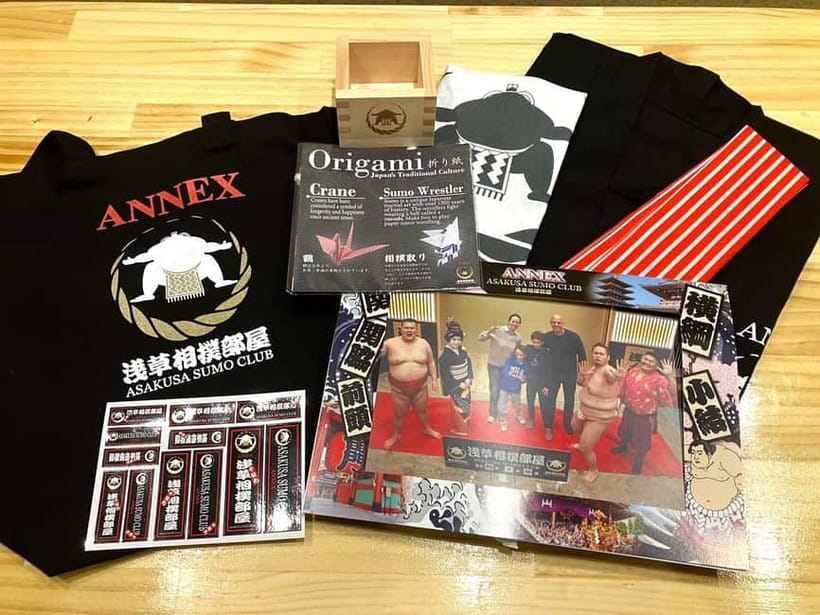
After the performance, you receive a commemorative printed photo with the sumo wrestlers. Staff also take pictures during the activity, which is particularly helpful if you are traveling alone or if your whole family wants to appear in the frame.
Souvenirs vary by seating category and season. Standard, Business, and First Class each come with their own level of gift, while First Class includes the larger souvenir set and happi coat. The printed photo is a useful touch because it gives you something physical to take home instead of relying only on phone pictures.
There is also time for further photos with the wrestlers. The staff are known for being warm and willing to help, which matters in a program that asks people to perform in front of the room. If you are shy, you can simply watch and take pictures from your seat. If you enjoy being part of a group activity, you will find plenty of openings.
Who will enjoy this most?
I would recommend the Asakusa Sumo Club Annex to families, first-time visitors to Japan, couples, and solo visitors who want a social evening with a clear structure. It is especially useful if you know little about sumo but want to understand why the sport matters.
It also works well for people looking for a rainy-day or evening activity in Asakusa. The meeting point is along Asakusa Kokusai Street, next to Matsuya Restaurant. Check the venue details closely, since the annex is separate from the main Asakusa Sumo Club and at least one visitor initially went to the wrong location.
The experience is less suitable if you want a serious sporting event, an active stable visit, or a quiet gourmet dinner. The room can involve shared seating, and the show depends on audience participation. You may find yourself answering questions, posing for photos, or watching other people try the challenge.
The restaurant is not wheelchair accessible because of stairs. Babies under one year are not suitable for the program, and meals, seating, and souvenirs are not included for infants.
Food requests and practical planning
Vegetarian and vegan meals are possible, but you must request them at least two days before the reservation date. A request made on the day cannot be handled, and a regular meal will be prepared instead.
Gluten-free and halal meals cannot be provided. You may bring your own food if required. This is a detail to settle before booking, since the standard menu centers on beef, hot pot, and other Japanese dishes.
The program lasts two hours, with several starting times depending on availability. An evening slot can fit neatly after sightseeing in Asakusa, and one late weekday start was described as a quiet time to visit. If you arrive early, the nearby temple and small streets offer something to do while you wait, though opening hours in the area can vary.
Cancellation is allowed up to 24 hours before the booking for a full refund, and you can reserve now and pay later. Those options are useful if your Tokyo schedule is still shifting.
Should you book the Asakusa Sumo Club Annex?
Book it if you want a friendly, easy-to-follow introduction to sumo with dinner, drinks, comedy, photos, and a chance to join the action. The clear English hosting, kind staff, geisha dance, and close seating make it particularly strong for families and first-time visitors.
Think twice if your goal is authenticity in the strictest sense. This is a staged entertainment program performed by retired wrestlers, not a working sumo-stable visit. At $103, the value depends on what you choose: Standard is easier to justify for the show and meal, while Business or First Class makes more sense if you will use the extra food, unlimited drinks, close seats, and souvenirs.
For a cheerful evening in Asakusa, it is a solid choice. Go ready to learn, laugh, and perhaps get pushed out of the ring.
FAQ
How long does the sumo show last?
The program lasts two hours.
Where is the meeting point?
The meeting point is along Asakusa Kokusai Street, next to Matsuya Restaurant.
Is the commentary available in English?
Yes. Live commentary is provided in both English and Japanese throughout the show.
Is this a visit to an active sumo stable?
No. The program is an entertainment-style show performed by retired sumo wrestlers. It is different from a serious early-morning training visit.
Can I participate in a sumo match?
You may enter the ring for a friendly sumo challenge. Places are limited, and if many people want to participate, the final challengers are selected by lottery.
Are vegetarian or vegan meals available?
Yes, but you must request a vegetarian or vegan meal at least two days before the reservation date. Same-day requests cannot be accommodated.
Are gluten-free or halal meals available?
No. Gluten-free and halal meals are not provided, but you may bring your own food if needed.
Is the venue wheelchair accessible?
No. The venue has stairs and is not wheelchair accessible. Babies under one year are also not suitable for this activity.
New on the fixture list around Tokyo
- Tokyo: Sumo Morning Practice -Stable Visit Tour with a Guide★ 4.8 · 16 reviews
- Tokyo: Watching Sumo and Ryogoku Area Walking Tour★ 4.0 · 5 reviews
- Tokyo: Sumo Morning Practice Viewing Tour at a Real Stable★ 4.9 · 32 reviews
- Tokyo: Sumo Morning Practice Tour in Ryogoku and Photo Shoot★ 4.7 · 47 reviews
- Tokyo: Sumo Keiko Training Tour with Audio Guide & Photo★ 4.8 · 5 reviews
- Tokyo Sumo Morning Practice: Witness the Life of a Wrestler★ 4.8 · 56 reviews
- Tokyo: Sanctuary Authentic Grand Sumo Experience & Training★ 5.0 · 7 reviews
- Tokyo Highlights Tour: Sumo, Sushi, Tea, and Tokyo Tower★ 5.0 · 2 reviews
More Sumo Experiences in Tokyo to weigh up.
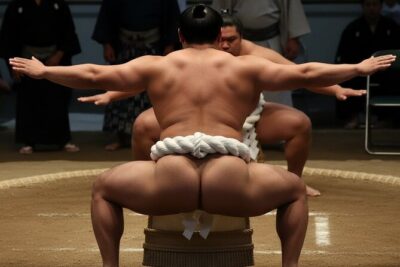
Tokyo Shinjuku Sumo Show & Experience with Photo
Read our review →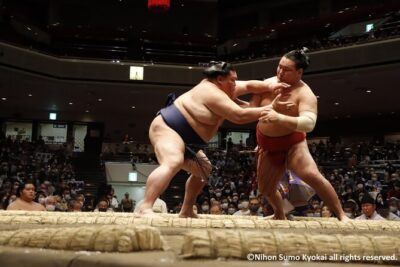
Tokyo Grand Sumo Tournament Viewing Tour with Tickets
Read our review →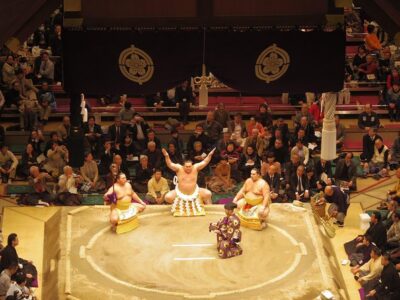
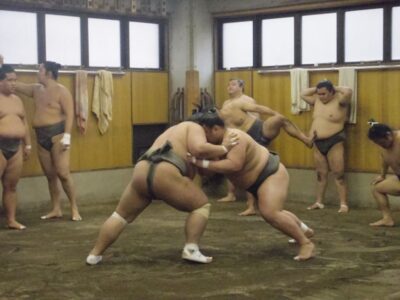
Tokyo Sumo Experience: Chanko & Mochi with a Former Pro
Read our review →
Ultimate Sumo Tournament: Tokyo, Osaka, Nagoya, Fukuoka
Read our review →This one also appears in