
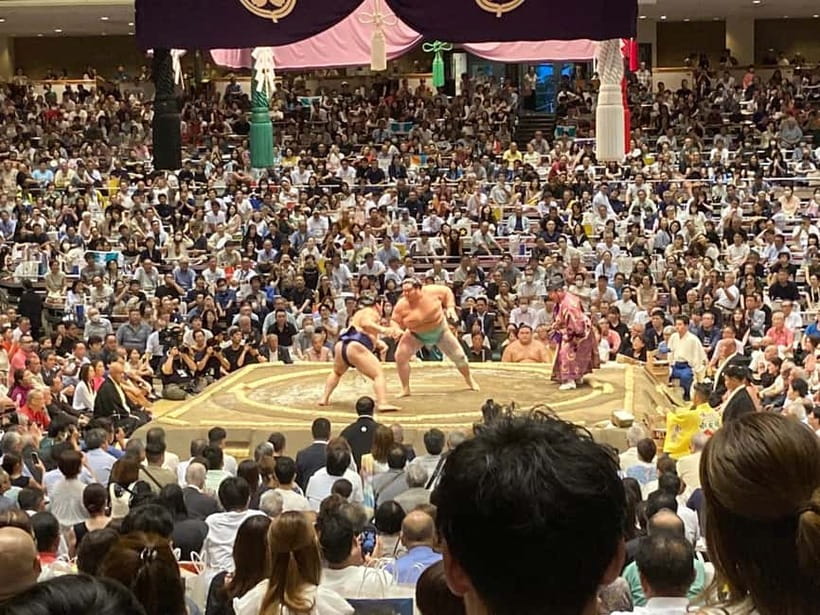
Review · TOKYO
Tokyo: Watching Sumo and Ryogoku Area Walking Tour
Ryogoku is where sumo feels like more than a sporting event. This tour links the district’s temples, museums, and samurai sites with a live match at Ryogoku Kokugikan, giving you both cultural background and ringside atmosphere in one afternoon.
I like the compact 50-minute walking tour, which gives you useful context before the match. I also like having the sumo ticket arranged in advance, especially if this is your first time buying seats for a tournament. The main drawback is that the guide leaves you once you enter the arena, so you must follow the action on your own.
Key points at a glance
- Ryogoku’s sumo landmarks: Walk past Eko-in Temple, the Sumo Photo Museum, and the remains of Kira Residence.
- Live match included: Your ticket gets you into Ryogoku Kokugikan after the walking portion.
- Two seat types: Choose a shared traditional box seat on the first floor or a chair on the second floor.
- Helpful pre-match orientation: The walk explains why Ryogoku became Tokyo’s sumo center.
- Guide quality can matter: Yuki received especially warm praise, but guide availability after entry is limited.
- Plan for arena rules: No outside food or drinks, video recording, large bags, or disruptive behavior.
Why Ryogoku is the right place to watch sumo
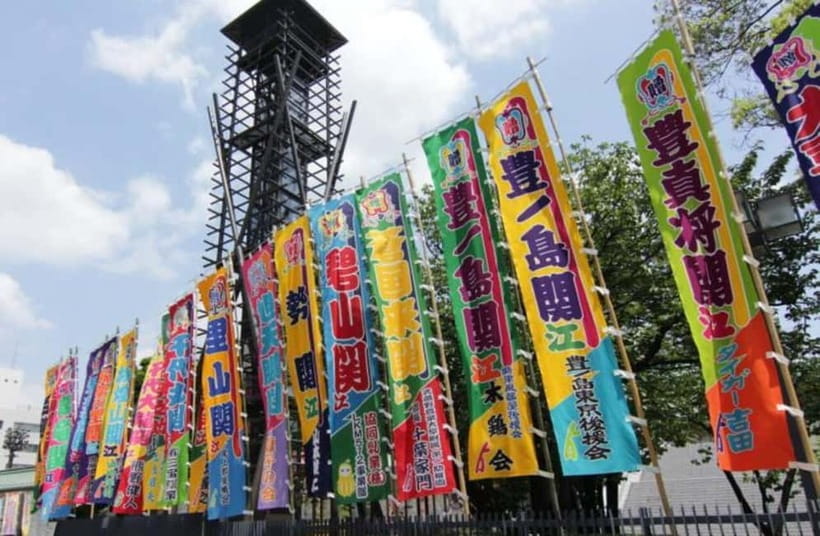
Sumo has a home district in Tokyo, and Ryogoku is it. The area around Ryogoku Station is tied to the sport through its arenas, temples, training stables, museums, and long connection with tournament life.
That setting gives this experience an advantage over simply buying a ticket and finding your way to the arena. You begin by walking through the neighborhood where sumo culture took root, then see the sport in action at the city’s best-known sumo venue.
The tour begins at the west exit of Ryogoku Station, near the Edo NOREN entrance. Staff holding TNK placards meet you at 12:20 p.m. Arrive 10 to 15 minutes early. This is not the time to cut things close, since you need to find the entrance, confirm your name, and join the group before the walk begins.
The activity is designed for people who want a short cultural introduction followed by several hours of free time at the tournament. It is less suited to anyone seeking a full guided explanation inside the arena.
More Sumo Experiences in Tokyo
- Tokyo: Sumo Show and Dining Experience
★ 4.8 · 2,742 reviews - the SUMO show
★ 5.0 · 1,960 reviews - Tokyo Shinjuku Sumo Show & Experience with Photo
★ 5.0 · 1,750 reviews
Eko-in Temple and the spiritual side of sumo
The first important stop is Eko-in Temple, a religious site with a long connection to sumo. Your guide explains how the temple became linked with the sport and helps place sumo in a wider Japanese setting.
This stop matters because sumo is not presented here as only a contest between two athletes. Ritual, ceremony, and tradition are part of what you see in the ring. A little background at the start makes the gestures and formal behavior easier to appreciate later.
The visit is part of the guided walking route, not a separate extended temple tour. Expect a concise introduction rather than a long religious lecture. That suits the schedule, since the main event is still ahead.
You should also keep your expectations sensible about the word historic. The tour takes you to significant places, but the walk lasts only 50 minutes. The guide must cover several stops, so explanations are likely to be selective.
The Sumo Photo Museum puts the sport in context
Next comes the Sumo Photo Museum, where displays trace the sport’s development and place in Japanese culture. For a first-time visitor, this can be useful preparation for the arena.
A live sumo match has its own rhythm, and not every part of it is obvious at first glance. Photographs and exhibits can help you understand how the sport has changed while keeping its traditional character.
This is also a good stop if you are traveling with someone who is curious about Japanese culture but not yet sold on watching an entire tournament. The museum gives you a visual introduction before you commit your attention to the bouts.
The museum portion is not the main reason to book the experience. The real value comes from combining it with the walk and ticket. If you have already spent time studying sumo, you may find this stop brief. If the sport is new to you, it gives the afternoon a clearer shape.
Kira Residence connects sumo country with samurai history
The route then reaches the remains of Kira Residence, a site associated with samurai culture and the background of seppuku. This changes the focus from sumo to another important part of Japanese history.
The stop gives you a reminder that Ryogoku is not only an arena district. Its streets also connect with stories of honor, loyalty, and the codes associated with the samurai class. Your guide can explain the historical background so you are not simply passing an old site without knowing why it matters.
There is an important difference between seeing the remains and visiting a preserved castle or a large museum. This is a historical location within an urban neighborhood, so the experience is about context and storytelling rather than a grand architectural display.
I like this part of the itinerary because it keeps the walk from becoming a single-subject tour. You get a look at sumo, religious tradition, and samurai history in a small area. The tradeoff is that each topic receives only a short introduction.
Same city, another way to catch the action:
- Tokyo: Sumo Show and Experience in Shinjuku
★ 4.8 · 1,001 reviews - Tokyo Grand Sumo Tournament Viewing Tour with Tickets
★ 5.0 · 692 reviews - Tokyo Sumo Wrestling Tournament Experience
★ 5.0 · 660 reviews - Tokyo:Luxury Sumo Show Experience & Japanese cuisine & Drink
★ 4.7 · 577 reviews
Entering Ryogoku Kokugikan after the walk
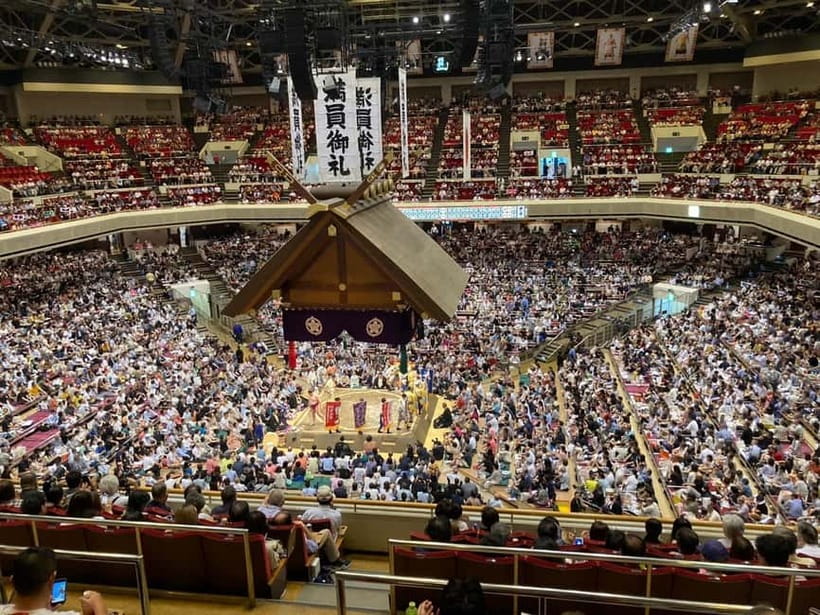
After the walking tour, you head to Ryogoku Kokugikan Arena for the live sumo event. The guide helps with the city tour, but does not remain with you once you enter the venue.
That arrangement is worth understanding before you book. You are buying a guided neighborhood walk plus admission, not a guided arena commentary service. Once inside, you have free time to watch the matches at your own pace.
For a newcomer, the lack of an arena guide can be a real limitation. You may not know every wrestler, the tournament structure, or what is being announced. One person found the lack of explanation inside frustrating, especially for the price. I think that criticism is fair, so you should be ready to enjoy the ceremony and competition visually, or do some basic preparation beforehand.
At the same time, being left to watch independently has a benefit. You are not tied to a guide’s schedule once the main event begins. You can concentrate on the bouts, look around the arena, and use your own judgment about when to take breaks.
The venue rules are strict. Outside food and drinks are not allowed, though you can buy refreshments inside. Video recording is prohibited, and loud or disruptive behavior can lead to removal. Bring comfortable clothes, but do not arrive with large luggage or a large bag.
Choosing between first-floor box seats and second-floor chairs
The seating choice has a major effect on the experience.
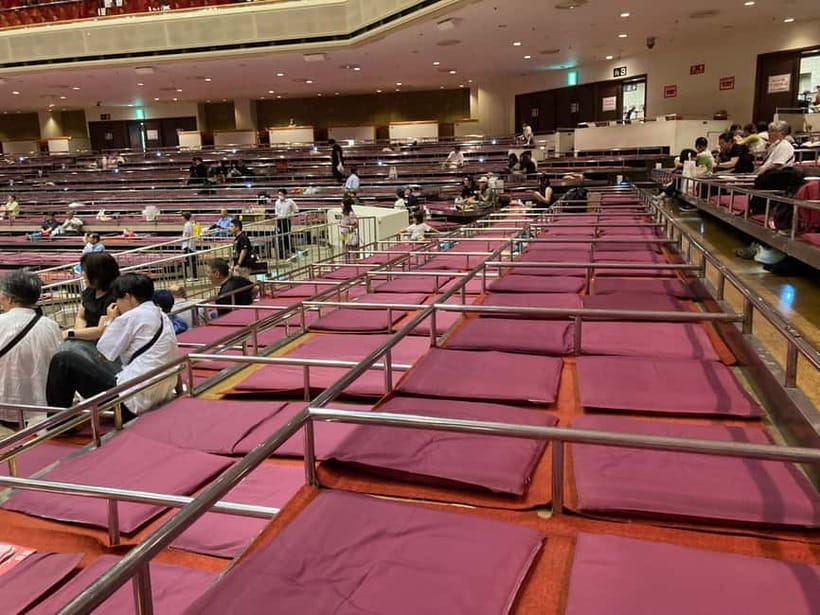
First-floor box seats place you close to the ring, giving you a more traditional view of the action. Each box measures about 1.3 meters on all four sides and has four cushions. These are not individual armchairs. If your group has fewer than four people, you may share the box with other ticket holders.
That compact arrangement is part of the traditional atmosphere, but it is also the main comfort warning. You have only a small amount of personal space, and the close seating can feel tight for a long event. One customer considered the seats expensive given how close people sit to one another.
The box option makes the most sense if you value proximity and atmosphere over personal space. It is also best if you are comfortable sitting on a cushion for an extended period. If you are booking with one or two companions, remember that sharing is possible.
Second-floor chair seats give you more room and a more relaxed viewing setup. You are farther from the ring, but the seat itself may be easier for a long afternoon.
I would choose the chair if comfort and a broad view matter more than being close to the wrestlers. I would choose the box if this is a special sumo occasion and you want the traditional first-floor setting. Check the exact ticket category carefully when booking, since the two options are not interchangeable in feel.
What the $135 price really covers
At $135 per person, this is not a cheap way to spend an afternoon. The price includes the English-speaking Ryogoku guide and the sumo wrestling ticket, but not transportation, meals, or drinks.
The value depends largely on the ticket type and tournament timing. A live sumo match is the expensive part of the outing, and arranging admission in advance saves you from dealing with the venue on your own. The 50-minute walk adds useful local context and makes the ticket feel like part of a larger cultural experience.
Still, the cost needs a clear-eyed look. You do not receive guided commentary inside the arena, and the guide is not available after entry. If you already know Ryogoku or are comfortable buying sumo tickets yourself, the package may feel costly.
For a first visit to Tokyo, I can see the value more easily. You get a meeting point that is simple to reach, an organized walk, a guaranteed place at the event, and a basic explanation of the district. The tour removes some uncertainty from a sport that can be difficult to understand at first.
There have also been problems with ticket communication. One booking involving floor seats was changed from a championship match to a semifinal shortly before the trip, forcing a change of plans. On the event day, there was also confusion about the seat category before the correct floor seats were provided. This does not mean every booking will have the same issue, but it is a reason to confirm your match date and seat type clearly before setting your schedule around the event.
The guide makes a difference
The tour is conducted in English and Japanese. The individual guide can shape how useful the walking portion feels.
Yuki received especially warm praise for being friendly and effective. A strong guide can make the Eko-in Temple, museum, and Kira Residence stops feel connected rather than like three unrelated points on a map.
The experience has not been perfectly consistent. One booking had very little explanation during the walk, while another described the guide as terrific and informative. That difference matters because the walking tour is short. If the explanation is thin, much of the package becomes an admission ticket with a brief neighborhood stroll.
You should also know the guide’s role ends at the venue entrance. There is no promise of help with the ongoing announcements, bout order, or arena customs. If you want more background, read about the basics of sumo before arriving or ask your guide as many questions as possible during the walk.
Timing, transport, and practical planning
You arrange your own transportation to and from the meeting point. Ryogoku Station is the key reference, and the start is at the west exit near Edo NOREN. Check the route before the day of the tour and arrive early enough to locate the entrance without rushing.
The activity ends back at the meeting point, but the exact flow after the arena portion depends on the event schedule and how the group returns. Keep your evening plans flexible rather than booking a tight dinner reservation immediately afterward.
Wear comfortable clothes. You will walk during the first part, then spend time watching sumo. Large luggage is not allowed, and bare feet are prohibited.
This activity is not suitable for wheelchair users. That is important to consider before booking, since the walk includes several urban stops and the arena seating may not meet your needs.
Cancellation is allowed up to 24 hours before the activity for a full refund. You can also reserve and pay later, which helps if your Tokyo schedule is still changing.
Who will enjoy this experience most
I would recommend this tour to a first-time Tokyo visitor who wants a clear introduction to sumo without spending a whole day on a specialist program. It is also a good match for anyone who values a live cultural event more than a long lecture.
You will get the most from it if you:
- Want a short walking tour before a major sporting event
- Are curious about sumo’s links to religion and Japanese tradition
- Prefer having your event ticket arranged in advance
- Can enjoy the arena without constant English commentary
- Are comfortable with shared box seating if you choose the first floor
I would hesitate if you need a fully guided arena experience. I would also think twice about the box seat if limited space bothers you, or if you are booking mainly for comfort rather than closeness to the ring.
The tour works best when you treat the walk as an orientation and the match as an independent cultural experience. That distinction keeps the expectations in the right place.
Should you book this Ryogoku sumo tour?
Book it if you want the convenience of a live sumo ticket paired with a short, focused introduction to Ryogoku. The combination of Eko-in Temple, the Sumo Photo Museum, Kira Residence, and the arena gives you a useful slice of the neighborhood in one outing.
Choose second-floor chair seats for more breathing room. Choose the first-floor box only if being close to the ring and sitting in a traditional setting matters more than personal space.
I would confirm the match date and seat category before finalizing your plans, then arrive early at the station meeting point. If you accept that the guide leaves at the arena entrance, this can be a memorable and practical way to meet Japan’s national sport on its home ground.
FAQ
Where does the tour begin?
It begins at the Edo NOREN entrance near the west exit of Ryogoku Station. Staff holding TNK placards meet you there at 12:20 p.m.
How early should I arrive?
Arrive 10 to 15 minutes before the scheduled departure time so you can find the meeting point and confirm your name with staff.
How long is the walking tour?
The guided walking portion lasts 50 minutes.
Which places does the walking tour visit?
The route includes Eko-in Temple, the Sumo Photo Museum, and the remains of Kira Residence.
Are sumo tickets included?
Yes. Sumo wrestling tickets are included, with a choice between first-floor box seats and second-floor chair seats.
Can people from different bookings share a box seat?
Yes. A box seat holds up to four people, and groups smaller than four may be seated with other customers.
Can I buy food and drinks at the arena?
Outside food and drinks are not permitted. You can purchase food and drinks at a shop inside the venue.
New on the fixture list around Tokyo
- Tokyo: Sumo Morning Practice Viewing Tour at a Real Stable★ 4.9 · 32 reviews
- Tokyo: Sumo Morning Practice -Stable Visit Tour with a Guide★ 4.8 · 16 reviews
- Tokyo: Sumo Keiko Training Tour with Audio Guide & Photo★ 4.8 · 5 reviews
- Tokyo Sumo Morning Practice: Witness the Life of a Wrestler★ 4.8 · 56 reviews
- Tokyo: Sumo Morning Practice Tour in Ryogoku and Photo Shoot★ 4.7 · 47 reviews
- Tokyo Highlights Tour: Sumo, Sushi, Tea, and Tokyo Tower★ 5.0 · 2 reviews
- Tokyo: Sanctuary Authentic Grand Sumo Experience & Training★ 5.0 · 7 reviews
- Tokyo Ginza : Sumo and Mikoshi Experience,Open from Sep.★ 5.0 · 8 reviews
More Sumo Experiences in Tokyo to weigh up.
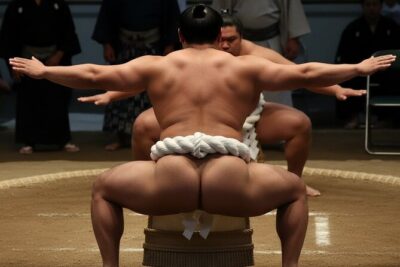
Tokyo Shinjuku Sumo Show & Experience with Photo
Read our review →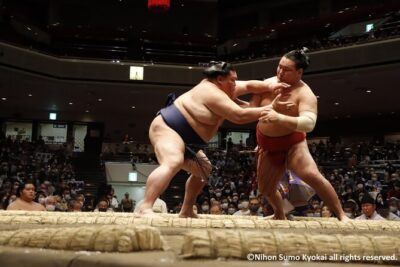
Tokyo Grand Sumo Tournament Viewing Tour with Tickets
Read our review →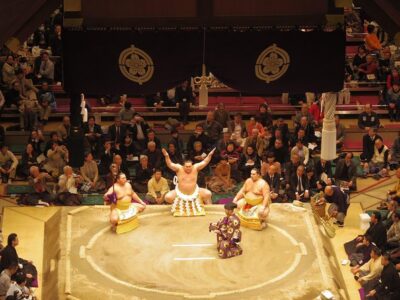
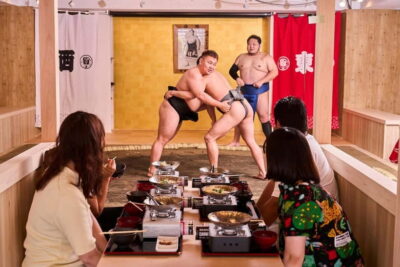
Tokyo:Luxury Sumo Show Experience & Japanese cuisine & Drink
Read our review →
Tokyo Sumo Experience: Chanko & Mochi with a Former Pro
Read our review →This one also appears in