
Review · TOKYO
Tokyo Grand Sumo Tournament Viewing Tour with Tickets
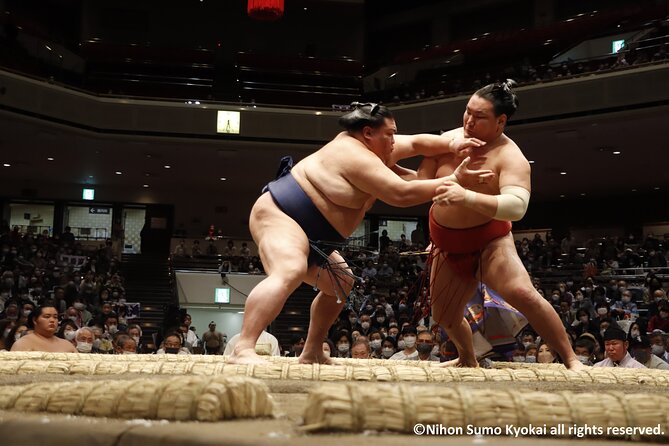
The great draw here is simple: you get inside Ryogoku Kokugikan, Tokyo’s traditional sumo arena, during a real Grand Sumo Tournament. You’ll see the formal entrances, the top division bouts, the crowd’s sudden roar, and the closing bow-twirling ceremony. This is not a staged cultural show. It is a live sporting event wrapped in centuries of ritual.
I like the short orientation because sumo can seem puzzling at first, and I like having an English-speaking guide explain rankings, ring customs, and the day’s wrestlers. The pamphlet and ranking sheet help you follow the action, while S and A seats add yakitori, a drink, and a cheering towel.
The main drawback is that seats are not designated in advance, and groups may be split across different sections of the second floor. The arena can also feel distant from A seats, and the introductory talk may feel brief if you already know sumo well.
Key points to know before booking
- Real Grand Sumo Tournament access: Watch official bouts at Ryogoku Kokugikan, not a short demonstration made for tourists.
- A useful English introduction: Learn the basic rules, rituals, rankings, and match order before taking your seat.
- Top division action comes later: Makuuchi bouts begin around 4:00 PM, with the wrestler entrances at 3:40 PM.
- S and A seats include extras: You receive one yakitori snack, one drink, and one cheering towel. B seats do not.
- A guide helps most during the first visit: Guides such as Michiko, Halle, Miki, Shin, Jori, Edi, and Ako have been praised for explaining wrestlers and traditions.
- Plan your luggage and timing: Arrive 10 minutes early, leave large bags elsewhere, and do not bring outside food or drinks into the arena.
Why this Tokyo sumo tour is worth considering
Sumo is easy to misunderstand if you arrive with only a passing idea of two huge wrestlers pushing each other out of a ring. The match itself may last only seconds, but the full event includes ritual, rank, ceremony, crowd behavior, and a carefully ordered day of bouts.
That is where this tour earns its keep. You meet an English-speaking guide at Ryogoku View Hotel, close to the arena, then receive a short introduction to the sport. You are given an English sumo pamphlet and the day’s ranking list, so you can identify wrestlers and understand where each match fits in the six-division system.
I especially like this setup for a first sumo experience. The guide does not just point you toward your seat. The better guides, including Michiko, Halle, Miki, Shin, Jori, Edi, and Ako, have explained wrestler backgrounds, nicknames, rituals, and the order of the bouts. That extra context turns a quick shove at the edge of a ring into a contest between athletes with different ranks, records, and reputations.
The tour has an overall price of about $124, which is not cheap for four hours of sightseeing. Still, a Grand Sumo Tournament ticket can be difficult to secure, and the booking includes the arena ticket, an English-speaking guide, printed information, and the convenience of having someone lead you from the meeting point to the correct seating area. S and A ticket holders also receive the snack and towel.
If you are already an expert on sumo, the talk may offer less value. You can also end up paying a premium for convenience rather than a close-up seat. For many first-time visitors, though, the combination of hard-to-get admission and explanation makes the price easier to justify.
More Sumo Experiences in Tokyo
- Tokyo: Sumo Show and Dining Experience
★ 4.8 · 2,742 reviews - the SUMO show
★ 5.0 · 1,960 reviews - Tokyo Shinjuku Sumo Show & Experience with Photo
★ 5.0 · 1,750 reviews
Starting at Ryogoku View Hotel
The meeting point is Ryogoku View Hotel, at 2-chōme-19-1 Ryōgoku in Sumida City. It is near public transportation and close to Ryogoku Kokugikan, so the transfer to the arena is straightforward.
Arrive at least 10 minutes before the stated start time. Late arrivals can lose the reservation, and this is a poor event for cutting things close. The tour does not provide hotel pickup or drop-off, so you need to reach Ryogoku on your own.
The introduction takes place at the hotel and is listed as about 20 minutes. It covers the long cultural tradition of sumo, the lives of rikishi, the ranking system, and the meaning behind the ceremonies. You can also see sumo-related displays, including memorabilia and ceremonial aprons called kesho-mawashi.
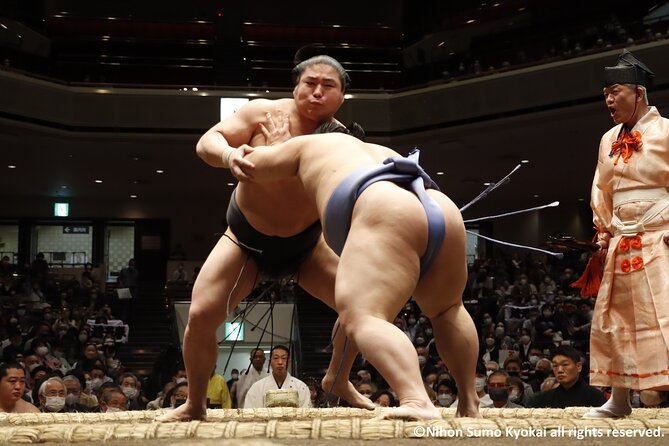
These aprons are especially worth noticing. Only wrestlers in the top division, known as makuuchi, wear them during the formal ring entrance. They are often colorful and richly decorated, but they are not merely flashy clothing. They signal status and form part of the public ritual before the matches begin.
The hotel talk is not meant to replace the tournament. Think of it as a quick orientation that gives you enough information to follow what comes next. If you want a long lecture on sumo, this is not that kind of tour.
Walking into Ryogoku Kokugikan
After the introduction, you go to Ryogoku Kokugikan, Japan’s best-known sumo arena. The tour ends at the arena around 6:00 PM, so you are free to continue to your next destination afterward.
The entrance lobby is worth a look before you settle in. You can see championship flags and other items connected with successful wrestlers, and the lobby is a popular place for photographs. The arena also houses a Sumo Museum with sumo-related objects such as woodblock prints and folding screens. The available time for these displays depends on your arrival and the day’s schedule, so do not treat them as a separate guided museum visit.
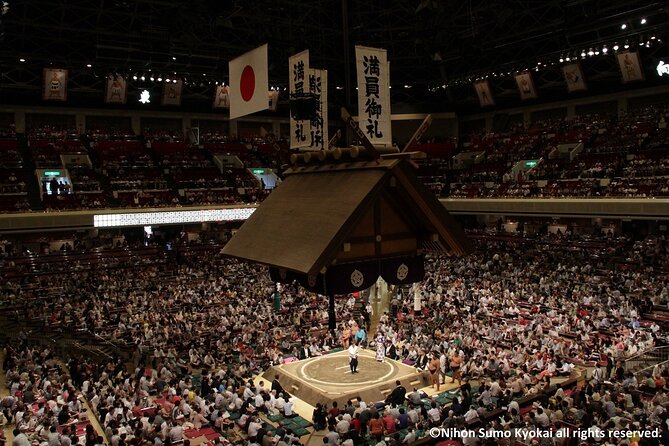
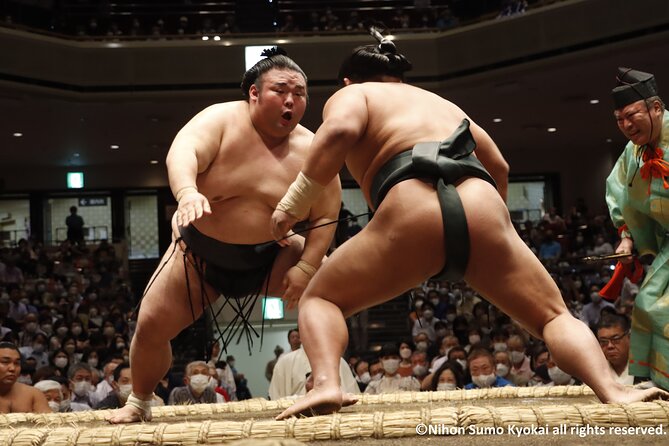
The venue itself helps explain why this is more than an ordinary sporting event. The ring, or dohyo, is made from clay and covered with a layer of sand. The wrestlers enter after a series of formal preparations, and the crowd responds strongly when favorite athletes appear.
You may need to wait before reaching your seat. Spectator etiquette requires people to pause if a bout, speech, wrestler entrance, Yokozuna entrance, or ritual ceremony is underway. That can feel inconvenient if you are eager to get inside, but it protects the event from a stream of people crossing in front of the audience during important moments.
Understanding the afternoon schedule
The day is arranged from lower-ranked divisions to higher-ranked contests. This order matters. The early matches let you see the structure of professional sumo, while the later program brings the famous wrestlers and the biggest crowd response.
The listed schedule includes:
- 3:40 PM: Makuuchi wrestler ceremonial entrance and, if a Yokozuna is present, the Yokozuna ring entrance
- 4:00 PM: Makuuchi division matches
- 6:00 PM: Bow-twirling ceremony
The Yokozuna entrance does not take place if no Yokozuna is competing. That is an important detail, since the most famous ceremony is not guaranteed at every tournament day.
S and A class participants are scheduled for access from about 1:10 PM to 6:00 PM. B class access is listed from about 2:30 PM to 6:00 PM. Confirm the exact ticket class and timing when booking, since the start time changes by category.
The guide may explain the action between bouts, but cannot give commentary during every ceremony or speech. You should also be ready to watch part of the event independently. The guide is there to help you understand the sport and find your way, not to provide a continuous broadcast-style narration.
Same city, another way to catch the action:
- Tokyo: Sumo Show and Experience in Shinjuku
★ 4.8 · 1,001 reviews - Tokyo Sumo Wrestling Tournament Experience
★ 5.0 · 660 reviews - Tokyo:Luxury Sumo Show Experience & Japanese cuisine & Drink
★ 4.7 · 577 reviews - Tokyo: Sumo Morning Practice Viewing Tour
★ 4.8 · 570 reviews
What you will see from the second floor
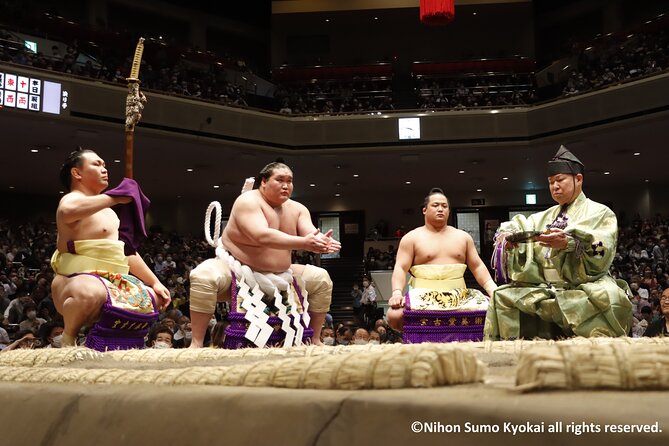
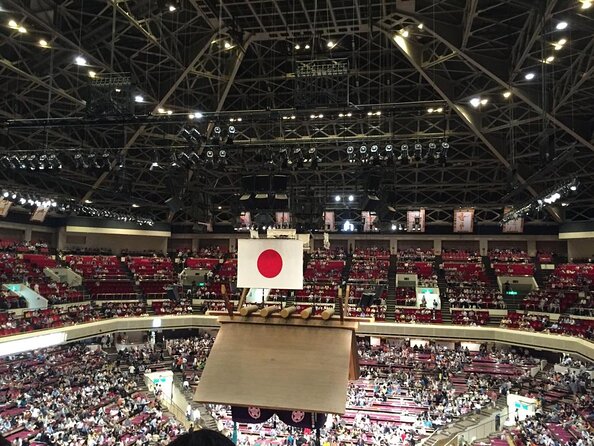
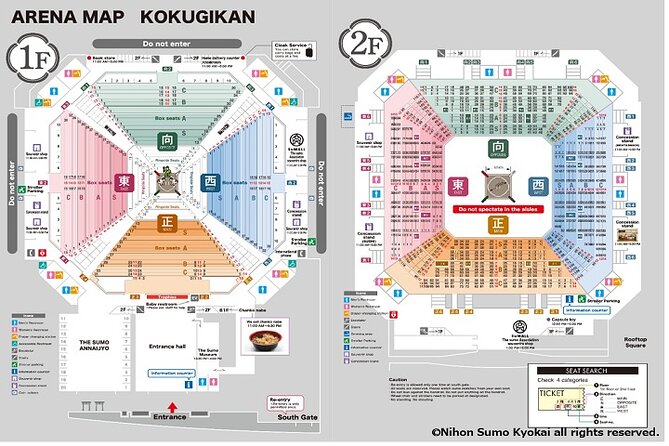
All listed seating is second-floor chair seating. That is more comfortable and easier for many people than traditional floor seating, but it does not put you beside the ring.
A useful point from the available experience is that A seats can feel somewhat far away, even though the overall view remains good. S and A are different seating categories, and the exact location is not promised before the day. Groups may be placed on the main, opposite, east, or west sides, and people booking together may not sit in one uninterrupted block.
That uncertainty is the biggest practical weakness of the package. If sitting beside every member of your party is essential, you should think carefully before booking. The operator may divide large groups into multiple reservations, and even smaller groups can be seated separately.
Still, second-floor seating gives you a broad view of the full ring and the formal movement around it. For a first visit, that wider view can help you follow the ceremonies and match flow. You will not get the close, ringside perspective suggested by television, but you will see the full spectacle in its proper setting.
The snack, towel, and arena food rules
S and A seat holders receive one Kokugikan specialty yakitori snack, one drink, and one cheering towel. These extras are included per person, not as an open supply. The towel is yours to take home, and it makes a practical souvenir from the day.
The yakitori is not vegetarian. There are no vegetarian alternatives listed, and declining the snack does not create a refund or replacement. B seats do not include the snack, drink, or towel.
You can buy more food and refreshments from shops on the first and second floors. Outside food and drinks, including alcohol, cannot be brought into the arena. This is worth planning around, particularly if you are expecting to carry a bottle or packed meal from elsewhere in Tokyo.
How much help does the guide provide?
The guide is the main reason I would choose this package over trying to arrange the event alone. Sumo has rules that are easy to miss, and the ranking list can look like a wall of unfamiliar names.
The strongest guide experiences have included personal details about the wrestlers and explanations of why certain rituals matter. Halle, Miki, Michiko, Shin, Edi, Jori, and Ako have each been singled out for warmth, enthusiasm, or useful commentary. You should not assume a particular guide will lead your group, but the repeated praise for the guide role is meaningful.
The guidance is most useful before the top division begins. Once you understand the basic structure, you can enjoy the matches at your own pace. Some people may prefer sitting quietly and watching. Others will want to ask questions about the wrestlers, rankings, and ceremony. The tour can support both styles, although the guide may not remain beside you for every minute of the event.
One poor experience described the talk as too short and the guide service as limited. That criticism is fair to keep in mind. The quality of the day depends partly on the guide assigned to your group and partly on what you expect from the word tour. You are buying access plus orientation, not an all-day private lesson.
Practical details that affect your day
The tour lasts about four hours, with the event ending around 6:00 PM. You must make your own way to both the meeting point and your next destination.
Do not bring a suitcase or large bag. Luggage cannot go into the seating area, and bags cannot be stored at Ryogoku View Hotel. Use a coin locker or your accommodation before arriving.
Strollers cannot be taken into the seating area, although storage areas are available on the first and second floors. Storage is at your own risk. Children up to age three may attend on a parent or guardian’s lap, but they do not receive the included snack, drink, or towel. Anyone under 15, or not yet in middle school, must be accompanied by a parent or guardian, and participants under 18 need written parental permission.
The group size can reach 19 people. A booking for 20 or more is divided into groups. If you make separate bookings for people traveling together, add the accompanying names in the remarks field so the operator knows who belongs together.
The booking is non-refundable and cannot be changed for any reason. Since tournament tickets are difficult to replace, only book once your date and schedule are firm.
Who should book this sumo experience?
I would choose this tour if you are visiting Tokyo during an official Grand Sumo Tournament and want a reliable way to get inside without learning the ticket system alone. It is especially useful for first-time sumo spectators, families with older children, and anyone who wants a plain-English explanation of the rituals.
It also suits people who value a real local event more than a polished tourist performance. You will watch the same formal ceremonies and matches that Japanese fans come to see, with the added help of a guide and printed information.
I would hesitate if you need guaranteed seats together, want a ringside view, require vegetarian food included with the ticket, or already know the sport in detail. The second-floor seats can be distant, and the short introduction may not satisfy a serious sumo student.
Should you book it?
Book it if the tournament date fits your Tokyo plans and you want secure admission with useful English guidance. The $124 price is a premium, but it covers a difficult-to-arrange event ticket and removes much of the confusion around the arena, rankings, and ceremonies.
Choose S or A seats if the yakitori, drink, and towel matter to you. Choose B only if you are comfortable giving up those extras. Arrive early, leave your luggage behind, and accept that seating may be apart from your companions. With those limits understood, this is a strong way to experience one of Tokyo’s most distinctive sporting traditions.
FAQ
How long does the Tokyo Grand Sumo Tournament viewing tour last?
The experience lasts about four hours. The tournament portion ends around 6:00 PM, and you make your own way to your next destination afterward.
Where do I meet the guide?
You meet the guide at Ryogoku View Hotel, 2-chōme-19-1 Ryōgoku, Sumida City, Tokyo 130-0026. The hotel is near Ryogoku Kokugikan and public transportation.
What time should I arrive?
You should arrive and meet the guide 10 minutes before the tour start time. Late arrivals can have their reservations canceled.
What seating is included?
The tour includes second-floor chair seating. Specific seats may not be assigned until the day of the tour, and groups may be seated in different sections or separately.
What is included with S and A class seating?
S and A class seating includes one yakitori snack, one drink, and one cheering towel per person. The towel is provided as a souvenir.
Does B class seating include food and a towel?
No. B class seating does not include the yakitori, drink, or cheering towel.
Can I bring food or drinks into Ryogoku Kokugikan?
No. Food and drinks, including alcohol, cannot be brought into the arena. You can buy refreshments from shops on the first and second floors.
Can children join the tour?
Children up to age three may join while sitting on a parent or guardian’s lap. Participants under 15, or those not yet enrolled in middle school, must be accompanied by a parent or guardian. Anyone under 18 needs written parental permission.
Can I cancel or change the booking?
No. The experience is non-refundable and cannot be changed for any reason after booking.
New on the fixture list around Tokyo
- Tokyo: Sumo Morning Practice -Stable Visit Tour with a Guide★ 4.8 · 16 reviews
- Tokyo: Watching Sumo and Ryogoku Area Walking Tour★ 4.0 · 5 reviews
- Tokyo: Sumo Morning Practice Viewing Tour at a Real Stable★ 4.9 · 32 reviews
- Tokyo: Sumo Morning Practice Tour in Ryogoku and Photo Shoot★ 4.7 · 47 reviews
- Tokyo: Sumo Keiko Training Tour with Audio Guide & Photo★ 4.8 · 5 reviews
- Tokyo Sumo Morning Practice: Witness the Life of a Wrestler★ 4.8 · 56 reviews
- Tokyo Highlights Tour: Sumo, Sushi, Tea, and Tokyo Tower★ 5.0 · 2 reviews
- Tokyo: Sanctuary Authentic Grand Sumo Experience & Training★ 5.0 · 7 reviews
More Sumo Experiences in Tokyo to weigh up.
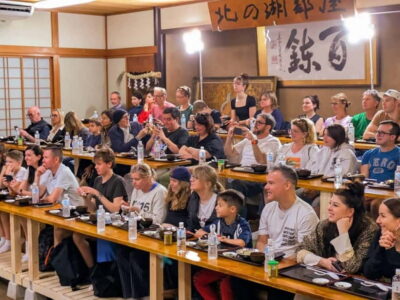
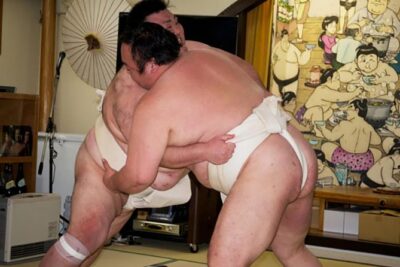
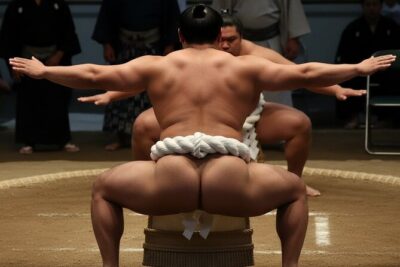
Tokyo Shinjuku Sumo Show & Experience with Photo
Read our review →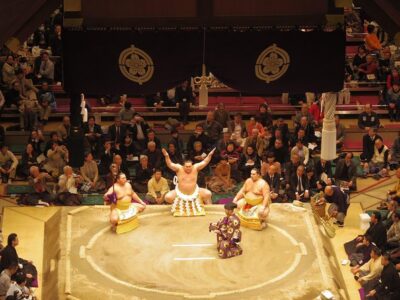
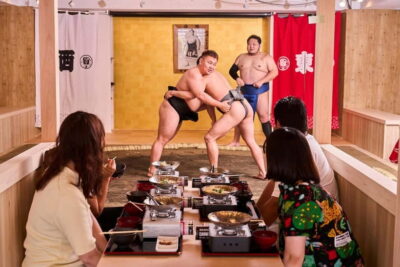
Tokyo:Luxury Sumo Show Experience & Japanese cuisine & Drink
Read our review →
Tokyo Sumo Experience: Chanko & Mochi with a Former Pro
Read our review →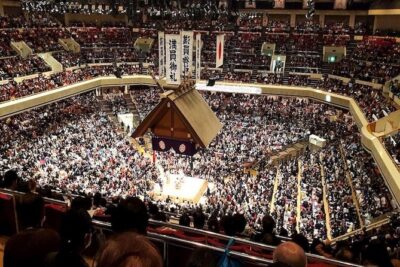
Ultimate Sumo Tournament: Tokyo, Osaka, Nagoya, Fukuoka
Read our review →This one also appears in