
Review · TOKYO
Tokyo: Sumo Show and Dining Experience
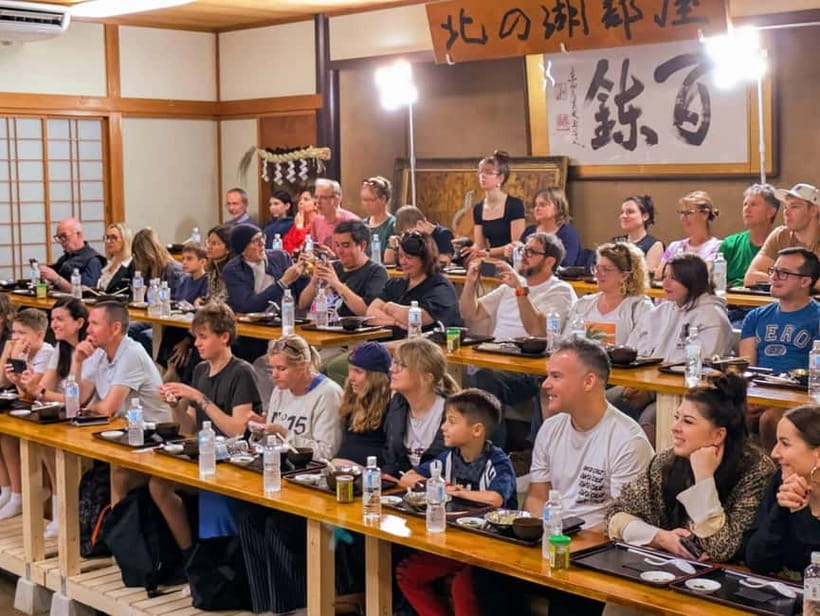
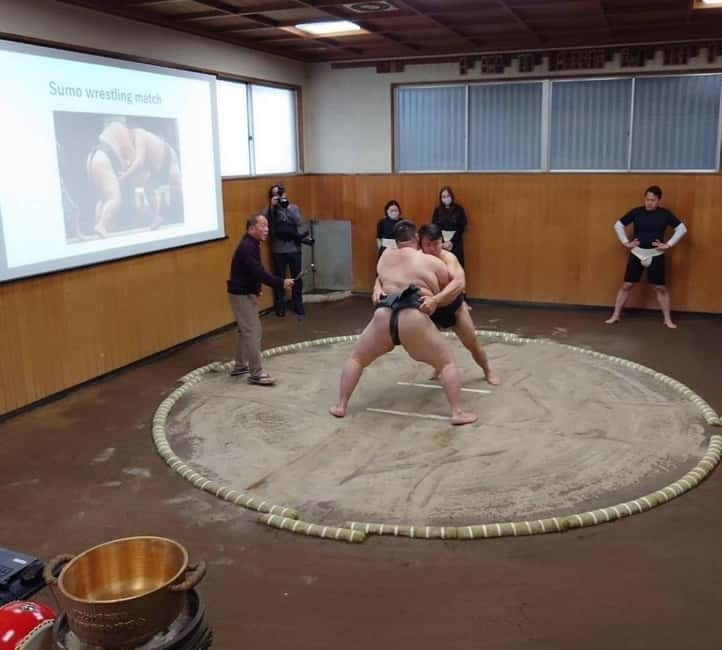
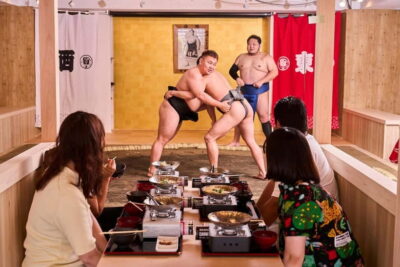
Tokyo Sumo Room puts you close to the ring, where the force of sumo is easier to understand than it is from a grandstand seat. Former Makuuchi wrestler Tokitsumi runs the venue, and an English-speaking host explains the rules, rituals, training, and history before the wrestlers demonstrate their skill. The show then loosens up with jokes and audience participation.
I like the small-scale setting, which makes the action feel personal rather than distant. I also like the chance to step into the ring and challenge a wrestler, an option that turns a cultural lesson into a story your family will still be telling after you leave. The main consideration is the meal plan: food is available with selected 11 AM and 7 PM bookings, but not with the 3 PM show, so check exactly what your ticket includes.
Key points at a glance
- Former Makuuchi wrestler Tokitsumi: The venue is operated by a former top-division sumo wrestler, giving the presentation a direct link to the sport.
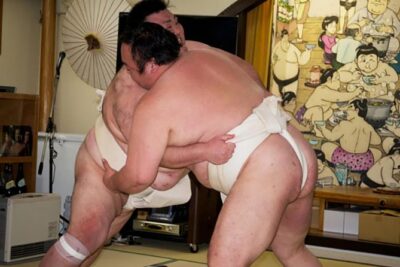
- Close-up bouts and demonstrations: You see the power, footwork, ritual, and physical effort from a short distance.
- Audience participation: You may have the chance to practice with or wrestle a sumo wrestler in the ring.
- Food tied to sumo culture: Selected meal plans include Japanese dishes inspired by chankonabe, the hearty hot pot associated with sumo wrestlers.
- English-language presentation: The host explains the sport in English, including rules and traditions.
- Kiyosumi-Shirakawa setting: The venue is reached by public transport, and the full visit lasts about 90 minutes to two hours.
Why this Tokyo sumo show works so well
Sumo can be hard to understand if you only see a few seconds of it on television. Two large wrestlers collide, one loses balance, and the bout ends almost before you can sort out what happened. Tokyo Sumo Room slows the sport down for you.
The host explains what you are seeing, then the wrestlers show it in action. You get a sense of the ring, the stance, the push, the balance, and the controlled power behind each movement. The presentation also covers sumo’s rules and traditions, so the bouts feel like part of a larger Japanese cultural story rather than a string of athletic tricks.
I especially like the balance between instruction and fun. This is not a solemn lecture. The host keeps the pace light, and the wrestlers use humor to bring the room into the event. That matters if you are bringing children or family members who might not choose a formal cultural talk on their own.
The mood is friendly and direct. Audience members are welcomed into the action instead of being left to sit quietly at tables. If you volunteer, you may receive a short lesson and then face one of the wrestlers. You will not overpower a trained sumo wrestler, of course, but the point is to feel the mechanics and have a laugh. Comfortable shoes are a sensible choice.
More Sumo Experiences in Tokyo
- the SUMO show
★ 5.0 · 1,960 reviews - Tokyo Shinjuku Sumo Show & Experience with Photo
★ 5.0 · 1,750 reviews - Tokyo: Sumo Show and Experience in Shinjuku
★ 4.8 · 1,001 reviews
Inside the Kiyosumi-Shirakawa venue
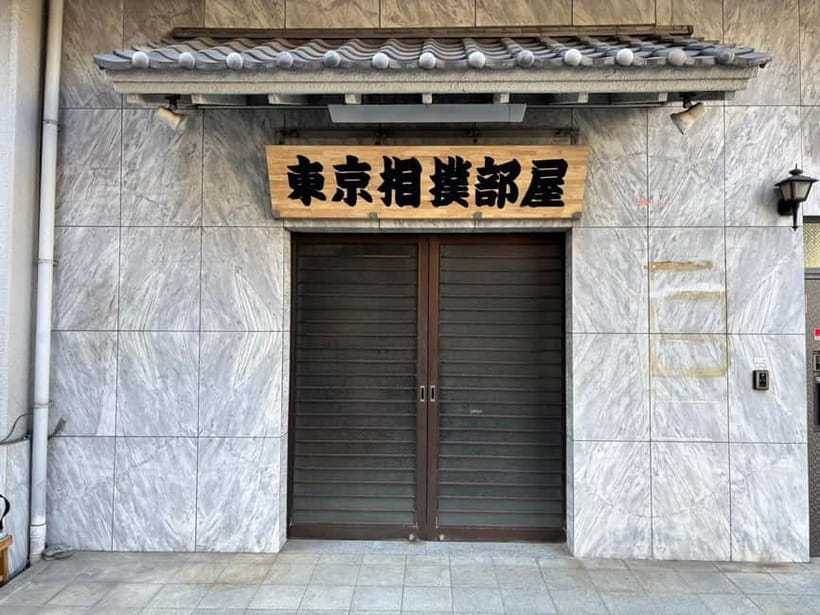
The venue is in Kiyosumi-Shirakawa, an area that is easy to reach by public transport. The location works well if you want to combine the show with time in eastern Tokyo, though the activity itself is the main reason to come here.
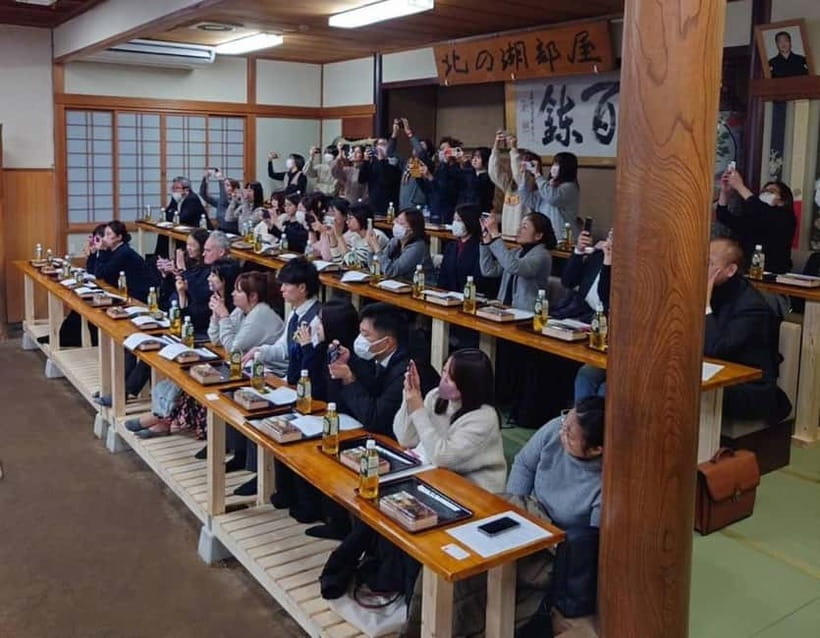
The room is designed for a close view of the action. The reported group size can be intimate, with some sessions hosting only a handful of people, while the space can accommodate more than 20. Your exact group may vary, but the format gives you a better chance of seeing the wrestlers clearly and hearing the explanations than a large theater show would.
That smaller setting also makes participation less intimidating. The host can react to the people in the room, answer questions, and invite volunteers without making the event feel like a mass production. If you are attending alone, the warm, informal format should still feel comfortable. A solo visitor can enjoy the show without needing a partner for the activities.
Bring a camera if you like to record the demonstrations. Some participants have had the staff help record their turn in the ring, though you should treat that as a courtesy rather than a guaranteed service. Smoking is not allowed indoors.
The opening lesson: rules, ritual, and sumo life
The event begins with an introduction to sumo. You learn the basic rules and get context for the sport’s customs. The English-speaking host handles the explanation, and the presentation is intended for people who may know almost nothing about sumo.
This part is valuable because it gives you a framework for the rest of the show. You learn why wrestlers prepare in particular ways, how a bout ends, and what makes sumo different from a general wrestling performance. The talk also connects the sport to its long Japanese tradition without asking you to absorb a long academic lecture.
The former wrestlers add practical insight. Tokyo Sumo Room is operated by Tokitsumi, a former Makuuchi wrestler, and the wrestlers taking part have experience in the sport. That connection gives the demonstrations more weight. You are not simply watching actors in costumes copy sumo movements.
Some sessions include a stable master or three former wrestlers, while others feature two wrestlers. The exact lineup can vary. What remains consistent is the mix of explanation, demonstration, and friendly interaction.
Demonstrations that show the force of sumo
Once the introduction is finished, the wrestlers demonstrate sumo techniques and training movements. This is where the sport’s physical demands become clear. Sumo is not just about size. You see balance, timing, leg strength, grip, posture, and the ability to stay grounded under pressure.
The presentation may include several practice bouts or competitions. The demonstrations are short enough to keep the pace moving, but they give you repeated chances to watch how the wrestlers use position and force. The comic touches help, yet the athletic ability remains the heart of the show.
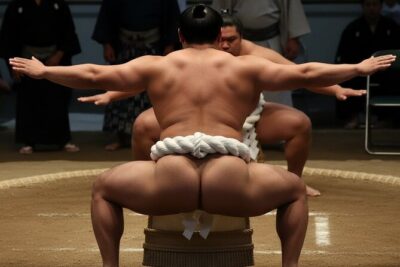
I would pay close attention to the moments before each bout. Sumo’s ritual preparation is part of the appeal, and the show gives you time to understand what the wrestlers are doing rather than presenting only a rapid contest. You get both the ceremony and the exertion.
This is also where the experience earns its price for many people. A standard meal in Tokyo may cost less than $79, but a meal alone is not what you are buying here. You are paying for a hosted cultural presentation, live athletic demonstrations, a small-room setting, and the chance to participate. If you only want to watch professional sumo, a tournament ticket or television broadcast serves a different purpose. If you want an approachable introduction with food and interaction, the price is more reasonable.
Same city, another way to catch the action:
- Tokyo Grand Sumo Tournament Viewing Tour with Tickets
★ 5.0 · 692 reviews - Tokyo Sumo Wrestling Tournament Experience
★ 5.0 · 660 reviews - Tokyo:Luxury Sumo Show Experience & Japanese cuisine & Drink
★ 4.7 · 577 reviews - Tokyo: Sumo Morning Practice Viewing Tour
★ 4.8 · 570 reviews
Your turn in the ring
Audience participation is the feature I would not skip. Volunteers may practice with the wrestlers or take part in a playful match. The staff explain what to do, so you do not need prior sumo experience.
The activity is meant to be fun, not competitive. The wrestlers control the encounter, and their strength becomes obvious almost at once. That contrast is part of the lesson. A simple push against a trained wrestler can show you how much balance and lower-body power the sport requires.
Children often get a lot from this section because they can watch adults and family members take part. Families have also found that the activity works across three generations. If you are shy, watching other people participate is still entertaining, and you can decide later if you want to volunteer.
Wear comfortable shoes and clothing that lets you move. The information does not specify a required dress code, but you should expect some bending, pushing, or stepping into the ring if you join in. Participation is optional, so you can enjoy the show from your seat.
Japanese food and the chankonabe connection
The meal adds useful context rather than acting as a separate restaurant stop. Selected packages include Japanese cuisine, with dishes inspired by chankonabe, the hot pot traditionally associated with sumo wrestlers. It is hearty food that fits the subject of the evening.
The menu can include seasonal dishes and a substantial hot pot. Some meals allow additional servings, which is welcome after a full day of walking around Tokyo. Sake may also be available with the meal, though personal drinks are not listed as part of the standard inclusion.
Food quality is a strong part of the overall appeal, but you need to choose carefully. The 11 AM and 7 PM shows can be booked with a meal option. The 3 PM show has no meal plan. Also check the wording of your selected package, because a show labeled with dinner may still require you to select or pay for the meal option separately.
Vegetarian choices are available if requested, and the food can also be modified on the day. I would still mention your needs in advance, especially if you are traveling with someone who has strict dietary requirements. The available information confirms vegetarian adjustments, but it does not promise a full vegan menu or detail every ingredient.
If food is central to your decision, choose an 11 AM or 7 PM meal package and confirm the inclusion before paying. If the performance matters more than dinner, the 3 PM time may suit your schedule.
Timing, cost, and who gets the best value
The advertised price is $79 per person, with the full visit lasting about 90 minutes to two hours. That makes it a manageable addition to a busy Tokyo day. You get enough time for the explanation, demonstrations, participation, and meal when included, without committing an entire afternoon or evening.
The strongest value goes to:
- Families who want an activity that holds the attention of children and adults.
- First-time visitors who want a clear introduction to sumo.
- People who prefer cultural activities with humor and participation.
- Solo visitors who want a welcoming group setting.
- Food-focused visitors who select a meal package and want to try chankonabe-inspired dishes.
It may be less suitable if you expect a full professional tournament. This is a show and cultural presentation, not a day at the Ryogoku Kokugikan during a major sumo competition. You will learn about the sport and see skilled wrestlers up close, but the format is built for interaction and explanation.
It may also be less suitable if you dislike audience involvement. You are not forced to wrestle, but the activity is part of the event’s appeal. Someone seeking a quiet dinner with background entertainment may prefer another restaurant.
Best time to book and practical planning
Advance booking is recommended because the venue is small and popular. The 90-minute to two-hour format fits well before or after other plans, but leave enough time to reach Kiyosumi-Shirakawa by public transport.
The activity is wheelchair accessible. For any specific seating or access request, it is sensible to contact the provider before arrival, since the available details do not describe the exact seating layout.
Cancellation is flexible up to 24 hours before the activity for a full refund, and a reserve-now, pay-later option is available. These policies help if your Tokyo schedule is still changing, but you should still check the terms attached to your exact booking.
Bring a camera, wear comfortable shoes, and arrive ready to listen as well as watch. The show depends on the host’s explanations, so you will get more from it if you treat the educational part as part of the event, not as filler before the bouts.
Is Tokyo Sumo Room worth booking?
I would book this experience if you want more than a photograph outside a sumo stable. The strongest features are the direct connection to former wrestlers, the English presentation, the close view of the action, and the chance to test yourself against a trained rikishi in a safe, playful setting.
Choose a meal package if you want the full food-and-show experience, and verify the details carefully, especially for the 3 PM session. Go without expecting a formal tournament or a refined, silent dinner. Come for an energetic cultural lesson with real athletic skill, generous humor, and a good chance that someone in your group will end up in the ring.
FAQ
Where is Tokyo Sumo Room located?
Tokyo Sumo Room is located in Kiyosumi-Shirakawa in Tokyo, on Honshu. The venue is accessible by public transport.
How long does the sumo experience last?
The activity lasts about 90 minutes to two hours, depending on the session and included meal arrangements.
How much does the experience cost?
The listed price is $79 per person.
Is the presentation available in English?
Yes. The instructor and presentation are available in English.
Is Japanese food included?
Japanese food is included when you select a meal option for the 11 AM or 7 PM show. The 3 PM show does not have a meal plan.
What food is served?
The menu includes Japanese cuisine, with hearty dishes inspired by chankonabe, the hot pot associated with sumo wrestlers. Seasonal dishes may also be served.
Are vegetarian options available?
Yes. Vegetarian options can be requested and can also be modified on the day of your visit.
Can I participate in the sumo demonstrations?
Audience participation is available as part of the experience. You may have the chance to practice with or wrestle a sumo wrestler, but participation is optional.
Is the venue wheelchair accessible?
Yes, the activity is listed as wheelchair accessible.
What should I bring?
Bring comfortable shoes and a camera. Smoking, including indoor smoking, is not allowed.
New on the fixture list around Tokyo
- Tokyo: Sumo Morning Practice Viewing Tour at a Real Stable★ 4.9 · 32 reviews
- Tokyo: Sumo Morning Practice -Stable Visit Tour with a Guide★ 4.8 · 16 reviews
- Tokyo: Watching Sumo and Ryogoku Area Walking Tour★ 4.0 · 5 reviews
- Tokyo: Sumo Morning Practice Tour in Ryogoku and Photo Shoot★ 4.7 · 47 reviews
- Tokyo: Sumo Keiko Training Tour with Audio Guide & Photo★ 4.8 · 5 reviews
- Tokyo Sumo Morning Practice: Witness the Life of a Wrestler★ 4.8 · 56 reviews
- Tokyo Highlights Tour: Sumo, Sushi, Tea, and Tokyo Tower★ 5.0 · 2 reviews
- Tokyo: Sanctuary Authentic Grand Sumo Experience & Training★ 5.0 · 7 reviews
More Sumo Experiences in Tokyo to weigh up.
Tokyo Shinjuku Sumo Show & Experience with Photo
Read our review →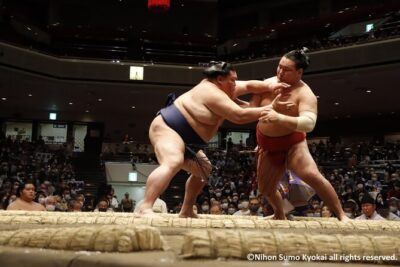
Tokyo Grand Sumo Tournament Viewing Tour with Tickets
Read our review →
Tokyo:Luxury Sumo Show Experience & Japanese cuisine & Drink
Read our review →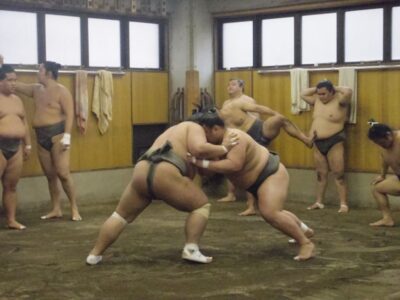
Tokyo Sumo Experience: Chanko & Mochi with a Former Pro
Read our review →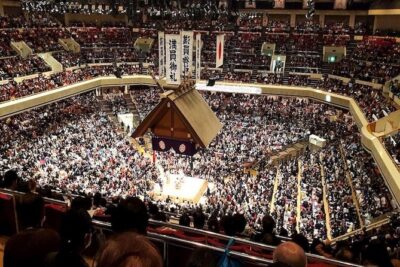
Ultimate Sumo Tournament: Tokyo, Osaka, Nagoya, Fukuoka
Read our review →This one also appears in