
Review · TOKYO
Tokyo: Sumo Tournament with Guide & Assigned Reserved Seat
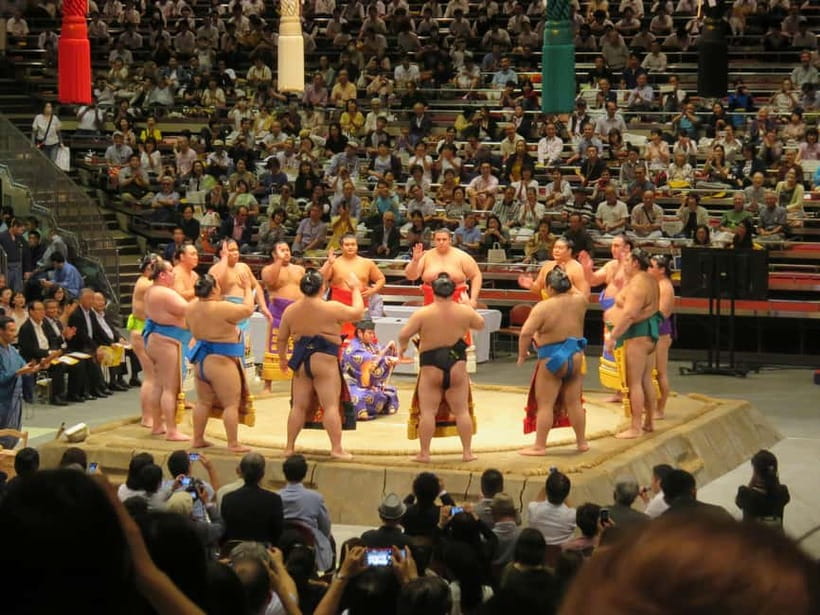
Sumo makes more sense when you know what you are watching. This Tokyo outing gives you a reserved second-floor seat at Ryogoku Kokugikan, then places an English-speaking guide nearby to explain the rankings, rituals, match rules, and techniques. The ceremony is half the show, and the guide helps you notice details that are easy to miss.
I like the practical help of a reserved ticket, especially during a tournament that can be difficult to book directly. I also like the guides’ clear enthusiasm. Jorge, Lily, Cesar, Miki, Erik, and others have been praised for explaining the sport in friendly, accessible terms. You leave with a better sense of why each bout matters, not just a few photos of enormous wrestlers.
The catch is price. At $209 per person, this is a costly way to attend a tournament, particularly since the B and C class seat itself may cost far less. Assigned seats can also be separated within a group, so book this for the ticket access and expert help, not for luxury seating or a private guide.
Key points to know before you book
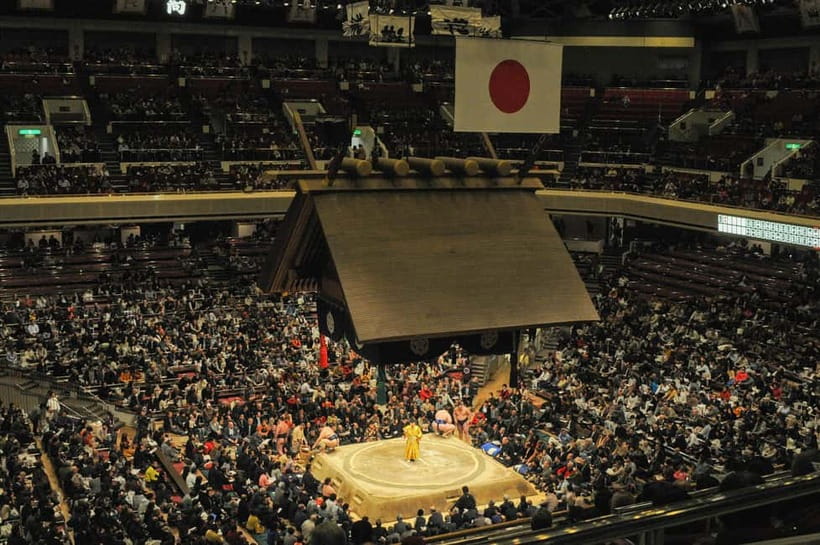
- Ryogoku Kokugikan is the real setting: You watch an official tournament in Tokyo’s sumo district, not a staged demonstration.
- Your seat is assigned: The ticket is for B or C class on the second floor, with no promise that you can choose an exact seat.
- The guide adds essential context: You learn about rituals, rules, rankings, advancement, and the names of wrestlers.
- The outing lasts four to five hours: Allow time for the initial meeting, a 30-minute guided portion, and the tournament itself.
- The price is the main question: Guaranteed access can be useful, but the markup is large compared with the basic ticket cost.
- Food and drinks are not allowed: Plan your eating around the activity, and note that it is not suitable for people with mobility impairments.
Why a live sumo tournament is worth seeing
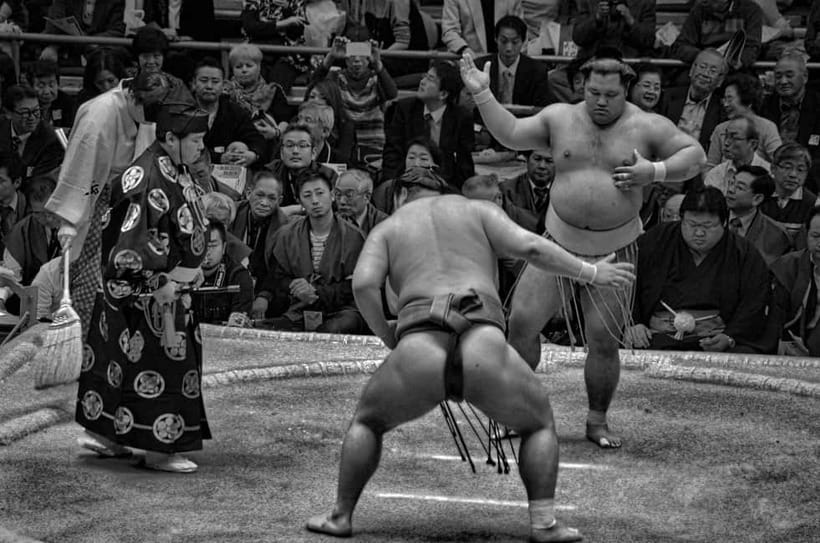
A sumo tournament is not simply two athletes pushing each other out of a ring. The bout begins long before the collision, with formal movements, salt, stamping, bowing, and a careful display of control. For a first-time viewer, these moments can look mysterious or slow. Once you understand their purpose, the whole afternoon gains shape.
That is where this guided format helps. Your guide explains the customs and ranking system before you settle into the action, then answers questions as the tournament unfolds. I find that useful because sumo has its own vocabulary and structure. Without context, you may see a short match and wonder why the build-up took so long. With context, the build-up becomes part of the contest.
The setting matters, too. Ryogoku Kokugikan is one of Japan’s main sumo venues, in the district most closely linked with the sport. You are surrounded by a formal Japanese tradition that still operates on its own terms. This is not a theatrical version designed for tourists. You are attending an official tournament, alongside an audience following the bouts, rankings, and wrestlers with real interest.
You do not need to arrive as a sumo fan. A good guide can show you what to watch for in a wrestler’s stance, footwork, grip, and tactics. If you already follow the sport, you may value the chance to ask more specific questions about advancement and the ranking system.
More Sumo Experiences in Tokyo
- Tokyo: Sumo Show and Dining Experience
★ 4.8 · 2,742 reviews - the SUMO show
★ 5.0 · 1,960 reviews - Tokyo Shinjuku Sumo Show & Experience with Photo
★ 5.0 · 1,750 reviews
Meeting in Ryogoku and getting your bearings
The experience has two stated starting-location options, both listed as the Matsuura-Bungo Mansion Site. Your exact meeting point may depend on the option selected at booking, so read the confirmation carefully rather than assuming you can simply walk straight to the stadium.
The meeting arrangement is part of the value here. Several guides have used the area around a temple, cemetery, or garden near the arena to introduce the sumo district and explain some background before the tournament. These short stops can give you a sense of place and provide good photo opportunities in a setting that feels more local than a standard stadium entrance.
There is a tradeoff. One meeting area has been described as noisy, which can make a spoken introduction hard to follow, especially for anyone with hearing difficulties or limited English. Another practical concern is group size. A guide may be responsible for more than ten people, and it can be difficult to hear every explanation if the group gathers on a busy street.
I would arrive ready to listen closely. Stay near the guide, and ask questions before the group moves on. Guides such as Cesar, Jorge, Lily, and Miki have been praised for being approachable and willing to explain things several times, but even the best guide cannot make a large group completely quiet.
The 30-minute introduction before the bouts
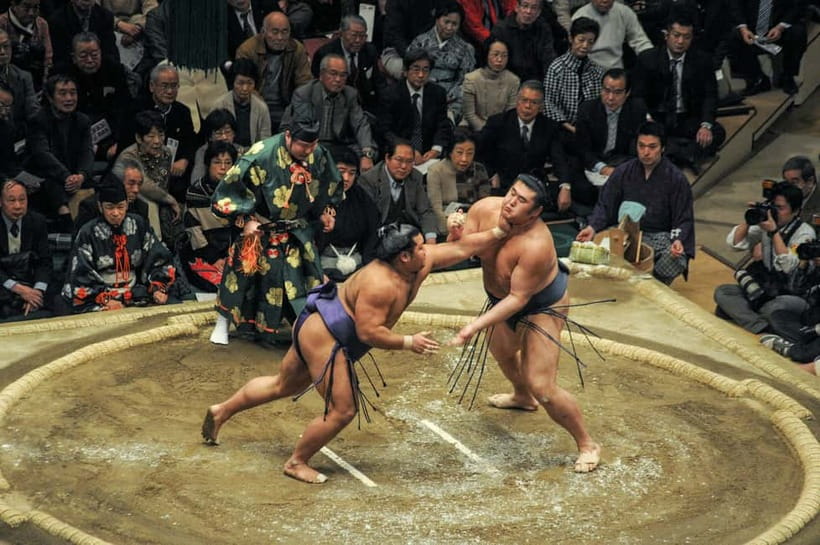
The formal guided portion lasts about 30 minutes at Ryogoku Kokugikan. This is when you get the basic tools you need for the rest of the day: how the tournament works, what the rituals mean, how wrestlers are ranked, and how promotion is decided.
The ranking system is one of the most useful subjects to learn. Sumo wrestlers compete within a structured hierarchy, and results affect their position in later tournaments. Once you know that, a bout carries more weight than a simple win or loss. Your guide can also help identify the wrestlers and explain why particular matchups attract attention.
The guides are not all identical in style. Jorge and George have been praised for humor and detailed explanations. Cesar has been singled out for answering questions and knowing the names of wrestlers. Lily and Lilly are described as warm, energetic, and attentive. Erik has been praised for his enthusiasm, while Miki has been credited with taking care of the group from beginning to end.
You should still set your expectations correctly. This is a group tour, not a private lesson. One person found that the introduction covered less about specific techniques than expected, while another preferred the information about rankings and advancement to the early discussion of buildings. If techniques are your main interest, ask directly about footwork, grips, throws, and pushing tactics when the guide is available.
Four hours inside Ryogoku Kokugikan
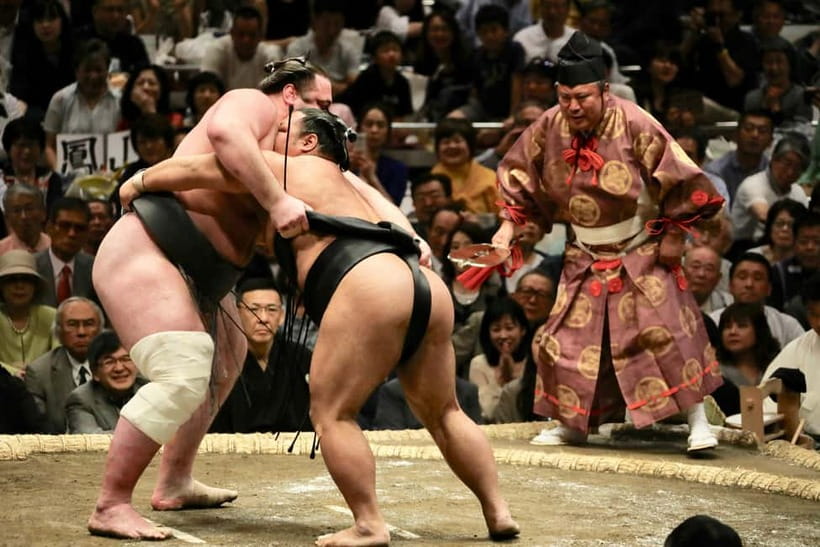
The main visit lasts about four hours, giving you plenty of time to watch the tournament rather than rushing in for a single headline bout. Sumo events build toward the higher-ranked wrestlers, so the afternoon has a natural rise in energy.
Your ticket is for a reserved B or C class seat on the second floor. This is not ringside, but it gives you a fixed place from which to follow the action and take in the atmosphere. One attendee described the view as very good, with a clear sight of the fights. That is encouraging, but the exact view depends on the assigned location.
You cannot select a precise seat. Several people appreciated receiving their assignment promptly, while one wished for a seat map before payment. If you are booking as a couple or family, do not assume everyone will sit together. Assigned seating may be separated, and a guide may need to move around during the program to speak with different parts of the group.
That arrangement has both advantages and drawbacks. A fixed seat is far better than arriving without a ticket, especially when official sales are difficult to navigate or sell out. On the other hand, you are paying a premium without control over the exact section. If a front-facing view or close access is essential, this package may frustrate you.
The guide’s help continues during the tournament, although not necessarily as a constant private commentary. A strong guide will circulate, answer questions, and explain what is happening at useful moments. George, for example, has been praised for speaking with different people even when the group was spread across assigned seats. A large group can make this harder, so keep an eye out for the guide between bouts.
Same city, another way to catch the action:
- Tokyo: Sumo Show and Experience in Shinjuku
★ 4.8 · 1,001 reviews - Tokyo Grand Sumo Tournament Viewing Tour with Tickets
★ 5.0 · 692 reviews - Tokyo Sumo Wrestling Tournament Experience
★ 5.0 · 660 reviews - Tokyo:Luxury Sumo Show Experience & Japanese cuisine & Drink
★ 4.7 · 577 reviews
What you will actually learn about sumo
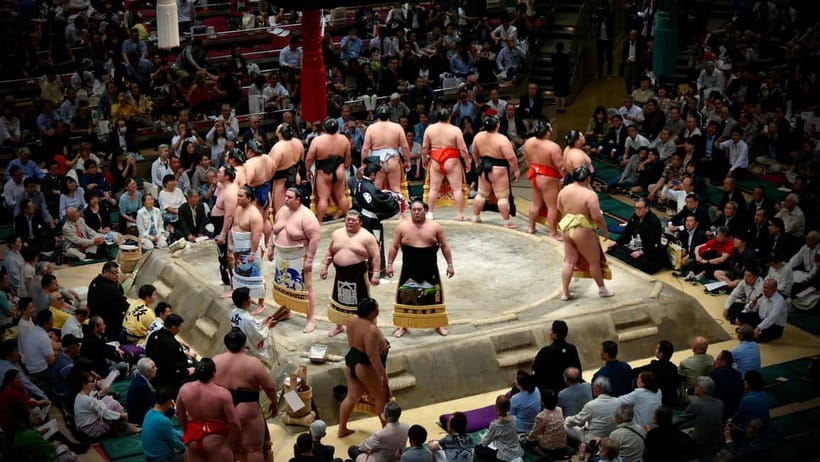
The best part of this outing is the bridge between ritual and sport. You learn why the wrestlers perform a sequence of formal actions before the bout and how the ceremony frames the contest. You also learn to watch the first contact, balance, hand position, and attempts to force an opponent out of the ring.
The ranking system gives the tournament its larger story. A wrestler’s position affects future matchups and promotion, so a bout can be important even when you have never heard of either competitor. Guides can also help you understand the difference between a quick pushing victory and a win based on a throw or grip.
Do a little preparation before you go. Even a short look at the basic rules will help you use the guide’s time well. Then ask the questions that matter to you. Why did the referee reset the wrestlers? What technique won the bout? What does the ritual mean? Which wrestler is rising through the rankings?
The early explanation may focus more on customs, places, and general background than on detailed technique. That is useful for a complete beginner, but not enough for someone hoping for a technical seminar. I would treat the guide as a translator of the event, not as a specialist coach.
The price: guaranteed access versus real value
At $209 per person, this is expensive. The strongest reason to pay is access. Official tournament tickets can be difficult to obtain, and the package gives you a confirmed reserved seat plus English-language help in a market where tickets may be gone by the time you try to buy them.
The weaker part of the value is the markup. B and C class seats have been estimated at roughly ¥5,000 to ¥6,000 in direct purchase terms, while this package costs much more. That difference may feel reasonable if the tournament is the central goal of your Japan trip and you cannot secure tickets elsewhere. It may feel excessive if you compare the tour with the face value of the seat alone.
I would make the decision based on three questions:
- How important is it for you to attend this particular tournament?
- Are you comfortable paying a large premium for guaranteed access?
- Would you understand the event well enough without an English-speaking guide?
If the answer to the first two is yes, the package can be sensible. The tournament is difficult to replace, and a cancelled or missed opportunity may cost more in disappointment than the markup costs in yen. If you are flexible about dates or already understand sumo, try to investigate official ticket sales first.
The guide is the part that gives the premium its best argument. You are not only buying a seat. You are paying for orientation, translation of customs, help with rankings, and someone who can answer questions in real time. Still, the service is shared among a group, so do not confuse this with a private tour.
Practical details that affect your afternoon
The full activity runs four to five hours, with starting times varying by availability. That is long enough to make the tournament a major part of your day. Do not schedule a tight evening booking immediately afterward, especially if you want time for the introductory walk and questions.
Food and drinks are not included, and the activity information states that food and drinks are not allowed. Plan accordingly and check the meeting instructions for the exact rules applying to your date. You should not assume that you can bring snacks into the venue.
English is the tour language, and the activity uses a live English-speaking guide. The quality of the explanation depends partly on your guide and partly on how close you can stay to the group. If you have trouble hearing in noisy places, stand near the guide during the introduction and ask for clarification before the match begins.
This outing is listed as unsuitable for people with mobility impairments. The venue and walking portions may be demanding, and the format does not promise special accessibility support. Contact the provider before booking if mobility is a concern.
The activity is non-refundable. That matters at this price, so confirm the tournament date, meeting option, language, and number of seats before payment. Booking early is also wise. Several people found that guaranteed tickets were the main reason they chose the package, and late availability can come with a higher cost.
Who will get the most from this sumo tour
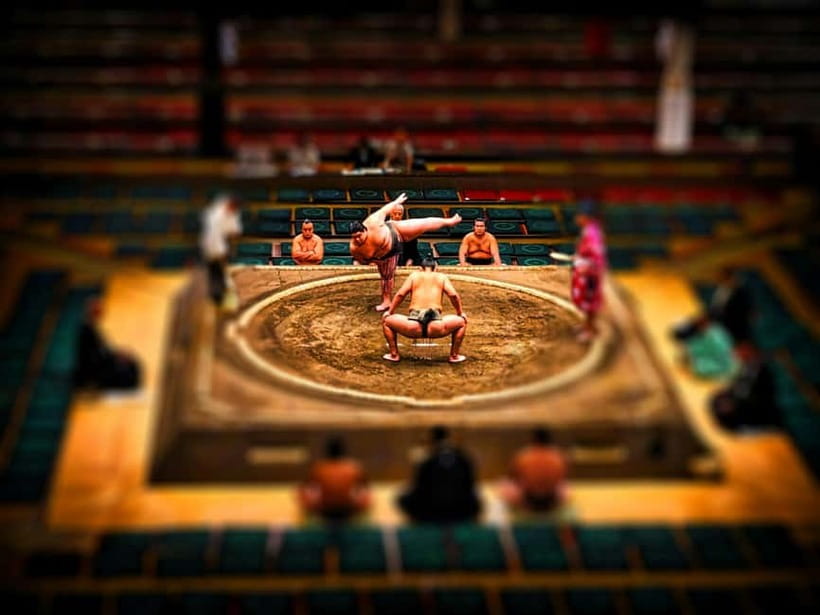
I would recommend it most strongly to a first-time visitor who has one free afternoon in Tokyo and considers live sumo a priority. You receive the main thing you came for, a seat at an official tournament, plus enough explanation to follow the event with confidence.
It also suits people who dislike sorting out complex ticket sales in another country. The assigned seat removes one major worry, and the guide gives you a clear meeting plan. Families and groups should be aware that seats may not be together, though the guide will try to communicate with everyone.
You may want to skip it if the price bothers you more than the experience excites you. A direct ticket, when available, costs much less. You may also prefer another option if you want private attention, exact seat selection, detailed technical coaching, or a meal as part of the afternoon.
Should you book the Ryogoku sumo experience?
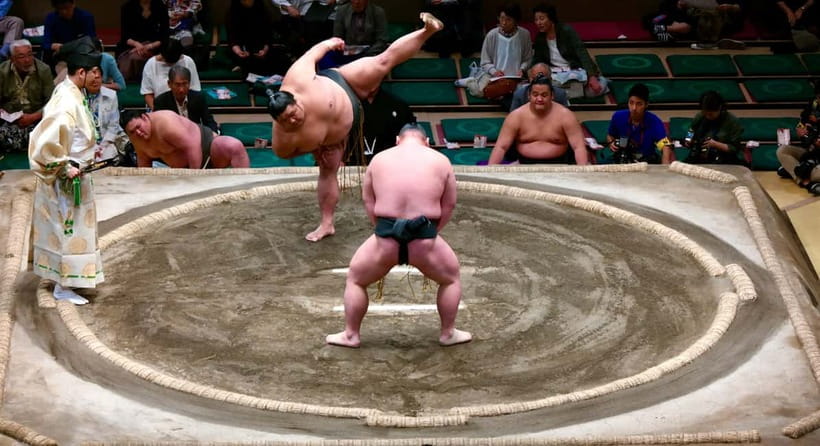
Book this if seeing a Tokyo tournament is near the top of your Japan plans and you want guaranteed access with an English-speaking guide. The setting is authentic, the rituals are memorable, and guides such as Jorge, George, Lily, Cesar, Erik, and Miki have made the rules and customs much easier to follow.
Do not book it casually. At $209, the price is the central issue, and an assigned second-floor seat does not offer the control of a premium ticket. Check official availability first if you have time, but if tickets are already gone, this package may be the practical way to make the afternoon happen. For many people, the guide turns an unfamiliar ceremony into a sport they can genuinely enjoy. That is useful, but you should decide whether that help is worth the large premium.
FAQ
Where does the sumo tournament take place?
The tournament takes place at Ryogoku Kokugikan in Tokyo, one of Japan’s main sumo venues.
How long does the activity last?
The activity lasts about four to five hours. The schedule includes a 30-minute guided portion and about four hours at Ryogoku Kokugikan.
What kind of seat is included?
The ticket includes an assigned B or C class reserved seat on the second floor.
Can I choose my exact seat?
No. The seat is assigned, and the package does not offer exact seat selection. People booking together may not always be seated together.
Is the tour conducted in English?
Yes. The activity includes a live English-speaking guide.
Are food and drinks included or allowed?
Food and drinks are not included, and the activity information states that food and drinks are not allowed.
Can I cancel for a refund?
No. This activity is non-refundable, so confirm your date and booking details before paying.
New on the fixture list around Tokyo
- Tokyo: Sumo Morning Practice -Stable Visit Tour with a Guide★ 4.8 · 16 reviews
- Tokyo: Watching Sumo and Ryogoku Area Walking Tour★ 4.0 · 5 reviews
- Tokyo: Sumo Morning Practice Viewing Tour at a Real Stable★ 4.9 · 32 reviews
- Tokyo: Sumo Morning Practice Tour in Ryogoku and Photo Shoot★ 4.7 · 47 reviews
- Tokyo: Sumo Keiko Training Tour with Audio Guide & Photo★ 4.8 · 5 reviews
- Tokyo Sumo Morning Practice: Witness the Life of a Wrestler★ 4.8 · 56 reviews
- Tokyo Highlights Tour: Sumo, Sushi, Tea, and Tokyo Tower★ 5.0 · 2 reviews
- Tokyo: Sanctuary Authentic Grand Sumo Experience & Training★ 5.0 · 7 reviews
More Sumo Experiences in Tokyo to weigh up.
Tokyo Shinjuku Sumo Show & Experience with Photo
Read our review →
Tokyo Grand Sumo Tournament Viewing Tour with Tickets
Read our review →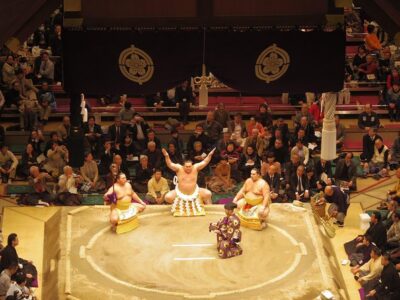
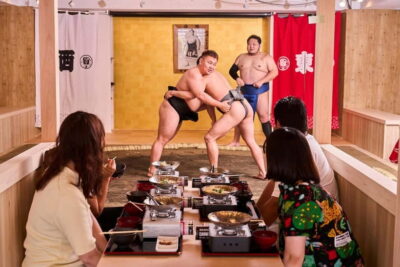
Tokyo:Luxury Sumo Show Experience & Japanese cuisine & Drink
Read our review →
Tokyo Sumo Experience: Chanko & Mochi with a Former Pro
Read our review →This one also appears in