
Review · TOKYO
Tokyo Sumo Morning Practice: Viewing & Exclusive Interaction
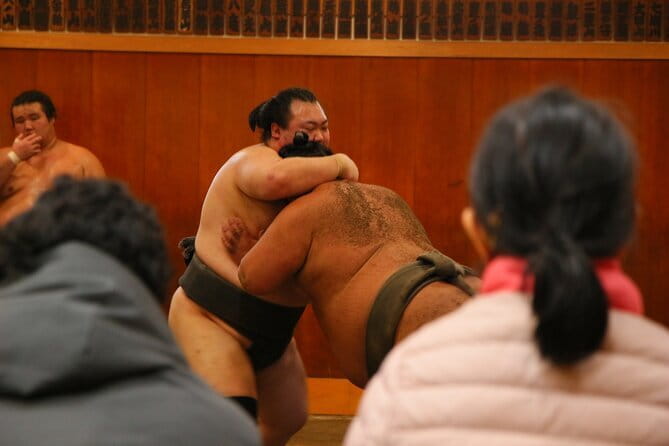
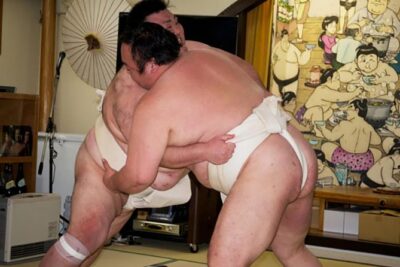
The best part of this Tokyo tour is that you watch real wrestlers training at an active stable, not actors performing a dinner-show version of sumo. The morning starts with a short lesson in rules and manners, then puts you close to the stamping, slapping, pushing, and hard sparring that shape a professional wrestler’s day.
I especially like the choice between a traditional zabuton floor cushion and a stool at the back. I also like that the experience includes time to speak with the wrestlers and take photos after practice. The main consideration is that you must remain quiet and follow strict rules during training, and the early start may not suit late risers.
Key points at a glance
- Watch a genuine morning practice: See warmups, drills, and sparring inside an active sumo stable.
- Choose your seat: Sit on a front-row zabuton or use a stool farther back.
- Meet active wrestlers: Ask about training and daily life, then take commemorative photos.
- Receive a Banzuke: Take home an official sumo ranking sheet in a souvenir folder.
- Finish with useful questions: The guide stays at Narihira Park for a longer sumo and Tokyo Q&A.
- End near major sights: The tour finishes around 11:00 AM, handy for Tokyo Skytree or Asakusa.
Why Real Sumo Practice Feels Different
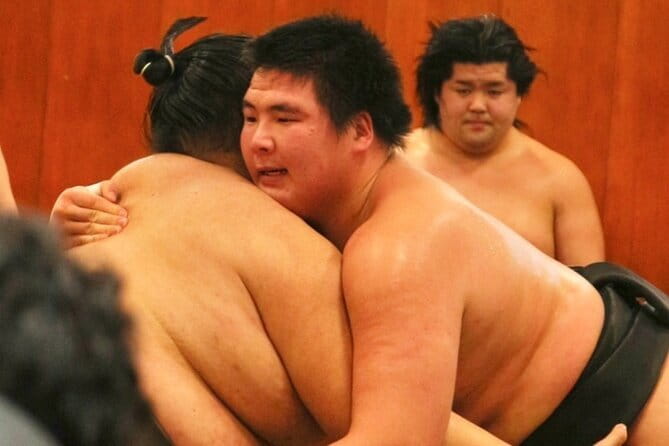
Many visitors first encounter sumo through a tournament, television, or a polished cultural show. This experience gives you a different view. You are not watching a match designed for an audience. You are watching athletes repeat the basic work that prepares them for competition.
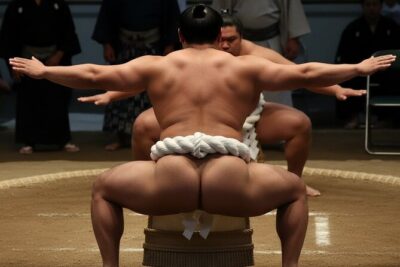
That distinction matters. Practice can look rough, repetitive, and surprisingly quiet at times. The wrestlers may work through warmups, ritual movements, physical drills, and sparring without explaining what they are doing. Your guide helps you read the scene, so a stomp is not just a stomp and a bow is not just a bow.
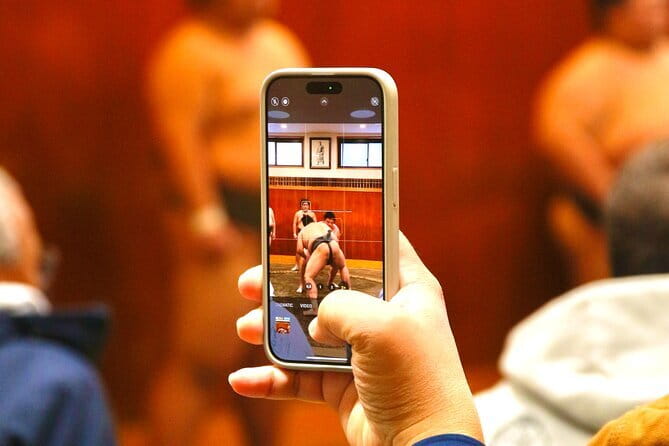
The setting also changes the mood. An active sumo stable is a working place, not a theater. You are expected to behave like a respectful observer. That means no food, alcohol, video, or audio recording. Photography is allowed, but you must not use flash, make noise, or move into a forbidden seating position.
I see the restrictions as part of the value, though they can surprise people used to casual sightseeing. The less you interrupt the practice, the more natural it feels.
More Sumo Experiences in Tokyo
- Tokyo: Sumo Show and Dining Experience
★ 4.8 · 2,742 reviews - the SUMO show
★ 5.0 · 1,960 reviews - Tokyo Shinjuku Sumo Show & Experience with Photo
★ 5.0 · 1,750 reviews
Meeting at Narihira Park Before the Stable
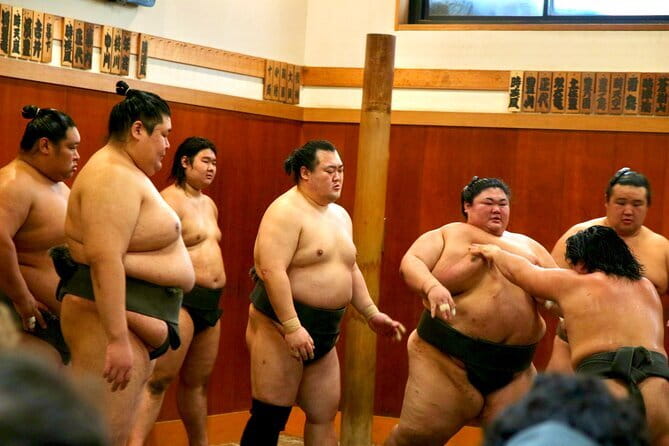
The meeting point is near the multipurpose restroom at Narihira Park in Sumida. Your guide checks your name, hands out sumo-related material, and explains the rules before the walk to the stable.
This opening is more useful than it may sound. Sumo has its own vocabulary, rank system, gestures, and codes of conduct. A few minutes of preparation can help you understand what you are seeing instead of simply watching large athletes collide.
The English-speaking guides named in the experience include Haru, Momo, Sana, Sarah, and Ryoko. The guide leads in English and Japanese, and the quality of the explanation is a key part of the morning. Haru has been praised for clear English and a friendly manner, while Momo has been noted for giving helpful information before and after the practice. Sana, Sarah, and Ryoko have also led groups.
The short walk gives you a little time to ask basic questions before entering the stable. Use it. If you have wondered about wrestler rankings, training routines, stable life, or the difference between a practice bout and a tournament match, this is the right moment to raise the subject.
Entering an Active Sumo Stable
The stable visit is the heart of the experience. Once inside, you watch the morning session from a designated area. The training may include warmups, repeated exercises, and sparring, with the exact rhythm depending on the day and the stable’s schedule.
You may be surprised by how close the action feels. Sumo is often presented through ceremony and pageantry, but practice shows its physical cost. Bodies hit the floor, feet stamp, and wrestlers work through exhausting repetitions. The force is obvious, yet the session is controlled and disciplined.
This is not a guaranteed tournament match. You should not expect every visit to include the same sequence or the same level of contact. That is part of its authenticity. A working practice session changes from morning to morning, and it should not be judged like a staged show with fixed scenes.
Your job is simple: sit still, keep quiet, and watch carefully. The atmosphere can be intense, especially when sparring begins. One visitor described the session as a little overwhelming, which is a fair warning. The physical scale and sudden impact can be striking when you are only a short distance away.
Zabuton or Stool: Choosing Your Seat
The seating arrangement is a practical strength. If you want the classic experience, choose a zabuton on the floor near the front. This gives you a close view and places you in the traditional seating style associated with sumo.
You can also sit on a stool at the back. This is the better choice if sitting on the floor is uncomfortable or difficult. The information does not promise a fully accessible setup for every mobility need, so contact the provider if you have specific physical requirements. Children under six are not permitted.
The front row offers a more immediate view, but it also demands more care with seating rules and quiet behavior. A rear stool gives you a little more distance and may make it easier to observe the whole room. Neither option is automatically best. I would choose the zabuton if you can sit comfortably on the floor and want the strongest sense of being close to the practice. Choose the stool if comfort matters more than proximity.
Same city, another way to catch the action:
- Tokyo: Sumo Show and Experience in Shinjuku
★ 4.8 · 1,001 reviews - Tokyo Grand Sumo Tournament Viewing Tour with Tickets
★ 5.0 · 692 reviews - Tokyo Sumo Wrestling Tournament Experience
★ 5.0 · 660 reviews - Tokyo:Luxury Sumo Show Experience & Japanese cuisine & Drink
★ 4.7 · 577 reviews
The Etiquette That Protects the Practice
The rules are not minor technicalities. A stable is a place where wrestlers train, eat, rest, and live within a strict sumo tradition. A quiet audience respects that routine.
You may take photographs, but flash is forbidden. Video and audio recording are not allowed. Food is not allowed inside, and neither are alcohol or drugs. Follow the guide’s directions about when to photograph and where to sit.
The best approach is to put your phone away for much of the practice. Watch the movements directly, then take photographs only at suitable moments. If you want a picture of a particular drill, ask the guide rather than interrupting the session.
This may feel formal compared with other Tokyo activities. It should. The value comes from seeing a real working environment, and that only works when visitors do not turn it into a photo shoot.
Speaking With Wrestlers After Training
After practice, the mood becomes more personal. You have a chance to ask active wrestlers questions and take commemorative photographs with them. The guide helps with communication, so you do not need to know Japanese to participate.
This is where the experience moves beyond observation. You can ask about daily life, training, athletic goals, and the mental side of sumo. The answers give context to what you just watched. After seeing the repetition and strain of practice, even a simple question about the daily routine can make the sport easier to understand.
Some sessions may include a playful invitation for male audience members to try a short bout with a professional wrestler. This has happened during the experience, but it should be treated as a possible extra rather than a promised part of every visit. If it happens, it can be great fun, but do not book the tour expecting to enter the ring.
The wrestlers’ willingness to give time after a hard morning practice is one of the strongest features here. Keep your questions concise and respectful. A photo is more meaningful when it follows a genuine exchange instead of replacing one.
The Banzuke Souvenir Has Real Meaning
Back at Narihira Park, you receive an official Banzuke in a specially designed folder. A Banzuke is a sumo ranking sheet, so this is more than a generic souvenir with a wrestler printed on it.
The sheet helps you understand the ranking system that gives sumo much of its structure. It also gives you something tangible to look at later, when the names and divisions from the morning are no longer fresh in your mind.
The folder makes it easier to keep the paper flat in your luggage. If you enjoy collecting small cultural items with a clear connection to the place you visited, this is a better keepsake than a standard logo gift.
The Final Q&A at Narihira Park
The tour does not end as soon as you leave the stable. The guide stays with you at the park for an extended question session. You can ask about traditions, ranks, training, or practical Tokyo suggestions.
This is especially useful because questions often occur after you have seen the practice. Before entering, you may ask what a particular ritual means. Afterward, you may want to know why one wrestler trained longer, how stable life works, or how tournament periods affect practice.
The guide can also offer personalized tips for the rest of your Tokyo visit. That makes the closing session useful even if your interest in sumo is fairly new. The tour ends at about 11:00 AM, leaving the middle of the day open for Tokyo Skytree or Asakusa.
Tournament Period Changes the Timing
If you visit during the Grand Sumo Tournament periods in January, May, or September, expect a schedule change. These tournament periods last about two weeks, practice starts roughly 30 minutes earlier, and viewing time is about one hour.
That is important when arranging breakfast, trains, or a second activity. The shorter viewing period does not mean the visit is canceled, but it does mean you should read the schedule carefully when choosing a date.
Outside those tournament periods, the full activity lasts about three hours. Starting times vary, so check availability before booking. The early morning schedule is part of the point: you see the stable at work before the rest of the day becomes busy.
Is $93 a Fair Price?
At $93 per person, this is not a cheap way to fill a morning. The price includes the stable visit fee, an English-speaking guide, and the Banzuke souvenir, but not transportation to Narihira Park.
The value depends on what you want. If you only need a quick introduction to sumo, a tournament ticket or museum visit may be a better fit. If you want access to a real practice session, direct contact with wrestlers, a guide who explains the customs, and time for questions, the price is easier to justify.
The stable access is the important part. You are paying for entry to a place that is normally closed to casual public viewing, plus the careful explanation needed to make sense of what happens there. The photo session and souvenir add value, but I would not book this mainly for the folder or picture.
I also like that the tour does not force a meal into the schedule. Instead, it gives you time for questions and lets you decide where to eat afterward. That keeps the experience focused and leaves you free to continue sightseeing.
Who Will Enjoy This Morning Most?
I would recommend this tour to anyone with a real interest in Japanese customs, sports, photography, or unusual Tokyo experiences. It works particularly well for first-time visitors who want a cultural activity that feels connected to daily life rather than a polished performance.
It is also a good choice for people who have seen sumo on television and want to understand the work behind the bouts. The practice shows the discipline, repetition, and physical strain that a tournament match cannot fully explain.
You should think twice if you need a relaxed, flexible morning with little instruction. The start is early, the rules are strict, and the stable requires quiet attention. It is also not suitable for children under six.
The tour may suit older children and teenagers who can sit quietly and respect the rules, but the provider does not give a specific minimum age beyond excluding children under six. Parents should judge the child’s patience and interest rather than assume this is a casual family show.
Practical Planning Before You Book
Plan your route to Narihira Park in advance because transportation is not included. Arrive at the stated meeting point near the multipurpose restroom, not at the stable itself.
Wear clothes that make sitting on the floor comfortable if you want the front-row zabuton. If that will be difficult, request or choose the stool option when possible. Avoid bringing food or recording equipment into the stable, and keep your camera ready without using flash.
The cancellation policy is friendly: you can cancel up to 24 hours in advance for a full refund. You can also reserve now and pay later, which helps if your Tokyo schedule is still shifting.
The overall rating is 4.9 from 74 reviews, and the most consistent praise centers on the guides, the authentic practice, and the chance to speak with wrestlers. I would place the greatest weight on those features, since they shape the experience far more than the souvenir.
Should You Book the Sumo Morning Practice?
Book it if you want to see professional sumo as a working discipline, not just as a colorful spectacle. The combination of a real stable, careful etiquette briefing, wrestler Q&A, photographs, and the Banzuke gives you several layers of context in one morning.
Skip it if you dislike early starts, cannot sit quietly, or want guaranteed tournament-style action. Practice is unscripted, and the viewing length changes during tournament periods.
For most culturally curious visitors, the access makes the $93 worthwhile. Choose the stool if floor seating is a concern, check the earlier tournament-period start, and leave room afterward for Skytree or Asakusa. That is the best way to turn this focused morning into a strong part of your Tokyo day.
FAQ
Where does the sumo tour meet?
Meet near the multipurpose restroom at Narihira Park in Sumida. The guide checks your name, provides sumo materials, and explains the rules before you walk to the stable.
How long does the experience last?
The standard experience lasts three hours and finishes around 11:00 AM. During the Grand Sumo Tournament periods in January, May, and September, viewing lasts about one hour and practice starts about 30 minutes earlier.
Can I take photographs inside the stable?
Yes, photography is allowed, but flash photography is forbidden. You must remain quiet and follow the guide’s instructions about seating and photography.
Can I record video or audio?
No. Video recording and audio recording are not allowed during the experience.
What seating is available?
You can sit on a traditional zabuton floor cushion near the front or use a stool at the back if you prefer not to sit on the floor.
Are children allowed?
Children under six are not permitted on the activity. The experience is available in English and Japanese, with an English-speaking guide included.
New on the fixture list around Tokyo
- Tokyo: Sumo Morning Practice Viewing Tour at a Real Stable★ 4.9 · 32 reviews
- Tokyo: Sumo Morning Practice -Stable Visit Tour with a Guide★ 4.8 · 16 reviews
- Tokyo: Watching Sumo and Ryogoku Area Walking Tour★ 4.0 · 5 reviews
- Tokyo: Sumo Keiko Training Tour with Audio Guide & Photo★ 4.8 · 5 reviews
- Tokyo Sumo Morning Practice: Witness the Life of a Wrestler★ 4.8 · 56 reviews
- Tokyo: Sumo Morning Practice Tour in Ryogoku and Photo Shoot★ 4.7 · 47 reviews
- Tokyo Highlights Tour: Sumo, Sushi, Tea, and Tokyo Tower★ 5.0 · 2 reviews
- Tokyo: Sanctuary Authentic Grand Sumo Experience & Training★ 5.0 · 7 reviews
More Sumo Experiences in Tokyo to weigh up.
Tokyo Shinjuku Sumo Show & Experience with Photo
Read our review →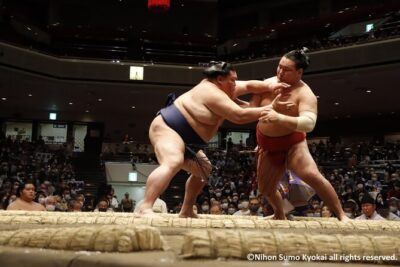
Tokyo Grand Sumo Tournament Viewing Tour with Tickets
Read our review →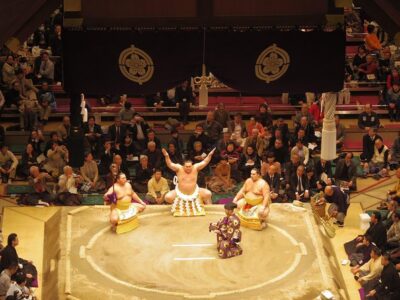
Tokyo:Luxury Sumo Show Experience & Japanese cuisine & Drink
Read our review →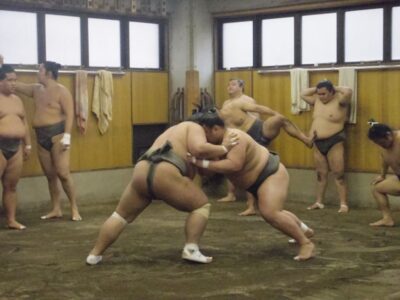
Tokyo Sumo Experience: Chanko & Mochi with a Former Pro
Read our review →This one also appears in