
Review · TOKYO
Tokyo: Not a show- a professional sumo practice with experts
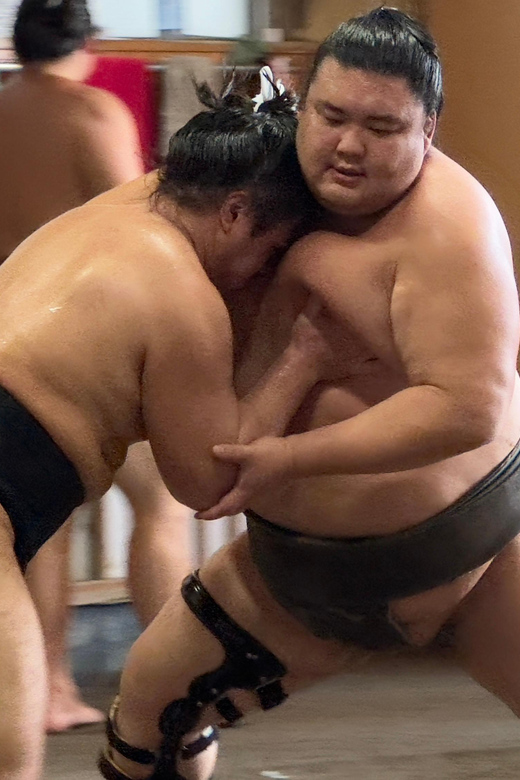
The best part of this Tokyo outing is simple: you watch professional wrestlers train inside a real sumo stable, often from only a few feet away. There is no theatrical match, comedy routine, or tourist version of sumo. You see warm-ups, hard bouts, rituals, and the discipline behind the sport.
I like two things especially. First, the stable access is rare, even for people living in Japan. Second, guide Shinya, a national newspaper sumo journalist, can explain the customs, wrestlers, tournaments, and details that are easy to miss. The main drawback is the seating: you sit on the floor for much of the practice, and the room may feel tight.
Key points before you book
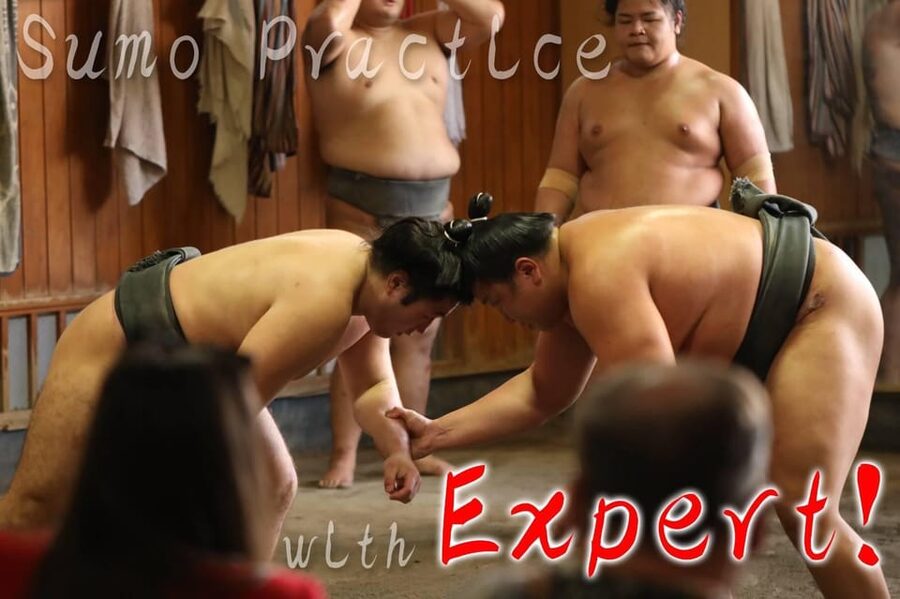
- Real morning practice: Visit Takasago-beya, a working sumo stable, rather than watching a staged tourist performance.
- Close view of training: You may sit just a few feet from the wrestlers as they warm up, spar, and cool down.
- Former journalist as guide: Shinya brings years of reporting and photography experience to the explanations and Q&A.
- Small group setting: The group is limited to 10 people, which helps with questions and photos.
- Ryogoku beyond the stable: The tour continues to Ryogoku Kokugikan and Ryōgoku Edo Noren.
- Floor seating matters: Cushions are supplied, but sitting for 90 minutes or more can be hard on stiff knees, hips, or backs.
Why a real sumo stable is different from a show
Tokyo offers several sumo-themed activities. Some are designed as entertainment, with performers explaining basic moves or staging a friendly demonstration. Those can work well for families and anyone who wants a light, easy introduction.
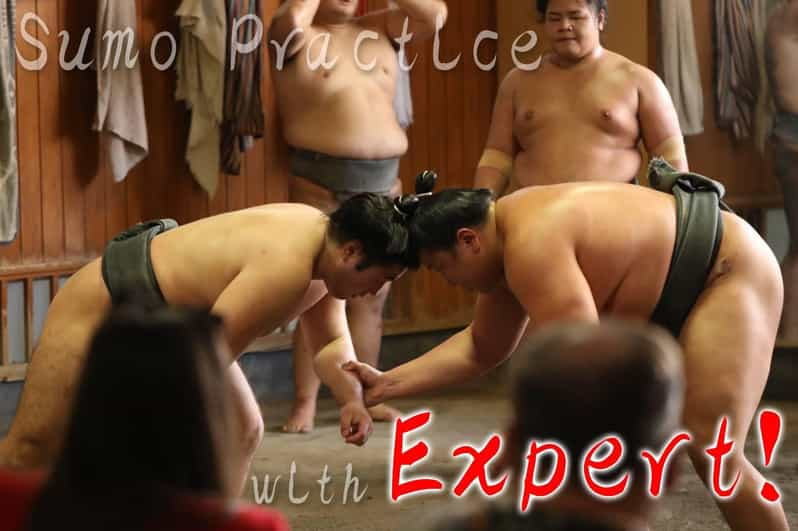
This outing takes another route. You enter Takasago-beya, a professional stable, during morning practice. The wrestlers are training for themselves, not putting on a performance for you. That changes the mood. You are expected to watch quietly, keep your phone turned off, and respect the setting.
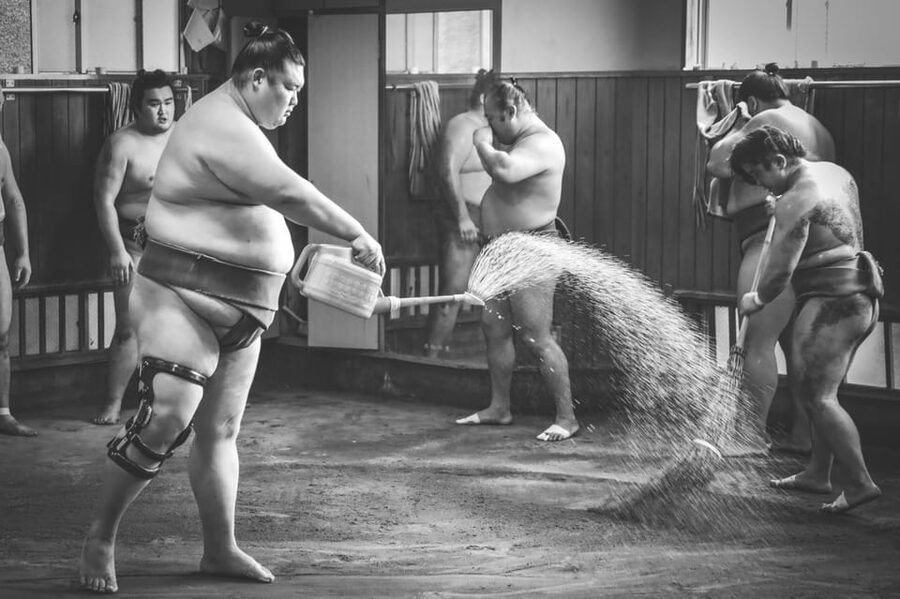
You may see warm-ups, practice bouts, conditioning, and the slower work around the training itself. One especially useful detail is that training can continue until the wrestlers decide it is finished. It does not follow the tidy rhythm of a staged show, so you need to accept pauses, repetition, and a lack of narration during the action.
That quiet is part of the value. You can watch the force of each clash and the control required to stop, reset, and repeat. The experience gives you a better sense of sumo as a demanding daily craft, not simply two large men pushing each other out of a ring.
More Sumo Experiences in Tokyo
- Tokyo: Sumo Show and Dining Experience
★ 4.8 · 2,742 reviews - the SUMO show
★ 5.0 · 1,960 reviews - Tokyo Shinjuku Sumo Show & Experience with Photo
★ 5.0 · 1,750 reviews
Starting near Ryogoku Station
The meeting point is at Ryogoku HANA WA Building, near Toei Oedo Line Ryogoku Station, exit A2 at ground level. It is also about a five-minute walk from the east exit of JR Ryogoku Station.
This is worth planning carefully. Ryogoku has several train connections and station exits, and an early morning meeting can make a wrong turn more stressful than usual. Check the operator’s final instructions before the tour date, then allow enough time to find the correct exit. The guide contacts you with the details in advance.
The stable visit is the main event, so do not treat the meeting time casually. One person who arrived late after taking the wrong train was helped by the guide, but that was a kindness, not something to count on. You will be better off arriving early and ready to walk.
The group is capped at 10 people. That is small enough to keep the outing personal, though the practice room itself can still feel crowded if more than one group is present. Arriving promptly also gives you a better chance of settling into a comfortable viewing position.
Two hours at Takasago-beya
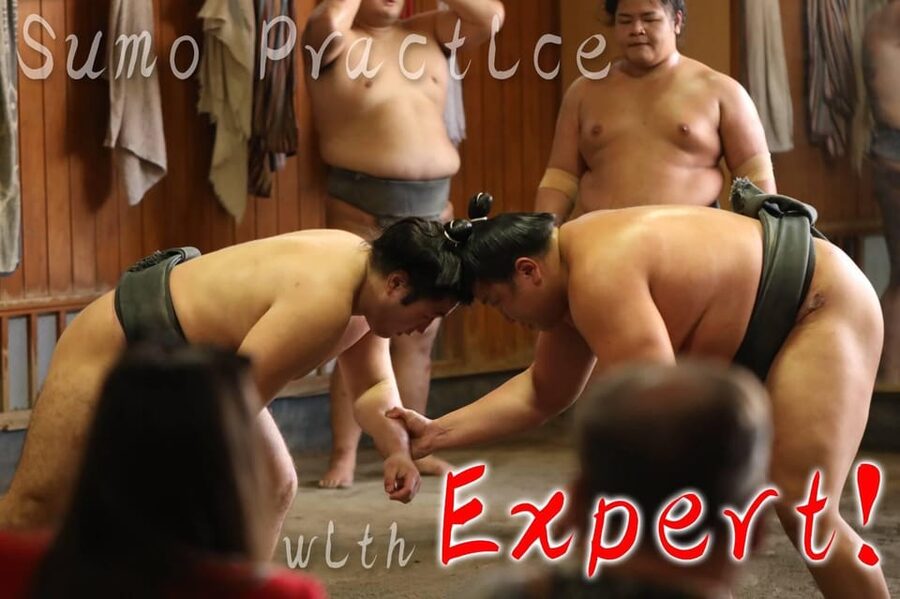
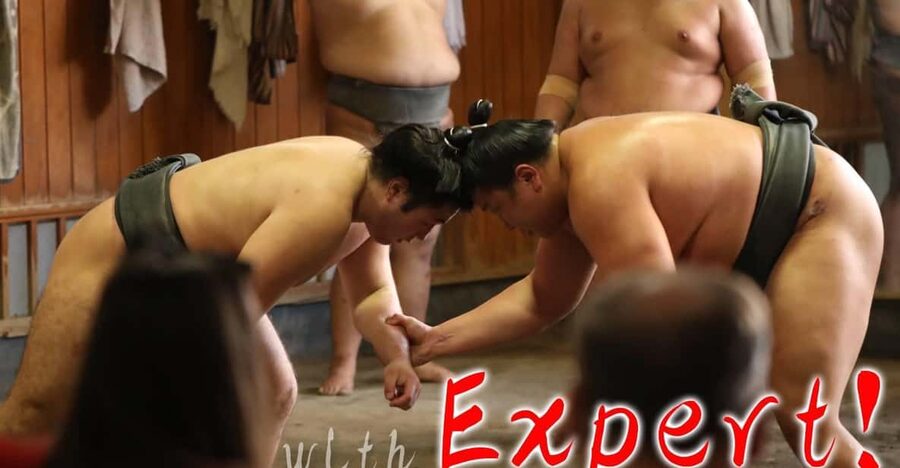
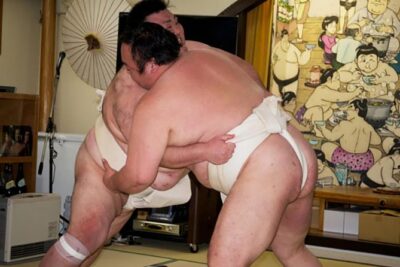
The visit to Takasago-beya takes about two hours, and this is where most of the tour’s value lies. You sit on a floor cushion and watch the wrestlers at close range. Some people have described being around five inches from the action, though your exact view depends on the stable’s arrangement and where you are seated.
You may watch the full rhythm of a training session rather than only the exciting moments. That can include warm-ups, bouts, mentoring between older and younger wrestlers, and cool-downs. The contrast between raw power and careful instruction is one of the most interesting parts. Sumo is not only about size. It also demands timing, balance, concentration, and an ability to repeat difficult movements under pressure.
The stable grants special permission for this visit, which is why the access feels unusual. You are entering a working place with its own rules. Keep quiet during the practice, follow the guide’s instructions, and turn off your phone. Do not expect to wander around or interrupt the wrestlers.
The lack of live commentary is the main weakness. Shinya explains the sport before and after the practice, but you may have unanswered questions while the action is happening. That is not a fault in the stable setting. A real practice cannot be turned into a narrated show without changing its character. Still, if you want every ritual explained as it happens, a tournament or a more entertainment-focused sumo activity may suit you better.
Some visitors have also found that the second part of the Q&A can feel short because the group moves on after practice. I suggest writing down the questions you most want answered before you arrive. Ask about belt colors, training customs, tournament rankings, stable life, or a particular wrestler while you have the chance.
Shinya’s sumo expertise adds real value
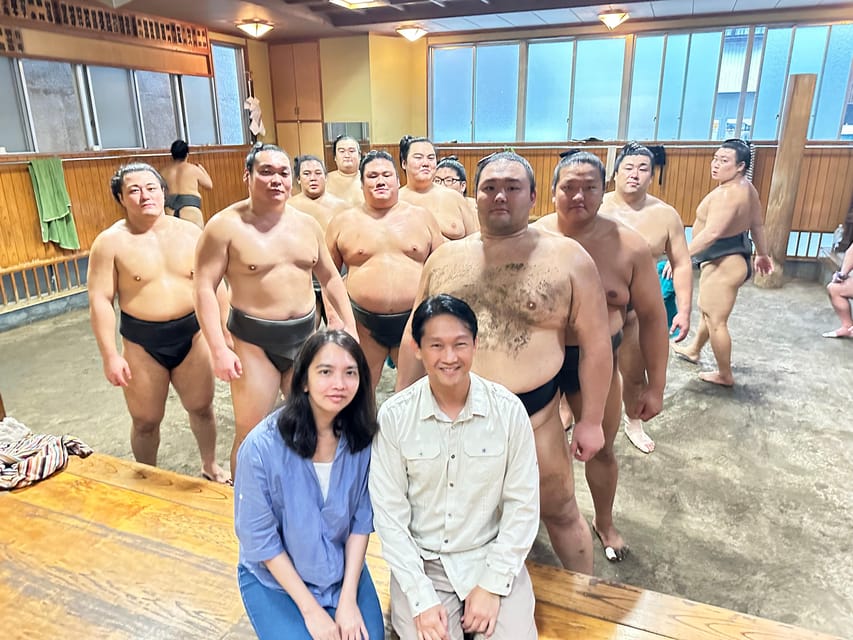
The guide is a major reason to choose this particular outing. Shinya works as a sumo reporter and photographer for a national newspaper, so he brings more than a basic explanation of the sport. He can discuss traditions, tournament life, individual wrestlers, and the stories behind what you are seeing.
His background matters most if you already know a little sumo. Beginners can ask simple questions without feeling lost, while fans can raise more detailed points. One attendee with substantial sumo knowledge found that Shinya could answer questions that had been difficult to resolve elsewhere. That is a strong sign for serious followers of the sport.
His role also extends beyond formal facts. The tour can include anecdotes, past tournament stories, and small details about sumo culture. He has also been described as warm and enthusiastic, with interests beyond sumo, including baseball. If you enjoy conversation, you may find the time with the guide as valuable as the viewing itself.
English is available, and Japanese is also offered. The English explanations are intended to make the sport accessible, but the quality of a live explanation can vary by subject and question. The overall format gives you a chance to ask directly rather than rely only on a fixed audio script.
Same city, another way to catch the action:
- Tokyo: Sumo Show and Experience in Shinjuku
★ 4.8 · 1,001 reviews - Tokyo Grand Sumo Tournament Viewing Tour with Tickets
★ 5.0 · 692 reviews - Tokyo Sumo Wrestling Tournament Experience
★ 5.0 · 660 reviews - Tokyo:Luxury Sumo Show Experience & Japanese cuisine & Drink
★ 4.7 · 577 reviews
Photos with the wrestlers
A photo with a sumo wrestler is included. This gives the tour a more personal finish after the quiet observation period, and it is one of the few moments when the focus shifts from watching to participating.
You should still treat the photo as a privilege, not a meet-and-greet line. Follow the guide’s directions, keep the process quick, and respect the stable’s rules. The photo is a pleasant souvenir, but the real attraction is the training itself.
For families, this moment may be especially memorable. The activity is not suitable for children under five, and the quiet viewing rules may challenge very young children. Older children who can sit still and follow instructions may enjoy seeing the wrestlers at close range, but the outing is better for families who want cultural context rather than a hands-on sports activity.
Ryogoku Kokugikan in 15 minutes
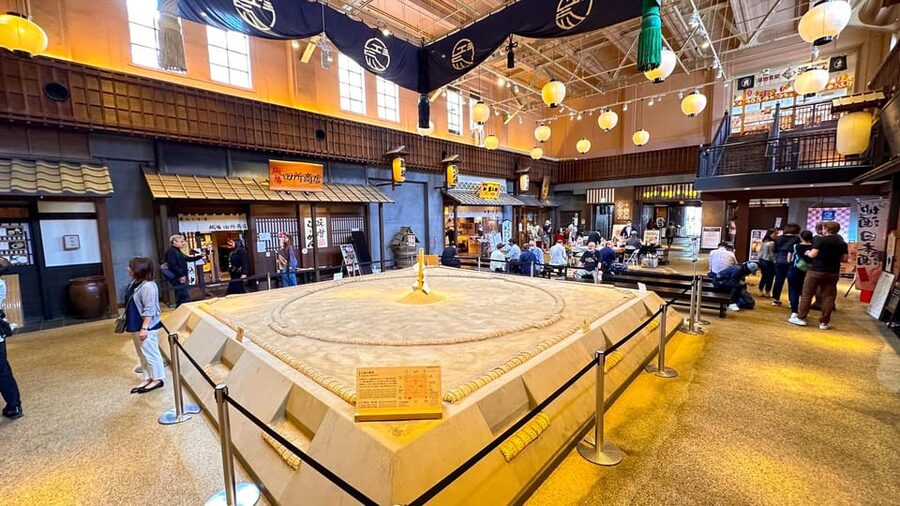
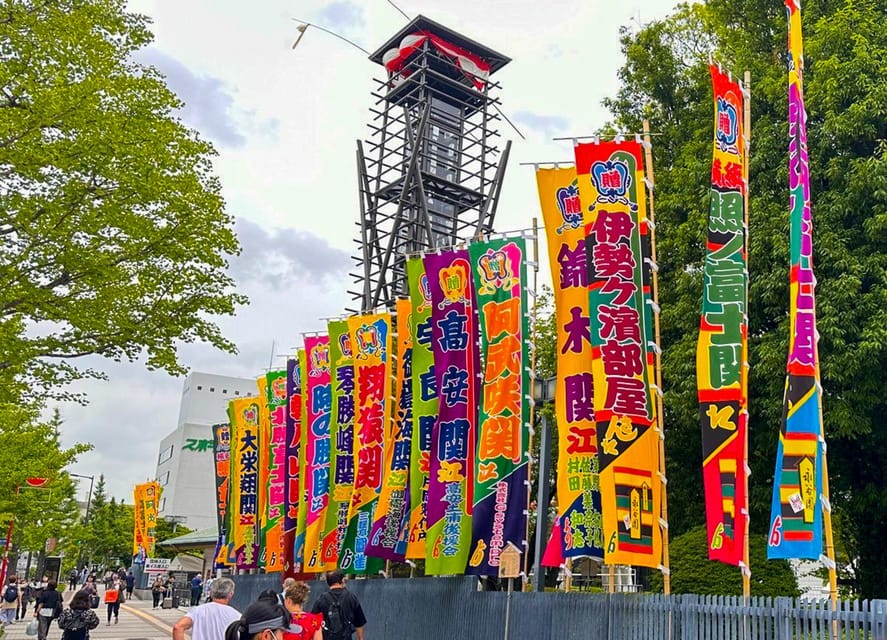
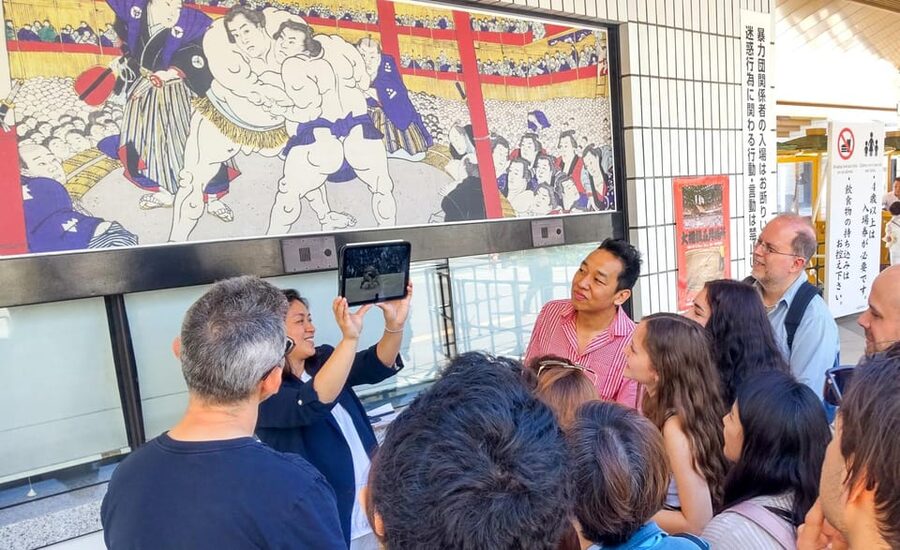
After the stable, the tour moves to Ryogoku Kokugikan for a short guided visit of about 15 minutes. This is Tokyo’s best-known sumo arena and the natural next stop after seeing wrestlers train.
Do not expect a full arena tour or a long museum visit in this brief segment. The benefit is context. You have just watched the private preparation behind the sport, and now you see the public stage where major bouts and tournaments take place.
If you are visiting Tokyo during a tournament and could not obtain a ticket, this stop helps connect the stable to the larger sumo world. It does not replace attending a tournament, but it gives the building meaning instead of leaving it as a landmark you simply photograph from outside.
The short timing also keeps the tour moving. After two hours sitting at the stable, a walk through Ryogoku is welcome. The pace can be brisk, though, so stay with the group, especially at crossings and busy station areas.
Ryōgoku Edo Noren and the final half hour
The final stop is Ryōgoku Edo Noren, where the group spends about 15 minutes on a guided visit and another 30 minutes for shopping and sightseeing. This gives you a more relaxed ending after the formal stable visit.
Ryōgoku Edo Noren is useful for browsing rather than as another major sumo attraction. You can look around, shop, and continue absorbing the local atmosphere before finishing at Ryogoku Station. Food and drinks are not included, so this is also a sensible place to buy something on your own if you need a snack afterward.
The stop can feel less essential if you are focused only on sumo training. I see it as a practical buffer that lets you end near the station rather than at the stable. It also gives you time to discuss what you saw with the guide and the rest of the group.
Is $103 a fair price?
At $103 per person, this is not a budget Tokyo activity. You are paying for access that is difficult to arrange independently, a small group, an English-speaking specialist, the wrestler photo, and a three-hour route through Ryogoku.
The value depends on what you want. If you simply want to see what a sumo wrestler looks like, the price is high. If you care about Japanese culture, sports, reporting, and access to places normally closed to the public, the cost is easier to justify.
The strongest value comes from the combination of stable entry and Shinya’s expertise. A basic neighborhood walk could explain where the arena is, but it could not give you the same close view of morning practice. A staged show might be more comfortable, but it would not offer the same working atmosphere.
I would not call it cheap, and one person described it as expensive while still considering it worthwhile. For many visitors, this is a once-per-trip choice. The price makes the most sense if you are unlikely to attend a full tournament and want a serious introduction rather than a novelty photo.
Sitting on the floor for two hours
You sit on the floor with a cushion during the stable visit. That is an important practical detail, not a footnote. The viewing period can run 90 minutes or longer, and small stools or floor seating may become uncomfortable if you have limited flexibility or a larger build.
You might be fine if you are used to sitting on the floor. If not, consider your knees, hips, ankles, and lower back before booking. The activity information does not promise chair seating, so do not assume a standard theater seat will be available.
The room may also feel crowded when another group is present. The group limit of 10 helps, but it cannot change the size of the stable. The close quarters are part of the access, so I would choose this tour only if you value proximity more than comfort.
There is no indoor smoking. Food and drinks are not included. Wear something comfortable for walking and floor sitting, and keep your belongings organized so you can settle quickly without disturbing the practice.
Who will enjoy this most?
I recommend this outing most strongly to:
- Sumo fans who want to see serious training rather than a staged demonstration.
- First-time visitors who want a cultural activity with real local access.
- People who enjoy asking detailed questions of a specialist.
- Visitors who cannot attend a tournament but still want to understand the sport.
- Families with children over five who can remain quiet and seated.
- Photographers and sports fans who value close observation.
You may want another option if you need comfortable chairs, constant narration, a casual drop-in format, or lots of hands-on activity. This is a respectful viewing experience. It asks you to be patient, quiet, and attentive.
The tour is also a good fit for someone who already knows sumo. The Q&A is not limited to basic rules, and Shinya’s reporting background can add detail about wrestlers and tournaments. Beginners, meanwhile, get enough explanation to follow the action without needing prior knowledge.
Booking and cancellation details
The tour lasts three hours, with starting times depending on availability. It offers free cancellation up to 24 hours in advance for a full refund, and you can reserve now and pay later. Those terms help if your Tokyo schedule is still changing.
The guide speaks English and Japanese. The tour is run as a small group with a maximum of 10 participants. Children under five are not suitable for the activity.
Bring your attention more than anything else. The stable visit rewards watching carefully, not checking your phone. If you prepare two or three questions in advance, you are more likely to get the most from the specialist discussion.
Should you book this sumo practice?
Book it if you want the real working side of sumo and can accept floor seating, quiet observation, and a less polished format. The close view of training, special stable access, photo opportunity, and Shinya’s journalism background make this a much stronger choice than a generic sumo-themed show.
Skip it if you want a comfortable seat, continuous commentary, or a performance built around audience participation. The practice may include repetition and silence, and the final Q&A may not cover every question before the group moves on.
For most people who are curious about sumo, I would choose this over a staged demonstration. Just arrive early, dress for comfort, sit patiently, and treat the stable as a working place rather than an attraction. That approach gives you the best chance of understanding why this three-hour morning can become one of your most memorable Tokyo activities.
FAQ
Where does the tour meet?
The meeting point is at Ryogoku HANA WA Building near Toei Oedo Line Ryogoku Station, exit A2 at ground level. It is about a five-minute walk from the east exit of JR Ryogoku Station.
How long does the activity last?
The total duration is three hours.
How much time is spent at the sumo stable?
The visit to Takasago-beya Sumo Stable takes about two hours.
Is this a staged sumo show?
No. You watch a professional morning practice at a real sumo stable. The wrestlers train rather than perform a show for the group.
Can I take photos with sumo wrestlers?
Yes. A photo with a sumo wrestler is included.
Is there a Q&A session?
Yes. The tour includes questions and answers with a long-time sumo expert. The guide, Shinya, is also a national newspaper sumo journalist.
What languages are available?
The live guide is available in English and Japanese.
How large is the group?
The group is limited to 10 participants.
Do I sit on the floor?
Yes. You sit on the floor to watch the practice, and a floor cushion is available. Sitting may become uncomfortable during the longer viewing period.
Are food and drinks included?
No. Food and drinks are not included.
Can children join the tour?
Children under five are not suitable for this activity.
Can I cancel for a full refund?
You can cancel up to 24 hours before the activity for a full refund. You can also reserve now and pay later.
New on the fixture list around Tokyo
- Tokyo: Sumo Morning Practice Viewing Tour at a Real Stable★ 4.9 · 32 reviews
- Tokyo: Sumo Morning Practice -Stable Visit Tour with a Guide★ 4.8 · 16 reviews
- Tokyo: Watching Sumo and Ryogoku Area Walking Tour★ 4.0 · 5 reviews
- Tokyo: Sumo Morning Practice Tour in Ryogoku and Photo Shoot★ 4.7 · 47 reviews
- Tokyo: Sumo Keiko Training Tour with Audio Guide & Photo★ 4.8 · 5 reviews
- Tokyo Sumo Morning Practice: Witness the Life of a Wrestler★ 4.8 · 56 reviews
- Tokyo Highlights Tour: Sumo, Sushi, Tea, and Tokyo Tower★ 5.0 · 2 reviews
- Tokyo: Sanctuary Authentic Grand Sumo Experience & Training★ 5.0 · 7 reviews
More Sumo Experiences in Tokyo to weigh up.
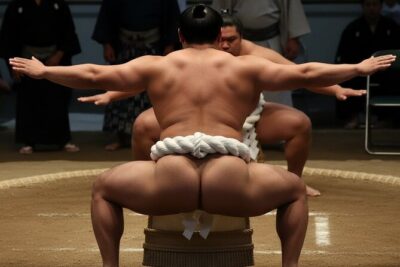
Tokyo Shinjuku Sumo Show & Experience with Photo
Read our review →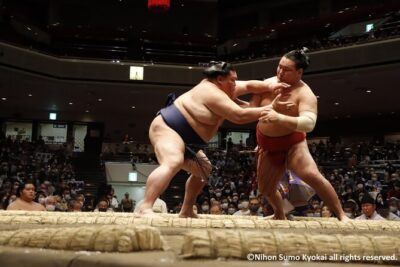
Tokyo Grand Sumo Tournament Viewing Tour with Tickets
Read our review →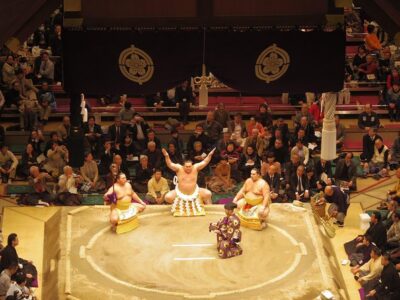
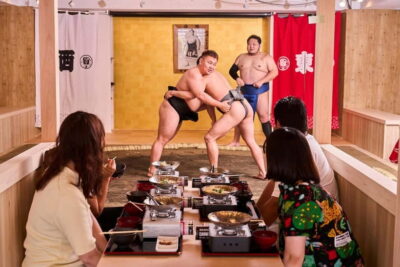
Tokyo:Luxury Sumo Show Experience & Japanese cuisine & Drink
Read our review →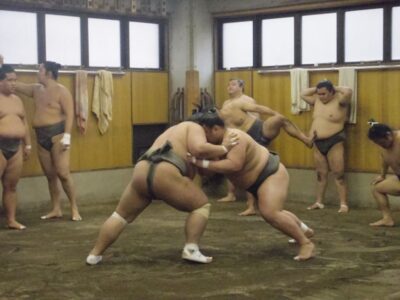
Tokyo Sumo Experience: Chanko & Mochi with a Former Pro
Read our review →This one also appears in