
Review · TOKYO
Ryogoku: Sumo Town Guided Walking Tour with Lunch
Ryogoku’s best lesson is not a match. It is the world around the ring: the stables where wrestlers train, the shrines and temples tied to sumo, the Kokugikan arena, and the everyday food that helps wrestlers build their enormous frames. This walking tour connects those pieces with an English-speaking guide and finishes with chanko-nabe, the hot-pot meal central to sumo life.
I like the small group, limited to eight, because it gives you room to ask plain questions about rules, rankings, rituals, and wrestler routines. I also like the food stop, which turns a cultural story into lunch you can taste. The main drawback is clear: you do not watch a sumo bout or enter a training session, and wrestlers may be away at a tournament or on vacation.
Key points to know before booking
- Chanko-nabe makes the sumo story edible: You learn why this hot pot is practical, balanced, hygienic, and tied to teamwork.
- Ryogoku is the subject, not just the setting: The route links stables, the Kokugikan, temples, shrines, and local cultural sights.
- Your guide shapes the experience: Jeff, Taka, Sue, Yoko, and Jean have led versions of this walk, with explanations ranging from sumo customs to wider Japanese culture.
- The group is capped at eight: That is useful when you want to ask detailed questions without shouting across a large crowd.
- Real wrestler sightings are possible but not promised: You may see wrestlers around the neighborhood, but the tour does not include practice viewing.
- Allow three and a half hours on foot: Wear comfortable shoes and expect a cultural walk with a seated lunch at the end.
Why Ryogoku is the right place to learn sumo
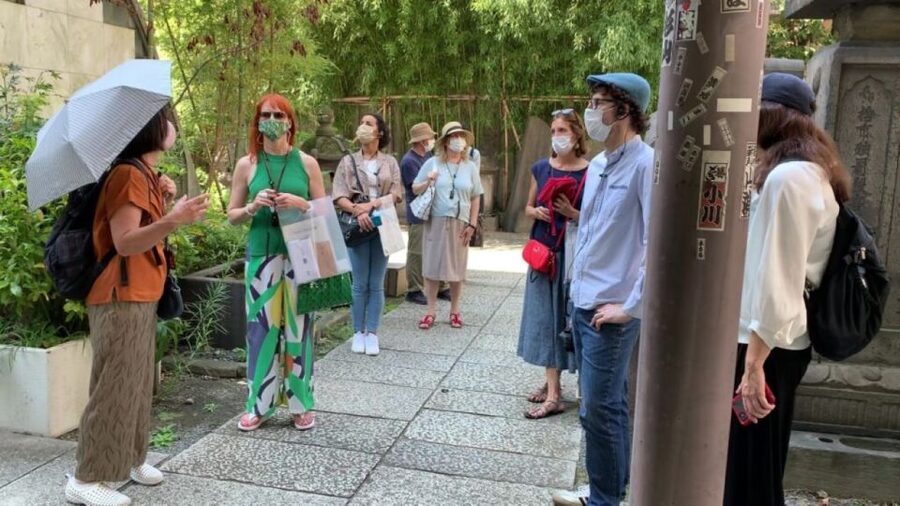
If sumo seems like two large men pushing each other from a circle, Ryogoku will correct that picture. This district is closely linked to the sport, and the tour uses its streets to explain how sumo grew over roughly 1,600 years.
You learn that sumo is not only sport. It connects to Shinto ritual, Buddhist traditions, Japanese food, old images, swords, gardens, and neighborhood life. That wider frame matters because many of the gestures around a bout can otherwise seem mysterious. The salt, the ring, the bowing, the waiting, and the strict rules make more sense once you know where they came from.
I would choose this tour early in a Tokyo visit if sumo interests you. It gives you a vocabulary for the sport before you buy a ticket or watch a tournament on television. You can ask why wrestlers have different ranks, how careers work, and what daily life inside a stable involves.
The guide is the key part of that value. Previous walks have been led by Jeff, Taka, Sue, Yoko, and Jean. The most praised guides have mixed facts with humor and personal warmth. Taka has been described as funny and informative, while Sue has been especially good at linking individual sights to broader Japanese culture. Yoko is also noted for her enthusiasm for the sport and her ability to keep the route moving in poor weather.
More Sumo Experiences in Tokyo
- Tokyo: Sumo Show and Dining Experience
★ 4.8 · 2,742 reviews - the SUMO show
★ 5.0 · 1,960 reviews - Tokyo Shinjuku Sumo Show & Experience with Photo
★ 5.0 · 1,750 reviews
Starting outside Ryogoku Station
The meeting point is outside the Toei Oedo Line station at Ryogoku. That is a practical start, since you do not need to hunt for a distant restaurant or museum entrance.
From there, the walk moves through the sumo quarter at a relaxed but purposeful pace. The schedule gives about 15 to 30 minutes to most stops, with one hour reserved for lunch. Since the tour lasts 210 minutes, you should expect a substantial walk rather than a series of quick photo stops.
Wear comfortable shoes. The experience is not suited to people with mobility impairments, and the route includes repeated walking between sights. The tour is offered in English, with a live guide and a group limit of eight.
Seeing the sumo stables from the street
One of the most useful parts of the walk is the chance to see sumo stables from outside. A stable is where wrestlers live and train, and it is also where much of their daily structure takes shape.
Do not book this expecting to go inside. The advertised experience provides outside views and an explanation of stable life. You learn about training, careers, food, and the relationship between senior and junior wrestlers without treating the stable as a tourist attraction.
The first stable listed is Hakkaku-beya, with about 15 minutes for guided sightseeing and walking. Later, the route reaches Kasugano-beya, also for about 15 minutes. Seeing two stable locations helps you understand that sumo is part of the neighborhood rather than something confined to the arena.
You might see wrestlers on nearby streets. One participant saw two wrestlers relaxing behind a stable, with their loincloths airing in the sunshine after practice. That kind of encounter is memorable precisely because it is ordinary. Still, it is not scheduled, so you should treat it as a possible bonus rather than a promise.
The timing of your visit also matters. If wrestlers are away for a tournament in Nagoya, or the sumo world is on vacation, the streets may be quieter. The tour remains useful in that situation, but you should not expect practice activity.
Ryogoku Kokugikan and the meaning of a sumo arena
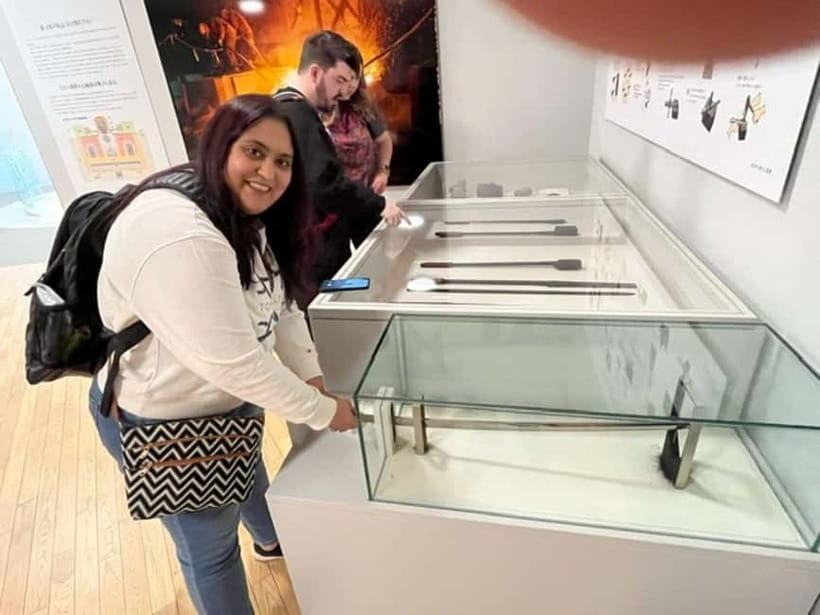
Ryogoku Kokugikan is the district’s major sumo landmark. The tour includes about 30 minutes of guided sightseeing around the arena area, giving your guide time to explain its role in Japanese sumo.
This is especially helpful if you plan to attend a tournament later. The tour does not include a bout, but it can make the arena feel less like a sealed building and more like the center of a long-running sporting tradition.
Your guide can also answer questions that are hard to resolve from a casual visit. You can ask about the structure of a tournament, sumo ranks, the importance of ceremony, and the daily demands placed on wrestlers. Those details improve the experience of watching a match because you begin to notice more than the final shove.
If you are booking this tour only because you want to see live sumo, choose carefully. The walk is preparation for a match, not a substitute for one. You will not receive a tournament ticket, and no actual bout is included.
Same city, another way to catch the action:
- Tokyo: Sumo Show and Experience in Shinjuku
★ 4.8 · 1,001 reviews - Tokyo Grand Sumo Tournament Viewing Tour with Tickets
★ 5.0 · 692 reviews - Tokyo Sumo Wrestling Tournament Experience
★ 5.0 · 660 reviews - Tokyo:Luxury Sumo Show Experience & Japanese cuisine & Drink
★ 4.7 · 577 reviews
Ryogoku Edo Noren and the local cultural setting
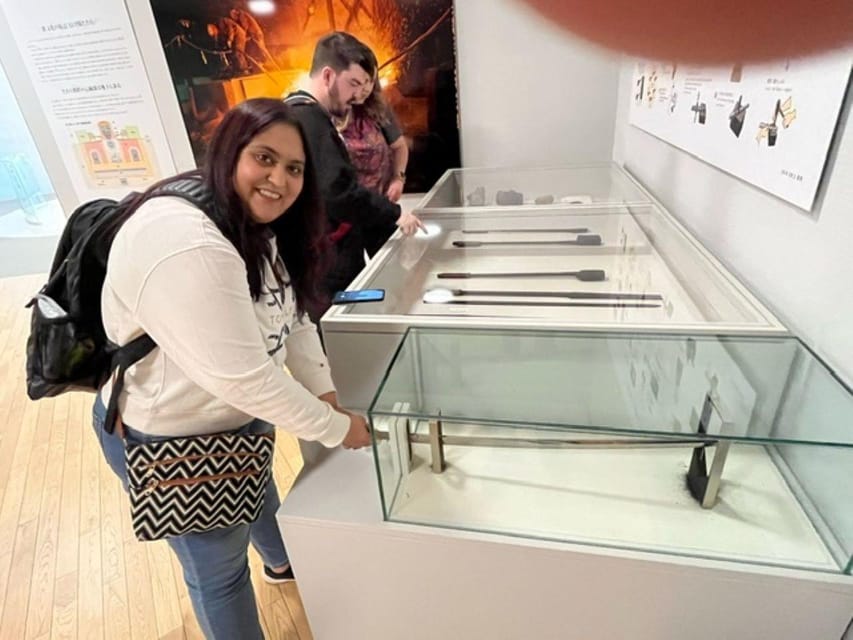
The itinerary allows about 30 minutes at Ryogoku Edo Noren. This stop adds a different feel to the day. Instead of focusing only on the arena and stables, the tour places sumo within a wider picture of Edo and Tokyo culture.
The area helps show how food, old customs, and neighborhood identity sit alongside modern Tokyo. Your guide may also connect the sumo story with Japanese woodblock prints, swords, gardens, shrines, and temples. These subjects are not random extras. They help you understand the visual and religious world that surrounds sumo.
This is where a good guide makes a real difference. A sign or building can be easy to pass without context. With an explanation, the same place becomes part of a story about how Japanese traditions developed and how they are still presented today.
Ekō-in and the religious side of sumo
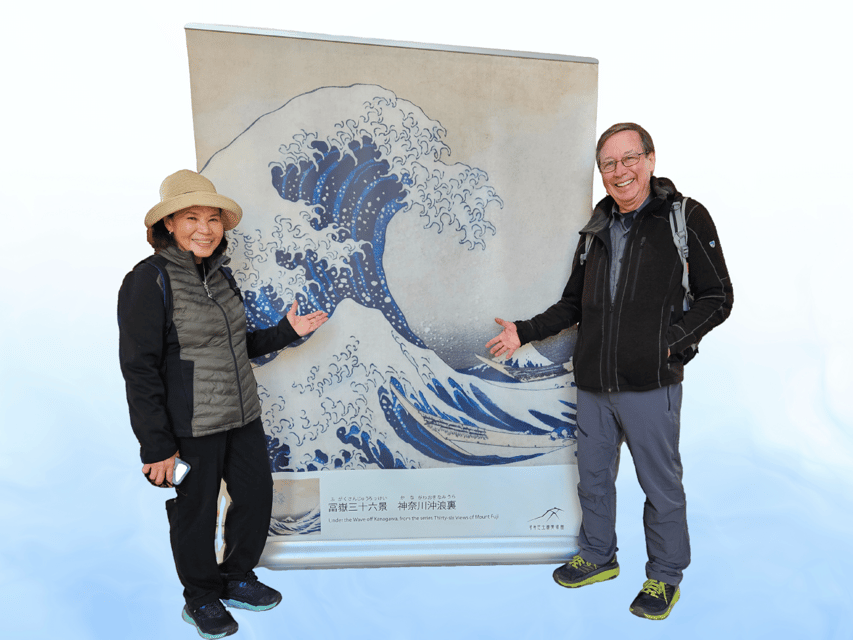
The route includes about 15 minutes at Ekō-in, a Buddhist temple. This short stop broadens the tour beyond sport and gives you a look at the religious side of the district.
Sumo has strong Shinto associations, but Japanese culture does not divide neatly into one tradition at a time. A Buddhist temple, a Shinto shrine, the arena, and a wrestler’s stable can all appear in the same neighborhood. The guide uses these places to explain how religion and daily customs overlap.
You should not expect a long temple visit or a separate religious tour. Ekō-in is one piece of a larger walk. Its value comes from the connections your guide makes between the site, Japanese belief, and the ritual nature of sumo.
The lunch lesson: chanko-nabe in Ryogoku
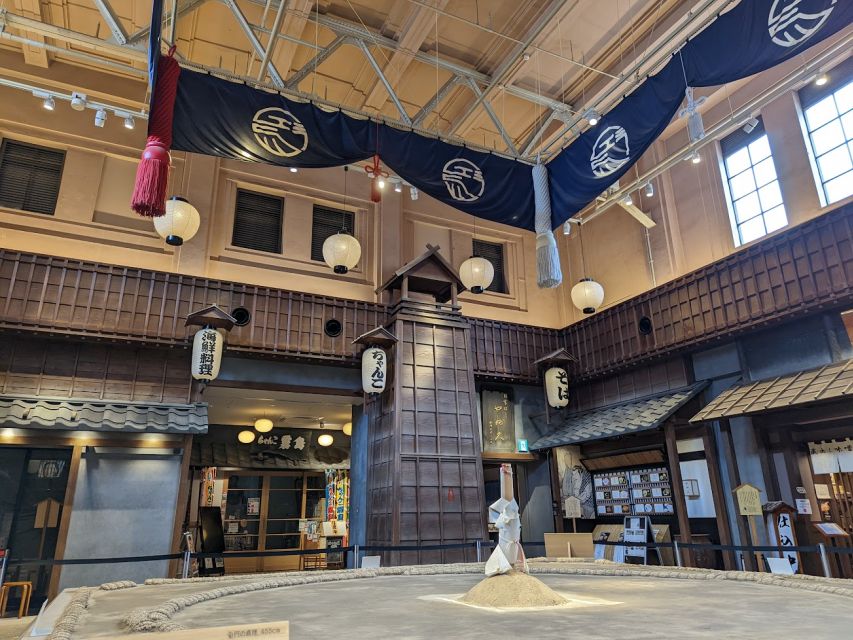
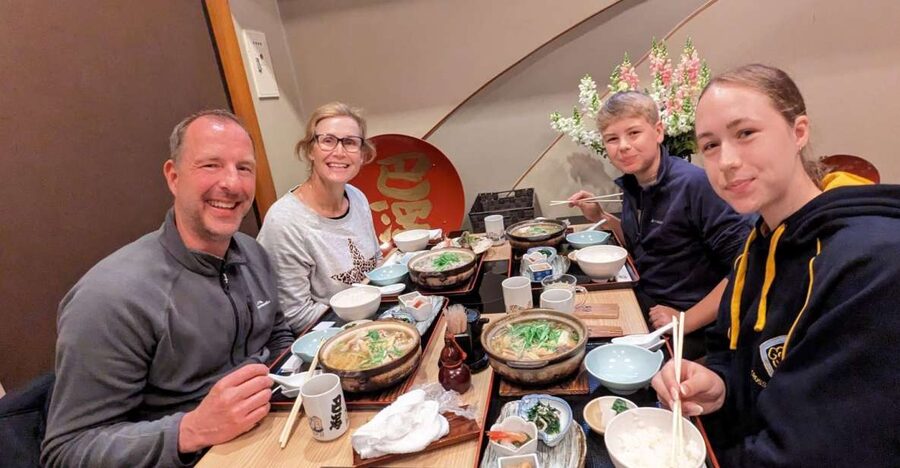
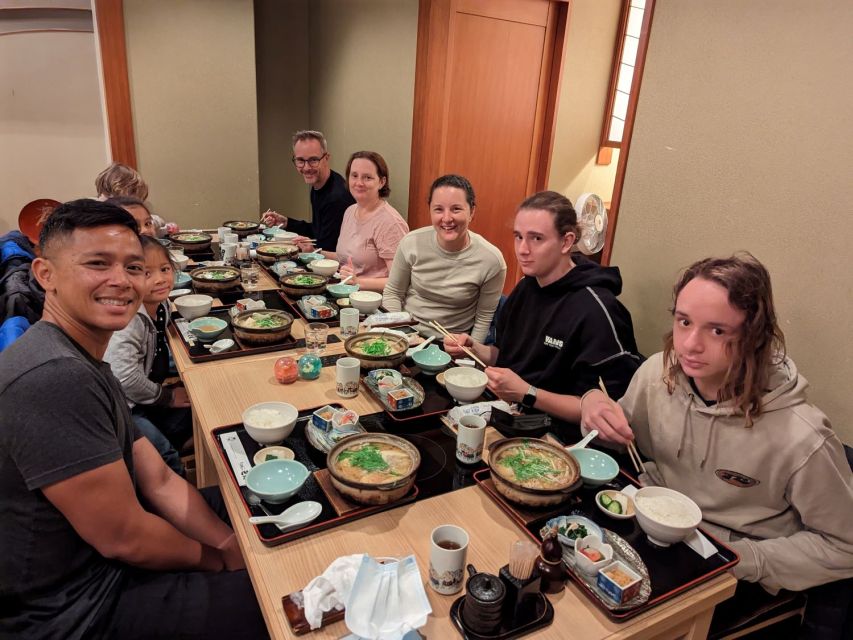
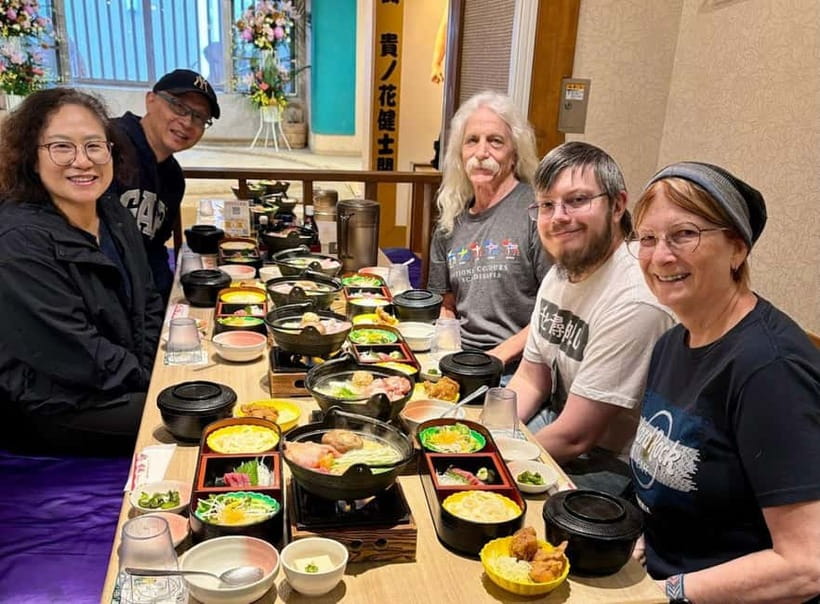
The meal is one of the tour’s strongest features. At Hana no Mai, near the Edo-Tokyo Museum front, you eat chanko-nabe at a seafood pub setting. Lunch lasts about an hour and is included in the $122 price.
Chanko-nabe is a hot pot associated with sumo wrestlers. It is used to help build body weight and muscle, but its popularity inside stables also has practical reasons. Wrestlers prepare the meal themselves because professional cooks are not available. A dish that cooks in one pot, offers a balanced range of nutrients, and stays hot during preparation fits that setting well.
There is also a social reason to eat it. Sharing one pot encourages a sense of solidarity and teamwork. That makes the meal more than a bowl of soup with ingredients. It reflects the collective life of the stable.
You can expect the dish to be hearty and filling, with the exact contents depending on the restaurant’s preparation. The meal has been praised as tasty and traditional, and it gives the tour a satisfying finish after several hours of walking.
There is one fair warning. One account described the lunch service as crowded, with several groups arriving at the same time and a feeling that it was aimed at tourists. That does not erase the cultural value of the meal, but it may affect the atmosphere. If you prefer a quiet, highly personal restaurant experience, this is the part of the tour to approach with modest expectations.
The food allergy warning is important. The tour is not suitable for people with food allergies, and you should take that limitation seriously rather than assume the menu can be changed.
How much value do you get for $122?
At $122 per person, this is not a cheap neighborhood walk. The price includes three and a half hours, a live English-speaking guide, a small group capped at eight, and lunch at a chanko-nabe restaurant.
I think the value depends on what you would otherwise do. If you would spend the morning walking around Ryogoku alone, you would see the same broad district but miss much of the meaning behind the stables, arena, temple, and food. The guide is what turns separate sights into one clear lesson.
The tour is also useful for people who do not have tickets to a tournament. You gain enough background to enjoy sumo later in Japan or at home. If you already know the sport well, however, you may find the general cultural material less rewarding than a specialist lecture or actual practice viewing.
The small group helps justify the cost. You can ask about details that interest you, and the guide can adjust explanations to the group. That matters more here than on a simple sightseeing loop because sumo has many rules and customs that are easy to confuse.
Who should book this Ryogoku walk?
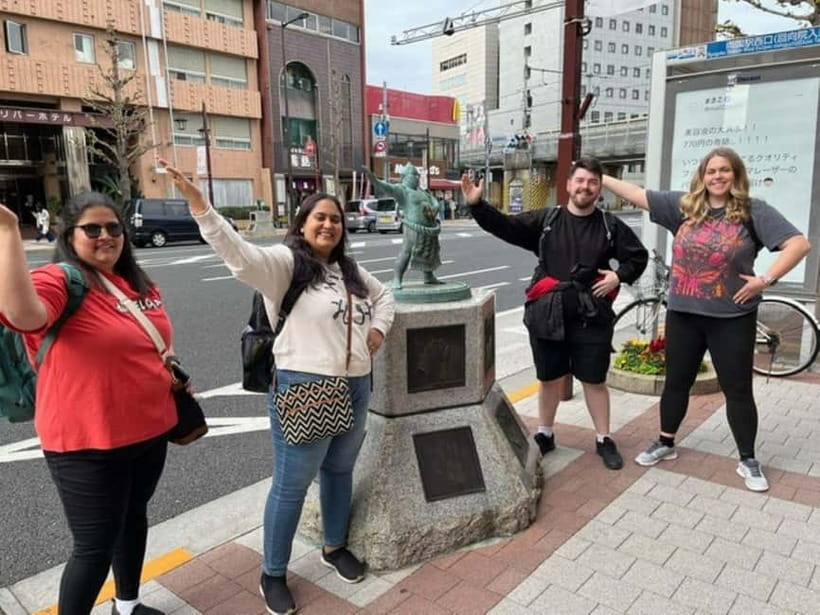
I would recommend it to first-time sumo fans, visitors curious about Japanese customs, and anyone who wants more than a photograph of the Kokugikan. It suits you especially well if you enjoy learning through food and place.
It is also a good choice if your schedule does not line up with a tournament. You can still see the district, hear how sumo began and developed, and learn what life inside a stable involves.
Families with older children may enjoy it, though the walking and detailed explanations require attention. The small group also makes it easier to ask questions without holding up a large crowd.
I would skip it if your main goal is to watch wrestlers fight, see a training session, or enter a stable. None of those are included. I would also skip it if you have mobility limitations or food allergies, since the tour specifically lists those concerns.
Free cancellation up to 24 hours before the start and the option to reserve now and pay later make the booking less rigid. Still, the most important choice is your expectation: this is a guided cultural walk with lunch, not a match-day experience.
Should you book the Sumo Town Guided Walking Tour?
Book it if you want to understand what you are seeing when you watch sumo. The combination of Ryogoku landmarks, stable-life explanations, religious sites, and chanko-nabe gives you a fuller picture than a quick visit to the arena.
The strongest reason to go is the guide. Jeff, Taka, Sue, Yoko, and Jean have each brought different strengths, from humor to detailed cultural explanations. The strongest reason to hesitate is the lack of guaranteed wrestler activity. You may see wrestlers around town, but the tour cannot promise it.
For a visitor who wants a friendly, focused introduction to sumo, I think the $122 price is reasonable because it includes lunch and a very small group. For a serious fan seeking live action, spend that money on a tournament ticket instead, or pair this tour with one if your schedule allows.
FAQ
Does this tour include watching a sumo bout?
No. The tour does not include an actual sumo match. It provides background that can help you enjoy a bout in Japan or at home.
Can I watch sumo wrestlers train?
No training session is included. You see sumo stables from outside and learn about wrestler life and careers. You might see wrestlers in the neighborhood, but this is not guaranteed.
What food is included?
Lunch is chanko-nabe, the hot-pot dish associated with sumo wrestlers. The meal is served at a chanko-nabe restaurant in Ryogoku, listed at Hana no Mai near the Edo-Tokyo Museum front.
How long does the tour last?
The tour lasts 210 minutes, or three and a half hours. It begins outside Ryogoku Station and finishes at 2-chōme-17-17 Ryogoku, Sumida City, Tokyo.
How large is the group?
It is a small-group tour limited to eight participants. The live guide speaks English.
What should I bring, and who may find the tour unsuitable?
Bring comfortable shoes because the experience involves walking between several sights. It is not suitable for people with mobility impairments or food allergies.
New on the fixture list around Tokyo
- Tokyo: Sumo Morning Practice -Stable Visit Tour with a Guide★ 4.8 · 16 reviews
- Tokyo: Watching Sumo and Ryogoku Area Walking Tour★ 4.0 · 5 reviews
- Tokyo: Sumo Morning Practice Viewing Tour at a Real Stable★ 4.9 · 32 reviews
- Tokyo: Sumo Morning Practice Tour in Ryogoku and Photo Shoot★ 4.7 · 47 reviews
- Tokyo: Sumo Keiko Training Tour with Audio Guide & Photo★ 4.8 · 5 reviews
- Tokyo Sumo Morning Practice: Witness the Life of a Wrestler★ 4.8 · 56 reviews
- Tokyo Highlights Tour: Sumo, Sushi, Tea, and Tokyo Tower★ 5.0 · 2 reviews
- Tokyo: Sanctuary Authentic Grand Sumo Experience & Training★ 5.0 · 7 reviews
More Sumo Experiences in Tokyo to weigh up.

Tokyo Shinjuku Sumo Show & Experience with Photo
Read our review →
Tokyo Grand Sumo Tournament Viewing Tour with Tickets
Read our review →
Tokyo:Luxury Sumo Show Experience & Japanese cuisine & Drink
Read our review →
Tokyo Sumo Experience: Chanko & Mochi with a Former Pro
Read our review →This one also appears in