
Review · TOKYO
Tokyo: Sumo Show and Experience in Shinjuku
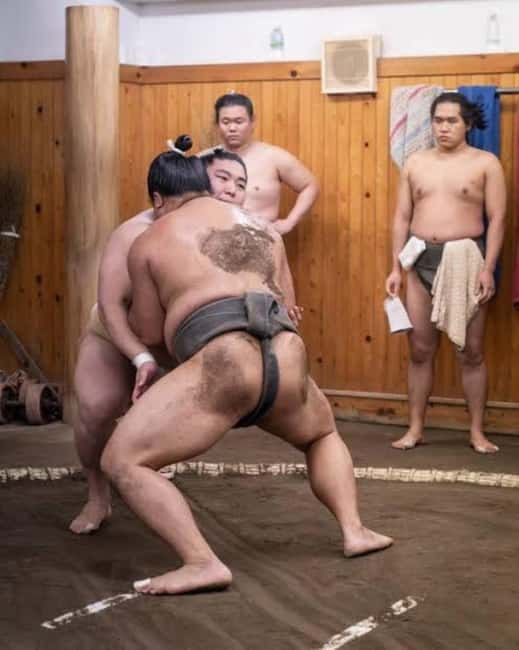
Sumo gets personal here. You do not simply watch two large men collide from a distant stadium seat. You learn why they stomp, throw salt, and bow, then see the techniques up close before some audience members step into the dohyo themselves. Paula, Dai, and Ari have each led recent sessions with humor and clear English.
I especially like the mix of real sumo technique and easygoing crowd fun, plus the chance to wear a traditional outfit and test your nerve against a wrestler. The main point to understand is that this is not a tournament. It is a staged cultural show with demonstrations and exhibition matches, so serious sumo fans may want to pair it with an official competition.
Key points at a glance
- A 90-minute introduction: History, rules, rituals, training movements, demonstrations, and matches fit into a compact Shinjuku session.
- English guidance: The MC explains shiko foot stomping, salt throwing, match rules, techniques, and fouls in clear English.
- Audience participation: You may put on a sumo outfit, enter the ring, and challenge one of the wrestlers.
- Professional performers: Rikishi such as George, Guchi, and Ide demonstrate the sport with both skill and comic timing.
- Family-friendly format: Children and adults can follow the explanations, laugh at the staged bouts, and learn together.
- Important limitation: This is an exhibition experience, not an official tournament or a full professional match day.
What the Shinjuku Sumo Show Really Offers
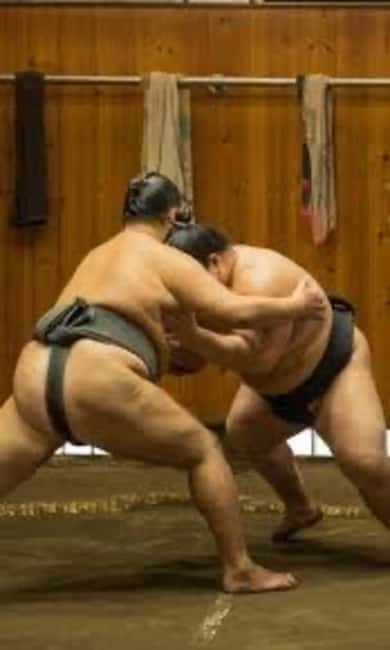
For $69, this is a short, polished introduction to sumo rather than a ticket to Japan’s national competition. That distinction matters. You are paying for explanation, performance, and personal contact in central Tokyo, not for a full day at a major arena.
I like the format because sumo can be hard to understand when you first encounter it. A bout may last only seconds, and without context, the rituals before it can seem longer than the contest itself. Here, the MC explains what you are seeing before the wrestlers demonstrate it.
The show also gives you something an ordinary tournament cannot easily provide: a chance to ask questions and stand close to the wrestlers. You may even be invited into the ring. That personal element is the strongest reason to book this experience instead of simply watching a few bouts on television.
The tradeoff is authenticity of setting. This takes place in a Shinjuku entertainment venue, not a sumo stable or tournament hall. The matches are presented for an audience, with humor and participation built into the program. If you want a formal, quiet look at professional competition, this will feel light. If you want to understand the sport and have a memorable evening, the approach works well.
More Sumo Experiences in Tokyo
- Tokyo: Sumo Show and Dining Experience
★ 4.8 · 2,742 reviews - the SUMO show
★ 5.0 · 1,960 reviews - Tokyo Shinjuku Sumo Show & Experience with Photo
★ 5.0 · 1,750 reviews
Finding the Venue Beside Daiso
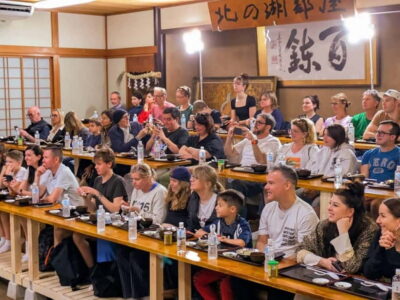
The meeting point is on the second floor of the Sekisaku Building in Shinjuku. Entry is only through the front of the building, facing the main door next to Daiso. That instruction is worth taking seriously because the venue follows a fixed schedule, and late entry may not be accepted at the front desk.
I would arrive early enough to locate the correct entrance without rushing. Shinjuku has plenty of signs, lanes, shops, and competing entrances, so a few extra minutes can save you from missing the opening explanation. The show lasts only 90 minutes, and the early material helps make the later demonstrations easier to follow.
The central location is useful if you are planning a full day in Shinjuku. You can fit the show between sightseeing stops, shopping, or dinner. Food is not included, but the experience does include bottled water as a welcome drink. Some sessions may offer other drinks, but you should not book this expecting a meal or a food tour.
The Opening Lesson: Ritual Before Force
The show begins by placing sumo in its cultural setting. The MC explains the customs and discipline behind the sport, then introduces actions such as shiko, the forceful foot-stomping exercise associated with sumo training.
You also see the dramatic salt throwing. It may look theatrical at first, but the guide connects these gestures to the ritual life of the sport. This is where an English-speaking host makes a real difference. You can watch a tournament online, but it is harder to grasp the purpose of each movement without someone translating the rules and traditions into plain language.
Recent hosts have included Paula, Dai, and Ari. Their styles vary, but the strongest sessions use humor without treating the sport as a joke. Paula has been praised for keeping the audience involved, while Dai has handled detailed questions well. Ari has also been singled out for drawing the children and adults into the action.
The lesson covers more than ceremony. You learn about rules, legal techniques, fouls, training, and the professional discipline required of a rikishi. One useful insight is that sumo is not just about size. Position, balance, timing, mental control, and knowing how to use an opponent’s movement all matter.
Watching the Rikishi Demonstrate Their Skills
Once the basics are clear, the wrestlers show you how the sport works. They demonstrate individual movements and techniques before taking part in exhibition bouts. This sequence is important because it turns a fast contest into something you can read.
Names that appear in recent sessions include George, Guchi, and Ide. The exact pairing may vary, but the format centers on professional sumo wrestlers who can explain, demonstrate, and entertain. You get to see the physical difference between a training movement and a full-force clash.
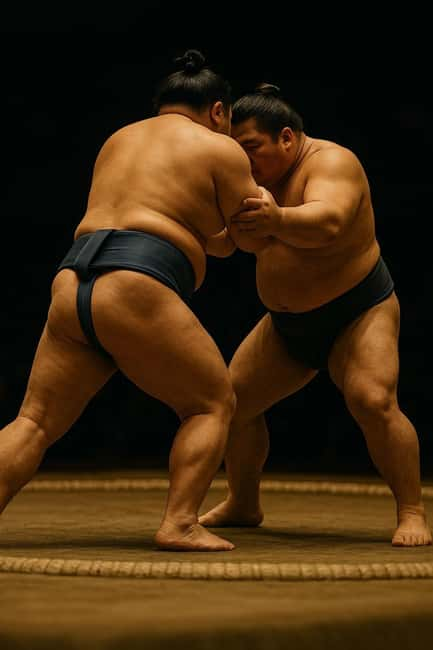
The noise and sudden movement are part of the fun. Sumo looks slow only until the bout starts. The charge across the dohyo is brief and explosive, and the audience can better appreciate it after seeing the setup.
The matches are presented as demonstrations or exhibitions. They are not official tournament bouts, and the result is not the main point. The wrestlers may play to the crowd, use comic timing, and make the action accessible to first-time viewers. That helps families and beginners, though a dedicated sumo follower may find the contests less serious than competition at a national tournament.
Same city, another way to catch the action:
- Tokyo Grand Sumo Tournament Viewing Tour with Tickets
★ 5.0 · 692 reviews - Tokyo Sumo Wrestling Tournament Experience
★ 5.0 · 660 reviews - Tokyo:Luxury Sumo Show Experience & Japanese cuisine & Drink
★ 4.7 · 577 reviews - Tokyo: Sumo Morning Practice Viewing Tour
★ 4.8 · 570 reviews
Entering the Dohyo in a Sumo Outfit
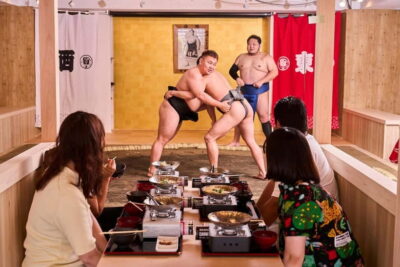
The most unusual part comes after the demonstrations, when selected audience members can put on a traditional sumo outfit and enter the ring. You then challenge one of the wrestlers in a playful bout.
Do not expect a fair contest. You will be facing someone trained for this sport, and your chance of overpowering a professional is close to zero. That is exactly why the segment works. The wrestler can control the pace, protect the participant, and create a funny moment for the audience.
Several parents have found this especially memorable for children. Adults can join too, and the experience can become the highlight of the session even for people who arrived mainly to watch. If you are shy about being called forward, you can enjoy the attempts made by other audience members. The crowd interaction is a major part of the program, not a minor extra.
The outfit also changes your understanding of the sport. A sumo belt and a few steps inside the dohyo make the size, balance, and close contact feel more real. You quickly learn that strength alone is not enough. Even a light push from a trained wrestler can make your stance disappear.
Photos with the wrestlers may be possible as part of the interaction, as one recent session included that opportunity. Since the supplied details do not promise a photo for every booking, treat it as a possible bonus rather than a guaranteed inclusion.
Why the English Explanation Matters
The show’s best feature is not simply that it uses English. It is that the explanation comes at the right moments. The MC introduces a ritual, shows you the movement, then helps you recognize it during the bout.
That structure is useful if you have never watched sumo. You learn the vocabulary without having to memorize a long lecture. Terms such as dohyo, rikishi, and shiko become attached to things you can see.
The hosts also encourage questions. That gives you a chance to ask about rules, training, or the wrestlers’ work. The atmosphere is informal, so you are not expected to arrive with specialist knowledge.
I would still keep your expectations realistic. This is an entertaining presentation, not a language lesson or a scholarly seminar. The humor, audience volunteers, and staged bouts take up a good portion of the 90 minutes. For most first-time visitors, that balance is a benefit. For an expert in sumo, it may feel introductory.
A Good Choice for Families and First-Time Viewers
This experience suits families particularly well because it combines short explanations with action. Children can watch the wrestlers move, see the costumes, and understand the basic goal without sitting through a long formal program.
Adults also get more from it than a simple photo opportunity. The discussion of fouls, tactics, and discipline can change the way you watch a later tournament. One useful strategy is to attend this show before seeing an official competition, since the rules and gestures will make more sense afterward.
It also works for friends who want an evening activity with some participation. You can learn together, laugh at the volunteer bouts, and still see genuine sumo technique. The mood is welcoming, with staff members sometimes chatting with people before the show begins.
This is less suitable if you dislike audience involvement or do not want the possibility of being invited into the ring. You can watch from your seat, but the program is designed to include the crowd. It is also not the best fit for someone seeking a quiet, formal cultural performance.
Is $69 Good Value for 90 Minutes?
At $69 per person, the price is higher than a basic museum visit but reasonable for a hosted performance with professional wrestlers and audience participation in central Tokyo. You are paying for several parts at once: an English guide, live demonstrations, exhibition matches, the sumo outfit, the chance to challenge a wrestler, and bottled water.
The value improves if you are new to sumo. Without the explanations, a short bout can be difficult to interpret. The MC gives you the tools to understand what happens, so the show can improve a later tournament visit or make televised sumo more enjoyable.
The value is weaker if you want a full meal, a long event, or official competition. Food is not included, and 90 minutes passes quickly. You should also remember that the performance is designed for visitors, with humor and controlled audience bouts.
I would compare it with the cost of a good evening activity rather than with the price of a sports ticket. If the alternative is spending an hour and a half in a bar or wandering Shinjuku without a plan, this offers a clear cultural focus and a memorable personal encounter.
Timing, Cancellation, and Practical Details
The experience lasts 90 minutes, but the starting time depends on availability. The schedule is fixed, so late arrival is a genuine concern. Follow the meeting instructions carefully and use the entrance at the front of the Sekisaku Building beside Daiso.
The tour is conducted in English with a live guide. You receive bottled water, but food is not part of the booking. Plan a meal before or after the show if you want one.
You can cancel up to 24 hours before the activity for a full refund. A reserve-now, pay-later option is also available, which helps if your Tokyo schedule is still changing.
Because the event is compact, I would avoid booking it too close to another fixed appointment. Allow time to find the building, settle in, and enjoy the opening. Missing the first explanation would reduce the value of the rest.
My Verdict: Who Should Book It?
I would book this if you want a clear, lively introduction to sumo with a real chance to interact with professional wrestlers. It is especially good for families, first-time visitors, and anyone planning to attend an official tournament later.
I would skip it if you expect a formal tournament, a full meal, or serious competition from start to finish. The show is educational and funny by design, and the exhibition format is part of the deal.
For most visitors, the mix of ritual, instruction, explosive demonstrations, and ring participation makes $69 a fair price. Just arrive on time, understand that this is not a tournament, and be ready for the possibility that your own sumo career will end very quickly.
FAQ
Where does the sumo show take place?
The meeting point is on the second floor of the Sekisaku Building in Shinjuku. Enter through the front of the building facing the main door next to Daiso.
How long does the experience last?
The show lasts 90 minutes.
Is this an official sumo tournament?
No. It is a sumo show with professional demonstrations and exhibition matches, not a tournament.
Is the experience conducted in English?
Yes. A live English-speaking MC explains the rituals, techniques, rules, and demonstrations.
Can I wrestle a sumo wrestler?
You have the opportunity to wear a traditional sumo outfit, enter the dohyo, and challenge a sumo wrestler. Participation may involve selected audience members.
Is food included?
No. Food is not included. Bottled water is provided as a welcome drink.
What is the cancellation policy?
You can cancel up to 24 hours in advance for a full refund. A reserve-now, pay-later option is also available.
New on the fixture list around Tokyo
- Tokyo: Sumo Morning Practice -Stable Visit Tour with a Guide★ 4.8 · 16 reviews
- Tokyo: Watching Sumo and Ryogoku Area Walking Tour★ 4.0 · 5 reviews
- Tokyo: Sumo Morning Practice Viewing Tour at a Real Stable★ 4.9 · 32 reviews
- Tokyo: Sumo Morning Practice Tour in Ryogoku and Photo Shoot★ 4.7 · 47 reviews
- Tokyo: Sumo Keiko Training Tour with Audio Guide & Photo★ 4.8 · 5 reviews
- Tokyo Sumo Morning Practice: Witness the Life of a Wrestler★ 4.8 · 56 reviews
- Tokyo Highlights Tour: Sumo, Sushi, Tea, and Tokyo Tower★ 5.0 · 2 reviews
- Tokyo: Sanctuary Authentic Grand Sumo Experience & Training★ 5.0 · 7 reviews
More Sumo Experiences in Tokyo to weigh up.
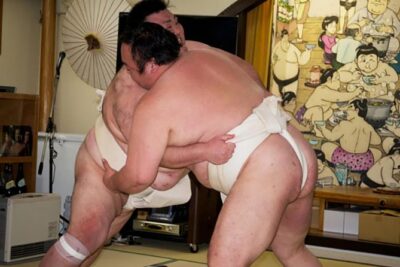
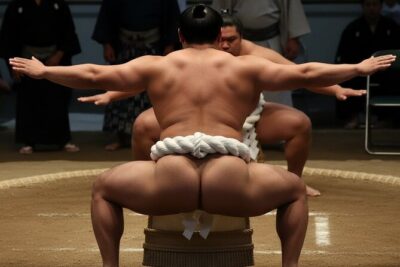
Tokyo Shinjuku Sumo Show & Experience with Photo
Read our review →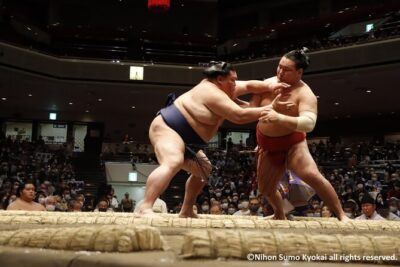
Tokyo Grand Sumo Tournament Viewing Tour with Tickets
Read our review →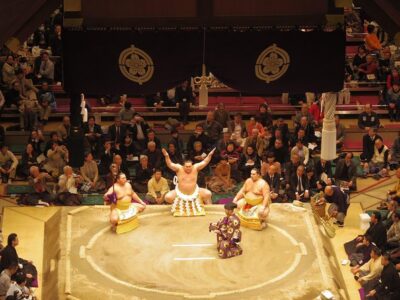
Tokyo:Luxury Sumo Show Experience & Japanese cuisine & Drink
Read our review →
Tokyo Sumo Experience: Chanko & Mochi with a Former Pro
Read our review →This one also appears in