
Review · TOKYO
Tokyo: Sumo Morning Practice Viewing Tour at a Real Stable
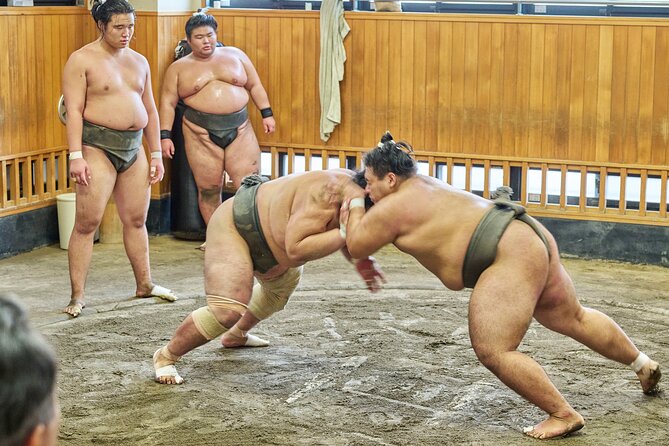
Watching sumo wrestlers train only a few feet away is the heart of this experience. You hear the slap of flesh, the stamp of feet, and the force of each bout in a real stable where wrestlers live, eat, and train. I especially like the close ringside view and the clear background from guides such as Mao, Yuki, Kawa, and Tomo.
I also like that this is working practice, not a staged show. The drawback is strict: you must remain quiet and seated until the session ends, and late arrival can mean missing the stable altogether.
Key points to know before booking
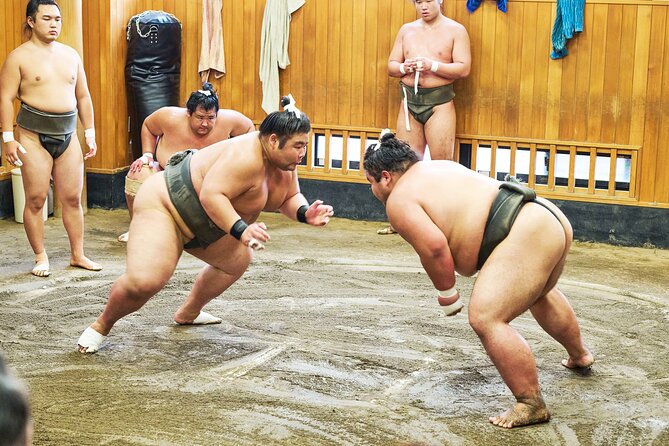
- Real morning practice: Watch wrestlers train in a working stable that is normally closed to the public.
- Close view of the ring: Sit beside the practice area and see the speed, strength, and rituals at close range.
- English explanations: Guides explain rules, Shinto customs, rankings, and daily sumo life.
- Strict stable etiquette: Wear modest clothing, silence your phone, avoid movement, and make no noise.
- A fixed early schedule: You must stay until practice ends, usually around 9:00 to 10:00 AM.
- Not for young children: The activity is unsuitable for anyone under 11.
Why real sumo practice feels different from a match
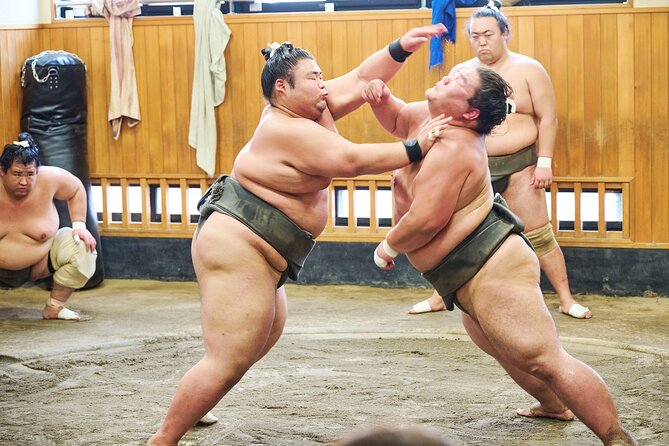
A professional tournament gives you the color and ceremony of sumo. This visit gives you the work behind it.
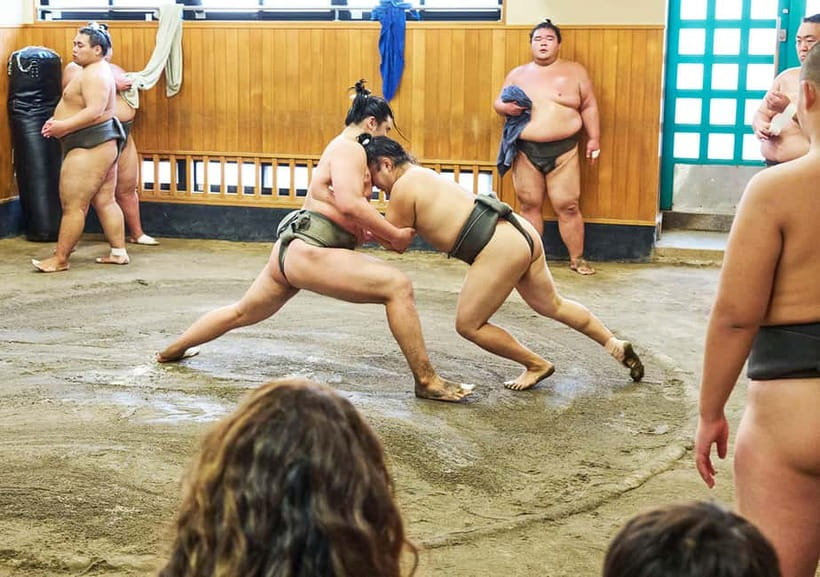
At the stable, you are not watching a performance arranged for visitors. The wrestlers follow their training routine while you sit quietly at the side of the ring. Their attention remains on practice, not on entertaining you. That can feel almost startling at first. You are present in a place where the sport is built day after day.
The action is physical, but it is not simply a series of heavy men pushing one another. Sumo depends on balance, timing, speed, flexibility, and explosive force. A wrestler may seem slow while preparing, then move with surprising speed once the bout begins. The sound matters too. A hand striking the body, feet driving across the floor, and bodies hitting the practice surface make the strength easy to understand.
The stable is also where wrestlers live and organize their lives around sumo. The sport asks for early starts, hard training, strict discipline, and years of effort. Seeing young wrestlers work toward higher ranks gives the visit more meaning than simply watching a contest.
More Sumo Experiences in Tokyo
- Tokyo: Sumo Show and Dining Experience
★ 4.8 · 2,742 reviews - the SUMO show
★ 5.0 · 1,960 reviews - Tokyo Shinjuku Sumo Show & Experience with Photo
★ 5.0 · 1,750 reviews
Meeting at Kiyosumi-Shirakawa Station
Your day begins at Kiyosumi-Shirakawa Station, Exit A1, served by the Toei Oedo Line and Hanzomon Line. Look for the guide holding a Local Guide Stars sign.
This meeting point matters because the stable itself is not presented as a standard public attraction. After the group gathers, you may take a train to the stable. The meeting time is important, so give yourself plenty of time to reach the station. One visitor specifically advised arriving at least 30 minutes early after late arrivals reduced the practice time for the group.
That is useful advice. This is not the kind of outing where you can stroll in five minutes late and catch up. If the group has already gone inside, entry may not be possible. I would plan the station route the night before, allow extra time for transfers, and arrive early enough to find Exit A1 without stress.
The complete activity lasts about two hours, but the practice itself may run a little shorter or longer than expected. If you have a morning reservation, train, or other fixed plan afterward, tell the guide in advance. The ending point may also differ from the meeting point.
The guide’s introduction to sumo rules and ritual
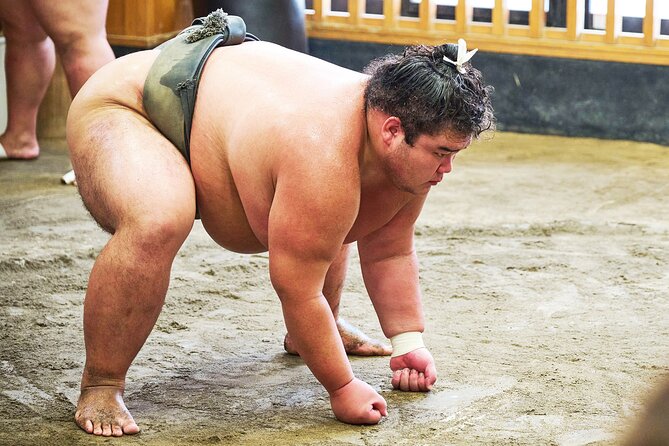
Before entering the stable, your English-speaking guide explains what you are about to see. This introduction is more useful than it may sound. Without it, a training session can look like repeated pushing and grappling. With it, you can follow the purpose behind the movements.
You learn how a bout is won. A wrestler must force his opponent outside the ring or make any part of the opponent’s body, apart from the soles of the feet, touch the ground. The guide also explains the rank system, the role of tournaments, and the discipline required to reach the top.
The cultural setting matters just as much. Sumo is tied to ancient Shinto beliefs, so the ring is not merely a sports area. Ritual gestures, preparation, and respect for the space all carry meaning. The guide helps you notice these details without turning the visit into a long lecture.
The strongest guide feedback centers on clear, measured explanations. Mao is described as well prepared, patient, and easy to understand. Yuki is noted for friendly communication and useful explanations, while Kawa and Tomo also receive praise for making the sport accessible without overloading people with facts.
That balance suits this activity. You want enough context to understand the practice, but you do not want a history class just before sitting silently for an hour.
Sitting beside the ring during morning training
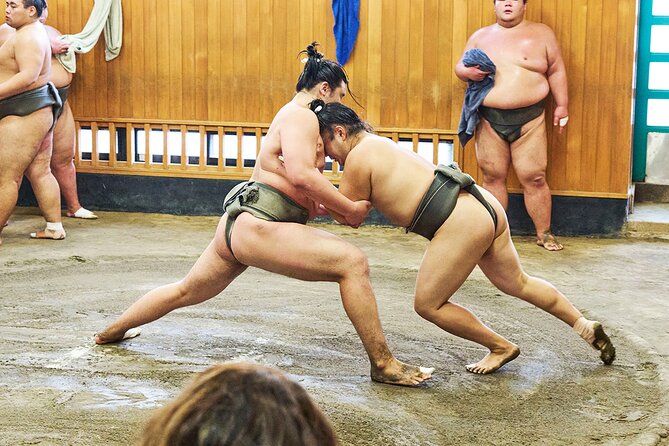
Once inside, you take a seat beside the ring. The exact practice schedule can vary, but the key point remains the same: you watch real training at very close range.
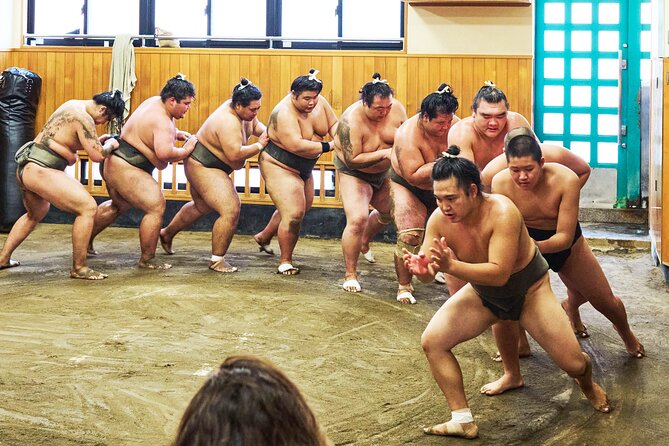
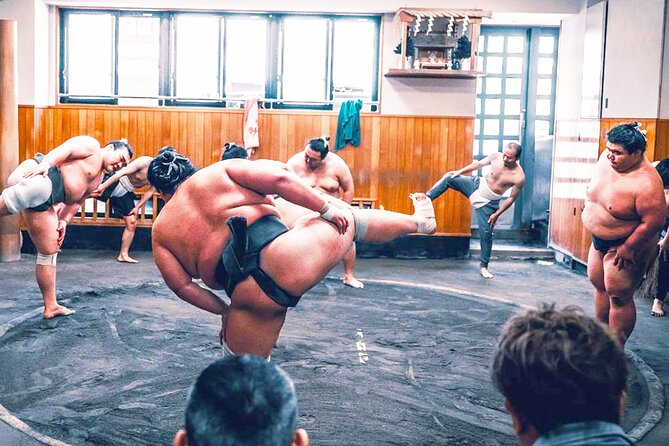
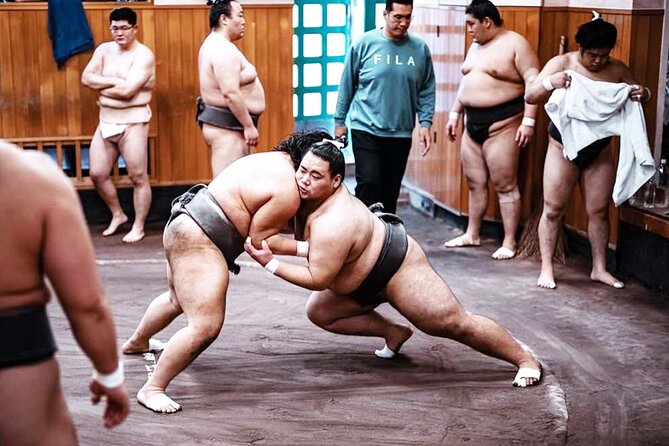
You may see wrestlers stretching, working on basic movements, practicing bouts, or repeating exercises that build power and balance. The training is serious. The wrestlers do not stop to explain each movement, pose for the group, or turn the session into a show.
That lack of performance is the great strength of the experience. You see concentration and repetition rather than a polished presentation. The wrestlers largely pay no attention to the people watching. For you, that creates a rare feeling of access. You are close enough to hear the impact and see the effort, but you are still observing someone else’s workplace.
The quiet rules may feel demanding, especially if you are used to moving around for photographs. You cannot stand up or shift around during practice. Your phone must be on silent, and making noise is not allowed. You should use the restroom before entering, since leaving early is not encouraged and re-entry is not possible.
This is a place to watch rather than interact. Sit still, pay attention, and let the session unfold. The less you try to get the perfect photograph, the more you will notice the small details: the rhythm of preparation, the repeated physical drills, and the way each wrestler responds to a stronger opponent.
Same city, another way to catch the action:
- Tokyo: Sumo Show and Experience in Shinjuku
★ 4.8 · 1,001 reviews - Tokyo Grand Sumo Tournament Viewing Tour with Tickets
★ 5.0 · 692 reviews - Tokyo Sumo Wrestling Tournament Experience
★ 5.0 · 660 reviews - Tokyo:Luxury Sumo Show Experience & Japanese cuisine & Drink
★ 4.7 · 577 reviews
Meeting wrestlers after practice
The activity includes an opportunity to speak with the wrestlers outside training hours. This is one of the most appealing parts for people who want more than a silent viewing session, but it should be understood in the right way.
Conversation takes place after practice, not in the middle of the training. The experience is designed first around observation and respect for the stable’s routine. The chance to ask questions gives you a better sense of the people behind the sport, their daily dedication, and the tournaments they are preparing for.
Photographs may also be possible in some circumstances. One visitor was able to take pictures with wrestlers, but you should not treat that as a guaranteed part of every visit. The stable remains a place of work, and the group must follow the guide’s instructions.
The possibility of seeing a high-ranking wrestler adds another layer of excitement. One visitor was lucky enough to see a yokozuna, the highest rank in sumo. That is not promised, but the chance to see wrestlers at different stages of the sport is part of what makes a working stable more interesting than a display or museum.
What the clothing and behavior rules mean
The stable rules are not minor suggestions. They protect the concentration of the wrestlers and help preserve the sense that you are entering a working environment.
Wear modest clothing. Keep your phone silent. Do not eat or drink during practice, apart from water. Do not stand, walk around, or make noise. Most importantly, stay until the end of the session, which is usually around 9:00 to 10:00 AM.
These limits may be frustrating if you want a flexible morning or have small children with you. The activity is not suitable for children under 11, and even older children need to be comfortable sitting quietly for the full practice.
I see the restrictions as a fair trade for this level of access. A stable that allowed people to chatter, wander, and leave whenever they wished would quickly stop feeling like a real workplace. If you accept the rules before booking, the experience is much more enjoyable.
Is $98 good value for two hours?
At $98 per person, this is not a cheap sightseeing stop. The price covers an English-speaking guide, the stable visit, explanations of the rules and rituals, and the opportunity to speak with wrestlers after practice.
The value depends on what you want from Tokyo. If you only want to see a sumo bout, a tournament ticket or televised match may suit you better. If you want a general introduction to Japanese culture, a museum could offer more time and broader subject matter.
But this visit provides access that is difficult to arrange independently. Sumo stables are normally closed to the public and were once accessible mainly through sponsors. You are paying for a rare chance to observe a private working routine, plus the guide who explains what you are seeing.
The small-group feel also affects the value. Group size can vary, and one recent visit had only 11 people, while another group had 14. A smaller group makes it easier to hear the guide and feel close to the ring. The experience is less appealing if you measure value by the number of sights visited, but stronger if you value unusual access and cultural context.
Who should book this Tokyo activity?
I would choose this for anyone with a serious interest in Japanese culture, sports, ritual, or daily discipline. It suits first-time visitors who want something beyond major sights, as well as returning visitors looking for a side of Tokyo that is normally closed to the public.
It is especially good for you if:
- You enjoy watching real work rather than a staged show.
- You can sit quietly and remain in place for the full session.
- You want an English explanation of sumo rules and Shinto customs.
- You are comfortable with an early morning start.
- You are willing to plan carefully around the meeting time.
- You are at least 11 years old.
I would hesitate if you need a flexible schedule, dislike strict etiquette, or have an important appointment immediately afterward. The practice can run longer or shorter than planned, and leaving the stable means no re-entry.
Practical tips for getting the most from the visit
Arrive early at Kiyosumi-Shirakawa Station. Thirty minutes ahead is a sensible target, especially if you are unfamiliar with Tokyo’s train system. Find Exit A1 before the meeting time rather than trying to navigate the station while the group waits.
Wear simple, modest clothing and comfortable layers. The supplied information does not specify a dress code beyond modesty, so avoid anything that might seem casual in a distracting way or make sitting still uncomfortable.
Use the restroom before entering. You may not move around once practice begins, and leaving the stable early can mean missing the rest of the session. Keep your phone silent from the start.
Listen closely to the guide’s introduction. Once practice begins, the guide may not be able to explain every movement. Understanding the basic rules beforehand helps you follow the action without constant commentary.
Finally, leave room in your morning plan. The meeting point and ending point may differ, and the group may take a train to the stable. You want enough time to enjoy the experience instead of watching the clock.
Should you book the sumo stable visit?
Book it if you want rare access to real sumo training, not a polished tourist performance. The close view, serious atmosphere, and explanations from guides such as Mao, Yuki, Kawa, and Tomo give the visit real substance.
Skip it if you need freedom to move, photograph constantly, or leave on your own schedule. The rules are firm, the timing is early, and the experience asks you to behave like a respectful observer in someone else’s workplace.
For the right person, $98 buys more than two hours of wrestling. It gives you a direct look at the discipline, ritual, and physical effort behind one of Japan’s most distinctive traditions.
FAQ
Where does the sumo tour meet?
Meet in front of Kiyosumi-Shirakawa Station at Exit A1. The station is served by the Toei Oedo Line and Hanzomon Line.
How do I identify the guide?
Look for a guide holding a sign that says Local Guide Stars.
How long does the activity last?
The stated duration is two hours. The practice and tour may be a little shorter or longer than expected.
What time does sumo practice usually end?
You must stay until the end of practice, which is usually around 9:00 to 10:00 AM.
Will I travel by train during the activity?
After meeting at the station, the group may take a train to the sumo stable.
Can I leave the stable early?
You must stay until the end of practice. Once you leave the stable, re-entry is not possible.
Can I speak with the wrestlers?
You have an opportunity to speak with wrestlers outside training hours.
What language is the tour conducted in?
The tour is conducted in English with a live English-speaking guide.
What should I wear?
Modest clothing is required because the stable is a place of work.
Are children allowed on the tour?
The activity is not suitable for children under 11 years old.
New on the fixture list around Tokyo
- Tokyo: Sumo Morning Practice -Stable Visit Tour with a Guide★ 4.8 · 16 reviews
- Tokyo: Watching Sumo and Ryogoku Area Walking Tour★ 4.0 · 5 reviews
- Tokyo Sumo Morning Practice: Witness the Life of a Wrestler★ 4.8 · 56 reviews
- Tokyo: Sumo Morning Practice Tour in Ryogoku and Photo Shoot★ 4.7 · 47 reviews
- Tokyo: Sumo Keiko Training Tour with Audio Guide & Photo★ 4.8 · 5 reviews
- Tokyo Highlights Tour: Sumo, Sushi, Tea, and Tokyo Tower★ 5.0 · 2 reviews
- Tokyo: Sanctuary Authentic Grand Sumo Experience & Training★ 5.0 · 7 reviews
- Tokyo Ginza : Sumo and Mikoshi Experience,Open from Sep.★ 5.0 · 8 reviews
More Sumo Experiences in Tokyo to weigh up.
Tokyo Shinjuku Sumo Show & Experience with Photo
Read our review →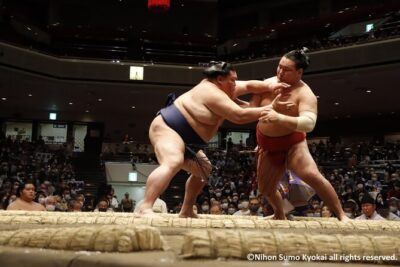
Tokyo Grand Sumo Tournament Viewing Tour with Tickets
Read our review →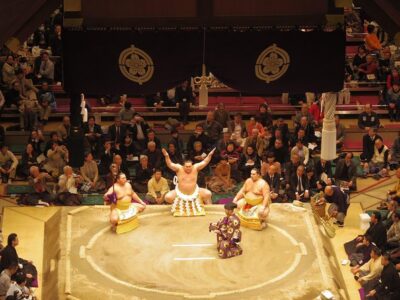
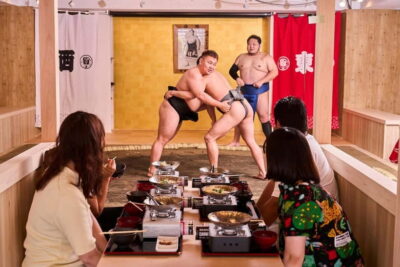
Tokyo:Luxury Sumo Show Experience & Japanese cuisine & Drink
Read our review →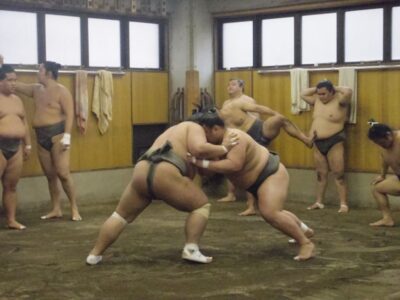
Tokyo Sumo Experience: Chanko & Mochi with a Former Pro
Read our review →This one also appears in