
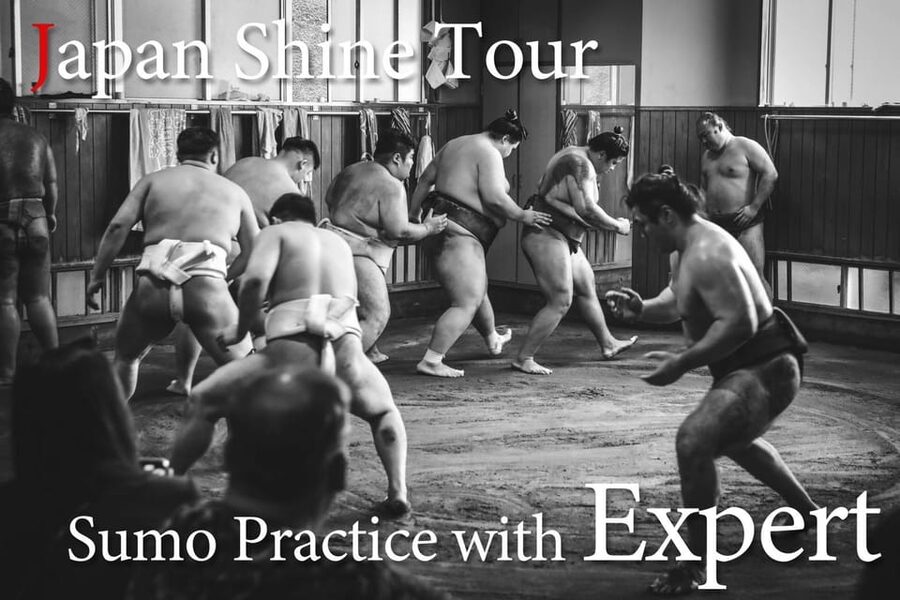
Review · TOKYO
Tokyo: Sumo Morning Practice with journalists. Not fake show
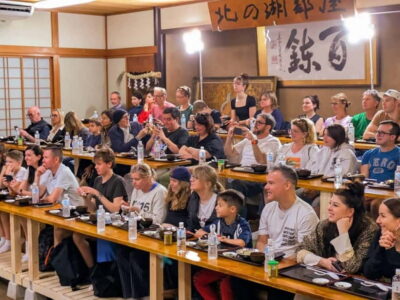
Tokyo’s sumo morning practice is the real thing: no staged bouts, no theatrical tricks, and no polished tourist performance. You sit quietly inside Takasago-beya, watch wrestlers work through their training, and see the discipline behind the sport before the public ever sees a match. I like the rare access, and I especially like having a guide who has covered sumo as a national newspaper journalist.
I also like the generous question time and the follow-up explanations around Ryogoku, where sumo is part of daily life. Guides such as Shinya Setsu, along with Karen and Ray on some departures, add stories and context that help you understand what you are watching. The main drawback is simple: you sit on the floor, must remain quiet during practice, and the traditional stable setup is not suitable for wheelchair users.
Key points at a glance
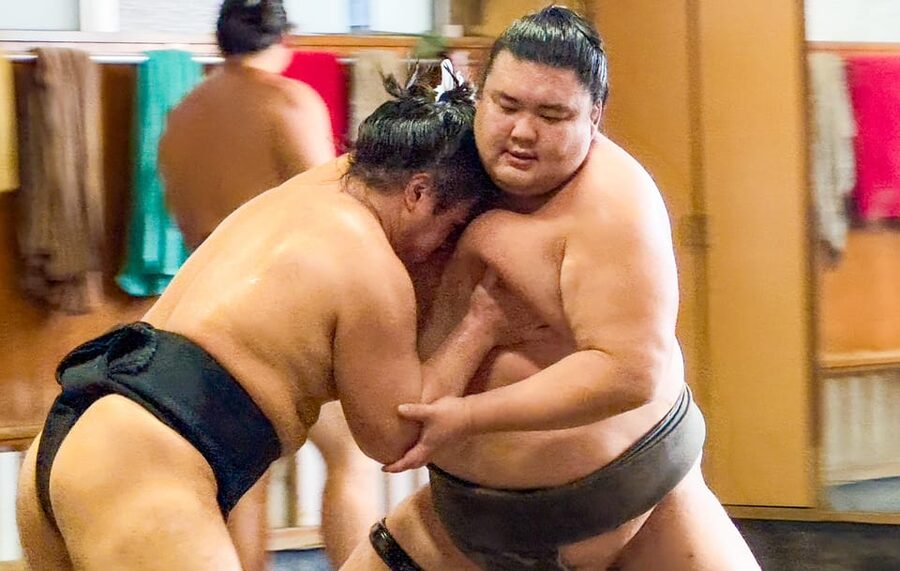
- Watch a genuine morning practice: You observe wrestlers training inside a working sumo stable, rather than attending a staged cultural performance.
- Learn from a sumo journalist: Shinya Setsu and other guides explain the sport, rituals, hierarchy, and wrestler life in clear English.
- Expect a quiet, floor-level experience: Wear comfortable clothes, remove your shoes indoors, and leave flash photography at home.
- Take commemorative photos: A photo opportunity with the wrestlers follows the practice, subject to the stable’s arrangements.
- Continue through Ryogoku: The final portion includes a walk toward Ryogoku Edo NOREN and the sumo district near the national arena.
- Budget about $103: That is a fair price for rare stable access, though it is more than a simple museum visit or neighborhood walk.
Why a real stable visit beats a staged sumo show
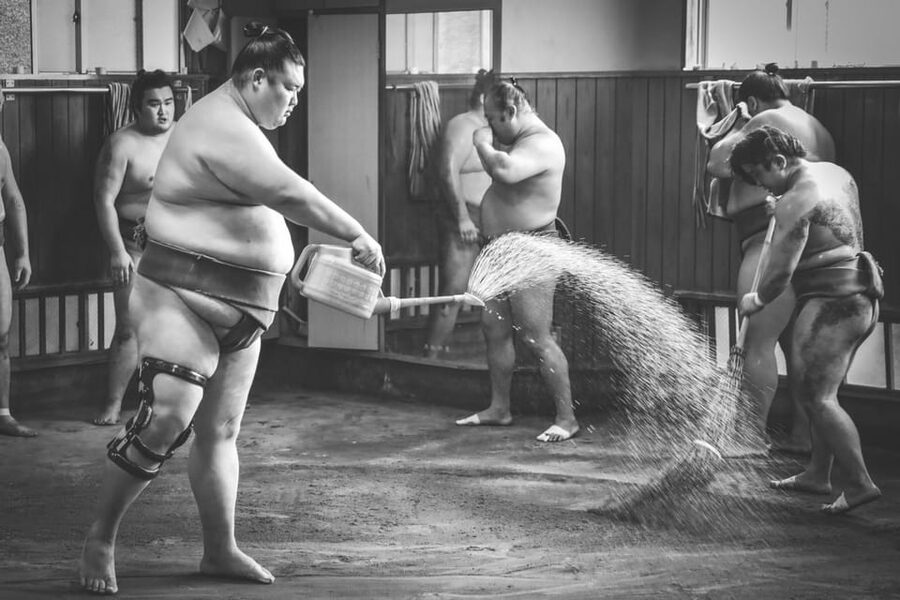
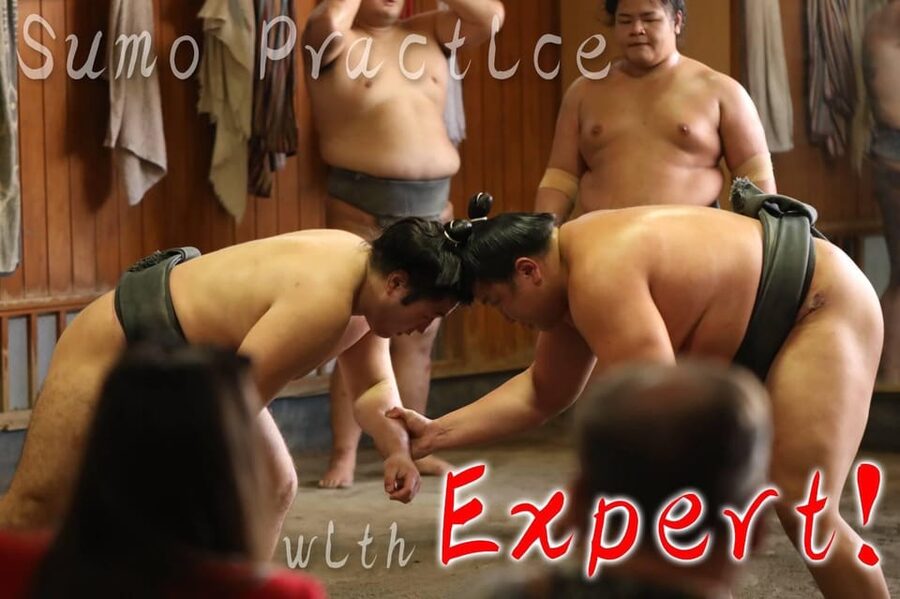
The strongest reason to book this experience is authenticity. A sumo stable is where wrestlers live and train, and morning practice follows the serious routine of the sport. You are not watching performers repeat a scene for an audience. You are observing athletes at work, often from a close and quiet position.
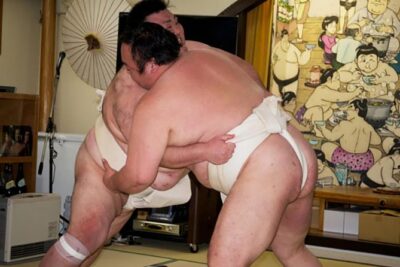
That difference matters. A staged demonstration can show you the basic moves, but practice reveals the effort behind them. You may see younger wrestlers training before more experienced rikishi take their turns. The physical work is demanding, and the room’s quiet focus gives you a better feel for the discipline involved.
You should also know that this is an observation experience, not a show built around constant action. Some parts of practice may feel repetitive, and you need to remain respectful and quiet. That is part of the value. The stable is not being changed to suit a sightseeing schedule.
Access to a stable is difficult to arrange independently. The tour operator receives special permission from the stable, access that is usually reserved for people with a connection to the stable, such as sponsors. You avoid the awkward task of contacting stables yourself, and you gain an English explanation of what is happening.
More Sumo Experiences in Tokyo
- Tokyo: Sumo Show and Dining Experience
★ 4.8 · 2,742 reviews - the SUMO show
★ 5.0 · 1,960 reviews - Tokyo Shinjuku Sumo Show & Experience with Photo
★ 5.0 · 1,750 reviews
Meeting in Ryogoku before the practice
The meeting point is at the Ryogoku HANAWA Building, near Toei Oedo Line Ryogoku Station, exit A2 at ground level. It is about a five-minute walk from the east exit of JR Ryogoku Station.
Be early. The group leaves on time, and arriving late could mean missing part of the practice. The operator sends meeting details before the tour date, so check those instructions carefully rather than relying only on a map application.
Ryogoku is the right place to begin. This district is closely tied to sumo, and the walk toward the stable helps set the scene. The transfer is only about five minutes, so you will not spend the morning sitting on a bus or riding across Tokyo.
The tour lasts about three hours, with roughly two hours assigned to the stable visit. Starting times vary, so you need to check availability for your date. This is a morning commitment, not something to squeeze casually between two distant Tokyo attractions.
Inside Takasago-beya, where the training happens
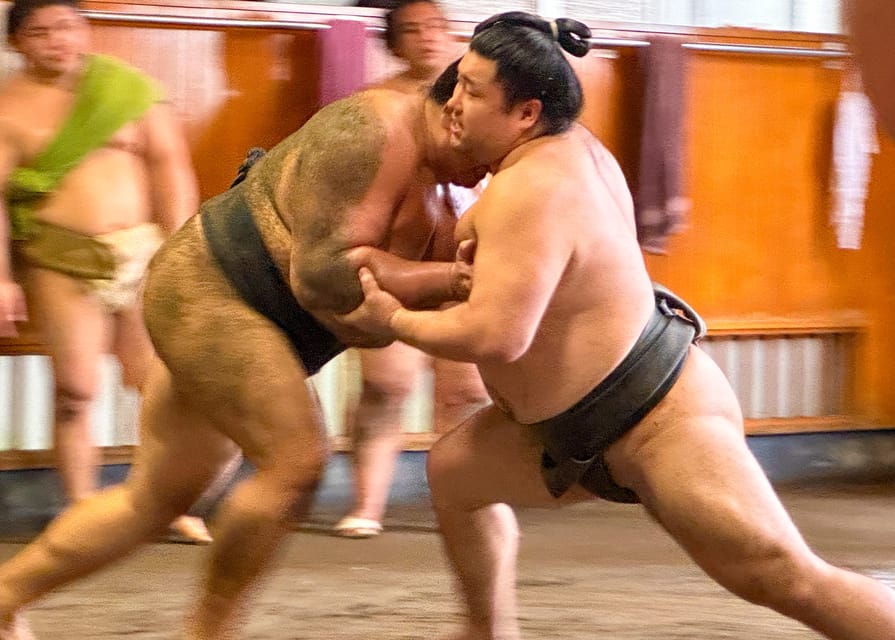
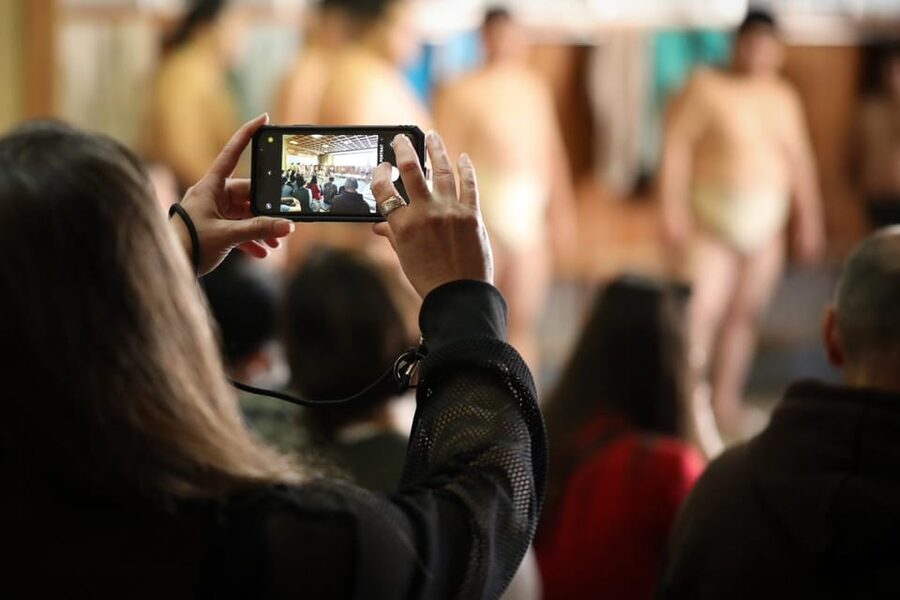
The stable visit is the heart of the experience. You enter a traditional sumo training space, remove your shoes, and sit on the floor while practice takes place. Comfortable clothing is important, especially if you are not used to floor seating.
You should prepare for a quiet two hours. Flash photography is forbidden, and food, drinks, alcohol, and drugs are not allowed. The restrictions are not fussy tourism rules. They protect the concentration of the wrestlers and show respect for a working training environment.
The guide helps you understand the action without interrupting it. Before practice, you receive background on sumo’s rituals, training routines, and customs. That preparation is useful because a first visit can otherwise feel like watching a series of powerful movements without knowing who is doing what or why.
You might watch less experienced wrestlers train, then see stronger and more established rikishi work through their routines. The exact lineup and practice sequence can vary, so do not expect a guaranteed appearance by a particular wrestler. One past visit included the chance to see a former ozeki up close, but that kind of moment depends on the stable’s schedule.
The atmosphere is intimate. You are close enough to appreciate the size and force of the wrestlers, yet the room is governed by restraint. There is no crowd noise, no commentary over a loudspeaker, and no demand for constant entertainment. I find that this makes the training more compelling, not less.
What the journalist guide adds
A basic stable visit would already be unusual, but the guide is what turns it into a useful cultural experience. Shinya Setsu is a sumo specialist and national newspaper journalist who has spent years reporting on the sport. He explains not just the rules, but also the world around them.
You can ask about wrestler life, stable organization, rank, daily routines, rituals, and the meaning behind what you see. Guides have also shared videos, match clips, and stories about famous bouts after practice. This gives you a way to connect the quiet training session with the public contests you may have watched on television.
The guides are also prepared for different levels of interest. If you already follow sumo on NHK, you can ask detailed questions about wrestlers and competition. If you know very little, the explanations help you follow the basic structure without making you feel out of place.
Shinya’s style is described as warm, funny, and full of personal reporting stories. Karen and Ray have also led departures, offering detailed explanations and help with practical questions about the rest of your Tokyo visit. The operator sometimes sends useful material before or after the tour, including videos and links for learning more.
That extra attention is one reason the price makes more sense. You are paying for access, but also for interpretation that would be hard to get from a sign at a museum.
Same city, another way to catch the action:
- Tokyo: Sumo Show and Experience in Shinjuku
★ 4.8 · 1,001 reviews - Tokyo Grand Sumo Tournament Viewing Tour with Tickets
★ 5.0 · 692 reviews - Tokyo Sumo Wrestling Tournament Experience
★ 5.0 · 660 reviews - Tokyo:Luxury Sumo Show Experience & Japanese cuisine & Drink
★ 4.7 · 577 reviews
The photo opportunity after practice
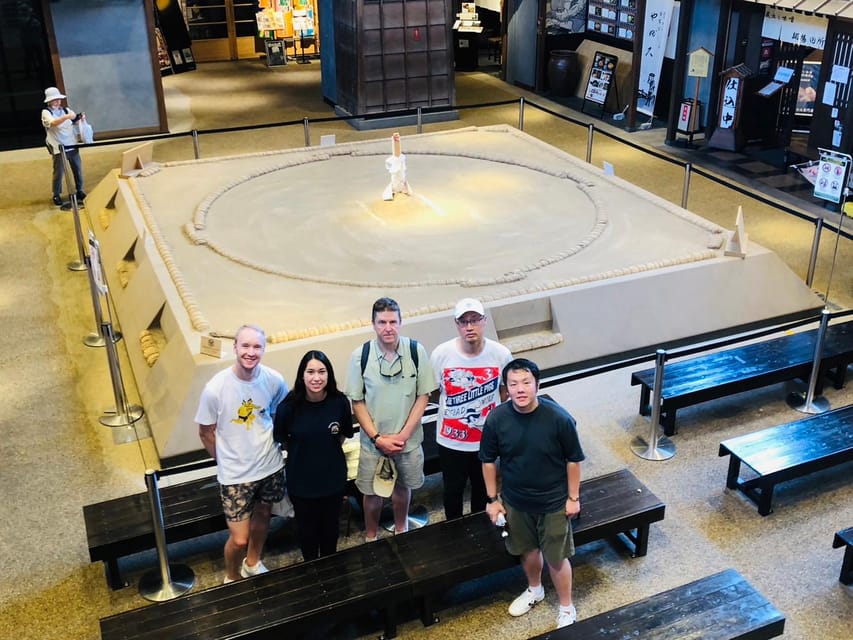
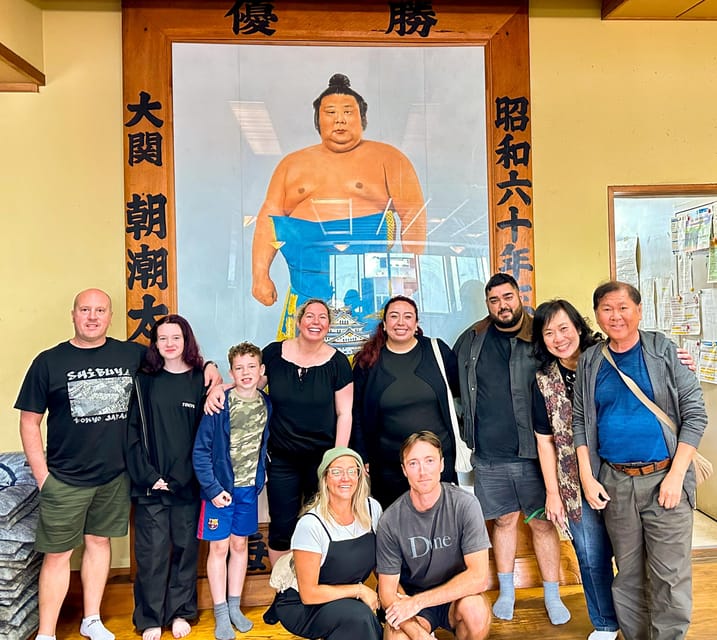
A commemorative photo with the wrestlers is included. For many people, this is the most tangible souvenir of the morning, and it gives you a brief personal connection after spending time watching from the floor.
Keep your expectations sensible. The stable comes first, and the photo session follows its rules and schedule. You should not treat it like a meet-and-greet where every wrestler is available for a long conversation. Follow the guide’s instructions and keep the moment quick and respectful.
Your camera is welcome, but flash is not. A phone is enough for most people, and you should make sure it is ready before practice begins so you are not fumbling with it in the quiet room.
From the stable to Ryogoku Edo NOREN
After the stable visit, the group takes a short transfer and continues for about 30 minutes around Ryogoku Edo NOREN. The exact flow can include explanations near the sumo stadium, the Kokugikan area, a sumo shop, or a nearby replica display.
This part gives you a wider view of the district and the public side of sumo. It also lets the guide explain customs and stories that would be difficult to discuss during practice, when silence is required.
Do not assume that you will enter the competition ring at Ryogoku Kokugikan. The stadium may be closed, and one account expected the actual ring but saw a nearby replica instead. That is a useful distinction when setting your expectations. The post-practice portion is mainly an outdoor and interpretive walk, not a stadium tour.
One visitor found the sumo store unnecessary. I can understand that view if you are eager for more time with the guide or want to return to the station quickly. If you enjoy souvenirs, it can be a handy stop. If not, consider it a minor part of a tour whose real value is the stable practice.
The experience ends near Ryogoku Station, with the final transfer taking about one minute. That makes it easy to continue exploring the district or connect to another part of Tokyo.
Is $103 a fair price for three hours?
At about $103 per person, this is not a cheap Tokyo activity. You can visit many museums, temples, and neighborhoods for less. Meals and drinks are not included, and you arrange your own transport to the meeting point.
The price is easier to justify because stable access is limited and the tour includes special permission, a live practice, a photo opportunity, and an English-speaking specialist. Comparable sumo practice visits tend to cost a similar amount because the stable must approve and accommodate the visit.
I would book it if sumo is a serious interest, if tournament tickets are sold out, or if you want a cultural experience that feels connected to ordinary Japanese life rather than a staged attraction. I would skip it if you are mainly looking for a fast photo stop, dislike floor seating, or need a flexible late-morning schedule.
The tour is also a useful alternative during periods when no tournament is taking place. You will not see an official bout, but you will see the training that makes the bouts possible. For some people, that behind-the-scenes view is more memorable than sitting in the arena for a few matches.
Who will enjoy this morning most?
This tour suits sumo fans, sports followers, photographers, and anyone curious about Japanese customs. It works especially well for a first visit to Tokyo because the guide explains the basics while also offering deeper material for people who already know the sport.
It is a good choice for couples, small groups, and solo visitors who want a structured cultural activity. You do not need to be an expert, but genuine curiosity helps. The two-hour practice requires patience and respect, so it is not ideal for young children who cannot sit quietly.
Babies under one year are not suitable for the tour. Baby carriages are not allowed, and electric wheelchairs are also prohibited. Although some booking information describes the activity as wheelchair accessible, the traditional floor-based stable setup makes it unsuitable for wheelchair users. Contact the operator before booking if mobility is a concern.
Practical advice before you go
Wear comfortable clothes that allow you to sit on the floor. Choose footwear that is easy to remove, since shoes are not worn indoors.
Arrive early at the HANAWA Building. The group leaves from the meeting point on schedule, and the operator’s pre-tour message contains the latest instructions.
Bring a camera, but turn off the flash. You should also avoid bringing food or drinks into the stable.
Read any advance material the operator sends. It may include practice routines, videos, and background notes that help you understand the movements while you must remain silent.
Finally, keep an open mind about the morning’s exact content. The wrestlers present, the training sequence, and the amount of time available for photos can change according to stable conditions. That uncertainty is normal for access to a working institution, not a sign of poor planning.
Should you book the Takasago-beya practice?
I would recommend this tour if you want authentic sumo in Tokyo, especially when tournament tickets are unavailable. The stable access is rare, the journalist guide adds real value, and the chance to ask questions makes the experience much more than silent observation.
Book with the understanding that you will sit on the floor, follow strict etiquette, and spend much of the morning watching rather than participating. If that sounds appealing, $103 buys a close look at a part of Japan that most visitors cannot arrange on their own. If you want a casual attraction with easy seating and constant activity, choose something else.
FAQ
Where does the sumo morning practice tour meet?
It meets at the Ryogoku HANAWA Building near Toei Oedo Line Ryogoku Station, exit A2 at ground level. The location is about a five-minute walk from the east exit of JR Ryogoku Station.
How long does the experience last?
The full experience lasts about three hours. About two hours are spent at Takasago-beya, followed by a shorter visit around Ryogoku Edo NOREN and the station area.
What language is the tour conducted in?
The live tour is conducted in English.
Do I watch a real sumo practice?
Yes. The experience includes live morning practice inside Takasago-beya Sumo Stable. It is not a staged demonstration or theatrical show.
Who leads the tour?
The experience is led by a sumo specialist who is also a national newspaper journalist. Shinya Setsu is named as a guide, and Karen and Ray have also led some departures.
Can I take photos during the practice?
You may bring a camera, but flash photography is not allowed. A commemorative photo opportunity with the wrestlers is included after the practice.
Do I need to sit on the floor?
Yes. You should wear comfortable clothing because the traditional setup requires sitting on the floor during practice.
Is food or drink included?
No. Meals and drinks are not included, and food is not allowed inside the stable.
Is the tour suitable for wheelchair users?
The traditional stable setup makes the tour unsuitable for wheelchair users. Electric wheelchairs are not allowed, and baby carriages are also prohibited.
Can I cancel the booking?
You can cancel up to 24 hours before the tour for a full refund. The reserve-now, pay-later option allows you to hold a place without paying immediately.
New on the fixture list around Tokyo
- Tokyo: Sumo Morning Practice -Stable Visit Tour with a Guide★ 4.8 · 16 reviews
- Tokyo: Watching Sumo and Ryogoku Area Walking Tour★ 4.0 · 5 reviews
- Tokyo: Sumo Morning Practice Viewing Tour at a Real Stable★ 4.9 · 32 reviews
- Tokyo: Sumo Morning Practice Tour in Ryogoku and Photo Shoot★ 4.7 · 47 reviews
- Tokyo: Sumo Keiko Training Tour with Audio Guide & Photo★ 4.8 · 5 reviews
- Tokyo Sumo Morning Practice: Witness the Life of a Wrestler★ 4.8 · 56 reviews
- Tokyo Highlights Tour: Sumo, Sushi, Tea, and Tokyo Tower★ 5.0 · 2 reviews
- Tokyo: Sanctuary Authentic Grand Sumo Experience & Training★ 5.0 · 7 reviews
More Sumo Experiences in Tokyo to weigh up.
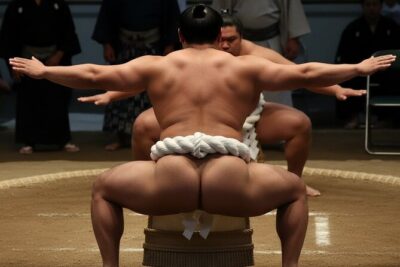
Tokyo Shinjuku Sumo Show & Experience with Photo
Read our review →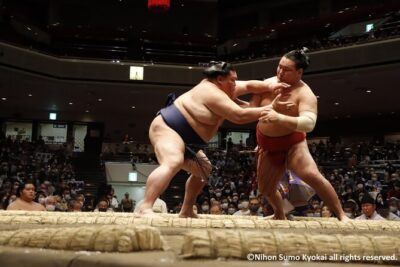
Tokyo Grand Sumo Tournament Viewing Tour with Tickets
Read our review →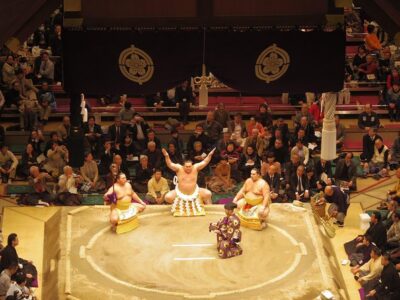
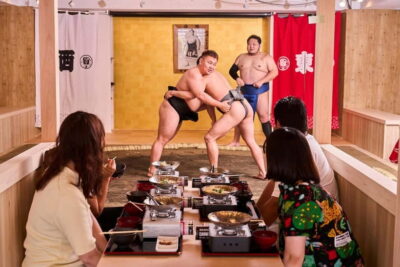
Tokyo:Luxury Sumo Show Experience & Japanese cuisine & Drink
Read our review →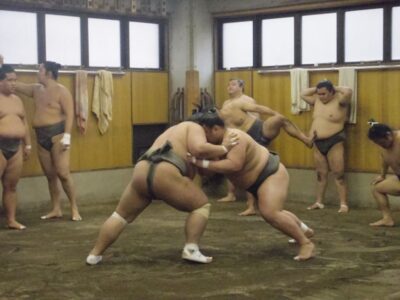
Tokyo Sumo Experience: Chanko & Mochi with a Former Pro
Read our review →This one also appears in