
Review · TOKYO
Tokyo: Sumo Keiko Training Tour with Audio Guide & Photo
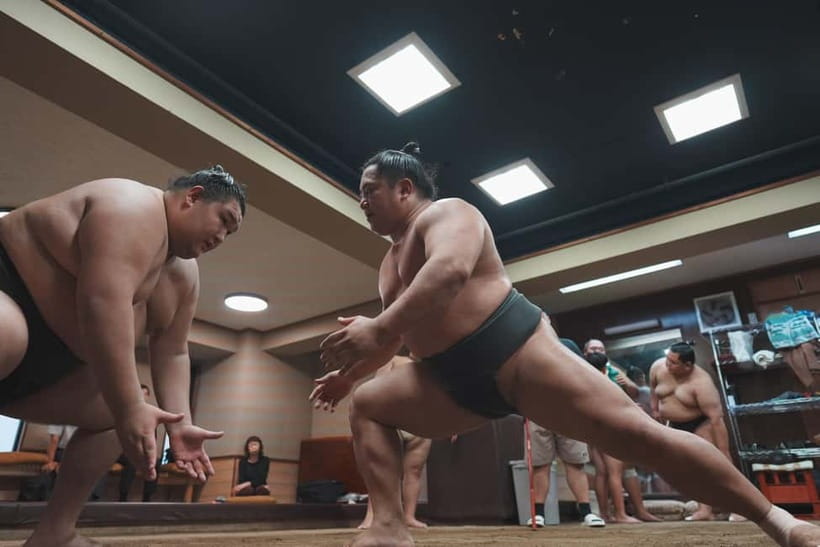
Watching sumo practice from close range is the main event here. At Nakamura-beya Sumo Stable, you see professional wrestlers work through their training rather than watching a polished tournament match. I like the rare access and the way the audio guide explains ranks, techniques, and sumo customs without requiring you to already know the sport.
I also like the practical setup: air-conditioning, Wi-Fi, charging stations, and a location only two minutes from JR Ryogoku Station. The main drawback is seating. Bench chairs are limited, so most people sit on cushions for up to 1.5 hours, and quiet behavior is required during practice.
Key points at a glance
- Real morning-style training atmosphere: Watch professional wrestlers practice at Nakamura-beya instead of seeing only a formal tournament.
- Close-up view of sumo technique: The practice setting lets you notice the force, balance, repetition, and discipline behind the sport.
- Multilingual help: A live guide speaks English, Japanese, and Korean, while the audio guide covers several additional languages.
- Photo with sumo wrestlers: The included photo gives you a simple keepsake from a rare Tokyo experience.
- Easy Ryogoku location: The stable is two minutes from JR Ryogoku Station and beside Ryogoku Kokugikan.
- Comfortable modern facilities: Air-conditioning, Wi-Fi, and charging stations are useful during a longer viewing period.
What You See at Nakamura-beya Sumo Stable
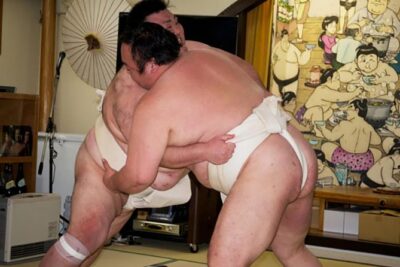
This is not a staged demonstration built for tourists. You watch a real training session at a sumo stable, the place where wrestlers practice and prepare under the stable’s system. That difference matters. A tournament has ceremony, crowds, music, and a formal match schedule. Training gives you a closer look at the repeated work that makes a match possible.
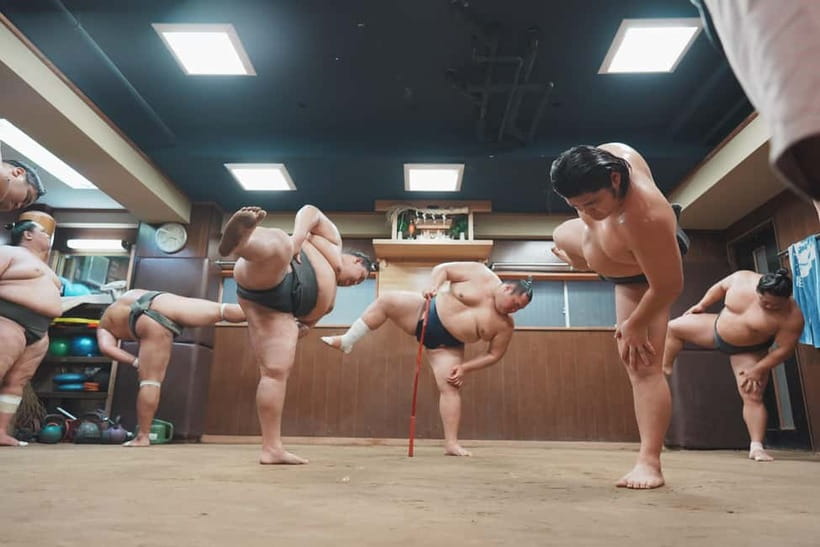
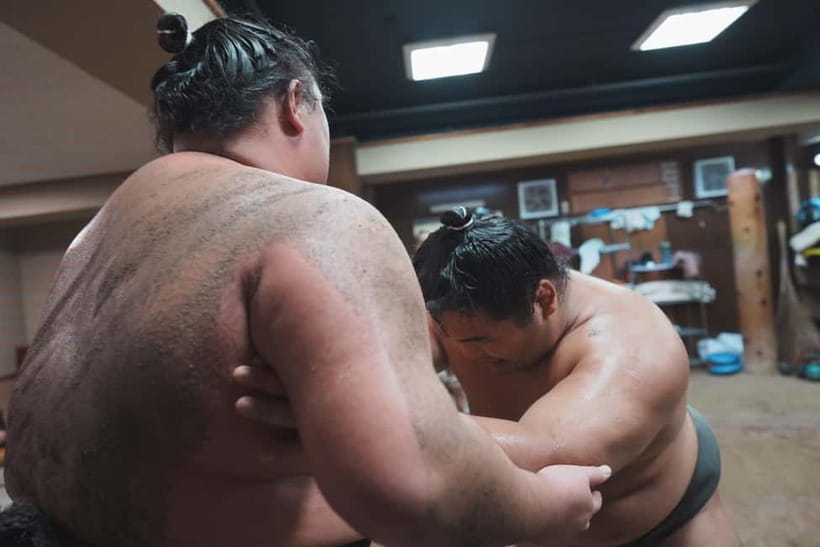
Expect to watch wrestlers perform drills and practice techniques in the ring area. The supplied pamphlet and audio guide help explain what you are seeing, including sumo ranks and training methods. If you know little about sumo, this context keeps the activity from becoming a blur of powerful men pushing and throwing one another.
If you already follow sumo, the setting still has value. The practice itself is the point, and the close view lets you pay attention to movement, balance, timing, and physical control. One booking experience described the session as a rare chance to see how practice works, while another noted that the close view can deepen your appreciation of the wrestlers and the sport.
Keep your expectations in the right place. This is a training visit, not a guaranteed tournament bout. The appeal comes from seeing the work behind sumo, not from knowing that a particular wrestler will win.
More Sumo Experiences in Tokyo
- Tokyo: Sumo Show and Dining Experience
★ 4.8 · 2,742 reviews - the SUMO show
★ 5.0 · 1,960 reviews - Tokyo Shinjuku Sumo Show & Experience with Photo
★ 5.0 · 1,750 reviews
Why the Close View Changes Your Understanding of Sumo
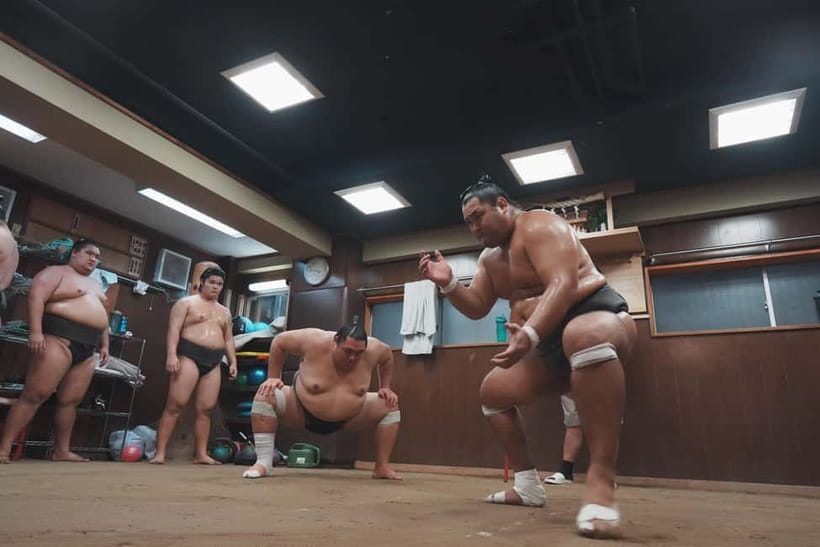
From a distance, sumo can seem simple: two wrestlers meet and one is forced out of the ring. Up close, the sport becomes more technical. Small shifts in stance and balance matter. Training repeats basic actions until strength and timing become instinctive.
The audio guide gives you a useful framework for watching. You can learn how ranks fit into the sport and hear explanations of techniques while the practice continues. Bring your own earphones so you can listen on your phone. If you forget them, the stable can lend you a pair.
The quiet setting is part of the experience. You are asked not to speak during practice, and that rule is worth taking seriously. It keeps distractions down for the wrestlers and allows you to concentrate on the sound and rhythm of training. This is not the place for constant conversation or a running commentary with your companion.
Photography is allowed, but flash photography is not. That is both a practical rule and a matter of respect. Keep your phone ready before the session begins, then use it carefully without interrupting the training.
The Visit Takes 40 to 90 Minutes
The advertised length varies from 40 to 90 minutes, and the full itinerary allows about 1.5 hours at the stable. Check the available start time when you book, since the exact viewing period can vary.
Your visit begins and ends at Nakamura-beya Sumo Stable. There is no hotel pickup or drop-off, so you make your own way to the meeting point. The stable is only two minutes from JR Ryogoku Station and directly beside Ryogoku Kokugikan National Sumo Arena, making this one of the easier specialty activities to fit into a Tokyo day.
Arrive early. Late arrivals lose viewing time, and the session cannot be extended. The practical advice is simple: locate the stable before your scheduled start, use the restroom first, and have your phone and earphones ready.
The venue is air-conditioned, which is a real comfort during Tokyo’s warmer months. Free Wi-Fi and charging stations also help if you have been using your phone for directions, translation, or photos. These extras do not change the nature of the activity, but they make the visit less tiring and easier to manage.
Seating, Silence, and Basic Etiquette
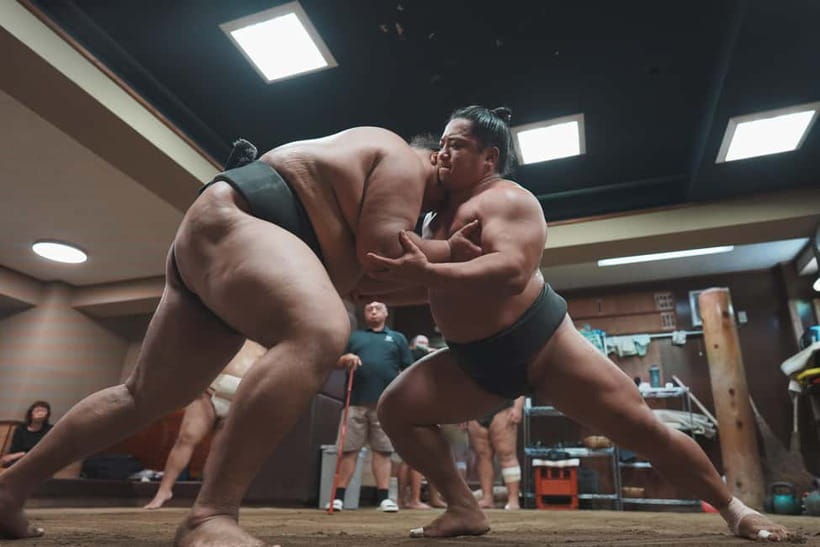
The seating arrangement is the main comfort issue. A limited number of bench chairs is available, with priority for people with disabilities. Most other people sit on cushions for the viewing period, which can last up to 1.5 hours.
That cushion seating may be perfectly manageable for some people, but it is worth considering if you have knee, hip, or back problems. The activity is not a walking tour, yet sitting on the floor can be more demanding than the short journey from the station.
Bare feet are not allowed, and sunglasses are also prohibited. Use the restroom before joining, since leaving during practice may cause you to miss part of the viewing. Children must be at least six years old.
The rules are clear and easy to follow. Watch quietly, avoid flash, and keep your phone under control. Sumo practice is not a noisy show, so the best approach is to treat the stable as a working place first and a sightseeing stop second.
Same city, another way to catch the action:
- Tokyo: Sumo Show and Experience in Shinjuku
★ 4.8 · 1,001 reviews - Tokyo Grand Sumo Tournament Viewing Tour with Tickets
★ 5.0 · 692 reviews - Tokyo Sumo Wrestling Tournament Experience
★ 5.0 · 660 reviews - Tokyo:Luxury Sumo Show Experience & Japanese cuisine & Drink
★ 4.7 · 577 reviews
The Audio Guide and Live Staff
A live guide is available in English, Japanese, and Korean. The audio guide provides additional language support in Chinese, English, French, German, Hindi, Italian, Japanese, Korean, Polish, Spanish, and Portuguese.
The language setup is useful because you can combine the human explanation with the phone-based audio. The live staff can help with the flow of the visit, while the audio guide gives you information at your own pace. Bring earphones, though a loaner pair is available if needed.
The audio content focuses on practical subjects such as sumo history, wrestler ranks, and training techniques. That is the right material for this setting. You do not need a long lecture before practice begins. A few clear explanations can help you recognize what is happening while the wrestlers continue their work.
No individual guide names are provided for this activity, so you should book it for the stable visit and its language support rather than for a particular named guide. English, Japanese, and Korean assistance is part of the service.
The Photo With Sumo Wrestlers
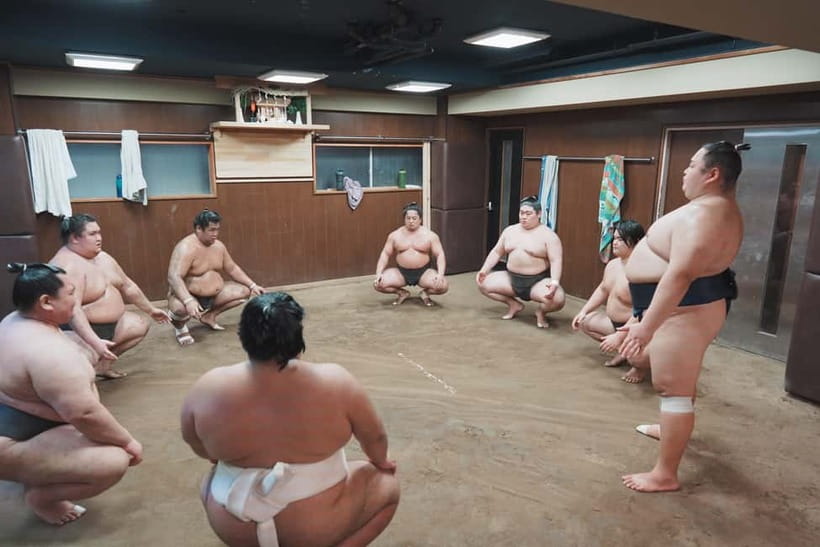
A photo with sumo wrestlers is included. It gives the visit a more personal ending and provides a physical reminder of an activity that can otherwise feel brief once you leave the stable.
The photo opportunity comes with the same etiquette concerns as the rest of the visit. Flash is not allowed, and you should follow the staff’s instructions about timing and positioning. The available information does not promise a particular wrestler or a set number of photos, so treat this as an included photo opportunity rather than a guaranteed meeting with a specific athlete.
For many people, the picture will be the most obvious souvenir. Still, I would place the training above the photo when judging the experience. The photo is a nice extra. The real value is the close look at professional practice.
What Your $85 Pays For
At $85 per person, this is not a cheap way to fill a spare hour in Tokyo. You are paying for access to a working sumo stable, language assistance, the training explanation pamphlet, a photo, and a convenient venue with basic comforts.
The price makes the most sense if you have a real interest in sumo or want one distinctive cultural activity during your stay. A casual sightseer who only wants a quick photo may find the cost harder to justify. The viewing itself is the reason to book, and the included photo and audio guide support that main event.
Location improves the value. You do not spend half a day crossing Tokyo for a short activity. The stable is beside Ryogoku Kokugikan, so you can pair the visit with the Sumo Museum and other nearby sights. The Tokyo waterfront is also within walking distance, allowing you to build a larger Ryogoku outing around the booking.
The rating is listed at 4.8 from five reviews, which is a small sample. I would read that as a positive signal, not a guarantee that every person will love the floor seating or quiet format. The strongest praise focuses on the close, rare view of practice and the way it increases appreciation for the wrestlers.
Pairing the Stable With Ryogoku Sights
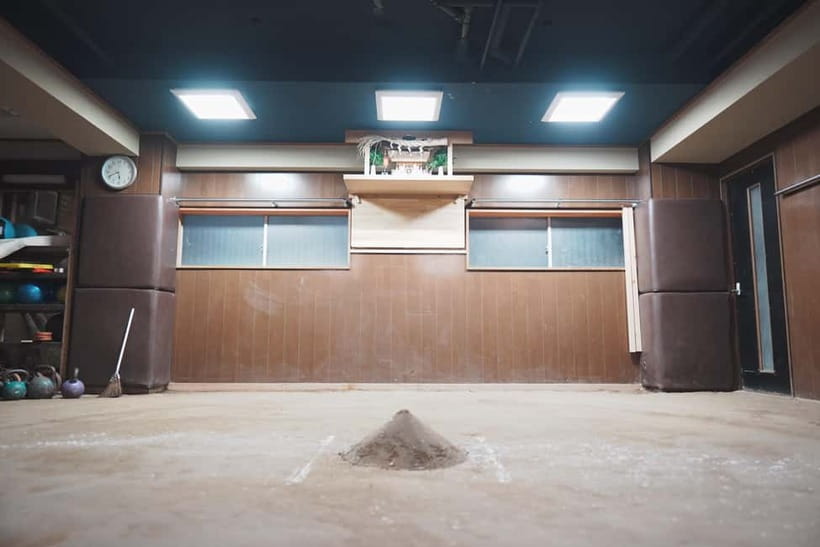
Ryogoku is Tokyo’s sumo district, and this activity benefits from that setting. After the visit, you can walk to Ryogoku Kokugikan and the Sumo Museum. That gives you a useful contrast: the stable shows active practice, while the museum helps place the sport in a broader cultural and historical setting.
You can also continue toward the Tokyo waterfront on foot. The exact walking time is not provided, so plan your route with a map, but the area makes it easy to keep sightseeing after the stable visit.
I would avoid booking this as the only item in your day. The session may last as little as 40 minutes, while the longest version takes about 90 minutes. Add nearby stops so the trip to Ryogoku feels worthwhile, especially if you are staying on the other side of Tokyo.
The location beside the national sumo arena is also useful during tournament season, though this activity is a training visit and should not be treated as a ticket to a tournament. You are going to the stable, not entering a scheduled match.
Who Will Enjoy This Most
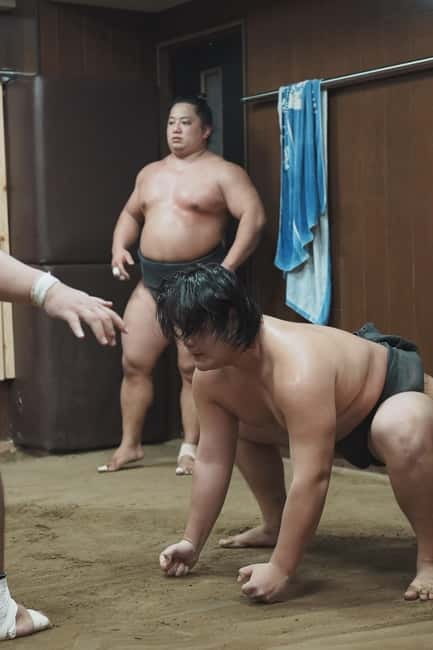
This experience suits you if you want to understand how sumo works beyond the dramatic moments seen on television. It is a good choice for first-time visitors who want clear explanations, and it also has enough direct access to interest people who already know the basic rules.
Families can consider it for children aged six and older. The quiet setting and cushion seating may be harder for young children than a standard attraction, so think about your child’s ability to sit still and follow instructions for the full visit.
The activity also works well for solo visitors and couples because the meeting point is easy to reach and the audio guide supports independent listening. You do not need a full-day tour to get something meaningful from the experience.
You may want to skip it if you need a highly active outing, dislike floor seating, or expect a tournament-style show. You should also choose another activity if you cannot remain quiet during practice or if you arrive late, since missed time is not added back.
Booking Tips for a Smooth Visit
Reserve a start time that gives you breathing room around train connections and nearby sightseeing. Late arrival shortens the session, so do not schedule it too tightly against another booking.
Bring earphones, even though a pair may be lent to you. Your own set is more convenient, and it lets you start using the audio guide without waiting.
Wear something that allows comfortable sitting on a cushion. Bare feet are not allowed, and sunglasses must be left off. Use the restroom before entering and charge your phone if you plan to take photos or use the audio guide.
The activity offers free cancellation up to 24 hours before the visit, and you can reserve now and pay later. Those terms are useful if your Tokyo plans are still shifting, but they do not remove the need to check the exact available time before you commit.
Should You Book This Sumo Training Visit?
Book it if you want a close look at the discipline behind professional sumo, especially if you can accept quiet viewing and cushion seating. The stable’s location, multilingual support, included photo, and nearby Sumo Museum make it an efficient choice for a Ryogoku day.
At $85, I would not book it only for a quick picture. Choose it for the training itself. The strongest reason to go is the rare chance to see professional wrestlers practice at close range and leave with a better sense of the strength, control, and repetition the sport demands.
FAQ
Where does the sumo training tour take place?
The visit takes place at Nakamura-beya Sumo Stable in Ryogoku, Tokyo. It is two minutes from JR Ryogoku Station and next to Ryogoku Kokugikan National Sumo Arena.
How long does the activity last?
The available duration is 40 to 90 minutes. The planned visit can last about 1.5 hours, depending on the scheduled start time and availability.
Is transportation included?
No. Pickup and drop-off are not included. You are responsible for reaching Nakamura-beya Sumo Stable.
What languages are available?
Live assistance is available in English, Japanese, and Korean. The audio guide is available in Chinese, English, French, German, Hindi, Italian, Japanese, Korean, Polish, Spanish, and Portuguese.
Do I need to bring earphones?
You should bring your own earphones to use the audio guide on your phone. A pair can be lent to you if you do not have one.
Is a photo with sumo wrestlers included?
Yes. A photo with sumo wrestlers is included in the activity.
Can I take photographs during training?
Photography is allowed, but flash photography is not permitted. Follow the venue’s instructions during the session and photo opportunity.
What seating is available?
A limited number of bench chairs is available, with priority for people with disabilities. Other participants sit on cushions for up to 1.5 hours.
Are children allowed to join?
Children must be at least six years old. Children under six cannot take part.
Can I cancel for a refund?
You can cancel up to 24 hours in advance for a full refund. The activity also allows you to reserve now and pay later.
More self-guided stadium visits around Tokyo
- London: Emirates Stadium Entry Ticket and Audio Guide
★ 4.7 · 5,513 reviews - Dortmund: BVB Self-Guided Stadium Walk
★ 4.5 · 3,195 reviews - Emirates Stadium and Arsenal Museum Entrance Ticket Including Audio Guide
★ 4.5 · 113 reviews - Alicante: Visit with Audio Guide Bullring and Bullfighting Museum
★ 4.5 · 63 reviews
New on the fixture list around Tokyo
- Tokyo: Sumo Morning Practice -Stable Visit Tour with a Guide★ 4.8 · 16 reviews
- Tokyo: Watching Sumo and Ryogoku Area Walking Tour★ 4.0 · 5 reviews
- Tokyo: Sumo Morning Practice Viewing Tour at a Real Stable★ 4.9 · 32 reviews
- Tokyo: Sumo Morning Practice Tour in Ryogoku and Photo Shoot★ 4.7 · 47 reviews
- Tokyo Sumo Morning Practice: Witness the Life of a Wrestler★ 4.8 · 56 reviews
- Tokyo Highlights Tour: Sumo, Sushi, Tea, and Tokyo Tower★ 5.0 · 2 reviews
- Tokyo: Sanctuary Authentic Grand Sumo Experience & Training★ 5.0 · 7 reviews
- Tokyo Ginza : Sumo and Mikoshi Experience,Open from Sep.★ 5.0 · 8 reviews
More Sumo Experiences in Tokyo to weigh up.
Tokyo Shinjuku Sumo Show & Experience with Photo
Read our review →
Tokyo Grand Sumo Tournament Viewing Tour with Tickets
Read our review →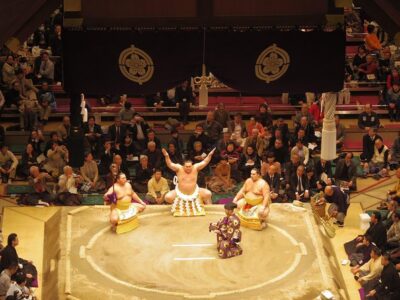
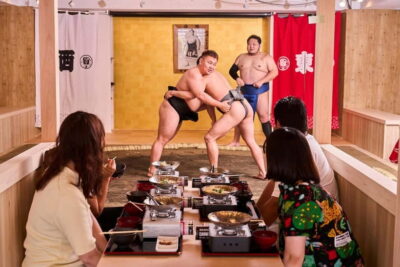
Tokyo:Luxury Sumo Show Experience & Japanese cuisine & Drink
Read our review →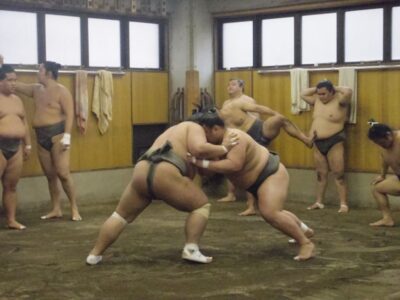
Tokyo Sumo Experience: Chanko & Mochi with a Former Pro
Read our review →This one also appears in