
Review · TOKYO
Tokyo: Sumo Experience and Chanko Nabe Lunch
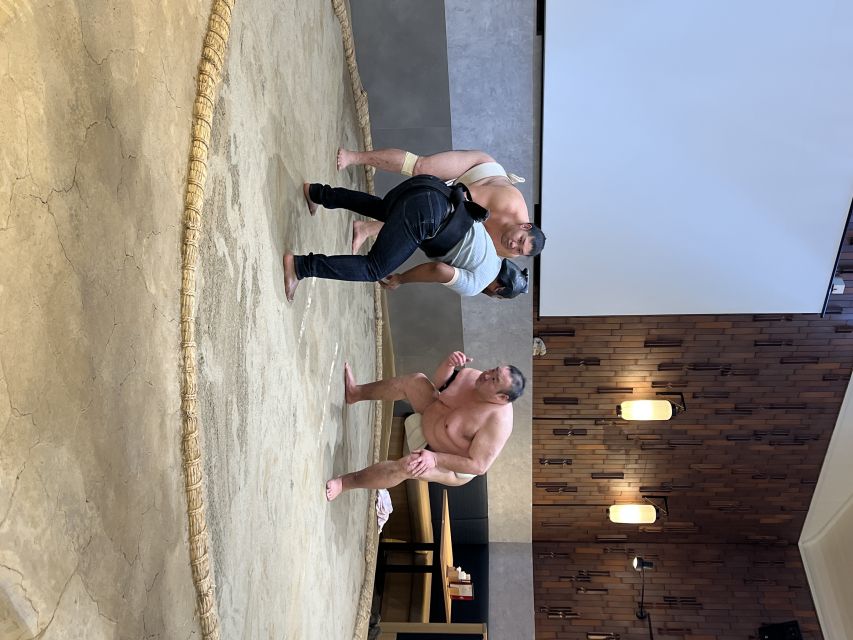
Sumo is far more than two large men pushing in a ring. This two-hour Tokyo experience explains the rituals, rules, training, and force behind Japan’s national sport, then lets you try a playful bout with former professionals. The English instruction makes the ceremony easier to follow, even if you know little about sumo.
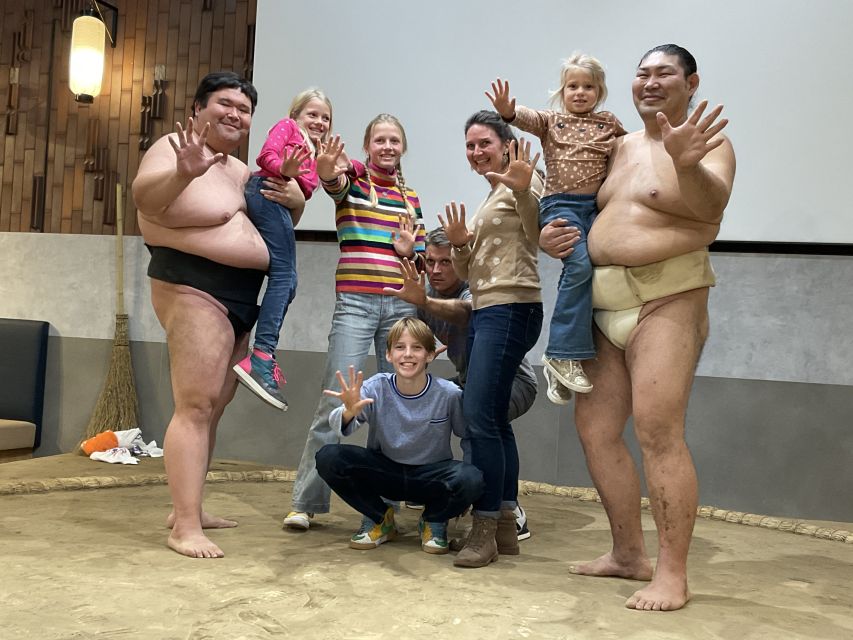
I especially like the close contact with the retired wrestlers and the meal afterward. Chanko nabe, the hearty hot pot traditionally associated with sumo training, turns the lesson into a proper lunch. The chance to take photos and, if selected or willing, put on a sumo costume adds plenty of laughs.
The main consideration is timing. You must arrive before the 1 PM start, and the exact meeting place comes with your voucher. The advertised group limit is six, but the room may not feel like a private lesson if several tables are in use.
Key points to know before booking
- Former professionals lead the session: You learn directly from retired wrestlers, with explanations in English.
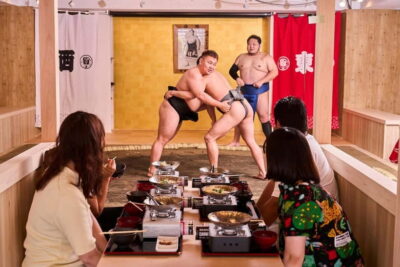
- Try sumo without a serious contest: You may face a wrestler in a playful bout, and some audience members may help with demonstrations.
- Lunch is part of the experience: The wrestlers prepare chanko nabe, a filling Japanese hot pot served after the demonstration.
- Two Tokyo locations: Mondays are in Asakusa, while Thursdays are in Ryogoku, Tokyo’s best-known sumo district.
- Small advertised group: Participation is limited to six people, though the room can include more than one table.
- Plan around a fixed start: The activity lasts about two hours and begins at 1 PM. Arrive early rather than cutting it close.
Why this sumo lunch works for first-time visitors
A sumo bout can look simple from the outside. Two wrestlers step into a circular ring, slap their bodies, push, pull, and try to force one another out. Without context, you can miss the point of the salt, foot stamping, bowing, hand clapping, and careful movements before the fight begins.
This experience fills in those gaps. Former professional wrestlers explain what you are seeing and why the rituals matter. You get the cultural frame first, then the physical demonstration. That order is useful because you understand the spectacle before you are asked to take part in it.
I like the balance between explanation and comedy. The lesson is not presented as a stern lecture. The wrestlers use demonstrations and playful interaction to show how strength, balance, timing, and position affect a bout. That makes the sport easier to grasp for children and adults alike.
English is used throughout the activity. You do not need previous knowledge of sumo, Japanese language skills, or an understanding of tournament rules to keep up.
More Sumo Experiences in Tokyo
- Tokyo: Sumo Show and Dining Experience
★ 4.8 · 2,742 reviews - the SUMO show
★ 5.0 · 1,960 reviews - Tokyo Shinjuku Sumo Show & Experience with Photo
★ 5.0 · 1,750 reviews
Arriving for the 1 PM start
The exact meeting location is sent with your voucher and includes a map. That means you should check the details before leaving for the activity instead of assuming the venue is inside a major station or obvious tourist site.
The activity takes place in Asakusa on Mondays and Ryogoku on Thursdays. This gives you some flexibility when planning your Tokyo days, but the weekday schedule is fixed. Pick the date that fits your sightseeing plans, then allow enough time to reach the area and find the door.
The information states that the door opens at 12:40 and the session starts at 1 PM. One note lists the door-opening time as 12:40 AM, which does not fit a 1 PM lunch activity. Check your voucher for the confirmed time, but plan to arrive before 1 PM in any case.
There is no hotel pickup or drop-off. You make your own way to the meeting point, and the activity finishes there. That is easy enough for independent visitors, but it means you should not schedule a distant appointment immediately afterward.
Asakusa on Mondays and Ryogoku on Thursdays
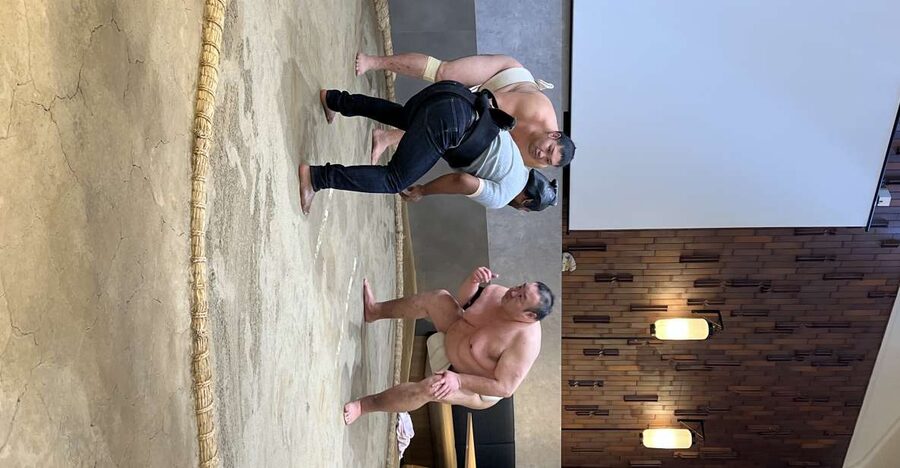
The two locations give the experience a slightly different setting.
Asakusa is one of Tokyo’s most visited sightseeing areas, so a Monday session can fit neatly around temples, traditional shopping streets, and the neighborhood’s older Tokyo atmosphere. You can make the sumo lunch part of a wider Asakusa day without crossing the city afterward.
Ryogoku is the more natural setting for sumo. It is closely linked with the sport, and many visitors choose it specifically because they want to connect the lesson with Tokyo’s sumo culture. A Thursday session works well if you are already exploring that part of the city.
The activity itself is the same type of program at both locations, but the neighborhood matters. If sumo is the main reason you are booking, Ryogoku may feel like the stronger fit. If you are building a day around Asakusa, the Monday option saves you a separate trip.
The opening lesson: rituals, rules, and training
The session begins with an introduction to sumo’s long tradition and the rituals surrounding a bout. This is where the activity earns its value for people who have watched sumo but never understood what was happening.
You learn to look beyond the collision. The wrestlers explain the meaning behind the movements and show how the sport combines ceremony with direct physical force. The demonstrations also help you see that a successful wrestler does not rely only on size.
Expect discussion of the way sumo works as a sport, along with explanations of training and competition. The goal is not to turn you into an expert in two hours. It is to give you enough understanding to watch a bout with better eyes.
The English explanations are especially useful here. Sumo has its own terms, customs, and rhythm, and a translated introduction gives you a way into the sport without requiring you to read a rulebook first.
Same city, another way to catch the action:
- Tokyo: Sumo Show and Experience in Shinjuku
★ 4.8 · 1,001 reviews - Tokyo Grand Sumo Tournament Viewing Tour with Tickets
★ 5.0 · 692 reviews - Tokyo Sumo Wrestling Tournament Experience
★ 5.0 · 660 reviews - Tokyo:Luxury Sumo Show Experience & Japanese cuisine & Drink
★ 4.7 · 577 reviews
Watching former wrestlers demonstrate their strength
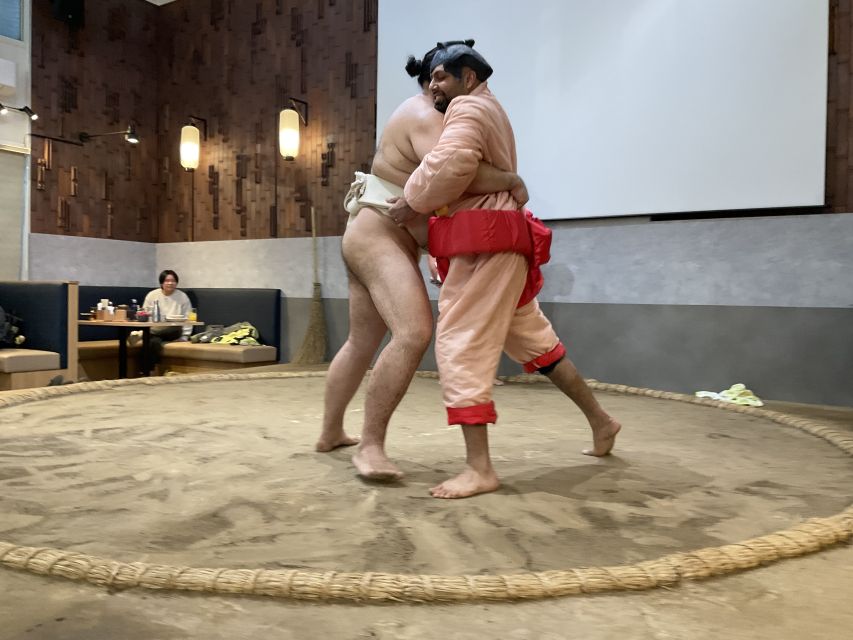
The demonstration is the centerpiece. You see former professional wrestlers perform movements and show how a bout can be won through pressure, balance, and technique.
The scale difference is part of the fun. Even a strong adult can feel unexpectedly small when facing a trained sumo wrestler. The wrestlers use that contrast for comedy, but the joke also makes a serious point: sumo depends on skill and control, not just body weight.
The tone is friendly and playful. Names associated with the session include Audrey and Jumbo, who are noted for their strong English, showmanship, and warm interaction. The exact instructors may vary, so treat those names as a useful indication rather than a guarantee of who will lead your date.
You should expect time for photographs. That matters because the activity is as social as it is educational. You are not simply watching a staged performance from a distance. You are close to the wrestlers, can ask questions through the session, and may get a chance to stand in the ring area.
Your turn in the ring
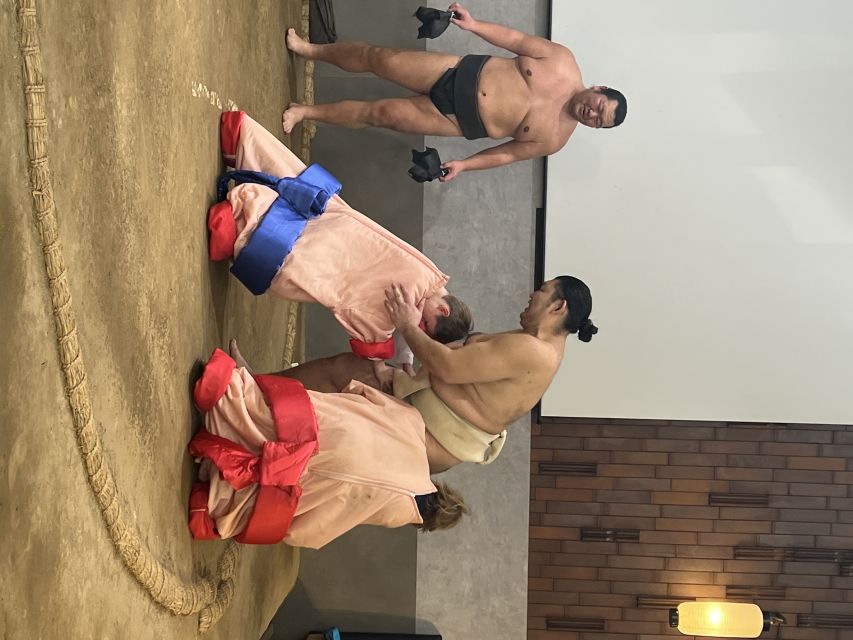
Audience participation is encouraged, but it is not identical for every person. Some participants may be chosen to wear a sumo wrestler costume and help with the demonstration. Not everyone can be selected for that part.
The playful bouts are a major reason to book this experience. You may face a retired wrestler yourself, or watch another participant try. Either way, you see the strength difference at close range and get a better sense of how hard it would be to move an experienced wrestler.
The atmosphere is meant to be funny, not intimidating. The wrestlers guide the interaction and keep the focus on participation rather than competition. Families can enjoy watching children try a gentle version of sumo, while adults often get just as much amusement from their own turn.
If you want to participate, wear something that allows comfortable movement. The supplied information does not specify a dress code, but a physical activity is easier in flexible clothing than in restrictive sightseeing clothes.
Do not book this expecting a full professional training class. It is a short introduction with demonstrations and playful bouts. The value comes from contact, explanation, and humor, not from learning a complete wrestling technique.
Chanko nabe: the lunch after the lesson
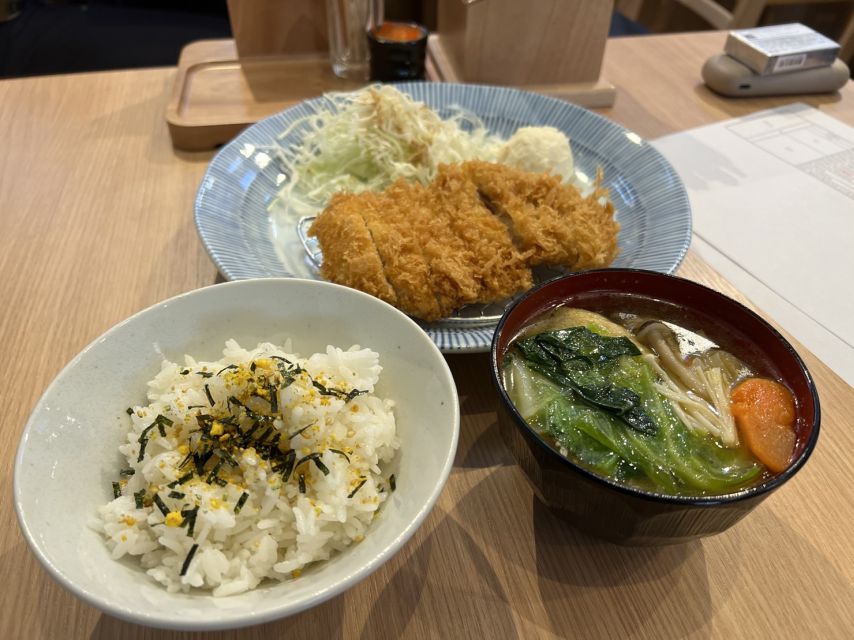
After the demonstrations, lunch is served. The main dish is chanko nabe, a Japanese-style hot pot traditionally linked with the stamina needed for sumo training.
The wrestlers prepare the meal themselves, which gives the lunch a direct connection to the sport. This is not simply a restaurant meal added to an unrelated show. You have just learned about the wrestlers’ world, then eat a dish associated with that world.
The meal is described as hot, plentiful, and satisfying. The available feedback also points to drinks, dessert, and a three-course format in some sessions, though the exact menu may vary. Confirm the current meal details if the food is a major reason for your booking.
Chanko nabe is a sensible choice for this format. A hot pot is communal and relaxed, so it keeps the room social after the more active demonstration. It also gives you time to talk, take pictures, and enjoy the final part of the experience without rushing away.
Vegetarian and Halal meals can be requested, but you need to note this in your reservation or contact the provider at least two days before the activity. Do not wait until you arrive. The information does not describe the exact ingredients or substitution menu, so ask ahead if you have strict dietary needs.
Group size, atmosphere, and accessibility
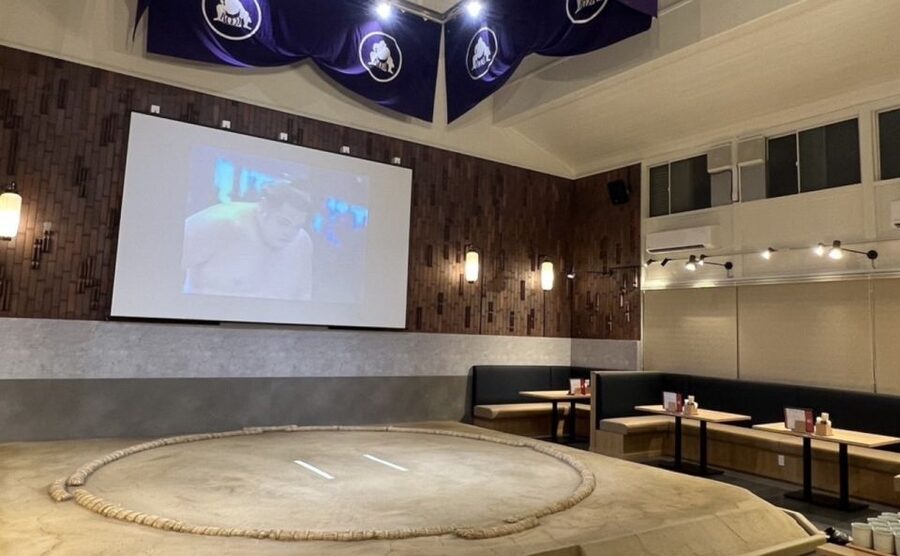
The activity is advertised as a small group limited to six participants. That is a useful size for asking questions and getting near the wrestlers. A small group also improves your chance of taking part, although it does not guarantee a turn in the costume or bout.
The room may contain several tables or more people overall, depending on the session setup. In other words, do not assume you are booking a completely private encounter. The format is intimate compared with a stadium event, but it can still have a shared lunch-room feel.
Wheelchair access is available. If you use a wheelchair and want to take part in the physical demonstration, contact the provider in advance so you can clarify how participation will work. Accessibility is listed, but the supplied details do not describe the ring layout or specific assistance.
The friendly tone suits families, couples, solo visitors, and mixed-age groups. Children can learn from the visual demonstrations, while adults get the cultural background and the chance to test the wrestlers’ strength. It is also a good choice for anyone who wants an activity that does not depend on advanced Japanese.
Is $95 a fair price?
At $95 per person, this is not the cheapest lunch in Tokyo. You are paying for more than food, though. The price includes admission, participation, and lunch, with former professional wrestlers providing the instruction and entertainment.
I see the value in the combination. A sumo exhibition alone would give you a show. A restaurant meal alone would give you lunch. Here, you get an explanation of the sport, demonstrations, direct interaction, photographs, and a themed meal in about two hours.
The price makes the most sense if you want an organized cultural activity with English guidance. It is less compelling if you only want to eat chanko nabe or watch professional sumo. You can find less expensive meals elsewhere, and this is not a substitute for attending a tournament.
The value also depends on how much you participate. If you enjoy asking questions, trying the playful bout, and staying engaged during the demonstration, the fee feels easier to justify. If you prefer to sit quietly and observe, you may still enjoy the show, but you will use less of what the experience offers.
Practical planning and cancellation
The activity includes no transportation. You need to reach the meeting point independently, and the voucher provides the exact location and map. Build in extra time because the start is fixed at 1 PM.
Free cancellation is available up to 10 days before the activity for a full refund. That is helpful if your Tokyo schedule is still changing, but the cutoff is earlier than some last-minute plans allow.
The experience lasts about two hours. Since it ends back at the meeting point, you can plan another nearby activity afterward, but leave room for finding your way back to a station or onward destination.
Who should book this experience?
I would recommend it most strongly to first-time visitors who want a clear introduction to sumo without committing to a full tournament day. It also suits families because the demonstrations are visual, the wrestlers are playful, and children may get a chance to participate.
It is a good fit for you if:
- You want English explanations of Japanese customs.
- You enjoy hands-on cultural activities.
- You are curious about the difference between sumo ceremony and physical competition.
- You like meals that connect with the subject of the activity.
- You are comfortable with a little public participation and humor.
You may want to skip it if you strongly dislike being called on in a group setting. Participation is voluntary in spirit, but the session is built around interaction, and some people may be invited to help with demonstrations.
It is also not the best choice if your main goal is to watch high-level competitive sumo. This is an educational and entertaining workshop led by former professionals, not a tournament match.
Should you book the Tokyo sumo experience?
Book it if you want a friendly, close-up introduction to sumo with food and plenty of audience interaction. The strongest features are the English explanations, the former wrestlers’ warmth and humor, and the chance to feel the sport’s physical power for yourself.
Choose the Monday Asakusa session if you are already planning that neighborhood. Choose Thursday in Ryogoku if you want your day to revolve more directly around sumo. Arrive early, state dietary needs at least two days ahead, and treat the bout as playful participation rather than a serious test.
At $95, the experience asks more than a standard Tokyo lunch, but it gives you a lesson, a show, personal contact, photographs, and a substantial hot-pot meal in one compact visit. For many visitors, that makes it a worthwhile use of two hours.
FAQ
Where does the sumo experience take place?
The activity takes place in Asakusa on Mondays and in Ryogoku on Thursdays. The exact meeting location and map are sent with your voucher.
What time does the activity start?
The activity starts at 1 PM. You should arrive before the start time. The listed door-opening time is 12:40, though one piece of information gives the time as 12:40 AM, so check your voucher for confirmation.
How long does the activity last?
The experience lasts about two hours and ends back at the meeting point.
Is the activity conducted in English?
Yes. The instructor language is English, and the former professional wrestlers explain the sport, rituals, and demonstrations in English.
Is lunch included?
Yes. Lunch is included in the price. It features chanko nabe, a Japanese-style hot pot prepared by the wrestlers.
Can I try sumo myself?
You may be able to take part in a playful bout with a former wrestler. Some audience members may also be selected to wear a sumo wrestler costume and help with a demonstration, but not everyone is guaranteed a turn.
Can I request a vegetarian or Halal meal?
Yes. You must note the requirement in your reservation or contact the provider by email at least two days before the activity date.
Is the experience wheelchair accessible?
Yes, the activity is listed as wheelchair accessible. The available information does not specify how wheelchair users participate in the physical demonstration, so contact the provider ahead of time with specific needs.
What does the $95 price include?
The price includes the entrance fee, participation fee, and lunch. Hotel pickup and drop-off are not included.
New on the fixture list around Tokyo
- Tokyo: Sumo Morning Practice -Stable Visit Tour with a Guide★ 4.8 · 16 reviews
- Tokyo: Watching Sumo and Ryogoku Area Walking Tour★ 4.0 · 5 reviews
- Tokyo: Sumo Morning Practice Viewing Tour at a Real Stable★ 4.9 · 32 reviews
- Tokyo: Sumo Morning Practice Tour in Ryogoku and Photo Shoot★ 4.7 · 47 reviews
- Tokyo: Sumo Keiko Training Tour with Audio Guide & Photo★ 4.8 · 5 reviews
- Tokyo Sumo Morning Practice: Witness the Life of a Wrestler★ 4.8 · 56 reviews
- Tokyo Highlights Tour: Sumo, Sushi, Tea, and Tokyo Tower★ 5.0 · 2 reviews
- Tokyo: Sanctuary Authentic Grand Sumo Experience & Training★ 5.0 · 7 reviews
More Sumo Experiences in Tokyo to weigh up.
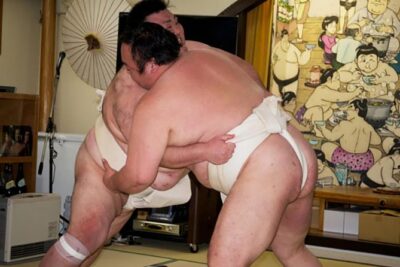
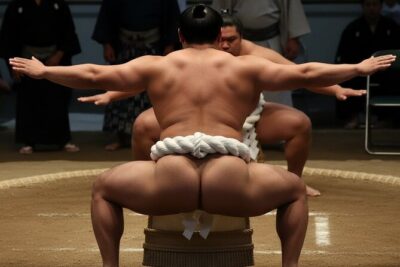
Tokyo Shinjuku Sumo Show & Experience with Photo
Read our review →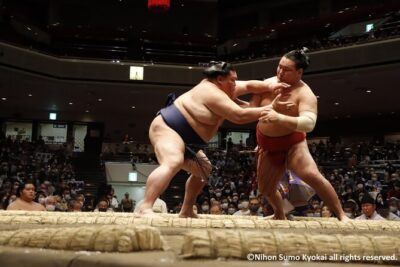
Tokyo Grand Sumo Tournament Viewing Tour with Tickets
Read our review →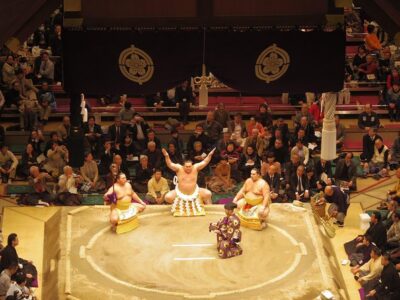
Tokyo:Luxury Sumo Show Experience & Japanese cuisine & Drink
Read our review →
Tokyo Sumo Experience: Chanko & Mochi with a Former Pro
Read our review →This one also appears in