
Review · TOKYO
Tokyo: Grand Sumo Tournament Tour
Tokyo’s Grand Sumo Tournament is far more enjoyable when you understand what is happening. This small-group experience pairs arena tickets with live English commentary from a local sumo guide, so the ritual, rankings, rules, and wrestler rivalries do not pass in a blur. Guides such as Jeff, Yoko, Taka, Dawn, and Yuki have all led groups, and the quality of the explanation is the tour’s main strength.
I like the optional walk through Ryogoku’s sumo district, including views of sumo stables from outside. I also like the pamphlet, cheering towel, and headset, which help you follow the afternoon even when your seat is high in the arena. The main caution is price: at $195 per person, this costs much more than an arena ticket bought alone, and the audio equipment can be hard to hear or tiring after several hours.
Key points to know before booking
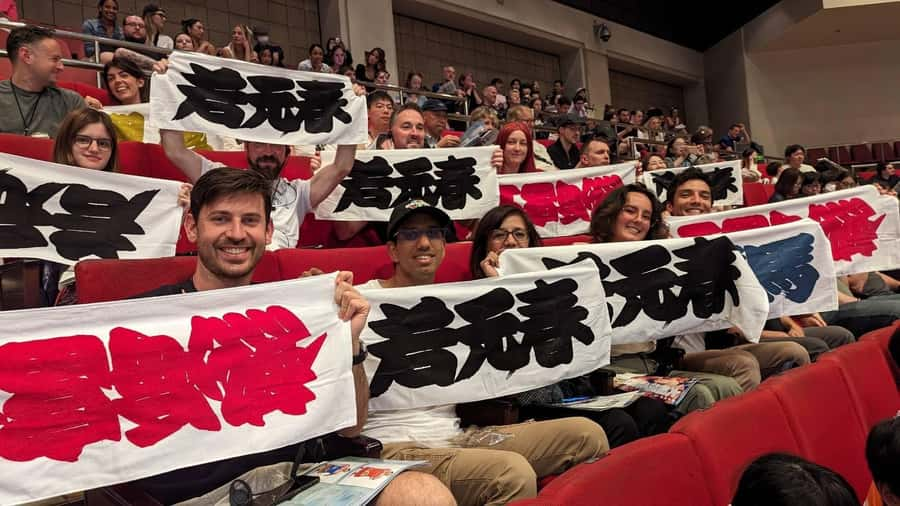
- Live commentary changes the experience: Your guide explains bouts as they happen, rather than leaving you to study the rules afterward.
- Ryogoku gives the sport a sense of place: The optional walk visits sumo-related landmarks and looks at stables where wrestlers live and train.
- The best action comes later: The atmosphere builds toward the top-division bouts, with the major matches and loudest cheering generally after 4 p.m.
- This is a small group: The tour accepts a maximum of 10 people, making it easier to ask questions and stay near the guide.
- Seating is in chair B or chair C sections: Some seats are high, but the dohyo remains visible, and the commentary helps fill in the gaps.
- Chanko-nabe is optional: You can add the filling hot-pot meal associated with sumo wrestlers, but drinks cost extra.
Why sumo is better with a guide beside you
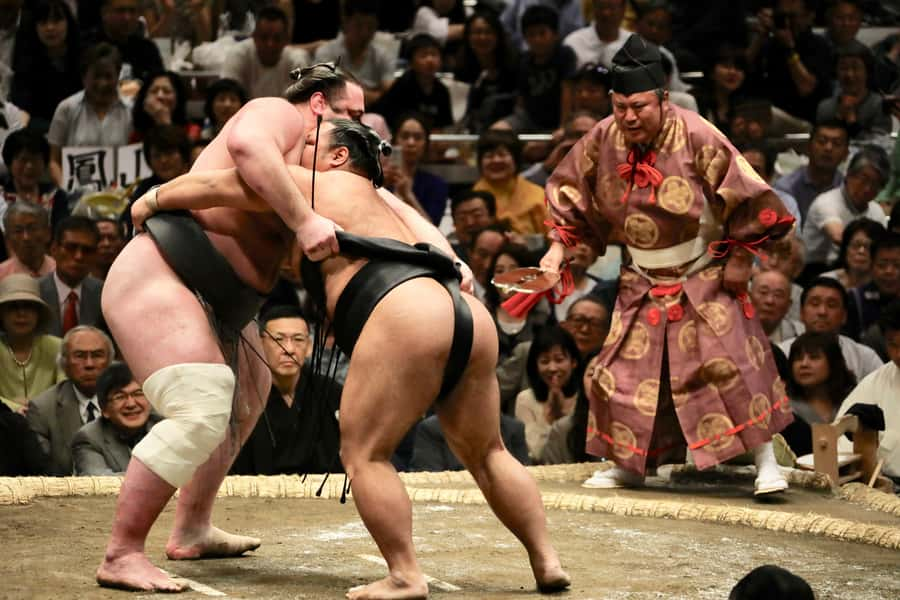
A sumo tournament can look simple at first: two large wrestlers face each other, perform ritual movements, and try to force one another out of the ring. The details are the real pleasure. Small shifts in stance, the timing of a charge, the use of a belt grip, and the referee’s calls all make more sense when someone explains them as you watch.
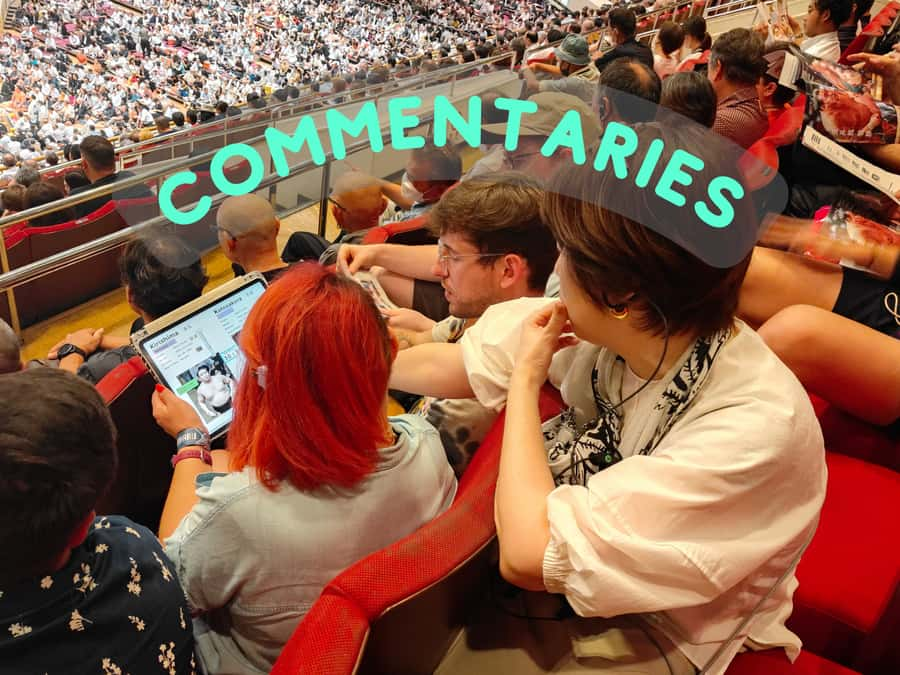
That is the point of this tour. You are not simply handed a ticket and sent into the Kokugikan arena. An English-speaking guide stays involved through the experience, giving background on sumo’s origins, customs, rankings, and personalities. The commentary is delivered through a headset, which should help you hear from a distance, though the equipment is not perfect.
I would choose this tour for a first sumo match, especially if you do not read Japanese and want more than a colorful afternoon in a large hall. If you already follow sumo closely, the price may be harder to justify unless you value the guide’s access to context and the convenience of an organized visit.
More Sumo Experiences in Tokyo
- Tokyo: Sumo Show and Dining Experience
★ 4.8 · 2,742 reviews - the SUMO show
★ 5.0 · 1,960 reviews - Tokyo Shinjuku Sumo Show & Experience with Photo
★ 5.0 · 1,750 reviews
Starting beside the Kokugikan arena
The meeting point is on the left side of the front gate of the Kokugikan arena in Ryogoku. The activity ends back at this same meeting point, and hotel pickup is not included, so plan your own way there.
The group is limited to 10 people. That is a useful size for a subject that invites questions. You can ask about a wrestler, a ceremony, or an unfamiliar call without trying to catch a guide across a crowd of 30 people. It also makes the walking portion easier to manage.
The tour has several combinations. The full version begins with the 13:00 to 15:00 landmark and history walk, followed by arena viewing from 15:00 to 18:00. You can also book the 15:00 to 18:00 sumo-only option if you prefer to skip the walk. Chanko dinner can be added as another option.
Check your exact selection carefully when booking. The price, length, and meal arrangement depend on the combination you choose.
Ryogoku’s sumo landmarks from 13:00 to 15:00
The walking portion takes place in Ryogoku, Tokyo’s sumo district. Its value is not just sightseeing. You begin to understand that sumo is tied to a particular neighborhood, not only to the tournament hall.
The guide takes you to sumo-related historical landmarks and points out stables from the outside. These are the places where wrestlers live and train. You should not expect to enter a stable, but even seeing these buildings gives the sport a more grounded feel. Sumo wrestlers are not just performers who appear on tournament days. They belong to training communities with strict daily routines.
The walk also gives your guide time to explain the sport before the matches begin. That preparation matters. Once you are seated, there is a lot to watch: the entrances, salt throwing, stamping, bowing, referee signals, and the bout itself. Learning the meaning behind these actions beforehand helps you notice them instead of treating them as colorful pauses.
One particularly nice possibility is encountering wrestlers around the district. A group led by Jeff happened to meet some wrestlers who were willing to pose for photos. That kind of meeting cannot be promised, but Ryogoku gives you a better chance of feeling close to the sport’s daily life than a stand-alone arena ticket would.
I would allow energy for the walk. The full day can feel long, especially for children or anyone who prefers a slower afternoon. One useful suggestion is to consider the sumo-only option if your main goal is the tournament. The walk is worthwhile for first-time visitors who want the setting, but it is not essential for seeing the matches.
What happens inside the Kokugikan
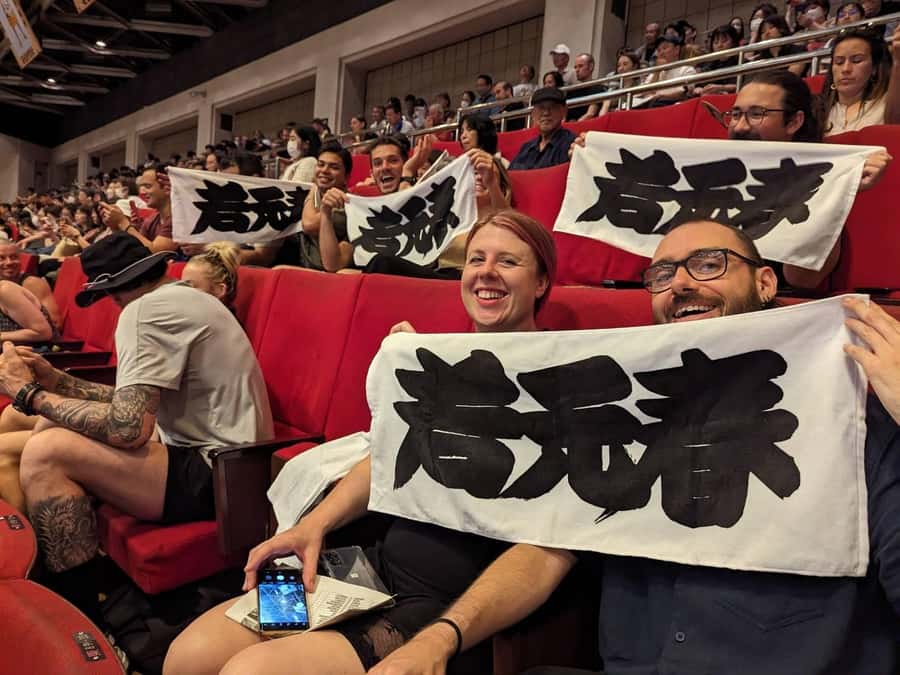
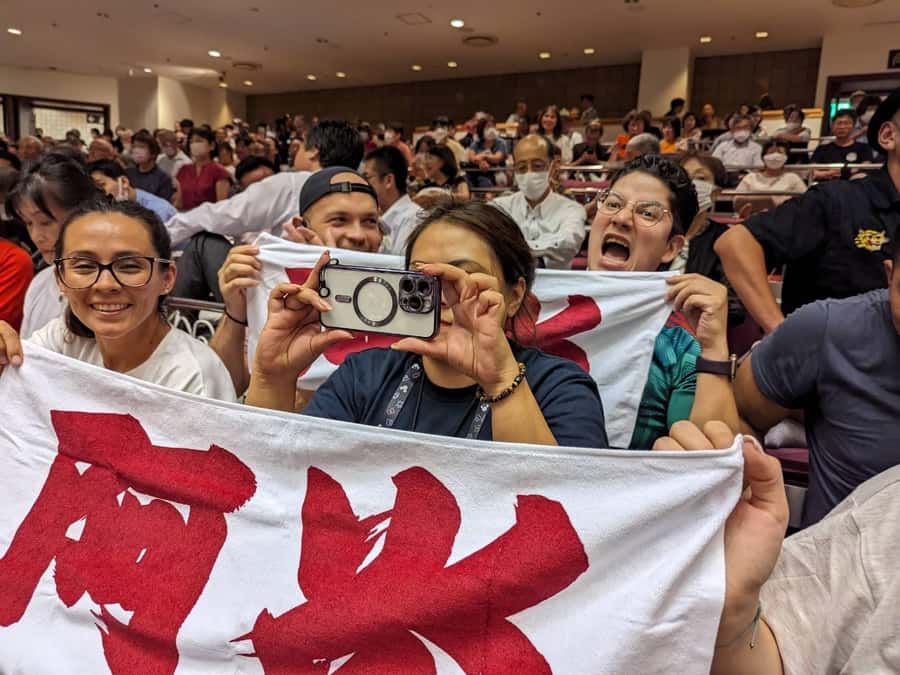
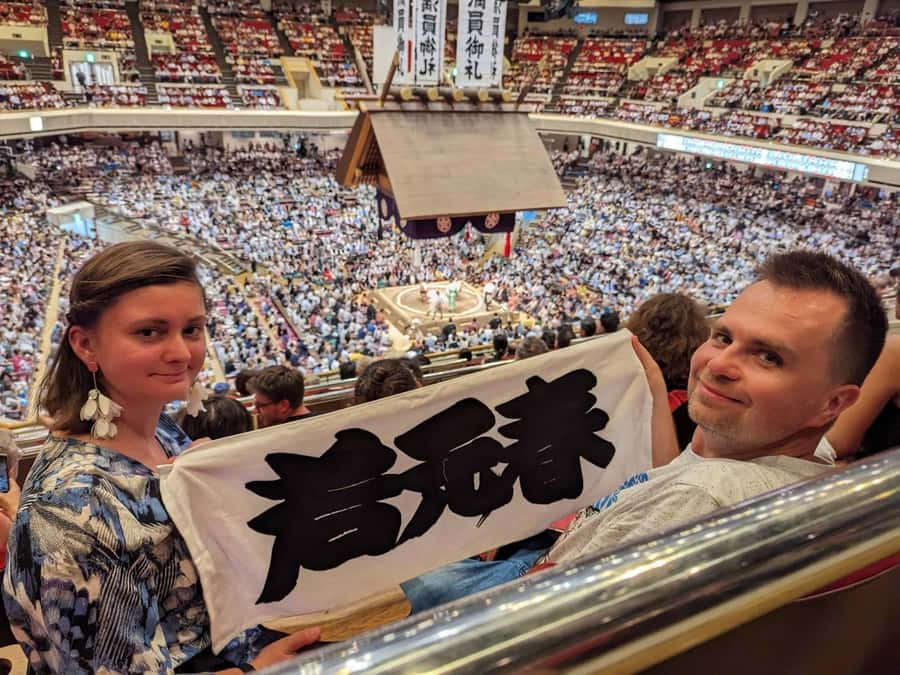
The arena portion runs from 15:00 to 18:00. You receive an entry ticket, an English pamphlet, a cheering towel, and a headset for the guide’s commentary.
The pamphlet helps you keep track of the wrestlers and matches. It also adds facts and figures that are easy to miss while watching the action. Sumo has its own vocabulary and ranking system, so a printed guide is handy when several bouts move along quickly.
Your guide explains the action in real time. You might hear why a wrestler is trying to control the belt, what a particular shove or throw means, or why a match ended the way it did. The best guides also add background about individual wrestlers and amusing details that give the competitors more personality.
The guide names vary by date. Past groups have been led by Jeff, Dawn, Yoko, Taka, Yosh, Yuki, and Bruce. The strongest praise has gone to guides who combine clear English with energy and a real interest in sumo. Dawn was singled out for explaining the sport’s history and facts in detail, while Taka was praised for answering questions and keeping the group engaged. Yoko’s commentary helped make high seats worthwhile, and Bruce was described as both entertaining and well informed.
The headset is useful, but keep your expectations realistic. Several people found the audio hard to hear at times, even with the equipment. In some cases, the guide was close enough that taking off the headset solved the problem. Long use can also become uncomfortable, and the background noise may bother you when the guide is silent.
I see the headset as a helpful tool, not the reason to book the tour. Stay close to the guide when possible, and do not be afraid to ask for a repeat if the arena noise swallows a comment.
Same city, another way to catch the action:
- Tokyo: Sumo Show and Experience in Shinjuku
★ 4.8 · 1,001 reviews - Tokyo Grand Sumo Tournament Viewing Tour with Tickets
★ 5.0 · 692 reviews - Tokyo Sumo Wrestling Tournament Experience
★ 5.0 · 660 reviews - Tokyo:Luxury Sumo Show Experience & Japanese cuisine & Drink
★ 4.7 · 577 reviews
Seeing the top-division wrestlers
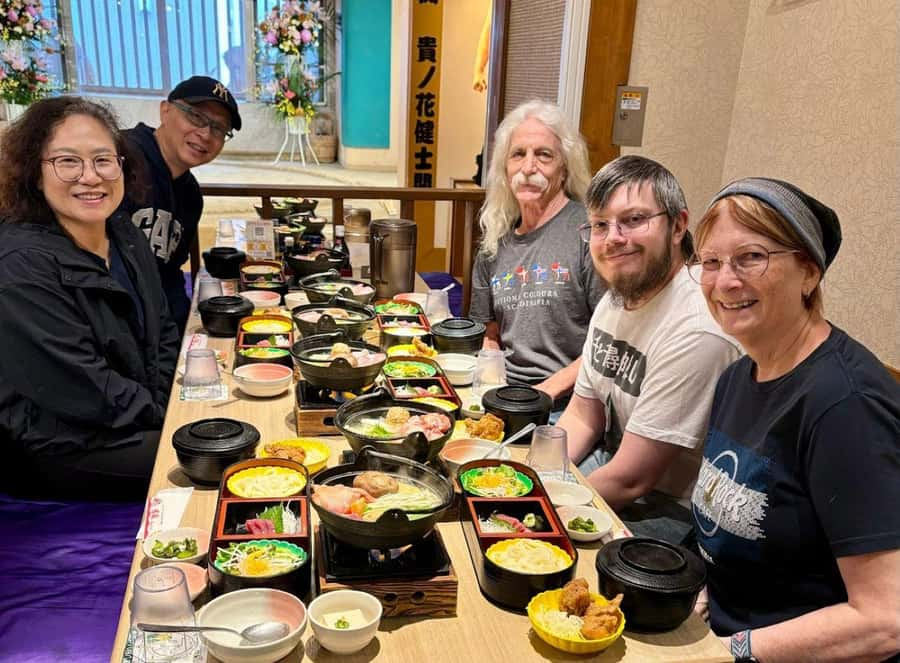
The major attraction is the tournament itself. The program builds through the afternoon, but the most important bouts and strongest atmosphere come later, often after 16:00.
That timing is worth knowing. If you join the full walk and arrive at the arena around 15:00, you will see earlier matches before the top-division wrestlers appear. Some people enjoy watching the entire progression. Others find the early portion slow and would rather arrive closer to the headline bouts.
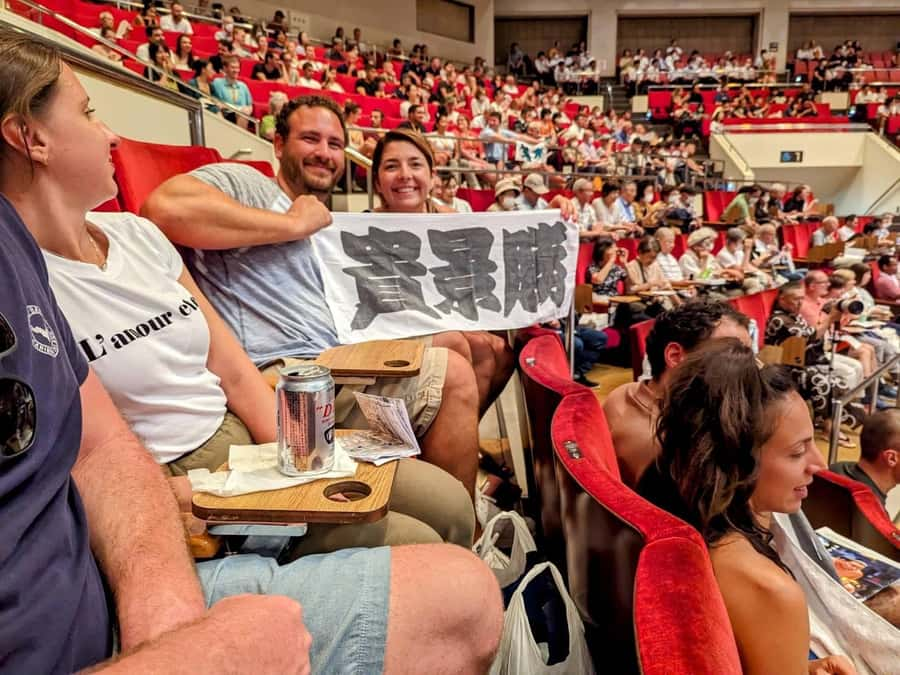
As the afternoon develops, the crowd becomes more involved. Your guide encourages you to cheer for a wrestler, and the included towel gives you a small way to take part. This is not a formal stage show. It is a live sporting event, with short bursts of tension followed by sudden endings.
Seats are in chair B or chair C sections. Some groups have sat near the top of the arena. You will not have the close-up view available from ringside seats, but the dohyo should remain visible, and the guide’s explanations help you follow the match. If a specific seat location is important to you, note that these seating categories do not guarantee a low or ringside position.
The distance is the main tradeoff. You pay for a guided experience rather than premium proximity. For me, that can work well if I am new to sumo. If you already know the wrestlers, rules, and rituals, a higher seat may make the package feel less attractive.
Adding a chanko-nabe dinner
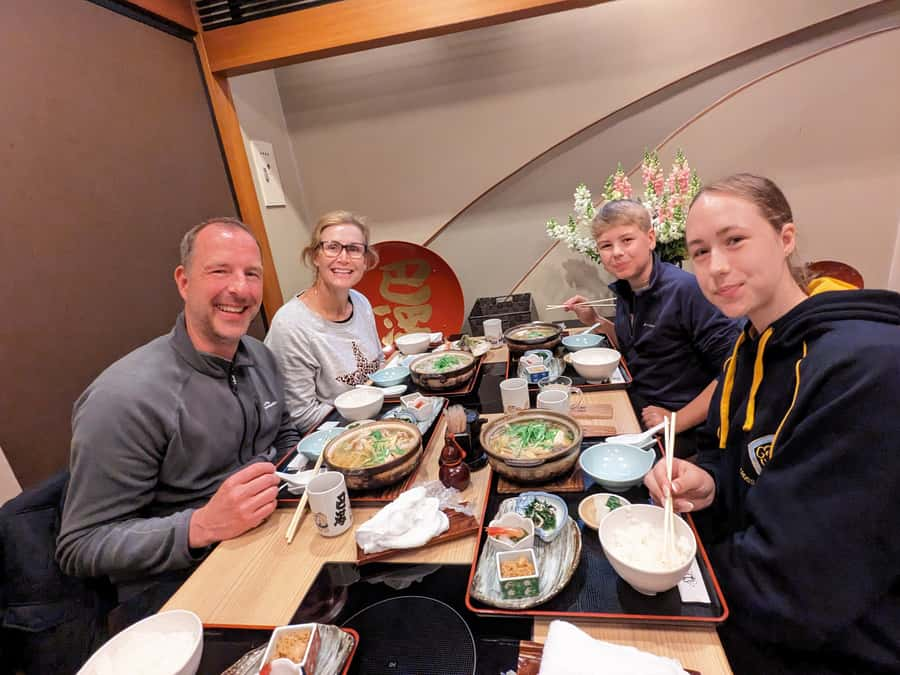
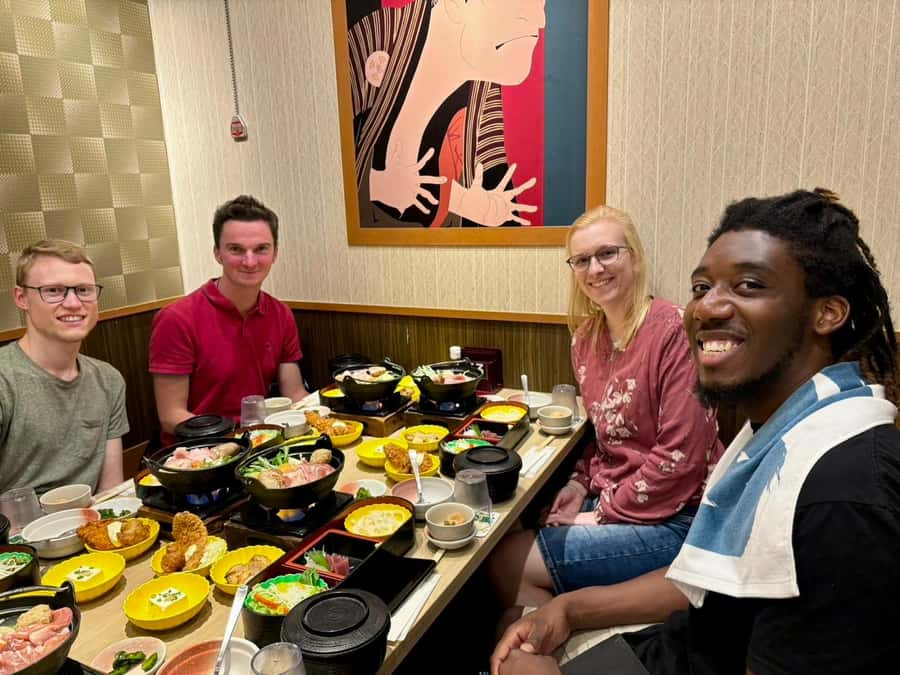
The optional chanko-nabe meal connects the tournament to the food sumo wrestlers commonly eat while building their size and strength. It is a nutrient-heavy hot pot and a fitting way to continue the theme after the arena.
The meal is not included in every version of the experience, so select the correct option. Drinks are not included and must be ordered separately. That detail can affect the final cost, particularly if you are dining with a family or group.
I would add chanko if you want the day to feel like one complete sumo outing. If food is secondary and you mainly want the match, the sumo-only package is more direct.
Is $195 a fair price?
The $195 price is not a bargain arena ticket. One person calculated that a ticket purchased directly through the sumo organization could cost around 8,000 yen, making the guided package look expensive at first glance.
That comparison is fair. The extra money pays for the English-speaking guide, the pre-match orientation, live explanations, the pamphlet, headset, cheering towel, and the convenience of having the visit organized in a small group. It does not buy you a guaranteed ringside view or hotel transportation.
The value depends on how much help you need. If you can buy a ticket, learn the basics elsewhere, and follow the program independently, you may prefer to save the difference. If you want a local guide to explain the ceremony, point out wrestlers, translate the action, and lead you through Ryogoku, the premium has a clear purpose.
I would call it reasonable for a first-time visitor who wants cultural context and does not want to work out the tournament system alone. It is less convincing for a devoted sumo fan who already knows the sport or for a budget-conscious visitor who only wants to sit in the arena.
Who will enjoy this most?
This experience suits you if you are curious about Japanese culture but do not know the rules of sumo. The guide removes much of the confusion and makes a formal, unfamiliar sport easier to follow.
It is also a good fit for solo visitors and small groups. The maximum group size of 10 gives you company without turning the afternoon into a large guided procession. Families can attend, though infants aged 0 to 3 are free only when they sit on an adult’s lap, and you should tell the operator how many infants are joining.
The tour is not suitable for wheelchair users. It also requires a long afternoon, and the full version includes a two-hour walking portion before the tournament. If you dislike extended guided activities or prefer to arrive only for the headline bouts, choose the 15:00 to 18:00 option.
I would be cautious about booking the full walk for very young children unless they already enjoy walking and live sports. The sumo-only version is easier to manage.
Practical ways to get more from the afternoon
Read the pamphlet as the matches progress rather than waiting until the end. It gives you names and facts that make the bouts easier to remember.
Stay near the guide when leaving your seat or moving through the arena. The headset helps, but several people found it difficult to hear at times, and the guide’s voice is clearer when you are close.
If you want the biggest crowd reaction, remember that the final and top-division bouts come later. The full afternoon is not wasted, but you do not need to panic if the first matches seem quiet.
Bring patience for the equipment. The headset may be useful during commentary and less useful during long silent stretches. You can adjust how you use it rather than wearing it continuously.
Finally, decide what you are paying for. You are buying explanation, structure, and cultural background, not simply admission. That distinction makes the price easier to judge.
Should you book the Grand Sumo Tournament Tour?
Book it if you want your first Tokyo sumo match explained in clear English, with a guide who can connect the ceremony to Ryogoku’s sumo life. The small group, live commentary, pamphlet, and optional landmark walk give the afternoon more meaning than a ticket alone.
Skip it if you already understand sumo, want the cheapest possible seat, or mainly care about the final bouts. In that case, buying your own ticket may save a substantial amount.
For most first-time visitors, I would choose the sumo-only option if time or stamina is limited. Choose the full version if you want the neighborhood, the stable exteriors, and the background before taking your seat. Add chanko-nabe when the food is part of the appeal, and remember that drinks cost extra.
The tour has a 4.7 rating from 73 reviews, but the more useful takeaway is specific: the guides are the heart of the experience, while the audio equipment and high seating can be uneven. If you value an informed guide more than a bargain ticket, this is a strong way to meet sumo.
FAQ
Where does the tour meet?
Meet on the left side of the front gate of the Kokugikan arena in Ryogoku. The activity ends back at the same meeting point.
What time does the full tour begin?
The full version includes a landmark and history walk from 13:00 to 15:00, followed by tournament viewing from 15:00 to 18:00.
Can I book only the sumo viewing?
Yes. A 15:00 to 18:00 option is available for visitors who want to join only the arena portion.
What seating is used?
The tour uses chair B and chair C seats. Some seats may be high in the arena, but the dohyo remains visible.
Is chanko-nabe included?
Chanko-nabe is included only when you select the meal option. Drinks are separate and must be ordered on site.
Is the tour suitable for wheelchair users?
No. The experience is not suitable for wheelchair users. Infants aged 0 to 3 are free, but they must sit on an adult’s lap, and the operator should be told how many infants will attend.
New on the fixture list around Tokyo
- Tokyo: Sumo Morning Practice Viewing Tour at a Real Stable★ 4.9 · 32 reviews
- Tokyo: Sumo Morning Practice -Stable Visit Tour with a Guide★ 4.8 · 16 reviews
- Tokyo: Watching Sumo and Ryogoku Area Walking Tour★ 4.0 · 5 reviews
- Tokyo: Sumo Morning Practice Tour in Ryogoku and Photo Shoot★ 4.7 · 47 reviews
- Tokyo: Sumo Keiko Training Tour with Audio Guide & Photo★ 4.8 · 5 reviews
- Tokyo Sumo Morning Practice: Witness the Life of a Wrestler★ 4.8 · 56 reviews
- Tokyo Highlights Tour: Sumo, Sushi, Tea, and Tokyo Tower★ 5.0 · 2 reviews
- Tokyo: Sanctuary Authentic Grand Sumo Experience & Training★ 5.0 · 7 reviews
More Sumo Experiences in Tokyo to weigh up.
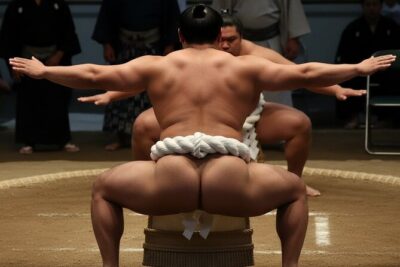
Tokyo Shinjuku Sumo Show & Experience with Photo
Read our review →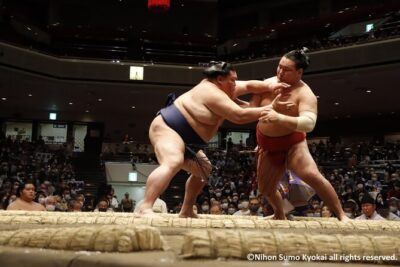
Tokyo Grand Sumo Tournament Viewing Tour with Tickets
Read our review →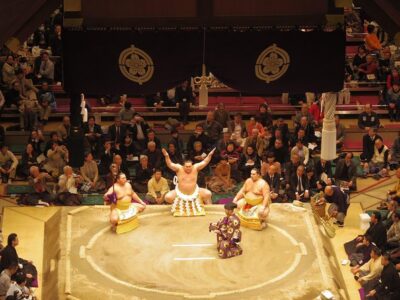
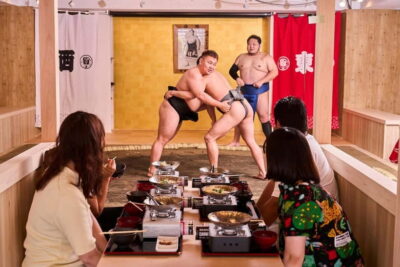
Tokyo:Luxury Sumo Show Experience & Japanese cuisine & Drink
Read our review →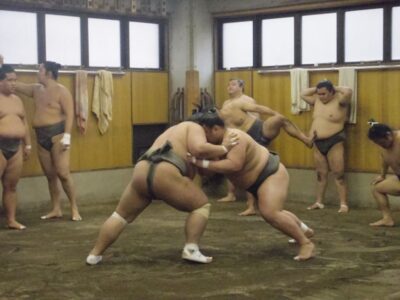
Tokyo Sumo Experience: Chanko & Mochi with a Former Pro
Read our review →This one also appears in