
Review · TOKYO
Tokyo Ginza : Sumo and Mikoshi Experience,Open from Sep.
The most surprising part of this Ginza outing is how close you get to the action. You watch sumo practice, learn how winning techniques work, then step into the ring and test yourself against a retired wrestler if your name is chosen. It is part sports lesson, part festival show, and part friendly comedy.
I like the hands-on format and the chance to eat chanko, the hot-pot meal associated with sumo wrestlers. I also like the mikoshi activity, since carrying a portable shrine gives you a small taste of Japanese festival life rather than simply watching from a seat.
The main consideration is the lottery for General-seat participants who want to wrestle. Premium and Box seats guarantee participation, but the standard option does not. Also, this is an entertaining show, not a serious morning training session or professional tournament bout.
Key points at a glance
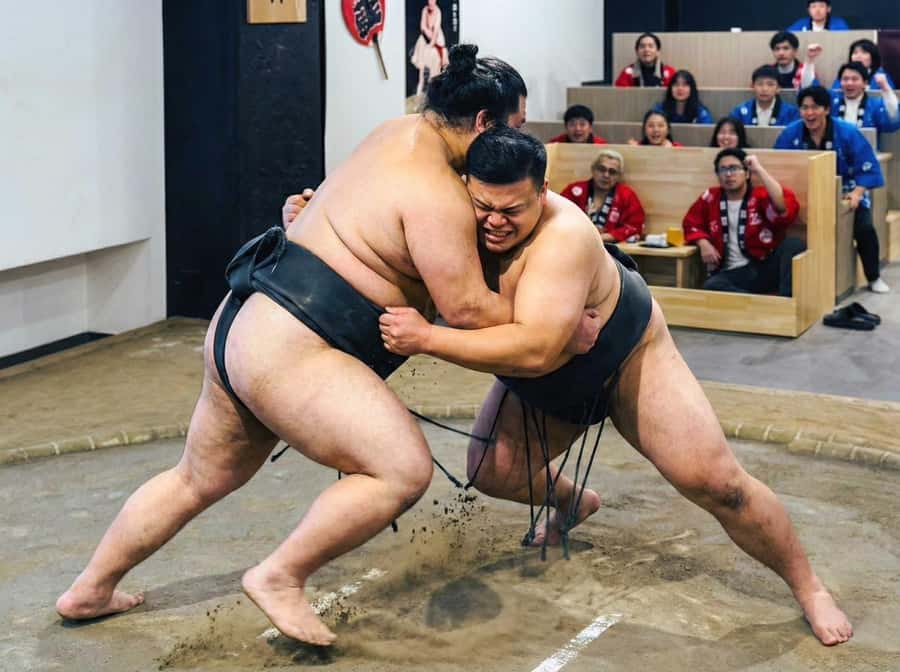
- Try sumo in the ring: A retired wrestler may invite you to test your strength in a friendly bout.
- Watch close-up practice and demonstrations: You learn basic rules and winning techniques in an easy, entertaining format.
- Eat chanko hot pot: Choose the Chanko Hot Pot plan or the Snack plan, with drinks purchased separately.
- Carry a mikoshi: Join a festival-style activity that is unusual to find in central Tokyo.
- Stay in Ginza: The venue is a short walk from Yurakucho, Ginza-Itchome, and Ginza stations.
- Choose your seat with care: Premium and Box seats guarantee sumo participation, while General seating uses a lottery.
A sumo show in the middle of Ginza
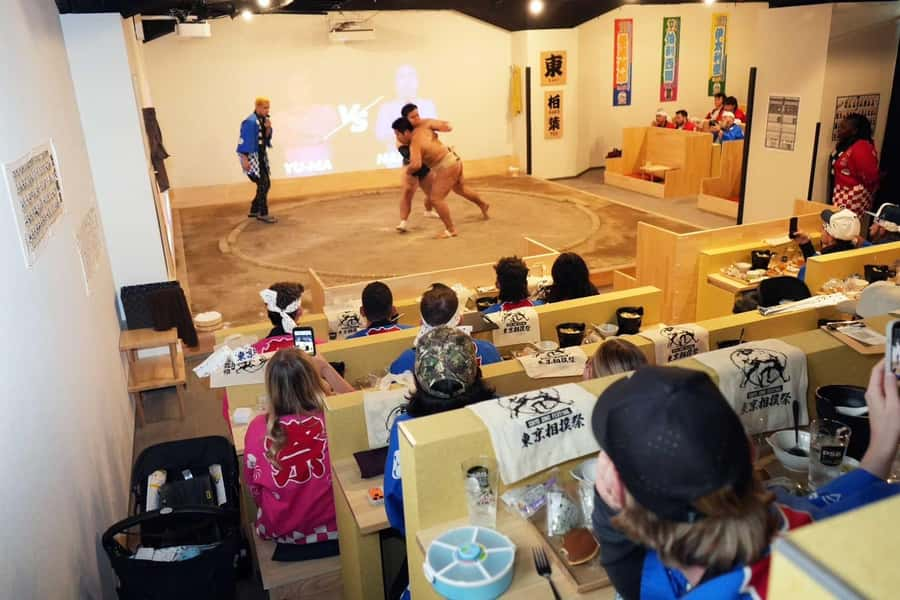
Ginza is better known for department stores, polished shopping streets, and expensive restaurants than for sumo. That contrast makes this activity useful for a Tokyo day: you can spend the afternoon among high-end shops, then head below street level for a noisy, playful festival-style show.
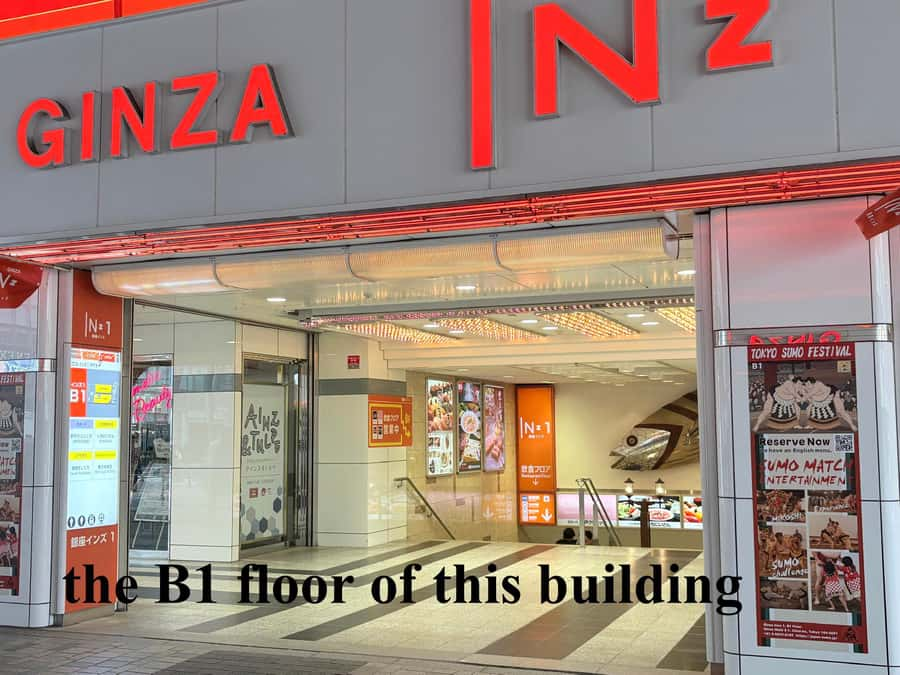
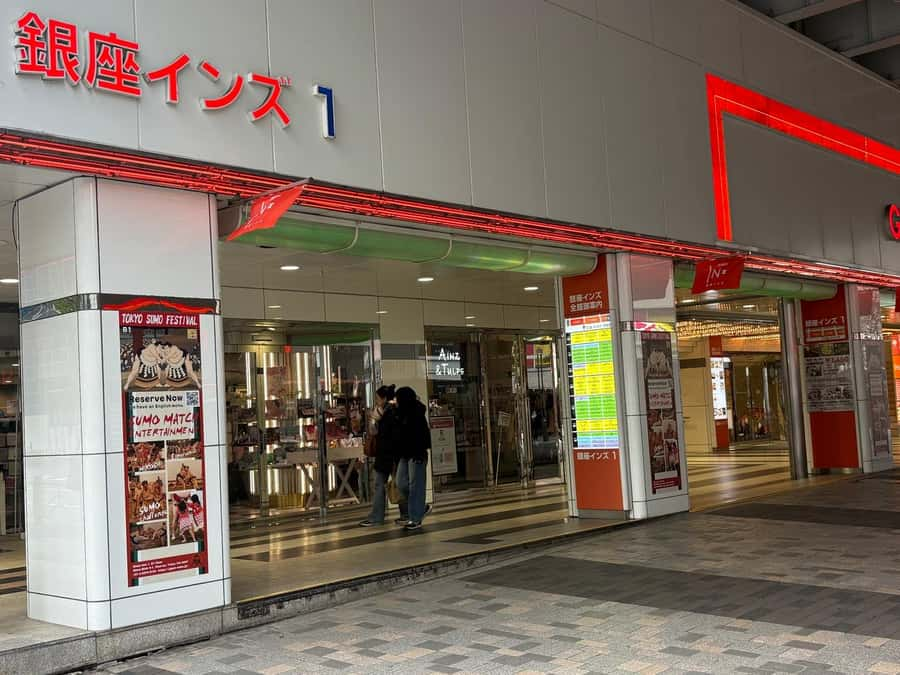
The facility is at Ginza INZ 1, on the first basement floor at 1 Nishi 3-chome. From JR Yurakucho Station, allow about three minutes on foot. Ginza-Itchome Station is roughly two minutes away, and Ginza Station takes about four minutes.
Give yourself extra time to find the entrance. One person arrived late after having trouble locating the building with Google Maps. Staff waited and helped with the welcome, but you will enjoy the event more if you arrive early rather than searching for the correct basement entrance at the last moment.
The location is also handy if you want to pair the activity with other plans. It is easy to reach from Tokyo Station, and Ginza gives you many choices for shopping and dining before or after the show. The activity ends at the same place where it begins, so you do not need to arrange a separate return transfer.
More Sumo Experiences in Tokyo
- Tokyo: Sumo Show and Dining Experience
★ 4.8 · 2,742 reviews - the SUMO show
★ 5.0 · 1,960 reviews - Tokyo Shinjuku Sumo Show & Experience with Photo
★ 5.0 · 1,750 reviews
What happens before the ring
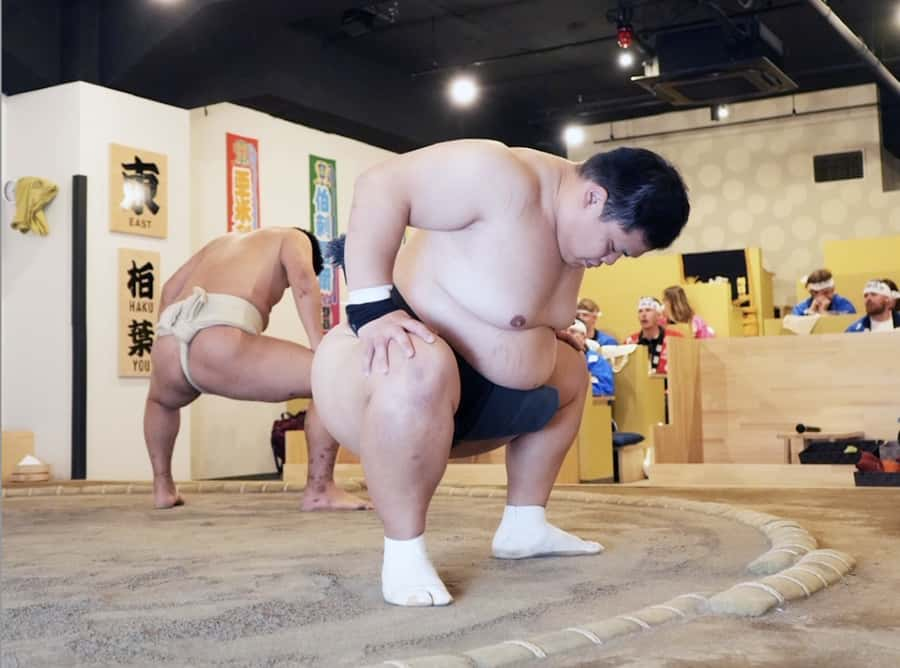
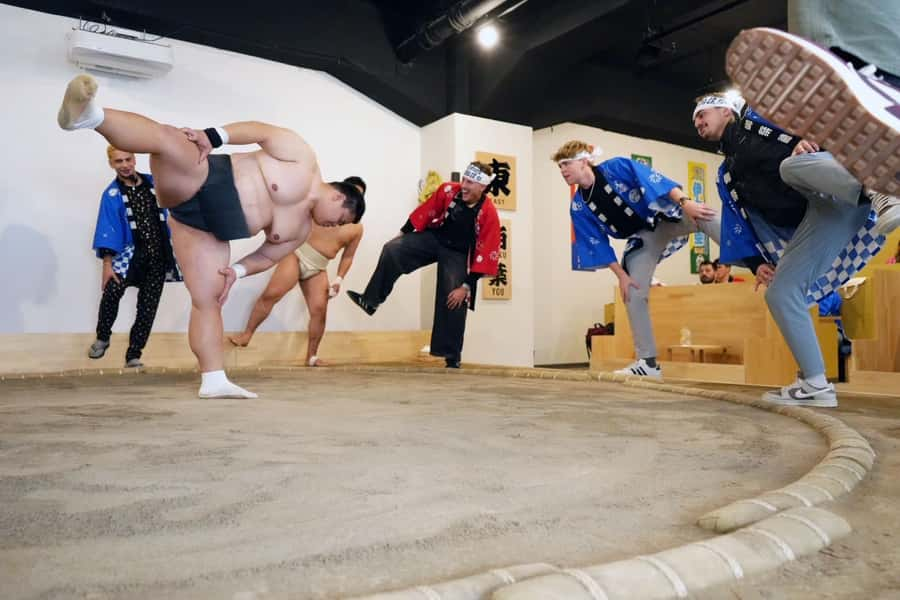
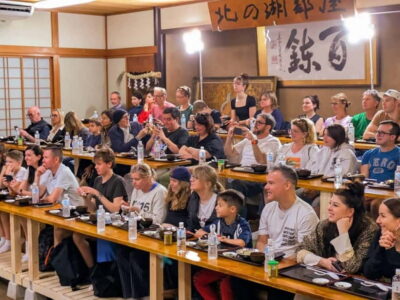
The program begins with sumo-related instruction and demonstrations. You watch morning-style sumo practice at close range, learn how a bout works, and see techniques explained in a way that is suitable for adults and children.
That wording matters. This is not a silent training hall where you watch professional wrestlers prepare for a tournament. The format is built as an entertainment show, with clear explanations and a lively tone. The rules are presented with humor, which makes the sport easier to follow if you know little about sumo.
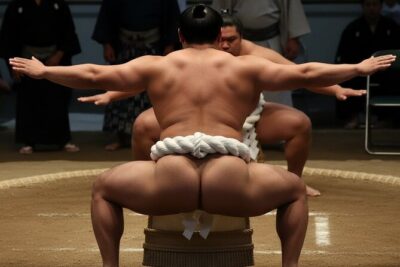
You will see how wrestlers try to force an opponent out of the ring or make part of the body touch the ground. The demonstrations help you understand why balance, footwork, timing, and body position matter. You do not need prior sumo knowledge to keep up.
The performers are former professional wrestlers, so you are not watching actors pretend to be sumo wrestlers. That gives the activity a useful connection to the real sport, even though the format is designed for audience enjoyment.
English support is available, and the explanations are clear enough for people who do not speak Japanese. That is important here because the fun depends on understanding what is happening, especially during the demonstrations and stage activities.
The meal: chanko hot pot or a lighter snack
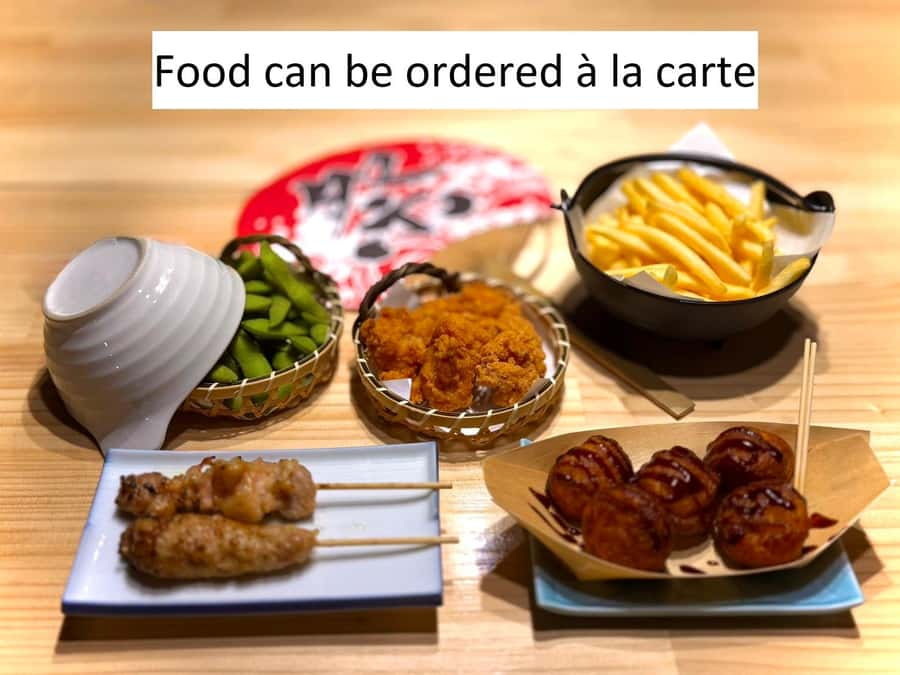
Food is included, but your exact meal depends on the plan you select. The choices are a Chanko Hot Pot plan or a Snack plan. Chanko is closely linked with sumo wrestlers, so it gives the meal more cultural meaning than a generic restaurant dish would.
The hot pot is commonly associated with the communal food eaten by sumo wrestlers. Here, it fits the setting and helps connect the show to daily life around sumo. It is also a practical choice if you want something filling during an activity that may last long enough to work up an appetite.
The Snack plan may suit you better if you want to keep the focus on the show or already have a meal planned in Ginza. Tell the operator how many people want the Chanko Hot Pot plan and how many want the Snack plan through the GetYourGuide message system.
Drinks are not included. Budget for them separately, especially if you prefer to have something with the meal. Vegetarian and vegan food can be provided if you request it at least two days before the reservation date.
There is no gluten-free or halal food option provided. You may bring your own food if that is necessary for your diet. This is one area where you should make your choice before booking, not after arriving.
Your chance to wrestle a retired sumo professional
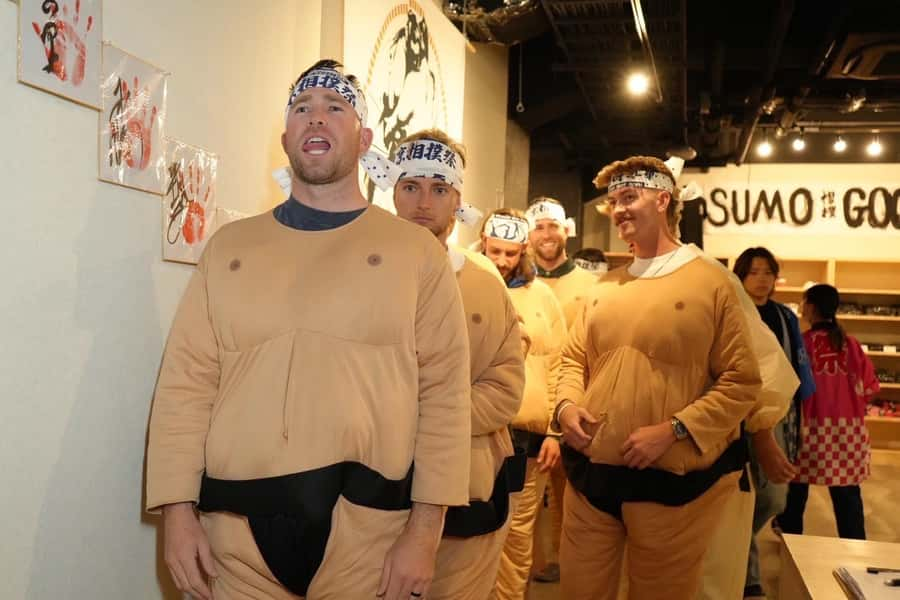
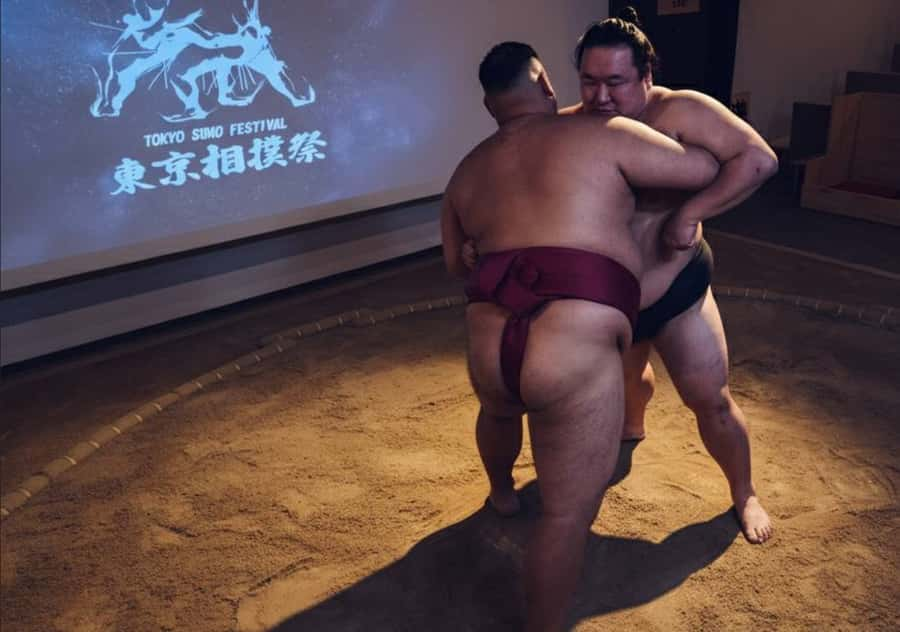
The ring portion is the moment most people will remember. You can put on a costume or festival clothing for some of the activities, then take part on stage with the wrestlers. The staff involve the audience rather than keeping everyone in their seats.
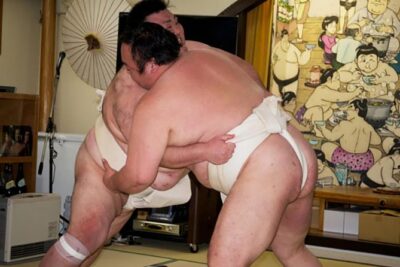
Some participants get to challenge a wrestler directly. It is a friendly contest, but do not expect your strength to carry you far. One participant thought there might be a chance of winning, only to discover that a real sumo wrestler is remarkably difficult to move. That is part of the joke, and it gives you a quick sense of how much size, balance, and technique matter.
Participation is limited. In General seating, names may be selected by lottery. If wrestling is important to you, book a Premium or Box seat because those categories guarantee the chance to take part. The included sumo wrestling activity does not mean every person in every seating category is guaranteed a bout.
Even if you are not selected, the demonstrations and stage activities remain part of the program. Still, families and enthusiastic first-time visitors should understand the difference between seeing the wrestling and personally entering the ring.
The format is designed for both adults and children. It is lively, physical, and easy to understand, but it is not a serious athletic lesson. Think of it as a safe introduction to the spectacle and basic ideas of sumo, with plenty of audience involvement.
Same city, another way to catch the action:
- Tokyo: Sumo Show and Experience in Shinjuku
★ 4.8 · 1,001 reviews - Tokyo Grand Sumo Tournament Viewing Tour with Tickets
★ 5.0 · 692 reviews - Tokyo Sumo Wrestling Tournament Experience
★ 5.0 · 660 reviews - Tokyo:Luxury Sumo Show Experience & Japanese cuisine & Drink
★ 4.7 · 577 reviews
Carrying a mikoshi after the sumo show
After the sumo portion, the mood shifts toward Japanese festival culture. You get to help carry a mikoshi, the portable shrine carried through neighborhoods during festivals.
This is not something most visitors can simply add to a normal Tokyo sightseeing day. You are not only looking at a festival object behind a barrier. You take part in a coordinated activity and feel how a community might gather around a shrine during a local celebration.
The event uses festival clothing and an energetic atmosphere to make the activity easy to join. You may wear a happi, a traditional festival coat, during parts of the program. That small detail helps you feel part of the scene, even if your role lasts only a short time.
The mikoshi segment is especially useful if you have already seen temples and shrines but want a different angle on Japanese religious and community customs. A shrine parade is about shared effort, sound, movement, and group energy. Carrying the mikoshi gives you a direct connection to those ideas.
What the price means at $97
At $97 per person, this is not the cheapest way to spend an hour or two in Tokyo. You are paying for more than a meal or a stage performance. The price covers the show, access to former professional wrestlers, the chance to take part in sumo, a mikoshi activity, food, and a souvenir.
The value is strongest if you want several cultural activities in one outing. A sumo demonstration, chanko meal, festival costume, mikoshi carrying, and possible ring bout would be separate experiences if arranged on your own. Here, they are combined at a central Ginza venue with English explanations.
The value is less clear if you want to watch serious sumo. For that, you should look toward an actual tournament or a traditional training visit. This Ginza event has a show structure, audience participation, comedy, and activities designed for a broad age range.
Seat selection matters more than it might at an ordinary performance. General seating costs less in practical terms, but the sumo challenge is decided by lottery. Premium and Box seats cost more if available, yet the guarantee may be worthwhile for a child, a dedicated sumo fan, or anyone who considers entering the ring the main reason to book.
A souvenir is included, though the item can change by season. Treat it as a pleasant extra rather than a fixed part of the value calculation.
Who will enjoy this most
I would recommend this for first-time Tokyo visitors who want an easy introduction to sumo without needing to understand Japanese. The English explanations, demonstrations, meal, and festival activities create a full evening or daytime plan around one theme.
Families may also like it because the show is built for adults and children. The activities are visual, the rules are explained simply, and the chance to see a very large wrestler up close gives children a memorable point of reference.
It works well for couples and small groups too. You can watch together, share the meal, and enjoy the surprise of seeing someone from your party step into the ring. The mikoshi activity adds variety, so the program does not depend on wrestling alone.
Serious sumo followers should set expectations correctly. You will get close to former professionals and see authentic sumo-related customs, but the tone is staged for entertainment. It is not a replacement for a tournament, a formal training session, or a quiet cultural lecture.
People with strict dietary needs should check the food details before booking. Vegetarian and vegan meals are possible with two days of notice, but gluten-free and halal meals are not provided. Wheelchair spaces are limited, so mention your needs when reserving.
Practical planning for Ginza
The meeting point is Ginza INZ 1 B1, Nishi 3-chome, Ginza, Chuo-ku, Tokyo. The venue is underground, so do not stop at street level and assume you have arrived. Look for the Ginza INZ building and allow time to reach the first basement floor.
The nearest transport options are unusually convenient. JR Yurakucho Station is about a three-minute walk away. Ginza-Itchome Station is about two minutes away, while Ginza Station is roughly four minutes away. Tokyo Station is also close enough to make this a simple addition to a central Tokyo itinerary.
English is the listed activity language. Staff explain the program clearly and help participants take part. That does not mean every sign around Ginza will be in English, so keeping the exact address available on your phone is sensible.
The activity returns to the starting point. You can then continue shopping or dining in Ginza without arranging transport back from another neighborhood.
You can reserve now and pay later, which helps if your Tokyo schedule is still changing. Cancellation is available up to 24 hours before the activity for a full refund. Those terms are useful, but the more important planning choice is your seating category and meal preference.
Should you book the Ginza sumo experience?
Book it if you want a friendly, participatory introduction to sumo and Japanese festival culture. The strongest reasons are the close access to former professionals, the chance to try the ring, the chanko meal, and the rare opportunity to carry a mikoshi in central Tokyo.
Choose Premium or Box seating if a personal sumo bout is essential. General seating can still deliver a very good show, but the lottery means you may watch someone else take the challenge.
Skip it if you want the quiet seriousness of a real training stable or the intensity of a professional tournament. For most visitors seeking an approachable cultural activity, though, the mix of food, wrestling, English explanation, costume, and festival participation makes the $97 price reasonable. It gives you plenty to do, not just something to watch.
FAQ
Where does the Tokyo Ginza sumo activity take place?
It takes place at Ginza INZ 1 B1, 1 Nishi 3-chome, Ginza, Chuo City, Tokyo, Japan.
How far is the venue from nearby stations?
It is about three minutes from JR Yurakucho Station, two minutes from Tokyo Metro Ginza-Itchome Station, and four minutes from Tokyo Metro Ginza Station.
Is the venue above ground?
No. The facility is on the first basement floor, so allow enough time to find the entrance and go downstairs.
Is food included?
Yes. The booking includes either a Chanko Hot Pot plan or a Snack plan. Drinks are not included.
Can I request a vegetarian or vegan meal?
Yes. Vegetarian and vegan meals are available if you inform the operator at least two days before the reservation date.
Are gluten-free or halal meals available?
No. Gluten-free and halal food cannot be provided, though you may bring your own food.
Can I wrestle with a sumo wrestler?
You may have the chance to wrestle with a retired sumo wrestler. General-seat participation is decided by lottery, while Premium and Box seats guarantee participation.
Is this a serious sumo training session?
No. The program is designed as an entertaining show for adults and children. It is different from serious morning training and professional matches.
Is the mikoshi activity included?
Yes. The package includes an experience carrying a mikoshi, a portable shrine used during Japanese festivals.
Is the activity available in English?
Yes. English is the listed activity language, and the staff explain the activities in English.
Does the activity return to the meeting point?
Yes. The program ends back at the Ginza meeting point.
Is a souvenir included?
Yes. A souvenir is included, though the item may change depending on the season.
New on the fixture list around Tokyo
- Tokyo: Sumo Morning Practice Viewing Tour at a Real Stable★ 4.9 · 32 reviews
- Tokyo: Sumo Morning Practice -Stable Visit Tour with a Guide★ 4.8 · 16 reviews
- Tokyo: Watching Sumo and Ryogoku Area Walking Tour★ 4.0 · 5 reviews
- Tokyo Sumo Morning Practice: Witness the Life of a Wrestler★ 4.8 · 56 reviews
- Tokyo: Sumo Morning Practice Tour in Ryogoku and Photo Shoot★ 4.7 · 47 reviews
- Tokyo: Sumo Keiko Training Tour with Audio Guide & Photo★ 4.8 · 5 reviews
- Tokyo Highlights Tour: Sumo, Sushi, Tea, and Tokyo Tower★ 5.0 · 2 reviews
- Tokyo: Sanctuary Authentic Grand Sumo Experience & Training★ 5.0 · 7 reviews
More Sumo Experiences in Tokyo to weigh up.
Tokyo Shinjuku Sumo Show & Experience with Photo
Read our review →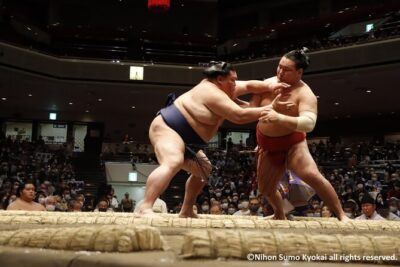
Tokyo Grand Sumo Tournament Viewing Tour with Tickets
Read our review →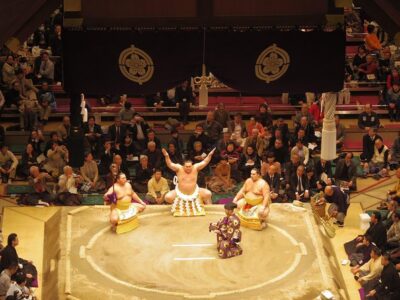
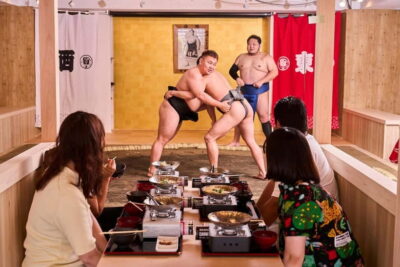
Tokyo:Luxury Sumo Show Experience & Japanese cuisine & Drink
Read our review →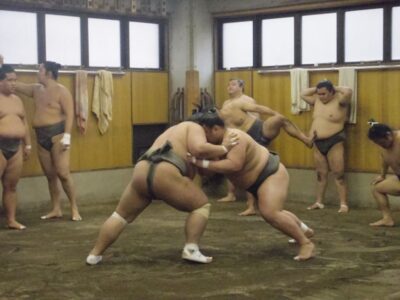
Tokyo Sumo Experience: Chanko & Mochi with a Former Pro
Read our review →This one also appears in