
Review · TOKYO
Tokyo: Challenge Sumo Wrestlers and Enjoy Meal
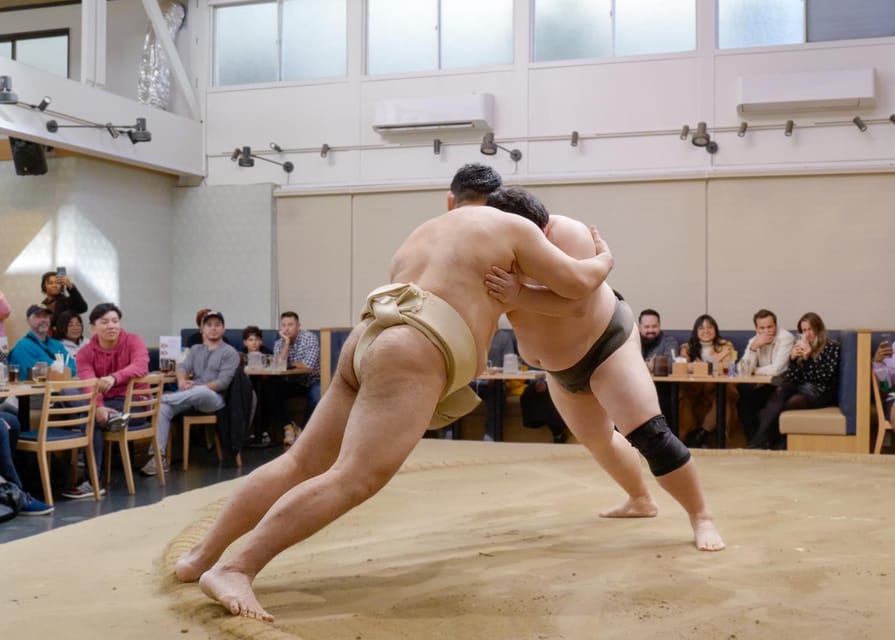
The big draw here is simple: you watch former professional sumo wrestlers clash in a real dohyo, then put on a sumo suit and test your own technique. I like the clear English explanation of sumo terms and customs, and I like that the meal makes the 1.5-hour visit feel like a proper cultural outing rather than a quick photo stop. The only catch is that the experience is non-refundable, so check your schedule carefully before booking.
I also like this as a smart alternative when a sumo stable visit is not possible, especially for families with younger children. The friendly demonstrations, hands-on bout, questions, and photo session keep the pace lively, though you should request a front seat if hearing every comment matters to you.
Key points to know before you book
- Former professional wrestlers in the ring: Watch retired sumo wrestlers demonstrate throws, movement, and familiar techniques.
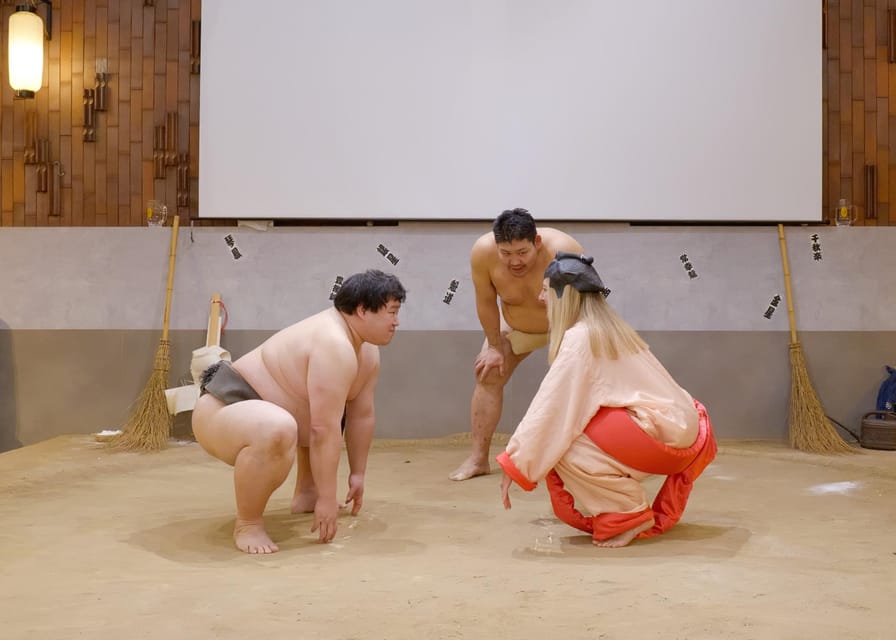
- A hands-on sumo suit session: Put on a costume and try a friendly match against an expert if you wish.
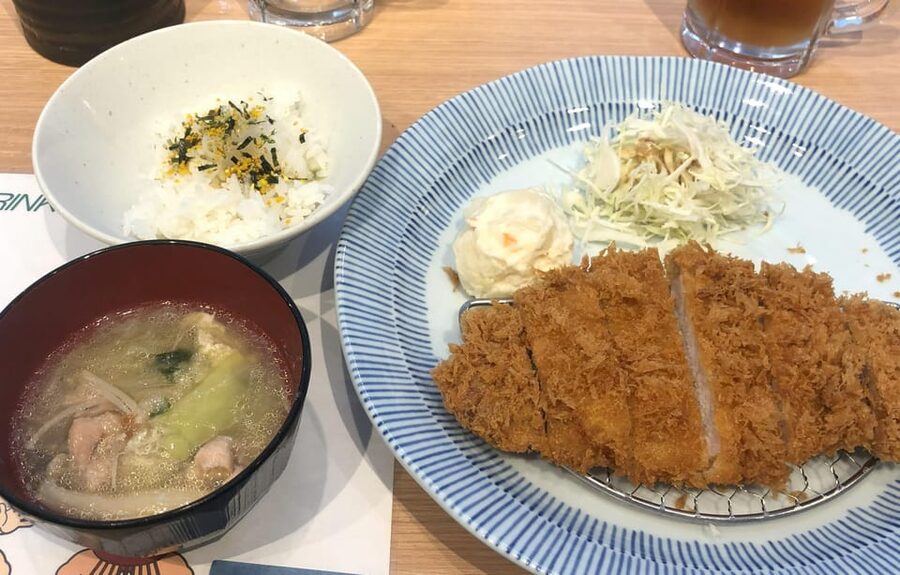
- Tonkatsu or sukiyaki included: Choose lunch with Japanese pork cutlet or dinner with beef and vegetables in a sweet soy broth.
- English explanations: The host uses English and Japanese, with sumo vocabulary explained as the demonstration unfolds.
- Easy Tokyo access: The venue is a five-to-eight-minute walk from Kikukawa Station on the Shinjuku Line.
- Front seats are worth requesting: Early booking helps with seating, and a forward table can make the commentary easier to hear.
A friendly introduction to Japan’s national sport
Sumo can look simple from the outside: two large wrestlers, one small ring, and a bout that may end in seconds. This experience gives you the missing context. You learn why the dohyo matters, how wrestlers position themselves, and how a few sharp movements can settle a match before you have time to blink.
The demonstration is led by retired sumo wrestlers, so you get more than a staged costume show. These men know the physical demands of the sport and can show its power in a controlled setting. Their humor helps keep the mood light, but the athletic skill remains clear.
The English explanation is especially useful if you know little about sumo. You hear commonly used terms as they appear in the action, rather than trying to memorize vocabulary from a guidebook. The result is a short but useful lesson in a sport closely tied to Japanese culture.
More Sumo Experiences in Tokyo
- Tokyo: Sumo Show and Dining Experience
★ 4.8 · 2,742 reviews - the SUMO show
★ 5.0 · 1,960 reviews - Tokyo Shinjuku Sumo Show & Experience with Photo
★ 5.0 · 1,750 reviews
Getting to the venue near Kikukawa Station
You make your own way to the meeting point. Take the Shinjuku Line to Kikukawa Station, then allow about five to eight minutes on foot from Exit A1. There is no hotel pick-up, drop-off, or transport included, so build the station walk into your plans.
That location works well if you are already exploring eastern Tokyo, but it is not a door-to-door activity. Check your starting time and allow enough time to find Exit A1. Confirmation is sent within 24 hours of booking, subject to availability, so do not leave the reservation until the last minute if your Tokyo schedule is tight.
The activity ends back at the same meeting point. That makes it easy to continue on your own afterward, but you should not expect an escort to a later meal, station, or sightseeing stop.
What happens during the 1.5-hour visit
The published duration is 1.5 hours, although the full flow can sometimes feel closer to two hours depending on the pace of the meal, questions, and group participation. Expect a compact program with several distinct parts.
First comes an introduction to sumo. The host explains basic rules, language, and cultural details in English. This opening gives you enough background to understand the demonstration without turning the event into a long lecture.
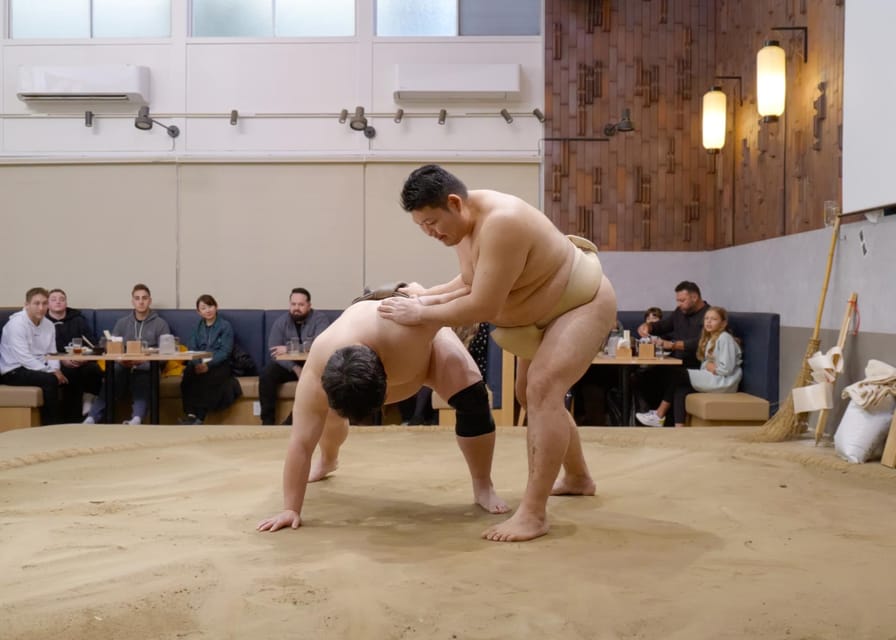
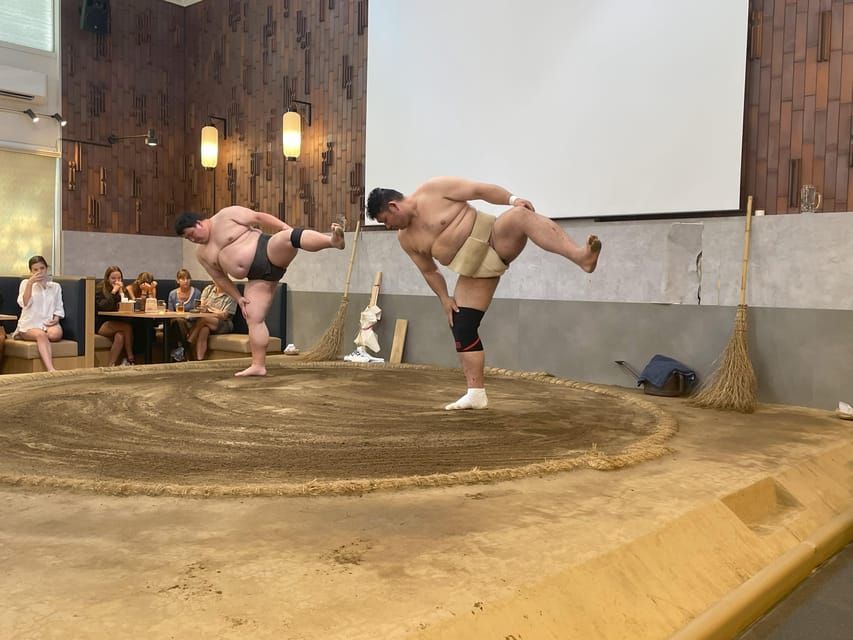
Next, the retired wrestlers enter the dohyo for an exhibition match. This is the main spectacle. You see the wrestlers square up, use traditional movements, and show how strength and balance matter as much as size. The match is designed for an audience, but it still gives you a useful sense of the sport’s force and rhythm.
After the demonstration, the experience becomes more interactive. You can put on a sumo costume and step into the ring. The chance to face a former wrestler is the part most likely to make the afternoon memorable, especially for children and anyone willing to look slightly ridiculous in the best possible way.
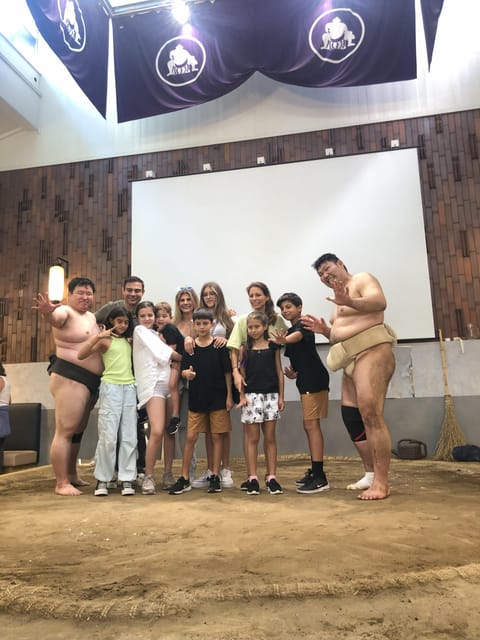
You do not have to wrestle just to receive a photograph. Everyone has a photo opportunity with the wrestlers at the end, so you can enjoy the ring-side picture without taking part in the physical challenge. That is a useful distinction for anyone who wants the cultural experience but does not want a bout.
The final stages include the meal and a question-and-answer session. The order may vary, but you should expect time to eat, ask questions, and take photographs rather than a rushed plate of food before being sent on your way.
The sumo demonstration and what you learn
A good sumo demonstration needs more than two people pushing each other. The explanation helps you see the sport as a formal contest with its own vocabulary, rituals, and sense of place. You learn to watch the opening movements, the wrestlers’ stance, and the quick techniques used to force an opponent out of the ring.
The dohyo is important here. It is not just a platform for entertainment. The ring gives the demonstration a clear focus and helps connect the physical contest with the cultural side of sumo.
The former wrestlers are also a major strength. Their professional background lets them show real technique while adjusting the action for a mixed audience. They can answer questions directly, pose for photographs, and make the presentation approachable without stripping away the sport’s character.
One practical tip: request a seat near the front if you want to hear every explanation and question. The venue can have other tables, and loud conversation from nearby groups may make commentary harder to follow. Seating is arranged according to booking order, although larger groups may be split between tables.
Same city, another way to catch the action:
- Tokyo: Sumo Show and Experience in Shinjuku
★ 4.8 · 1,001 reviews - Tokyo Grand Sumo Tournament Viewing Tour with Tickets
★ 5.0 · 692 reviews - Tokyo Sumo Wrestling Tournament Experience
★ 5.0 · 660 reviews - Tokyo:Luxury Sumo Show Experience & Japanese cuisine & Drink
★ 4.7 · 577 reviews
Taking your turn in the ring
The sumo costume changes the mood at once. You are no longer only watching an ancient sport; you are part of the demonstration. The staff gives instructions, and you can test your strength against one of the wrestlers in a friendly contest.
This works particularly well for families. Children can watch the professional match, then decide if they want to try the costume and ring themselves. The activity has been praised for keeping children involved, and the wrestlers are described as kind and accommodating during both the bout and the photo session.
You should follow the staff’s instructions and use good judgment. This is a physical activity, even though the tone is playful. If you prefer not to wrestle, you can still enjoy the show, meal, questions, and photograph.
The photo session comes at the end, giving you a clear souvenir of the occasion. It is a better setup than trying to take a quick picture during the action, since you have time to stand beside the wrestlers and get a proper shot.
Choosing between tonkatsu lunch and sukiyaki dinner
The meal depends on the option selected when you book. Lunch includes tonkatsu, a deep-fried Japanese pork cutlet. Dinner includes sukiyaki, with beef and vegetables cooked in a sweetened soy broth.
The meal adds real value to the visit. At $117 per person, you are paying for the demonstration, English explanation, former wrestlers, participation, photographs, and food. That is a fair proposition if you want a structured cultural activity rather than a simple performance ticket.
Food quality can be subjective, and this is not a specialist restaurant tour. Still, the meal gives the experience a natural finish and helps turn the event into a shared social occasion. One meal option described by participants was a Genghis Khan lunchbox, and chanko-nabe was also included in one family’s meal, but the confirmed choice for your booking is the tonkatsu lunch or sukiyaki dinner shown when you select your option.
Tell the operator about dietary requirements before you go. Additional food and drinks are not included, and the information allows you to bring your own food and drink if needed. Infant meals are not included.
Is $117 good value for Tokyo?
The price is not low for a 1.5-hour activity, especially because transport to the venue and extra drinks are separate. You are paying for access to retired professional wrestlers, a guided demonstration, hands-on participation, a meal, and a photo opportunity in one package.
For a family or first-time visitor to Japan, that combination can make sense. A sumo tournament is not always taking place during your trip, and stable training visits may have age limits. This format offers a more dependable way to see the sport up close, with children able to take part.
The value is weaker if you only want to watch a formal bout or if you dislike organized group activities. This is an interactive presentation with a set schedule, shared tables, and audience participation. You also need to pay before knowing exactly how the seating will feel, since the best available seats are arranged in booking order.
At a rating of 4.7 from 54 ratings, the experience has a strong overall record. The most praised features are its friendly wrestlers, clear English presentation, family appeal, enjoyable food, and unusual access to a traditional sport. Those are the areas where the price earns its keep.
Who will enjoy this most
I would choose this for first-time Tokyo visitors who want cultural context without spending half a day at a museum. It also suits families, since the activity gives children something to watch, something to try, and a photograph to take home.
It is a good pick if a sumo tournament is not running during your visit. You get a glimpse of the wrestlers’ working world without needing to secure a stable visit, and you do not have to meet a minimum age for a training-area visit.
The experience is also useful for small groups of friends. The costume bout creates an easy laugh, while the demonstration and questions give the outing enough substance for adults.
I would think twice if you need a quiet, highly formal cultural program. The presentation is light-hearted and interactive. Nearby conversation can also interfere with the commentary, so a front seat matters if detailed explanations are your priority.
Practical details that affect your day
The activity is hosted in English and Japanese. Hotel pick-up and drop-off are not provided, and you are responsible for reaching the venue near Kikukawa Station.
The stated duration is 1.5 hours, but allow a little flexibility if you have a close connection afterward. The activity returns to the starting point, and the precise start time depends on availability.
Booking order affects seating. If you are traveling with a larger group, the operator may place you at separate tables. If hearing the commentary clearly is important, reserve early and ask for a forward seat.
This activity is non-refundable. Confirmation arrives within 24 hours, subject to availability, so make sure your date and time work before you commit. Staff instructions are not optional, and disruptive behavior can lead to removal without a refund.
Should you book the sumo experience?
Book it if you want an approachable, family-friendly introduction to sumo with real former wrestlers, a meal, and a chance to enter the ring. The combination of explanation, demonstration, friendly competition, questions, and photographs gives you much more than a brief performance.
Skip it if your main goal is to attend an official tournament, visit a working stable, or spend an entire day focused on serious sumo technique. This is a lively cultural presentation, not a tournament seat or a training session.
For most first-time visitors, I see the $117 price as reasonable when you use all parts of the program. Request a front seat, check the meal option, allow time to reach Kikukawa Station, and book only after confirming that the non-refundable terms suit your plans.
FAQ
Where does the sumo experience take place?
The meeting point is near Kikukawa Station in Tokyo. From Exit A1, the venue is about a five-to-eight-minute walk.
Which train station should I use?
Take the Shinjuku Line to Kikukawa Station, then walk from Exit A1 to the meeting point.
How long does the activity last?
The stated duration is 1.5 hours. The full flow may take closer to two hours depending on the meal, questions, and group participation.
Is transportation included?
No. Hotel pick-up, hotel drop-off, and transportation to or from the restaurant are not included.
Who leads the sumo demonstration?
Former sumo wrestlers lead the demonstration and participate in the interactive portion. The host or greeter speaks English and Japanese.
Can I try sumo wrestling myself?
Yes. You can put on a sumo costume and try your technique against the wrestlers in a friendly contest. You do not need to wrestle to take a photograph with them.
What meal is included?
The lunch option includes tonkatsu, a deep-fried Japanese pork cutlet. The dinner option includes sukiyaki with beef and vegetables in a sweetened soy broth.
Are extra food and drinks included?
No. Additional food and drinks are not included. You may bring your own food and drink.
Are meals available for infants?
Infant rates apply when the infant does not occupy a seat, but infant meals are not included.
Can I cancel for a refund?
No. The activity is non-refundable. Confirmation is sent within 24 hours of booking, subject to availability.
New on the fixture list around Tokyo
- Tokyo: Sumo Morning Practice Viewing Tour at a Real Stable★ 4.9 · 32 reviews
- Tokyo: Sumo Morning Practice -Stable Visit Tour with a Guide★ 4.8 · 16 reviews
- Tokyo: Watching Sumo and Ryogoku Area Walking Tour★ 4.0 · 5 reviews
- Tokyo: Sumo Keiko Training Tour with Audio Guide & Photo★ 4.8 · 5 reviews
- Tokyo Sumo Morning Practice: Witness the Life of a Wrestler★ 4.8 · 56 reviews
- Tokyo: Sumo Morning Practice Tour in Ryogoku and Photo Shoot★ 4.7 · 47 reviews
- Tokyo Highlights Tour: Sumo, Sushi, Tea, and Tokyo Tower★ 5.0 · 2 reviews
- Tokyo: Sanctuary Authentic Grand Sumo Experience & Training★ 5.0 · 7 reviews
More Sumo Experiences in Tokyo to weigh up.
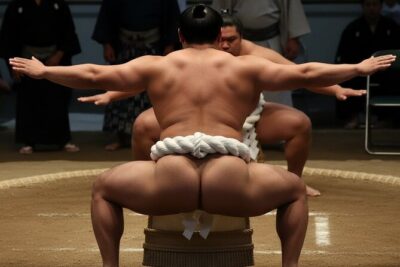
Tokyo Shinjuku Sumo Show & Experience with Photo
Read our review →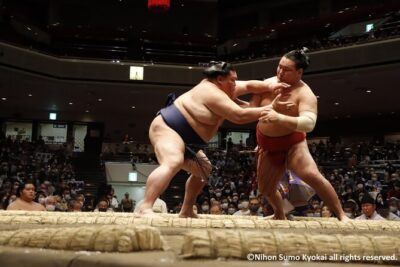
Tokyo Grand Sumo Tournament Viewing Tour with Tickets
Read our review →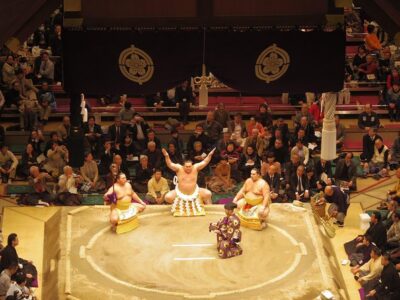
Tokyo:Luxury Sumo Show Experience & Japanese cuisine & Drink
Read our review →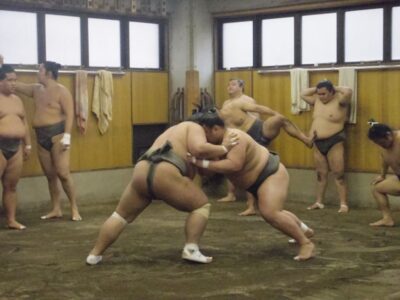
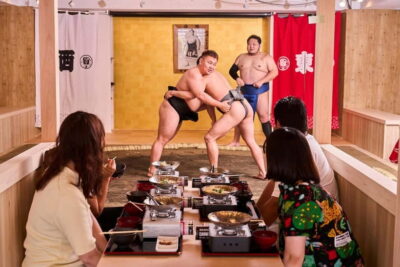
Tokyo Sumo Experience: Chanko & Mochi with a Former Pro
Read our review →This one also appears in