

Review · TOKYO
Tokyo: Sumo Morning Practice with Photo Banzuke and Guide
At this Tokyo morning practice, you sit in chairs close to wrestlers who train without weight classes. The sight of two huge athletes crashing together is only part of the appeal. You also see the daily discipline behind a sport that most visitors know only from tournament broadcasts. I like the small group of up to nine and the chance to watch practice inside a real sumo stable, not a stage built for tourists. I also like the short lesson afterward, which helps you understand what you just saw. The main drawback is the long advertised duration, especially since one recent booking took time to get started because people arrived late.
The meeting point is Exit B1 at Kiyosumi-Shirakawa Station, near a FamilyMart. Get there early and wait clearly at the station exit or in front of the store so the guide can find you. This is a strict, group-based morning: if you are late, the guide may try to help, but the group comes first.
Key points before you book
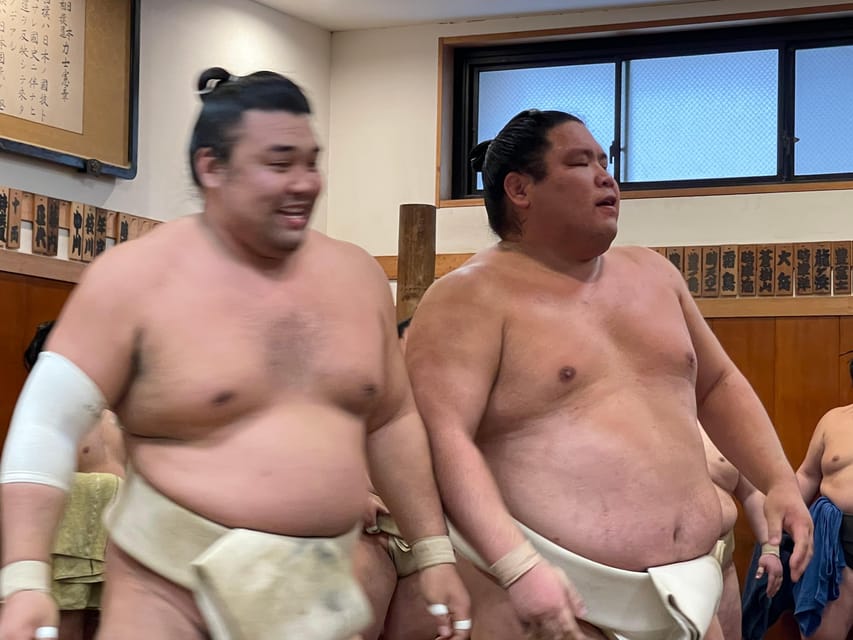
- Sit close to live sumo practice: You watch wrestlers train from chairs inside a traditional stable.
- See sumo outside tournament season: Official tournaments take place only 90 days each year, so practice offers another way to see the sport.
- Learn what the clashes mean: An English-speaking guide explains basic rules, customs, and the role of the stable.
- Keep the group small: Numbers are limited to nine, which gives you a better chance to follow the explanation.
- Plan for a long morning: The advertised experience lasts seven hours, though the listed activities include a 2.5-hour guided practice session and walking between locations.
- Arrive at Exit B1 early: The meeting point is near FamilyMart at Kiyosumi-Shirakawa Station, and late arrivals can delay everyone.
Why morning practice is the real attraction
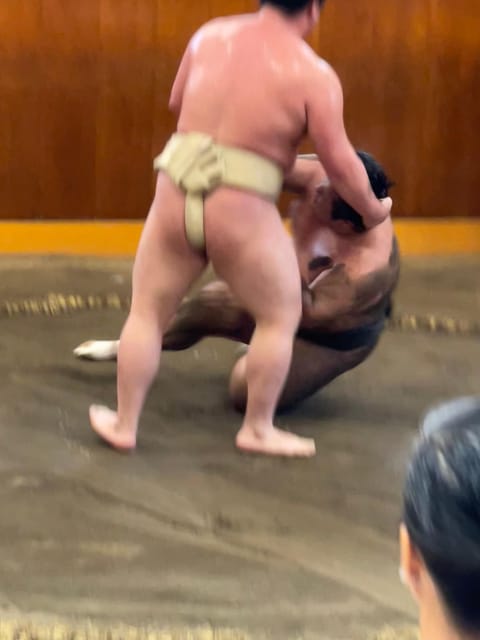
Sumo is Japan’s national sport, but its public tournaments fill only 90 days of the year. The rest of the calendar is less visible to visitors. A morning practice gives you a look at the work behind the polished bouts: repetition, physical conditioning, ritual, and the quiet routines of a stable.
The setting matters. You are not watching a demonstration arranged in a hotel or a theatrical performance made for an audience. You enter a sumo stable where wrestlers train for their next major match. Only a select number of stables allow visitors to observe practice, so access is limited by nature.
The sport itself is easy to grasp at first glance. Two wrestlers face off in a circular ring, and the aim is to force an opponent out or make any part of the body other than the soles of the feet touch the ground. There are no weight classes. A smaller wrestler can face a much larger one, and technique can matter as much as size.
That lack of weight classes gives the practice an unusual tension. You may see enormous bodies collide, but the action is not simply about brute strength. Balance, timing, grip, and footwork all matter. The guide’s presentation is useful here because it gives you a framework for reading the movement instead of seeing only a series of thumps.
More Sumo Experiences in Tokyo
- Tokyo: Sumo Show and Dining Experience
★ 4.8 · 2,742 reviews - the SUMO show
★ 5.0 · 1,960 reviews - Tokyo Shinjuku Sumo Show & Experience with Photo
★ 5.0 · 1,750 reviews
Sitting in chairs beside the training area
One practical detail makes this experience easier than some sumo viewing options: you sit in chairs. You are not expected to stand for the whole session or sit on the floor. For a practice that can last around two and a half hours, that matters.
The chairs also let you watch without the distraction of moving around for a better position. The stable is a working place, not a gallery, so quiet attention is part of the experience. You should be prepared to watch respectfully and follow the guide’s instructions about where to sit and when photography is appropriate.
Bring a camera if you want photographs, but do not let it take over the morning. The best moments may be brief: a wrestler settling into position, the sudden impact of a bout, or the contrast between a calm pause and the next explosive clash.
The closeness is the strongest visual feature. You can see the wrestlers as athletes preparing for competition, not just as distant figures in a large arena. That proximity was one of the most praised parts of the experience, and it is also the reason to choose this over a general introduction to sumo.
A 2.5-hour window into a working stable
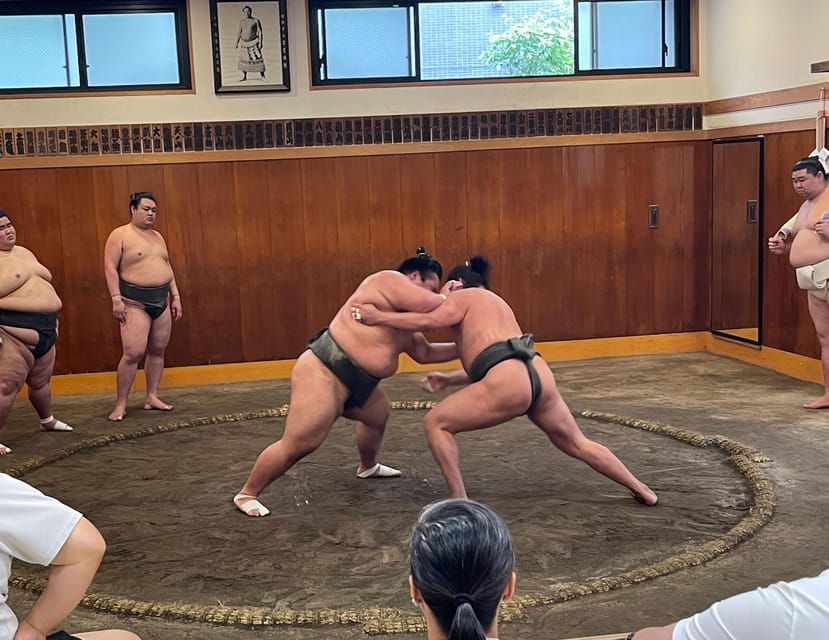
The central guided portion lasts about two and a half hours. That is long enough to see more than a single staged demonstration. You have time to watch practice develop at its own pace, with bouts and training movements rather than a tightly edited show.
This pace can work in your favor. You may begin by noticing only the size and force of the wrestlers. As the session continues, you can start to watch for technique, repeated movements, and differences between individual bouts. The guide helps connect those details to sumo’s rules and traditions.
It can also test your patience. One person found the full experience longer than needed, especially on a pleasant day when there was much else to see in Tokyo. If you want a quick photo opportunity, this is not the right choice. The appeal is sustained observation.
The schedule also depends on group punctuality. A recent booking reported a slow start because several people arrived late. That is frustrating when your Tokyo day is tightly planned. You can reduce the risk by arriving well before the meeting time and by treating the start as fixed, not flexible.
The guide adds context after the practice
After the wrestlers finish, your local English-speaking guide gives a short presentation on the basics of sumo. This is more useful than it may sound. Without context, you might remember the force of the collisions but miss the rules, customs, and meaning behind what happens in the ring.
The presentation is designed to give you something you can carry into a later tournament, museum visit, or television broadcast. You learn the basic idea of how a bout is won and gain a clearer sense of why sumo is more than two large men pushing each other.
The guide also explains the sport’s history and traditions. No guide name is supplied for this activity, so you should not expect a particular named host. What is clear is that the guide’s role is central: you receive live explanations in English, not just access to the practice room.
The strongest guide feedback has focused on clear explanations, friendliness, and the ability to make the experience easy to follow. That is important in a stable, where you may not know what is happening or when a practice sequence has changed.
Same city, another way to catch the action:
- Tokyo: Sumo Show and Experience in Shinjuku
★ 4.8 · 1,001 reviews - Tokyo Grand Sumo Tournament Viewing Tour with Tickets
★ 5.0 · 692 reviews - Tokyo Sumo Wrestling Tournament Experience
★ 5.0 · 660 reviews - Tokyo:Luxury Sumo Show Experience & Japanese cuisine & Drink
★ 4.7 · 577 reviews
Walking around Kiyosumi-Shirakawa
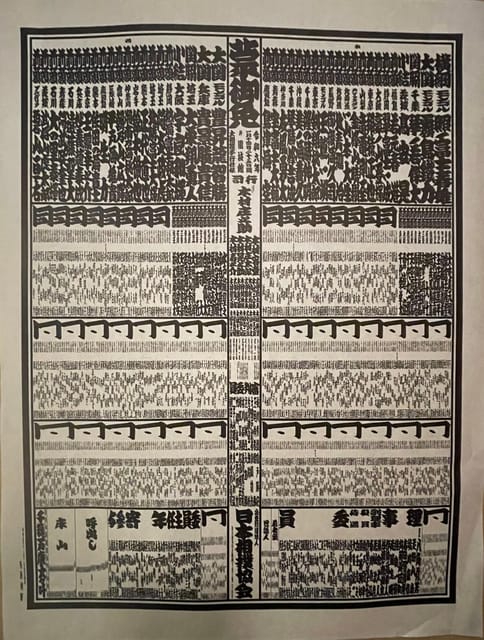
The tour begins and ends at Kiyosumi-Shirakawa Station. The listed route includes a 15-minute guided walk, the main 2.5-hour guided portion, a 15-minute photo stop, and two 10-minute walks.
The exact order and purpose of every stop is not fully detailed, so you should think of these as supporting parts of the morning rather than major sightseeing stops. The photo stop gives you a chance to take pictures after the practice, while the walking sections connect the station and stable area.
Kiyosumi-Shirakawa is a practical meeting point because the stable is described as only 14 minutes from Otemachi or Tokyo Station. You can reach the meeting point by train, taxi, or another method, but the important point is to arrive at Exit B1 near FamilyMart. The directions have generally been considered manageable, though one person wanted a more exact instruction to wait directly in front of the store.
The seven-hour duration deserves a close look. The experience is advertised as seven hours, but the listed activities add up to less than that if you count only the named guided time, photo stop, and walking. The actual schedule may include time around the practice, transfers, or waiting. If you have a major museum booking, lunch reservation, or train to catch, confirm the full timing before you commit.
Is $115 a fair price?
At $115 per person, this is not a bargain attraction. You are paying for access to a limited type of experience, a local English-speaking guide, a small group, and the chance to sit inside a sumo stable during morning training.
The value depends on what you want from Tokyo. If you already plan to attend a major sumo tournament, the added cost may feel less essential. If your visit does not overlap with tournament dates, this can be your best chance to see active wrestlers in a serious training setting.
I think the price makes the most sense for people who value access over speed. You are not buying a short photo stop and a few facts. You are setting aside much of a day for a close look at a sport that is difficult to see casually.
The group limit helps protect that value. With no more than nine participants, the guide can explain details without addressing a large crowd. It also makes it easier for you to hear and stay engaged than on a big bus tour.
Who will enjoy this most
I would choose this experience if you have a real interest in Japanese sport, ritual, or daily training. It also suits first-time visitors who want something tied to Japanese culture rather than another high-rise view or shopping district.
It is a good match for photographers, but only if you understand that the practice comes first. You bring your camera, yet the stable remains a working environment. The best approach is to watch carefully and take pictures when appropriate.
The experience is not suitable for children under nine. Older children may enjoy the spectacle, but the length and quiet observation required could still be demanding. Adults who enjoy slow, focused cultural experiences will get more from it than anyone looking for constant activity.
The activity is listed as wheelchair accessible, which is useful information when planning. You should still confirm the specific arrangements for your booking, especially because the route includes walking between points and entry into a working stable.
Practical advice for a smooth morning
Wear comfortable shoes. The walking is not extensive, but the route includes several sections on foot, and you will be out for much of the day.
Arrive early at Kiyosumi-Shirakawa Station. Exit B1 is near a FamilyMart, and waiting clearly outside the store may make it easier for the guide to spot you. Do not assume the group can pause for a late arrival.
Keep your schedule open after the main practice. The full experience is advertised at seven hours, and one person felt it was too long for a busy Tokyo day. You may be able to leave early, but you should tell the guide rather than simply disappearing, since the group is organized as one unit.
Cancellation is flexible up to 24 hours before the start for a full refund, and you can reserve now and pay later. Those terms help if your Tokyo plans are still shifting, but they do not change the need to check the starting time and total duration before booking.
Should you book the sumo morning practice?
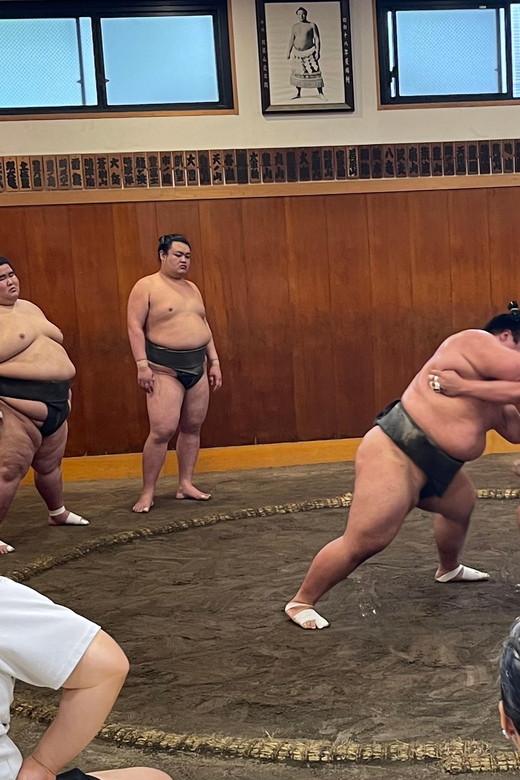
Book it if you want a close, serious look at sumo and can give the experience most of a day. The combination of a real stable, chairs close to practice, a small English-speaking group, and a short lesson gives the visit more substance than a quick photo opportunity.
Skip it if your schedule is packed or you are interested only in seeing one brief bout. The long advertised duration and possible delays at the start can work against a tight itinerary.
For me, the deciding question is simple: do you want to see sumo as a working discipline, or merely as a famous Japanese image? If you want the first, this is a strong choice at $115. Arrive early, wear sensible shoes, and let the practice unfold at its own pace.
FAQ
Where does the sumo experience meet?
Meet at Exit B1 of Kiyosumi-Shirakawa Station, near a FamilyMart convenience store.
How long does the activity last?
The advertised duration is seven hours. The listed schedule includes a 2.5-hour guided practice session, a 15-minute guided tour, a 15-minute photo stop, and walking sections.
How close will I be to the wrestlers?
You watch the practice from chairs inside a traditional sumo stable, giving you a close view of the training.
Is this a real sumo practice?
Yes. The activity is an observation of a morning practice session at a traditional sumo stable.
Is the tour conducted in English?
Yes. The live guide and presentation are in English.
How large is the group?
The group is limited to nine participants.
Can children join?
Children under nine are not permitted to take part.
Is the activity wheelchair accessible?
Yes, the activity is listed as wheelchair accessible.
What should I bring?
Bring comfortable shoes and a camera.
Can I cancel for a refund?
You can cancel up to 24 hours in advance for a full refund. You can also reserve the activity and pay later.
New on the fixture list around Tokyo
- Tokyo: Sumo Morning Practice -Stable Visit Tour with a Guide★ 4.8 · 16 reviews
- Tokyo: Watching Sumo and Ryogoku Area Walking Tour★ 4.0 · 5 reviews
- Tokyo: Sumo Morning Practice Viewing Tour at a Real Stable★ 4.9 · 32 reviews
- Tokyo: Sumo Morning Practice Tour in Ryogoku and Photo Shoot★ 4.7 · 47 reviews
- Tokyo: Sumo Keiko Training Tour with Audio Guide & Photo★ 4.8 · 5 reviews
- Tokyo Sumo Morning Practice: Witness the Life of a Wrestler★ 4.8 · 56 reviews
- Tokyo Highlights Tour: Sumo, Sushi, Tea, and Tokyo Tower★ 5.0 · 2 reviews
- Tokyo: Sanctuary Authentic Grand Sumo Experience & Training★ 5.0 · 7 reviews
More Sumo Experiences in Tokyo to weigh up.
Tokyo Shinjuku Sumo Show & Experience with Photo
Read our review →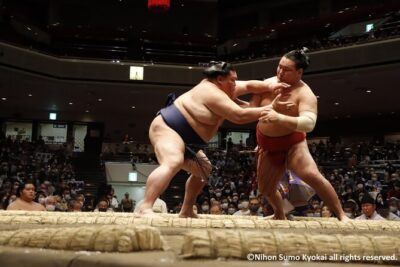
Tokyo Grand Sumo Tournament Viewing Tour with Tickets
Read our review →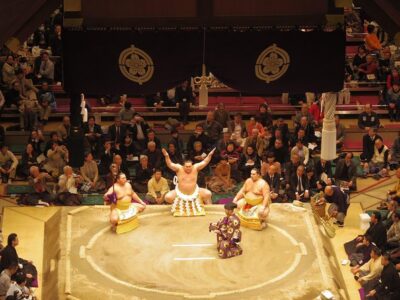
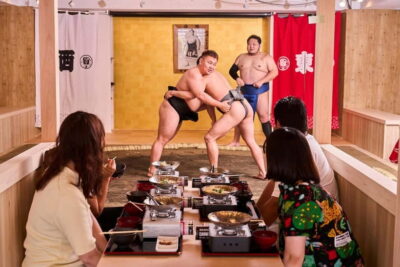
Tokyo:Luxury Sumo Show Experience & Japanese cuisine & Drink
Read our review →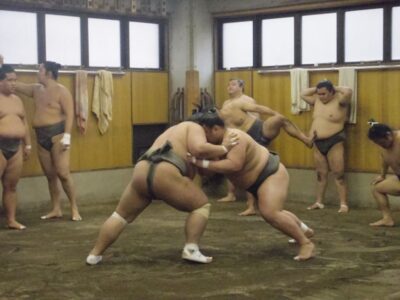
Tokyo Sumo Experience: Chanko & Mochi with a Former Pro
Read our review →This one also appears in