
Review · TOKYO
Exclusive Sumo Morning Practice in Tokyo with Photo Opportunity
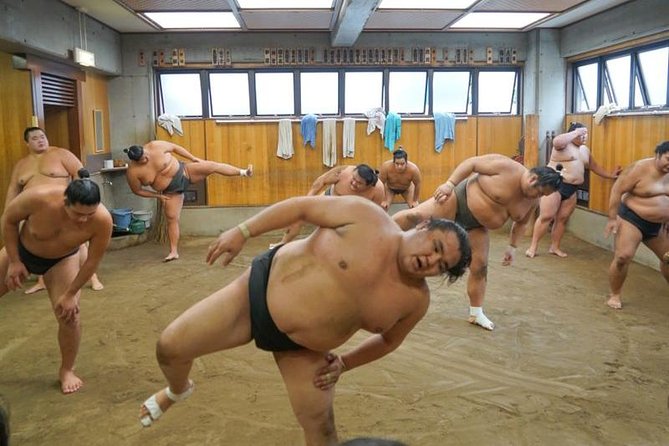
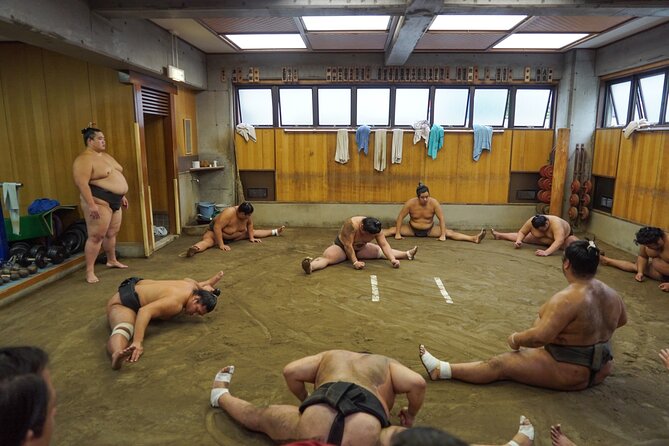
Sumo practice is not a staged show. Inside a stable near Tokyo Skytree, you watch young wrestlers work through warm-ups, drills, and forceful bouts with a focus that can make a quiet room feel intense. Guides such as Hana, Yuki, and Kentake have been praised for explaining the customs and philosophy in clear English.
I like the small group of up to 10 people, which gives you a better chance to hear the guide and see the action. I also like the rare photo opportunity with the wrestlers and sensei, something most people in Japan never get to witness. The main caution is that seating is first come, first served, and late arrivals may sit two or three rows back.
Key points at a glance
- Real morning practice: Watch wrestlers warm up and spar during a working training session, not a tournament performance.
- Near Tokyo Skytree: Meet at Oshiage Station, then visit a sumo stable in the surrounding area.
- Small group format: The tour accepts no more than 10 people, allowing for direct explanations and easier questions.
- English guidance: Guides including Hana, Yuki, and Kentake explain sumo history, customs, and the meaning behind the training.
- Photo opportunity: When permitted, you can photograph the wrestlers and pose with the stable and its sensei.
- Early start: The 8:00 a.m. meeting time leaves most of your day free for Asakusa, Tokyo Skytree, or other plans.
Why Morning Practice Feels Different From a Sumo Tournament
A Tokyo sumo tournament gives you the excitement of a formal contest, but it is not always running during your visit. This morning experience offers another way to see the sport, inside the stable where wrestlers train.
You watch the athletes warm up, stretch, and spar at close range. The bouts can be short and repetitive, but that repetition is part of the point. Sumo training is about balance, timing, endurance, and explosive strength. The wrestlers are not putting on a light show for tourists. Their concentration and physical effort are the attraction.
This is also a useful choice if your schedule does not line up with tournament dates. The visit takes about two hours from the 8:00 a.m. meeting until you return to the meeting point, while the practice itself may occupy around an hour. One hour can be enough for many people, since the drills follow a similar pattern after you have seen several rounds.
You should arrive ready to observe rather than wander around. The stable is a working place, and the tatami areas are the only parts open to the group. Other areas are off-limits. That restriction may feel strict, but it helps protect the private routine of the wrestlers and keeps the visit respectful.
More Sumo Experiences in Tokyo
- Tokyo: Sumo Show and Dining Experience
★ 4.8 · 2,742 reviews - the SUMO show
★ 5.0 · 1,960 reviews - Tokyo Shinjuku Sumo Show & Experience with Photo
★ 5.0 · 1,750 reviews
Meeting at Oshiage Station Near Tokyo Skytree
The meeting point is at the taxi stand inside the station roundabout at Oshiage Station, in Sumida City. The listed start time is 8:00 a.m., so give yourself time to reach the correct part of the station before then.
The meeting point can be confusing at first, especially in a large Tokyo station. Follow the directions carefully and look for the taxi stand rather than assuming any station exit will put you in the right place. Once you meet the guide, the rest of the visit should be straightforward.
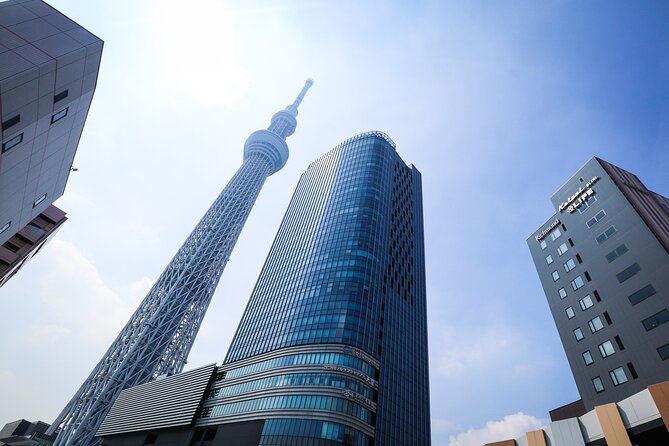
Oshiage is a useful base for a day in eastern Tokyo. The area is home to Tokyo Skytree, and the meeting location is also convenient for combining this activity with nearby sightseeing. Since the tour ends back at the meeting point, you can continue with your plans from there without arranging a separate return transfer.
The activity is near public transportation, which matters for an early start. You do not need to build your day around a long trip across Tokyo after the practice. The early hour also avoids taking up the middle of your sightseeing day.
Inside the Sumo Stable
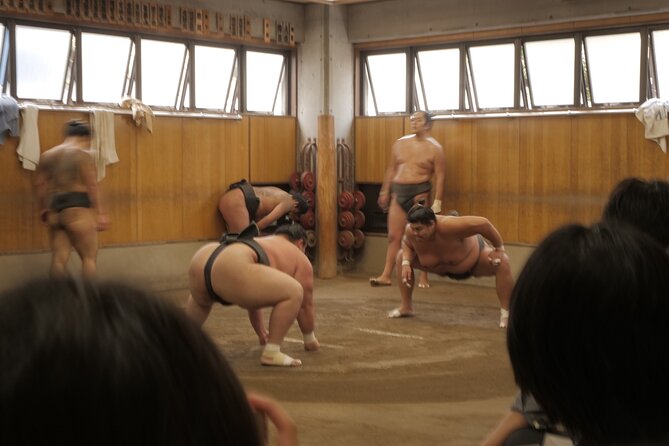
After meeting at Oshiage Station, you visit one of the sumo stables near Tokyo Skytree. The stable itself is the heart of the experience. You sit on the tatami flooring and watch practice at close range, with the room arranged for observation rather than the usual sightseeing flow.
The wrestlers begin with warm-ups and other training routines before moving into sparring. You may see them push, brace, charge, and test one another with great force. The action is simple to follow, even if you know little about the rules.
Your guide adds the context that makes the practice easier to understand. The explanations cover sumo history, training customs, and the philosophy behind the sport. Kentake has been singled out for fluent English and detailed explanations, while Hana has been praised for her energy and familiarity with sumo practice. Yuki has also been noted for explaining the background and philosophy in a clear way.
That guidance matters because the practice itself does not come with a running commentary. Without context, you might only see large athletes repeatedly colliding. With a good explanation, you can pay attention to discipline, ritual, technique, and the serious relationship between the wrestlers and their training.
The wrestlers are often younger than first-time viewers expect. Their size is striking, but so are their speed, balance, and physical control. The training can challenge the lazy image of sumo as simply a sport for large men. You see demanding athletic work, not just dramatic pushes.
Close Seating, Quiet Rules, and First Come Priority
Seating is first come, first served. This is one of the most important practical details in the entire activity. If you want the best possible view, arrive at the meeting point on time and follow the guide promptly.
Late arrivals may be seated two or three rows back. That is still close enough to see the training, but it may affect your photographs and your sense of being right beside the action. The experience is small group, but the stable is also visited by other tour companies, so the number of people inside can exceed your own group.
Once you enter, follow the rules closely. Only the tatami areas are open to visitors. Other parts of the stable are off-limits, and you should not wander, touch equipment, or step into restricted spaces. This is a working environment, not a museum set up for public access.
The atmosphere requires quiet attention and respect. You are watching a serious practice session, so avoid treating the room like a sports arena. The value comes from seeing the routine as it normally happens, with the guide helping you understand what you are watching.
Same city, another way to catch the action:
- Tokyo: Sumo Show and Experience in Shinjuku
★ 4.8 · 1,001 reviews - Tokyo Grand Sumo Tournament Viewing Tour with Tickets
★ 5.0 · 692 reviews - Tokyo Sumo Wrestling Tournament Experience
★ 5.0 · 660 reviews - Tokyo:Luxury Sumo Show Experience & Japanese cuisine & Drink
★ 4.7 · 577 reviews
Photo Opportunities With the Wrestlers
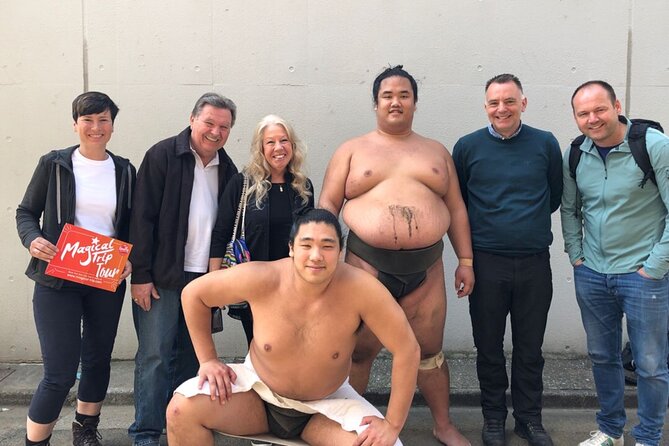
Photography is one of the strongest reasons to choose this activity. You get the chance to photograph the wrestlers during practice and, when permitted, pose for pictures with them afterward. Some groups have also had the privilege of taking a photo with the whole stable and the sensei.
The wording matters: photo access is an opportunity, not a guarantee that every moment or every person will be available. The stable’s rules come first. Keep your camera or phone ready, but wait for the guide’s instructions before taking pictures.
The group setting can make photographs easier than at a busy tournament. You are not trying to photograph action from distant stadium seats. You are close to the training area, and the photo portion gives you a personal memento of the visit.
Still, do not make the picture the whole purpose of the morning. The best part is watching the practice unfold. The photograph is a bonus that comes after you have respected the training and the people taking part in it.
Is $99.10 a Fair Price?
At $99.10 per person, this is not a budget activity, especially for a visit that lasts about two hours. The price makes more sense when you consider what it gives you: access to a sumo training stable, a small group capped at 10, an English-speaking guide, explanations of the customs, and a chance to take photos with the wrestlers.
You are paying for access that is difficult to arrange on your own. Most people, including many Japanese residents, never see a sumo practice session inside a stable. A standard sightseeing stop at Tokyo Skytree cannot provide that kind of contact with Japan’s traditional wrestling culture.
Value depends on your interests. If you have little interest in sports, physical training, or Japanese customs, the practice may feel repetitive after the first several bouts. If sumo is high on your list, or if you are visiting outside tournament season, the cost is easier to justify.
I would compare it with the cost of a tournament ticket, but this is not a replacement for tournament day. You do not get the full arena atmosphere or a formal match card. Instead, you get a closer look at training, and that makes it a strong alternative when no tournament fits your dates.
Who Will Enjoy This Morning Activity Most?
This is a good match for you if you want something more personal than a standard Tokyo attraction. Sports fans will appreciate the strength and technical discipline. Culture-minded visitors will value the chance to see a working tradition in its daily setting.
It also suits a busy itinerary. The 8:00 a.m. start and roughly two-hour duration leave the rest of the day open. You can plan time near Tokyo Skytree or continue toward other parts of eastern Tokyo after the activity ends.
Families and mixed-interest groups may find it useful because the guide supplies the background. You do not need prior knowledge of sumo to follow the basic action. Most people can participate, and the small group makes it easier to ask questions.
This may not suit you if you want a highly varied activity with constant movement. You remain in the stable and watch practice, and the exercises can become repetitive. It is also not ideal if you dislike early starts, quiet observation, sitting on tatami, or strict rules about where you may go.
Practical Tips for a Smooth Visit
Bring water in summer. Tokyo can be very hot and humid, and the morning heat can still be strong. A hat is also recommended to help prevent heat stroke, particularly around the walk to and from the meeting point.
Wear clothing that allows you to sit comfortably. The information provided does not specify a dress code, but the visit takes place around tatami flooring, so respectful, practical clothing is the sensible choice.
Keep your mobile ticket accessible. Booking confirmation is provided at the time of booking, and the activity is near public transportation. Most people can participate, but you should still plan your route so you are not rushing into the meeting point at the last minute.
Remember that the tour ends where it begins. This is helpful if you want to continue sightseeing near Oshiage, but it also means you should not expect a drop-off elsewhere in Tokyo.
Free cancellation is available if you cancel at least 24 hours before the 8:00 a.m. start time. Changes or cancellations made less than 24 hours before the activity are not accepted for a refund, and the cut-off uses Tokyo local time.
Should You Book This Sumo Practice?
I would book this if you want to see sumo away from the tournament setting, especially if no tournament takes place during your Tokyo visit. The close seating, small group, clear guidance, and possible photo with the wrestlers give the morning real value.
Go in with the right expectation. This is a serious training session, not a theatrical performance, and some of the practice may feel repetitive. Arrive early for the best seating, respect the stable’s limits, and bring water in hot weather.
For sports and culture enthusiasts, this is one of the more unusual ways to spend two hours in Tokyo. For everyone else, the $99.10 price is worth considering carefully, but the access is genuinely hard to arrange on your own.
FAQ
Where does the sumo practice tour meet?
You meet at the Japan taxi stand inside the station roundabout at Oshiage Station, 1-chome Oshiage, Sumida City, Tokyo.
What time does the activity start?
The activity starts at 8:00 a.m.
How long does the sumo experience last?
The tour lasts approximately two hours, including the meeting and return to the starting point. The practice itself may last about one hour.
Where does the sumo practice take place?
You visit one of the sumo stables around Tokyo Skytree.
How many people can join the tour?
The activity has a maximum of 10 participants.
Can I take photos of the wrestlers?
You have the chance to photograph the wrestlers and pose for pictures with them. Follow the guide’s instructions and the stable’s rules.
Can I enter all parts of the sumo stable?
No. Areas outside the tatami flooring are off-limits.
What should I bring in summer?
Bring water and wear a hat. Tokyo’s summer weather can be very hot and humid, and these items help reduce the risk of heat stroke.
Can I cancel for a full refund?
Yes, if you cancel at least 24 hours before the experience start time. Cancellations or changes made less than 24 hours before the start are not accepted for a refund.
New on the fixture list around Tokyo
- Tokyo: Sumo Morning Practice Viewing Tour at a Real Stable★ 4.9 · 32 reviews
- Tokyo: Sumo Morning Practice -Stable Visit Tour with a Guide★ 4.8 · 16 reviews
- Tokyo: Watching Sumo and Ryogoku Area Walking Tour★ 4.0 · 5 reviews
- Tokyo: Sumo Keiko Training Tour with Audio Guide & Photo★ 4.8 · 5 reviews
- Tokyo Sumo Morning Practice: Witness the Life of a Wrestler★ 4.8 · 56 reviews
- Tokyo: Sumo Morning Practice Tour in Ryogoku and Photo Shoot★ 4.7 · 47 reviews
- Tokyo Highlights Tour: Sumo, Sushi, Tea, and Tokyo Tower★ 5.0 · 2 reviews
- Tokyo: Sanctuary Authentic Grand Sumo Experience & Training★ 5.0 · 7 reviews
More Sumo Experiences in Tokyo to weigh up.
Tokyo Shinjuku Sumo Show & Experience with Photo
Read our review →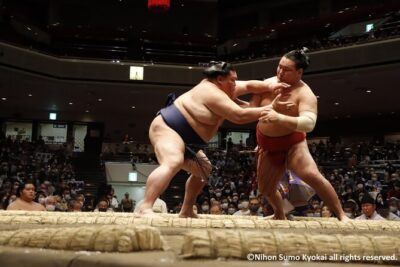
Tokyo Grand Sumo Tournament Viewing Tour with Tickets
Read our review →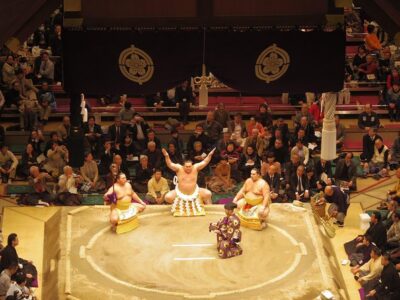
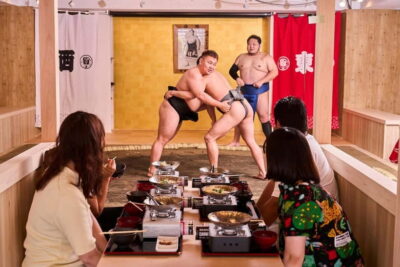
Tokyo:Luxury Sumo Show Experience & Japanese cuisine & Drink
Read our review →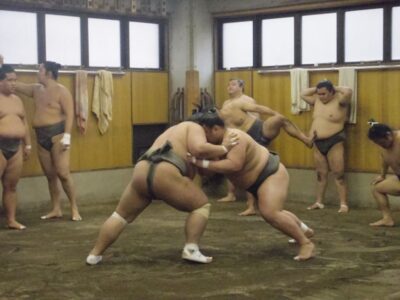
Tokyo Sumo Experience: Chanko & Mochi with a Former Pro
Read our review →This one also appears in