
Review · TOKYO
Tokyo Sumo Morning Practice Tour w/ Ring-Side Seat + Photo Shoot
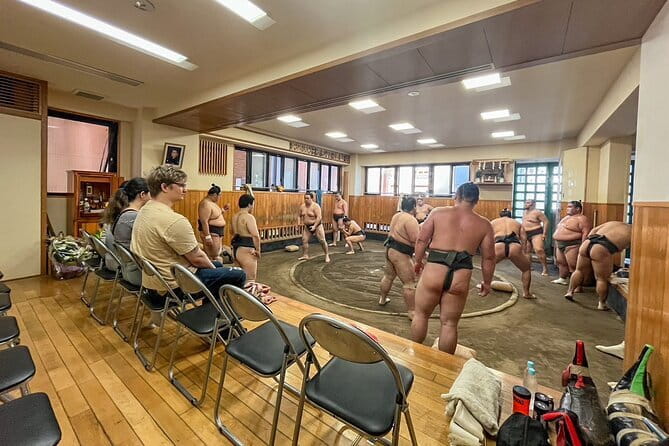
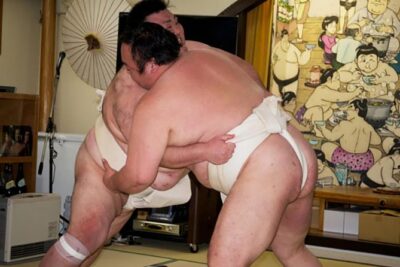
Tokyo’s sumo morning practice tour takes you into a working sumo stable while wrestlers train at close range. This is not a staged wrestling show. You watch stretching, repetitive drills, practice bouts, and the quiet discipline between them from a tatami seating area.
I like the small group of up to 10 and the guide’s role in explaining what you are seeing. I also like the chance to meet wrestlers for a photo, though that depends on the stable’s rules that day.
The main drawback is that front seating is not guaranteed. Seating is first come, first served, and a stable may change or cancel practice at short notice. Arrive early, follow every rule, and treat this as a real training visit rather than a fixed theater performance.
Key points to know before booking
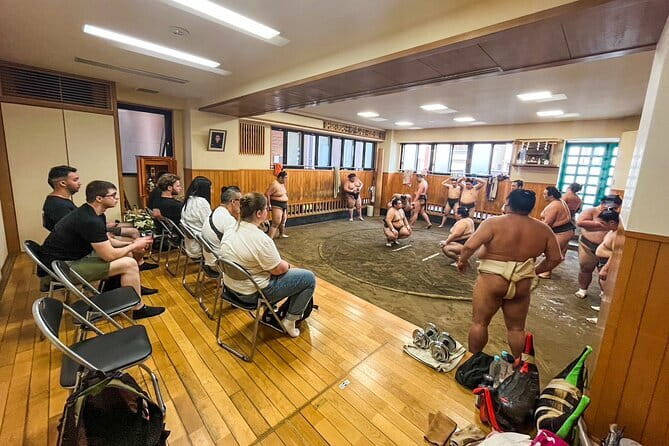
- Watch genuine morning practice: See stretching, footwork, drills, and practice bouts inside an active sumo stable.
- Meet at Kiyosumi Shirakawa Station: A local guide walks you to the stable, so you do not need to find the entrance alone.
- Small group format: The listed limit is 10 people, though groups may be divided among different stables if needed.
- Tatami seating only: You sit in the area permitted by the stable, and later arrivals may be placed farther back.
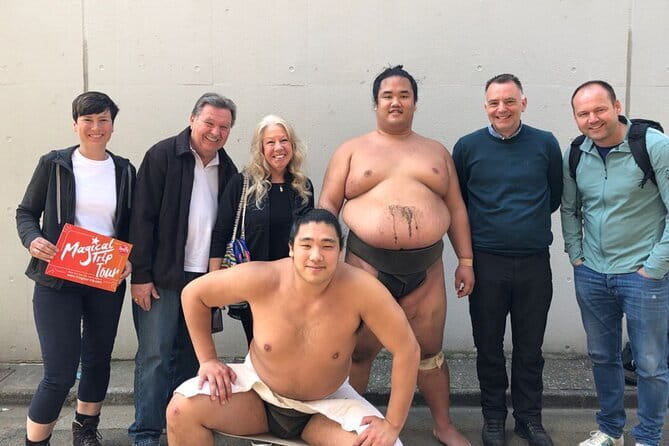
- Photo opportunity included: A picture with wrestlers may be offered, but photography depends on the stable’s policy.
- Ends with Kiyosumi Gardens: The final 30 minutes provide a calm change of pace after the intense training session.
Why morning sumo practice feels different from a tournament
A professional sumo tournament gives you ceremony, crowds, rankings, and a full day of bouts. This tour gives you something quieter and more direct: the work behind the public contest.
You may see wrestlers stretch, repeat basic movements, clash in practice bouts, and listen to direction from the stable master or head trainer. The session can feel stripped down compared with a tournament. There are no big arena effects to distract you from the physical effort.
That is exactly the appeal. You can watch how much repetition lies behind a short bout. The sport’s force is easy to notice, but so are the control, patience, and respect built into the training.
I would choose this outing if you are in Tokyo outside tournament dates, or if you already enjoy sumo and want something closer to the daily life of the sport. It also works for a first introduction, though you will get more from it if you know a few basic terms or ask questions afterward.
More Sumo Experiences in Tokyo
- Tokyo: Sumo Show and Dining Experience
★ 4.8 · 2,742 reviews - the SUMO show
★ 5.0 · 1,960 reviews - Tokyo Shinjuku Sumo Show & Experience with Photo
★ 5.0 · 1,750 reviews
Meeting at 8:30 at Kiyosumi Shirakawa Station
The tour begins at 8:30 am near Kiyosumi in Koto City. You meet the local guide at Kiyosumi Shirakawa Station, then walk together to the sumo stable at 3-chōme-6-2 Kiyosumi.
That short walk matters. Sumo stables are working homes and training spaces, not standard attractions with large signs and ticket booths. Having a guide lead you there keeps the morning simple and helps the group arrive together.
The tour starts promptly. If you arrive late, you may not be allowed to join, and there is no refund or rescheduling for a missed start. I would plan to reach the station with time to spare, especially if you are navigating Tokyo’s rail system for the first time.
Use the restroom before meeting the guide. Restroom access may not be available once practice begins, and leaving the stable does not guarantee that you can re-enter.
Inside the stable, watch the work up close
The main visit lasts about 90 minutes, though the exact length can change with the stable’s schedule. You sit in the permitted tatami area and watch practice from close range.
The word close needs a little context. You are not entering the ring or joining a wrestling activity. You are observing from the edge of the training space, and the stable’s rules control where you sit, when you may move, and what you may photograph.
The atmosphere is serious. Wrestlers remain focused on their work, and the room can feel more like a place of discipline than a tourist attraction. The physical contrast is part of the fascination. Some athletes are very large, while others may appear closer to average build, yet all take part in demanding exercises and bouts.
A guide accompanies the group and explains what is happening. Marie is praised for her passion for sumo and for helping people understand the sport beyond its most familiar image. A good guide makes a difference here because practice can look repetitive if you do not know what to watch for.
You can ask questions after practice. If you are new to sumo, ask about basic rules, the history of the sport, or the roles of the stable master and trainers. A short explanation after the session can help you connect the exercises to what you may have seen during a tournament.
What the practice can teach you about sumo
The session is valuable because it shows the sport as training before it becomes spectacle. You can watch athletes work on strength, balance, timing, and movement through repeated exercises.
You may also notice how the wrestlers interact with their stable master, head trainer, and one another. The respect shown toward teachers is part of what gives the session its particular tone. It is not only about two men pushing each other out of a ring. It is also about an organized daily routine and a strict sporting tradition.
You should not expect a narrated show with constant explanations. The guide offers context, but the wrestlers are there to train. Some parts may be quiet. That quiet is useful: it keeps the focus on the athletes rather than on an entertainer leading a performance.
For dedicated sumo fans, this is probably the strongest reason to book. The experience avoids the artificial feel of asking a wrestler to perform a comic stunt or invite a visitor into the ring. You see the sport on its own terms.
Same city, another way to catch the action:
- Tokyo: Sumo Show and Experience in Shinjuku
★ 4.8 · 1,001 reviews - Tokyo Grand Sumo Tournament Viewing Tour with Tickets
★ 5.0 · 692 reviews - Tokyo Sumo Wrestling Tournament Experience
★ 5.0 · 660 reviews - Tokyo:Luxury Sumo Show Experience & Japanese cuisine & Drink
★ 4.7 · 577 reviews
Seating, photography, and stable etiquette
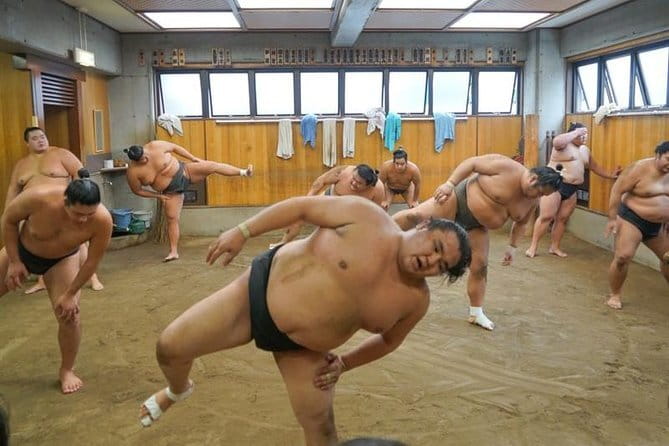
The experience is sometimes described as having a ring-side seat, but the practical detail is more specific. Seating inside the stable is first come, first served, and later arrivals may be farther from the front. If the group is divided between stables, arrangements may also vary.
Only the tatami areas are accessible. Other parts of the stable are off-limits. Follow the guide and stable staff closely, keep movement to a minimum, and avoid treating the room like a normal photo stop.
Photography during practice depends on the stable’s policy. The advertised photo shoot is a welcome possibility, not an absolute promise. On some days, photos of wrestlers or posed photos with them may not be allowed.
This point is important if the picture is your main reason for booking. The more lasting value is the practice itself. Bring your phone if permitted, but be prepared to put it away and watch without taking pictures.
You may leave before practice ends if necessary, but you cannot re-enter once you exit. That makes the restroom warning and the clothing advice worth taking seriously.
The photo session with wrestlers
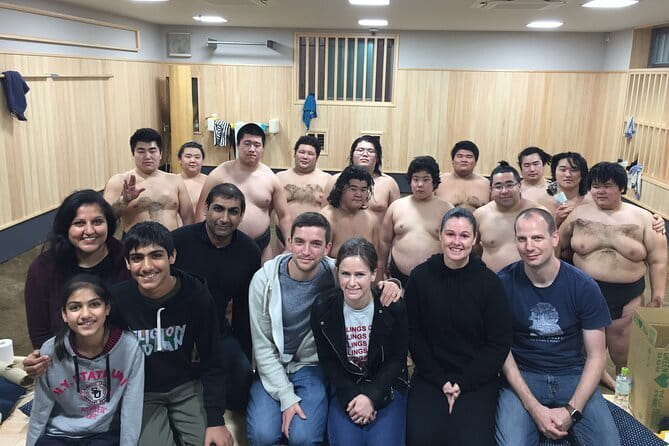
When the stable permits it, the photo session gives you a personal memory of a very unusual morning. It is a nice extra after watching the athletes work, especially for families with teenagers or anyone interested in Japanese sport.
The age rule is strict: only people aged 12 and older may enter the stable. Children under 12 cannot participate, even if accompanied by an adult. This is not a suitable outing for families with younger children.
I would also keep expectations modest about the photo. The stable’s schedule and rules come first. The photo may be quick, and it may not happen if conditions do not allow it. The tour’s strongest feature remains observation, explanation, and access to the training setting.
Cooling down at Kiyosumi Gardens

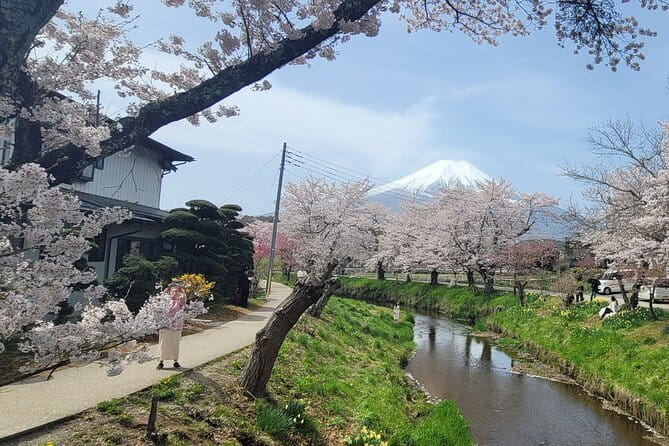
After practice, the group spends about 30 minutes at Kiyosumi Gardens before returning to the meeting point. This gives the morning a useful second act.
The shift from a compact training room to an open garden helps you process what you have seen. It also provides a calmer place to cool down, especially in hot weather. The garden visit is not the main event, but it keeps the outing from ending abruptly at the stable door.
Do not expect a long garden tour. Thirty minutes is a short stop, so think of it as a brief walk and pause rather than a full sightseeing visit. If you want extensive time in Kiyosumi Gardens, plan to return on your own after the activity.
Is $99.10 good value for two hours?
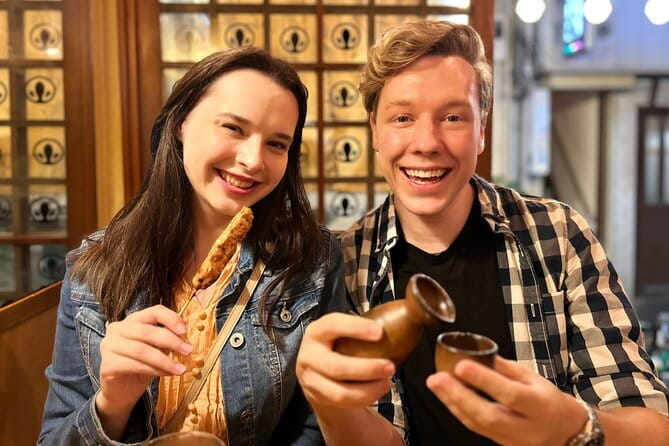
At $99.10 per person, this is not a budget walk. The value depends on what you want from sumo.
You are paying for access to a setting that is not normally open as a casual sightseeing stop, plus a guide who explains the practice and leads you from the station. There is no separate entrance charge for the morning practice, but the cost covers the organized access, guidance, and small-group arrangement.
The limit of 10 is a real advantage. A small group is less intrusive in a working stable, and it gives you a better chance to hear the guide and ask questions. The group may be divided if needed, and one related account described a larger combined audience across several groups, so the exact feeling may vary by day.
I see good value here for a sumo fan who cannot attend a tournament, or for a visitor who wants a serious cultural experience rather than a quick photo opportunity. The value is weaker if you want guaranteed front-row seating, a guaranteed wrestler photo, or a long tour of the neighborhood.
The 90 minutes inside the stable is the part that justifies the price. Kiyosumi Gardens is a pleasant finish, but it is not what makes this activity special.
Weather, clothing, and comfort
Tokyo can be very hot in summer, with temperatures listed as high as 40°C, and very cold in winter, with lows near -5°C. Dress for the season rather than assuming the stable will be comfortable.
You may be seated on tatami for much of the practice, so wear clothes that allow you to sit comfortably. Choose quiet, practical clothing and shoes that are easy to manage, though the provided details do not specify a footwear policy.
The experience is around two hours, but practice length can change. It may end earlier or later than expected, so avoid scheduling a tight appointment immediately afterward.
The activity is near public transportation, and most participants can take part. The key restrictions are age, punctuality, stable rules, and the need to remain within the permitted area.
Who will enjoy this most?
I would recommend this tour to:
- Sumo fans who are in Tokyo outside tournament dates
- First-time viewers who want help understanding the sport
- Adults and teenagers aged 12 and older
- Sports fans interested in training, discipline, and technique
- People who prefer small groups to large sightseeing outings
- Visitors who value access to a real working setting
I would hesitate if you need a guaranteed photo, cannot sit quietly for an extended period, or dislike plans that may change because of an athlete’s schedule. It is also a poor fit for children under 12, who cannot enter the stable.
The best mindset is respectful curiosity. You are entering a place where people work. The less you expect a performance made for you, the more rewarding the morning can be.
Booking rules and last-minute changes
You can cancel for a full refund up to 24 hours before the local start time. Changes made less than 24 hours before the activity are not accepted, and late arrival brings no refund or replacement booking.
The stable may cancel or alter practice at short notice because of the wrestlers’ condition or tournament commitments. If the stable cancels, a full refund is issued. That policy is fair, but it also tells you not to build an important, unrepeatable schedule around the practice without a little flexibility.
The operator may also ask you to change the date or time if stable availability changes. Confirm your booking promptly and check the meeting details before leaving for the station.
Should you book the Tokyo sumo morning practice tour?
Book it if you want to see sumo as a serious sport, not as a staged cultural demonstration. The close view of training, the small group, and the guide’s explanations make this a strong choice for fans and curious first-timers alike.
Go in knowing that front seating, photography, practice length, and even the assigned stable can change. Arrive early, use the restroom first, dress for the weather, and follow the stable’s rules without exception.
For the right reader, $99.10 buys access to a rare working environment and a clearer understanding of what sumo demands. If that sounds more interesting than simply watching a tournament bout, this is worth booking.
FAQ
What time does the sumo practice tour begin?
The tour begins at 8:30 am. You must arrive on time because late arrivals cannot join, and missed tours are not refunded or rescheduled.
Where do I meet the guide?
You meet at Kiyosumi Shirakawa Station. The local guide then walks with the group to the sumo stable.
How long does the activity last?
The experience lasts about two hours. Morning practice takes about 90 minutes, followed by roughly 30 minutes at Kiyosumi Gardens. The actual finish can change if the practice schedule changes.
Can children join the tour?
Only people aged 12 and older may enter the sumo stable. Children under 12 are not permitted inside and may be refused participation without a refund.
Is a photo with sumo wrestlers guaranteed?
No. A photo opportunity is included when the stable allows it, but photography with wrestlers and during practice depends on that stable’s policy on the day.
Is front-row seating guaranteed?
No. Seating is first come, first served, and later arrivals may sit farther from the front. Seating is limited to the permitted tatami areas.
Can I cancel for a refund?
Yes. You can cancel at least 24 hours before the local start time for a full refund. Cancellations or changes made less than 24 hours before the start are not accepted.
New on the fixture list around Tokyo
- Tokyo: Sumo Morning Practice -Stable Visit Tour with a Guide★ 4.8 · 16 reviews
- Tokyo: Watching Sumo and Ryogoku Area Walking Tour★ 4.0 · 5 reviews
- Tokyo: Sumo Morning Practice Viewing Tour at a Real Stable★ 4.9 · 32 reviews
- Tokyo: Sumo Morning Practice Tour in Ryogoku and Photo Shoot★ 4.7 · 47 reviews
- Tokyo: Sumo Keiko Training Tour with Audio Guide & Photo★ 4.8 · 5 reviews
- Tokyo Sumo Morning Practice: Witness the Life of a Wrestler★ 4.8 · 56 reviews
- Tokyo Highlights Tour: Sumo, Sushi, Tea, and Tokyo Tower★ 5.0 · 2 reviews
- Tokyo: Sanctuary Authentic Grand Sumo Experience & Training★ 5.0 · 7 reviews
More Sumo Experiences in Tokyo to weigh up.
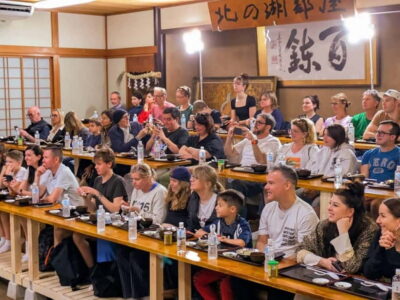
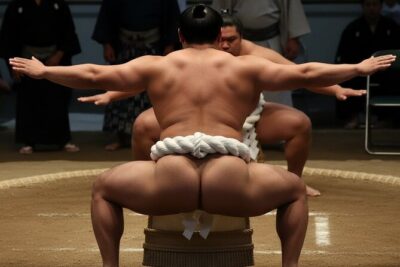
Tokyo Shinjuku Sumo Show & Experience with Photo
Read our review →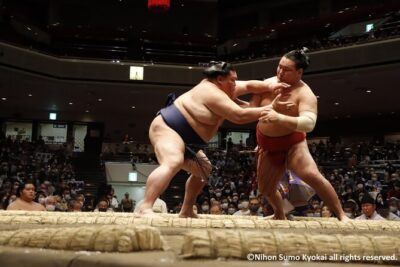
Tokyo Grand Sumo Tournament Viewing Tour with Tickets
Read our review →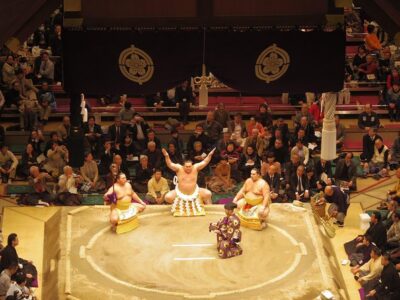
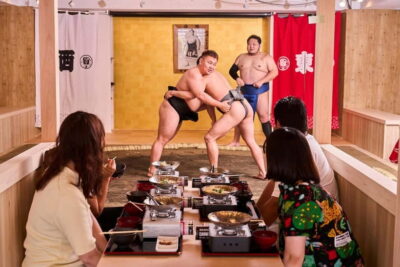
Tokyo:Luxury Sumo Show Experience & Japanese cuisine & Drink
Read our review →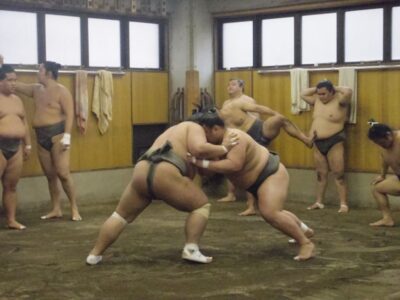
Tokyo Sumo Experience: Chanko & Mochi with a Former Pro
Read our review →This one also appears in