
Review · TOKYO
Tokyo: Sumo Morning Practice Viewing Tour at a Real Stable
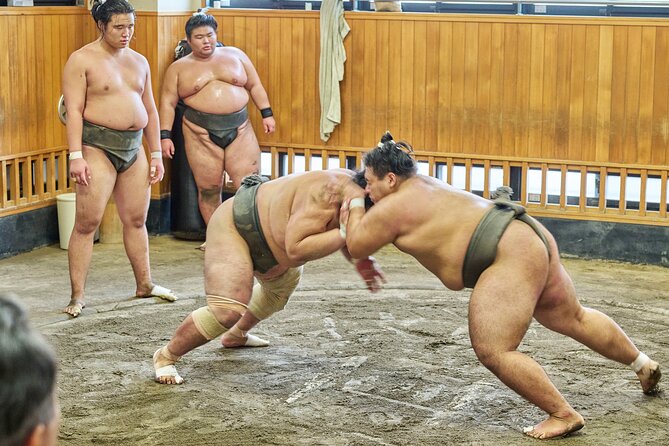
The best part of this Tokyo experience is that you watch real morning practice, not a staged show. Inside a working sumo stable, you sit quietly and see wrestlers train at close range while a guide explains the rules, rituals, and customs that can be hard to understand on your own.
I like the rare access and the personal guidance. I also like the way guides such as Mao and Tomo help you follow the action, with Mao even using a WhatsApp group for questions when visitors must remain silent. The main drawback is that the training requires quiet attention, so this is not a loud, free-moving attraction.
Key points
- Watch practice inside a real sumo stable, with no performance added for tourists.
- Arrive early at Kiyosumi-shirakawa Station, where the tour begins at 8:30 am.
- Plan for about 90 minutes of training, within an experience lasting roughly two hours.
- Use the guide’s explanations to understand sumo rules, rituals, and daily training.
- You may have a chance to take photos with wrestlers after the practice.
- Expect a small-group feel in spirit, though the stated maximum is 50 people.
Why Real Sumo Practice Matters More Than a Show
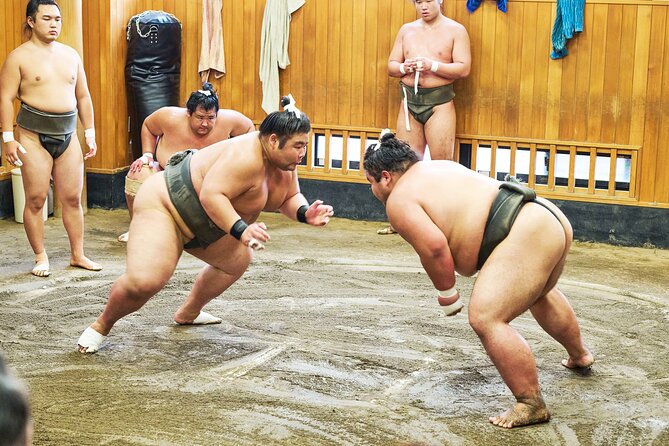
Sumo is easy to recognize and surprisingly hard to understand. You see two large wrestlers push, slap, and force each other from a ring, but without context, much of the meaning can pass by. This visit gives you the missing layer: the training, discipline, rituals, and quiet rules behind the public spectacle.
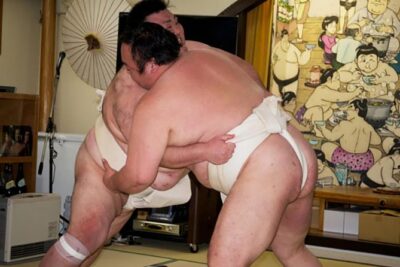
You are not watching a contest prepared for an audience. You are watching athletes work. That difference matters. The session may include repeated drills, intense clashes, and periods when little seems to happen, but that is precisely the point. You get a look at the routine that supports a wrestler’s life in competition.
I value this kind of access because it places you close to the daily reality of the sport. You are not simply checking sumo off a sightseeing list. You are seeing how the wrestlers train and battle at close range, with the guide helping you understand what you are seeing.
The setting also gives the experience a sense of restraint. You are entering a working place, not an entertainment venue. Visitors must respect the stable’s rules, remain quiet during practice, and pay attention to the action in front of them.
More Sumo Experiences in Tokyo
- Tokyo: Sumo Show and Dining Experience
★ 4.8 · 2,742 reviews - the SUMO show
★ 5.0 · 1,960 reviews - Tokyo Shinjuku Sumo Show & Experience with Photo
★ 5.0 · 1,750 reviews
Meeting at Kiyosumi-shirakawa at 8:30 am
The meeting point is outside Kiyosumi-shirakawa Station, at 1-chōme-6-13 Shirakawa in Koto City. The start time is 8:30 am, so you should allow enough time to reach the station without rushing.
Your guide from Local Guide Stars meets you there and leads the group to the stable. This arrangement is useful because the stable is not presented as a place for independent drop-in visits. The guide handles the route and helps you get settled before the training begins.
The early start is part of the value. You are seeing the stable during its morning routine, not arriving after the main work of the day is over. It does mean you need to give up a late breakfast or a lazy morning, but the timing is essential to the experience.
The activity ends back at the meeting point. That makes it easier to plan the rest of your day in Tokyo, especially if you want to continue exploring the eastern side of the city afterward.
Entering a Working Stable
The key moment is entering the authentic training stable. The supplied details do not promise a particular stable or a named wrestler, so you should not book this expecting a specific athlete. What you can expect is access to a genuine sumo training environment.
Once inside, the mood changes. The practice demands quiet, and your guide will explain when you may ask questions and when you should simply watch. This is not the sort of tour where you wander around taking photos whenever you wish.
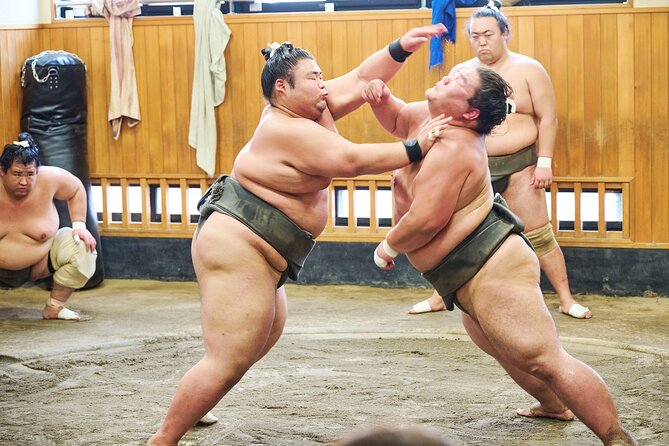
That quiet can feel unusual for a group activity, but it helps you notice details. You can focus on the wrestlers’ movements, the force of each exchange, and the repeated work that goes into building strength and timing. The close distance makes the training feel physical in a way that a large tournament arena may not.
You should also treat the stable as a place of work. Follow the guide’s directions, keep your voice down, and avoid expecting the wrestlers to perform for you. The respectful attitude is not a minor detail. It is what allows this sort of access to continue.
About 90 Minutes of Training Up Close
The training portion lasts about one hour and 30 minutes. The full activity is described as approximately two hours, so the remaining time covers meeting the guide, walking to the stable, receiving explanations, and handling the end of the visit.
Ninety minutes is a sensible length. A shorter stop might leave you with only a quick look, while a much longer session could become demanding if you are not already interested in sumo. Here, you have enough time to see the rhythm of practice without giving up the entire morning.
The training is not guaranteed to follow a fixed show schedule. That is both its charm and its limitation. You may see several types of exercises or bouts, but the experience is built around observing what is taking place that morning.
I would approach it with patience. The most rewarding moments may not be the loudest ones. Watch how the wrestlers prepare, repeat movements, and respond to one another. The guide’s explanations help turn these moments into something more than a series of powerful collisions.
Same city, another way to catch the action:
- Tokyo: Sumo Show and Experience in Shinjuku
★ 4.8 · 1,001 reviews - Tokyo Grand Sumo Tournament Viewing Tour with Tickets
★ 5.0 · 692 reviews - Tokyo Sumo Wrestling Tournament Experience
★ 5.0 · 660 reviews - Tokyo:Luxury Sumo Show Experience & Japanese cuisine & Drink
★ 4.7 · 577 reviews
How the Guide Helps You Follow Sumo
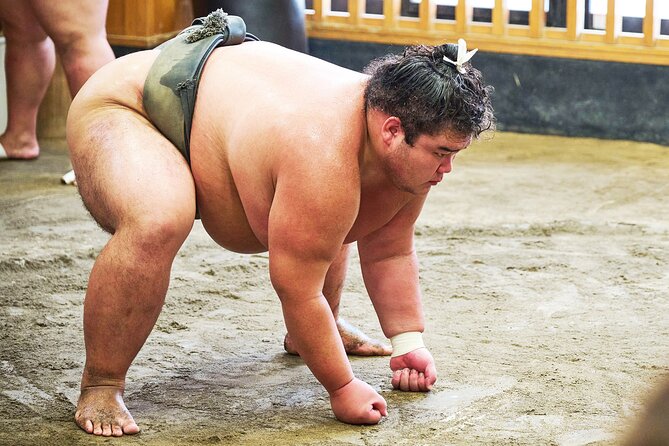
A guide is especially useful here because sumo has rules and customs that are not obvious at first glance. You will receive explanations of the basic rules, rituals, and traditions as part of the visit, so you do not need to research the sport before arriving.
That guidance helps you understand what makes an exchange significant. It also gives you a way to connect the practice session with the wider culture of sumo. Instead of seeing only size and force, you begin to notice discipline, form, timing, and ceremony.
The individual guide can shape the morning. Tomo is praised for answering questions and offering food suggestions for the rest of a Tokyo stay. Mao is also specifically noted for explaining the experience well and creating a WhatsApp group so visitors could ask questions without interrupting the training.
The WhatsApp approach is a smart response to the stable’s silence rule. You can keep questions for later or send them in writing while the wrestlers continue working. The exact guide may vary, so you should not assume Mao or Tomo will lead every departure, but both names show the kind of personal support the company can provide.
Photos With Wrestlers and the Right Expectations
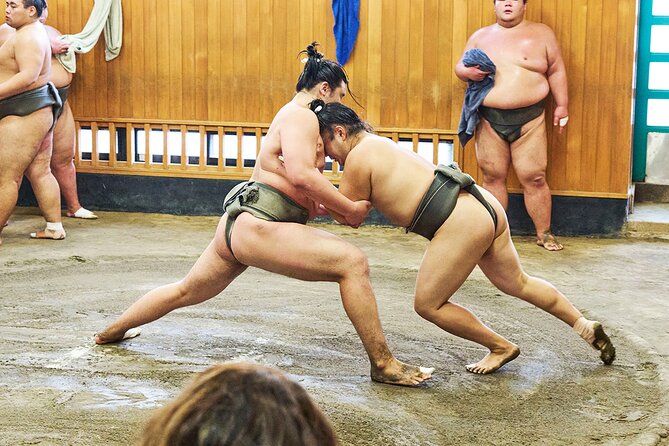
The experience includes the opportunity to take photos with sumo wrestlers. This is a memorable addition, particularly after spending time watching them train at close range.
Keep the wording in mind: it is an opportunity, not a guarantee of a particular photo setup or a named wrestler. The main purpose of the visit is observation, and the stable’s schedule and rules come first.
I would bring a phone or camera, but use it with care. During training, silence and stable instructions matter more than getting a perfect shot. If photos with wrestlers are offered, listen closely to the guide and follow the timing provided.
This balance is important. You are being allowed into a private working environment, and the best photograph will never be worth interrupting practice or ignoring the stable’s customs.
Price: What You Get for $118.92
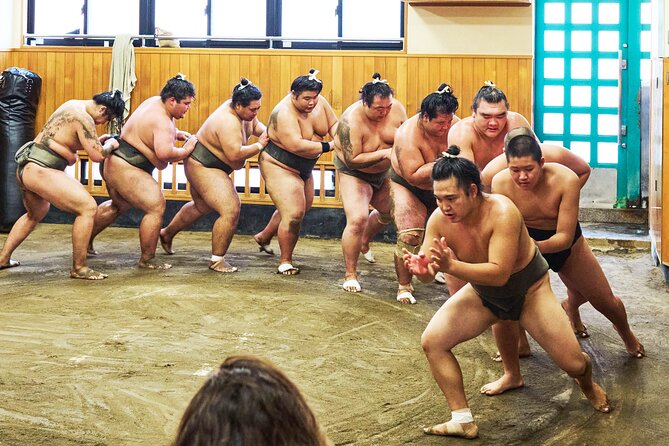
At $118.92 per person, this is not a cheap way to fill two hours in Tokyo. You are paying for access that is difficult to arrange independently, along with a guide who explains the sport and manages the visit.
The value depends on your interest. If you already want to understand sumo, the cost is easier to justify because the experience combines entry to a real stable, close viewing, cultural explanation, and a possible photo opportunity. It is more than simply standing outside a venue or buying a ticket to a public match.
The price may feel high if you want only a quick photograph or a theatrical introduction to sumo. This is a quiet, observation-based activity. You need to care about seeing practice itself, not just meeting a large athlete.
I would compare it with the cost of a standard sightseeing attraction and ask a simple question: do you want a polished show, or do you want access to a working place? For the second choice, the price is more defensible.
Group Size, Silence, and Comfort
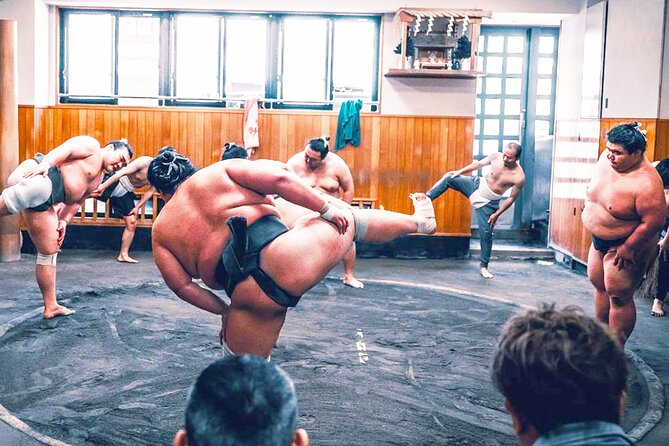
The maximum group size is listed as 50 people. That is a fairly large possible group for a close-up stable visit, although the atmosphere may feel more personal because everyone must remain quiet and stay with the guide.
You should be comfortable sitting or standing quietly for much of the training. The supplied information says most people can participate, but it does not give detailed seating, mobility, or facility information. If you have a specific accessibility concern, ask the provider before booking.
Families can take part, but the quiet rule matters. One useful detail comes from a visit involving two energetic nephews who managed to remain silent for the entire practice after the guide explained the requirement. That suggests the experience can work for children who are genuinely interested and able to follow instructions.
Still, I would not choose this as a casual stop for a group that needs constant movement or conversation. The stable is a focused setting, and your enjoyment will depend on respecting its pace.
Who Will Enjoy This Morning Best
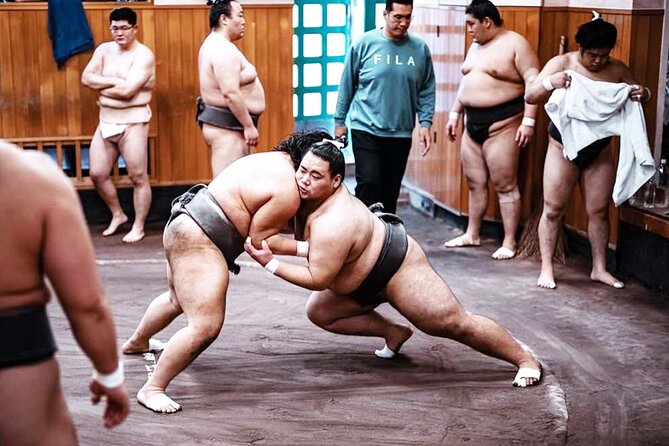
This tour fits you if you want a close look at Japanese culture and prefer real daily activity to a staged attraction. It is particularly good for first-time sumo spectators because the guide gives you the basic information needed to follow the practice.
It also suits repeat visitors to Tokyo who have already seen the major sights and want something less familiar. The Kiyosumi-shirakawa meeting point adds a different starting place from the city’s most crowded tourist routes.
You may want to skip it if you dislike early starts, silence, or activities without a guaranteed scripted program. The session is practice, not a tournament, and the wrestlers are not there to entertain you.
I would also be cautious if your main goal is a long conversation with wrestlers. The listed feature is a chance for photos, while the central activity is watching training. Those are different experiences.
Booking and Cancellation Details
Confirmation is provided when you book, and the activity is near public transportation. A mobile ticket is included, which keeps the entry details easy to carry on your phone.
You can cancel for a full refund up to 24 hours before the local start time. Cancellations or changes made less than 24 hours before the experience are not accepted for a refund, so check your Tokyo schedule carefully before the cutoff.
The activity is offered by Local Guide Stars. Since guide assignments can vary, consider the listed names, Mao and Tomo, as examples of guides associated with the experience rather than a promise that one of them will lead your date.
Should You Book This Sumo Stable Visit?
Book it if you want authentic training rather than a performance, and if you are willing to begin early and remain quiet. The strongest reasons are the rare stable access, close view of working wrestlers, and clear explanations from guides such as Mao and Tomo.
Skip it if you want a loud, flexible attraction or a guaranteed meeting with a particular sumo star. At $118.92, the experience earns its price through access and context, not through a packed schedule of activities.
For the right person, this can become one of the more memorable mornings in Tokyo. You leave with a better sense of how sumo works, why its rituals matter, and how much disciplined training lies behind the few minutes of action seen in competition.
FAQ
Where does the sumo morning practice tour start?
It starts at Kiyosumi-shirakawa Station, at 1-chōme-6-13 Shirakawa, Koto City, Tokyo 135-0021, Japan.
What time does the activity begin?
The meeting time is 8:30 am.
How long does the experience last?
The full activity lasts approximately two hours. About one hour and 30 minutes is allocated to observing the training.
Where does the activity end?
The tour ends back at the meeting point.
Will I watch a sumo competition?
No. The central activity is observing authentic morning practice at a working sumo stable.
Does the guide explain sumo rules?
Yes. The guide explains sumo rules, rituals, and traditions during the experience.
Can I take photos with sumo wrestlers?
You have the opportunity to take photos with sumo wrestlers. The information does not promise a specific wrestler or a guaranteed photo arrangement.
What is the cancellation policy?
You can cancel up to 24 hours before the local start time for a full refund. Cancellations or changes made less than 24 hours before the start time are not accepted for a refund.
New on the fixture list around Tokyo
- Tokyo: Sumo Morning Practice -Stable Visit Tour with a Guide★ 4.8 · 16 reviews
- Tokyo: Watching Sumo and Ryogoku Area Walking Tour★ 4.0 · 5 reviews
- Tokyo: Sumo Morning Practice Viewing Tour at a Real Stable★ 4.9 · 32 reviews
- Tokyo: Sumo Morning Practice Tour in Ryogoku and Photo Shoot★ 4.7 · 47 reviews
- Tokyo: Sumo Keiko Training Tour with Audio Guide & Photo★ 4.8 · 5 reviews
- Tokyo Sumo Morning Practice: Witness the Life of a Wrestler★ 4.8 · 56 reviews
- Tokyo: Sanctuary Authentic Grand Sumo Experience & Training★ 5.0 · 7 reviews
- Tokyo Highlights Tour: Sumo, Sushi, Tea, and Tokyo Tower★ 5.0 · 2 reviews
More Sumo Experiences in Tokyo to weigh up.
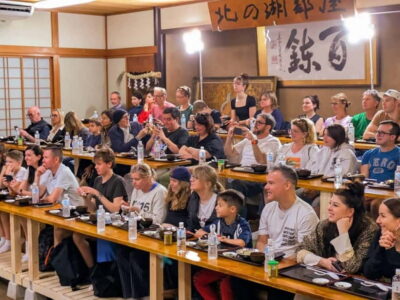
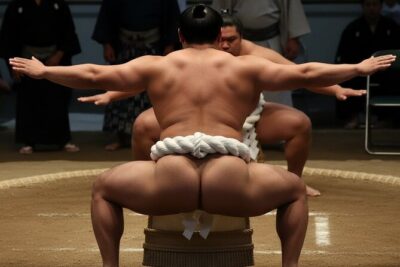
Tokyo Shinjuku Sumo Show & Experience with Photo
Read our review →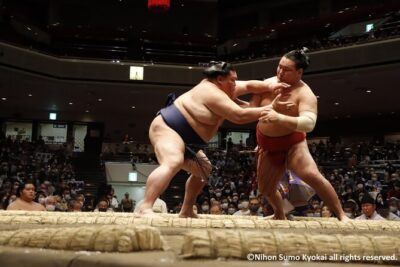
Tokyo Grand Sumo Tournament Viewing Tour with Tickets
Read our review →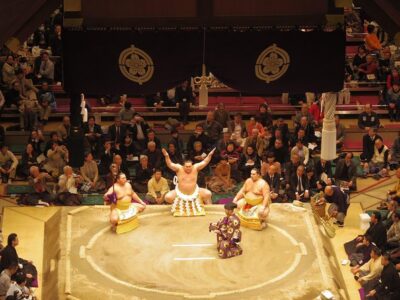
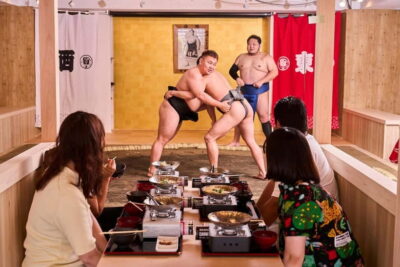
Tokyo:Luxury Sumo Show Experience & Japanese cuisine & Drink
Read our review →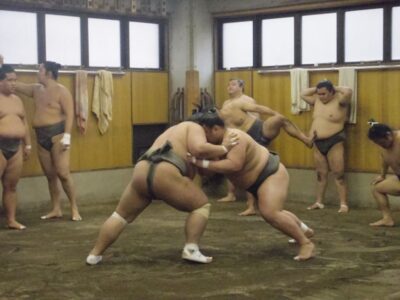
Tokyo Sumo Experience: Chanko & Mochi with a Former Pro
Read our review →This one also appears in