
Review · TOKYO
Tokyo: Grand Sumo May Tournament
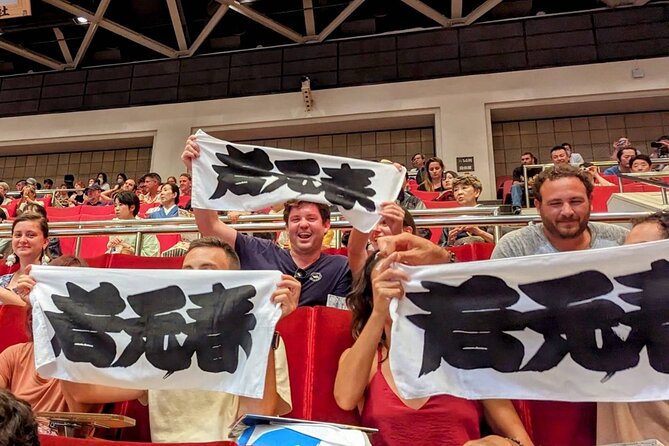
The best part of this Tokyo experience is not simply getting inside the Ryogoku Kokugikan. It is understanding what you are watching once the wrestlers enter the ring. Your guide explains the rituals, rankings, gestures, and match tactics while you follow the action at the Grand Sumo May Tournament.
I like the two-hour walk through Ryogoku before the bouts, especially the chance to see sumo-related landmarks and a shrine near the arena. I also like the live commentary through personal earphones, plus the optional chanko-nabe dinner, which gives the day a hearty local finish.
The main caution is value. At $198.20 per person, this costs far more than a basic tournament ticket. A quiet guide can make the markup feel hard to justify, so this works best if you want interpretation, help with the arena, and a more organized day rather than just a seat.
Key points to know before booking
- The tour begins with Ryogoku’s sumo landmarks: The optional walking portion gives useful background before you take your seat.
- You watch the main tournament bouts: The arena portion runs from about 3 to 6 p.m., with admission included.
- Live English commentary adds context: You can listen to the guide through personal earphones, especially useful during the rituals and unfamiliar matchups.
- Chair seats are available: You are placed in a B or C chair on the balcony, rather than sitting on the flat floor in a first-floor box.
- Chanko-nabe is an optional extra: The hot-pot meal is served near the arena after the tournament, with drinks ordered separately.
- Book early for May: This experience is typically booked about 41 days ahead, and tournament tickets can disappear quickly.
Why the May tournament is worth seeing
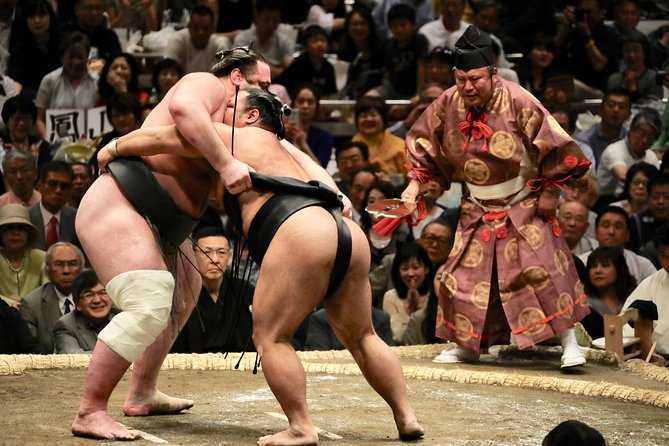
A sumo tournament is a sporting event, but it is also a carefully ordered ceremony. The wrestlers do not simply walk in, fight, and leave. Their ring entrances, gestures, clothing, preparation, and conduct all carry meaning.
That can be hard to follow if you enter the Kokugikan with no background. The action itself is quick, and much of the drama comes from details that are easy to miss. A guide helps you see why the salt is thrown, what the opening rituals mean, and how the wrestlers’ ranks shape the day.
The May tournament is one of Tokyo’s major grand tournaments. The most important bouts include grand champions and top-division wrestlers, with formal ring-entering ceremonies before the contests. You also get the excitement of a full afternoon in the arena, not a short demonstration arranged only for visitors.
I would not book this only because you already love professional sports. Sumo has its own pace and rules. I would book it if you want to understand the culture around the sport and would rather ask questions than study everything in advance.
More Sumo Experiences in Tokyo
- Tokyo: Sumo Show and Dining Experience
★ 4.8 · 2,742 reviews - the SUMO show
★ 5.0 · 1,960 reviews - Tokyo Shinjuku Sumo Show & Experience with Photo
★ 5.0 · 1,750 reviews
Meeting your guide in Ryogoku
The meeting point is in Ryogoku, Tokyo’s traditional sumo district, and the area is close to public transportation. Hotel pickup and drop-off are not included, so you need to make your own way to the starting point.
The meeting arrangement is simple, but pay attention to the exact sign and name provided for your date. One participant was expecting a particular sign and found the guide holding a sign that read I am Yoko instead. It caused no serious problem, but it is a useful reminder to check the guide’s name and meeting instructions carefully.
The tour has a maximum of 35 people. That is not a tiny private outing, despite the personalized wording used to describe the experience. The guide may give you more attention than you would receive in a large sightseeing group, but your experience can still depend on the day’s group size and on how active the guide is.
Several guides have led this experience, including Yoko, Aki, Ken, Sue, Yosh, Ali, Ichirio, and Yasu. The guide assigned to you may be different. The strongest experiences depend heavily on the guide’s ability to explain the sport clearly and respond to questions.
Walking Ryogoku from 1 to 3 p.m.
The optional opening walk runs for about two hours. It is not filler. This is where you get the setting that makes the tournament easier to appreciate.
Ryogoku is closely tied to sumo, and the route includes sumo-related landmarks, the outside of a sumo stable, and a shrine associated with the sport. Ken, for example, has been praised for showing the stable exterior and a sumo shrine near the Kokugikan, along with sharing sumo stories and singing a sumo song.
Do not expect to enter a stable or watch wrestlers train. The information provided describes exterior visits and landmarks, not access inside training facilities. That distinction matters, especially if you are imagining a behind-the-scenes visit.
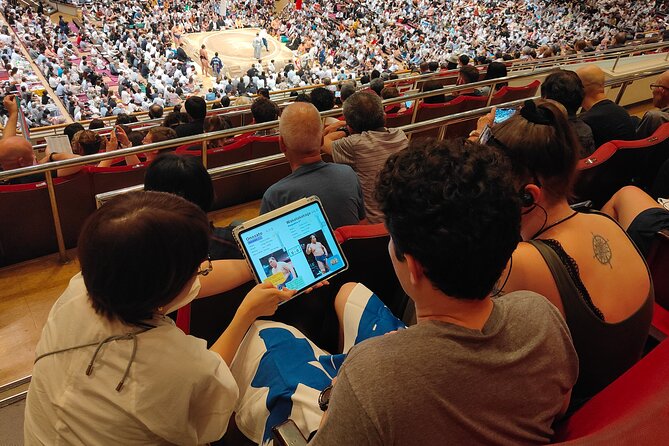
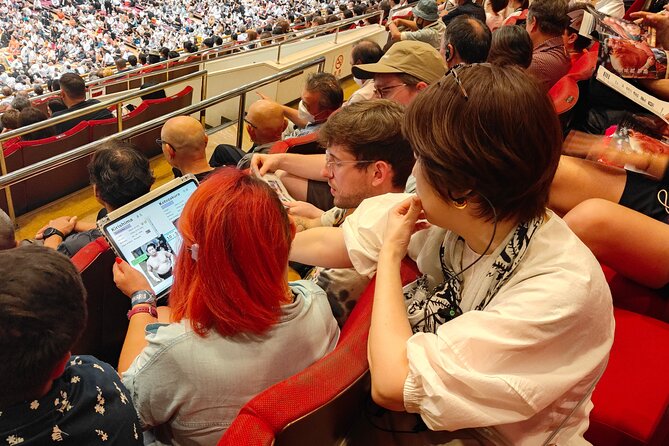
The walk is also when you can ask basic questions without missing a bout. Ask about the ranking system, the difference between divisions, how a wrestler advances, or why certain names appear so often in the tournament program. You receive an information package with tournament details, rankings, and profiles of prominent wrestlers, so you can keep following along once you reach your seat.
If you are mainly interested in the matches, you can select an option without the history walk. Still, I think the walk is worth keeping if this is your first sumo tournament. The arena becomes much easier to read when you already know what to watch for.
Inside Ryogoku Kokugikan before the bouts
The arena portion lasts about three hours, from approximately 3 to 6 p.m. Your guide takes you through parts of the Kokugikan before you settle into the tournament.
The orientation includes large murals, championship prizes, the sumo museum, paintings and photographs of past yokozuna, and other sumo displays. These stops help explain the sport’s symbols and lineage before the live action begins.
This is a useful feature for a first visit because the Kokugikan can otherwise feel like a place you simply enter, find your seat, and watch. A guide gives you a short orientation and points out things you might walk past on your own.
The museum visit is listed at about 15 minutes, while the murals and championship prizes receive shorter stops. That means you should not expect an extended museum tour. Think of it as a focused introduction before the tournament rather than a separate museum experience.
The tour provides cheer-up goods so you can root for a particular wrestler. That small touch may seem lighthearted, but it gives you a reason to pay attention to individual matchups instead of watching the bouts as a blur of robes, slaps, and quick throws.
Same city, another way to catch the action:
- Tokyo: Sumo Show and Experience in Shinjuku
★ 4.8 · 1,001 reviews - Tokyo Grand Sumo Tournament Viewing Tour with Tickets
★ 5.0 · 692 reviews - Tokyo Sumo Wrestling Tournament Experience
★ 5.0 · 660 reviews - Tokyo:Luxury Sumo Show Experience & Japanese cuisine & Drink
★ 4.7 · 577 reviews
Choosing your seat: chair B or C
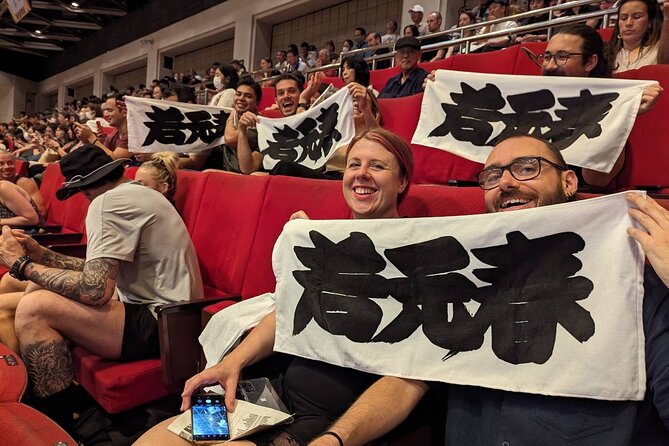
The seating choice is one of the most practical parts of the booking. This version uses chair seats on the balcony, usually in chair B or C. You sit in a proper chair for the afternoon.
That is different from the first-floor box seating, where four people share a flat area of about 1.3 by 1.3 meters with cushions. If you value comfort, a chair is the safer choice. You can remain seated normally and avoid spending several hours on a flat floor.
The tradeoff is distance. Balcony chairs are not the same as sitting close to the ring. You may find the wrestlers smaller from your seat, though the arena atmosphere still carries well. The tour information specifically presents chair B or C as the comfortable option, not as the closest possible view.
If seeing every movement at close range matters most, examine the available seating option carefully before paying. If comfort and a clear overall view matter more, the chair arrangement is sensible. The supplied information does not promise a particular numbered seat, so you should not assume you will sit beside the guide or in the front row.
Following the matches with live commentary
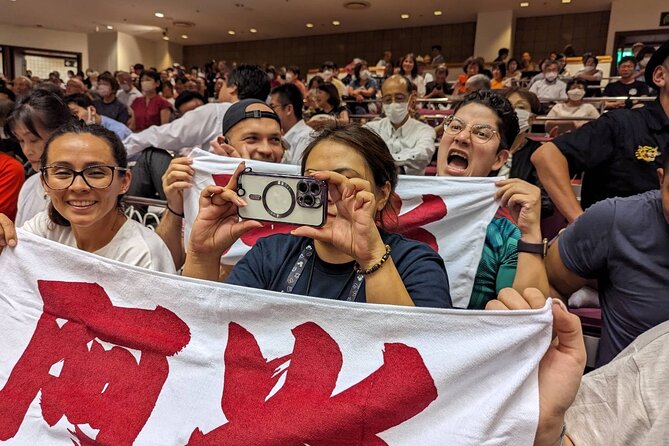
The strongest reason to pay for a guided tournament experience is the explanation during the bouts. For groups of three or more, headsets are provided so you can hear the guide’s voice clearly, even from a distance. The tour also includes live commentary during the tournament.
This can change the feel of the afternoon. Instead of waiting for a dramatic throw, you can learn who the wrestlers are, how their ranks compare, and what has happened earlier in the tournament. The guide can also explain the formal routines that surround each bout.
The equipment matters. Sumo matches can move quickly, and a guide speaking quietly beside you may be difficult to hear in a full arena. The headset system is meant to solve that problem, though the information only specifies headsets for groups of three or more. If you are traveling alone or as a couple, confirm how commentary will be delivered for your option.
Guide quality is the biggest variable. Yoko has been praised for explaining the arena, museum, rituals, and tournament program. Aki has been described as clear on sumo history and culture, while Yosh has been valued for answering questions. On the other hand, one quiet guide offered only brief comments unless prompted.
My advice is simple: ask questions early. If you want more than occasional remarks, tell the guide what interests you. This is not a fully scripted lecture where every guide will talk constantly for three hours.
Chanko-nabe after the tournament
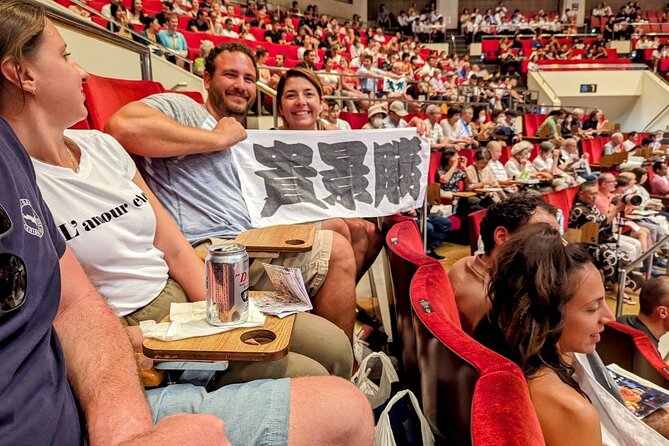
The optional dinner begins around 6 p.m. and lasts about an hour. Your guide takes you to a chanko-nabe restaurant near the arena, so you avoid a long transfer after the matches.
Chanko-nabe is the hot-pot dish associated with sumo wrestlers’ diets. It is filling and designed around the idea of building strength and body mass. Ending the day with this meal connects the sport to everyday food culture in a way a quick snack inside the arena cannot.
The meal is included only if you select the dinner option, and drinks cost extra. One practical warning: the hot pot may contain a good deal of fish. If you do not eat fish, ask about the ingredients before choosing this add-on.
Dinner is also a good reason to choose the full package if you want the day to feel complete. The walk gives you background, the arena gives you the main event, and the meal gives you time to discuss what you saw. If you already have a restaurant reservation or prefer to control your own evening, skip it.
Is $198.20 a fair price?
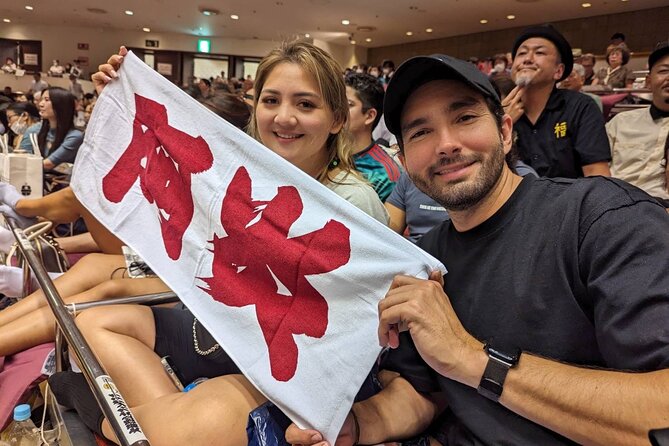
The price is $198.20 per person, and the value depends on what you need. A basic ticket may cost much less, so you are paying for more than admission.
Your fee includes English guiding, the pre-tournament walk if selected, arena admission, the information package, cheer-up goods, and headsets for groups of three or more. Some options also include the chanko-nabe dinner, while drinks remain separate.
This is a reasonable purchase for someone who might otherwise struggle to secure a ticket or understand the event. Grand sumo tickets can sell quickly, and booking about 41 days ahead gives you a better chance of arranging the day before seats become scarce. The tour also removes some of the uncertainty of finding the arena, choosing a seat type, and understanding what is happening once the tournament starts.
The price is harder to defend if you already know sumo, speak enough Japanese to manage the arena easily, or only want to watch the bouts. One disappointed participant compared the cost with a much cheaper ticket and felt the guide added too little. That criticism is fair. The tour only earns its premium when the explanations and organization matter to you.
Who should book this sumo experience?
I would recommend it to first-time visitors who want cultural context, couples or families who prefer an organized afternoon, and sports fans who like learning the rules behind a new sport. It is also a good choice if tournament tickets are a major concern and you want to arrange admission well ahead of time.
It suits people who enjoy asking questions. The guide’s value rises when you use the time to learn about rankings, wrestlers, rituals, and the neighborhood.
I would be more cautious if you are a dedicated sumo follower, want the cheapest possible ticket, or dislike group tours. You may prefer to buy admission separately and explore Ryogoku at your own speed.
The tour is suitable for most people, and it is near public transportation. You should still expect a two-hour walking portion if you choose it, followed by several hours in a chair seat or, with another seating option, time on a flat floor. Select the chair arrangement if sitting on cushions would be uncomfortable.
Cancellation and planning notes
You receive confirmation at booking. Free cancellation is available up to 24 hours before the experience begins, based on local Tokyo time. Cancellations or changes made less than 24 hours ahead are not accepted for a refund.
The full experience lasts roughly six hours, not counting the time you need to reach the meeting point. Plan for the optional walk from 1 to 3 p.m., arena viewing from 3 to 6 p.m., and dinner afterward if selected.
Should you book the Grand Sumo May Tournament?
Book it if you want more than a seat. The walk through Ryogoku, arena orientation, tournament profiles, live commentary, and optional chanko-nabe meal turn a confusing first sumo match into a day you can follow and remember.
Skip it if your priority is the lowest price or if you already understand sumo well enough to manage the Kokugikan alone. At $198.20, the cost demands useful guiding. I would choose the history walk, the chair seating, and the dinner only if the food suits you. Most important, book well ahead and be ready to ask questions, since the guide’s energy can shape the experience.
FAQ
How long does the sumo experience last?
The main experience lasts about six hours. The usual schedule is a two-hour Ryogoku walking tour from 1 to 3 p.m., three hours inside the arena from 3 to 6 p.m., and an optional one-hour chanko-nabe dinner afterward.
Is the chanko-nabe dinner included?
Dinner is optional and depends on the package you select. Drinks are not included and must be ordered separately.
What kind of seats are used?
The chair option uses balcony seats in either chair B or chair C. Other first-floor seating uses a flat floor with cushions in a shared box measuring about 1.3 by 1.3 meters.
Are headsets provided?
For groups of three or more, each person receives a headset to hear the guide clearly from a distance. The tour includes live English commentary during the bouts.
Is transportation from my hotel included?
No. Hotel pickup and drop-off are not included. The meeting area is in Ryogoku and is near public transportation.
Can I cancel for a full refund?
Yes, if you cancel at least 24 hours before the experience’s start time, using Tokyo local time. Cancellations or changes made less than 24 hours ahead are not refundable.
New on the fixture list around Tokyo
- Tokyo: Sumo Morning Practice -Stable Visit Tour with a Guide★ 4.8 · 16 reviews
- Tokyo: Watching Sumo and Ryogoku Area Walking Tour★ 4.0 · 5 reviews
- Tokyo: Sumo Morning Practice Viewing Tour at a Real Stable★ 4.9 · 32 reviews
- Tokyo: Sumo Morning Practice Tour in Ryogoku and Photo Shoot★ 4.7 · 47 reviews
- Tokyo: Sumo Keiko Training Tour with Audio Guide & Photo★ 4.8 · 5 reviews
- Tokyo Sumo Morning Practice: Witness the Life of a Wrestler★ 4.8 · 56 reviews
- Tokyo Highlights Tour: Sumo, Sushi, Tea, and Tokyo Tower★ 5.0 · 2 reviews
- Tokyo: Sanctuary Authentic Grand Sumo Experience & Training★ 5.0 · 7 reviews
More Sumo Experiences in Tokyo to weigh up.
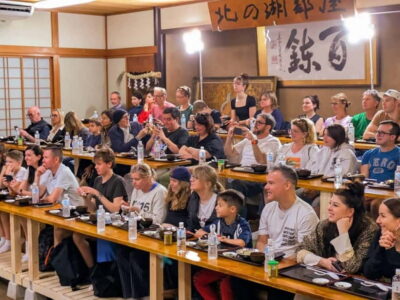
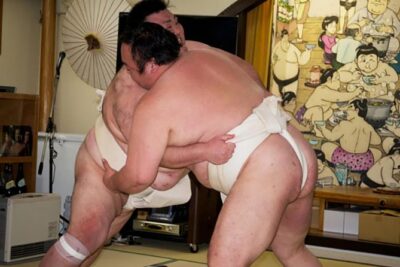
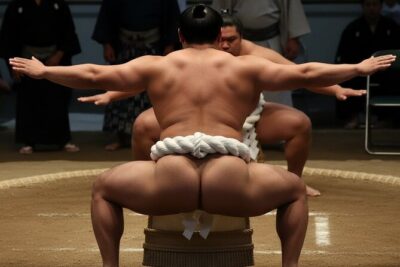
Tokyo Shinjuku Sumo Show & Experience with Photo
Read our review →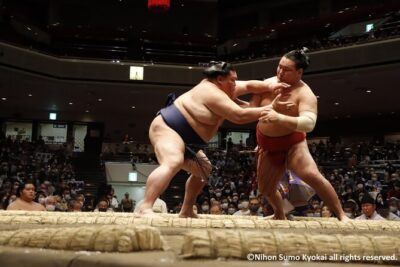
Tokyo Grand Sumo Tournament Viewing Tour with Tickets
Read our review →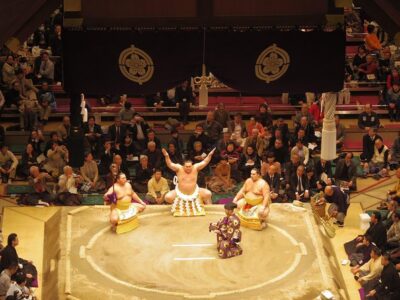
Tokyo:Luxury Sumo Show Experience & Japanese cuisine & Drink
Read our review →
Tokyo Sumo Experience: Chanko & Mochi with a Former Pro
Read our review →This one also appears in