
Review · JAPAN
Nagoya: Grand Sumo Tournament Tour
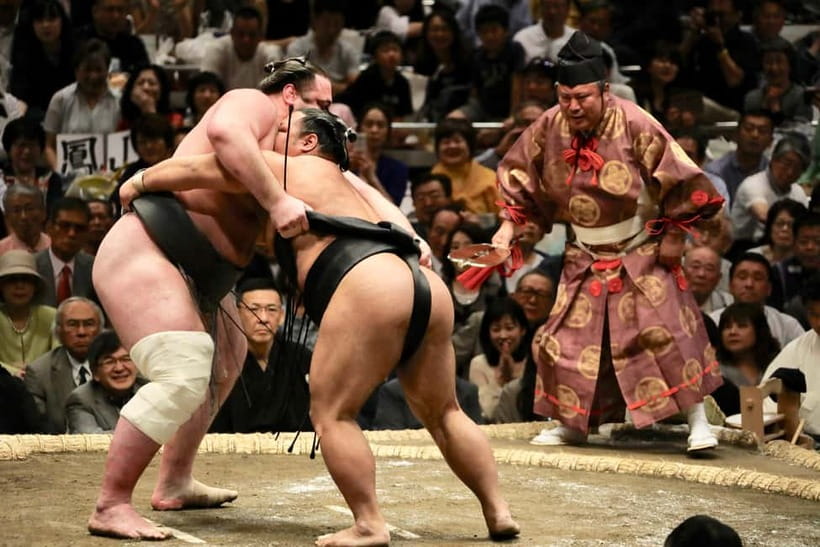
Nagoya’s grand sumo tournament is much easier to enjoy when someone explains the action as it happens. This small-group tour gives you three hours of top-division bouts from 3 p.m., an English-speaking guide, and an earphone system so you can follow the commentary without sitting right beside the guide. The result is more than watching two large men push each other around a ring.
I especially like the wrestler profile pamphlet and the cheering towel. The pamphlet helps you recognize the wrestlers, while the towel gives you a particular rikishi to support, which turns a quiet match into a personal contest. The optional Nagoya Castle walk adds a useful historical layer before the arena. The main drawback is price: at $225 per person, this is a premium outing, and the guide’s added value must matter to you.
Key points to know before booking
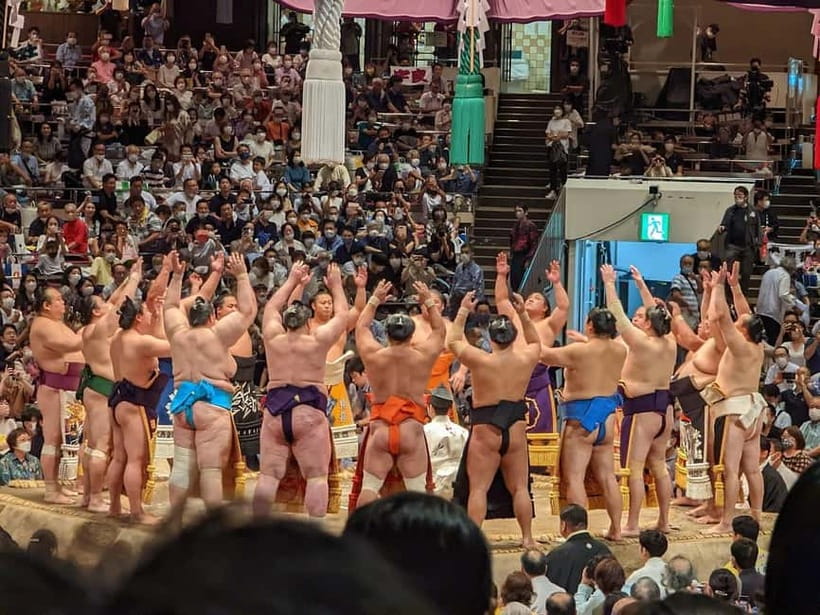
- Top-division sumo begins at 3 p.m.: You skip the long early stretch and focus on the bouts most visitors want to see.
- Real-time English commentary: An earphone guide system lets you hear explanations clearly while the action continues in the ring.
- Three useful sumo items included: You receive a wrestler profile pamphlet, a sumo booklet, and a cheering towel for a selected wrestler.
- Nagoya Castle comes before the tournament: The optional walk covers Tokugawa history, castle design, defenses, and the restored Honmaru Palace.
- A good fit for first-time spectators: Guides such as Keiko, Yuki, Mari, Yummi, and Sunny Yoko have been praised for clear explanations and lively support.
- Convenient from Osaka and Kyoto: The stated train times are about 50 minutes from Osaka and 34 minutes from Kyoto.
Why the 3 p.m. start makes sense
A sumo tournament day begins long before the top names enter the ring. Earlier bouts can be interesting, but the schedule builds slowly, and the grand excitement comes later when the top-division wrestlers compete.
This tour starts viewing at 3 p.m. and keeps you there for about three hours. I like that choice. If you are new to sumo, watching from the first bout can feel like a long wait for the main event. By concentrating on the top division, you spend your energy where the tournament feels most important.
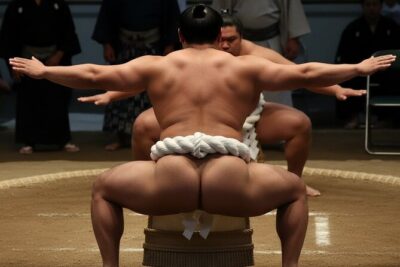
You will still see the formal rhythm of the sport: wrestlers entering, ritual movements, salt being thrown, and the intense pause before the charge. A match itself may last only moments, but the ceremony around it gives each bout weight. Your guide explains those details while you watch, so the pauses do not feel empty.
The afternoon schedule also works well for a day trip from Osaka or Kyoto. The stated journey is about 50 minutes from Osaka and 34 minutes from Kyoto by train. You are responsible for reaching the meeting point, but the short rail connection makes Nagoya a practical addition to a Kansai itinerary.
More Sumo Experiences in Japan:
- Tokyo: Sumo Show Experience with Chicken Hot Pot and a Photo
★ 4.8 · 6,678 reviews - Tokyo: Sumo Show and Dining Experience
★ 4.8 · 2,742 reviews - the SUMO show
★ 5.0 · 1,960 reviews
Meeting your guide at Nagoyajo Station
The tour begins on the ground at Exit 7 of Meijo Line Nagoyajo Station, station code M07. Look for the guide holding a recognizable signboard. The activity ends back at this same meeting point.
That return arrangement is handy if you are using Nagoya as a day stop. It also keeps the plan simple: arrive at the station, meet the guide, take the castle walk if you choose, and continue to the tournament.
Bring comfortable shoes. The castle portion involves walking, and the arena experience is better when you are not distracted by tired feet. Hotel pickup and drop-off are not included, so plan your route to and from the station yourself.
Nagoya Castle before the arena
The Nagoya Castle walk is optional, but it gives the day a strong opening. Nagoya grew from the castle built by the Tokugawa clan in the early seventeenth century, when the family ruled Japan for nearly three centuries.
The guide explains the political setting behind the construction. You will hear how the Tokugawa clan organized feudal lords who had once opposed it, and how a castle could serve both as a residence and a military stronghold. This is more useful than simply taking photos of the rooflines. You begin to see the building as a piece of power and defense, not just a famous Japanese monument.
The tour also covers building techniques and the castle’s effectiveness as a fortress. Those subjects suit this experience because the guide can point to features as you walk rather than giving you a general history lecture.
The Honmaru Palace is another highlight. Its design uses valuable hinoki cypress wood, decorative metal fittings, and detailed paintings on walls, ceilings, and sliding doors. You will want time to look closely. The beauty is in the workmanship, not only in the overall shape of the building.
The castle stop is not the main event, and that is worth keeping clear. If you are visiting Nagoya Castle separately, the optional walk may add less value. If this is your first visit, however, the guide’s explanation can make the site much easier to read.
What the earphone system changes
The guide does not need to stand beside you and speak loudly over the arena. Instead, you receive an earphone guide system for real-time commentary throughout the tour.
That small piece of equipment matters. Sumo arenas are active places, and your attention will move between the ring, the crowd, and the wrestlers. With the guide speaking through your headset, you can keep watching the bout while hearing what to notice.
The guide explains rules, rituals, and the wrestlers as the tournament moves along. You are not left to memorize a lecture before the first match. The information arrives at the moment it becomes useful.
I would still expect some variation in how much commentary you want. Some people prefer to watch quietly once they understand the basics. Others enjoy hearing every detail. The system lets you follow the guide without requiring you to sit right next to the guide, which is a practical advantage either way.
More sporting days out around Japan:
- Tokyo Shinjuku Sumo Show & Experience with Photo
★ 5.0 · 1,750 reviews - Tokyo Sumo Entertainment Show with Chicken Hot Pot and Photo
★ 5.0 · 1,205 reviews - Tokyo: Sumo Show and Experience in Shinjuku
★ 4.8 · 1,001 reviews - Tokyo: Sumo Tournament Tour with Chair Seat Tickets
★ 4.6 · 753 reviews
The pamphlet that puts names to the action
Sumo can be hard to follow when you do not recognize the wrestlers. Many matches are short, and the wrestler you just watched may be gone before you have worked out his name.
Each participant receives a pamphlet with photographs and profiles of the wrestlers in English. The guide walks you through it during the matches, helping you connect faces, names, and personal details.
This is one of the tour’s strongest features for a first-time spectator. You are not merely watching a series of unfamiliar bouts. You begin to recognize the people involved and understand why a particular match matters.
You also receive a sumo booklet covering the sport more broadly. Together, the pamphlet and booklet give you something useful to refer to during the tournament and after the day is over.
Why the cheering towel adds real fun
The guide gives you a towel for a particular wrestler and shows you when to use it. That may sound like a small souvenir, but it changes how you watch.
Without a favorite, it is easy to sit back and let the matches blur together. With a wrestler to support, you have a reason to pay attention to the entrance, the opponent, and the result. You also cheer with the rest of the group, which adds a social spark to the afternoon.
This does not mean you need to know anything about the wrestler before the tour. The guide helps you choose and explains how to cheer at the right moment. The activity becomes more participatory without asking you to perform or understand every rule at once.
The towel is also a practical keepsake. It connects to the actual tournament rather than being a generic souvenir from Nagoya.
Chair S or Chair A seating
The package includes Chair S or Chair A seats. These are not a promise of ringside floor seating, so you should book with realistic expectations.
The value comes from pairing the seats with the guide’s commentary and materials. If you already know sumo well and mainly want the closest possible view, you may prefer to buy a seat on your own and attend independently. If you want help understanding the event, the included seating is part of a larger package.
Your view will also matter to how much you use the earphone system. The guide can explain what is happening even when you are not standing beside the guide, so the group does not need to stay packed together throughout the tournament.
The guides make the difference
The tour depends heavily on the person leading it. Several named guides have been praised for their enthusiasm and ability to explain sumo clearly.
Keiko has been described as energetic and deeply interested in the sport. Yummi was praised for being friendly and extremely well informed. Yuki has led both the castle walk and the sumo portion, with particular strength in explaining the wrestlers and teams. Mari has been praised for encouraging the group to support her favorite wrestlers, while Sunny Yoko has been described as helpful and clear.
Those details point to the right expectation. You are not booking a silent escort from the station to your seat. You are booking a guide who actively helps you notice what is happening and encourages the group to take part.
Guiding styles can differ, of course. One guide may focus more on history, another on the wrestlers, and another on crowd energy. The common thread is a personal interest in sumo, which is important for an event that can otherwise feel unfamiliar.
What you learn about sumo
The tour is designed to explain the parts of sumo that are easy to miss when you watch alone. You learn the basic rules, the small rituals, and the traditions surrounding each bout.
The timing is useful. A guide can explain a ritual shortly before you see it, then help you understand its purpose. You do not need to carry a long list of terms in your head before arriving.
The booklet and wrestler profiles give you a foundation, but the live commentary is the real benefit. Sumo is not just about the final push or throw. The stance, timing, preparation, and matchups all matter. The guide helps turn those details into something you can follow.
Even if you are not already interested in sumo, the event offers a close look at a major part of Japanese culture. The ceremony, the audience response, and the structure of the tournament all make more sense when someone explains the customs.
Is $225 a fair price?
At $225 per person, this is expensive compared with simply taking a train to Nagoya and arranging your own castle visit and sumo ticket. One visitor felt the guide service had greatly increased the cost. That concern is fair, especially for confident independent travelers.
The package includes more than admission. You receive Chair S or Chair A seating, the English commentary system, the profile pamphlet, the sumo booklet, the cheering towel, the guide’s time, and the optional castle walk. For a first-time visitor, those pieces solve several problems at once: identifying wrestlers, understanding rules, knowing when to cheer, and finding your way through the day.
I see the price as reasonable only if you value interpretation and convenience. A knowledgeable independent sumo fan may not need the help. A first-time visitor who wants the event to make sense may find the extra cost worthwhile.
The small-group format also matters. You are not joining a huge bus outing where the guide disappears into a crowd. The tour is built around direct explanation and shared cheering, though the exact group size is not specified.
Who should book this afternoon?
I would recommend it most strongly to first-time sumo spectators, visitors who want English explanations, and people traveling from Osaka or Kyoto who do not want to build the day from separate bookings.
It also suits anyone who likes a cultural event with context. The castle walk gives you history and architecture, while the tournament gives you ceremony, sport, and crowd energy. Together, they make a fuller day in Nagoya than a stadium visit alone.
Families and groups with mixed interests may find the structure helpful, though no specific child policy is provided. Someone who already understands sumo, knows the wrestlers, and prefers complete freedom may find the guided format less necessary.
Canceling is allowed up to 24 hours in advance for a full refund, and you can reserve now and pay later. Those terms help if your route through Japan is still changing.
My call: book for explanation, not just a ticket
Book this tour if you want to understand what you are seeing and take part in the atmosphere. The wrestler pamphlet, cheering towel, and live headset commentary are practical tools, not filler. Guides such as Yuki, Keiko, Mari, Yummi, and Sunny Yoko bring the event to life through personal enthusiasm and clear explanations.
Skip it if your priority is the lowest possible price or if you already know sumo well. You may prefer to arrange your own ticket and visit Nagoya Castle independently.
For everyone else, the strongest reason to book is simple: you get three focused hours of top-division sumo instead of waiting through a full day without knowing what matters. Add the castle, meet your guide at Nagoyajo Station, and you have a well-shaped afternoon with plenty to watch and plenty to learn.
FAQ
Where does the tour begin?
Meet your English-speaking guide on the ground at Exit 7 of Meijo Line Nagoyajo Station, station code M07. The guide will hold a recognizable signboard.
Where does the tour end?
The activity ends back at the same meeting point.
How long do I watch the sumo tournament?
You watch top-division bouts for about three hours, beginning at 3 p.m.
Are sumo seats included?
Yes. The package includes Chair S or Chair A seats at the tournament.
Is the Nagoya Castle walk required?
No. The Nagoya Castle walking tour is optional.
What sumo materials are provided?
You receive an English pamphlet with wrestler photographs and profiles, a sumo booklet, and a cheering towel for a particular wrestler.
Is commentary available in English?
Yes. The tour is conducted in English, and the guide provides real-time commentary through an earphone guide system.
Is transportation from my hotel included?
No. Hotel pickup and drop-off are not included. You must make your own way to and from Nagoyajo Station.
New on the fixture list around Japan
- Tokyo: Sumo Morning Practice -Stable Visit Tour with a Guide★ 4.8 · 16 reviews
- Tokyo: Watching Sumo and Ryogoku Area Walking Tour★ 4.0 · 5 reviews
- Tokyo: Sumo Morning Practice Viewing Tour at a Real Stable★ 4.9 · 32 reviews
- Tokyo: Sumo Morning Practice Tour in Ryogoku and Photo Shoot★ 4.7 · 47 reviews
- Tokyo: Sumo Keiko Training Tour with Audio Guide & Photo★ 4.8 · 5 reviews
- Tokyo Sumo Morning Practice: Witness the Life of a Wrestler★ 4.8 · 56 reviews
- Tokyo Highlights Tour: Sumo, Sushi, Tea, and Tokyo Tower★ 5.0 · 2 reviews
- Tokyo: Sanctuary Authentic Grand Sumo Experience & Training★ 5.0 · 7 reviews
More Sumo Experiences to weigh up.
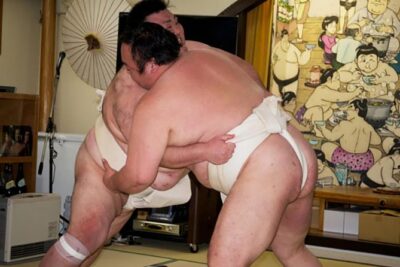
Tokyo: Sumo Show Experience with Chicken Hot Pot and a Photo
Read our review →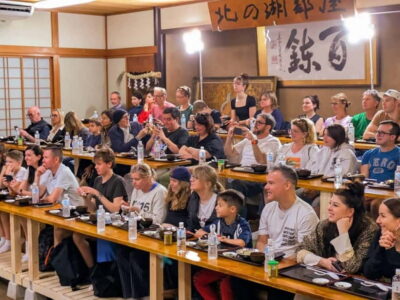
Tokyo Shinjuku Sumo Show & Experience with Photo
Read our review →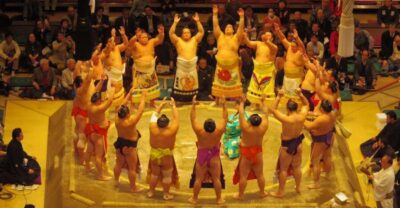
Tokyo: Sumo Tournament Tour with Chair Seat Tickets
Read our review →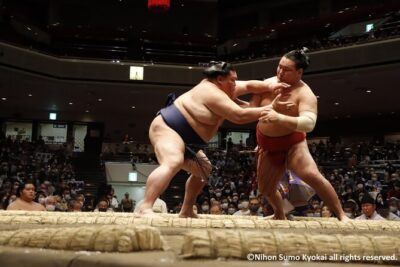
Tokyo Grand Sumo Tournament Viewing Tour with Tickets
Read our review →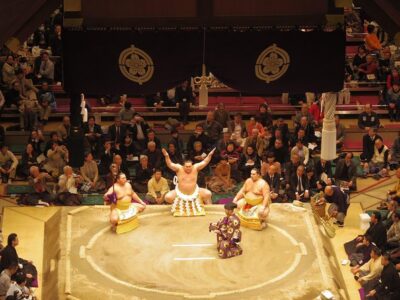
Osaka: Sumo Show & Experience w/ Optional Kimono & Hot Pot
Read our review →This one also appears in