
Review · JAPAN
Tokyo: Sumo Tournament Tour with Chair Seat Tickets
The best part of this experience is simple: you watch a real sumo tournament in Tokyo, not a staged demonstration or dinner show. The afternoon builds nicely from ceremony to competition, and the small Ryogoku arena lets you follow the action even from the upper seating areas.
I like the guide’s role and the chance to sit among a local crowd. A guide such as Mieko, Taka, Mia, or Yuko can explain the rankings, rituals, sponsors, and wrestlers, turning a strange-looking sport into a contest you can follow. I also like the sumo supporter kit, which gives you a fun reason to cheer for a wrestler.
The main drawback is seating. Standard options are 2F chair seats, and you cannot choose your exact seat. Some people find the seats high, small, or farther from the ring than hoped, though the arena is compact and the view is generally clear.
Key points before you book
- Three important times matter: meet at 2:15 PM, watch the Makuuchi ring entrance at 3:40 PM, and see the main division begin at 4:10 PM.
- The event is authentic sumo: you watch official tournament bouts with a Japanese audience rather than a tourist-only performance.
- Guides add real value for first-timers: they explain ranks, rules, rituals, wrestlers, tactics, and when to cheer.
- 2F chair seats are the standard choice: you get a good overall view, but you cannot select a particular seat.
- 1F box seats change the experience: you get your own seating space without sharing with other groups.
- Food depends on the option: lunch may be included with some bookings, but food and drinks are not part of every package.
Why a Tokyo sumo tournament is worth your afternoon
Sumo is easy to watch but not always easy to understand. Two wrestlers enter a small ring, perform a series of formal actions, and may finish the bout in seconds. Without context, you can miss why the crowd reacts to a certain gesture, why one wrestler receives more sponsor banners, or why rank matters so much.
That is where this tour earns its keep. Your guide stays with the group and explains what you are seeing during the tournament. Guides have included Mieko, Taka, Mia, Yuko, Hiro, Michiko, Naomi, and Sho, with each bringing a slightly different style. The strongest guides do more than repeat rules. They point out wrestlers to watch, explain a match’s importance, and encourage you to cheer for a favorite.
You also get the pleasure of watching the crowd. Sumo has a quiet, formal side, but it can become surprisingly lively when a popular wrestler steps into the ring. The supporter kit helps you join in, especially if you are new to the sport and do not yet know the wrestlers by sight.
This is one of the few Tokyo activities where the cultural setting is as important as the central event. The tournament is part sport, part ceremony, and part living tradition. You are not simply watching two athletes push each other around. You are watching a carefully structured Japanese institution with its own ranks, customs, symbols, and etiquette.
More Sumo Experiences in Japan:
- Tokyo: Sumo Show Experience with Chicken Hot Pot and a Photo
★ 4.8 · 6,678 reviews - Tokyo: Sumo Show and Dining Experience
★ 4.8 · 2,742 reviews - the SUMO show
★ 5.0 · 1,960 reviews
Meeting at JR Ryogoku Station at 2:15 PM
The stated meeting point is the West Gate of JR Ryogoku Station, usually at 2:15 PM, although the exact point can vary with the option you book. Allow time to find the correct group before the meeting time. Several groups may gather in the same area, and color or group-number instructions can matter.
This is one part of the day where being organized helps. Keep your booking details available, especially if you will not have a reliable internet connection. The meeting process can feel confusing when several tours gather together, so arriving early is wise.
From the station, your group heads to Ryogoku Kokugikan, Tokyo’s sumo stadium. An English-speaking guide helps you get oriented and leads you toward the venue. That support is useful if you are unfamiliar with the area or worried about handling Japanese ticket instructions.
If you select an entrance-assistance option, staff escort you to the stadium but do not go inside. That option is best for someone who mainly wants help finding the arena. If you want explanations during the tournament, choose the full guided option instead.
The arena before the main bouts
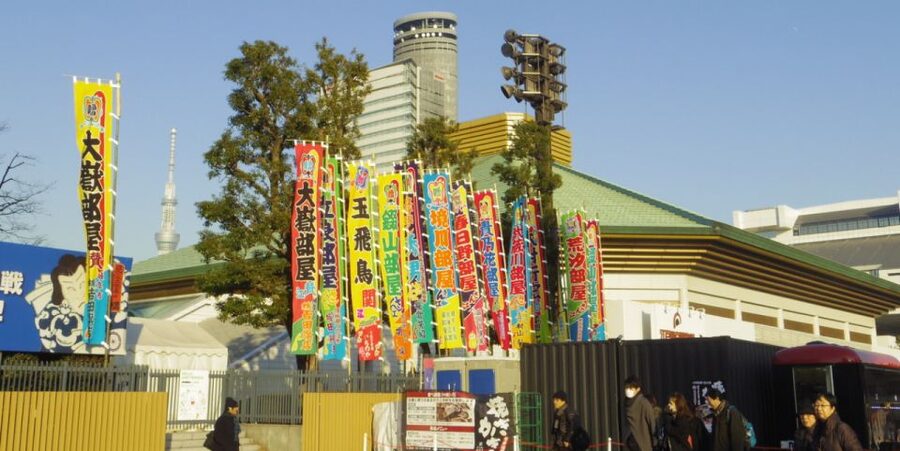
Ryogoku Kokugikan is not a giant sports stadium. That works in your favor. Even 2F seats can give you a broad view of the ring, and the arena’s size helps you follow the full sequence of each bout.
Your ticket may be for a 2F chair seat or a 1F box seat, depending on what you choose. The 2F chair is the more straightforward option. You sit in an individual seat and get a useful view of the whole ring, the wrestlers’ movements, and the crowd around you. The tradeoff is distance, along with seats that some people find narrow or less comfortable than expected.
The 1F box option feels more special. You have your own seating space without sharing it with other groups. The information provided does not promise a particular location, so do not book it expecting a specific view. Still, the floor-level setting puts you closer to the traditional atmosphere of the tournament.
Large luggage cannot be taken into the seating area. Travel light, or arrange to leave bulky bags elsewhere before entering. Baby strollers are not allowed, and the activity is not suitable for wheelchair users.
Ring-entering ceremonies at 3:40 and 3:55 PM
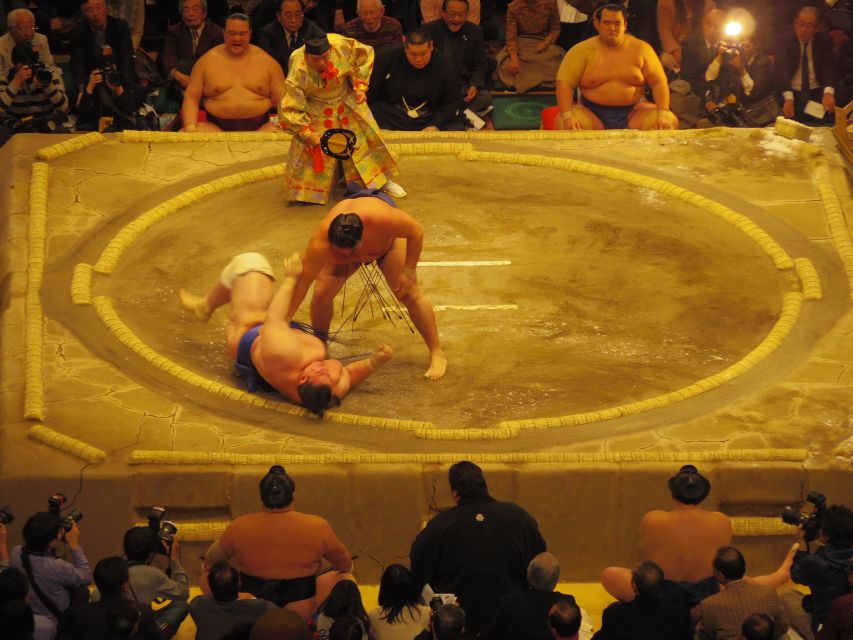
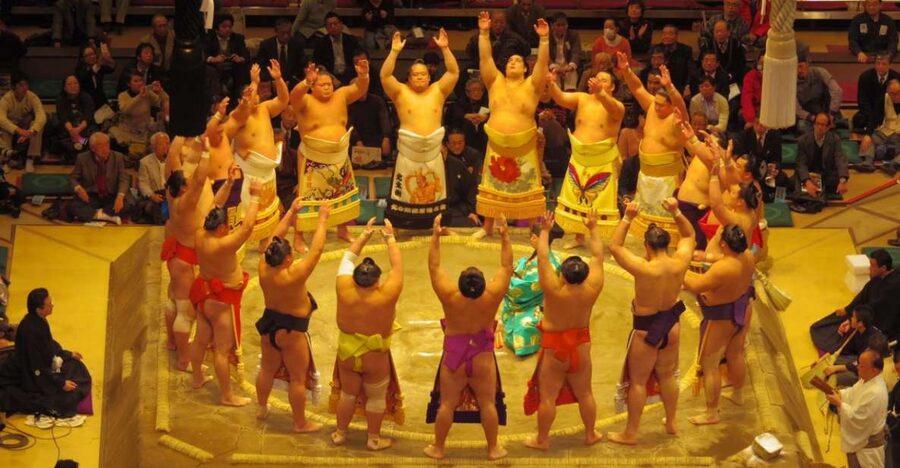
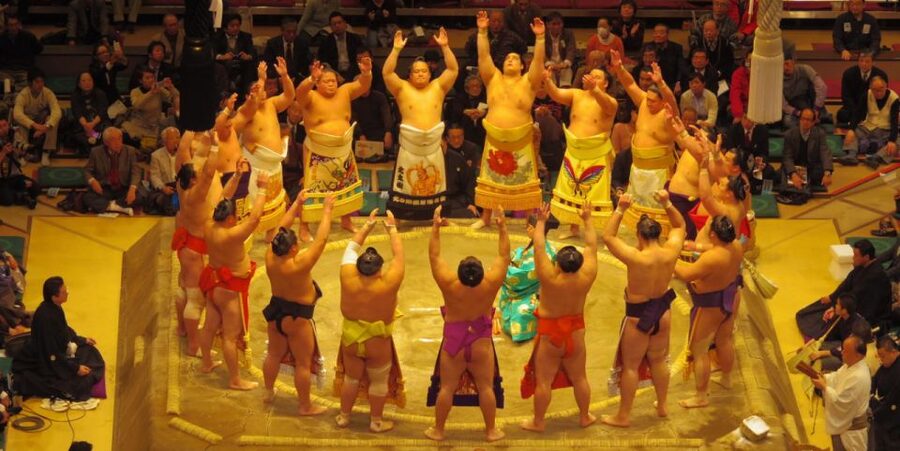
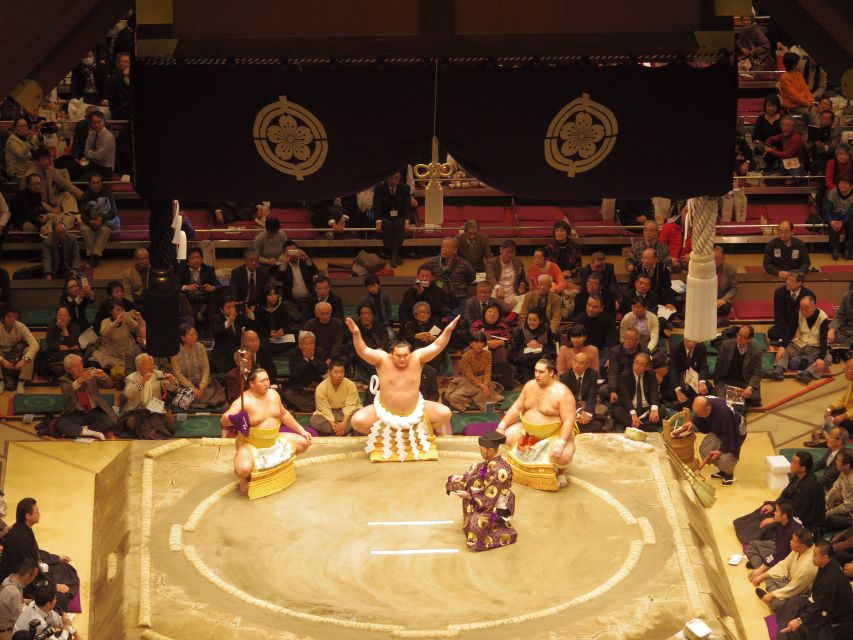
The first major scheduled highlight is the ring-entering ceremony for the Makuuchi Division at 3:40 PM. The Makuuchi division is the top competitive group, and these wrestlers are the names most casual followers will recognize.
At 3:55 PM, the Yokozuna division makes its entrance. Yokozuna is the highest rank in sumo, so this ceremony carries extra weight. The movements are formal and deliberate, which can seem mysterious at first. Your guide can explain the order, gestures, and rank structure so you understand that this is not filler before the wrestling begins.
I would pay close attention during these ceremonies rather than treating them as a warm-up. They show how sumo combines sport with ritual. The contrast is part of the charm: the ring entrance is controlled and ceremonial, while the bout itself can be over almost before you have settled into your seat.
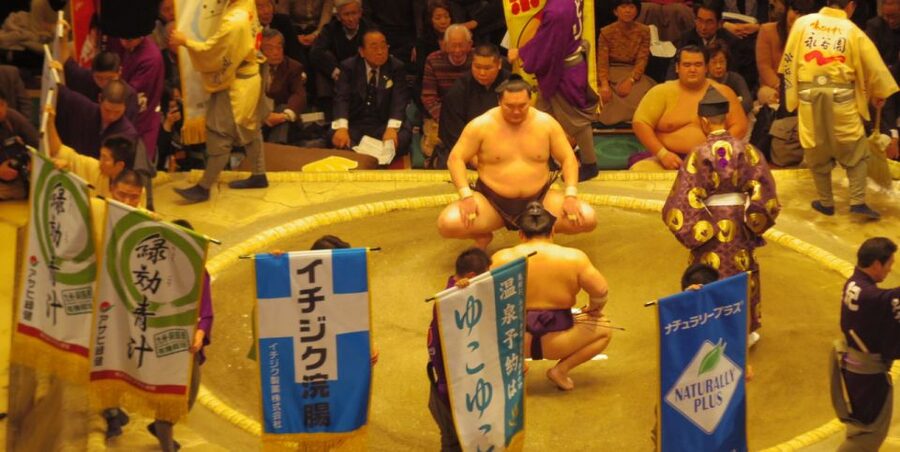
A guide may also help you identify the competitors and explain why some wrestlers receive more attention from the crowd. One useful detail shared during the experience is that sponsor banners and crowd response can reflect a wrestler’s status, popularity, or the importance of a particular match.
More sporting days out around Japan:
- Tokyo Shinjuku Sumo Show & Experience with Photo
★ 5.0 · 1,750 reviews - Tokyo Sumo Entertainment Show with Chicken Hot Pot and Photo
★ 5.0 · 1,205 reviews - Tokyo: Sumo Show and Experience in Shinjuku
★ 4.8 · 1,001 reviews - Tokyo Grand Sumo Tournament Viewing Tour with Tickets
★ 5.0 · 692 reviews
Makuuchi bouts begin at 4:10 PM
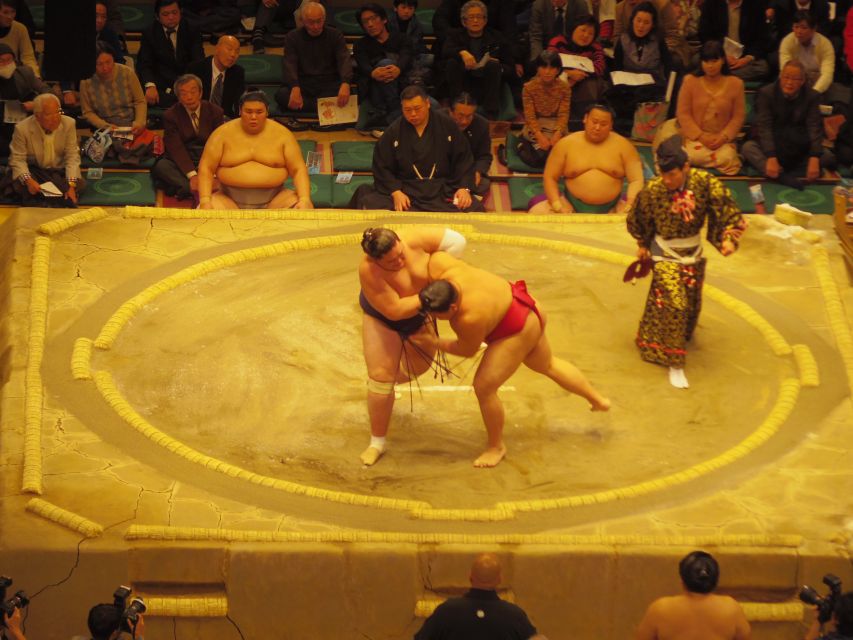
At 4:10 PM, the Makuuchi bouts begin. The basic rule is easy: a wrestler wins by forcing his opponent out of the ring or making any part of the opponent’s body, other than the soles of the feet, touch the ground.
The simple rule hides a lot of strategy. Wrestlers use different approaches, and a guide can point out distinctive moves, changes in balance, and tactical choices. One guide prepared a sheet listing the day’s matches, the wrestlers, and their current positions. A handout like that is especially useful if you want to keep track of the tournament rather than watch each bout as an isolated event.
The pace may surprise you. The build-up can be slow and formal, but the actual clashes are often quick and intense. Several people who expected something closer to long American wrestling matches found the bouts much faster. That makes the three-hour afternoon manageable, since you are not watching one extended contest.
The schedule runs until about 6:00 PM. You can expect periods of ceremony and preparation between bouts, not nonstop action. Those pauses are a good time to ask your guide about rankings, training, wrestlers, or customs.
What the guide adds to the experience
A guide is not essential for entering the stadium or watching the action. You can see the ring without one. But for a first sumo tournament, the guide can make the difference between an interesting sporting event and a cultural experience you can actually interpret.
The best guides bring personal enthusiasm. Taka has been praised for explaining the sport while helping families feel welcome. Mieko has used match sheets and clear explanations of each wrestler’s position. Mia has been singled out for lively commentary and strong enthusiasm during the bouts. Yuko has combined humor with explanations of sumo tradition, while Hiro, Michiko, Naomi, Sho, and others have helped first-timers understand what is happening.
The guide may also tell you who to cheer for. That small detail matters. Once you have a favorite wrestler, even for the afternoon, the bouts feel more personal. The supporter kit adds to this, giving the group a shared way to join the crowd.
Do not expect a private lecture throughout every minute. You sit in the public arena, and noise or distance can make some commentary hard to catch. Still, having someone available to answer questions and explain unusual moments is a major advantage over buying a ticket alone.
Lunch, snacks, and the price question
The listed price is about $141 per person, which is not cheap for a sports event. The value depends on what you compare it with and which option you choose.
Buying an official sumo ticket yourself may cost less, but tournament tickets can sell quickly. Several people have had trouble getting through the official ticket process and used this experience because it offered a practical route to a sold-out or difficult-to-book event. You are paying extra for ticket access, the meeting service, an English-speaking guide, and, with the right option, the supporter kit or lunch.
Some options include lunch, possibly a packed lunch or chanko nabe, the traditional hot-pot dish associated with sumo wrestlers. Check the exact option carefully. Food and drinks are not automatically included, and unclear lunch descriptions have caused disappointment. If you have allergies or dietary restrictions, report them when booking or after you reserve.
Food inside the stadium may be available at reasonable prices, but you should not assume your preferred meal will be part of the ticket. If lunch is important to you, choose the lunch option and confirm exactly what it includes.
I see the price as fair for a visitor who tried and failed to get tickets independently, especially if the tournament date fits tightly into a Japan itinerary. It is harder to justify if you are comfortable arranging your own ticket and do not need explanations in English.
Choosing between 2F chairs and 1F box seats
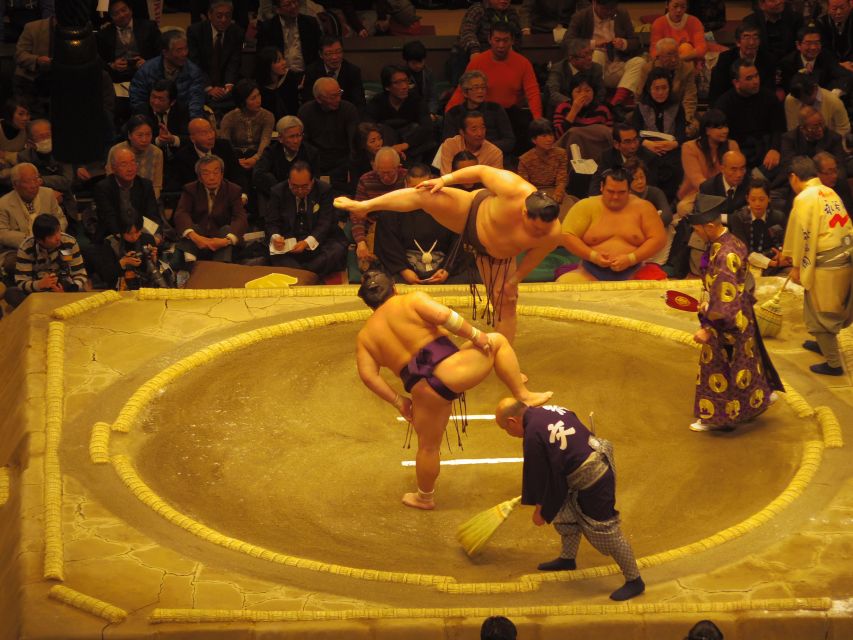
For most people, 2F chair seats are enough. The arena is small, and the higher view lets you see the whole ring clearly. You can follow footwork and the direction of a wrestler’s push more easily from above.
The downside is that you may feel removed from the wrestlers. Some people found the seats high or small, and the 2F location can seem far away when you look at a seating map. Exact seat selection is not available, so you need to accept some uncertainty.
The 1F box seats are the better choice if you want more space and a stronger sense of being close to the action. You have a private seating area rather than sharing with other groups. This option may suit families or small groups who value room to sit together, but the booking information does not specify the exact box location.
The guide hands out tickets on the tour date for the relevant option. You cannot choose individual 2F seats in advance. Children aged three and under can enter free, but they must sit on an adult’s lap and do not receive their own seat. Children aged four and older need their own tickets.
Timing, comfort, and practical limits
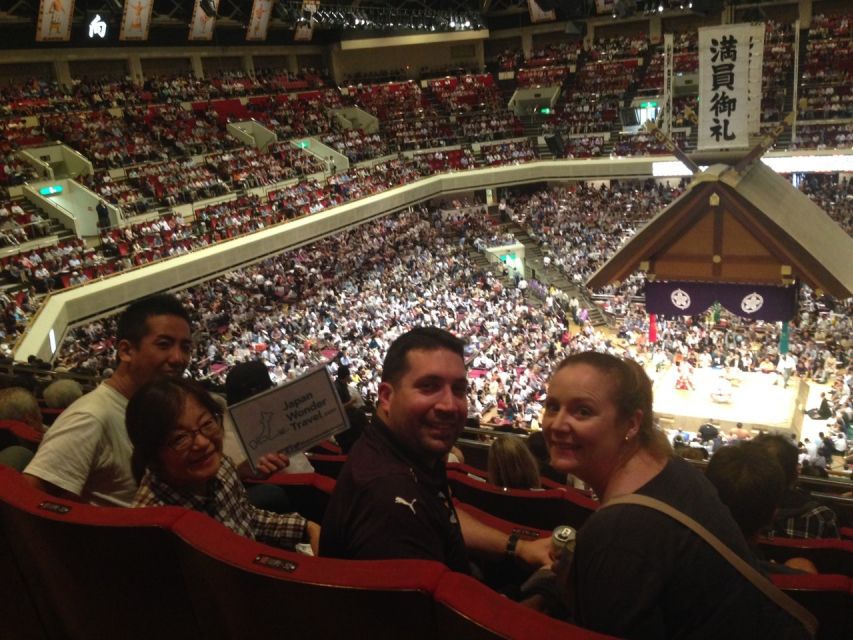
The full schedule runs from a 2:15 PM meeting to the tournament finish around 6:00 PM. That makes it a half-day activity with a clear start and end. The final location is back at the meeting point, although most of the meaningful time is spent at the stadium.
Arrive early. The meeting area can be busy with several groups, and a late arrival can add stress before a timed event. Wear something comfortable for sitting, and avoid bringing large luggage.
You should also plan around the fixed tournament dates. Tokyo hosts only certain sumo tournaments each year, so this is not an attraction you can add on any random afternoon. If a tournament is taking place during your stay, check the date first, then book promptly if the schedule works.
The activity is conducted in English. It is not suitable for wheelchair users, and baby strollers are not allowed. You can cancel up to 24 hours in advance for a full refund, which gives you some breathing room if your Tokyo plans change.
Who should book this sumo experience?
I would recommend it most strongly to a first-time sumo spectator, a visitor who could not secure official tickets, or anyone who wants cultural context along with the match. Families can have a great time, especially when the guide turns the day into a shared cheering experience.
It also suits solo visitors. A guide gives you someone to ask, and the supporter kit helps you feel part of the crowd rather than sitting silently with no idea what is happening.
You may prefer to buy a ticket alone if you already understand sumo, speak Japanese, and want the lowest possible cost. The tour is also less attractive if you dislike group meeting points or want to choose your exact seat.
Should you book it?
Book this experience if a Tokyo tournament falls during your trip and you want a reliable, guided introduction to the sport. The strongest reasons are access to a genuine tournament, help with the ceremonies and rankings, and the chance to enjoy the event without worrying about stadium navigation.
Choose 2F chairs for a clear overall view and better value. Choose 1F box seats if space and a closer atmosphere matter more. Add lunch only after checking what the option includes. With those expectations in place, this is a memorable way to spend an afternoon in Ryogoku and one of Japan’s most distinctive sporting traditions.
FAQ
Where does the tour meet?
The usual meeting point is the West Gate of JR Ryogoku Station at 2:15 PM. The exact meeting point may vary depending on the option booked, so check your booking information carefully.
What time does the sumo tournament finish?
The tournament portion finishes at about 6:00 PM. The Makuuchi bouts begin at 4:10 PM, after the division ring-entering ceremonies.
What kind of seats are included?
Depending on your selected option, you receive a 2F chair seat or a 1F box seat. Specific 2F seats cannot be chosen. First-floor seating is provided as box seats.
Is lunch included?
Lunch is included only with certain options. Food and drinks are not part of every booking, so check the selected option carefully. If you have allergies or dietary restrictions, provide that information when booking.
Can young children attend?
Children aged three and under can enter free, but they do not have their own seat and must sit on an adult’s lap. Children aged four and older need their own tickets.
Is the activity wheelchair accessible?
No. The activity is not suitable for wheelchair users, and baby strollers are not allowed.
Can I cancel the booking?
You can cancel up to 24 hours in advance for a full refund.
New on the fixture list around Japan
- Tokyo: Watching Sumo and Ryogoku Area Walking Tour★ 4.0 · 5 reviews
- Tokyo: Sumo Morning Practice Viewing Tour at a Real Stable★ 4.9 · 32 reviews
- Tokyo: Sumo Morning Practice -Stable Visit Tour with a Guide★ 4.8 · 16 reviews
- Tokyo: Sumo Morning Practice Tour in Ryogoku and Photo Shoot★ 4.7 · 47 reviews
- Tokyo: Sumo Keiko Training Tour with Audio Guide & Photo★ 4.8 · 5 reviews
- Tokyo Sumo Morning Practice: Witness the Life of a Wrestler★ 4.8 · 56 reviews
- Tokyo Highlights Tour: Sumo, Sushi, Tea, and Tokyo Tower★ 5.0 · 2 reviews
- Tokyo: Sanctuary Authentic Grand Sumo Experience & Training★ 5.0 · 7 reviews
More Sumo Experiences to weigh up.
Tokyo: Sumo Show Experience with Chicken Hot Pot and a Photo
Read our review →
Tokyo Shinjuku Sumo Show & Experience with Photo
Read our review →
Tokyo Grand Sumo Tournament Viewing Tour with Tickets
Read our review →
Osaka: Sumo Show & Experience w/ Optional Kimono & Hot Pot
Read our review →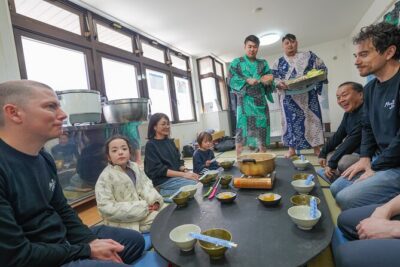
Authentic Sumo Experience in Tokyo: Enter the Sanctuary
Read our review →This one also appears in