
Review · JAPAN
Tokyo: Authentic Sumo Wrestling Experience with Lunch
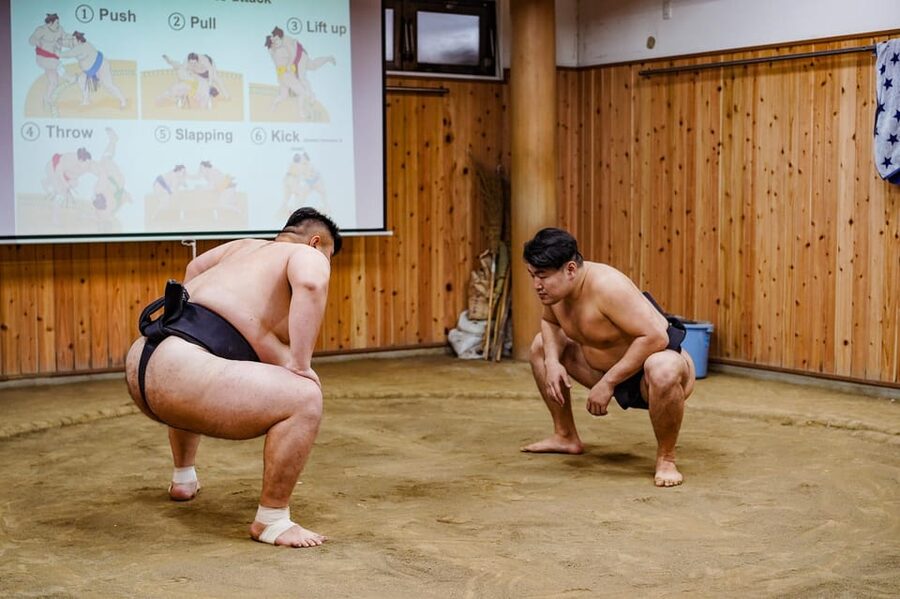
A sumo stable is not a theater set. It is a working world of strict routines, heavy bodies, ritual gestures, and astonishing strength. On this four-hour visit, you sit close to the ring for morning practice, learn what the wrestlers are doing, then get the rare chance to try the movements yourself. If you want, you can even face a rikishi in a playful bout.
I especially like the close view of training and the lunch that turns a demonstration into a real social experience. Making chicken dumplings for chanko-nabe, then eating at a table used in the sumo room, gives the visit a warm, hands-on finish. The main consideration is that it is not ideal for people with mobility problems, heart conditions, colds, high blood pressure, or other pre-existing medical concerns. The ring activity is optional, but the stable itself is not fully wheelchair or stroller accessible.
Key points to know before you book
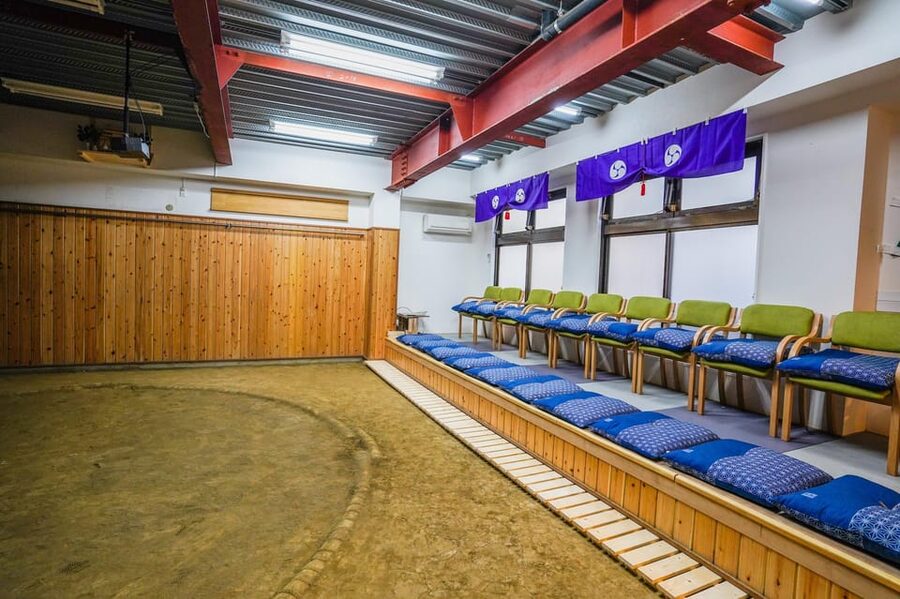
- Watch practice from beside the ring: You see the opening movements, drills, and physical work at close range.
- Try sumo without pressure: You can copy the exercises, and you may challenge a wrestler if you choose.
- Make lunch with the rikishi: Prepare chicken dumplings for chanko-nabe and eat together afterward.
- Visit a genuine former stable: The building was officially used for sumo until 2022, with access to areas such as the bath, dining room, and practice space.
- Reach it easily from Tokyo and Yokohama: The meeting point is outside Shin-Kawasaki Station, about 20 minutes from Tokyo Station and 10 minutes from Yokohama Station.
- Expect an English-language, four-hour visit: The guide explains rules, rankings, customs, and daily life as the action unfolds.
Why this sumo visit feels different from a tournament
A professional sumo tournament gives you polished bouts, chanting crowds, and the drama of a formal contest. This experience gives you something else: a look at the work that comes before the match.
You see how the morning begins, how the wrestlers warm up, and why certain movements matter. Sumo can look simple from a distance. Two enormous men push, shove, and try to force one another outside the ring. Up close, you start to see the balance, footwork, timing, and control behind it.
That setting matters. You are not simply watching a staged performance in a tourist venue. You enter a former sumo stable that was officially in use until 2022. The stable includes practical spaces that help explain the lifestyle: the practice area, dining room, and bath. The guide connects these rooms to the routines and customs of the sumo world.
I would not book this as a substitute for a tournament if your main goal is to see official bouts. Book it if you want context and contact. You will learn how sumo wrestlers live and train, then see those lessons put to work in front of you.
More Sumo Experiences in Japan:
- Tokyo: Sumo Show Experience with Chicken Hot Pot and a Photo
★ 4.8 · 6,678 reviews - Tokyo: Sumo Show and Dining Experience
★ 4.8 · 2,742 reviews - the SUMO show
★ 5.0 · 1,960 reviews
Meeting at Shin-Kawasaki Station
The meeting point is easy to find, but you need to get it right. Meet just outside the single ticket gate at Shin-Kawasaki Station, in front of the Kiyoken shumai shop. The Google Maps location points to Kiyoken, and the guide holds a red or orange sign marked Magical Trip.
This is one of those tours where arriving early pays off. The group must leave on time, and late arrivals who miss the group cannot join, reschedule, or receive a refund. Allow extra time for finding the station and getting through the gate area, especially if you are coming from central Tokyo.
Shin-Kawasaki is a practical base rather than a sightseeing stop. It is about 20 minutes from Tokyo Station and roughly 10 minutes from Yokohama Station, so the activity fits well into an itinerary based in either city. After meeting the guide, you continue to the sumo stable in Kawasaki and return to the same meeting point after four hours.
Inside the former stable
The first part is about orientation. Your guide explains sumo’s history, rules, customs, and ranking system, along with the daily life of a wrestler. Past guide-led sessions have used photos, videos, and presentations to make the different ranks and training routines easier to follow.
That background is useful even if you know little about the sport. The guide explains the pyramid of sumo ranks, the purpose of common exercises, and the way a bout begins. The talk gives you enough structure to understand what you are seeing instead of watching a series of unfamiliar gestures.
You then tour several parts of the stable. The dining room and bath are not decorative extras. They show how the stable functions as a shared household and training base. The practice area is where the sport becomes more physical, and sitting there gives the visit a much stronger sense of place than a museum display can provide.
The stable was officially used until 2022, so it has a direct connection to recent sumo life. That is an important detail for anyone comparing this with a general cultural show. The appeal is not only learning facts about sumo. It is seeing the spaces where those routines took place.
Morning practice from the front row
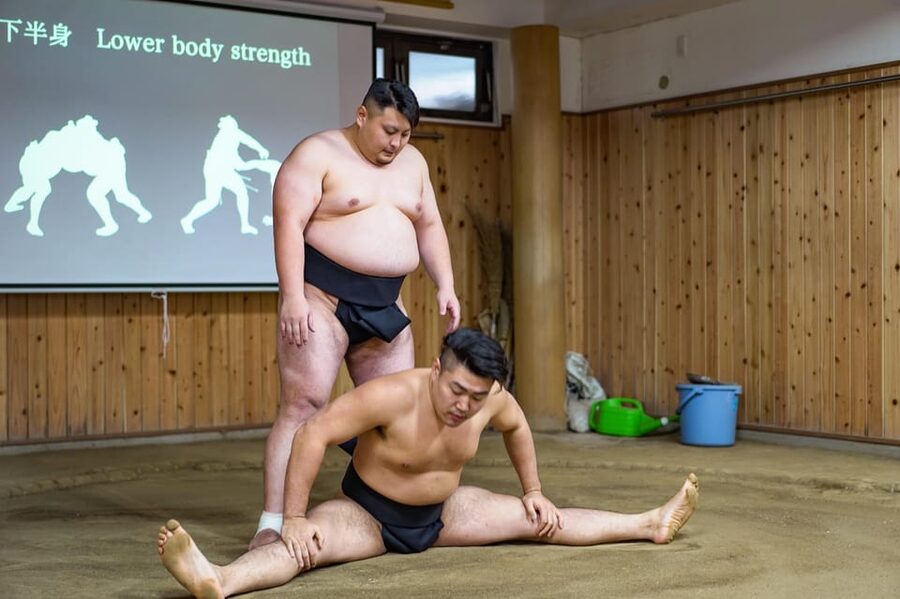
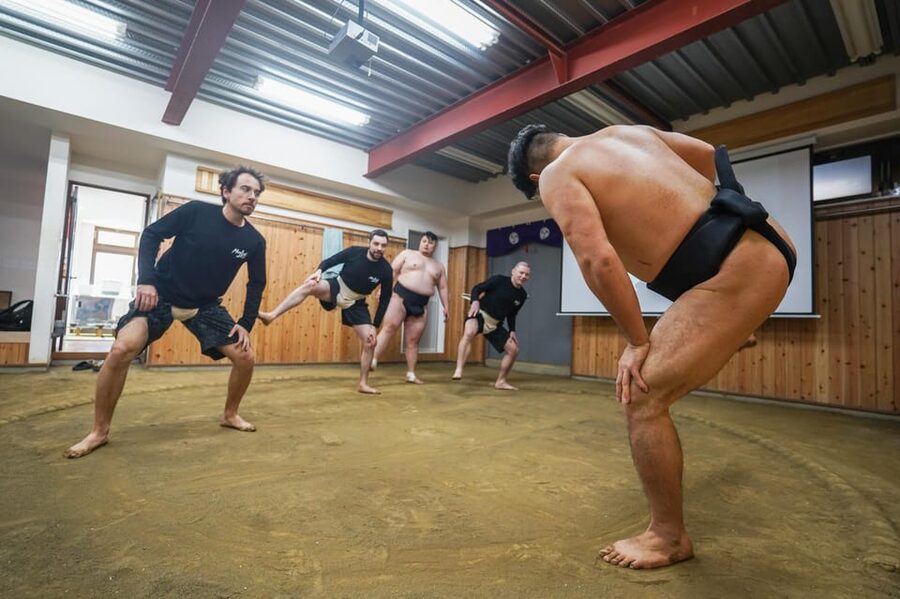
You sit directly in front of the sumo ring for a morning practice session. The exact pace can vary, but the structure gives you a clear sequence: watch the opening exercises, learn why they are done, and then copy some of the movements yourself.
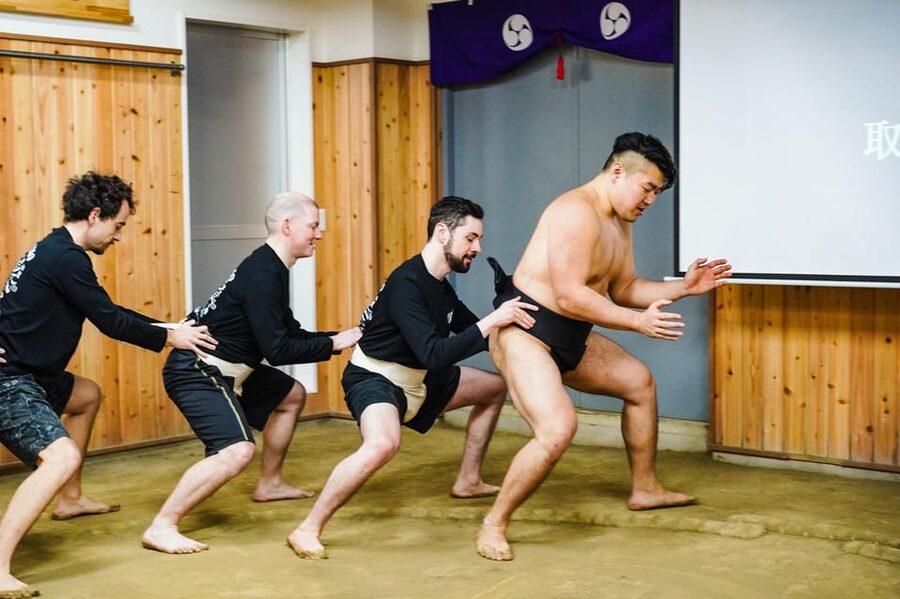
Sumo training includes repetitive motions that build balance, flexibility, leg strength, and control. The familiar leg lift, for example, is not just a dramatic pose. The guide explains the purpose of these movements and shows how they fit into preparation for a bout.
This is also where the experience becomes funny in a good way. The wrestlers are serious about their work, but the demonstrations allow room for gentle humor when visitors attempt the exercises. You get to test your own coordination without pretending that you can match a professional athlete.
The physical section is optional in the sense that you do not have to take part in a match. Still, you should expect some movement if you want the full experience. Wear clothes that let you bend and move comfortably, and keep in mind that the stable has accessibility limits.
More sporting days out around Japan:
- Tokyo Shinjuku Sumo Show & Experience with Photo
★ 5.0 · 1,750 reviews - Tokyo Sumo Entertainment Show with Chicken Hot Pot and Photo
★ 5.0 · 1,205 reviews - Tokyo: Sumo Show and Experience in Shinjuku
★ 4.8 · 1,001 reviews - Tokyo: Sumo Tournament Tour with Chair Seat Tickets
★ 4.6 · 753 reviews
Learning the rules before stepping into the ring
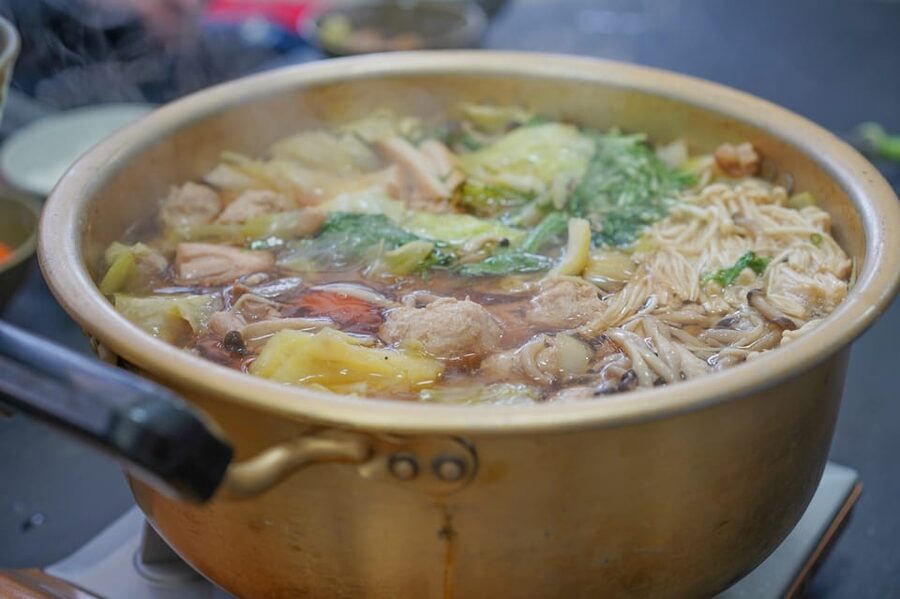
After watching the practice, the guide explains the basic rules, moves, and techniques. The wrestlers then demonstrate how a real sumo match begins.
This explanation is one of the strongest parts for first-time visitors. The sport has a short bout, but its rules are not always obvious when you first see it. You learn what counts as winning, how wrestlers use position and force, and why the opening moments matter so much.
The guide’s role makes a difference here. English-speaking guides have included Charlie, Mayu, Jim, Fuji, and Masao on different sessions. The descriptions of their work point to a friendly, clear presentation, with explanations suited to people who may have no previous sumo knowledge.
You are then invited to enter the ring for a bout with a wrestler. This is not a serious contest, and the wrestler controls the level of force. Still, it is a striking way to understand the size and strength involved. The experience becomes less abstract when you try to move a rikishi and discover how firmly planted a trained wrestler can be.
You can watch and skip the bout if you prefer. Families, couples, and groups of friends can take part at different comfort levels. If you have a medical condition or are unsure about the physical demands, sit this section out and enjoy the demonstrations.
Making chanko-nabe with the wrestlers
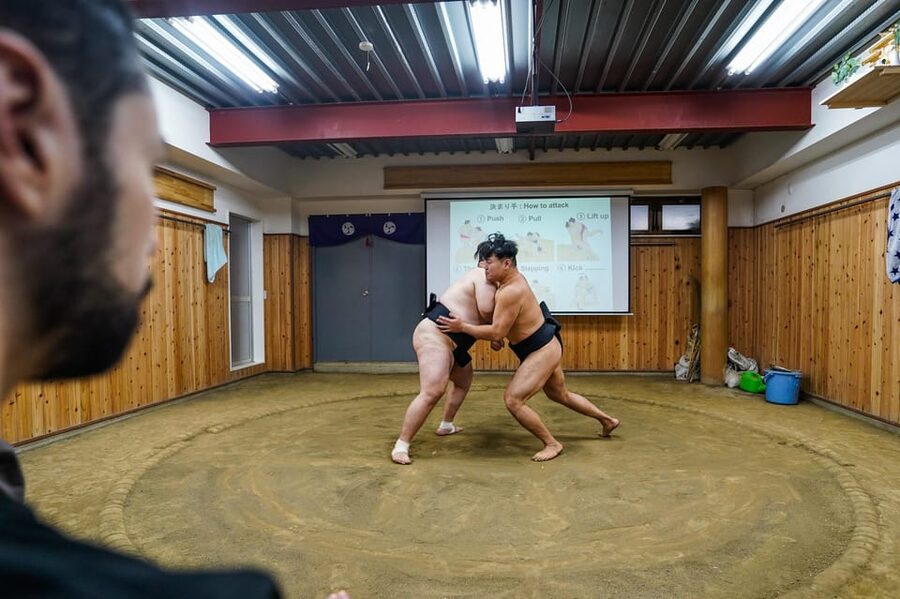
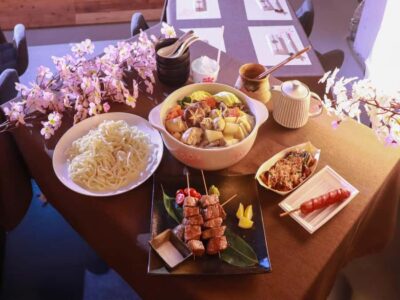
Lunch is chanko-nabe, the hearty hot-pot dish associated with sumo wrestlers. You help make chicken dumplings, then eat together around a table that was actually used in the sumo room.
This is more than a meal added to fill the schedule. Food is central to the sumo lifestyle, and the shared table gives you time to ask questions once the demonstrations are over. The wrestlers join the meal, so the conversation can move beyond rules and technique to everyday life in the sport.
The dish itself has earned strong praise for its flavor, and the chicken dumpling activity keeps lunch from feeling like a standard catered stop. You watch the food being prepared, take part in one small step, and then sit down with the people who have been showing you their training.
Vegetarian arrangements have been possible when requested in advance, but you must give dietary requests or allergy information at least one day before the tour. The operator cannot guarantee an allergy-free meal because the food is prepared in kitchens they do not control, and substitutions may not always be possible. Same-day requests cannot be accommodated, so this is an important booking detail.
Additional food and drinks are not included. For most people, the provided lunch should be the main meal of the activity, but bring your expectations in line with a group lunch rather than a restaurant visit with a full menu.
Conversation, photographs, and small keepsakes
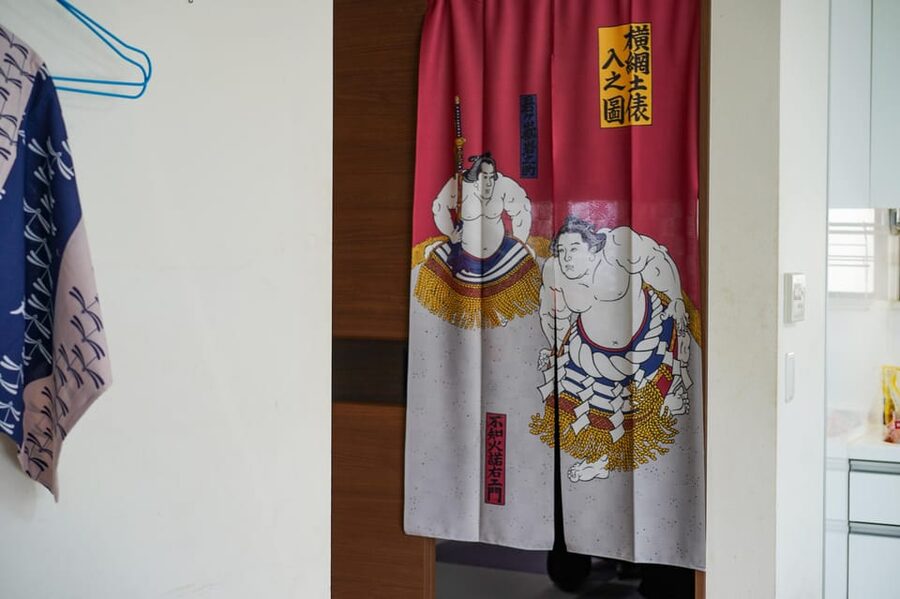
After lunch, you have time to speak with the wrestlers, take photographs, and make memorial handprints on paper. Some sessions have also included yukata or kimono photo opportunities and other dress-up moments.
The photographs work best when you treat them as a record of the day rather than a formal photo shoot. You can pose with the wrestlers, capture the ring, and preserve the slightly surreal memory of standing beside athletes whose size and strength you have just experienced.
The handprint is a particularly nice souvenir because it connects directly to the people you met. A T-shirt is also included. There may be a sales pitch for extra items such as shirts or kimono-style products at the end, which one participant found less welcome after an otherwise strong experience. If you prefer to keep the finish simple, you can treat the included T-shirt and handprint as enough.
What the four hours feel like
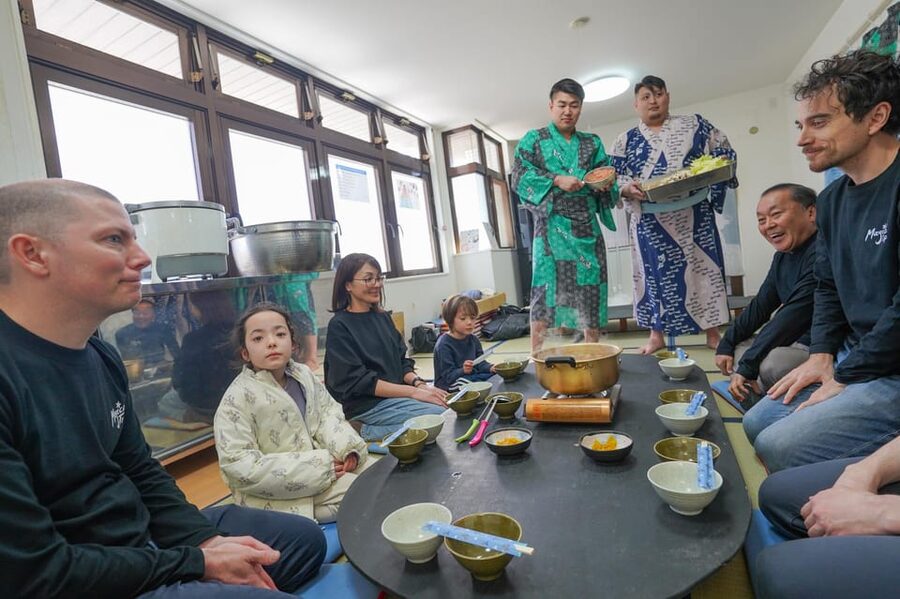
Four hours sounds long for a single activity, but the schedule has several different parts: travel from the station, the stable tour, the practice session, movement demonstrations, the optional bout, lunch preparation, the meal, and photographs.
A little waiting or a slow start is possible, particularly as the group gets settled and the presentation begins. Once the wrestlers appear, the time tends to move quickly because you shift from watching to practicing to eating and talking.
The group format also affects the mood. You are sharing the ring, explanations, and lunch with other participants, so the pace is not fully private or self-directed. The upside is a relaxed, social atmosphere. The guide encourages participation, and the wrestlers make room for questions and humor.
If you want more control over timing or have walking difficulties, a private tour is the better choice. The standard visit involves locations that are not suitable for every wheelchair or stroller, and it is not recommended for people with mobility issues.
Is the $166 price fair?
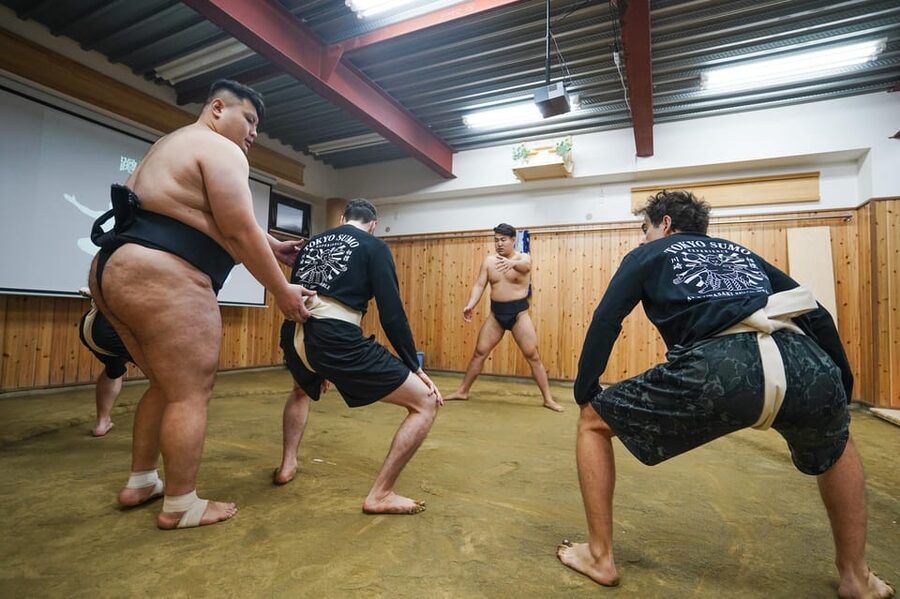
At $166 per person, this is not a cheap morning activity. I think the price makes sense if you value access and participation more than simple sightseeing.
Your fee covers the English-speaking guide, transport between the meeting point and stable, access to the former sumo facility, morning practice, lunch with the wrestlers, tour photos, and a T-shirt. You also get the rare chance to try the movements and, if you wish, face a rikishi in the ring. A regular sumo tournament ticket would give you formal competition, but not this behind-the-scenes contact or meal.
The best value comes from the combination. A lecture alone would be cheaper, and a restaurant serving chanko-nabe would be easier to arrange. Here, the meal follows a training session and includes conversation with the wrestlers. You are paying for access to a working sumo environment and for the guides who explain what would otherwise be hard to understand.
I would call it good value for a sumo fan, a first-time Japan visitor who wants a hands-on cultural activity, or a family willing to spend on one memorable experience. It is less convincing for a budget-conscious visitor who only wants to watch a match, or for someone uncomfortable with group participation.
Who should book this experience
I would recommend it most strongly to:
- First-time sumo fans who want to understand the sport before attending a tournament
- Families with older children who enjoy demonstrations and gentle physical activity
- Couples and friends looking for a cultural experience with a meal built in
- Visitors who want direct conversation with wrestlers rather than a museum explanation
- People staying in Tokyo or Yokohama who can reach Shin-Kawasaki easily
It suits a wide range of sumo knowledge. You can arrive knowing nothing and still follow the explanations. If you already know the rules, the value shifts toward the stable, training session, photographs, and conversation.
I would think twice if you have a cold, heart problems, high blood pressure, a pre-existing medical condition, or serious mobility limits. The bout is optional, but the site itself has access restrictions and the tour runs as a group with a firm start time.
My verdict on this Tokyo sumo experience
Book this if you want more than a quick photo with a wrestler. The strongest parts are the close view of morning practice, the chance to copy the movements, and the shared chanko-nabe lunch. Those elements make the sport easier to understand and give the day a friendly, personal rhythm.
Skip it if your priority is a formal tournament, a fully accessible venue, or the lowest possible price. For everyone else, especially first-time visitors who want an active look at Japanese culture, this is one of the more memorable ways to spend four hours near Tokyo.
FAQ
Where does the tour meet?
Meet just outside the only ticket gate at Shin-Kawasaki Station, in front of the Kiyoken shumai shop. The guide holds a red or orange Magical Trip sign.
How long does the sumo experience last?
The activity lasts four hours. Check availability for the exact starting time.
Is the tour conducted in English?
Yes. The tour includes a live English-speaking guide.
How far is Shin-Kawasaki from Tokyo and Yokohama?
Shin-Kawasaki is about 20 minutes from Tokyo Station and about 10 minutes from Yokohama Station.
Can I wrestle with a sumo wrestler?
Yes, participants who wish to take part can challenge a sumo wrestler in a bout. The match is optional.
What food is included?
Lunch includes chanko-nabe, and you help make chicken dumplings before eating with the wrestlers. Additional food and drinks are not included.
Can dietary requests or allergies be accommodated?
You must provide dietary requests or allergy information at least one day before the tour. Allergy-free meals cannot be guaranteed, and substitutions may not always be possible.
Is the tour suitable for wheelchair users or people with strollers?
Some locations on the tour are not accessible by wheelchair or stroller. The activity is not recommended for people with mobility issues, and a private tour is suggested if you have walking problems.
What happens if I arrive late?
The tour starts on time. If you miss the group because you are late, you cannot join the tour, reschedule, or receive a refund.
New on the fixture list around Japan
- Tokyo: Sumo Morning Practice -Stable Visit Tour with a Guide★ 4.8 · 16 reviews
- Tokyo: Watching Sumo and Ryogoku Area Walking Tour★ 4.0 · 5 reviews
- Tokyo: Sumo Morning Practice Viewing Tour at a Real Stable★ 4.9 · 32 reviews
- Tokyo: Sumo Morning Practice Tour in Ryogoku and Photo Shoot★ 4.7 · 47 reviews
- Tokyo: Sumo Keiko Training Tour with Audio Guide & Photo★ 4.8 · 5 reviews
- Tokyo Sumo Morning Practice: Witness the Life of a Wrestler★ 4.8 · 56 reviews
- Tokyo Highlights Tour: Sumo, Sushi, Tea, and Tokyo Tower★ 5.0 · 2 reviews
- Tokyo: Sanctuary Authentic Grand Sumo Experience & Training★ 5.0 · 7 reviews
More Sumo Experiences to weigh up.
Tokyo: Sumo Show Experience with Chicken Hot Pot and a Photo
Read our review →
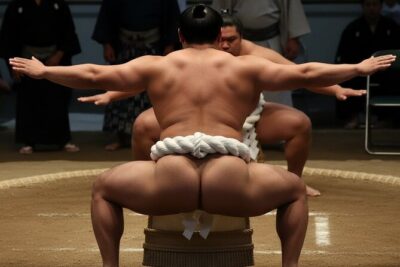
Tokyo Shinjuku Sumo Show & Experience with Photo
Read our review →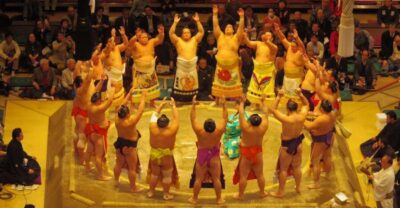
Tokyo: Sumo Tournament Tour with Chair Seat Tickets
Read our review →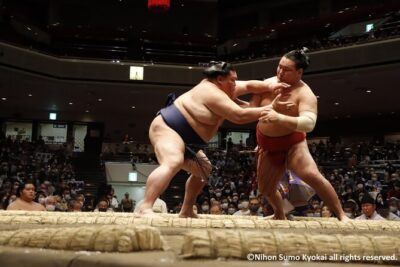
Tokyo Grand Sumo Tournament Viewing Tour with Tickets
Read our review →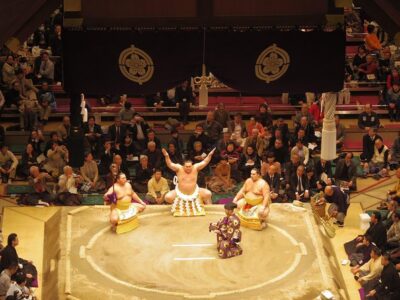
Osaka: Sumo Show & Experience w/ Optional Kimono & Hot Pot
Read our review →This one also appears in