
Review · JAPAN
Nagoya: Visit Sumo Morning Practice with English Guide
Sumo morning practice is the main event here, not a staged demonstration. You watch professional wrestlers work through demanding routines at Takasago stable, inside Ryushoin temple near Nagoya. The close view lets you see the force and precision of sumo without the noise of a tournament crowd.
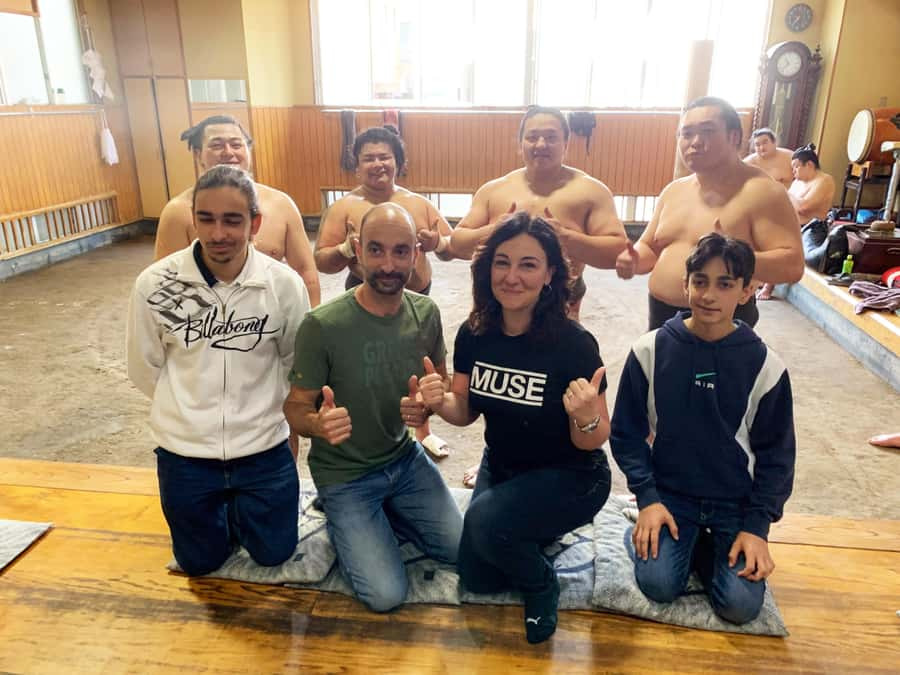
I like two practical touches: a chair is provided, which matters during a long period of sitting, and an English-speaking guide helps explain what you are seeing. The commemorative photo with a rikishi is another strong memory to take home. The main drawback is that the visit begins outside central Nagoya, and one recent booking found the guide less sure about sumo than expected.
Key points to know before booking
- Morning practice at Takasago stable: See serious training at one of Japan’s best-known sumo stables.
- A chair instead of floor seating: You do not have to sit directly on the ground during practice.
- Rikishi photo included: Take a commemorative picture after the training session.
- Ryushoin temple meeting point: The stable is located inside the temple in Kanie, about 15 minutes on foot from Kanie Station.
- Two-hour visit for ages 12 and up: The guided portion lasts about 1.5 hours, with the full activity listed at two hours.
- English and Japanese support: An English-speaking guide meets you at the temple entrance and explains the visit.
Why morning practice is the real attraction
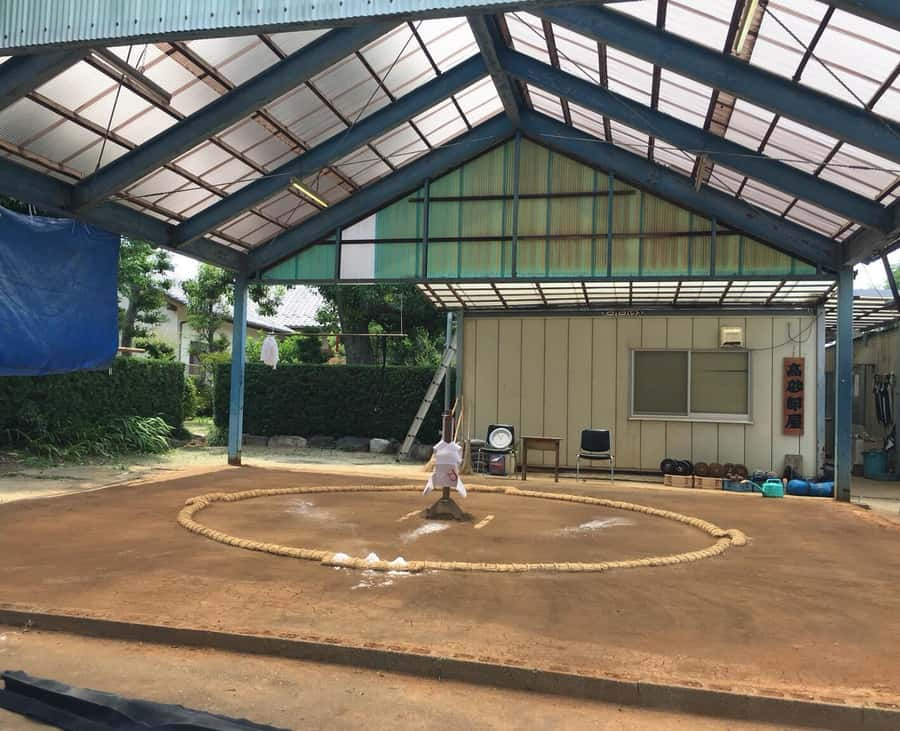
A sumo tournament gives you polished bouts, formal rituals, and a packed arena. This visit gives you something quieter and more revealing: the work behind the spectacle.
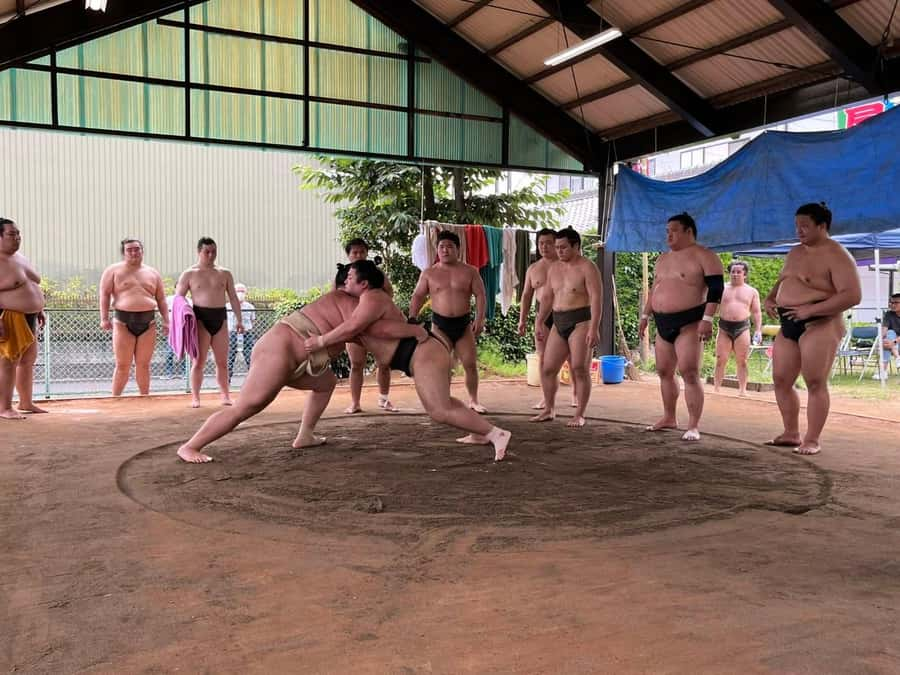
At morning practice, you see wrestlers repeat techniques, push through strenuous exercises, and prepare for competition. The appeal is not simply watching large athletes collide. It is seeing the discipline of professional sumo at close range, where balance, footwork, grip, timing, and endurance matter.
You should expect a serious setting rather than a show put on for visitors. The wrestlers are training, and the value comes from observing their routine as respectfully as possible. That makes this a better choice for someone interested in how sumo works day to day than for someone seeking a fast, theatrical attraction.
The experience lasts two hours, with the guided tour listed at about 1.5 hours. That leaves enough time for the practice, explanations, and the photo opportunity without taking up an entire morning or afternoon of your Nagoya schedule.
More Sumo Experiences in Japan:
- Tokyo: Sumo Show Experience with Chicken Hot Pot and a Photo
★ 4.8 · 6,678 reviews - Tokyo: Sumo Show and Dining Experience
★ 4.8 · 2,742 reviews - the SUMO show
★ 5.0 · 1,960 reviews
Inside Ryushoin, the setting adds meaning
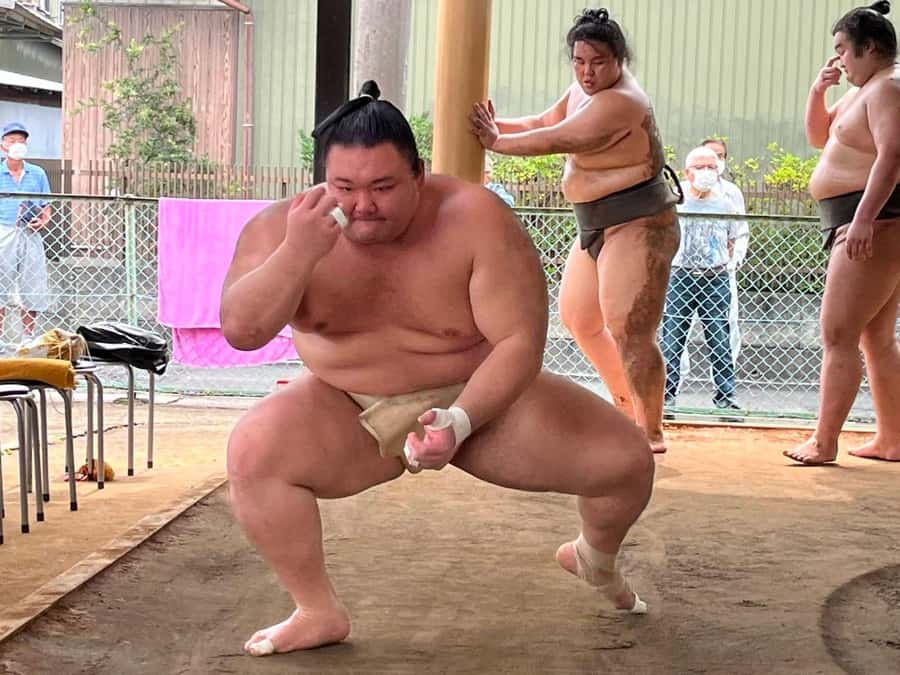
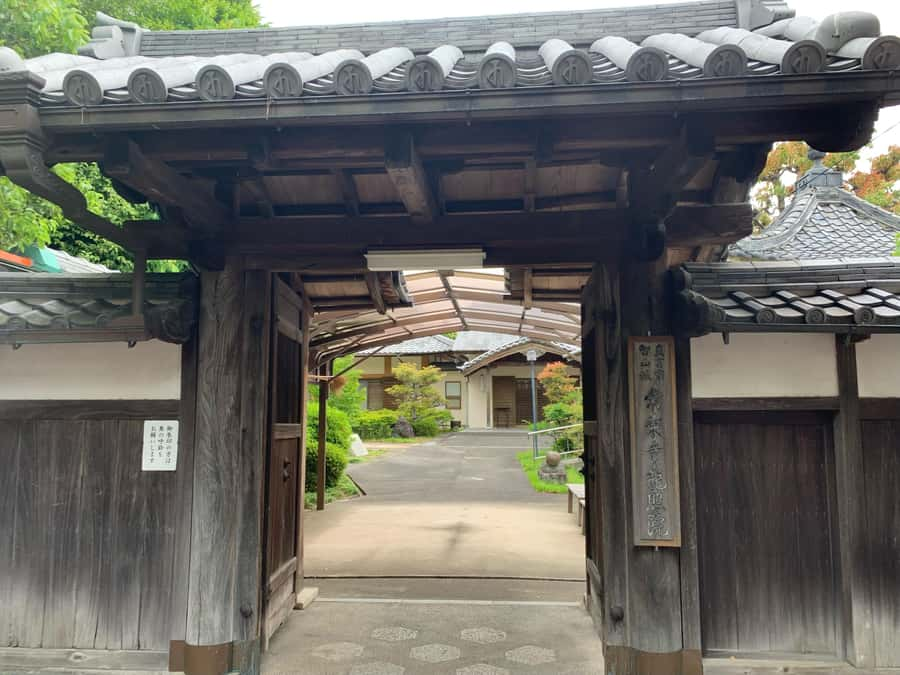
The meeting point is Ryushoin, a temple at 1364 Sunarimonyashikikami in Kanie-cho, Aichi. Takasago stable is located inside the temple grounds, so the visit joins two Japanese traditions in one stop: temple life and professional sumo.
That setting helps explain why this is not a generic sports attraction. Sumo has ancient religious links and formal customs, while the stable is the wrestlers’ working home. You are not being led into a museum display. You are going to a place where daily training takes place.
The guide waits at the entrance of Ryushoin. This matters because the address can look less familiar than a major city attraction. Keep the meeting instructions handy and arrive at the temple entrance, rather than assuming you will find a sign at a large tourist office.
The available information does not give a guide’s name or a fixed group size. You will have live support in English or Japanese, but the exact amount of explanation can vary. One Austrian visitor found the wrestlers impressively close but felt the guide did not explain sumo very well, so I would treat the guide as useful support rather than the sole reason to book.
What you will see during the training
The central portion is a close look at professional sumo practice. You will see wrestlers working on sumo techniques and training with the intensity expected at this level. The supplied details do not list each exercise or promise a particular wrestler, so it is best not to arrive expecting a specific ritual, bout, or champion.
Still, the setting gives you a better feel for the sport than a short match can. A tournament bout may last only seconds, but morning practice shows the repeated effort that supports those seconds. You can watch the physical demands without the distractions of arena announcements, merchandise stalls, or a large audience.
The stable is Takasago, a respected name in sumo. It has produced six yokozuna, the highest rank, and eight ozeki, the second-highest rank. Those figures give the visit extra weight. You are not visiting an unknown training room, but a stable with a notable record of producing top-level wrestlers.
The information does not promise that a yokozuna or ozeki will be present on the day. That is important. Book this for access to practice at Takasago stable, not for a guaranteed celebrity sighting.
Chair seating makes a real difference
Normally, visitors sit on the ground during sumo practice. This tour provides a chair instead, a small detail that can shape the whole morning.
Floor seating can be difficult for anyone with stiff knees, limited flexibility, or a dislike of sitting cross-legged. A chair gives you a more comfortable way to watch the training and makes the experience more approachable for many adults. The activity is also listed as wheelchair accessible.
You should still read the accessibility information carefully if you use a wheelchair, because the data confirms accessibility but does not describe the exact path, doorway widths, restroom setup, or seating arrangement. If those details matter to you, contact the provider before reserving.
The chair does not turn this into a casual drop-in attraction. You are still expected to observe a working practice respectfully. Food, alcohol, drugs, and cellphones are not allowed. The cellphone rule is especially important, since many visitors instinctively reach for a phone at a memorable sports setting. Follow the instructions given at the temple.
More sporting days out around Japan:
- Tokyo Shinjuku Sumo Show & Experience with Photo
★ 5.0 · 1,750 reviews - Tokyo Sumo Entertainment Show with Chicken Hot Pot and Photo
★ 5.0 · 1,205 reviews - Tokyo: Sumo Show and Experience in Shinjuku
★ 4.8 · 1,001 reviews - Tokyo: Sumo Tournament Tour with Chair Seat Tickets
★ 4.6 · 753 reviews
The photo with a rikishi
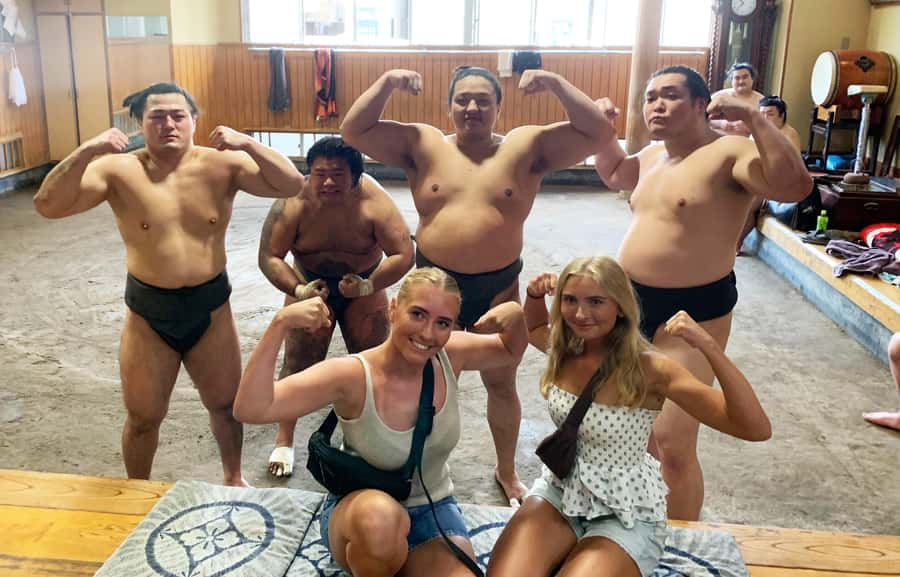
After practice, you can take a commemorative photo with a sumo wrestler, known as a rikishi. This is included in the activity and gives the visit a clear closing moment.
The photo is valuable because it records more than a sightseeing stop. It places you beside someone who has just taken part in the demanding training you watched. After seeing the effort up close, the picture feels connected to the experience rather than being a random souvenir pose.
The available details do not say how many photos are included, whether a staff member takes the picture, or how long the photo session lasts. You should also remember that cellphones are not allowed during the activity, so follow the guide’s directions about photography and do not assume you can use your own phone throughout the visit.
For many people, this will be the most memorable part for children or first-time sumo fans. However, the minimum age is 12, so families with younger children cannot book this particular experience.
Getting from Nagoya to Kanie Station
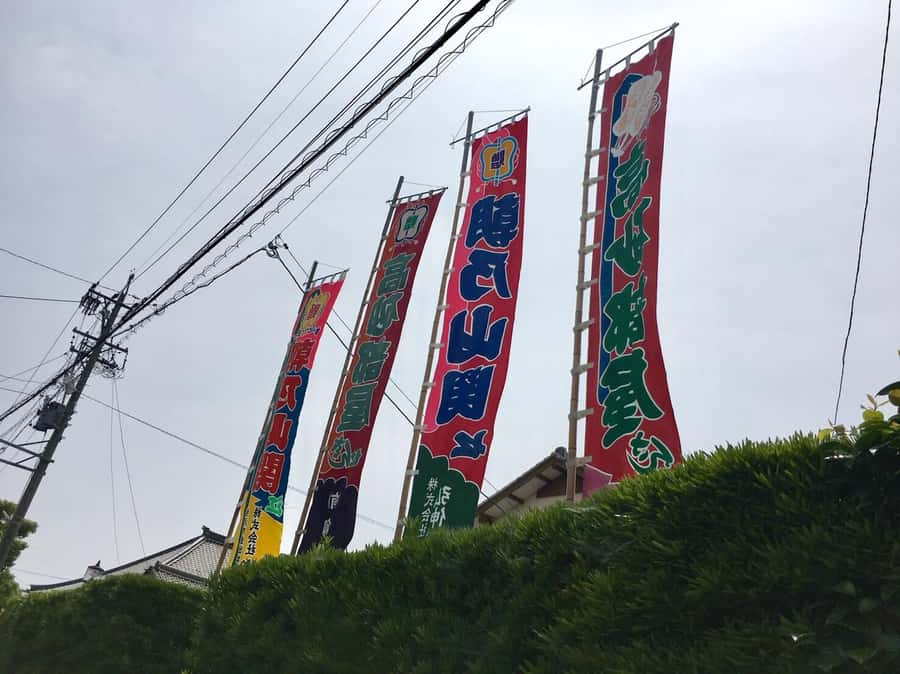
The simplest public transport route uses the JR Kansai Line. From Nagoya Station, take the train to Kanie Station. Kanie is the third stop and the ride takes about 14 minutes.
From the north exit of Kanie Station, walk roughly 15 minutes to Ryushoin. That makes the total rail journey more than just the train ride. Allow time to leave the station, follow the route, and arrive at the temple entrance before the scheduled start.
A taxi from Nagoya Station takes about 30 minutes. Traffic can affect the journey, but a taxi may suit you if you are carrying luggage, traveling with mobility needs, or prefer a door-to-door option. The supplied information does not give a taxi fare, so you would need to check the current price locally.
The location is outside the center of Nagoya, but the trip is still manageable as a half-day addition to a city visit. The key is to treat the transfer as part of the plan, not as a quick walk from a central station.
Is $96 a fair price?
At $96 per person, this is not a bargain if you measure value only by time. The listed duration is two hours, and the guided portion is about 1.5 hours. You are paying for access to a setting most visitors cannot simply enter, an English-speaking guide, a chair during practice, and the commemorative photo.
That price makes more sense if sumo is high on your Japan wish list. You get close access to professional training, context about Takasago stable, and a personal photo with a rikishi. Recreating that access independently would not be straightforward, since this is a working stable rather than a normal public attraction.
The value is weaker if you have little interest in sumo or want a broad tour of Nagoya. This visit focuses tightly on one activity and does not include meals, city transport, a tournament ticket, or a general sightseeing program.
The option to reserve now and pay later helps if your schedule is still changing. Free cancellation is available up to 24 hours before the activity for a full refund. Check the exact start time when booking, since the available times are not listed here.
Who will enjoy this most
I would recommend this to adults and teenagers aged 12 or older who want a close look at Japanese sporting tradition. It also suits photographers and culture-focused visitors who prefer a working place over a polished tourist show.
It is a good fit if you are willing to travel beyond Nagoya Station for a specific experience. The chair is helpful for anyone who finds floor seating uncomfortable, and the wheelchair-accessible listing may make it easier for some visitors to take part.
You may want to skip it if your schedule is extremely tight, if you dislike quiet observation, or if you need constant phone access. You should also lower your expectations about English commentary. The guide is available in English, but one booking found the explanation less satisfying than the close-up viewing.
The high rating of 4.9 from five bookings suggests strong satisfaction overall, but the sample is small. The most consistent strengths are clear: the wrestlers are very close, the practice feels genuine, and the guide is usually friendly and helpful.
A respectful visit matters
You are entering a real training environment, not an entertainment venue. The best approach is to listen carefully, keep still when asked, and respect rules about photography, food, alcohol, drugs, and phones.
The absence of cellphones may feel strict, but it reinforces the nature of the visit. You are there to watch practice, not to turn the stable into a social-media set. The included commemorative photo gives you a proper keepsake without requiring you to document every minute.
Sumo’s rituals and training culture reward patience. If you watch closely, small details such as technique, posture, and repeated movement become more interesting than a single dramatic clash.
Should you book the Takasago stable visit?
Book it if you want a rare, close view of serious sumo training and are happy to make the short trip from Nagoya to Kanie. The chair, English-speaking guide, temple setting, and photo with a rikishi give this two-hour visit more substance than a quick photo stop.
I would not book it simply because you have one free morning in Nagoya. The stable is outside the city center, the guide’s expertise may vary, and the activity follows the rhythm of a working practice rather than a guaranteed performance.
For a sumo fan, the $96 price is defensible because the access is the point. For a casual sightseer, it is a more specialized choice. If you understand that distinction, this can be one of the most personal cultural experiences on a Nagoya itinerary.
FAQ
Where does the sumo morning practice take place?
The practice takes place at Takasago stable, which is located inside Ryushoin temple in Kanie-cho, Aichi.
How do I reach Ryushoin from Nagoya?
Take the JR Kansai Line from Nagoya Station to Kanie Station. Kanie is the third stop and takes about 14 minutes. From the north exit, walk about 15 minutes to Ryushoin.
Where does the guide meet participants?
The English-speaking guide waits at the entrance of Ryushoin temple.
How long does the activity last?
The full activity lasts two hours. The guided tour portion is listed as about 1.5 hours.
Is the tour available in English?
Yes. Live guiding is available in English and Japanese.
Can I sit on a chair during practice?
Yes. Although visitors normally sit on the ground, this tour provides a chair.
Can I take a photo with a sumo wrestler?
Yes. A commemorative photo with a sumo wrestler is included.
Are children allowed to join?
Children under 12 are not allowed to take part.
Can I use my cellphone during the visit?
No. Cellphones are listed among the items not allowed. Food, alcohol, and drugs are also prohibited.
New on the fixture list around Japan
- Tokyo: Sumo Morning Practice -Stable Visit Tour with a Guide★ 4.8 · 16 reviews
- Tokyo: Watching Sumo and Ryogoku Area Walking Tour★ 4.0 · 5 reviews
- Tokyo: Sumo Morning Practice Viewing Tour at a Real Stable★ 4.9 · 32 reviews
- Tokyo: Sumo Morning Practice Tour in Ryogoku and Photo Shoot★ 4.7 · 47 reviews
- Tokyo: Sumo Keiko Training Tour with Audio Guide & Photo★ 4.8 · 5 reviews
- Tokyo Sumo Morning Practice: Witness the Life of a Wrestler★ 4.8 · 56 reviews
- Tokyo Highlights Tour: Sumo, Sushi, Tea, and Tokyo Tower★ 5.0 · 2 reviews
- Tokyo: Sanctuary Authentic Grand Sumo Experience & Training★ 5.0 · 7 reviews
More Sumo Experiences to weigh up.
Tokyo: Sumo Show Experience with Chicken Hot Pot and a Photo
Read our review →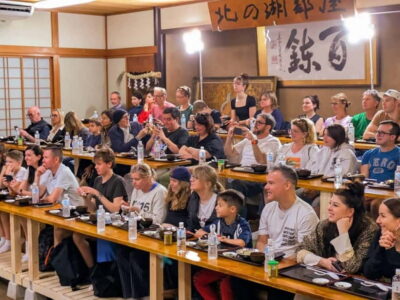
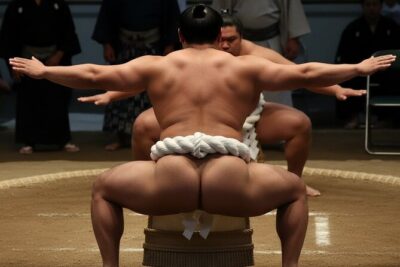
Tokyo Shinjuku Sumo Show & Experience with Photo
Read our review →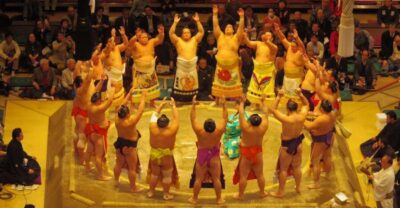
Tokyo: Sumo Tournament Tour with Chair Seat Tickets
Read our review →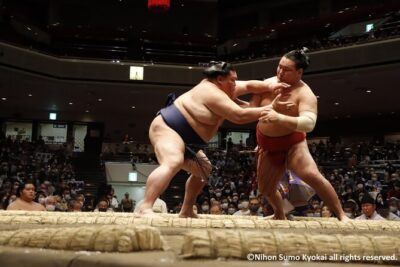
Tokyo Grand Sumo Tournament Viewing Tour with Tickets
Read our review →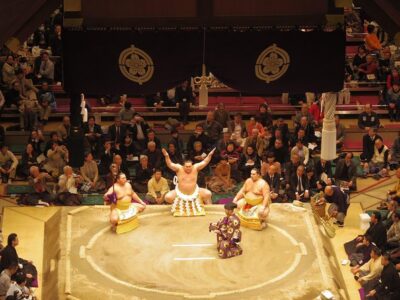
Osaka: Sumo Show & Experience w/ Optional Kimono & Hot Pot
Read our review →This one also appears in