
Review · TOKYO
Tokyo: Horse Racing Tour with Local Fan
Japanese horse racing is one of Tokyo’s most exciting local scenes, yet it sits well beyond the usual Shibuya and Shinjuku circuit. This experience puts you beside Japanese fans, where you can watch live races, learn the betting system, and enjoy the crowd’s energy without needing to read Japanese. I especially like the English guidance from Eito, who explains everything from jockeys to betting choices, and the chance to see a side of Tokyo that most visitors miss.
I also like that you receive admission and a reserved seat ticket from the guide when available, rather than trying to decode the racecourse system alone. The main drawback is cost control: the $60 tour price does not include food, drinks, train tickets, or betting money, so bring extra yen and set a firm gambling budget.
Key points to know before booking
- Eito’s English betting help: Learn how to read the betting options and place a wager without relying on Japanese.
- Four possible racecourses: Weekend dates usually use Tokyo Racecourse or Nakayama Racecourse, while weekday dates use Oi or Kawasaki Racecourse.
- A genuine local Tokyo setting: You spend time with Japanese racing fans instead of visiting another standard sightseeing stop.
- Reserved seating when available: The guide meets you with your ticket and accompanies you into the racecourse.
- Food and drinks are extra: Buy sake, beer, cocktails, karaage, yakitori, and other racecourse fare with your own yen.
- Bring cash for bets: Betting money is separate from the tour fee, and your GetYourGuide voucher is not an admission ticket.
Why a Tokyo racecourse is worth your time
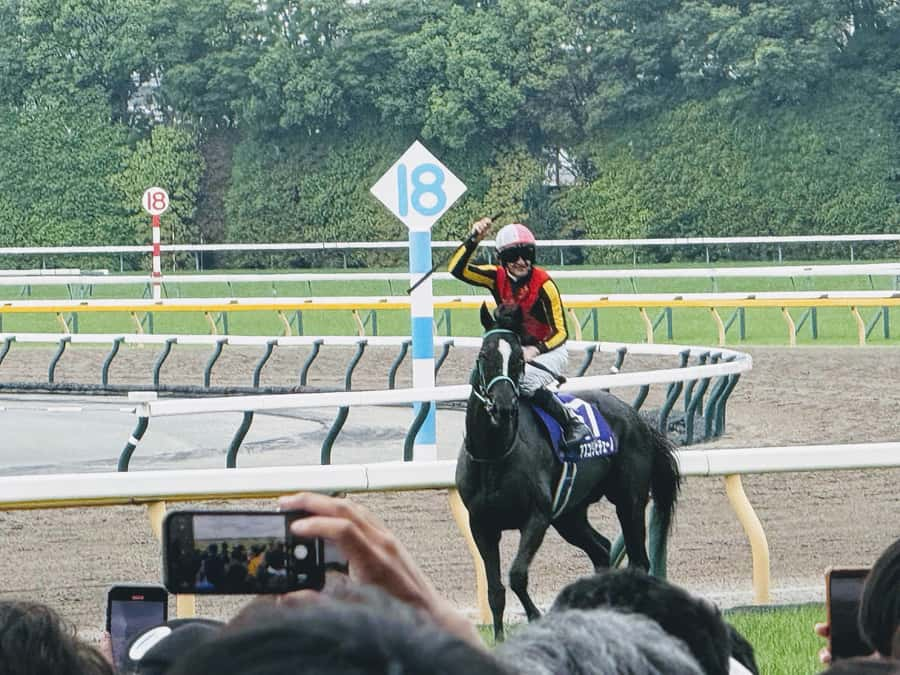
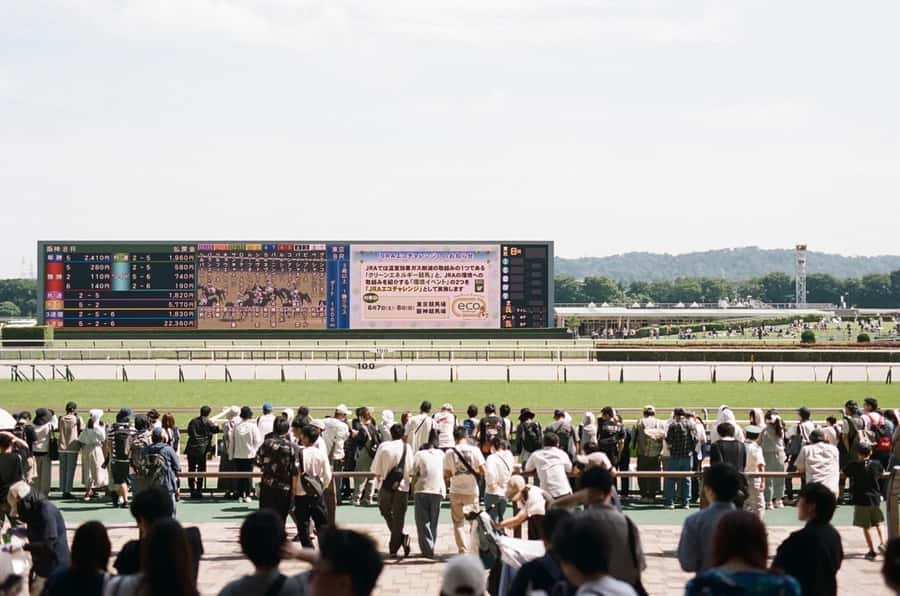
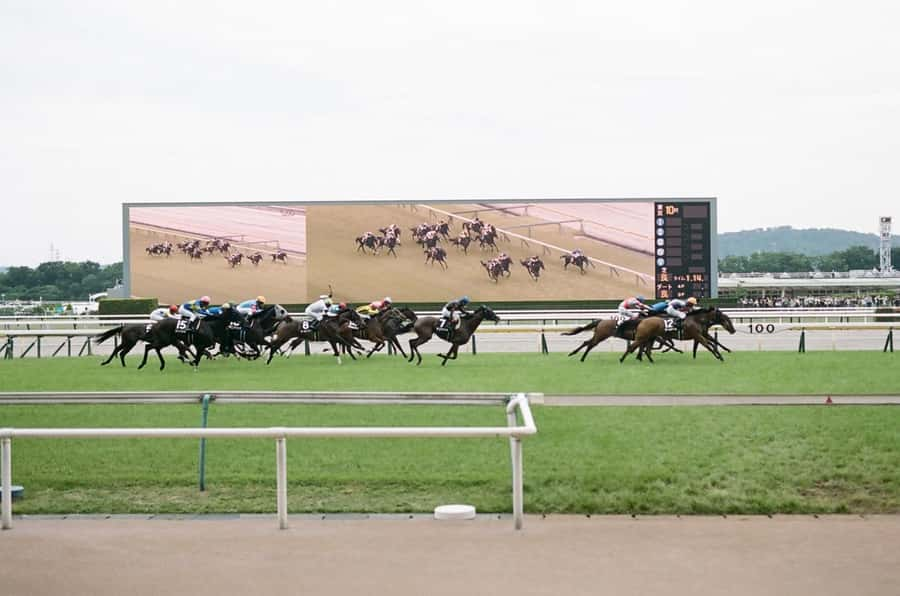
Tokyo has plenty of famous sights, but the most memorable cultural moments often happen in places built for local life rather than sightseeing. A Japanese racecourse is one of those places. You see how people spend a day off, follow horses and jockeys, study race cards, eat quick meals, and cheer with real feeling when the gates open.
I like this tour because it gives the setting some context. You are not simply dropped at a track with a betting slip in your hand. Eito meets you, gets you through the entrance, explains the basic rules, and helps you make sense of the choices in front of you. Since racecourse information and betting machines are generally presented in Japanese, that support changes the whole experience.
The racecourse itself is part sports venue, part social outing, and part food stop. You might hear the crowd rise as the horses approach the finish, then watch everyone quickly turn to the next race. Even if you know nothing about racing, the pace is easy to follow once the guide explains what to watch.
This is not a quiet museum visit or a polished theatrical show. It is a live event with noise, money, opinions, and suspense. That makes it more revealing, but also less predictable. A race may be delayed, a bet may lose, and the food or seat situation may vary by venue and date.
More Horse Racing and Racecourses in Tokyo:
- Horse Racing Tour with Local Fans in Tokyo Racecourse
★ 5.0 · 8 reviews - From Buenos Aires: Polo Match, Lesson, and BBQ Day-Trip
★ 5.0 · 5 reviews - Hong Kong Jockey Club Racecourse Guided Tour with F&B
★ 5.0 · 3 reviews
Meeting Eito and getting inside
The meeting details matter here. The guide waits at the designated meeting point while holding a sign with your name, and you are asked to send a text when you arrive. The activity finishes back at that same meeting point, so take note of it before you set off for the rest of your day.
Your GetYourGuide voucher is not your admission ticket. The guide provides the reserved seat ticket in person, and entry is only possible when you are accompanied by the guide. This is an important distinction because arriving at the racecourse alone with only the digital voucher will not give you the same access.
Eito has received especially strong praise for clear English, a friendly manner, and practical help. He does more than translate signs. He explains how the races work, shows you how to place a bet, and discusses horses, jockeys, and betting options. One particularly useful detail is his help with the train route to Tokyo Racecourse, which can save you from fumbling with the journey at the start of the day.
You should still allow enough time to reach the meeting point. The exact starting place is part of the booking information, and the racecourse changes according to the date. Do not assume every booking begins at Tokyo Racecourse.
Choosing among four racecourses
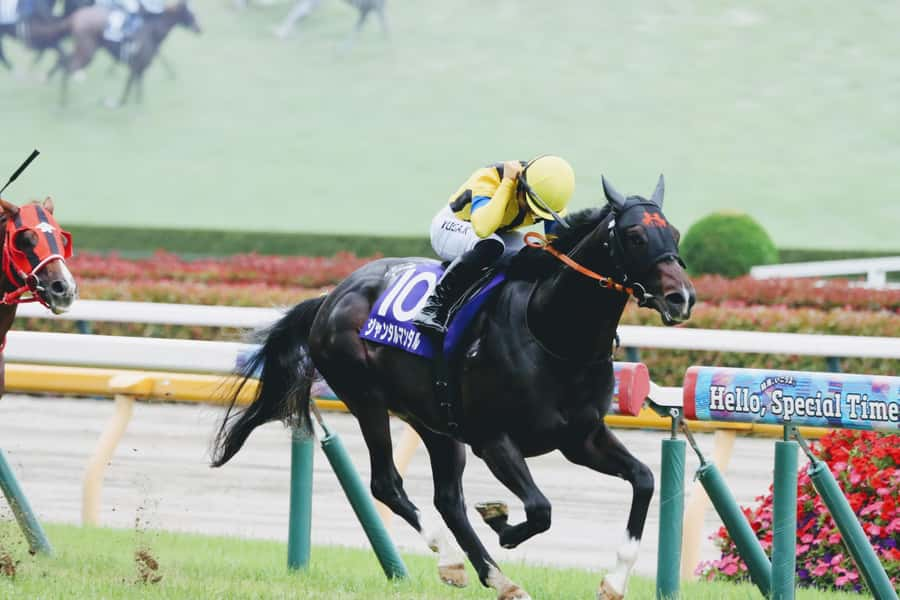
The venue depends on your selected date, and that is one of the most important practical details.
On weekends, the tour usually visits Tokyo Racecourse or Nakayama Racecourse. On weekdays, it usually goes to Oi Racecourse or Kawasaki Racecourse. The exact venue appears when you choose the date, so check it before paying and plan your train journey around that location.
This variation can be a plus. It means the activity follows the actual Japanese racing calendar rather than forcing every booking into one fixed site. It also gives you a reason to return if you happen to enjoy the first visit.
The drawback is that the experience may not match the mental picture you had from the title. Booking on a weekday does not normally mean Tokyo Racecourse. If seeing that particular venue matters to you, check the date carefully before confirming.
The supplied information does not give a fixed tour length, but the activity is described as a half-day experience in the feedback, with time for several races, explanations, food, and drinks. I would avoid booking a tight appointment immediately afterward. You will want room for the guide’s introduction, the races themselves, the betting process, and the return to the meeting point.
Learning the betting system without Japanese
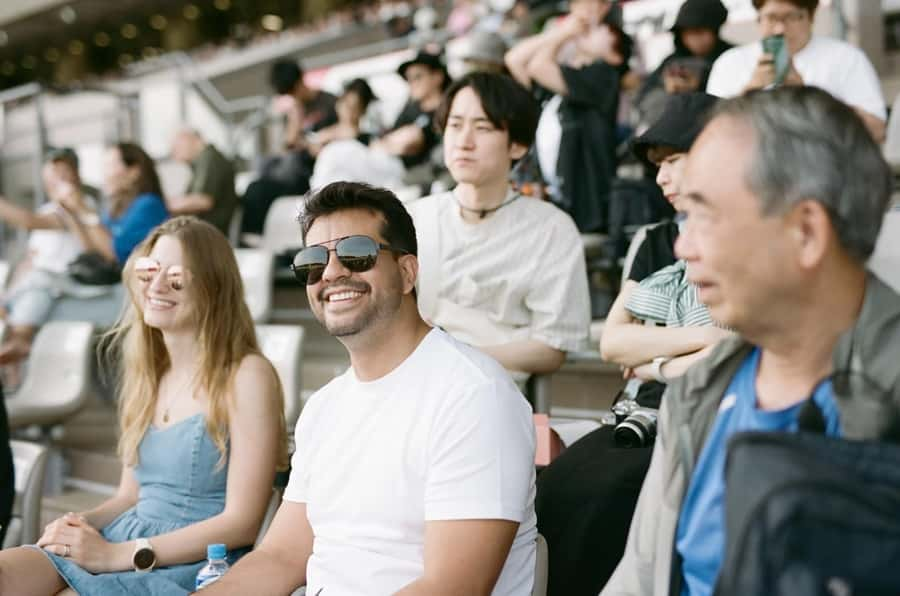
The betting is the part most people need help with. You can watch a race without betting, but placing even a small wager gives you a clearer sense of how the racecourse works. The slips, machines, horse information, and betting choices can be difficult to understand if you cannot read Japanese.
Eito explains the basic options in English and assists you as you place your bets. He can also explain information about the jockeys and horses, which gives you something more useful than picking a number at random. You remain responsible for deciding how much to wager.
Bring Japanese yen in cash. The tour price does not cover bets, and the betting budget is entirely separate. I suggest deciding in advance how much you are willing to lose and treating that amount as part of the entertainment cost. A winning ticket is possible, but it should never be the reason you book.
The betting adds suspense, but you do not need to be an experienced punter. The activity suits complete beginners, and it also has something for people who already attend races elsewhere. One couple with experience at major race meetings in New Zealand, Australia, and Hong Kong found the Japanese format notably different, which suggests that seasoned race fans will not simply be repeating a familiar afternoon.
More horse sports around Tokyo:
- Horseback Riding Tour and visit to Tablón, Chaquira, Pelota
★ 5.0 · 4 reviews
Watching a race from the reserved seats
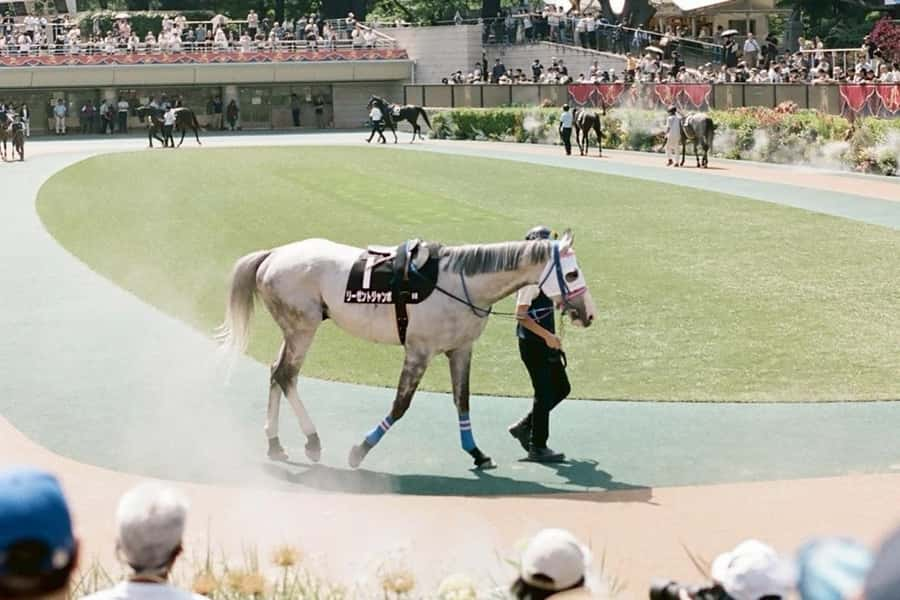
When reserved seating is available, the guide provides your seat ticket and helps you find your place. That is a useful benefit because the racecourse can be confusing on a first visit, particularly when all the information is in Japanese.
From the seats, you can follow the horses, the jockeys, and the crowd’s reaction without worrying about where you are supposed to stand or how to move through the venue. The tour information does not promise a particular view or seating section, so do not book it expecting a premium grandstand position every time. The value is having a place and a guide, not a guaranteed luxury seat.
The races themselves are short bursts of action. Between races, you have time to discuss the previous result, inspect the next betting choices, buy something to eat, or simply watch the people around you. This rhythm keeps the activity moving without requiring nonstop attention.
I like this format for first-time visitors because the guide can explain what is happening before you need to act. You get a chance to ask about the race, place a bet, and then watch with a little more understanding. The experience is more satisfying than standing outside a racecourse and guessing at the system.
Food, drinks, and the race-day atmosphere
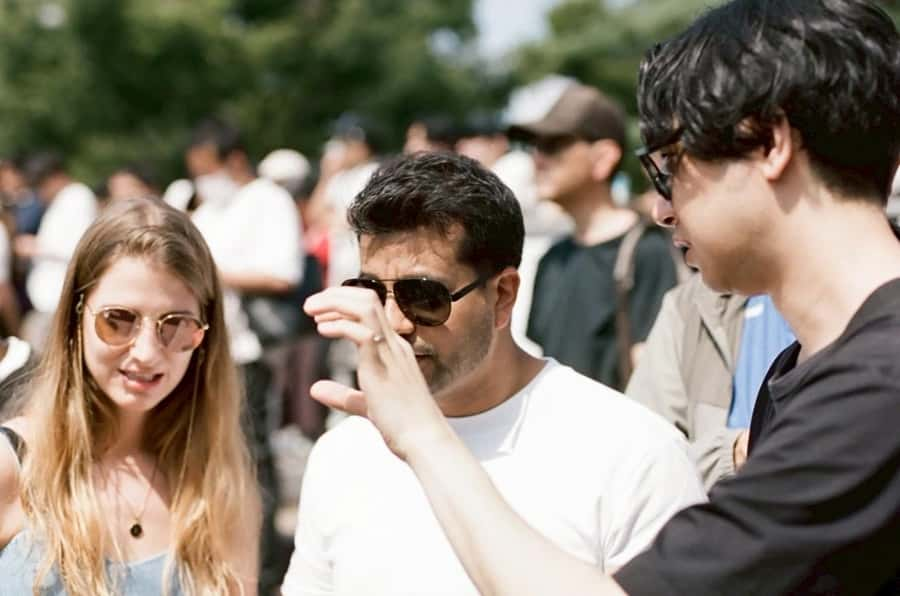
Food and drinks are not included, but that gives you freedom to choose what fits your appetite and budget. The experience highlights sake, local cocktails, and Japanese racecourse food such as karaage, yakitori, and seasonal snacks. Beer is also mentioned as part of the social side of the visit.
This is a good place to try simple Japanese food in a setting where it belongs. Karaage and yakitori are easy to eat between races, while seasonal items give you a chance to try something less familiar. The food is part of the day’s atmosphere, not a formal meal built into the tour.
Expect to pay for everything yourself. The $60 fee covers the guide, admission, race rules, betting assistance, and the racecourse visit, but not meals or drinks. That price is reasonable if you value direct English support and would otherwise struggle to enter and use the venue. It is less attractive if you only want to stand near a racetrack for a short time and have no interest in betting or the local customs.
You should also keep your drinking sensible. The races move quickly, and the guide’s explanations are the main reason this activity works for an English speaker. A drink can add to the fun, but too many will make it harder to follow the betting advice and race information.
What makes this different from standard Tokyo sightseeing
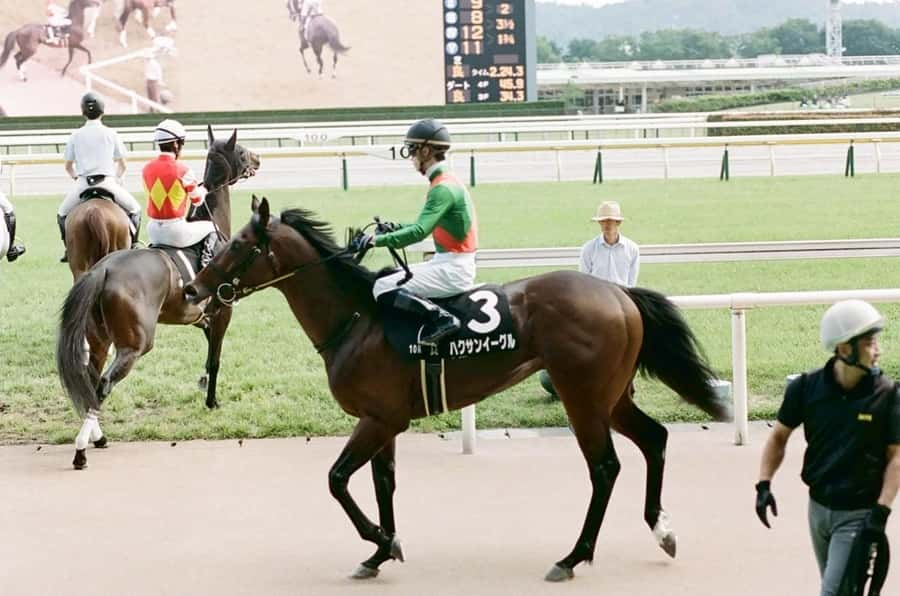
The strongest reason to book is the setting. You are not visiting a themed attraction made for overseas visitors. You are entering a Japanese pastime that can be hard to understand from the outside.
That difference matters because Tokyo is easy to experience through its famous neighborhoods, shopping streets, towers, and temples. Those places deserve their time, but they show only one part of the city. At the racecourse, you get a look at a social ritual built around sport, chance, food, and shared excitement.
I would not call this a history lesson. The value is more immediate. You learn how the betting works, watch the crowd respond, and see how a regular race day feels. The guide’s explanations help you notice details that would otherwise pass by.
The activity also suits people who enjoy talking with a local guide. Eito has been praised for being open, friendly, and easy to spend time with. His role is not limited to delivering facts. He helps with the train, the entrance, the betting slips, the horses, and the social side of the day.
Who will enjoy this, and who should skip it
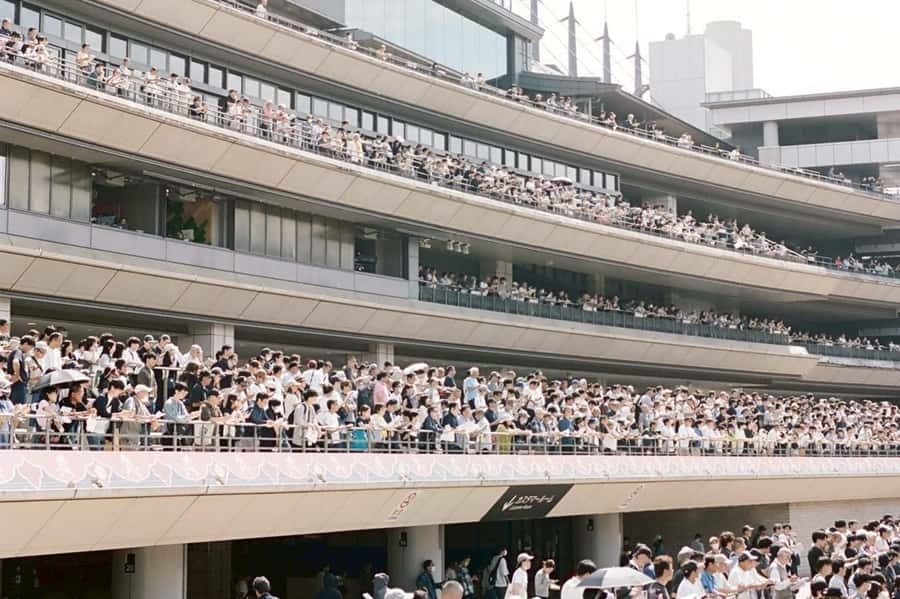
Book this if you want an unusual Tokyo activity, enjoy live sport, or like learning through local customs. It is especially useful for first-time racegoers because the English explanation removes the biggest barrier.
It is also a good choice for experienced racing fans. Japanese racing has its own style, and the chance to compare it with meetings in Australia, New Zealand, or Hong Kong gives the visit extra interest.
You may want to skip it if gambling makes you uncomfortable, you dislike noisy sporting events, or you want a tightly scheduled sightseeing stop. The tour includes betting assistance, but no one says you must wager. Still, betting and race-day excitement are central to the experience.
Families and groups should also think about the tone of the day. The available information does not specify age rules or group size, so check those details before booking if they affect your plans. The activity is best for people who can enjoy the uncertainty of live racing rather than expecting a fixed performance.
How to get good value from the $60 price
The price makes the most sense when you use the guide’s help. If you already understand Japanese betting systems, can read the racecourse information, and feel comfortable finding the entrance alone, the added value may be smaller.
For a first visit, the fee covers several useful pieces at once: English guidance throughout the event, admission, help with the betting process, and a reserved seat ticket when available. You are also paying for access to a local activity that is not simple to arrange from a standard Tokyo itinerary.
Budget beyond the tour price for train fare, food, drinks, and bets. The total cost depends on your choices, so you can keep the day modest or spend more at the racecourse. I like that the food and betting are not bundled into the fee because you control those extras.
Book at least 24 hours ahead if you want the stated full-refund cancellation window. The reserve-now, pay-later option can help if your schedule is still shifting, but the racecourse depends on the date you select.
Final call: should you book it?
I would book this tour if you want a lively, unusual look at Tokyo and are willing to spend part of your day at a racecourse. Eito’s role is the key benefit. His English explanations, train help, betting guidance, and friendly presence turn a confusing venue into an activity you can actually follow.
The $60 price is fair for that support, but only if you remember the extra costs. Bring yen, set a betting limit, and check the racecourse before booking. If you want temples, gardens, or a calm cultural tour, choose something else. If you want horses, local food, live races, and a little controlled risk, this is one of the more distinctive activities on a Tokyo itinerary.
FAQ
What is included in the $60 tour price?
The price includes an English-speaking guide, race rules and betting explanations, help placing bets, admission, and a reserved seat ticket when available.
Are food and drinks included?
No. You buy your own food and drinks at the racecourse. Options mentioned include sake, local cocktails, karaage, yakitori, and seasonal snacks.
Do I need to bring cash?
Yes. Bring Japanese yen for betting, food, and drinks. Betting money is not included in the tour fee.
Which racecourse will I visit?
The venue depends on your selected date. Weekend bookings usually visit Tokyo Racecourse or Nakayama Racecourse. Weekday bookings usually visit Oi or Kawasaki Racecourse. The exact venue appears when you choose the date.
Can I enter the racecourse with my voucher?
No. The GetYourGuide voucher is not an admission ticket. The guide meets you at the designated location and gives you the racecourse ticket. Entry is possible only when accompanied by the guide.
Do I need to understand horse racing before booking?
No. The guide explains the rules and betting process in English, and the activity is suitable for beginners. Experienced race fans can also learn how Japanese racing differs from meetings in other countries.
Where does the activity end?
The activity ends back at the meeting point. You are asked to send a text when you arrive, and the guide waits there with a sign showing your name.
New on the fixture list around Tokyo
- Tokyo: Sumo Morning Practice -Stable Visit Tour with a Guide★ 4.8 · 16 reviews
- Tokyo: Watching Sumo and Ryogoku Area Walking Tour★ 4.0 · 5 reviews
- Tokyo: Sumo Morning Practice Viewing Tour at a Real Stable★ 4.9 · 32 reviews
- Tokyo: Sumo Morning Practice Tour in Ryogoku and Photo Shoot★ 4.7 · 47 reviews
- Tokyo: Sumo Keiko Training Tour with Audio Guide & Photo★ 4.8 · 5 reviews
- Tokyo Sumo Morning Practice: Witness the Life of a Wrestler★ 4.8 · 56 reviews
- Tokyo Highlights Tour: Sumo, Sushi, Tea, and Tokyo Tower★ 5.0 · 2 reviews
- Tokyo: Sanctuary Authentic Grand Sumo Experience & Training★ 5.0 · 7 reviews
More Horse Racing and Racecourses to weigh up.
Horse Racing Tour with Local Fans in Tokyo Racecourse
Read our review →
From Buenos Aires: Polo Match, Lesson, and BBQ Day-Trip
Read our review →
Hong Kong Jockey Club Racecourse Guided Tour with F&B
Read our review →This one also appears in