
Review · TOKYO
Horse Racing Tour with Local Fans in Tokyo Racecourse
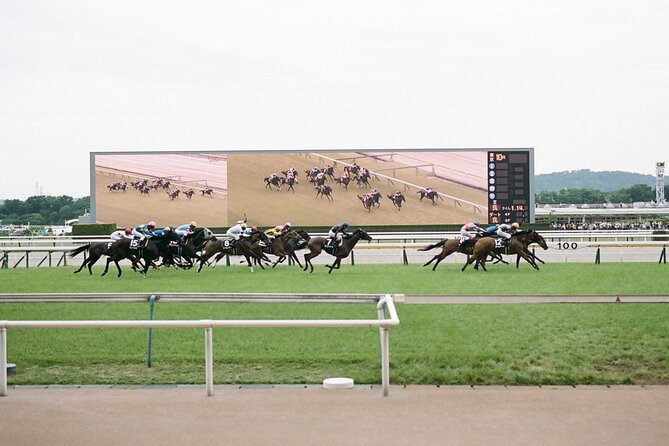
Tokyo horse racing is part sport, part social ritual, and part people-watching. This four-hour outing takes you from Shibuya to Tokyo Racecourse with a local guide who explains the rules, helps you read the betting system, and points out the best parts of race day. You’ll see the paddock, feel the crowd react to each race, and have a chance to bet with Japanese yen.
I like two things right away: the train ride makes the journey part of the day, and the guide removes the language barrier at the betting counter. I also like that you can pair the races with sake, cocktails, and Japanese street food, rather than treating the course as only a place to watch horses.
The main catch is cost. The $100 price covers the guide, but not food, alcohol, betting, or ¥320 in public transportation. Bring extra cash, and remember that the guide’s predictions are advice, not a guarantee of winning.
Key points at a glance
- Train ride from Shibuya: Meet at SHIBU HACHI BOX and travel to the racecourse as a group.
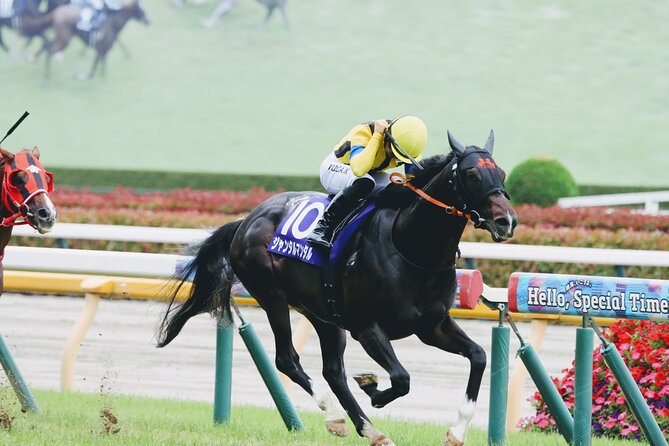
- Paddock access and race viewing: You can watch the horses before races and take in several live events.
- Simple betting instruction: Your guide explains how to place bets, even if Japanese racing is new to you.
- Food and drinks are extra: Sake, cocktails, and Japanese street food are available but not included.
- Small group setting: The tour accepts no more than 12 people, which allows room for questions.
- Cash matters: Bring Japanese yen for betting and the ¥320 transport charge.
From Shibuya to Tokyo Racecourse by train
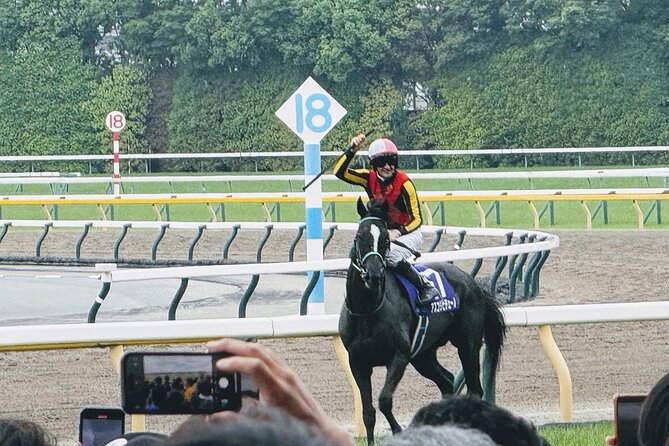
The meeting point is SHIBU HACHI BOX at 2-chōme-1-1 Dōgenzaka in Shibuya. This is a practical start for a day trip because you do not need to find Tokyo Racecourse on your own. You meet the guide in central Tokyo, then travel together by train.
The trip costs ¥320 per person for public transportation, paid separately. That is a small charge, but it is easy to miss when comparing the tour price. The shared ride also gives you time to ask basic questions before reaching the course.
I like this arrangement more than a simple meet-at-the-gate tour. Japanese rail travel can be easy once you understand it, but a first visit to a large racecourse can still feel confusing. Starting together lets you sort out the route and the plan before the crowds and noise take over.
The experience lasts about four hours and finishes around 4:00 PM. Since the exact race schedule can affect the pace of the day, you should plan on watching several races rather than expecting an all-day racing program.
More Horse Racing and Racecourses in Tokyo:
- Tokyo: Horse Racing Tour with Local Fan
★ 5.0 · 14 reviews - From Buenos Aires: Polo Match, Lesson, and BBQ Day-Trip
★ 5.0 · 5 reviews - Hong Kong Jockey Club Racecourse Guided Tour with F&B
★ 5.0 · 3 reviews
A clear introduction to Japanese horse racing
Once you arrive, the guide gives you an introduction to the sport. The key value here is translation, but not just translation of words. Horse racing has its own terms, betting types, race cards, and customs. A local guide can explain what matters and skip the parts that would take you too long to work out alone.
You do not need to know Japanese. The rules are explained in simple language, so you can follow the action even if this is your first time at a Japanese track. If you already understand horse racing, the guide can still help with the local betting process and race information.
This is also where you should ask questions. Find out how much you want to risk, what kind of bet you are making, and how to read the information before putting down money. The guide provides predictions, but you should treat them as part of the fun, not as a promise of profit.
I appreciate the balance here. The tour makes betting easier without pretending that gambling is predictable. You are paying for access to an experience and local help, not for a winning ticket.
Watching the horses in the paddock
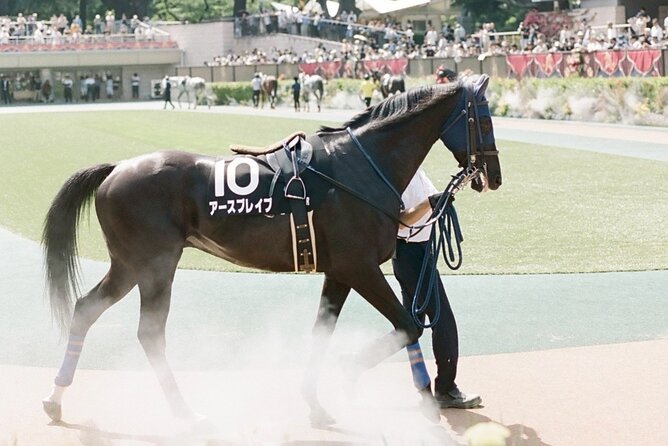
One of the most useful parts of the outing is time at the paddock. This is where you can see the horses before the race and take in the preparation that happens before they reach the track.
For a first-time visitor, the paddock gives the horses a more personal presence. You are not only watching distant figures race past. You have a chance to look at the horses before the start and connect that moment with the betting discussion.
The guide can show you how the paddock fits into the race-day routine. You may watch the horses, listen to the advice, and then decide if you want to place a bet. This gives the day a clear rhythm: see the horses, consider the race, make your choice, then watch the result.
A previous guest was able to visit the paddock, place bets on several races, and stop by the gift shop. Those activities show what can fit into the schedule, though you should not assume that every visit will follow exactly the same order. Race timing and crowd conditions can change the pace.
Betting with Japanese yen in hand
The guide shows you how to place bets, from the basic steps to the practical details of joining the action. This is especially helpful if you cannot read Japanese or have never used a Japanese betting system.
Bring cash in Japanese yen. Betting costs are not included, and the tour information specifically advises you to have yen available. You should also set a firm spending limit before the first race. Small bets can add up quickly when several races are available.
The guide’s predictions add a playful local angle. You can compare your own hunches with the guide’s picks, then decide how much weight to give either one. The best approach is to see the betting as part of the cultural experience, not the reason to book the tour.
You can watch the horses and still have a worthwhile day without betting heavily. If you prefer not to gamble, tell the guide and focus on the race atmosphere, paddock, food, and crowd reaction. The information provided confirms that betting is optional in the sense that it is an extra personal cost, though the tour is designed to help you take part.
More horse sports around Tokyo:
- Horseback Riding Tour and visit to Tablón, Chaquira, Pelota
★ 5.0 · 4 reviews
Sake, cocktails, and Japanese street food
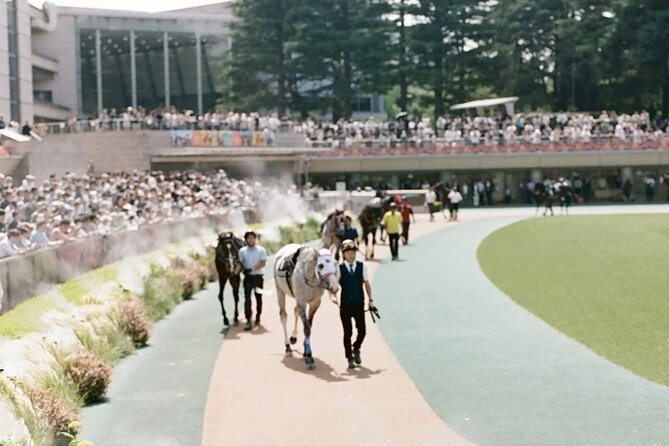
Food and drinks add a social side to the afternoon. You may enjoy sake, cocktails, and Japanese street food as the races continue. These choices let you experience the racecourse as a place where people gather, eat, drink, cheer, and compare predictions.
None of this is included in the $100 price. Alcoholic beverages and food are separate expenses, so budget for them if you want the full food-and-racing experience. The same applies to betting.
I like that the food is presented as part of the outing rather than a formal meal. Street food suits the pace of race day. You can eat between races, keep moving, and remain close to the action.
The tradeoff is that the final cost can vary. One person might pay only the transport fee and a small amount for betting, while another might buy several drinks, food, and multiple tickets. The advertised price is therefore best understood as payment for the guide and organized experience, not as an all-inclusive day at the track.
The sound and energy of live race day
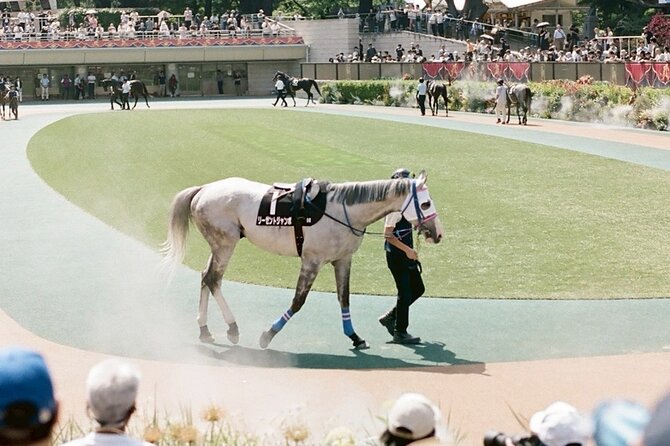
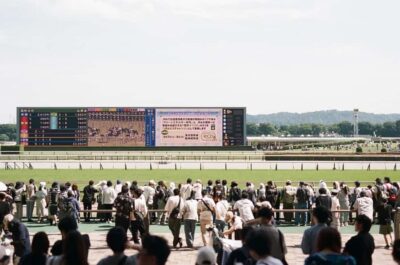
The heart of the tour is the live racing. Horse racing has a different feel from watching a screen in a betting shop. You hear the crowd respond, see the horses approach the start, and feel the race speed up as they move around the course.
The guide helps you follow what is happening, but you also get time to simply watch. Even if you do not understand every betting term, the reaction of the crowd gives you a clear sense of the stakes.
This is a good choice for people who enjoy local sports and ordinary social scenes. You are not being shown a polished performance built only for tourists. You are joining a public Japanese pastime with its own fans, routines, and strong opinions.
The setting can also be lively and noisy. If you prefer quiet sightseeing, this may feel less comfortable. The tour involves walking around the racecourse, standing for parts of the day, and keeping up with the schedule, so moderate physical fitness is recommended.
What the small group changes
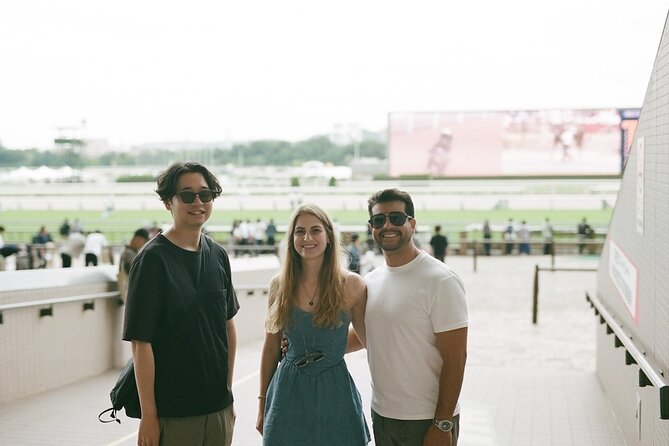
The maximum group size is 12 people. That is large enough to keep the price from becoming extremely high, but small enough for the guide to answer questions and explain a betting slip without leaving you to figure it out alone.
A small group matters most during the train ride and between races. You can ask for clarification, check where to go next, and stay with the group rather than navigating the course by yourself.
The guide’s role appears to be friendly and flexible. One guide was described as accommodating, helped with the paddock and betting, and even assisted with a gift shop visit and the return to a hotel. That extra help is a nice sign of personal attention, but hotel escort service is not listed as a standard inclusion, so do not book on the assumption that it is guaranteed.
The activity allows service animals and is near public transportation. You should still be comfortable with walking and standing, since the day includes moving around the racecourse rather than remaining in one reserved seat.
Is $100 a fair price?
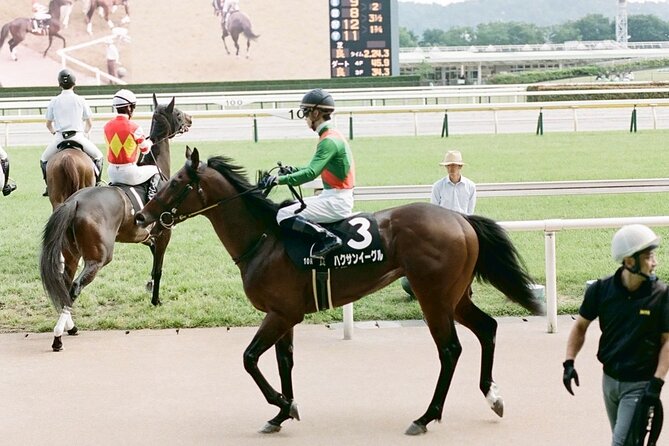
At $100 per person, this is not the cheapest way to watch horse racing. The guide fee covers the main service, while you pay separately for transportation, food, drinks, and bets. The ¥320 train cost is modest, but the extras can make the day more expensive than the headline price.
The value comes from the help. If you can already reach Tokyo Racecourse, understand Japanese betting, and know how to follow a race card, you may prefer to go independently. You would have more control over your spending and schedule.
For a first visit, the price is easier to justify. The guide handles the shared route, explains the rules, shows you how to bet, and helps you understand what you are seeing. That saves time and reduces the chance of spending the day confused at the ticket machines.
I would think of this as a guided cultural outing with gambling included, not as a package with free drinks or guaranteed premium seating. The price works best for you if you value local explanation and company more than saving every yen.
Planning your spending and timing
Bring Japanese yen for the ¥320 transport charge, betting, food, and drinks. The mobile ticket makes access convenient, but it does not cover the extras.
You should also allow enough flexibility for the race schedule. The outing is about four hours and ends around 4:00 PM, so it is not a full-day commitment. That makes it easier to fit into a Tokyo itinerary, especially if you want an evening meal or another activity afterward.
The tour is often booked well ahead, with an average booking lead time of 37 days. If your Tokyo dates are fixed, reserve early rather than waiting until the last week. Confirmation is provided at booking.
Free cancellation is available if you cancel at least 24 hours before the start time. Cancellations made less than 24 hours ahead are not refunded, and late changes are not accepted. The cut-off follows Tokyo local time.
Who will enjoy this Tokyo racecourse outing
I would recommend this experience to you if you want a local sports day but do not speak Japanese. It is also a good fit if you like learning how ordinary entertainment works in another country, rather than only visiting temples and major landmarks.
Horse-racing fans will get the most from the paddock, betting guidance, and several live races. Casual visitors can enjoy the crowd, food, drinks, and spectacle without needing to become experts.
The tour may not suit you if you want an all-inclusive price, dislike gambling, or prefer a slow, quiet afternoon. It also requires some walking and standing, so it is not ideal if you need a fully seated activity.
Should you book the Tokyo Racecourse tour?
Book it if you want an easy introduction to Japanese horse racing, local guidance on betting, and a social afternoon that starts with a train ride from Shibuya. The guide’s friendly, accommodating approach and help at the paddock are strong reasons to choose this organized option.
Skip it if you are comfortable navigating Tokyo alone and would rather spend only what you need on transport, food, and racing. For everyone else, the tour offers a practical way to join the excitement without having to decode the racecourse by yourself. Set a betting limit, bring yen, and treat any winning ticket as a bonus.
FAQ
Where does the tour start?
It starts at SHIBU HACHI BOX, 2-chōme-1-1 Dōgenzaka, Shibuya, Tokyo 150-0043, Japan.
How long does the experience last?
The activity lasts approximately four hours and concludes around 4:00 PM.
Does the tour include transportation?
No. You travel by train with the guide, but public transportation costs ¥320 per person and are not included.
Are food and drinks included?
No. Food, alcoholic beverages, sake, and cocktails are extra.
Do I need Japanese yen?
Yes. You should bring Japanese yen for betting, and you will also need to pay the separate transportation cost.
How far in advance can I cancel?
You can cancel at least 24 hours before the start time for a full refund. Cancellations or changes made less than 24 hours before the experience are not accepted or refunded.
New on the fixture list around Tokyo
- Tokyo: Sumo Morning Practice -Stable Visit Tour with a Guide★ 4.8 · 16 reviews
- Tokyo: Watching Sumo and Ryogoku Area Walking Tour★ 4.0 · 5 reviews
- Tokyo: Sumo Morning Practice Viewing Tour at a Real Stable★ 4.9 · 32 reviews
- Tokyo: Sumo Morning Practice Tour in Ryogoku and Photo Shoot★ 4.7 · 47 reviews
- Tokyo: Sumo Keiko Training Tour with Audio Guide & Photo★ 4.8 · 5 reviews
- Tokyo Sumo Morning Practice: Witness the Life of a Wrestler★ 4.8 · 56 reviews
- Tokyo Highlights Tour: Sumo, Sushi, Tea, and Tokyo Tower★ 5.0 · 2 reviews
- Tokyo: Sanctuary Authentic Grand Sumo Experience & Training★ 5.0 · 7 reviews
More Horse Racing and Racecourses to weigh up.
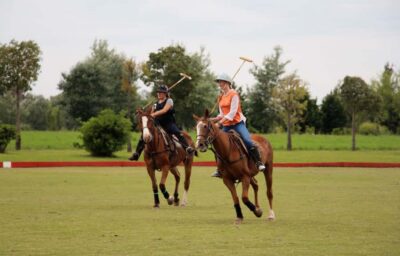
From Buenos Aires: Polo Match, Lesson, and BBQ Day-Trip
Read our review →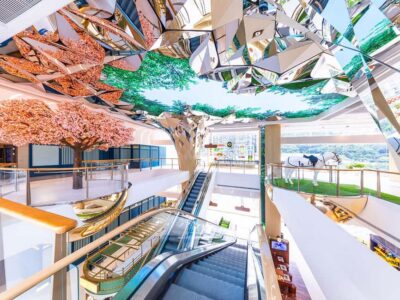
Hong Kong Jockey Club Racecourse Guided Tour with F&B
Read our review →This one also appears in