
Review · SWITZERLAND
Lausanne: The Olympic Museum Entry Ticket
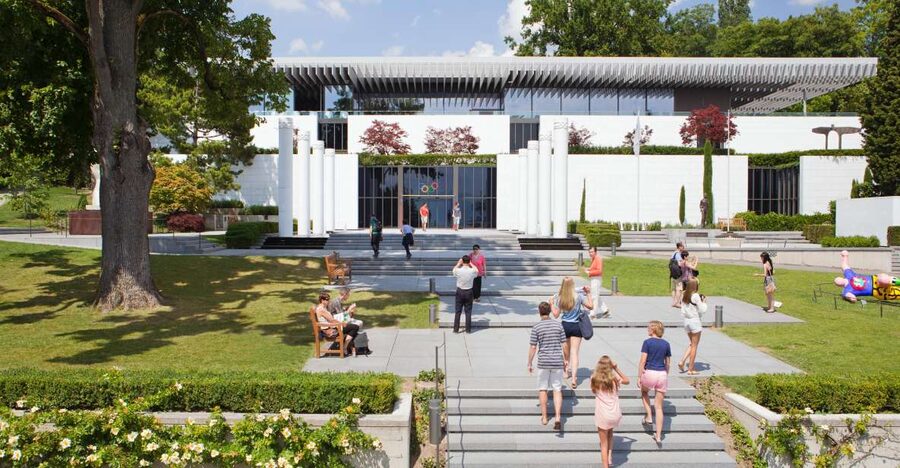
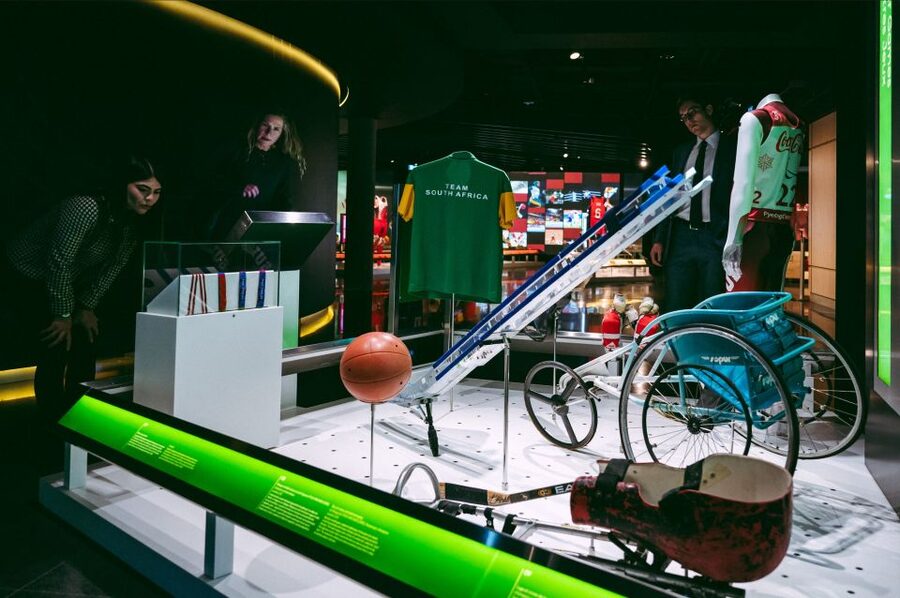
The Olympic Museum turns the Games into a story about far more than medals and race times. Inside, you’ll find thousands of objects and displays that connect Olympic sport with history, design, technology, and society. It is less a hall of trophies than a place to ask what the Olympic idea has meant over time.
I like two things right away: the ticket gives you access to both the permanent exhibition and the outdoor Olympic Park, and the free audio guide lets you set your own pace. The museum also works well for families, since there is enough visual material to hold a child’s attention while adults learn more about the Games.
The main consideration is time. You can pass through quickly, but that would miss much of the point. The displays invite a longer visit, and the audio guide is available only when offered, so bring comfortable shoes and do not plan this as a rushed one-hour stop.
Key points at a glance
- Thousands of Olympic objects: See memorabilia and exhibits that explain the Games through sport, culture, design, technology, and social history.
- Olympic Park included: Step outside to continue the visit among sculptures and Olympic-themed displays.
- Nine-language audio guide: Listen in one of nine languages when the guide is available.
- Lake Geneva setting: Take a break at the panoramic restaurant overlooking the lake.
- One-day ticket: You can use the admission during the valid one-day period rather than squeezing the museum into a tight schedule.
- Wheelchair accessible: The museum is listed as accessible for wheelchair users.
Why Lausanne is home to the Olympic story
Lausanne is known as the Olympic Capital, and the museum serves as the official home of the world’s largest collection of Olympic heritage. That setting gives the visit a useful sense of place. You are not simply looking at old sports equipment in a general museum. You are visiting an institution devoted to the Olympic Movement and the idea behind it.
That idea is called Olympism, and the museum treats it as a subject worth examining. The focus reaches beyond the excitement of the Games and competitions to ask how the Olympic Movement has contributed to society in the past and present.
I find that approach more rewarding than a simple display of winners and records. If you care about sport, you will find plenty to enjoy. If you are less interested in athletics, the sections on design, technology, culture, and sociology give you other ways into the story.
The museum also helps explain why the Olympics remain such a powerful symbol. The event brings countries, athletes, political ideals, public ceremony, and visual design together in one place. You may come for the sporting objects, then find yourself paying closer attention to the way the Games have shaped public life.
More Olympic Venues in the world:
- Berlin: Olympia Stadium Entrance Ticket
★ 4.3 · 789 reviews - Tickets and Guided Tour of the Olympic Stadium in Rome and Foro Italico
★ 4.5 · 404 reviews - The Olympic Museum Entrance Ticket in Lausanne
★ 4.5 · 211 reviews
Inside the permanent exhibition
Your ticket provides access to the permanent exhibition, the main reason to allow plenty of time. The collection contains thousands of exhibits, so this is not a small display that you can fully absorb in a few minutes.
Expect a visit built around different themes rather than one narrow line through Olympic results. You might move from the origins and ideals of the Olympic Movement to the practical side of competition, then on to the role of technology, design, and public culture.
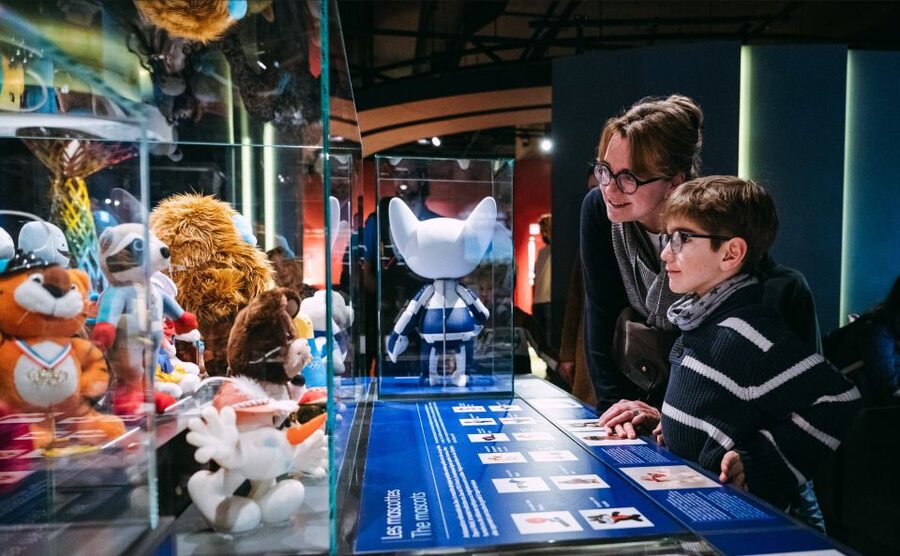
The exhibits show how the Games are presented to the world. Visual identity matters here. So do the tools of sport, the development of competition, and the ways host cities and countries use the Olympics to express themselves.
The museum’s purpose is to tell the story of the Olympic idea. That means you should not expect every room to function like a sports hall of fame. Some displays are likely to interest devoted fans most, especially if you enjoy memorabilia and Olympic records. Other parts are broader and ask you to think about values, institutions, and society.
I would use the audio guide as a way to give the displays some shape. It is free and offered in nine languages, subject to availability. Rather than listening to every item, choose the sections that interest you most. The guide can add context to objects that might otherwise look like isolated pieces of sports history.
The absence of a guaranteed audio guide is worth noting. If you depend on audio interpretation, check availability when planning your visit. Even without it, the range of objects and themes gives you plenty to see, but your visit may feel more self-directed.
Olympic objects that reward a slower look
A major strength of the museum is the sheer number of objects. The experience is not built around one famous item. It is the accumulation of equipment, memorabilia, visual material, and cultural displays that helps you see how the Games have changed.
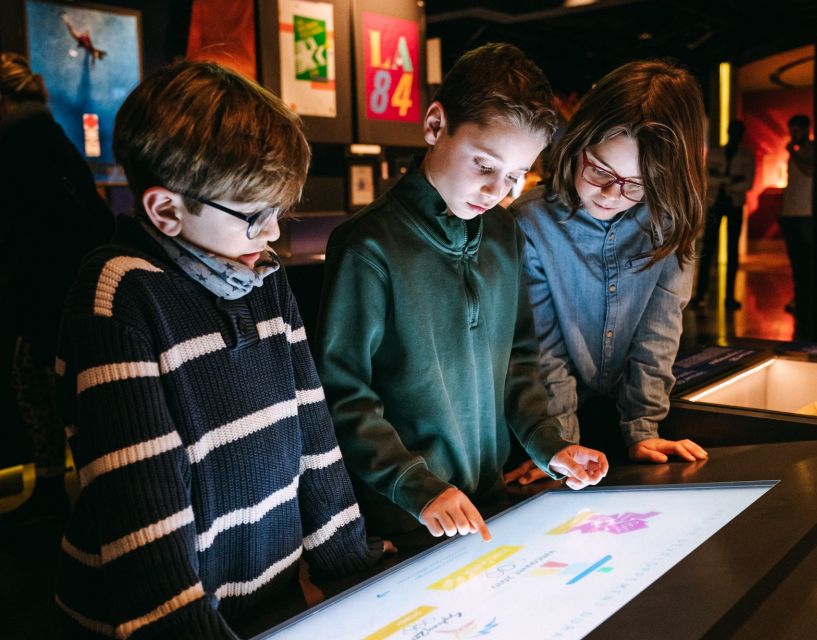
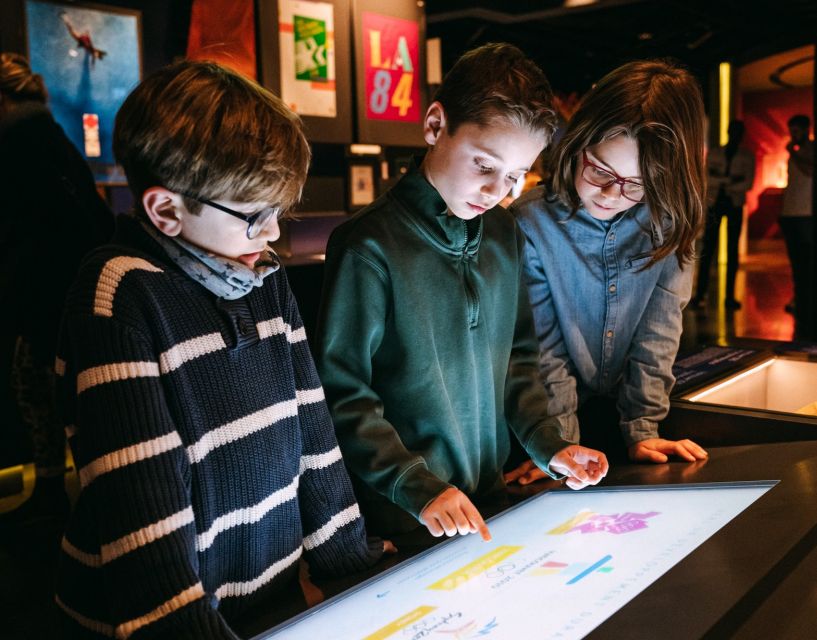
That scale is especially useful if you have different interests within your group. One person can focus on sporting achievements, another can look at design and technology, and children can respond to the visual displays and the excitement of Olympic competition.
A family review praised the museum’s large amount of material and said children were amazed. That fits the nature of the collection. Kids who already enjoy sport will have obvious points of entry, while the size of the exhibition gives them room to find something unexpected.
Still, large collections require a little discipline. You do not have to read every label or complete every display. Choose a pace that suits your group, and take breaks before attention fades. The one-day validity gives you useful flexibility, though the supplied details do not specify re-entry rules, so ask the museum if you plan to leave and return.
The museum is also a good choice when the weather is uncertain. The indoor exhibition gives you a substantial activity, while the Olympic Park and lake views offer a change of scene when you want fresh air.
The Olympic Park and the outdoor change of pace
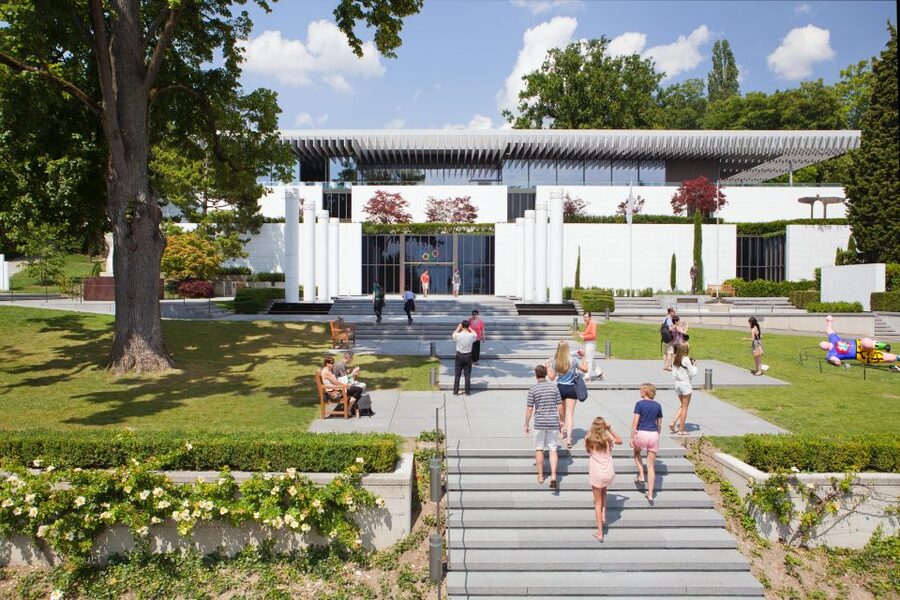
The Olympic Park is included with admission, and it gives the visit a more open, relaxed rhythm. After time among indoor displays, you can go outside to see the sculpture park and continue thinking about Olympic themes in a less formal setting.
Outdoor art works differently from objects in glass cases. The sculptures give you room to move, pause, and look back toward the setting. This is also where the museum feels connected to Lausanne rather than sealed off from it.
I would not treat the park as a separate attraction requiring a long itinerary. Think of it as an important part of the museum visit, especially if you need a break or are visiting with children. It helps prevent the experience from becoming a long series of indoor displays.
The Olympic Park is also a practical reason to bring water and wear comfortable clothes. Those items are specifically recommended for the visit, along with comfortable shoes. The supplied information does not give a detailed route or specify how long the outdoor area takes, so plan for a flexible stop rather than a fixed walking tour.
More Sports Museums in the world:
- Barcelona: FC Barcelona Museum “Barça Immersive Tour” Ticket
★ 4.4 · 10,944 reviews - Liverpool: Liverpool Football Club Museum and Stadium Tour
★ 4.8 · 10,764 reviews - Lisbon: Luz Stadium Tour & SL Benfica Museum Entry
★ 4.7 · 4,102 reviews - Camp Nou Immersive Tour F.C.Barcelona Museum: Open Date Ticket
★ 4.0 · 1,307 reviews
Lake Geneva views and the museum restaurant
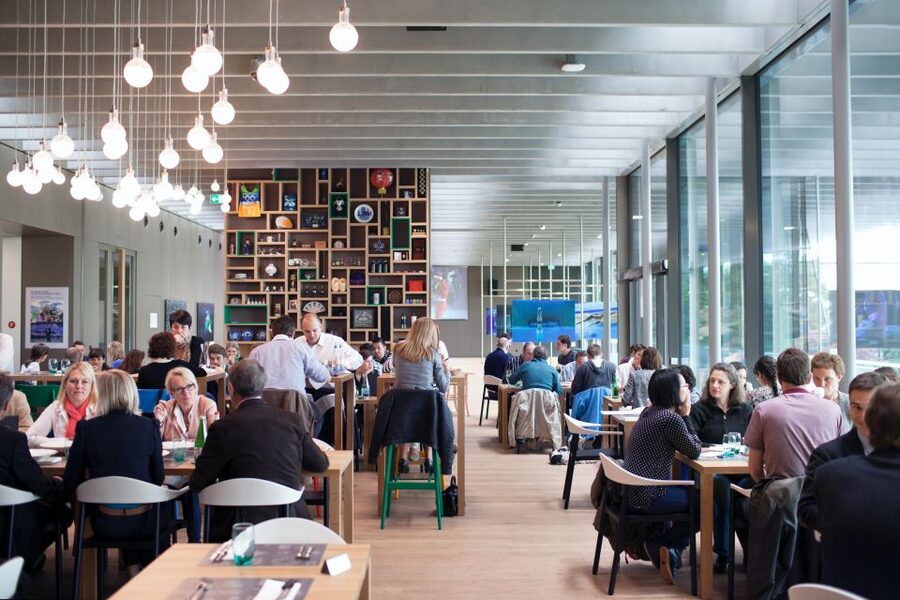
The museum has a panoramic restaurant overlooking Lake Geneva. It gives you a chance to turn the museum into a longer outing instead of a quick cultural stop.
The view is part of the appeal. After looking at the global story of the Olympics, you can sit above the lake and take a quieter break. This is one of those simple pleasures that helps a museum visit feel less crowded into your day.
Keep the wording of the ticket in mind: admission includes the museum, the Olympic Park, and access to the restaurant area, but the provided details do not state that a meal is included. Budget separately for food and drinks unless the museum confirms otherwise.
The restaurant is most useful for people who want to spend more time on site. It can also help families manage the pace, since children rarely appreciate a museum schedule with no pause. For a short visit, you may prefer to focus on the exhibition and park, then eat elsewhere.
The boutique and cultural activities
The museum includes an exclusive boutique, which adds a shopping stop to the visit. The available information does not list the products or prices, so I would treat it as an optional extra rather than a reason to buy the ticket.
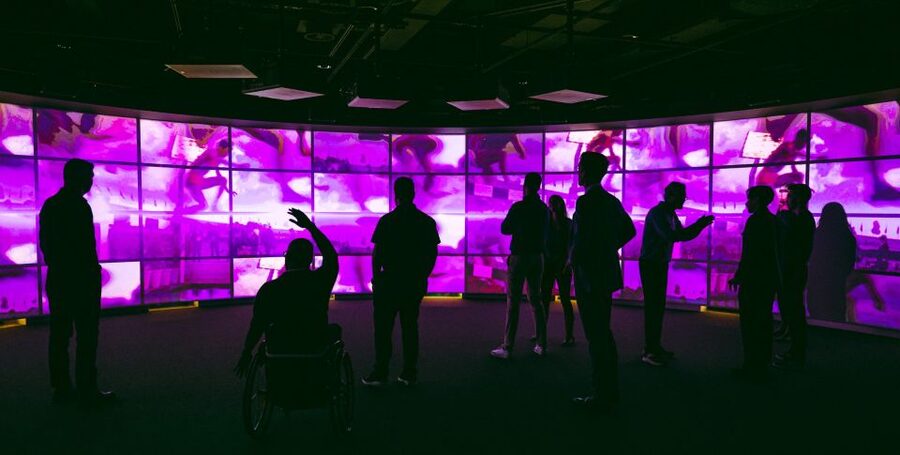
You can also take part in cultural and educational activities. The details do not specify which activities are running on a particular day, so check the program before you arrive if this is important to you. These activities may be especially useful for families or anyone who wants more than a self-guided museum visit.
The key benefit is choice. You can spend your time with the collection, go outside to the park, stop at the restaurant, browse the boutique, or join an activity if one is available. The ticket supports a relaxed visit rather than a single fixed performance.
That flexibility matters at $26 per person. The price is not a bargain if you only want a quick look at Olympic memorabilia. It becomes more reasonable if you use the permanent exhibition, outdoor park, audio guide, and on-site facilities over several hours.
How long should you allow?
The ticket is valid for one day, and the museum invites a longer visit. The exact amount of time depends on how closely you examine the objects, whether you use the audio guide, and how long you spend in the park or restaurant.
I would avoid booking the museum between two tight appointments. A rushed visit could leave you seeing only a fraction of the displays. The museum covers sport, history, culture, design, technology, and sociology, so even a person who is not a serious sports fan may want time to follow those connections.
Families should allow breaks. The outdoor park and restaurant make that easier, but you still need comfortable shoes, water, and comfortable clothes. Children may enjoy the sheer amount of visual material, yet the museum is not just a children’s attraction. Adults will need time to read and reflect.
The audio guide can help you make the most of a shorter schedule, but availability is not guaranteed. If your time is limited, go first to the parts that match your interests, then use the park as a pause rather than trying to see everything.
Who will enjoy this museum most?
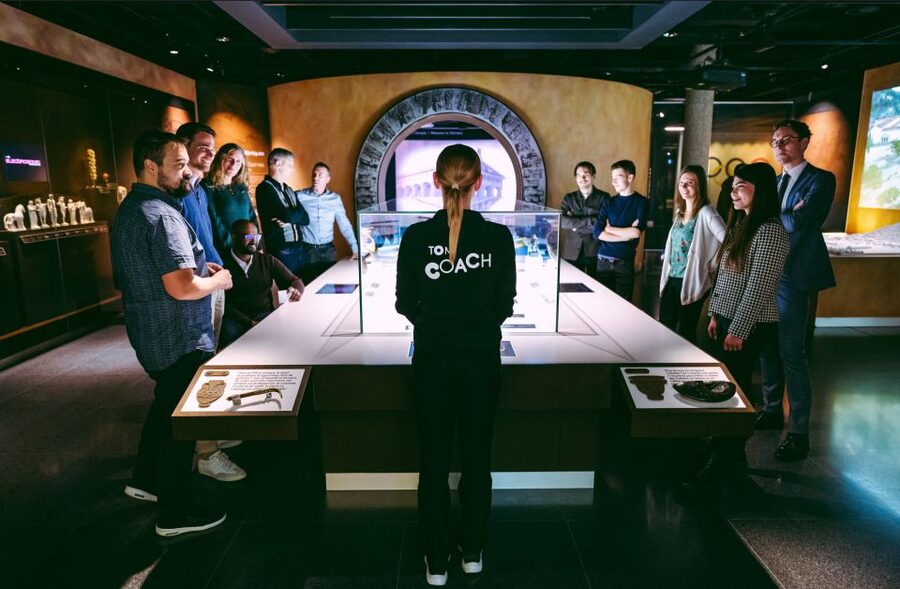
This is a strong choice for sports fans, Olympic followers, and anyone interested in the way major events shape culture. The collection gives those visitors plenty of detail and memorabilia to explore.
It also suits families. The combination of objects, Olympic excitement, outdoor space, and restaurant access creates a more varied day than a traditional indoor museum. The positive family response is easy to understand, especially for children who enjoy seeing how sports are played, celebrated, and remembered.
You do not need to know Olympic history before arriving. The museum is designed to explain the Movement and its values, not just reward experts. The audio guide can offer added help, although you should confirm that it is available in your preferred language.
Less suitable are visitors who want a brief, highly focused attraction. You can shorten your visit, but the museum’s main strength is its wide scope. People looking only for a gallery of famous medals may find the social and cultural material less direct than expected.
Price, planning, and practical details
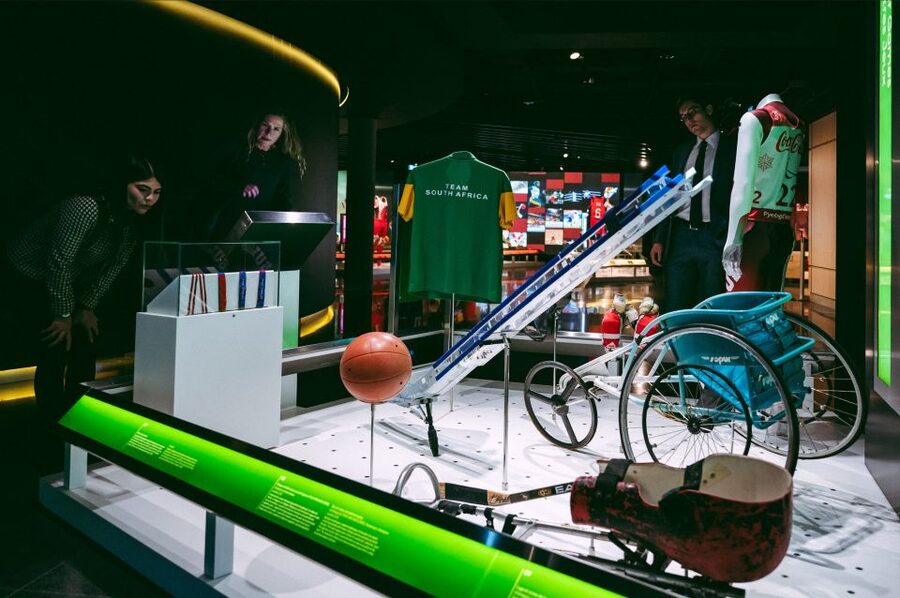
At $26 per person, admission is a mid-range museum expense. The value depends on how much of the site you use. The price covers the entrance ticket, permanent exhibition, Olympic Park, and the possibility of using the audio guide. The restaurant and boutique are on site, but food, drinks, and purchases are not stated as part of admission.
The ticket also offers useful booking flexibility. You can cancel up to 24 hours in advance for a full refund, and the reserve-now, pay-later option lets you hold a place without paying at the time of booking. Starting times depend on availability, so check the schedule before setting other plans.
Bring a passport or ID card, as requested in the visit information. Wear comfortable shoes and clothes, and carry water. The museum is wheelchair accessible, which makes it a practical option for more visitors, though the available details do not describe specific routes or equipment.
You begin at The Olympic Museum itself. No separate meeting point or guided transport is listed. That keeps the experience simple: arrive at the museum, use your admission, and choose your own path through the indoor and outdoor areas.
Should you book The Olympic Museum?
Book it if you want more than a display of medals. The museum explains the Olympic Movement through objects, ideas, design, technology, and society, then gives you an outdoor park and Lake Geneva setting to round out the day.
I especially recommend it for families, sports fans, and visitors with enough time to move at an unhurried pace. The $26 price makes better sense when you use the permanent exhibition, audio guide if available, Olympic Park, and restaurant setting rather than treating the museum as a quick stop.
Skip it if your schedule is extremely tight or you have little interest in sport, public events, or cultural history. For everyone else, this is one of Lausanne’s more thoughtful indoor attractions, with enough variety to keep the visit from feeling like a simple trophy case.
FAQ
Where is The Olympic Museum located?
The museum is in Lausanne, Switzerland, in the canton of Vaud. Lausanne is known as the Olympic Capital.
How much does admission cost?
The listed price is $26 per person.
How long is the ticket valid?
The ticket is valid for one day. Available starting times depend on the schedule.
What does the entrance ticket include?
The ticket includes entrance to the permanent exhibition and access to the Olympic Park. The museum also has a restaurant and boutique on site.
Is an audio guide included?
An audio guide is included when available. It is offered in nine languages.
Is the museum wheelchair accessible?
Yes. The museum is listed as wheelchair accessible.
Can I cancel the booking?
Yes. You can cancel up to 24 hours in advance for a full refund.
Can I reserve now and pay later?
Yes. The reserve-now, pay-later option lets you book without paying immediately.
What should I bring?
Bring a passport or ID card, comfortable shoes, water, and comfortable clothes.
New on the fixture list around the world
- Spotify Camp Nou Tour F.C. Barcelona Museum (Open Date Ticket)★ 3.5 · 5 reviews
- Ferrari Driving Experience on a Racetrack★ 5.0 · 11 reviews
- Live Muay Thai Action Ticket at Phetchbuncha Samui Stadium★ 4.0 · 6 reviews
- Football tour: Red Star and Partizan Ultras History★ 5.0 · 14 reviews
- Private 4h Tour Of Camp Nou And Most Emblematic Sites Of Barcelona with pick up★ 4.5 · 3 reviews
- Discover Leo Messi’s secrets at Barça Café – Camp Nou★ 5.0 · 22 reviews
- BARCELONA SPORTS VIP – Camp Nou – La Masia & Montjuic (Olympic)★ 4.5 · 3 reviews
- Olympic and Sport Museum of Barcelona “Joan Antoni Samaranch”★ 4.5 · 22 reviews
More Olympic Venues to weigh up.
Tickets and Guided Tour of the Olympic Stadium in Rome and Foro Italico
Read our review →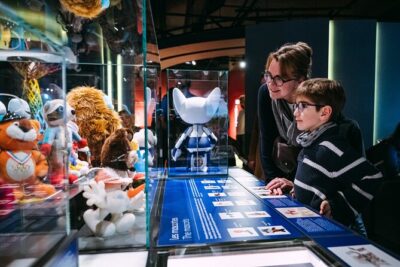
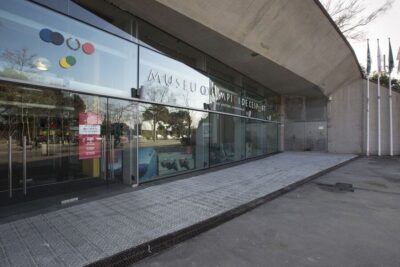
Barcelona: Olympic and Sport Museum – Sports Experience
Read our review →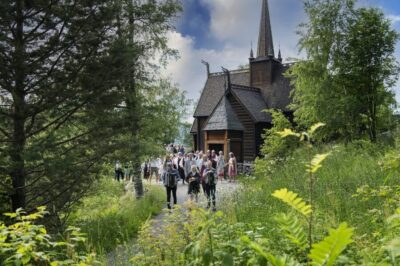
Maihaugen Museum/The Norwegian Olympic Museum, Lillehammer.
Read our review →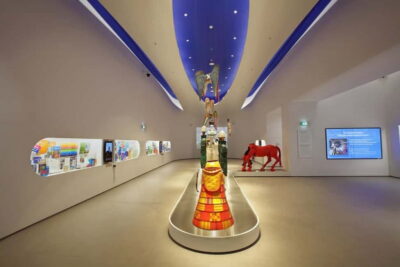
Athens Olympic Museum: Skip-the-Line Entry Ticket
Read our review →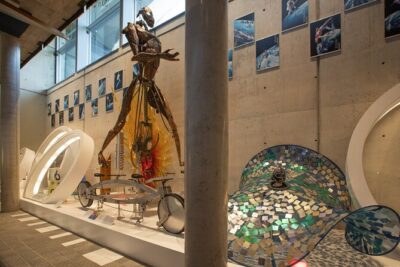
Olympic and Sport Museum of Barcelona “Joan Antoni Samaranch”
Read our review →This one also appears in