
Review · NORWAY
Maihaugen Museum/The Norwegian Olympic Museum, Lillehammer.
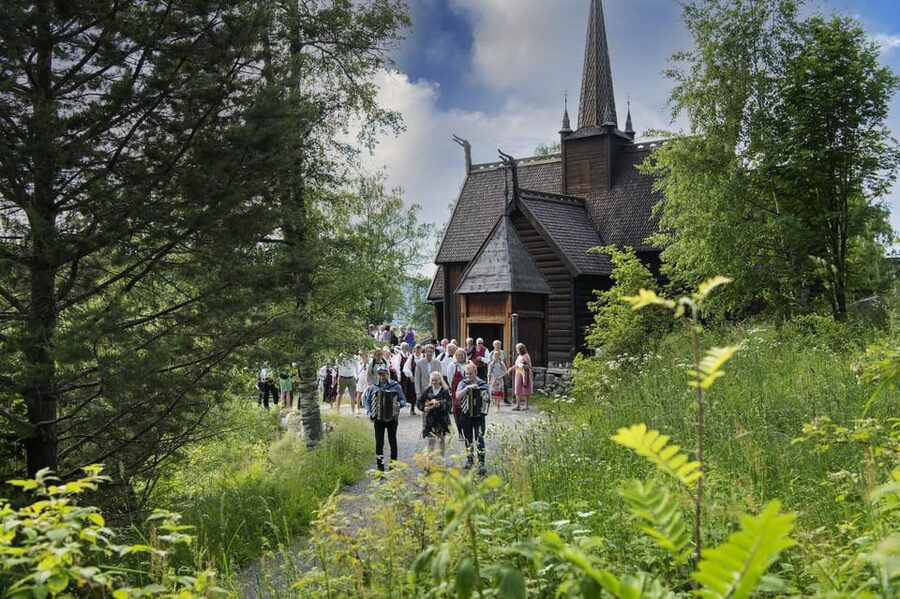
Maihaugen lets you walk through eight centuries of Norwegian life in one large museum area. The 12th-century Garmo stave church, old farm buildings, and carefully arranged homes from the 1900s give you a clear sense of how daily life changed over time.
I like the mix of outdoor buildings and indoor displays, especially the Norwegian Olympic Museum and the easy-to-follow exhibitions on Norwegian culture. The main drawback is seasonal access: in winter, many historic houses are closed, so the outdoor section does not offer the same experience as it does in summer.
Key points
- Garmo stave church: See a remarkable wooden church dating from the 1200s.
- More than 200 historic buildings: Walk through farms, village homes, and houses from the 20th century.
- A full Norwegian timeline: The site shows changing work, homes, customs, and technology across eight centuries.
- Norwegian Olympic Museum: Explore Oslo 1952 and Lillehammer 1994 through objects, films, and interactive displays.
- Summer-only postal history: Visit the Norwegian Postal Museum and its old train postal carriage during the summer season.
- Good one-day value: A $19 ticket covers the open-air museum, indoor exhibitions, Olympic Museum, and summer postal museum.
Why Maihaugen Works So Well as a First Stop in Norway
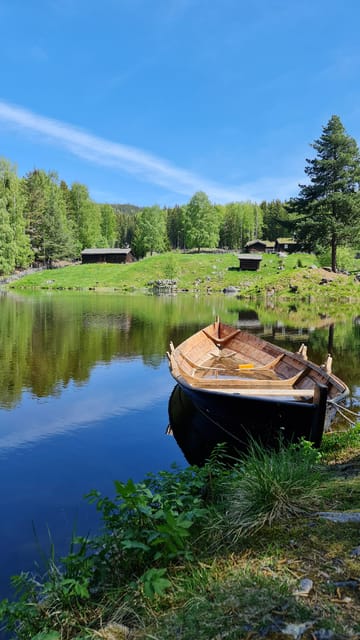
Maihaugen is a useful place to begin a Norway trip because it gives you a broad cultural picture before you visit smaller towns, mountain farms, or historic churches. Instead of seeing one preserved building, you move through homes and working places from several periods.
The museum’s strength is its range. You can begin with medieval wooden architecture, continue through old farm life, and finish with houses from the 20th century. The effect is less like reading a timeline and more like walking through one.
The indoor displays help tie the pieces together. A visit to the open-air section can sometimes leave you wondering how the buildings fit into Norwegian life. The indoor exhibitions provide more explanation about the country’s culture and development, making the whole site easier to understand.
I especially like this combination for a first-time visitor. You are not expected to arrive with much background. The site gives you enough context to recognize why a stave church matters, how rural homes were organized, and why Olympic history carries such weight in Lillehammer.
More Olympic Venues in the world:
- Berlin: Olympia Stadium Entrance Ticket
★ 4.3 · 789 reviews - Tickets and Guided Tour of the Olympic Stadium in Rome and Foro Italico
★ 4.5 · 404 reviews - The Olympic Museum Entrance Ticket in Lausanne
★ 4.5 · 211 reviews
Start at the Visitor Center and Plan Your Route
Begin at the Visitor Center, where the counter and hosts are located. This is the practical starting point for your day, and it is the place to clarify which buildings and exhibitions are open during your visit.
Maihaugen covers a large area, so a little planning saves time. The outdoor museum is not simply one row of buildings. You will move between groups of historic homes, farms, public buildings, and outdoor displays. Since the included attractions change with the season, ask what is open before you set off.
In summer, you can expect more activity in the historic houses. Hosts and actors may be present in period settings, and traditional crafts can be demonstrated. That makes the buildings feel less like empty shells and more like working homes.
In winter, the museum becomes quieter, but the outdoor experience is more limited. One January visit found only a small number of houses open, with the indoor museum providing the clearest explanation of Norwegian culture. You can still see the buildings from outside, but you should not book a winter visit expecting the full summer program.
Garmo Stave Church and Medieval Norway
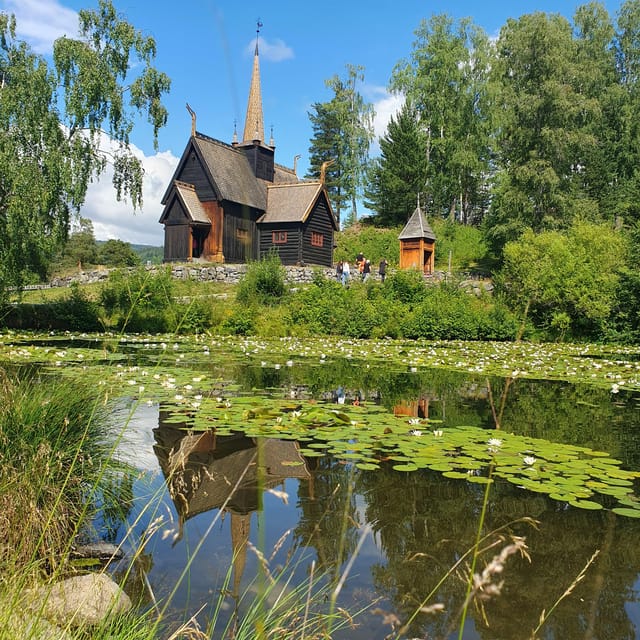
The Garmo stave church is the visual anchor of the historic section. Dating from the 1200s, it gives you a direct look at Norway’s medieval wooden church tradition.
Stave churches are built with upright wooden posts, and their dark timber forms are instantly different from later European stone churches. At Garmo, the construction itself is the main lesson. You can see how skilled carpentry shaped religious buildings in a country where wood was the natural building material.
The church is also a good reminder that Maihaugen is not only about farmhouses. Religion shaped Norwegian life for centuries, and churches were central meeting places as well as places of worship. The church gives the outdoor museum a strong starting point before you continue into homes and farms.
Allow time to look at the church from several angles rather than rushing past it. Its age and wooden design make it one of the clearest highlights of the visit. If medieval Norway is your main interest, this is the building you will want to remember.
Old Farms from the 16th to 19th Centuries
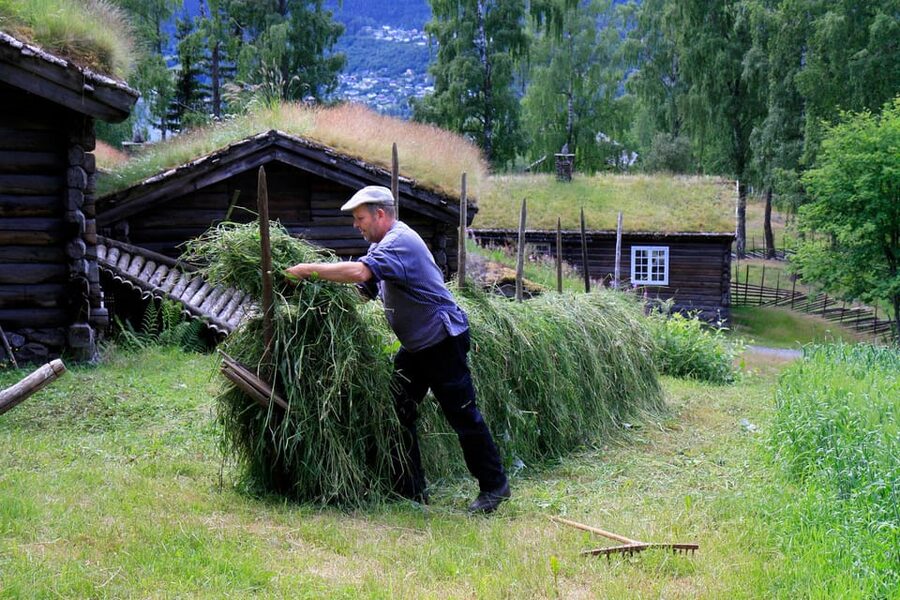
The older farm areas show how Norwegian families lived and worked before modern services and machinery changed everyday life. You will find buildings from the 1500s, 1600s, 1700s, and 1800s, each giving you another piece of rural life.
The value here is in the arrangement of the buildings. A farm was not just one house. Different structures served different jobs, and the relationship between them helps you understand how work was organized.
Look for the contrast between simple living spaces and buildings used for storage, animals, food production, or seasonal work. The sun-darkened timber and traditional forms make these areas feel very different from the later town homes.
During the summer, animals graze among the old buildings, adding a useful reminder that these were working farms, not just displays. Traditional crafts may also be shown in the historic areas. These details help you connect the buildings to the tasks that once took place inside them.
The outdoor museum is at its best when you take your time. If you hurry from one building to the next, the homes can begin to blend together. Give yourself room to notice the different layouts, materials, and signs of changing prosperity.
More Sports Museums in the world:
- Barcelona: FC Barcelona Museum “Barça Immersive Tour” Ticket
★ 4.4 · 10,944 reviews - Liverpool: Liverpool Football Club Museum and Stadium Tour
★ 4.8 · 10,764 reviews - Lisbon: Luz Stadium Tour & SL Benfica Museum Entry
★ 4.7 · 4,102 reviews - Camp Nou Immersive Tour F.C.Barcelona Museum: Open Date Ticket
★ 4.0 · 1,307 reviews
Houses from Every Decade of the 20th Century
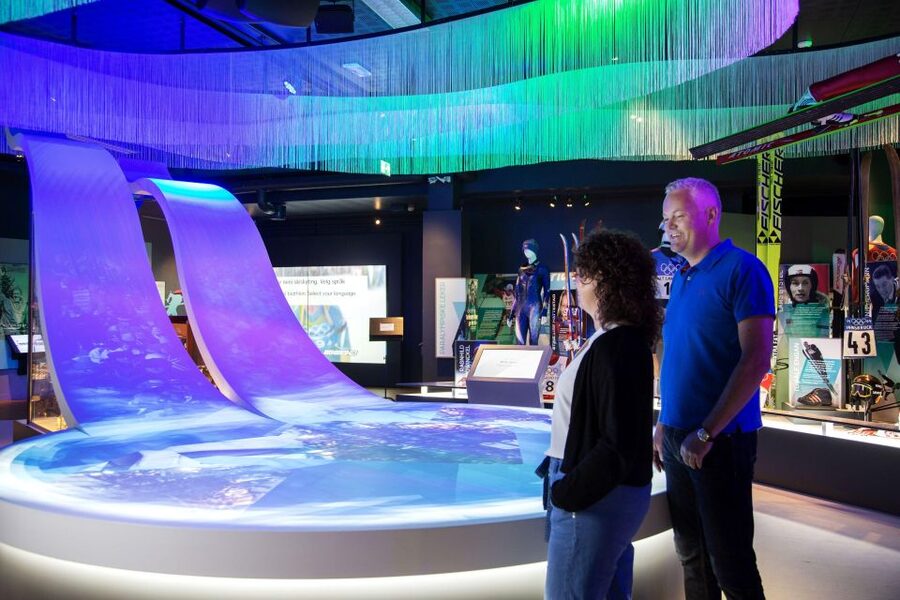
The 20th-century houses are one of Maihaugen’s most useful sections because they show changes that are easier to recognize. Instead of jumping from a medieval farm to a modern museum, you can follow the gradual shift in Norwegian domestic life.
Homes from different decades show changes in design, furniture, household technology, and social habits. A house from the early 1900s feels very different from one from the later part of the century. Together, they show how electricity, modern appliances, new materials, and changing family patterns affected ordinary homes.
I like this section because it makes history feel close. Medieval buildings can seem distant, but many people can recognize features of 20th-century homes and compare them with houses from their own childhood or grandparents’ generation.
The section also helps balance the rural buildings. Maihaugen is not presenting Norway as a country frozen in the past. It shows a society moving from traditional farming toward modern urban and domestic life.
The main challenge is orientation. The site is large, and it may not always be obvious which route gives you the clearest sequence. Keep track of where you have been, and use the information at the Visitor Center to avoid wandering in circles.
Indoor Exhibitions: The Best Choice in Poor Weather
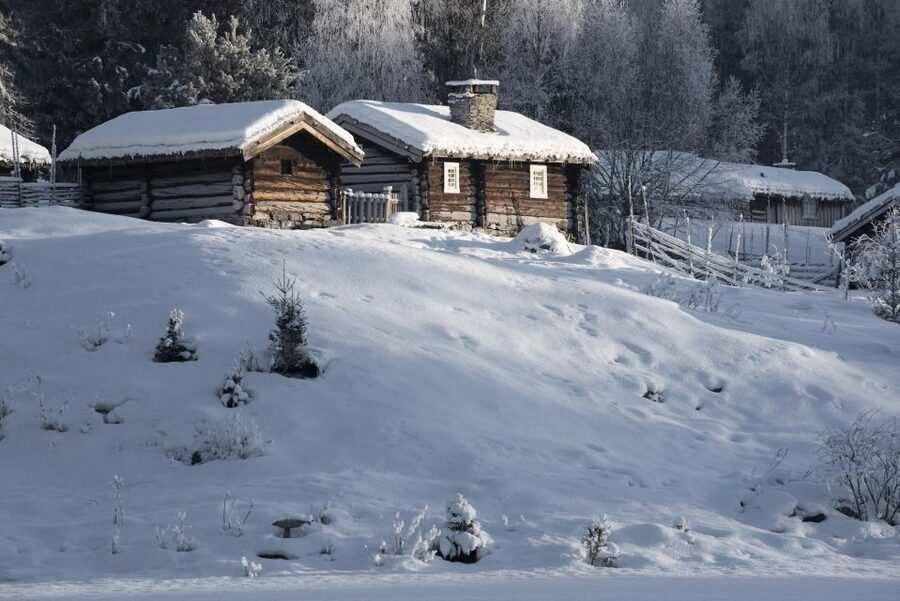
The indoor museum is the safest part of the visit if the weather is poor or if you are visiting outside the main summer season. It provides a more concentrated presentation of Norwegian culture and history.
The exhibition called Impulses is one of the included indoor experiences. The title suggests a focus on the forces and ideas that shaped Norwegian life, and it works as part of the museum’s broader effort to connect objects with social change.
We Won the Land is another important exhibition. It adds context to the country’s development and helps you see how people, place, work, and national identity connect.
The exact balance between indoor and outdoor displays can vary by season. In winter, the indoor portion may be the most informative part of the day because many houses are closed. One winter visit found the covered museum far easier to follow than the open-air section, with clear explanations of Norway’s cultural development.
That advice matters. If you visit in December, January, or another quiet period, plan your day around the indoor exhibitions first. Treat the outdoor buildings as an added look at the site rather than the complete experience.
The Norwegian Olympic Museum at Lillehammer
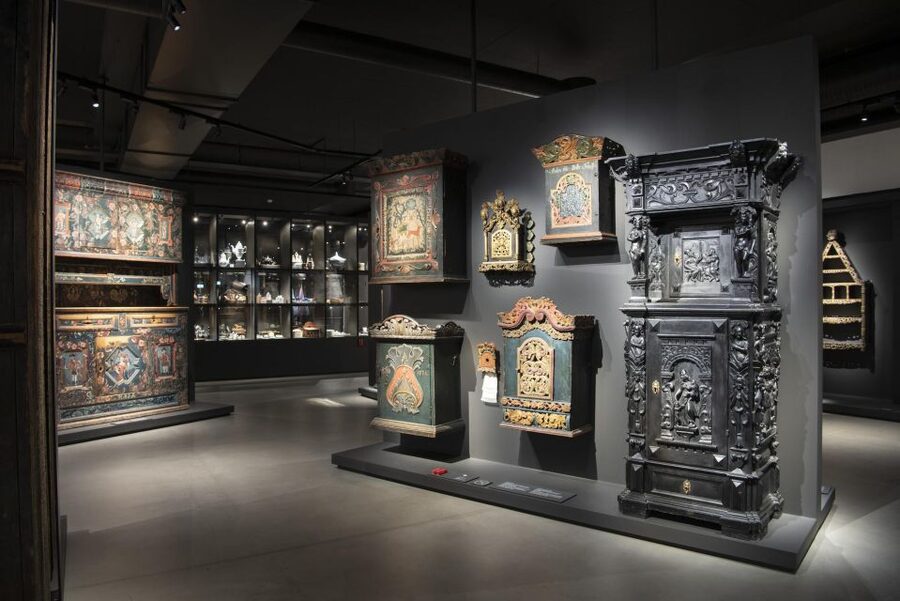
The Norwegian Olympic Museum is included with your Maihaugen admission and gives the day a modern second half. Its focus reaches from the ancient Olympic Games to the present, with particular attention to Oslo 1952 and Lillehammer 1994.
For Lillehammer, the 1994 Winter Olympics are more than a sports footnote. The event is a major part of the town’s modern identity, and the museum explains how Norway presented itself through the Games.
You will find original objects, interactive installations, and films showing major Olympic moments. This makes the museum more active than a simple display of medals and photographs. The films help you understand the drama of the events, while the objects give the story a physical connection.
The Oslo 1952 material adds another layer. Comparing the two Norwegian Olympics lets you see how sporting events, technology, media, and national presentation changed over four decades.
The Olympic Museum is also a useful change of pace after walking through old farm buildings. If you are traveling with children or with someone who is less interested in historic architecture, this section may keep the whole group engaged.
The Norwegian Postal Museum in Summer
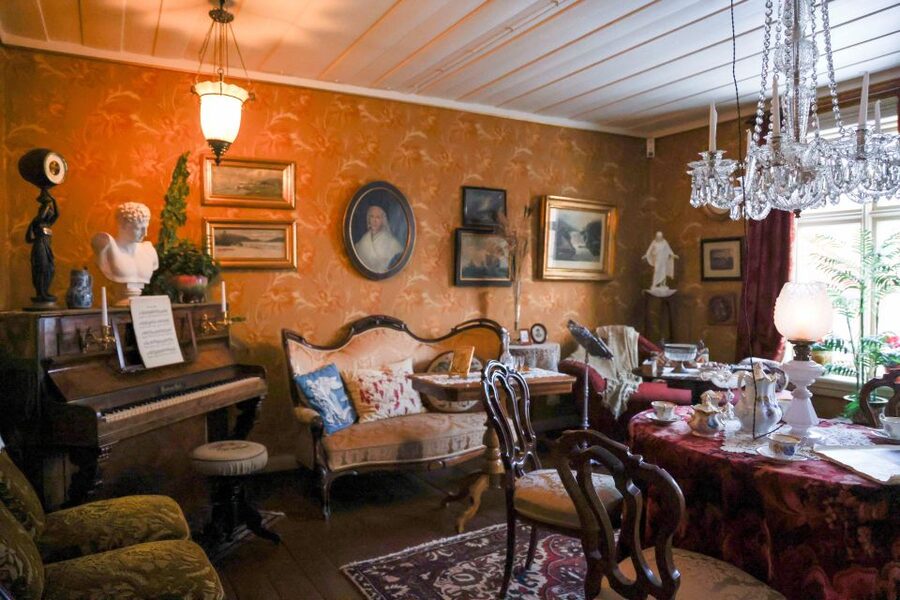
The Norwegian Postal Museum is open during the summer and included with the summer ticket. It has preserved and presented Norwegian postal history since 1947.
The old train with a postal carriage is the feature to look for. It gives you a practical sense of how mail moved through Norway, a country where long distances and difficult terrain made communication a serious challenge.
Postal history can sound narrow, but it often tells you about ordinary life better than grand monuments do. Letters, routes, stations, and delivery systems show how communities stayed connected. The train carriage gives the subject a physical setting that is easier to picture than a row of small objects in glass cases.
If you visit outside summer, the postal museum may not be part of your day. Check the seasonal schedule at the Visitor Center instead of assuming every building is open year-round.
Food, Shopping, and the Shape of the Day
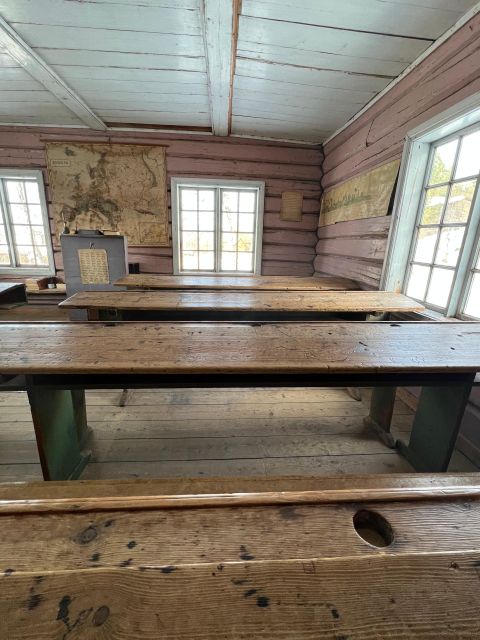
Maihaugen has a cafeteria in the main building open throughout the year. During summer, additional places to eat operate around the open-air museum.
That matters because a full day on the site involves a lot of walking. You can break up the historic sections with a meal or drink rather than leaving the museum to find food elsewhere. Food and beverages are not included in the $19 admission, so budget separately.
The museum shop sells Norwegian design products and other quality goods. It is a better place to look for a small, useful souvenir than a generic gift shop. The selection can also help you continue the museum’s themes of craft, design, and daily life.
I would plan one full day if you want to see the outdoor buildings, indoor exhibitions, Olympic Museum, and summer postal displays without racing. You can see the main highlights in less time, but a hurried visit weakens the point of Maihaugen. The site rewards pauses.
Is the $19 Ticket Good Value?
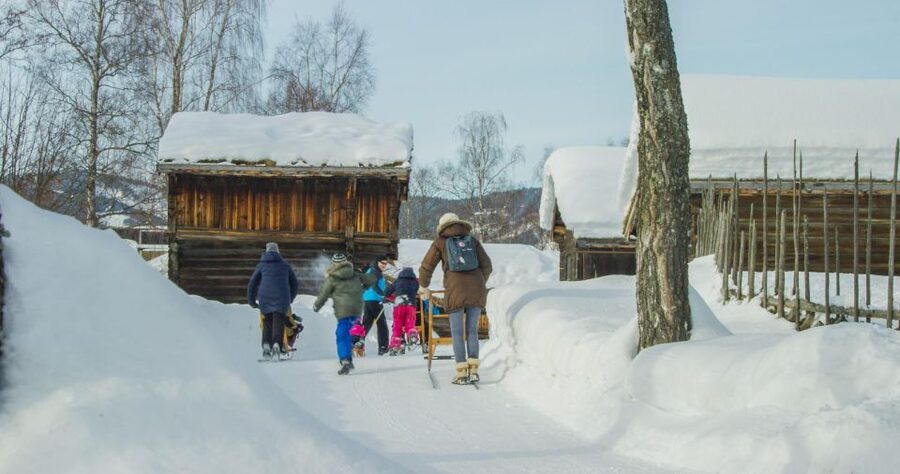
At $19 per person, the ticket covers several different museums in one place. You receive entry to the open-air museum, indoor exhibitions, the Norwegian Olympic Museum, and the Norwegian Postal Museum during summer.
That is strong value if you use the ticket for most of the day. The price is harder to justify if you arrive late, visit in winter, and find many outdoor buildings closed. Seasonal access is the key factor.
Summer gives you the fullest version of Maihaugen: more open houses, more activity, traditional crafts, grazing animals, extra food outlets, and the postal museum. Winter can still work if you care mainly about the indoor exhibitions, Garmo stave church from the outside, and a quiet walk among the buildings.
The ticket also includes enough variety for mixed groups. One person can focus on old architecture, another on Olympic history, and children can move between outdoor spaces and interactive displays. That range is a major part of the price’s value.
Who Should Visit Maihaugen?
I would recommend Maihaugen to you if you want more than a single historic building. It suits anyone interested in Norwegian homes, farming, religion, crafts, design, social change, or Olympic history.
Families have plenty of room to explore, and the mix of outdoor and indoor displays avoids making the day feel like one long museum corridor. The summer program is especially useful for children because historic houses, hosts, animals, and craft demonstrations give them something to watch as well as read.
It also suits road-trip planners. A first visit can give you cultural context for the rest of Norway, which makes later churches, farms, towns, and museums easier to understand.
You may want to choose another activity if you have very little time in Lillehammer, dislike open-air museums, or are visiting in winter with the expectation that every house will be open. The outdoor section is not equally accessible in every season.
The museum is wheelchair accessible, and the visitor support is available in English. Since the grounds are extensive, ask about the most practical route when you arrive.
Booking, Timing, and Cancellation
The activity is valid for one day, with availability and starting times shown when you book. Transportation to and from the museum is not included, so you need to arrange your own way to Lillehammer’s Maihaugen site.
You can cancel up to 24 hours in advance for a full refund. The reserve-now, pay-later option lets you keep your plans flexible without paying at the time of booking.
The stated host language is English. Since this is primarily a museum visit rather than a fixed guided tour, your experience depends more on the exhibits, seasonal openings, and the information available on site than on following one guide for the entire day.
Should You Book Maihaugen?
Book Maihaugen if you want a broad, well-priced look at Norway in one place. The Garmo stave church, old farms, 20th-century homes, Olympic displays, and indoor exhibitions give you far more range than a standard town museum.
Choose summer if the open-air experience is your main reason for going. Choose winter only if you are happy to make the indoor museum your priority and accept that many historic houses may be closed.
For $19, it is a sensible full-day choice in Lillehammer, especially for families, first-time visitors to Norway, and anyone who wants cultural context before continuing through the country. Just check seasonal access, begin at the Visitor Center, and leave enough time to explore at a steady pace.
FAQ
How long is the Maihaugen Museum experience?
The admission is valid for one day. You can use the full day to see the open-air museum, indoor exhibitions, Norwegian Olympic Museum, and, in summer, the Norwegian Postal Museum.
What is included in the admission price?
The ticket includes Maihaugen’s open-air museum, indoor exhibitions, seasonal outdoor exhibitions, the Norwegian Olympic Museum, and the Norwegian Postal Museum during summer.
Is the Norwegian Postal Museum open all year?
No. The Norwegian Postal Museum is open during the summer season. It includes exhibitions about Norwegian postal history and an old train with a postal carriage.
What is the Garmo stave church?
Garmo stave church is a historic wooden church dating from the 1200s. It is one of Maihaugen’s main highlights and represents Norway’s medieval stave church tradition.
Are all the outdoor houses open in winter?
No. Outdoor access changes by season, and many houses may be closed during winter. The indoor museum is generally the more informative part of a winter visit.
Is Maihaugen wheelchair accessible?
Yes, the activity is described as wheelchair accessible. The grounds are extensive, so ask the hosts at the Visitor Center about the most suitable route.
Can I cancel my booking?
Yes. You can cancel up to 24 hours in advance for a full refund. A reserve-now, pay-later option is also available.
New on the fixture list around the world
- Spotify Camp Nou Tour F.C. Barcelona Museum (Open Date Ticket)★ 3.5 · 5 reviews
- Ferrari Driving Experience on a Racetrack★ 5.0 · 11 reviews
- Live Muay Thai Action Ticket at Phetchbuncha Samui Stadium★ 4.0 · 6 reviews
- Football tour: Red Star and Partizan Ultras History★ 5.0 · 14 reviews
- Private 4h Tour Of Camp Nou And Most Emblematic Sites Of Barcelona with pick up★ 4.5 · 3 reviews
- Discover Leo Messi’s secrets at Barça Café – Camp Nou★ 5.0 · 22 reviews
- BARCELONA SPORTS VIP – Camp Nou – La Masia & Montjuic (Olympic)★ 4.5 · 3 reviews
- Olympic and Sport Museum of Barcelona “Joan Antoni Samaranch”★ 4.5 · 22 reviews
More Olympic Venues to weigh up.


Tickets and Guided Tour of the Olympic Stadium in Rome and Foro Italico
Read our review →

Barcelona: Olympic and Sport Museum – Sports Experience
Read our review →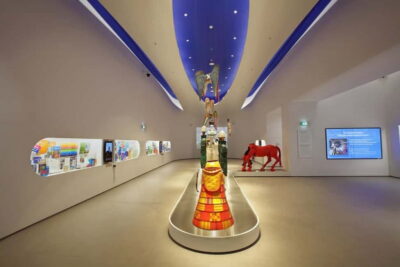
Athens Olympic Museum: Skip-the-Line Entry Ticket
Read our review →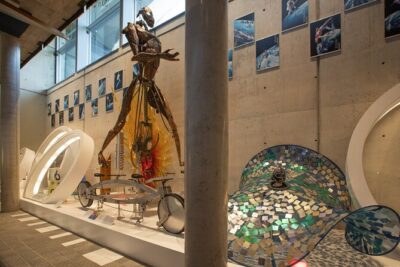
Olympic and Sport Museum of Barcelona “Joan Antoni Samaranch”
Read our review →This one also appears in