
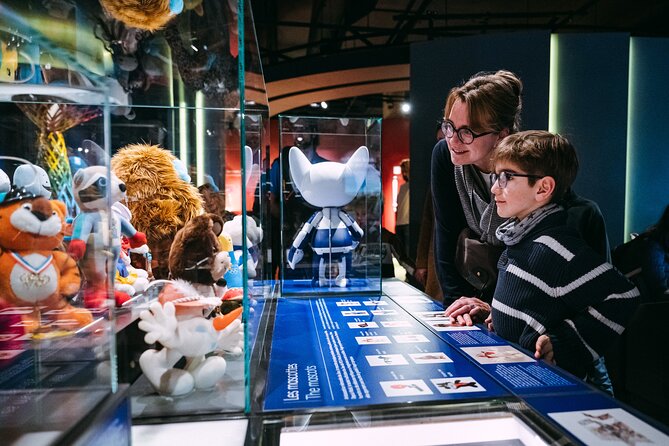
Review · SWITZERLAND
The Olympic Museum Entrance Ticket in Lausanne
The Olympic Museum in Lausanne turns sport into a story about people. Across three floors, you’ll move from Olympic origins and symbols to athlete stories, host cities, volunteers, torches, uniforms, and hands-on displays. The setting helps, too: a sculpture-filled park sits between the city and Lake Geneva.
I like the self-paced format, which lets you linger over the displays that catch your eye instead of following a guide. I also like the mix of serious Olympic ideals and playful interactive features, making this a good stop even if your traveling companions are not devoted sports fans.
The main consideration is time. The advertised visit takes about one to two hours, but the museum can easily hold your attention longer. There is no guided tour, food, or transportation included, so you’ll need to arrange those parts yourself.
Key points to know before you go
- Three floors of Olympic stories: Follow the Games through athletes, host cities, symbols, volunteers, uniforms, torches, and major moments.
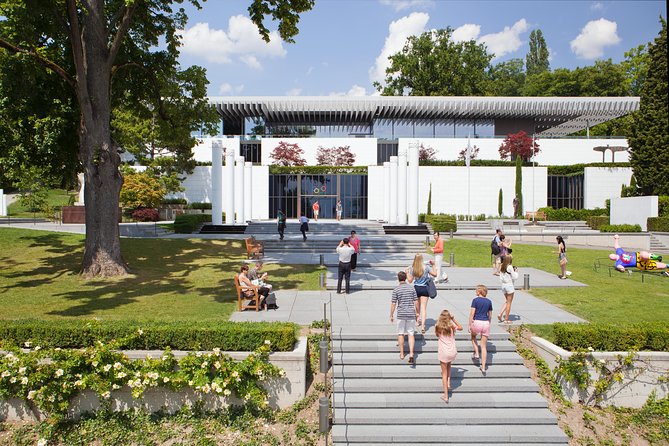
- A scenic arrival: The Olympic park links the museum with sculptures, greenery, the city, and Lake Geneva.
- Interactive displays: Digital content and hands-on elements add variety to the historical exhibits.
- Good for mixed interests: Children and adults can enjoy the museum, even if sport is not your main interest.
- Accessible for many visitors: The museum welcomes people with disabilities, and service animals are allowed.
- Flexible planning: Admission costs $26.63 per person, with a typical visit of one to two hours and free cancellation up to 24 hours ahead.
Lausanne’s Olympic story begins outdoors
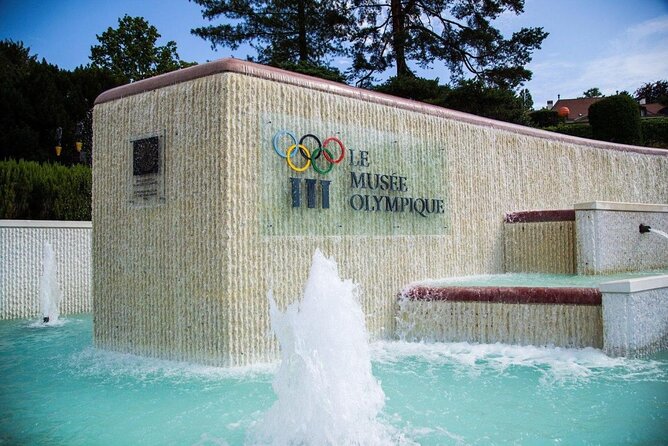
Before you enter the building, take a little time in the Olympic park. This green space between the city and the lake is dotted with sculptures inspired by sport, giving you a fitting introduction before the indoor exhibits begin.
I like this opening because it makes the museum feel connected to Lausanne rather than sealed away in a gallery box. You can arrive, look around, and get a sense of the Olympic spirit before turning to the displays inside.
The setting also gives the visit a pleasant change of pace. If you have spent the morning in Lausanne’s streets or museums, the park provides room to breathe. The lake views add real appeal, though the ticket itself covers the museum, not food, drinks, or transportation to the site.
The museum is near public transportation, which helps if you are building it into a day in Lausanne. The supplied details do not specify a particular bus, train, or route, so check your local connection before setting out.
More Olympic Venues in the world:
- Berlin: Olympia Stadium Entrance Ticket
★ 4.3 · 789 reviews - Tickets and Guided Tour of the Olympic Stadium in Rome and Foro Italico
★ 4.5 · 404 reviews - Lausanne: The Olympic Museum Entry Ticket
★ 4.7 · 123 reviews
Three floors that move beyond medals
Inside, the museum presents Olympism as more than a parade of winners. The displays look at the people, ideas, design, places, and work behind the Games.
You can expect sections covering:
- Olympic history and major moments
- The life stories of prominent athletes
- Host cities and their creative identity
- Volunteers working behind the scenes
- Torches, uniforms, and other Olympic objects
- Interactive and digital content
- Permanent and temporary exhibitions
That range is the museum’s strongest feature. You are not limited to medal counts and famous names. The displays also make room for athletes who may not have reached the podium, showing how effort, setbacks, and personal stories shape the Games.
I especially like that approach for families. A child may not care about a long explanation of Olympic institutions, but a torch, uniform, interactive display, or human story can provide an easy way in. Adults can then spend more time with the historical and cultural material.
The museum’s stated purpose is to show the values that motivate top athletes and challenge people to push beyond their limits. That could sound grand on paper, but the personal stories help make the idea easier to understand. The Olympic ideal becomes less abstract when you see it through individual lives.
Athlete stories with a human focus
The museum presents Olympic champions as superb athletes, but also as ordinary human beings with demanding personal journeys. That distinction gives the visit more warmth than a simple collection of records and trophies.
You’ll encounter stories tied to great Olympic moments, but the emphasis is not only on the final result. The displays invite you to consider discipline, pressure, disappointment, commitment, and the people who help athletes reach the starting line.
This human focus is one of the reasons the museum works for people who are not serious sports followers. You do not need to know every champion or remember every host city. The personal stories provide enough context to keep the visit moving.
If you are passionate about sport, you may want to read nearly everything. If you are less interested, you can move at your own pace and focus on the objects and interactive features. That freedom is valuable because the museum does not force every visitor through the same level of detail.
Torches, uniforms, and the design of the Games
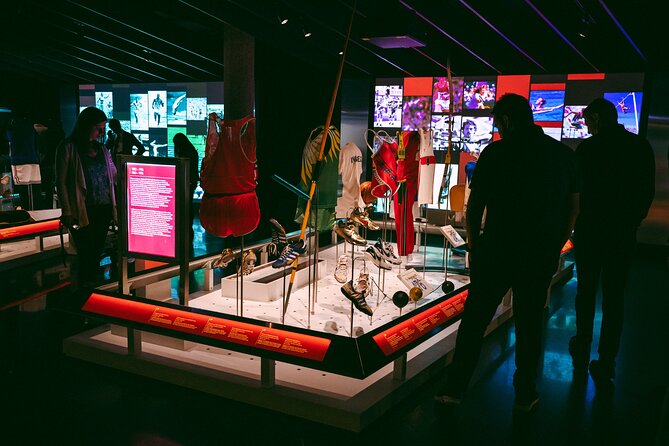
The collection of torches and athlete uniforms gives the museum a strong visual center. These objects show how the Games change from one host city to another, while still keeping familiar Olympic traditions.
A torch is more than a ceremonial object. Its shape, materials, and design reflect the era and place where it was used. Uniforms tell a similar story through color, cut, and national identity. Seeing several together makes the Olympic movement feel less like one fixed event and more like a series of changing cultural moments.
The exhibits also explore the creative side of the Games. Host cities bring their own style and ideas, and the museum gives you a chance to see how that identity appears through design and presentation.
This section should appeal to visitors who enjoy visual culture, fashion, architecture, or graphic design. It is also a useful pause between denser historical displays.
More Sports Museums in the world:
- Barcelona: FC Barcelona Museum “Barça Immersive Tour” Ticket
★ 4.4 · 10,944 reviews - Liverpool: Liverpool Football Club Museum and Stadium Tour
★ 4.8 · 10,764 reviews - Lisbon: Luz Stadium Tour & SL Benfica Museum Entry
★ 4.7 · 4,102 reviews - Camp Nou Immersive Tour F.C.Barcelona Museum: Open Date Ticket
★ 4.0 · 1,307 reviews
Interactive exhibits keep the pace lively
The interactive sections are a major reason the museum suits both children and adults. Digital content is included with admission, and the hands-on elements add movement to what could otherwise be a largely display-based visit.
You might find yourself spending more time at an interactive station than expected. That is useful to remember when planning your schedule. The one to two hour estimate is a reasonable starting point, but it is not a strict limit on how long the museum can hold you.
For families, interactive material helps prevent the visit from becoming a slow march past glass cases. For adults, it offers a change of rhythm and a more direct way to engage with Olympic themes.
The museum is self-paced, so you can skip an activity that does not interest you or return to one that does. There is no included guided tour directing your attention, which some people will see as a drawback and others will appreciate.
Volunteers and host cities complete the picture
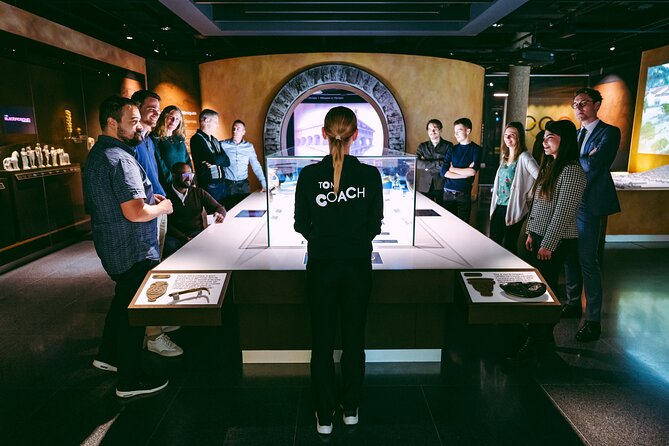
The Olympic Games rely on far more than athletes. Volunteers, organizers, designers, and host communities all shape the event, and the museum makes room for those people behind the scenes.
This broader view is important. It shows why the Games are not simply a contest between individuals. Each edition depends on a large network of people who prepare venues, welcome visitors, support athletes, and keep events moving.
The host city displays add another layer. You’ll see how different cities bring their own creative flair to the Olympic setting. That makes the museum useful for anyone interested in cities and culture, not just sport.
I find this balance one of the museum’s best qualities. It gives you the famous moments, but it does not let the famous moments swallow everything else.
How long should you allow?
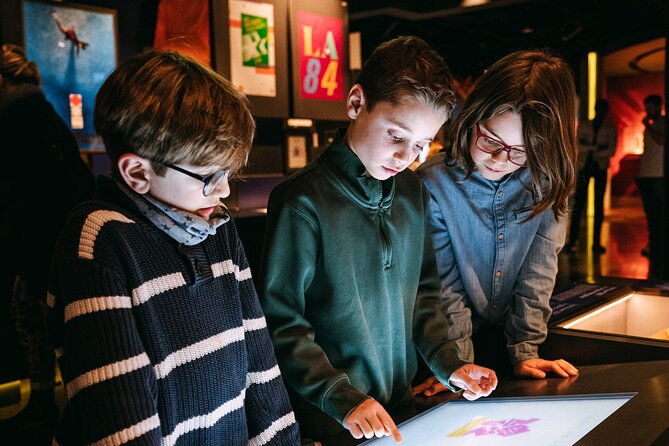
The official estimate is one to two hours. That works if you keep moving and focus on your favorite sections.
I would allow at least two hours if you want to read carefully, use the digital content, enjoy the interactive displays, and spend time in the park. The information provided for this experience does not set a maximum visit time, and the self-guided format gives you room to choose your own pace.
You can also treat the museum as part of a larger Lausanne outing. The park and lake setting make it easier to combine the visit with time outdoors. The panoramic restaurant and boutique offer options for extending the stop, though food, drinks, and shopping are not part of the admission price.
The restaurant may appeal if you want views with your meal. The boutique is useful if you want an Olympic-themed souvenir. Neither should be treated as included value in the $26.63 ticket.
Is the $26.63 ticket good value?
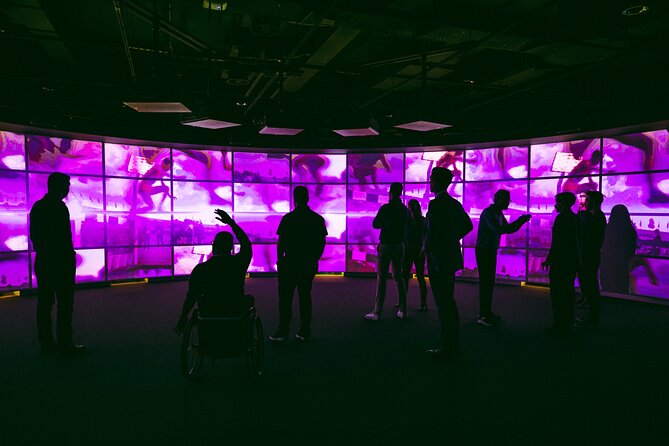
At $26.63 per person, this is not a quick, low-cost attraction. The value depends on how much time you give it and how much you enjoy museums that mix objects, stories, and interactive material.
The ticket includes entrance to both permanent and temporary exhibitions, as well as digital content. That is a stronger offer than admission to a single small display, especially if you spend close to two hours inside.
I see the ticket as good value for:
- Olympic and sports fans
- Families with children
- People interested in design, cities, and cultural events
- Visitors who enjoy self-guided museums
- Anyone looking for a structured indoor stop with outdoor views nearby
It may feel less worthwhile if you only want a quick look at Olympic memorabilia or if you dislike reading and interactive exhibits. The museum is built around stories and presentation, not just a few famous objects.
A possible extra cost is food. The panoramic restaurant is optional, and meals and drinks are not included. A boutique visit is also extra. Plan your budget with the admission price separate from those choices.
Accessibility and family planning
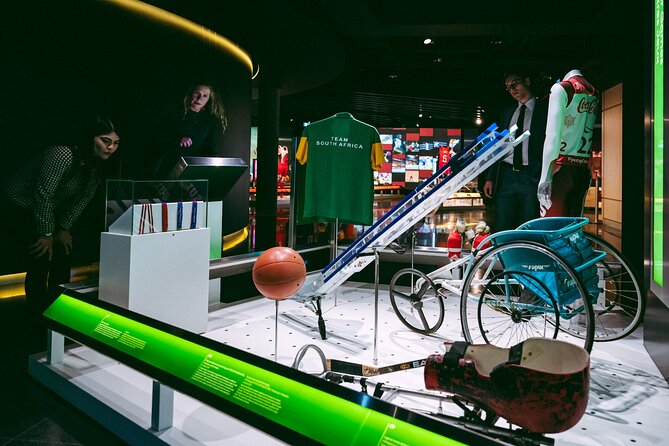
The Olympic Museum is wheelchair-accessible and welcomes people of all abilities. That makes it a practical choice for a mixed group, especially since the visit is self-paced and does not depend on keeping up with a guide.
Service animals are allowed. Children must be accompanied by an adult, so families should plan for supervision throughout the visit.
The museum’s combination of objects, stories, and interactive features can work well across age groups. An eight-year-old may respond most to the hands-on elements, uniforms, torches, and visual displays, while adults may spend more time with the stories of athletes, host cities, and volunteers.
There is one useful detail about audio guides. They are described as free and available at the desk while supplies last, but they are not listed as a guaranteed part of the ticket. If you want one, ask at entry rather than assuming it will be waiting for you.
Tickets, timing, and practical details
You receive confirmation at booking, and the ticket is mobile, which keeps the entry process simple. The experience is offered in English, making it easy to plan for English-speaking visitors.
The listed start time is 9:00 am. Since the museum is self-guided, this functions as the stated starting point rather than the beginning of a scheduled talk or group tour.
The booking has a maximum of 10 participants, but there is no guided tour included. That means you should expect to explore independently rather than follow a named guide. No guide names are provided for this experience.
Free cancellation is available if you cancel at least 24 hours before the local start time. Cancellations made less than 24 hours in advance are not refunded, and changes within that period are not accepted.
The ticket does not include transportation to or from the museum. It also excludes food, drinks, and guided touring. These are small details, but knowing them prevents a surprise when you plan the day.
Who should book the Olympic Museum?
I would choose this museum if you want a thoughtful Lausanne attraction with both indoor exhibits and outdoor scenery. It is especially suitable for families, Olympic fans, and people who enjoy learning through objects and interactive displays.
You should also consider it if someone in your group is not a sports enthusiast. The exhibits reach into personal stories, design, host cities, volunteer work, and cultural presentation, so the visit is not limited to athletic records.
I would hesitate only if your schedule allows less than an hour or if you want a guided explanation from a live expert. This ticket gives you access and digital content, but not a guided tour.
For the best experience, arrive with enough time to explore the park, move through all three floors, and pause at the displays that interest you. The museum rewards curiosity more than speed.
FAQ
How much does admission to the Olympic Museum cost?
The listed price is $26.63 per person.
How long does a visit take?
The approximate duration is one to two hours. You may spend longer if you read carefully, use the interactive displays, or take time in the Olympic park.
What does the ticket include?
Admission includes the permanent and temporary exhibitions, plus digital content.
Is a guided tour included?
No. A guided tour is not included. You explore the museum at your own pace.
Is transportation included?
No. Transportation to and from the attraction is not included. The museum is near public transportation.
Is the museum wheelchair-accessible?
Yes. The museum is wheelchair-accessible and welcomes visitors of all abilities.
Are service animals allowed?
Yes. Service animals are allowed.
Can children visit the museum?
Yes. Children can participate, but they must be accompanied by an adult.
Is food included with admission?
No. Food and drinks are not included. The museum also offers an optional panoramic restaurant.
Can I cancel for a refund?
Yes. You can receive a full refund if you cancel at least 24 hours before the experience start time. Cancellations or changes made less than 24 hours in advance are not accepted for a refund.
Is the ticket mobile?
Yes. The experience offers a mobile ticket.
What language is offered?
The experience is offered in English.
New on the fixture list around the world
- Spotify Camp Nou Tour F.C. Barcelona Museum (Open Date Ticket)★ 3.5 · 5 reviews
- Ferrari Driving Experience on a Racetrack★ 5.0 · 11 reviews
- Live Muay Thai Action Ticket at Phetchbuncha Samui Stadium★ 4.0 · 6 reviews
- Football tour: Red Star and Partizan Ultras History★ 5.0 · 14 reviews
- Private 4h Tour Of Camp Nou And Most Emblematic Sites Of Barcelona with pick up★ 4.5 · 3 reviews
- Discover Leo Messi’s secrets at Barça Café – Camp Nou★ 5.0 · 22 reviews
- BARCELONA SPORTS VIP – Camp Nou – La Masia & Montjuic (Olympic)★ 4.5 · 3 reviews
- Olympic and Sport Museum of Barcelona “Joan Antoni Samaranch”★ 4.5 · 22 reviews
More Olympic Venues to weigh up.
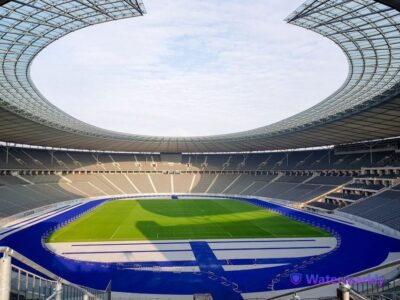
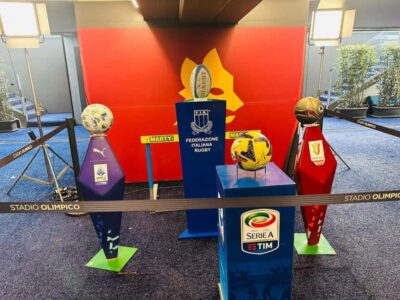
Tickets and Guided Tour of the Olympic Stadium in Rome and Foro Italico
Read our review →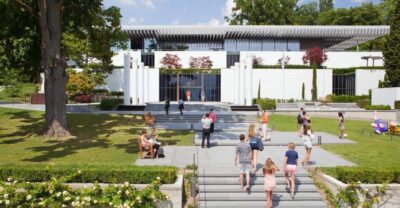
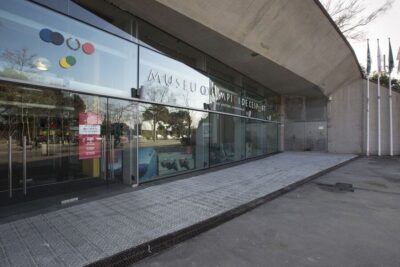
Barcelona: Olympic and Sport Museum – Sports Experience
Read our review →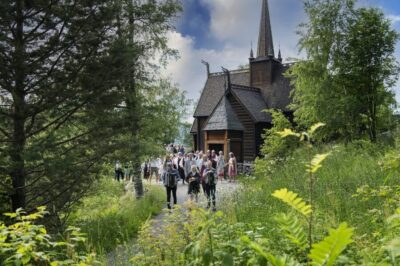
Maihaugen Museum/The Norwegian Olympic Museum, Lillehammer.
Read our review →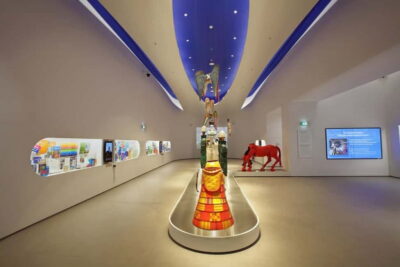
Athens Olympic Museum: Skip-the-Line Entry Ticket
Read our review →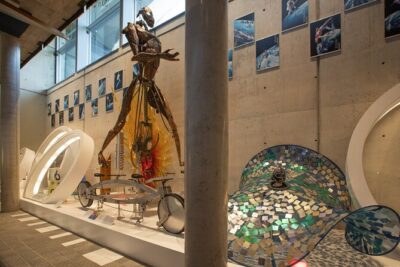
Olympic and Sport Museum of Barcelona “Joan Antoni Samaranch”
Read our review →This one also appears in