
Review · ROME
Ticket to Piazza Navona Undergrounds Stadium of Domitian
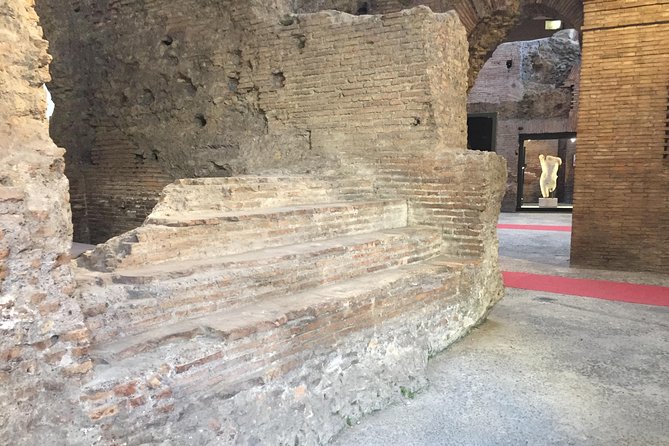
Beneath Piazza Navona lies the Stadium of Domitian, a Roman sports arena hidden under today’s streets and buildings. You descend about five metres below street level to see brickwork, arches, fragments, displays, and unpublished images that explain how this part of Rome developed.
I like the freedom to move at your own pace, and I like the price: $12.10 is modest for a short, well-presented stop in central Rome. The audio guide and clear display panels make the remains easier to understand than they would be on their own. The main drawback is scale. This is a small underground museum, not a vast archaeological complex, and some visitors may finish in 30 minutes.
I also appreciate how well it fits into a busy day. You can visit between Piazza Navona, the Pantheon, and other central sights without giving up half a day. Just allow extra time to find the doorway on Via di Tor Sanguigna 3, since the entrance is not always well marked.
Key points to know before visiting
- Five metres beneath Piazza Navona: See the excavated remains of Rome’s first and only masonry stadium.
- Self-guided and flexible: Use the handheld audio guide, children’s audio guide, signs, photos, and videos at your own speed.
- A short central-Rome stop: Plan on 40 to 50 minutes, with some visitors spending closer to 30 minutes.
- Good value at $12.10: The ticket costs far less than many major Roman attractions and fills a useful gap between larger visits.
- Optional visual extras: A 3D or VR presentation may be available for an additional charge, reported as about €4.
- Find the entrance carefully: Go to Via di Tor Sanguigna 3 and do not depend on older directions referring to the nearby Raphael Hotel.
What lies below Piazza Navona
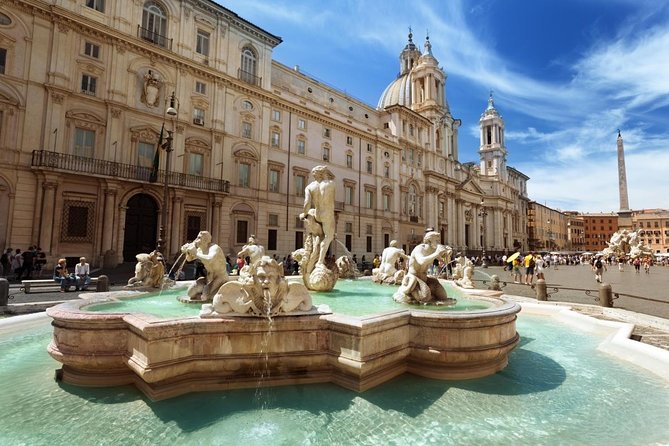
Piazza Navona is famous for its fountains, cafés, street artists, and grand Baroque buildings. Underneath it is an older layer of Rome: the Stadium of Domitian, built during the Roman Empire as a place for athletic contests and public spectacles.
This was not a temporary wooden arena. The site contains the remains of the first and only masonry stadium in Roman history, at least according to the interpretation presented at the museum. That detail helps explain why the visit is worthwhile even when only part of the structure remains.
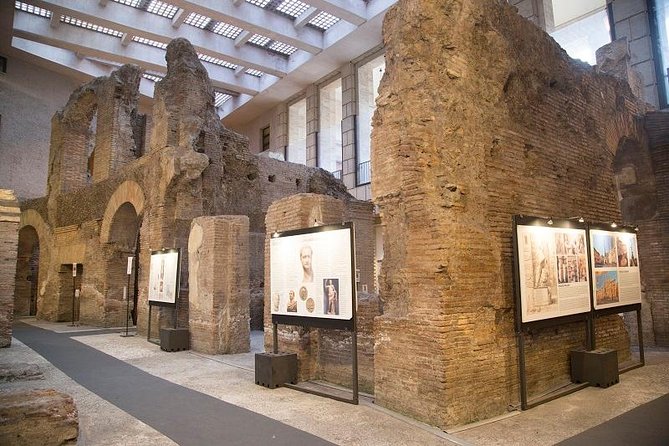
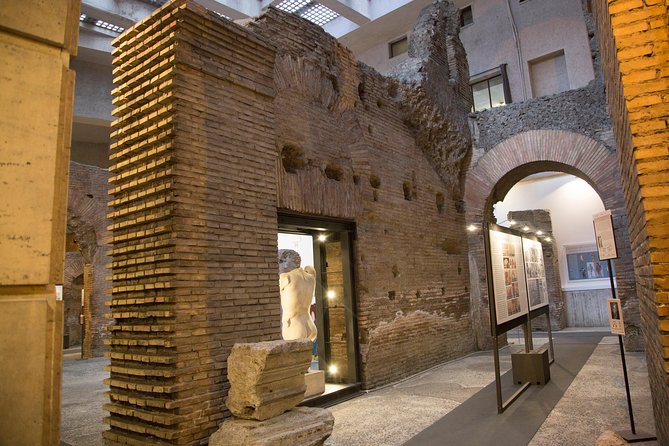
As you walk through the excavations, you see stretches of ancient masonry, brick columns, arches, and broken sculptural fragments. The surviving pieces are not as complete or dramatic as the Colosseum. You need to picture the stadium as a whole, using the displays and reconstructions to fill in the gaps.
That act of reconstruction is part of the appeal. Modern Rome sits directly above the ancient site, so the visit gives you a clear sense of how the city has been built in layers. The piazza above is not simply near the ruins. It occupies the same urban space, centuries later.
More Ancient Arenas and Colosseum Tours in Rome:
- Rome: Colosseum Underground and Arena Tour
★ 4.7 · 1,002 reviews - Piazza Navona Underground: Stadium of Domitian EXCLUSIVE TOUR – LIMITED ENTRANCE
★ 4.5 · 129 reviews - Rome: Private Colosseum Arena Tour With Roman forum Access
★ 4.5 · 94 reviews
The route through the underground museum
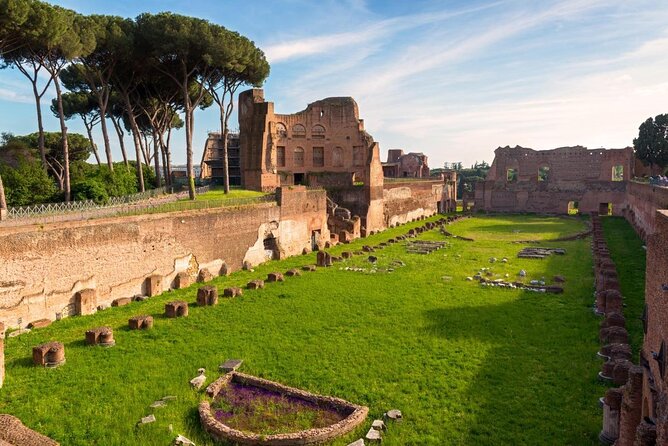
The visit begins at the entrance on Via di Tor Sanguigna 3. You go down into the excavated area, roughly five metres below the modern street. The museum opened these underground levels to the public in 2014, so it feels newer and more controlled than some of Rome’s rougher archaeological sites.
The route is self-guided. You receive an audio device and follow the numbered or arranged displays at your own pace. The recording explains the stadium, the history of Piazza Navona, ancient Roman sports, and the uses of different parts of the structure.
I like this format for a site of this size. You are not tied to a guide’s schedule, and you can pause when a display catches your attention. Families can move more quickly through the material, while history fans can spend longer with the panels and images.
The audio guide is generally clear and thorough, but it may feel too long for some listeners. If you prefer short explanations, read the signs and use the audio selectively. Several parts of the recording repeat information found on the wall panels, so you do not need to listen to every section to understand the site.
There is also an audio guide intended for children aged six and above. That makes the visit more practical for families, especially since the underground setting gives children a physical sense of what lies below the piazza.
Ancient masonry, sports, and lost scale
The central subject here is sport. The museum explains how the Stadium of Domitian was used and places ancient athletic events in their Roman setting.
You will not see a complete arena with its seating restored. Instead, you see fragments of the structural remains and learn how the original stadium worked. The displays and reconstruction images are important because the surviving walls alone can look like a collection of brickwork.
Some visitors find the ruins fascinating precisely because they are partial. Others expect a larger and more dramatic site and feel disappointed by the limited amount on view. I would set your expectations before you arrive: this is an archaeological introduction, not a full-size monument visit.
The optional 3D or VR presentation can help with that problem. It shows how the stadium may have looked in earlier periods and how the site changed over time. The extra experience has been described as costing about €4, so check the price before paying. It is not part of the basic ticket, and the additional charge may not be obvious at the entrance.
If you have trouble imagining ancient buildings from foundations and walls, the visual reconstruction is likely worth considering. If you already enjoy reading archaeological plans and labels, the standard visit may be enough.
Why the audio guide matters here
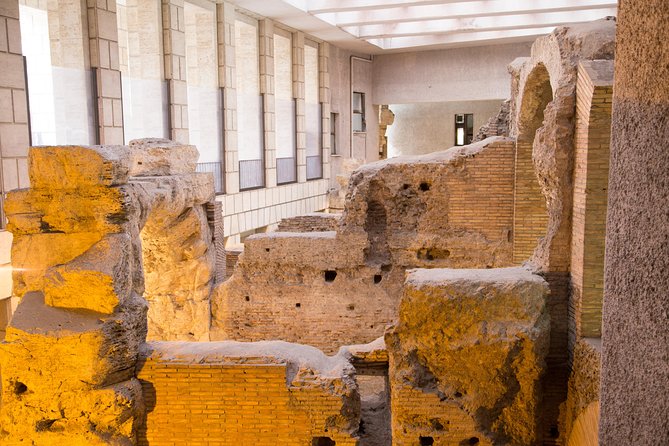
At a large site such as the Colosseum, the scale itself tells you something. At the Stadium of Domitian, the remains need more explanation. The audio guide gives meaning to walls that might otherwise seem plain.
The device covers the original stadium, the history of Piazza Navona, and ancient Roman sports. The printed material and videos add another layer, including unpublished photos and visual information about the excavations.
I would use the audio guide in combination with the signs rather than treating it as the only source. Some parts of the narration are described as lengthy, while the plaques let you get the key facts faster. A balanced approach lets you hear the larger story without standing through every minute of the recording.
Equipment reliability is worth keeping in mind. Most of the supplied comments describe the audio working well, but there have also been complaints about dead batteries and malfunctioning units. If your device stops working, return to reception promptly and ask for a replacement rather than trying to manage the whole visit without sound.
The on-site library and shop add context before or after the ruins. It carries art and history books, antique prints, postcards, artistic craft souvenirs, multimedia DVDs, and children’s items. DVD and souvenir photos cost extra.
More sporting days out around Rome:
- Exclusive Golf Tour Private VIP with Local & Gelato o Wine
★ 5.0 · 500 reviews - Tickets and Guided Tour of the Olympic Stadium in Rome and Foro Italico
★ 4.5 · 404 reviews - ROME: Golf-Cart Private Tour
★ 5.0 · 112 reviews - Olympic Stadium Tour with Expert Guide in Rome
★ 4.5 · 86 reviews
A cool break from Rome’s heat
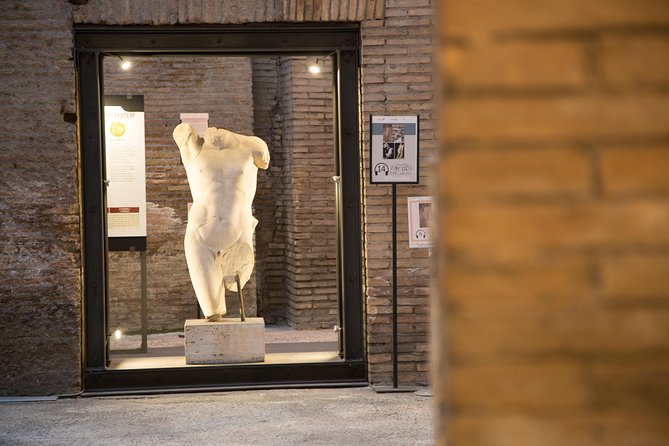
The underground setting has a practical benefit in summer. After walking through sunny streets and crowded squares, you can spend about an hour in a cooler interior while still seeing something tied directly to ancient Rome.
This is especially useful as a pause between larger attractions. The visit does not demand the stamina or concentration of a long museum tour, and it returns you to the same central neighborhood when you finish.
The site is also often calmer than Rome’s headline monuments. That does not mean it will always be empty, but the underground rooms can offer a quieter hour away from the busiest streets. I would not book this as your only ancient Roman sight, but I would consider it a sensible addition to a day around Piazza Navona.
Comfortable walking shoes are recommended. The visit involves walking through the excavated area and descending below street level, so good footwear makes the short tour more pleasant.
Location and timing in central Rome
The meeting point is Via di Tor Sanguigna 3, 00186 Rome. The activity ends at the same place. It is near public transportation and sits in one of the city’s most useful sightseeing areas.
The entrance can be difficult to identify. Older directions may refer to the nearby Raphael Hotel, but that reference is no longer reliable because the hotel has closed. Use the street address and look carefully for the entrance rather than wandering around Piazza Navona without a plan.
The stated opening hours are 10 a.m. to 6 p.m., Monday through Sunday, for the listed operating period. Confirmation is provided at booking, and the mobile ticket makes it easy to carry the reservation on your phone.
The experience can accept up to 150 people, though the actual underground exhibition is small. That maximum does not mean you should expect a group of 150 moving together. It does mean busy periods may feel more confined inside, especially around the audio stations and displays.
Because the visit takes less than an hour, I would place it between timed activities rather than building an entire morning around it. Leave a little extra time for finding the door and collecting the audio device.
Is $12.10 good value?
At $12.10 per person, this is one of the more affordable archaeological visits in central Rome. The value comes from the location, the short time commitment, and the amount of interpretation included.
You are paying for access to a genuine underground Roman site, an audio guide, children’s audio content for ages six and up, displays, and supporting media. The ticket does not include food, drinks, hotel transportation, souvenir photos, DVDs, or the optional VR experience.
The price works best if you already plan to spend time around Piazza Navona. You can add the visit without paying for a taxi or making a long journey across town. It is also a useful choice for repeat visitors who have already seen the Colosseum and want a different view of ancient Rome.
The value is less clear if you have only one short day in Rome. In that case, the Colosseum, Roman Forum, and Pantheon may deserve priority. The Stadium of Domitian adds detail and atmosphere, but it cannot match the scale of those major sites.
Who should book this visit?
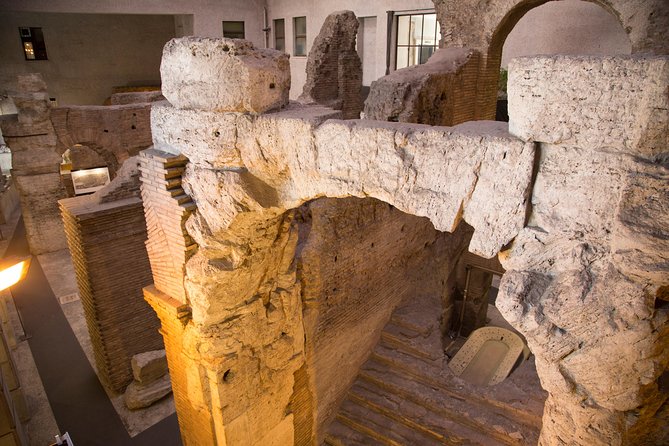
I would recommend it to anyone interested in Roman archaeology, urban layers, ancient sports, or the story beneath familiar landmarks. It suits solo visitors, couples, and families because the audio guide lets each person set a comfortable pace.
It is also a good choice for repeat visits to Rome. You may have crossed Piazza Navona several times without realizing that an ancient stadium survives underneath. That change in perspective is the strongest reason to go.
Families should appreciate the children’s audio option and the short duration. History fans will enjoy the masonry, photographs, and explanations of the stadium’s original use. Visitors who prefer grand monuments, sweeping views, or highly social guided tours may find the experience too small and too quiet.
The audio guide is included, but it is not mandatory for every person in your group. If one device is available, you can combine listening with reading the panels, though sharing may be less comfortable.
Cancellation is free if you cancel at least 24 hours before the start time. Changes or cancellations inside that period are not accepted for a refund.
Should you book the Stadium of Domitian?
Book it if you want a short, inexpensive look at a real Roman site beneath one of the city’s most famous squares. The audio guide, visual material, and optional reconstruction help you understand remains that would otherwise be easy to overlook.
Skip it if your schedule is packed with Rome’s major monuments or if you want a large, dramatic ruin with plenty of open space. This is a compact museum, and 30 to 50 minutes is enough for most visits.
For me, the deciding factor is location. If you are already visiting Piazza Navona, the Pantheon, or nearby streets, $12.10 buys a useful and thoughtful extra stop. Just find the entrance carefully, allow for the smaller scale, and consider the VR option only after confirming its separate price.
FAQ
How long does the Stadium of Domitian visit take?
The visit lasts approximately 40 to 50 minutes. Some people complete it in about 30 minutes, while others spend closer to an hour with the audio guide and displays.
Where is the entrance?
The meeting point is Via di Tor Sanguigna 3, 00186 Rome, Italy. The entrance can be difficult to spot, so use the street address rather than relying on older directions involving the nearby Raphael Hotel.
What is included in the ticket?
The ticket includes admission, an audio guide, a children’s audio guide for children aged six and above, and taxes.
Is the audio guide included?
Yes. An audio guide is included with admission. The visit is self-guided, so you can listen and move through the exhibits at your own pace.
Is there an audio guide for children?
Yes. A children’s audio guide is available for children aged six and older.
Is the optional VR experience included?
No. The 3D or VR presentation is an additional experience. The available information indicates an extra cost of about €4, but you should confirm the current price before purchasing it.
What are the opening hours?
The stated hours are Monday through Sunday, 10 a.m. to 6 p.m., during the listed operating period from September 20, 2017, to February 16, 2027.
Can I cancel for a full refund?
Yes, if you cancel at least 24 hours before the experience start time. Cancellations or changes made less than 24 hours before the start time are not accepted for a refund.
Is the site accessible by public transportation?
Yes. The site is near public transportation. Comfortable walking shoes are recommended for the visit.
New on the fixture list around Rome
- Rome: Navona Underground & Domitian Stadium Guided Tour★ 4.6 · 36 reviews
- Rome: Full Experience Colosseum Arena Tour (MAX 10 PEOPLE)★ 5.0 · 8 reviews
- Rome: Colosseum Arena Tour with Forum and Palatine Access★ 4.6 · 13 reviews
- Private golf-cart tour in Rome★ 5.0 · 2 reviews
- Rome: Stadium of Domitian Entry and City of Rome Audioguide★ 4.3 · 12 reviews
- Colosseum Arena Tour, Palatine Hill and Roman Forum★ 5.0 · 4 reviews
- Rome: Guided Group Tour of Colosseum, Palatine Hill & Roman Forum★ 5.0 · 65 reviews
- Full day private guided tour of Rome by golf-cart & Colosseum and Roman Forum★ 5.0 · 65 reviews
More Italy Sports Experiences to weigh up.
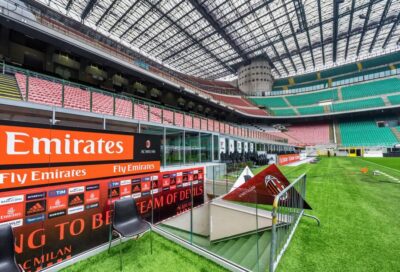
Milan: San Siro Stadium and Museum Guided Tour
Read our review →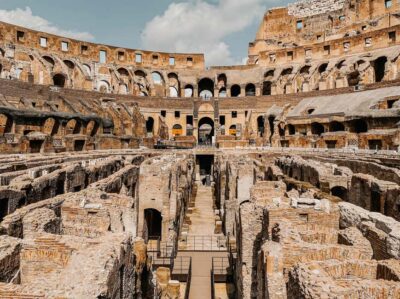
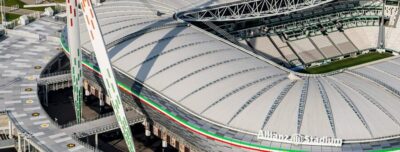
Turin: Juventus Museum entry ticket & Stadium Tour
Read our review →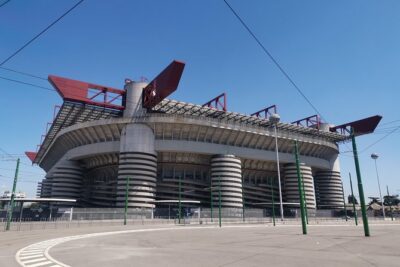
Milan: Official San Siro Stadium and Museum Tour
Read our review →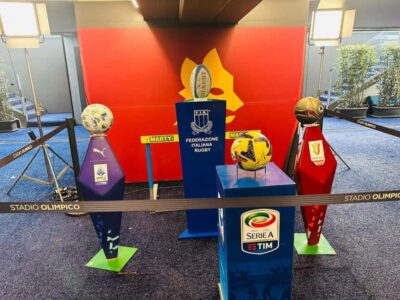
Tickets and Guided Tour of the Olympic Stadium in Rome and Foro Italico
Read our review →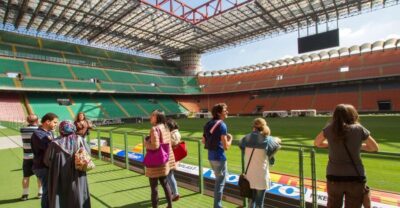
Milan: San Siro Stadium Entry Ticket and Optional Bus Ticket
Read our review →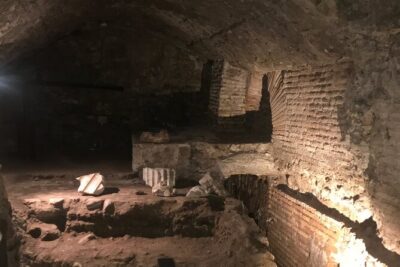
Piazza Navona Underground: Stadium of Domitian EXCLUSIVE TOUR – LIMITED ENTRANCE
Read our review →
Naples: Maradona Stadium Guided Exterior Walking Tour
Read our review →This one also appears in