
Review · ROME
Colosseum Arena Tour, Palatine Hill and Roman Forum
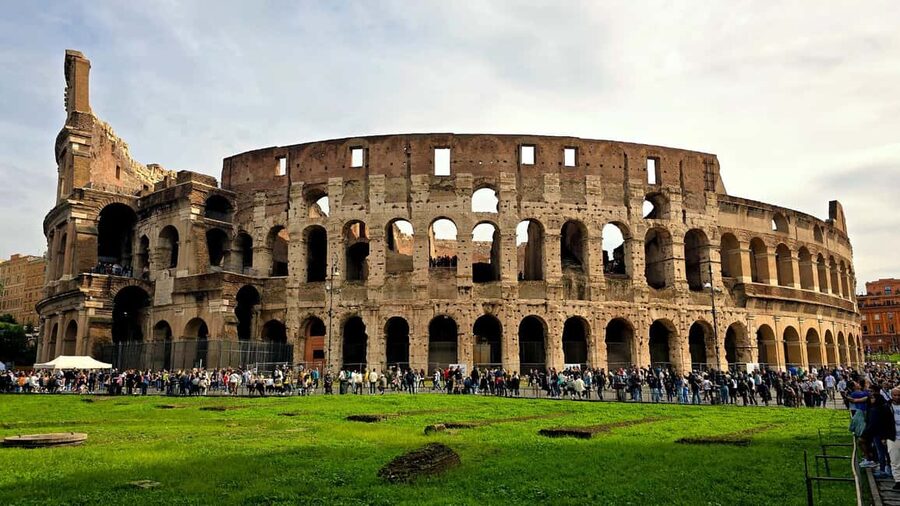
Walking through the Colosseum’s Gladiator’s Gate is the main draw here. You enter at arena level, following the route once used by fighters and performers nearly 2,000 years ago. From there, the tour moves through Palatine Hill and the Roman Forum, turning three famous Roman sites into one connected story.
I like the arena floor access, which gives you a better sense of the Colosseum’s scale than an ordinary outside view. I also like the guide-led route through the Forum and Palatine Hill, since many short Colosseum visits stop after the amphitheater. The main consideration is pace: there is little time for a proper meal break, and the full outing may take closer to four hours than the advertised three.
Key points
- Walk through the Gladiator’s Gate: Enter the Colosseum at arena level and stand where the central performance space once was.
- Three major ancient sites in one visit: The tour covers the Colosseum, Palatine Hill, and Roman Forum without requiring separate bookings.
- A guide who connects the ruins: Stories range from emperors and gladiators to Julius Caesar, Cicero, and Roman triumphs.
- Good value at $50: The price includes entrance fees, an official local guide, guided touring, and a radio guide.
- Plan for a long morning: Each main stop receives about an hour, and the tour may last four hours in practice.
- Bring your original ID: Tickets are nominative, and security checks apply at the Colosseum and the Palatine and Forum entrance.
Why the arena floor changes the Colosseum visit
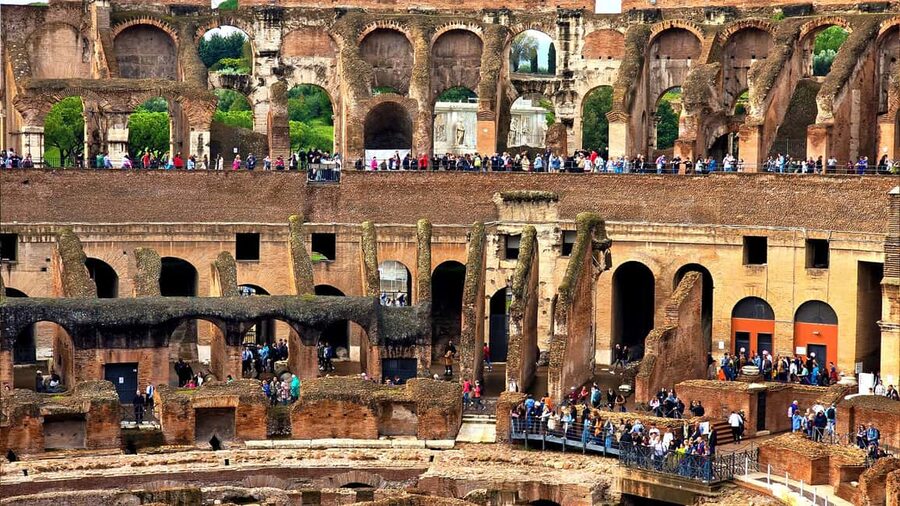
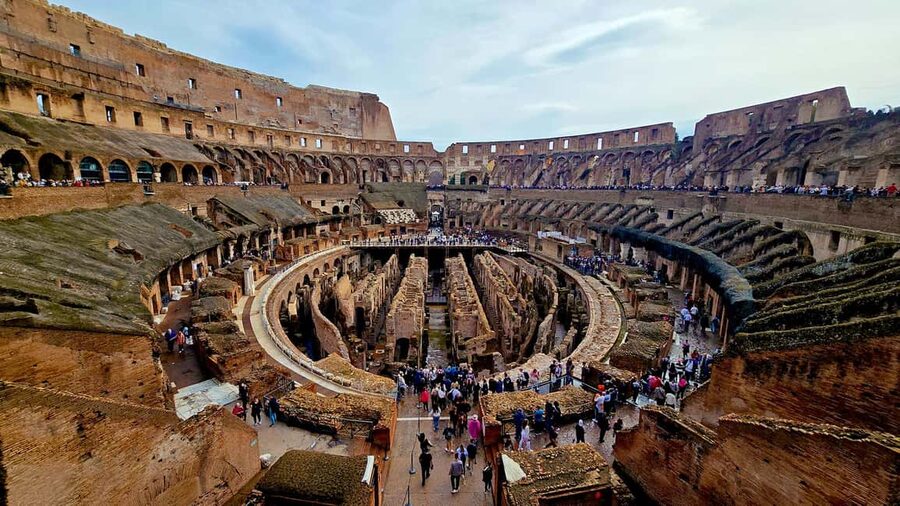
The Colosseum is impressive from almost any angle, but the arena floor changes your sense of the building. Instead of looking down from the standard seating areas, you walk onto the stage where the public dramas took place.
The route uses the Gladiator’s Gate, the entrance traditionally linked with the fighters who entered the arena. Your guide uses this setting to explain how the amphitheater worked as Rome’s great public stage. Animals and captured people were displayed here, and the games reflected the power of emperors who wanted to entertain, impress, and control a huge population.
That context matters. The Colosseum was not simply a sports venue. It was a place where Rome displayed its wealth, military success, discipline, and cruelty. The stories also include moments of clemency, since emperors could use mercy as another form of public power.
The arena floor itself is not the complete original structure. Much of what once sat beneath the performance space is now exposed or reconstructed below the visible level. Still, standing at arena height helps you picture the movement of gladiators, animals, officials, and spectators.
Expect about 90 minutes inside the Colosseum. That is enough time for a guided explanation and photographs, though not enough for every corner of the amphitheater. The route includes different entrances, which is useful in a site where lines and security checks can consume time.
More Ancient Arenas and Colosseum Tours in Rome:
- Rome: Colosseum Underground and Arena Tour
★ 4.7 · 1,002 reviews - Ticket to Piazza Navona Undergrounds Stadium of Domitian
★ 4.5 · 410 reviews - Piazza Navona Underground: Stadium of Domitian EXCLUSIVE TOUR – LIMITED ENTRANCE
★ 4.5 · 129 reviews
Meeting beside the Arch of Constantine
The tour begins at the Arch of Constantine, beside the Colosseum on the Palatine side. It is easy to recognize: look for one large central arch and two smaller arches. Its carved decoration also combines reliefs from different periods, including pieces reused from earlier imperial monuments.
This is a good place to meet because the arch is close to the Colosseum but easier to identify than a vague meeting point somewhere around the arena. Arrive with time to spare. The information supplied for the tour does not give a precise meeting time, so you need to check your booking for the scheduled start.
Your guide is an English-speaking local expert with an official license. A small group is available, and the tour includes a radio guide. That device matters inside the Colosseum and across the open archaeological areas. Ruins spread out quickly, and it is easy to miss a point if you are standing at the back of a group.
One practical warning: bring the passport or ID card used for the booking. Colosseum tickets are nominative, meaning the name on your reservation must match your document. Security checks apply at both the Colosseum and the Palatine Hill and Roman Forum area.
Palatine Hill: Rome’s founding ground and imperial address
After the Colosseum, the group walks for about 10 minutes to Palatine Hill. The hill receives roughly an hour of guided attention, and it provides a useful change of pace after the enclosed amphitheater.
Palatine Hill is traditionally linked with the foundation of Rome. The ancient settlements here reach from the Iron Age through later centuries, so the site is not only about the imperial period. The Hut of Romulus connects the hill to Rome’s legendary founder, while the remains of imperial residences show how the city’s rulers later claimed this high ground for themselves.
The hill also helps explain Roman social geography. Emperors and their families lived above the city in large palace complexes, with room for politics, family life, and private maneuvering. From this height, you can look toward the Forum and understand how closely power, religion, government, and public life were packed together.
The ruins require imagination. You will see fragments of walls, foundations, courtyards, and grand architectural remains rather than complete palaces. A good guide makes the difference by explaining what each area did and how imperial households used it.
The route is on foot, and the tour is not suitable for wheelchair users. Even for people without mobility concerns, sensible shoes and water are wise choices. There are wells along the route where you can refill a water bottle, but food and drinks are not included, and there is no promised refreshment stop.
The Roman Forum, where public life played out
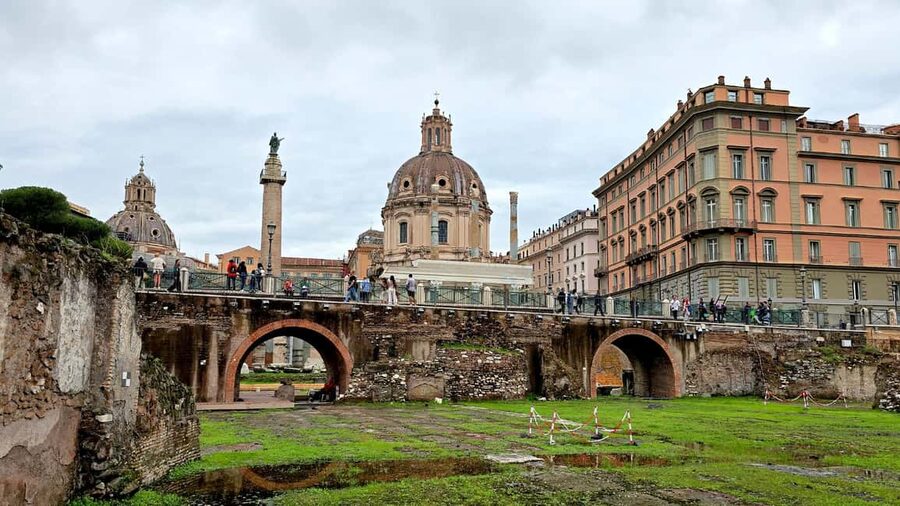
The final main stop is the Roman Forum, with about an hour of guided touring. This is where the tour moves from imperial residence to the public center of ancient Rome.
The Forum once held markets, law courts, temples, speeches, political meetings, and official ceremonies. It can be hard to read at first because the ruins are scattered across a broad area. The guide helps you connect the remaining columns, platforms, roads, and foundations to the functions they once served.
The historical stories here are unusually strong. Julius Caesar was cremated in the Forum. Roman triumphs passed through with the spoils of conquest. Cicero delivered speeches that influenced western political thought for centuries. The site also saw violent imperial politics, including the murder of two disgraced emperors in AD 69.
Those details give the stones a human scale. The Forum was not just an architectural center. It was a place where careers were made, reputations collapsed, laws were argued, and power was displayed in public.
When the guided portion ends, you may stay and explore the Forum at your own pace. That flexibility is useful because the hour with the guide gives you the main framework, while extra time lets you revisit a temple or viewpoint that caught your attention.
Same city, another way to catch the action:
- Exclusive Golf Tour Private VIP with Local & Gelato o Wine
★ 5.0 · 500 reviews - Tickets and Guided Tour of the Olympic Stadium in Rome and Foro Italico
★ 4.5 · 404 reviews - ROME: Golf-Cart Private Tour
★ 5.0 · 112 reviews - Rome: Private Colosseum Arena Tour With Roman forum Access
★ 4.5 · 94 reviews
Three hours on paper, possibly four in practice
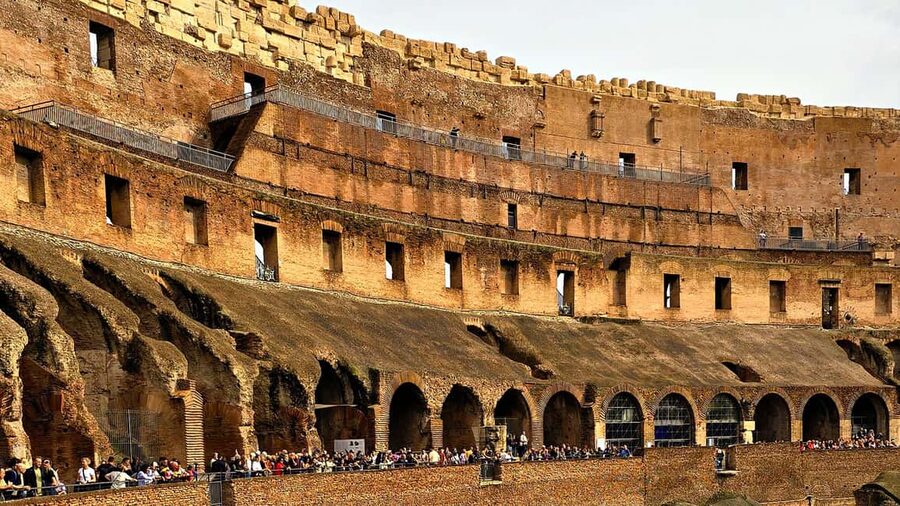
The official duration is three hours, divided into about 90 minutes at the Colosseum, one hour on Palatine Hill, and one hour in the Roman Forum. One reported outing began at 8:45 a.m. and finished at 12:45 p.m., so you should allow closer to four hours if the guide gives the sites their full attention.
This is not a quick photo stop. You will walk between areas, pass through security, listen to explanations, and pause for photographs. The amount of ground covered makes the tour worthwhile, but it also means you should not schedule a tight lunch reservation immediately afterward.
Eat before you arrive or carry a small snack if allowed. The tour information says food and drinks are not included, and one detailed account specifically warns that there is no stopping for a meal. Water is more important than a full picnic. Refill points are available along the route.
Large bags, luggage, handcarts, alcohol, and drugs are not allowed. Travel light. A small day bag is the practical choice, subject to the site’s security rules.
The guide is central to the experience
Ancient Rome is easier to understand with a strong guide, and this tour is built around that personal explanation. The guide does more than point out ruins. The aim is to connect the Colosseum’s spectacles with the wider Roman system of conquest, government, social order, and imperial publicity.
Paola is specifically associated with this experience and has been praised for an engaging approach, attention to the group’s pace, and room for photographs and breaks. Another guide described in the supplied information had worked in Rome as an archaeologist for 30 years. You should not assume you will receive one particular guide, but the tour’s format gives the guide a large role in shaping the morning.
The radio guide is a useful extra. In a crowded monument, even a clear voice can disappear quickly. Audio equipment lets you stay near the ruins you are viewing without having to press close to the guide.
Small groups are available, though the exact group size depends on bookings. In one unusual case, a tour with only one person still went ahead rather than being cancelled. That is not something you can count on, but it shows that the experience may feel personal when demand is low.
Is $50 a fair price?
At $50 per person, the price is strong for a three-site guided visit that includes the arena floor. Entrance fees to the Colosseum, Palatine Hill, and Roman Forum are included, as are the official local guide, guided experience, on-site assistance, and radio guide.
The best value comes from combining the sites. Booking only a basic Colosseum entry can leave you to interpret the Forum and Palatine ruins on your own. Here, the guide links the locations into one story: public spectacle at the Colosseum, imperial life on Palatine Hill, and civic power in the Forum.
The arena floor is also important when comparing prices. The experience notes optional exclusive access to the arena floor, so check your exact booking details to confirm that this feature is included in the option you choose. Not every Colosseum ticket provides the same access.
The price is less attractive if you want a slow, highly detailed archaeological study of every ruin. Three hours, or perhaps four, still forces choices. You will get a clear overview and plenty of major stories, but you will not examine every building at length.
Booking details that can affect your morning
You can cancel up to 24 hours before the scheduled visit for a full refund. The reserve-now-and-pay-later option lets you hold a place without paying immediately, which is useful when your Rome schedule is still changing.
Book early if possible. Reservations made within five days of the tour cannot be guaranteed because of Colosseum booking limits. Last-minute availability may be limited or unconfirmed.
The provider may need to move or cancel a booking because of safety rules, authority decisions, force majeure, or restricted access to the archaeological sites. If that happens, the provider says it will try to accommodate a schedule change.
The tour is offered in English. If your group needs another language, this experience is not the right fit based on the information provided.
Who should choose this Colosseum tour?
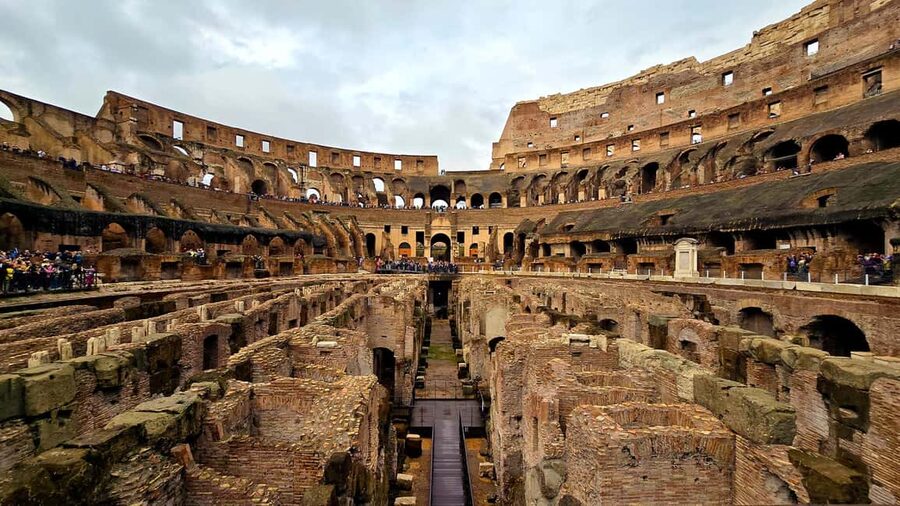
I would choose this tour if you want the main Ancient Rome sights in one morning and prefer explanations to wandering among ruins alone. It suits first-time visitors who want a clear route, history-focused travelers who want the Forum and Palatine included, and anyone who considers arena access a priority.
It is also a good match if you value a guide who can adjust the pace for photographs and short pauses. The combination of a local expert and radio guide should make the large sites easier to follow.
I would hesitate if you use a wheelchair, need frequent meal breaks, dislike walking, or want to carry luggage. The activity is not suitable for wheelchair users, large bags are prohibited, and the schedule has no planned food stop.
Should you book it?
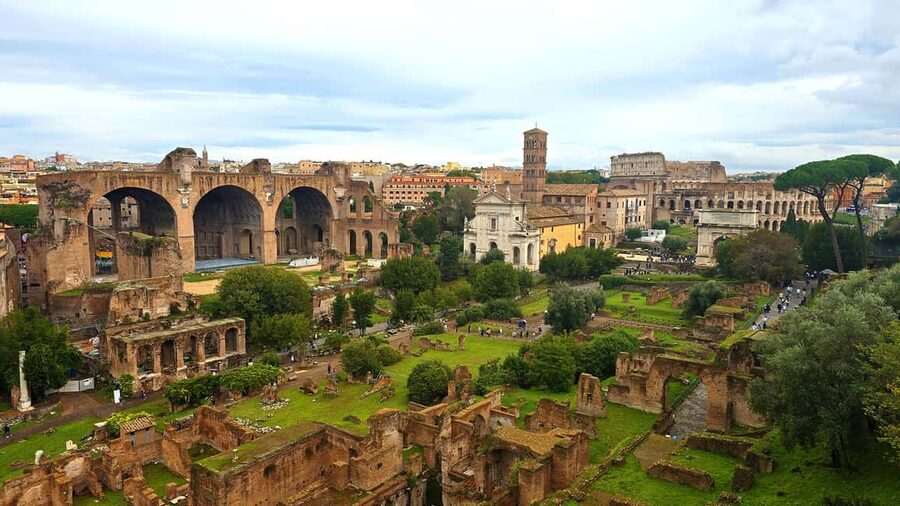
Book this tour if you want more than a quick look at the Colosseum. The arena floor gives you a memorable physical connection to the amphitheater, while Palatine Hill and the Roman Forum add the political and residential sides of Roman power.
At $50, the package offers good value because it combines admission, guiding, audio equipment, and three major archaeological areas. Just bring matching photo ID, water, a snack, and comfortable shoes. Most important, leave enough time afterward. This is a serious morning of ancient Rome, not a 90-minute attraction visit.
FAQ
How long does the Colosseum Arena Tour last?
The stated duration is three hours. The planned schedule gives about 90 minutes to the Colosseum, one hour to Palatine Hill, and one hour to the Roman Forum. In practice, the visit may last closer to four hours.
What sites are included?
The tour includes the Colosseum, its arena floor access where available, Palatine Hill, and the Roman Forum. Entrance fees for these areas are included.
Where does the tour meet?
The meeting point is at the Arch of Constantine, beside the Colosseum on the Palatine side. You can identify the arch by its three arches, with one large central arch and two smaller ones.
Is the arena floor included?
The experience includes access to the arena floor through the Gladiator’s Gate, but the information also describes exclusive arena access as optional. Check the exact booking option before paying to confirm the access included with your reservation.
What language is the tour offered in?
The live guided tour is offered in English.
Do I need a passport or ID card?
Yes. Colosseum tickets are nominative, so the name on your booking must match the name on your passport or ID card. You must also show a document at the security checks.
Can I bring luggage?
No. Luggage, large bags, and handcarts are not allowed. Alcohol and drugs are also prohibited.
Is food included?
No. Food and drinks are not included, and there is no planned meal stop. Eat before the tour or bring a suitable snack. Wells are available along the route for refilling water bottles.
Is the tour suitable for wheelchair users?
No. The activity is listed as unsuitable for wheelchair users.
New on the fixture list around Rome
- Rome: Navona Underground & Domitian Stadium Guided Tour★ 4.6 · 36 reviews
- Rome: Full Experience Colosseum Arena Tour (MAX 10 PEOPLE)★ 5.0 · 8 reviews
- Rome: Colosseum Arena Tour with Forum and Palatine Access★ 4.6 · 13 reviews
- Private golf-cart tour in Rome★ 5.0 · 2 reviews
- Rome: Stadium of Domitian Entry and City of Rome Audioguide★ 4.3 · 12 reviews
- Rome: Guided Group Tour of Colosseum, Palatine Hill & Roman Forum★ 5.0 · 65 reviews
- Full day private guided tour of Rome by golf-cart & Colosseum and Roman Forum★ 5.0 · 65 reviews
- Express Colosseum with Arena Floor Guided Tour★ 3.5 · 65 reviews
More Italy Sports Experiences to weigh up.
Milan: San Siro Stadium and Museum Guided Tour
Read our review →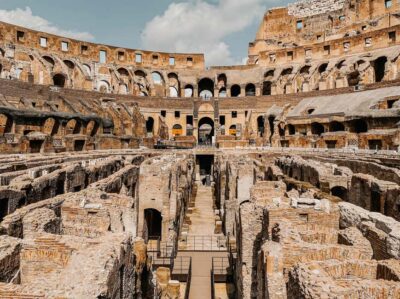
Turin: Juventus Museum entry ticket & Stadium Tour
Read our review →
Milan: Official San Siro Stadium and Museum Tour
Read our review →
Ticket to Piazza Navona Undergrounds Stadium of Domitian
Read our review →
Tickets and Guided Tour of the Olympic Stadium in Rome and Foro Italico
Read our review →
Milan: San Siro Stadium Entry Ticket and Optional Bus Ticket
Read our review →
Piazza Navona Underground: Stadium of Domitian EXCLUSIVE TOUR – LIMITED ENTRANCE
Read our review →This one also appears in