Review · ROME
Rome: Navona Underground & Domitian Stadium Guided Tour
Beneath busy Piazza Navona sits the underground Stadium of Domitian, a quieter slice of ancient Rome where you can see surviving sections of seating, the old track, and the foundations of a venue built for public spectacle. The contrast is the fun: above, fountains and cafés; below, stonework tied to Roman sport and entertainment.
I like the small-group format, which gives your guide room to answer questions, and I like the quick, focused length. At only an hour, this fits neatly into a day of sightseeing. The main drawback is that the tour is short, and the underground site is not suitable for wheelchair users or people with mobility impairments.
Key points to know before booking
- Twenty minutes in Piazza Navona: Get the setting and the connection between today’s square and the ancient stadium below.
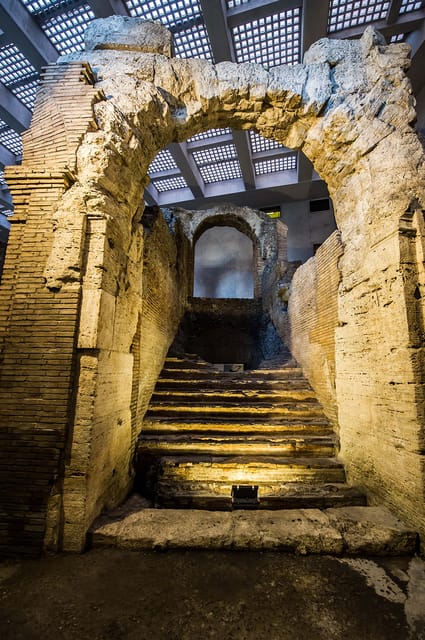
- Forty minutes underground: See remains of the track and Roman seating while your guide explains the site’s role in public life.
- Small-group attention: The format is designed for a more personal experience, and guide Carla has been singled out for warm, passionate storytelling.
- Views from the historic track: Look back toward Piazza Navona from the stadium remains for a useful sense of how the site fits together.
- Optional wine tasting: Select the add-on for two wines served with a traditional appetizer board.
- Simple one-hour plan: Meet at Touristation Navona, visit the square and stadium, then return to the same office.
Why this underground stadium is worth an hour
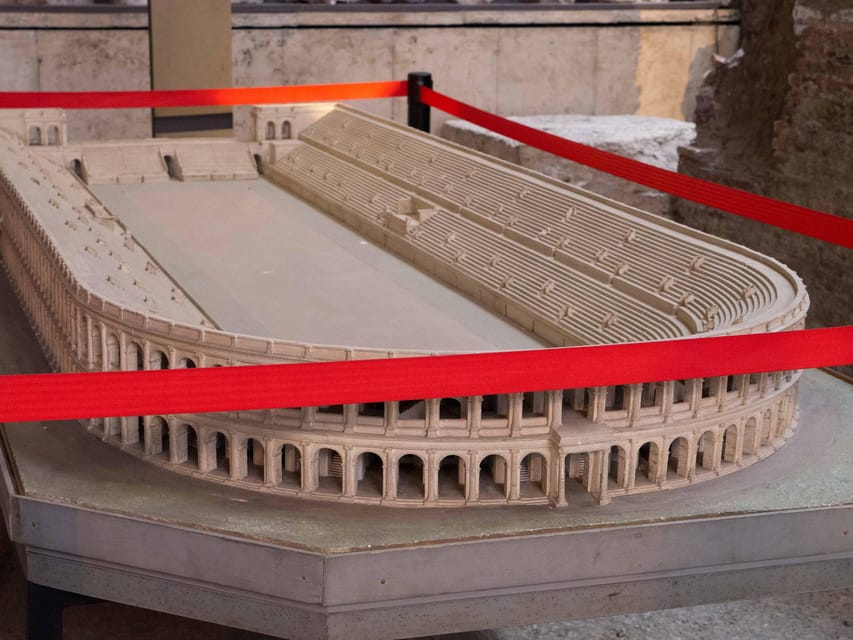
Rome gives you no shortage of famous ruins. The Colosseum gets the crowds, the Forum gets the grand sweep, and Piazza Navona gets the fountains. The Domitian Stadium offers something different: a compact site where the ancient structure is directly connected to the modern square above it.
That connection makes the visit easier to understand than a ruin that sits alone in a field. You begin in Piazza Navona, then go below street level and see how the stadium’s footprint shaped the space you are standing in today. The shift from open piazza to underground archaeology takes only a few minutes, but it changes the way you look at the square afterward.
I find this kind of visit especially useful early in a Rome trip. A guide can give you a basic map of the city’s Roman layers without asking for half a day or a long walk between scattered monuments. You get ancient sport, imperial building, public entertainment, and modern Rome in one small package.
The site is also a good choice if you have already seen the major monuments and want a less familiar stop. It is not a substitute for the Colosseum or Forum. It is a focused supplement, with more attention on one stadium and the world around it.
More Stadium Tours in Italy
- Olympic Stadium Tour with Expert Guide in Rome
★ 4.5 · 86 reviews - Milan: San Siro Stadium and Museum Guided Tour
★ 4.3 · 5,567 reviews - Milan: San Siro Stadium and Museum Official Guided Tour
★ 4.1 · 962 reviews
Meeting beneath Piazza Navona
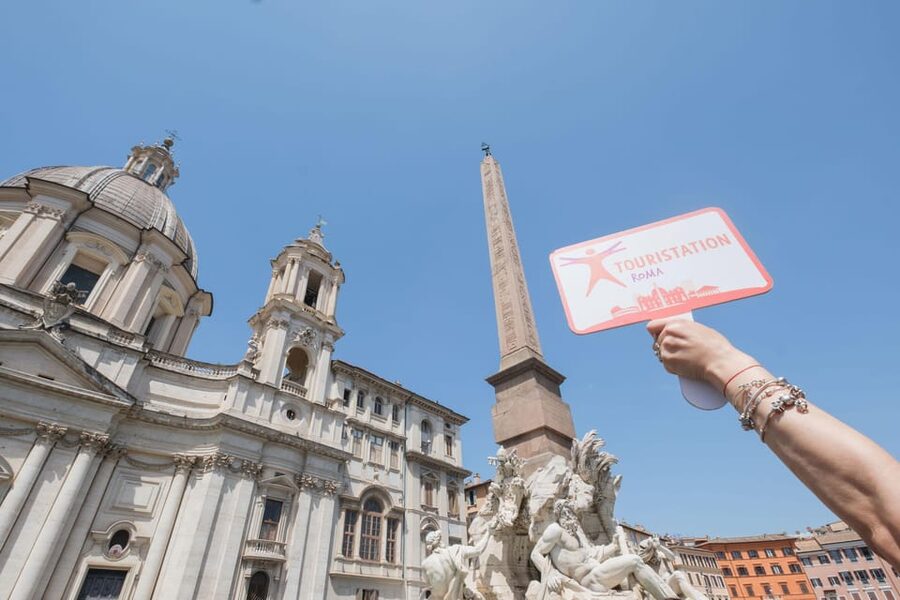
You meet at the Touristation Navona office at Piazza Navona 25, directly in front of the central fountain. That location is practical because the square is easy to identify, and you do not need to search for a distant street corner or a separate museum entrance.
Allow yourself enough time to find the office before the start. Piazza Navona is a large, open space, and the central fountain provides the clearest landmark. Assistance is available at the Touristation office, and the tour returns there after the underground visit.
The meeting point also sets up the story. Before you go below ground, you are already looking at the public square that gives the site much of its character. Take a moment to notice the shape of Piazza Navona and the way people use it today. The guide then helps connect that modern setting with the ancient stadium beneath it.
The tour is offered in English or Italian. If you care about historical detail, choose the language in which you can ask questions easily. A small group should make that exchange more comfortable than a large procession, though the exact group size is not specified.
Twenty minutes in Piazza Navona
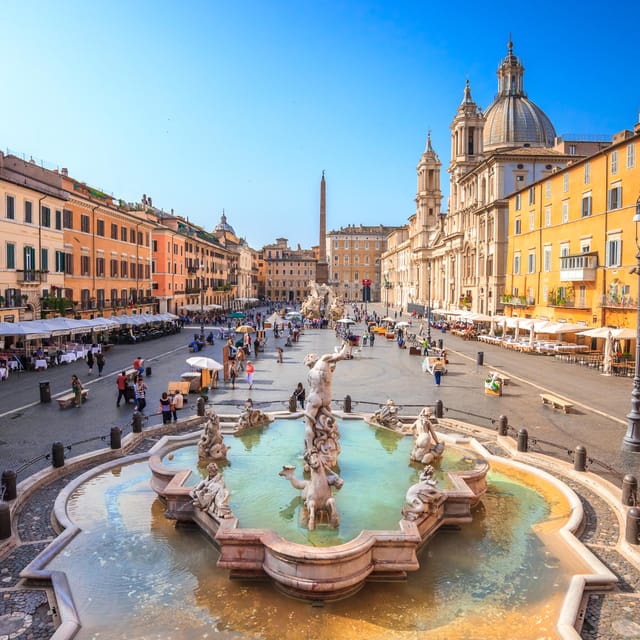
The first part is a guided look at Piazza Navona, lasting about 20 minutes. This is not filler before the main event. It gives you the context needed to understand why the stadium is here and why the square has its unusual shape.
Your guide discusses the stadium and its connection with the emperor Domitian. You also get an introduction to Roman sport, public gatherings, and the spectacle that once drew people to this part of the city.
I like this opening because it keeps the underground remains from becoming a collection of disconnected stones. You hear the story while standing in the modern space that grew out of the ancient site. That makes the transition below ground feel purposeful.
The square itself can be lively, and the surrounding cafés and fountains create a very different mood from the archaeological area underneath. That contrast is worth noticing. Rome is often at its best when a normal street or piazza turns out to contain another period of the city below your feet.
Do not expect a long architectural lecture here. Twenty minutes moves quickly. If you want a detailed study of every fountain, façade, or later period of the piazza, you will need another visit. This part is meant to prepare you for the stadium, not cover all of Navona.
Forty minutes with the Domitian Stadium
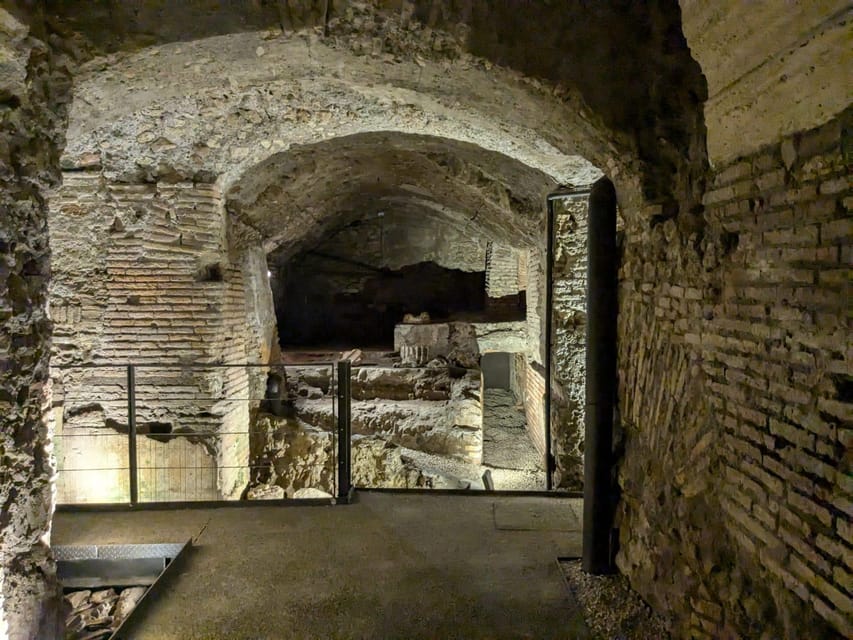
The underground visit takes about 40 minutes and is the main reason to book. With skip-the-line tickets and a separate entrance, you avoid spending part of your short tour waiting in the general queue.
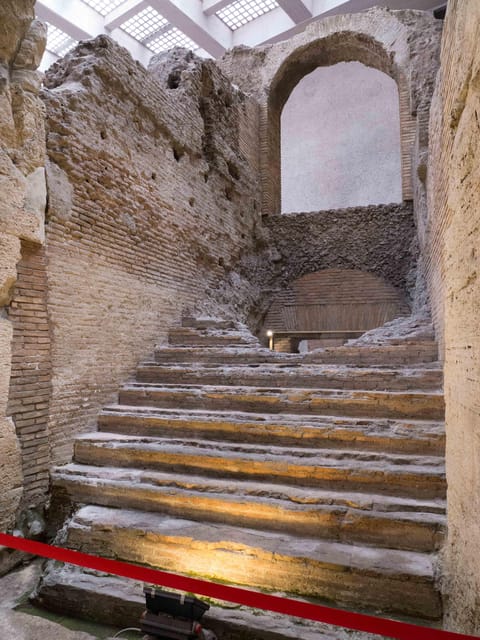
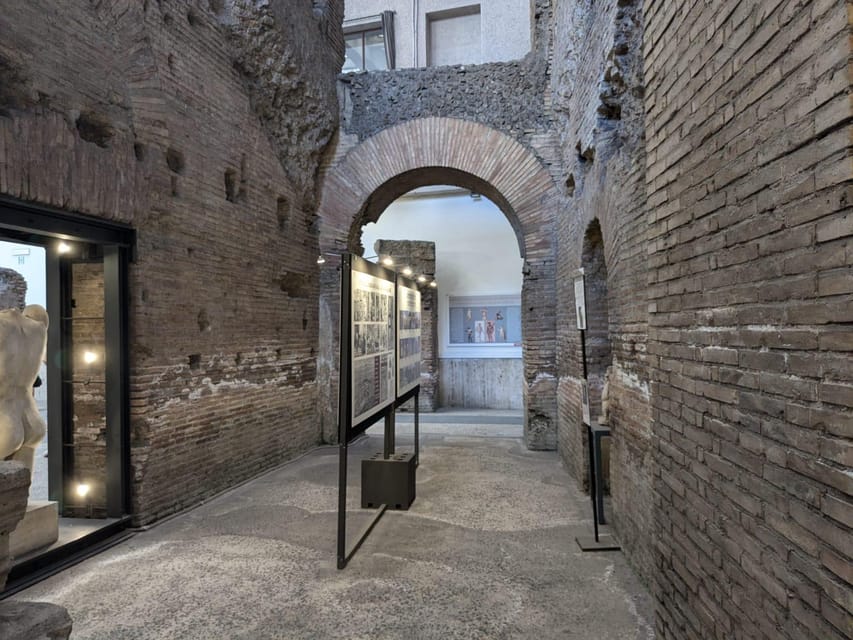
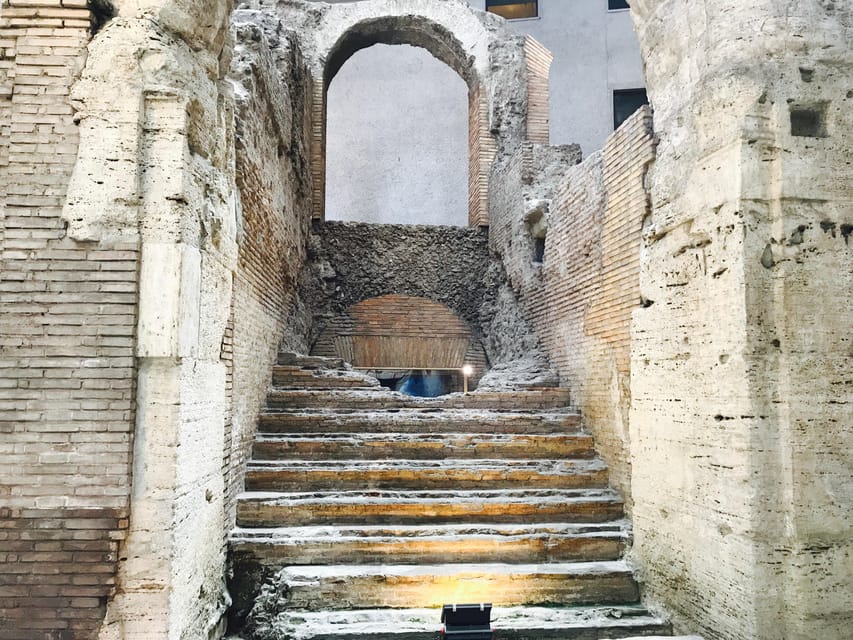
Below street level, you see ancient remains of the stadium, including sections of Roman seating and parts of the historic track. The preserved fragments give you a sense of the venue’s scale and purpose, even though you are not walking through a complete ancient building.
The guide explains the stadium’s place in Roman culture and the link between Domitian and this major construction project. You learn about sport, entertainment, and the public events that gave the stadium its importance. The supplied description also presents the site as a place connected with gladiatorial and chariot-race-era spectacle, so the discussion reaches beyond simple athletics and into the larger world of Roman public entertainment.
I would pay close attention to the guide’s explanation of how the stadium worked as a public venue. The most useful detail is not just what a stone once was, but what the space allowed Romans to do: gather, watch competitors, follow heroes, and share an event with a large crowd.
You also get a view back toward Piazza Navona from the historic track. That is one of the tour’s best moments because it lets you compare the archaeological remains with the present-day square. You can picture the old stadium as a working venue rather than treating it as a silent basement.
The atmosphere is quiet and contained. That suits the site, but it also means you should set your expectations properly. This is an underground archaeological visit, not a theatrical reconstruction or a full-scale arena show. The experience depends on the guide’s storytelling and your willingness to look closely at surviving remains.
The guides receive strong praise for their manner and command of the subject. Carla, in particular, is described as friendly, passionate, and well prepared. Another recent guest had a private-feeling experience because the group was unusually small. That may happen, but it should not be treated as a guaranteed private tour.
More Ancient Arenas and Colosseum Tours in Rome:
- Rome: Colosseum Underground and Arena Tour
★ 4.7 · 1,002 reviews - Ticket to Piazza Navona Undergrounds Stadium of Domitian
★ 4.5 · 410 reviews - Piazza Navona Underground: Stadium of Domitian EXCLUSIVE TOUR – LIMITED ENTRANCE
★ 4.5 · 129 reviews - Rome: Private Colosseum Arena Tour With Roman forum Access
★ 4.5 · 94 reviews
What the guide adds to the stones
This is the sort of site where a guide matters. Without context, underground walls and partial seating can be hard to read. With a good explanation, you can understand the stadium as a place built for movement, spectators, competition, and imperial display.
The strongest feature here is the human scale of the storytelling. The tour is designed for a small group, and the guide can focus on questions instead of delivering a speech to a crowd. Guides such as Carla bring warmth to a subject that could otherwise feel dry.
I also value the chance to ask about the relationship between Domitian and the stadium. The tour does not treat the emperor as a name on a plaque. It connects him with the building and with the use of architecture to stage public life.
Guide quality can vary on any scheduled tour, and one cancellation caused by a guide not arriving was recorded. That appears to have been an isolated poor experience among otherwise strong scores, but it is a fair reminder to keep your meeting details handy and arrive at the stated office. The overall rating of 4.6 from 36 ratings points to a consistently positive experience, while still leaving room for the occasional operational problem.
Is $41 a fair price?
At $41 per person, this is not the cheapest one-hour activity in Rome. You are paying for admission, skip-the-line access, a guide, the Piazza Navona introduction, and a small-group format.
The value depends on what you want. If you only want to look at the ruins for a few minutes, the price may feel high for the length. If you want the site explained clearly and do not want to work out the ancient layout on your own, the guided format makes more sense.
The short duration is part of the value. You can fit this between other central Rome sights without giving up half a day. The meeting point is in Piazza Navona, so you are already in one of the city’s main sightseeing areas rather than making a special trip to an outlying archaeological site.
The skip-the-line arrangement also matters. A one-hour tour loses much of its usefulness if you spend a large share of it waiting. The separate entrance helps protect your limited time, though normal site procedures can still affect the pace.
The optional wine tasting changes the calculation. Choose it and you receive two wines with a traditional appetizer board in central Rome. Skip it if you want the archaeological visit alone or already have food and wine plans. The base activity does not include food or drink unless you select that option.
Who will enjoy this tour most
I would recommend this tour to first-time Rome visitors who want a compact introduction to ancient public life. It also suits repeat visitors who have already seen the headline sights and want a smaller archaeological stop with a direct connection to the city around it.
History-minded couples and solo visitors should appreciate the guide-led format. Families with older children may also find the one-hour length manageable, especially if the children enjoy stories about sport, competition, emperors, and public spectacles.
The tour is less suitable if you need step-free access or have a mobility impairment. The activity is specifically listed as unsuitable for wheelchair users and people with mobility impairments. Ask about physical demands before booking if stairs or uneven underground surfaces are a concern, since the supplied details do not provide a fuller accessibility breakdown.
It is also not the best pick if you want a long, slow archaeological study. The tour moves from the square to the stadium in one hour, so the pace is efficient rather than leisurely.
Small details that improve the experience
Arrive at the Touristation office at Piazza Navona 25 with a few minutes to spare. The central fountain is the key landmark, and arriving early gives you time to orient yourself in the square.
Keep the tour’s scale in mind. This is a short guided visit, not an all-day Roman history course. Listen for the explanation of the stadium’s function, the surviving seating, and the relationship between the underground site and the piazza above.
Flash photography is not allowed. Plan to look rather than rely on photographs, and follow the guide’s directions in the underground area.
Choose the wine option only if it fits your day. The two wines and appetizer board can turn the activity into a pleasant cultural break, but the tasting is an add-on, not part of the standard visit.
The tour has free cancellation up to 24 hours before the start, and you can reserve now and pay later. Those terms are helpful if your Rome schedule is still shifting, though you should check the available starting times before you build the rest of your day around it.
Should you book the Domitian Stadium tour?
Book it if you want a short, well-explained look at an overlooked Roman site and like the idea of linking an underground ruin with the modern Piazza Navona above. The small-group format, separate entrance, and guide-led explanation give the one-hour visit real purpose.
I would skip it if you need wheelchair access, want a full day of major monuments, or prefer to explore ruins without a guide. For most visitors with an open hour in central Rome, though, the combination of ancient seating, the historic track, Domitian’s story, and views toward the piazza makes this a useful and reasonably focused addition to a sightseeing plan.
FAQ
Where does the Domitian Stadium tour meet?
Meet at the Touristation Navona office at Piazza Navona 25, directly in front of the central fountain.
How long does the tour last?
The tour lasts one hour. About 20 minutes are spent in Piazza Navona and about 40 minutes in the underground Stadium of Domitian.
What languages are available?
The live guide is available in English or Italian.
Does the tour include skip-the-line entry?
Yes. The activity includes skip-the-line tickets and access through a separate entrance to the underground ruins.
Is the wine tasting included?
Wine tasting is included only if you select that option. It includes two wines and a traditional appetizer board. Food and drink are not included in the standard option.
Is the tour suitable for wheelchair users?
No. The activity is listed as unsuitable for wheelchair users and people with mobility impairments.
Can I cancel the booking?
Yes. You can cancel up to 24 hours in advance for a full refund. You can also reserve now and pay later.
More Stadium Tours in Rome
- Madrid: Tour Bernabéu Entry Ticket
★ 4.5 · 21,573 reviews - Liverpool: Liverpool Football Club Museum and Stadium Tour
★ 4.8 · 10,764 reviews - Amsterdam: Johan Cruijff ArenA Tour with Optional Guide
★ 4.6 · 8,954 reviews - London: Emirates Stadium Entry Ticket and Audio Guide
★ 4.7 · 5,513 reviews
New on the fixture list around Rome
- Rome: Full Experience Colosseum Arena Tour (MAX 10 PEOPLE)★ 5.0 · 8 reviews
- Rome: Colosseum Arena Tour with Forum and Palatine Access★ 4.6 · 13 reviews
- Private golf-cart tour in Rome★ 5.0 · 2 reviews
- Rome: Stadium of Domitian Entry and City of Rome Audioguide★ 4.3 · 12 reviews
- Colosseum Arena Tour, Palatine Hill and Roman Forum★ 5.0 · 4 reviews
- Express Colosseum with Arena Floor Guided Tour★ 3.5 · 65 reviews
- Rome: Guided Group Tour of Colosseum, Palatine Hill & Roman Forum★ 5.0 · 65 reviews
- Full day private guided tour of Rome by golf-cart & Colosseum and Roman Forum★ 5.0 · 65 reviews
More Stadium Tours in Italy to weigh up.
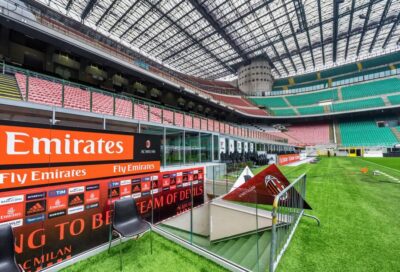
Milan: San Siro Stadium and Museum Guided Tour
Read our review →
Turin: Juventus Museum entry ticket & Stadium Tour
Read our review →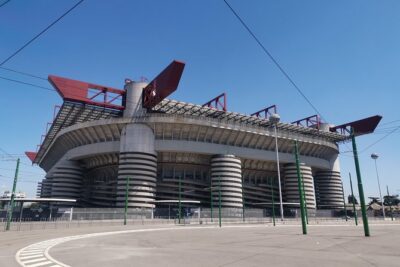
Milan: Official San Siro Stadium and Museum Tour
Read our review →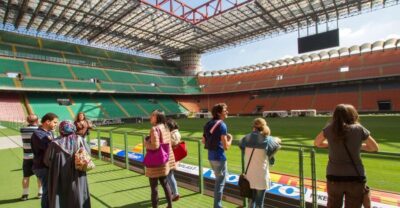
Milan: San Siro Stadium Entry Ticket and Optional Bus Ticket
Read our review →
Naples: Maradona Stadium Guided Exterior Walking Tour
Read our review →