
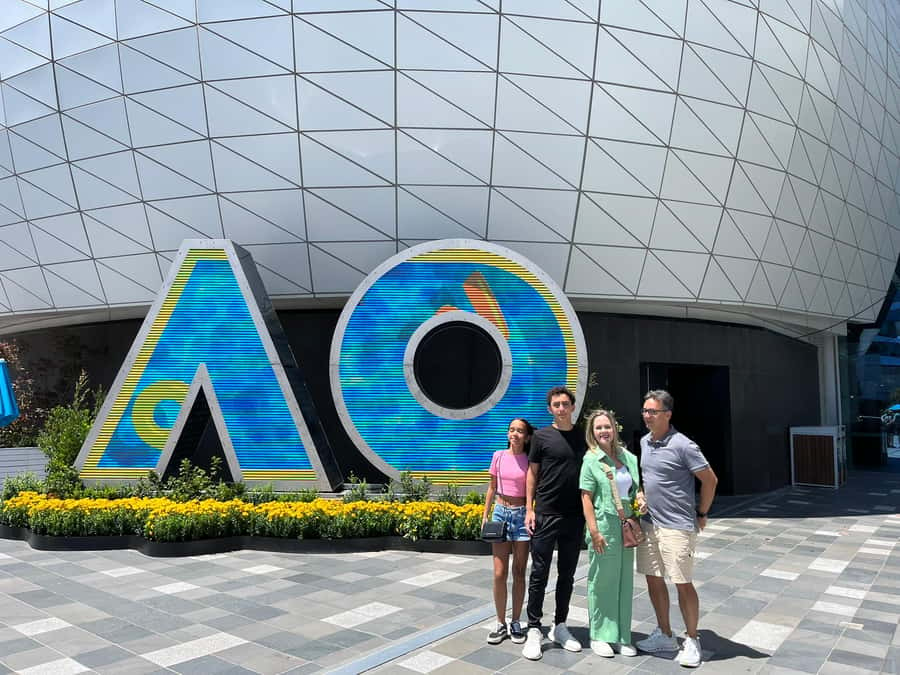
Review · MELBOURNE
Melbourne Park Tennis Sporting Experience
Melbourne Park’s famous blue courts are the star here. You walk from Federation Square along the Yarra River, hear how sport shaped Melbourne, then get a chance to pick up a racquet at the home of the Australian Open. Playing on the same type of courts used by the world’s best gives this tour its bucket-list appeal.
I like the way it links tennis with the wider sporting life of the city. You also get a close look at the Olympic and Sporting Precinct, Aboriginal games, Australian Rules football, rugby, soccer, and the mighty MCG. Guides including Ben, Catherine, Kath, and Michael bring plenty of personal stories and local detail. The main catch is seasonal: court access is unavailable in December and January, and the walking version is shorter during that period.
Key points at a glance

- Play on an Australian Open court: Racquets and balls are supplied, and the hit is the most memorable part for many visitors.
- Walk through Melbourne’s sporting center: The route connects Federation Square, the Yarra River, Melbourne Park, the Olympic Precinct, and the MCG.
- Expect more than tennis: You’ll hear about Aboriginal sports and games, Australian Rules football, rugby, soccer, cricket, and major events.
- Guide quality matters: Ben is especially strong on tennis and sporting history, while Catherine and Kath are praised for energy, clarity, and good stories.
- Know the calendar limits: December court hire stops during Australian Open construction, and January bookings include tournament tickets instead.
- Plan for a three-hour outing: Wear sports shoes and be ready for a fairly active walk between venues.
Why the blue courts are worth the trip
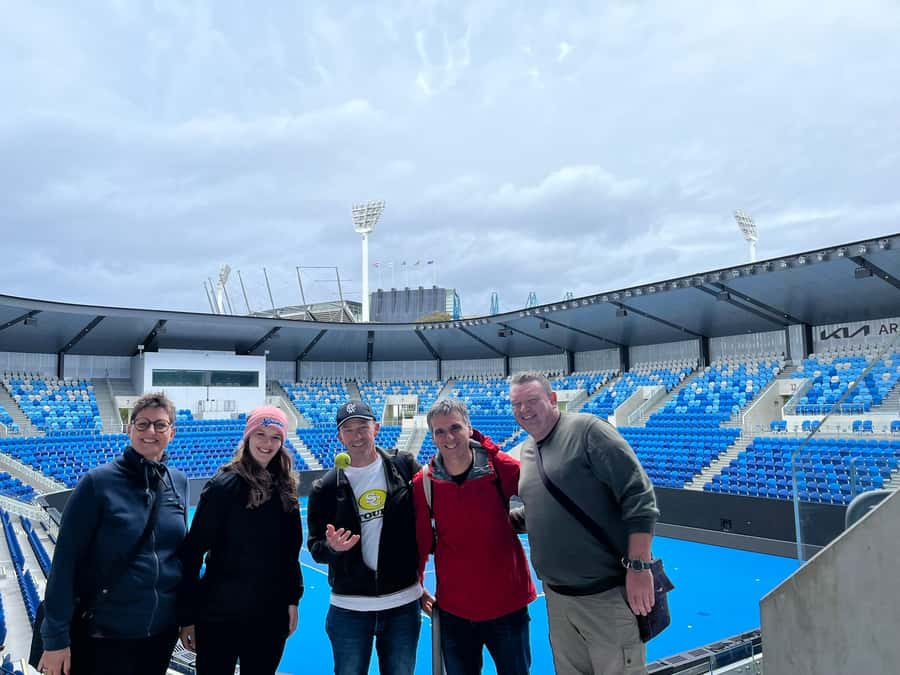
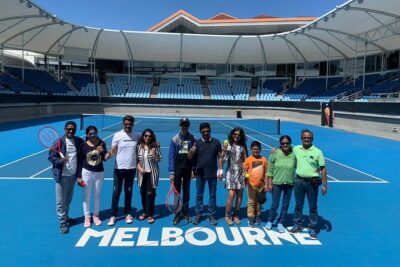
If you like tennis, this is not simply a stadium walk. The chance to hit a ball on a Melbourne Park court gives the visit a physical link to the Australian Open. You can take photographs, look around the tennis center, and then step onto a court with a racquet in hand.
You do not need to be a serious player. The experience has suited keen tennis fans, families, casual players, and people who simply wanted to say they had played at the Australian Open site. One family brought a two-year-old, and the guide made the outing work for them. Still, you should bring proper sports shoes, since court access is part of the experience when the calendar permits it.
The playing time can vary with court availability, weather, and the event schedule. One visitor found that rain moved the session from the outdoor blue courts to practice courts. That is a useful point to keep in mind: the tour’s strength is access to Melbourne Park and the chance to play, but the exact court cannot always be guaranteed.
More Tennis Tours and Tickets in Australia:
- Melbourne Park Tennis Experience
★ 5.0 · 143 reviews - Paris: Roland-Garros Stadium Guided Backstage Tour
★ 4.7 · 1,052 reviews - Behind the Scenes of the Roland Garros Stadium
★ 4.5 · 197 reviews
Starting at Federation Square and walking beside the Yarra
The meeting point is Federation Square, between Transport Bar and Princes Bridge. Look for the guide playing with a tennis ball. You are also asked to provide a WhatsApp number so the guide can send a live location and any updates on the day.
From the center of Melbourne, the group walks along the Yarra River and Birrarung Mar. This opening gives the tour a clear sense of place before the sports venues appear. You hear about Melbourne’s major events and the Aboriginal sports and games that form part of the city’s wider sporting story.
This is one of the better features of the route. You are not simply dropped at a stadium and shown a few photo spots. The walk explains how the venues fit into Melbourne, and how sport is tied to public spaces, city life, and local identity. It also lets you see the precinct from street level rather than only from inside a building.
The route is accessible to wheelchair users, though it remains a walking experience across several sites. If you need a slower pace, tell the provider when booking or contact the guide through the supplied WhatsApp details.
Inside Melbourne Park, home of the Australian Open
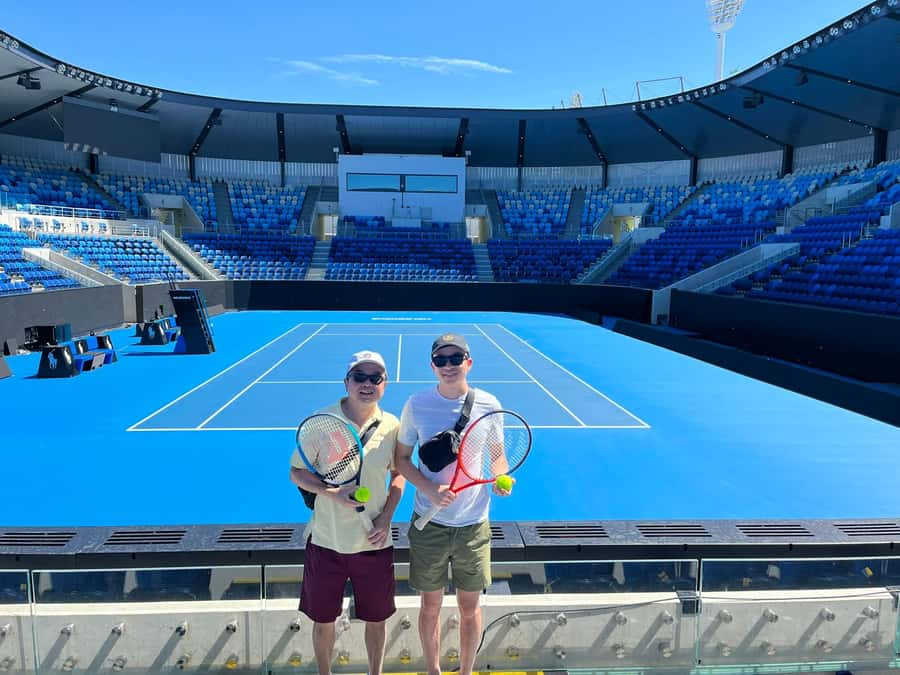
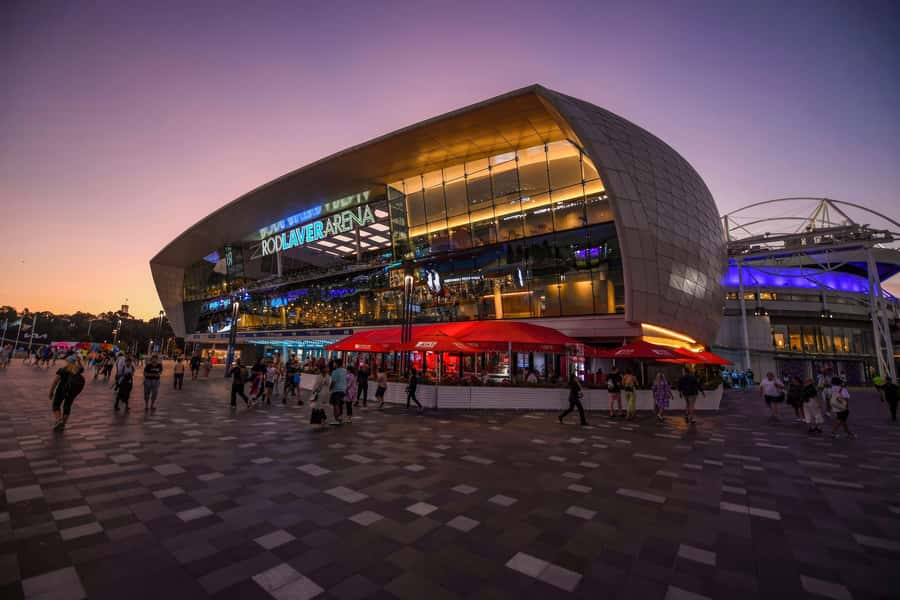
At Melbourne Park, the guide takes you around the tennis center and points out the major arenas, including Rod Laver Arena and Margaret Court Arena. You learn about Australian tennis players, the development of the center, and what happens around the Australian Open.
The guide can make a big difference here. Ben is often singled out for his command of tennis history and his easy way with a group. Catherine has worked at the Australian Open and can add personal stories about the tournament and encounters with players. Kath is also praised for explaining the courts and arenas clearly, while Michael has been noted for adjusting the tour to suit different interests.
The tour is strongest for people who want context, not just a photograph in front of a stadium. You hear why the center matters, how the courts are used, and how Melbourne’s major sporting events have shaped the city. A tennis fan can ask detailed questions, while a less committed sports follower can still follow the story through the buildings and the guide’s anecdotes.
The drawback is that the MCG receives less time than Melbourne Park. The tennis section takes up most of the morning, which is right for a tennis enthusiast but less ideal if your main goal is an in-depth visit to the cricket ground. Internal stadium tours are not included, so you need an extra ticket if you want to tour inside the MCG or another venue.
The hit on court: casual play with a big setting
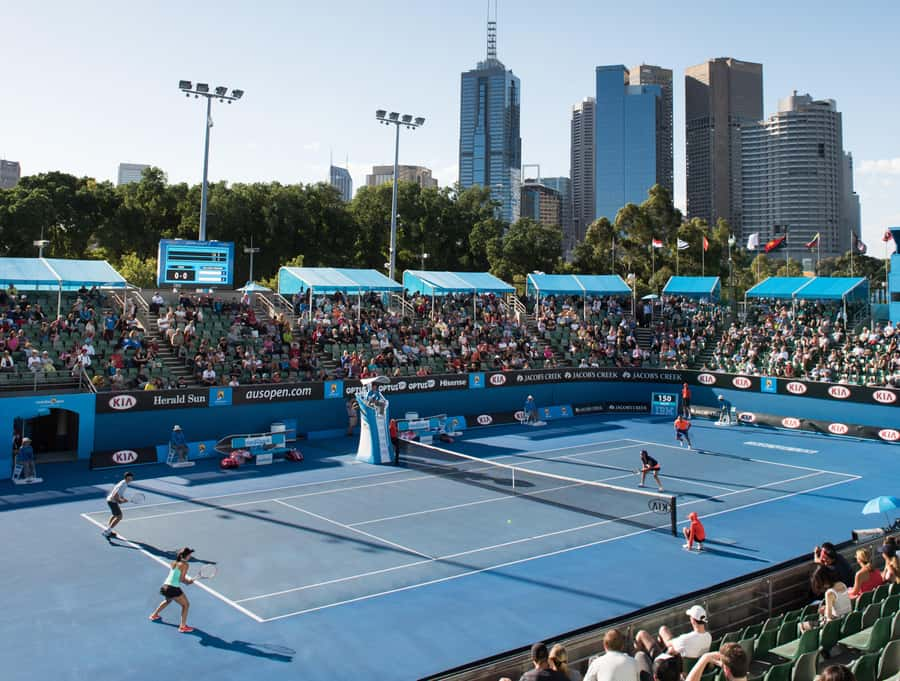
When court hire is available, racquets and balls are supplied. You may play singles, doubles, or simply hit back and forth, depending on the group. One small group ended up playing doubles with Ben, and other sessions gave participants time to practice on an Australian Open court.
This is not a tennis lesson. The focus is the setting and the memory, not technical coaching. That makes it easy for mixed groups. A keen player can enjoy the surroundings, while a beginner can have a go without needing tournament-level skills.
The guide may join in, help organize the session, or make sure everyone gets a turn. Ben’s willingness to play with visitors is part of the fun, but the exact format can depend on the group and available court time.
Weather can change the plan. Rain has moved some sessions to practice courts, and court access is removed during the December construction period. These alternatives still allow you to see the tennis complex and learn about the Australian Open, but they are not quite the same as hitting on the famous outdoor blue courts.
More sporting days out around Australia:
- Melbourne: Melbourne Cricket Ground (MCG) Guided Tour
★ 4.8 · 1,004 reviews - Adelaide Oval Stadium Guided Tour
★ 4.8 · 760 reviews - Melbourne: MCG and Australian Sports Museum Guided Tour
★ 4.7 · 638 reviews - Sydney Cricket Ground (SCG) and Museum Walking Tour
★ 4.9 · 616 reviews
The Olympic and Sporting Precinct beyond tennis
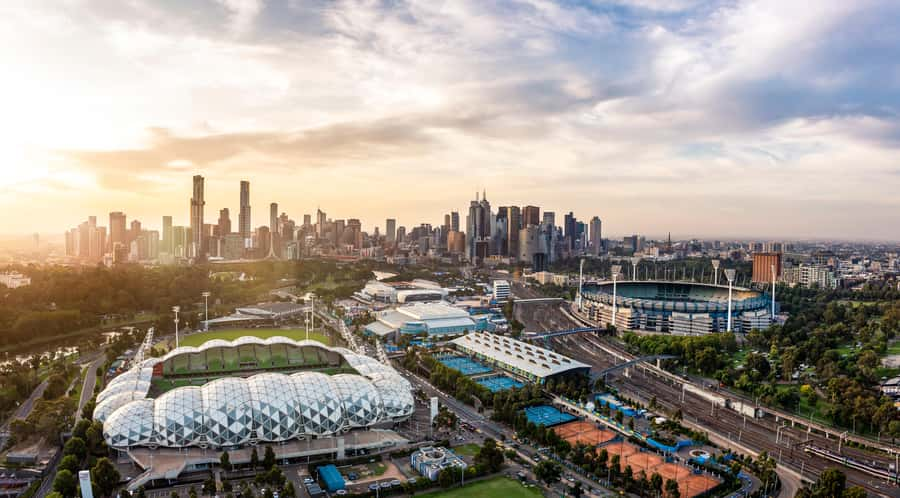
After Melbourne Park, the walk continues through the Olympic and Sporting Precinct. You pass the headquarters of six major Melbourne football teams and hear about Australian Rules football, rugby codes, soccer, and cricket.
For many international visitors, Australian Rules football is the most unfamiliar part. The guide explains Australia’s indigenous football game and helps place it alongside the sports you may already know. This section gives the tour a wider purpose: it shows that Melbourne’s sporting culture is not built around one event or one code.
The sports can feel like a lot in a short time. If you are mainly interested in tennis, the football and rugby material may seem like a detour. If you want to understand why Melbourne calls itself a sporting city, though, this variety is exactly the point.
The guides are good at changing direction when the group has questions. Michael, for example, was praised for answering questions on many sports and for accommodating different interests. That flexibility matters in a group made up of devoted fans, curious first-time visitors, and family members who may not share the same favorite sport.
Finishing at the Melbourne Cricket Ground
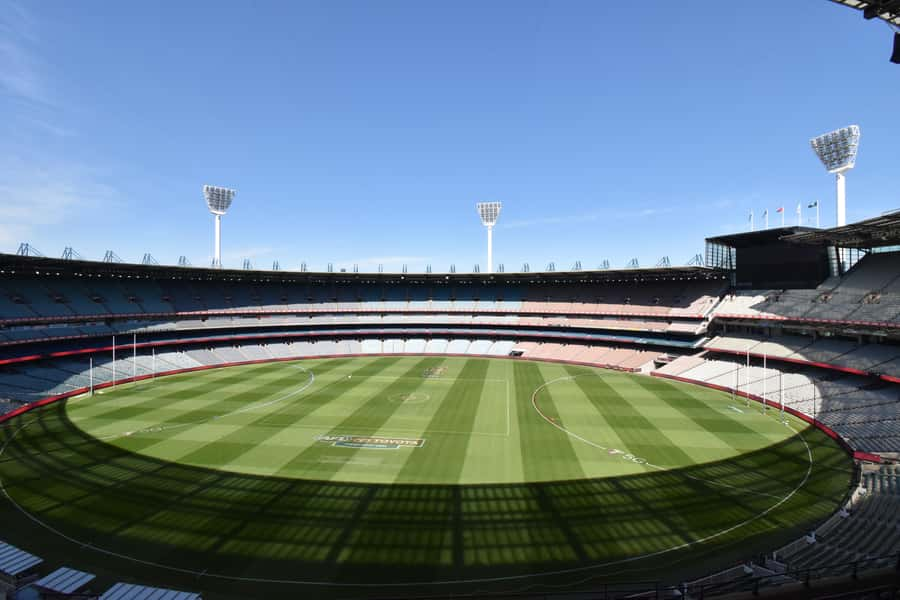
The final major stop is the Melbourne Cricket Ground, or MCG, a 100,000-seat stadium and one of Melbourne’s defining sporting places. The tour finishes by showing you the ground and the surrounding sporting precinct.
You can expect to see the scale of the stadium from outside and learn about its place in Australian sport. The route also includes statues of famous cricket and Australian Football League players, which help connect the modern venues with the people who made the sports famous.
Do not confuse this stop with a full internal stadium tour. Tickets for inside tours are extra, and the standard experience does not include a dedicated MCG tour. One visitor arranged MCG tickets separately after expressing interest, but you should not assume that this is part of the booking. If the ground is your main reason for coming, plan an additional visit.
Even with limited time, the MCG is a strong ending. After hearing about tennis, football, rugby, and cricket, you arrive at the city’s largest sporting symbol. The contrast between intimate court play and a huge stadium gives the morning a good rhythm.
What the $84 price really buys you
At $84 per person, the value depends on how much you care about sport and whether court hire is operating. The price covers a three-hour guided walk, court hire when available, racquets, balls, and, during January, Australian Open tickets.
For a tennis fan, that is a fair package. The court experience alone is difficult to reproduce as a casual visitor, and you also get access to Melbourne Park stories that you would miss by simply walking around the outside. The guide adds meaning to the arenas, courts, and sporting sites.
During December and January, the terms change. Tennis play is not available in December because the Australian Open begins its construction phase. The walking tour is also shortened to around two to two and a half hours, and prices are discounted. January bookings include tickets to the Australian Open instead of court play.
That seasonal difference is important. If your dream is to hit on the blue courts, choose a time outside December and January and confirm the current court arrangements. If your dream is to attend the Australian Open, January offers a different kind of value, with tournament admission included.
Best guides and how they shape the morning
The provider uses English-speaking local guides, and the strongest part of the experience is the human storytelling. Ben is particularly good for visitors who want tennis history, player stories, and wider Australian sports knowledge. He is also comfortable playing a few games with the group.
Catherine brings energy and clarity, with useful first-hand Australian Open stories. Kath has been praised for a warm manner and clear explanations of the arenas. Michael is a strong choice for groups with broad sporting interests because he can move from tennis history to cricket and Australian Rules football without losing the thread.
You cannot normally build the booking around a specific guide, so treat these names as an indication of the style you may encounter rather than a promise. The important thing is to choose a guide-led experience instead of expecting a formal museum presentation. The tone is conversational, with room for questions and personal stories.
Who should book this experience?
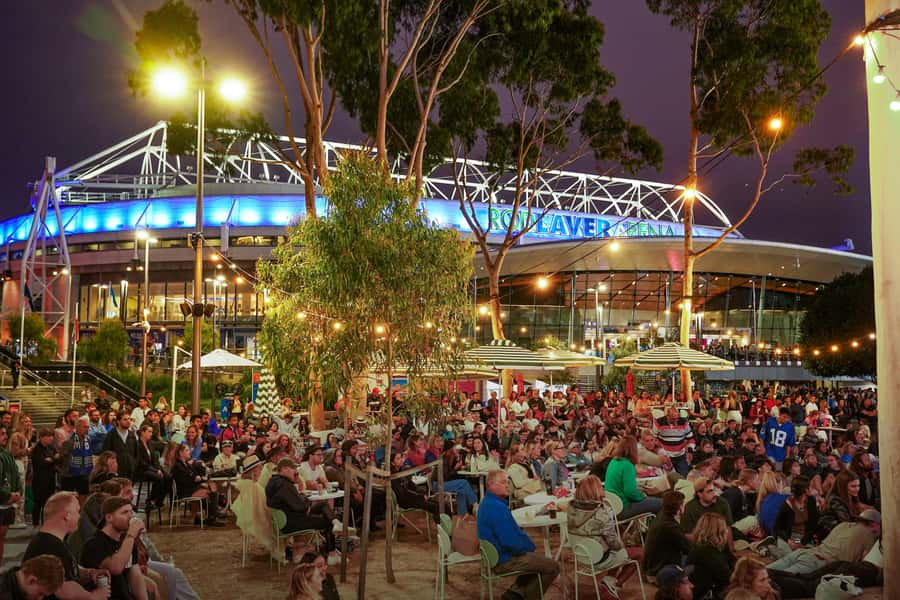
I would recommend it first to tennis fans, especially anyone visiting Melbourne because of the Australian Open. You get to see Rod Laver Arena, Margaret Court Arena, the wider Melbourne Park complex, and, when permitted, play on the courts.
It also works well for families and mixed-interest groups. A partner who is not a tennis fanatic can learn about Australian football, rugby, cricket, Aboriginal games, and Melbourne’s major events. A parent or grandparent who has always watched the Australian Open can get a memorable hands-on moment without needing to play at a high level.
It is less suitable if you want a full MCG stadium tour, a formal tennis lesson, or a long indoor visit at each venue. The tour is mainly a guided walk with one sporting activity, not a series of complete stadium admissions.
Practical details before you book
Wear sports shoes, even if you are unsure how much you will play. The walk between Federation Square, Melbourne Park, the Olympic Precinct, and the MCG is part of the experience, so comfortable footwear will make the morning easier.
The tour lasts three hours when court play is operating. Starting times vary, so check availability for your date. English is the tour language, and the activity is wheelchair accessible.
You can cancel up to 24 hours before the start for a full refund, and the reserve-now, pay-later option keeps your plans flexible. The meeting point is easy to find at Federation Square, but arrive ready to look for a guide with a tennis ball rather than a large sign.
Should you book the Melbourne Park sporting experience?
Book it if you want more than a photograph outside the Australian Open grounds. The mix of court access, local sporting stories, the Olympic Precinct, and the MCG gives you a useful picture of why sport matters so much in Melbourne.
For the best match with the advertised experience, avoid December and January if playing tennis is your priority. Choose January instead if attending the Australian Open matters more. If the MCG is your main target, add an internal stadium tour.
At $84, this is a good-value morning for tennis fans and a solid introduction for curious visitors. The court time is the emotional high point, but the guides and the walk between venues give the experience its real shape.
FAQ
How long does the Melbourne Park sporting experience last?
The standard experience lasts three hours. During December and January, when tennis play is unavailable, the walking version lasts about two to two and a half hours.
Where does the tour meet?
Meet at Federation Square, between Transport Bar and Princes Bridge. Look for the guide playing with a tennis ball.
Can I play tennis on the Australian Open courts?
Court play is included when court access is available. It is not available during December and January because of Australian Open construction and the tournament itself.
Are racquets and balls provided?
Yes. Racquets and balls are supplied when court hire is part of the experience.
What should I bring?
Bring sports shoes. Comfortable footwear is also useful because the experience includes walking between several sporting sites.
Are Australian Open tickets included?
Australian Open tickets are included for bookings during January. Tennis court play is not available during that period.
Is an internal MCG tour included?
No. Internal stadium tours require additional tickets.
Is the activity wheelchair accessible?
Yes, the activity is listed as wheelchair accessible.
What language is the tour conducted in?
The tour is conducted in English with a live guide.
New on the fixture list around Australia
- Sydney: Allianz Stadium Guided Tour★ 5.0 · 2 reviews
- Perth: Optus Stadium Rooftop Vertigo Experience★ 4.9 · 27 reviews
- Optus Stadium HALO Rooftop Experience★ 4.8 · 23 reviews
- Melbourne: Australian Sports Museum Admission Ticket★ 4.6 · 14 reviews
- 30-Minute Sydney Harbour and Olympic Park Helicopter Tour★ 5.0 · 30 reviews
- Access the Inaccessible: Sydney Luxury Golf Packages★ 5.0 · 16 reviews
- Australian Sports Museum Ticket★ 5.0 · 60 reviews
- Melbourne: MCG & Sports Venue Sightseeing Tour★ 4.6 · 70 reviews
More Tennis Tours and Tickets to weigh up.

Paris: Roland-Garros Stadium Guided Backstage Tour
Read our review →
London: Wimbledon Tennis Club and Westminster Walking Tour
Read our review →
US Open Tennis Championship at Arthur Ashe Stadium Ticket
Read our review →
Shanghai: Table Tennis Museum Tour with Practice Session
Read our review →
This one also appears in