
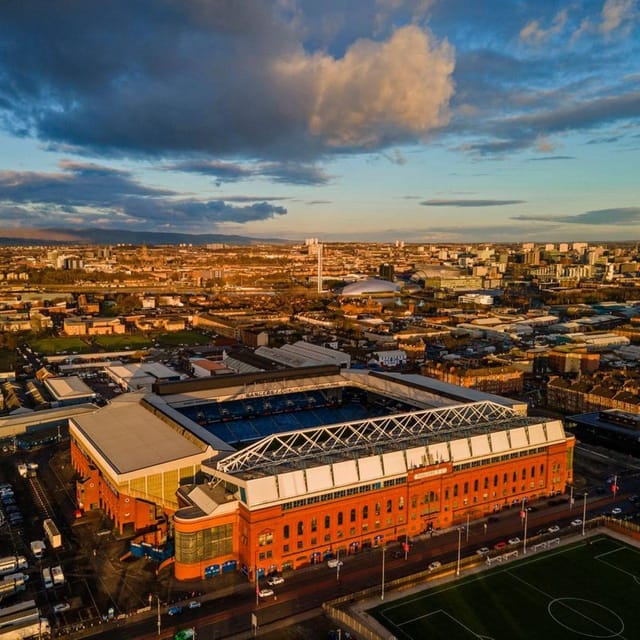
Review · GLASGOW
Glasgow: Ibrox Stadium Tour
Ibrox saves its best moments for the places most football fans only see from a distance: the marble staircase in the Archibald Leitch Main Stand, the players’ tunnel, and the dugout where famous Rangers managers have sat. I like the way this tour combines grand architecture with practical access to working football spaces.
I also like the relaxed pace and the guides’ personal connection to the club. Lawrence, John, Karen, Sandy, Billy, and others have been praised for their stories, humour, and patience with children. The main drawback is that the route includes plenty of walking and stairs, so wheelchair access is provided but anyone with mobility concerns should check the exact arrangements before booking.
Ibrox Stadium Tour: Key Points
- The Archibald Leitch marble staircase gives you a memorable first look at the stadium’s older, more formal side.
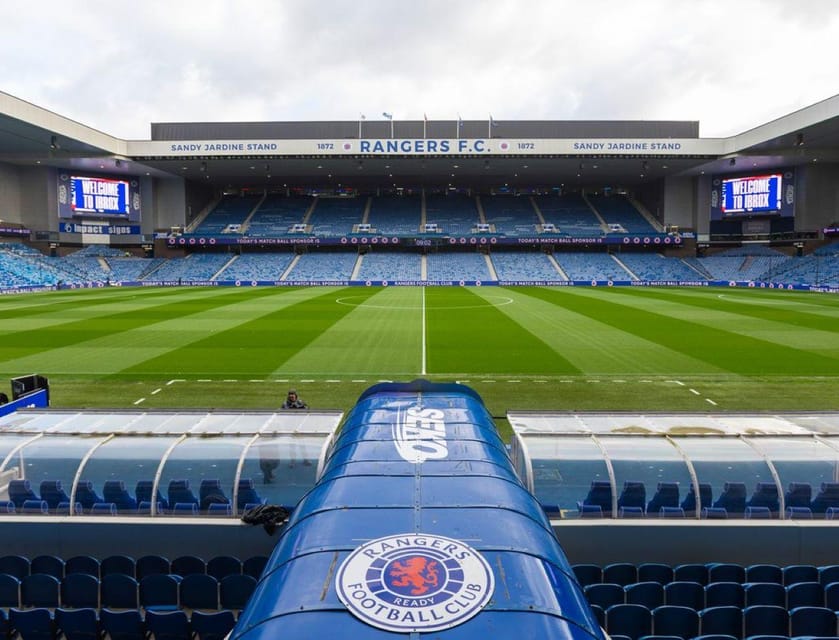
- The dressing rooms, tunnel, and dugout provide the tour’s strongest football moments.
- The Trophy Room adds context to Rangers’ success rather than leaving you with only a collection of objects.
- The Blue Room and old Managers Room reveal the club’s quieter, less familiar spaces.
- The guides make the difference, with personal stories, family connections, humour, and strong knowledge of Rangers history.
- Rangers Museum entry costs extra, so budget for it separately if you want the full club experience.
Entering Ibrox Through Edmiston House
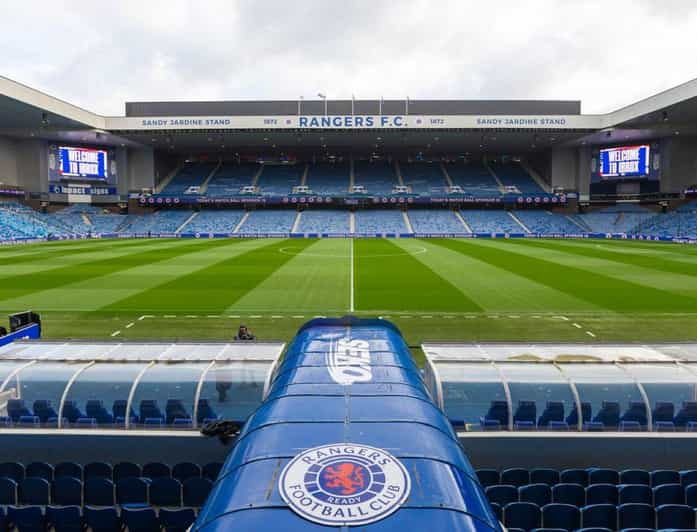
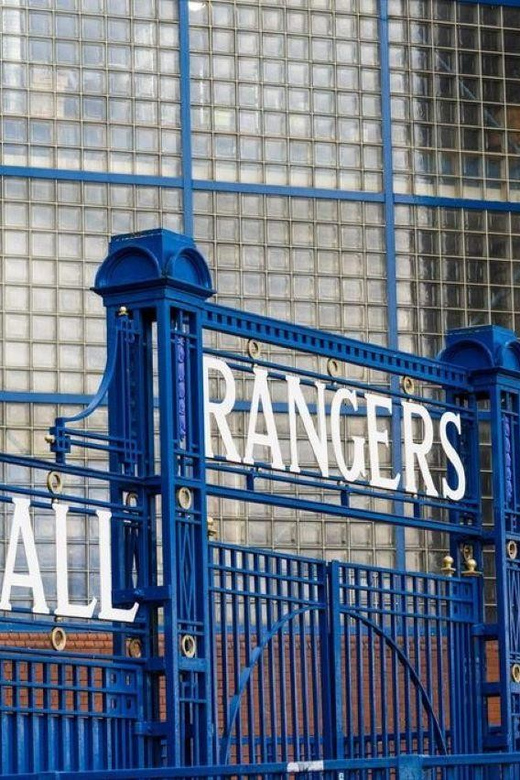
Your visit begins at the main entrance of Edmiston House, home of The Rangers Museum. Meet your guide there, check in, and then walk over to the Main Stand entrance of Ibrox Stadium.
This starting point makes sense. You begin with the club’s public-facing museum setting, then move into the stadium itself. Just remember that the museum and the stadium tour are separate experiences. Your tour ticket does not include Rangers Museum admission, which you can buy ahead of time or at the door.
The tour lasts about 1.5 hours. That is long enough to cover a good stretch of Ibrox without turning the visit into an all-day commitment. I like this length for a football stadium tour. You have time to stop for photographs and hear stories, but the visit still fits neatly into a day of sightseeing in Glasgow.
The tour is conducted in English. Guide quality matters a great deal here, and the named guides praised for their warmth and club knowledge include Lawrence, John Gallagher, Karen, Sandy, Billy, William, Christine, and John. Guides vary by departure, so you cannot choose a particular person, but the strongest tours seem to benefit from guides who connect club facts with family memories and local stories.
More Stadium Tours in the UK
- Liverpool: Liverpool Football Club Museum and Stadium Tour
★ 4.8 · 10,764 reviews - London: Emirates Stadium Entry Ticket and Audio Guide
★ 4.7 · 5,513 reviews - London: Chelsea Football Club Stadium and Museum Tour
★ 4.8 · 4,576 reviews
The Marble Staircase and Archibald Leitch’s Design
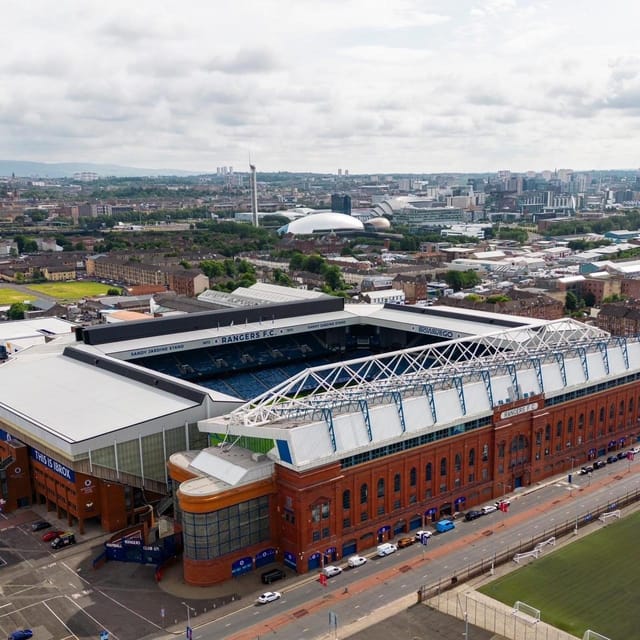
The first major architectural moment is the marble staircase inside the Archibald Leitch Main Stand. This is not simply a route from one room to another. It gives you a sense of the formal character of old football grounds, when a major stand was designed to feel ceremonial as well as functional.
I would pay attention here even if you are not a devoted Rangers supporter. Ibrox is 125 years old, and the older parts of the building give the tour its character. The staircase helps explain why the stadium feels like more than a set of modern seating blocks. One visitor compared the interior to a hotel, which is a useful way to picture the polished public spaces.
The guide adds the meaning behind the architecture. You may hear about the way the club and stadium developed, along with stories connected to Rangers’ past. This is where a good guide can make an old staircase feel significant instead of merely decorative.
You should also expect the route to involve steps and a fair amount of walking. One parent found the visit difficult for someone with mobility issues because of the stairs, while the activity is also described as wheelchair accessible. Those details are not necessarily contradictory, but they do mean you should discuss your needs before arrival rather than assume every part of the standard route will work without adjustment.
Rangers’ Dressing Rooms and the Blue Room
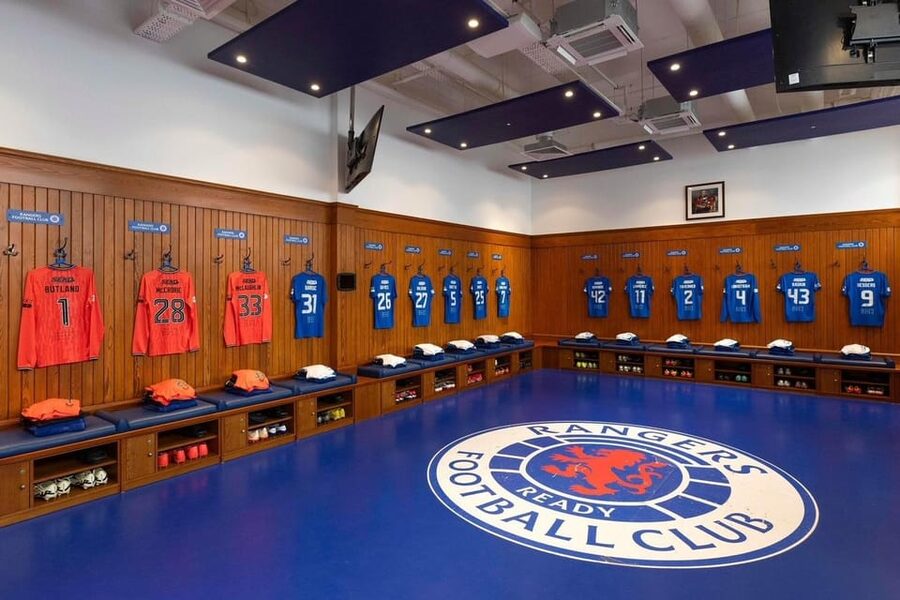
The home and away dressing rooms bring the tour closer to the football itself. You are no longer looking at the stadium only as a historic building. You are seeing the rooms where players prepare, wait, and gather before going out to the pitch.
For a lifelong Rangers supporter, this will likely be one of the most personal parts of the visit. For a casual football fan, it helps turn a large stadium into a human place. The dressing rooms also give children a clear connection to what happens before a match, which is one reason this tour works well for families.
The Blue Room adds a different mood. It is less about the players’ match-day routine and more about the club’s formal and social side. The old Managers Room gives another glimpse into the people who shaped the team from behind the scenes.
Other spaces that have been included on tours include the Waddell Members Lounge and charity room. Access can depend on the day’s route and stadium activity, so I would treat these as possible stops rather than guaranteed features. The same applies to other interior rooms mentioned by past visitors, such as the directors’ box.
Guides often make this stretch more interesting by adding personal connections. John Gallagher, for example, has been praised for bringing family links and memories of Ibrox into his presentation. That kind of detail gives the rooms a local voice that a signboard cannot provide.
The Trophy Room and Rangers’ Story
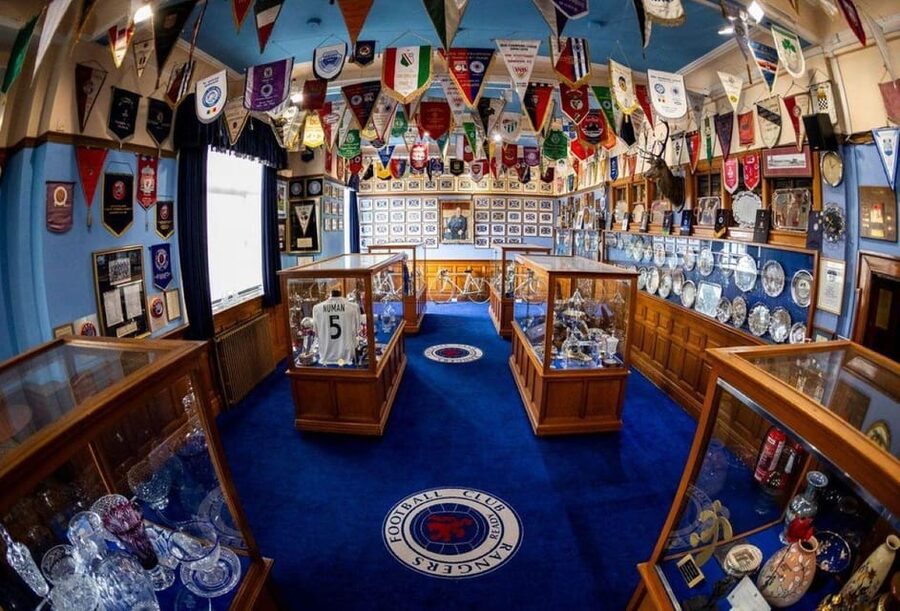
The Trophy Room is the tour’s main display area, and it gives the club’s achievements a physical setting. You see the scale of Rangers’ success rather than hearing a quick list of dates and honours.
I like this part because it provides structure. The club’s story can be overwhelming for someone arriving without much background, especially with more than a century of football behind it. The trophies give you reference points while the guide explains how the club developed and what the stadium has meant to its supporters.
The guides also cover the club’s origins, its place in the community, and important moments from the past. Several guides have been praised for explaining the history in a light, conversational way. That tone is useful. A football club tour should have energy, but it should not feel like a lecture.
If you are visiting with children, listen for a guide who brings younger members into the conversation. Lawrence and Billy have been singled out for involving children, including very young children, rather than speaking only to the adults. That can make the difference between a family visit that drifts and one that keeps everyone interested.
One point worth noting is the range of club subjects covered. The focus is firmly on Rangers men’s team and stadium history. One visitor wanted more recognition of the women’s team and felt the answer about their use of Ibrox was disappointing. If the full story of Rangers is important to you, this is a fair question to raise with your guide.
Same city, another way to catch the action:
- The Manchester City Stadium Tour
★ 5.0 · 4,176 reviews - London: Wembley Stadium Guided Tour
★ 4.7 · 3,629 reviews - Glasgow: Celtic Park Stadium Tour
★ 4.9 · 3,336 reviews - Guided Celtic Park Stadium Tour
★ 5.0 · 3,136 reviews
Running the Tunnel to the Pitch
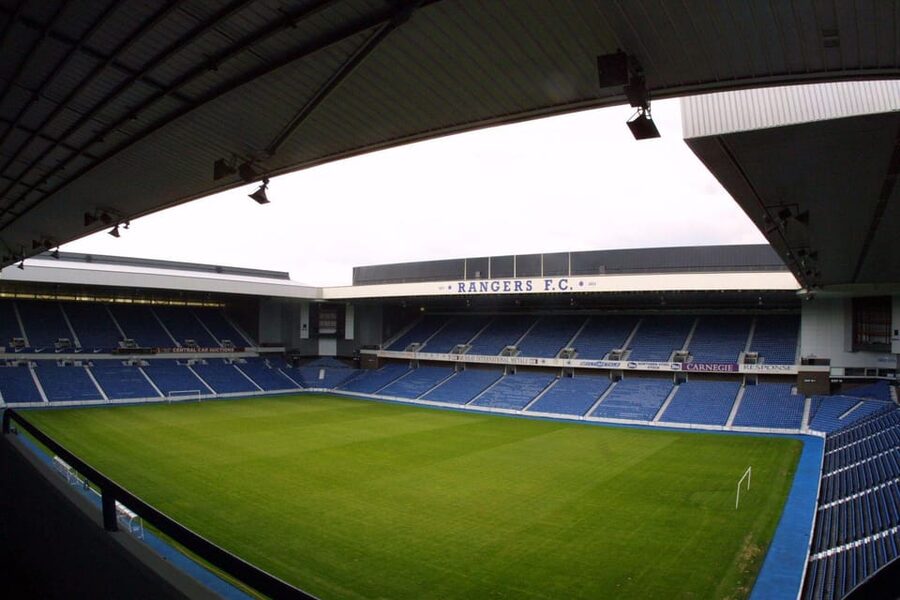
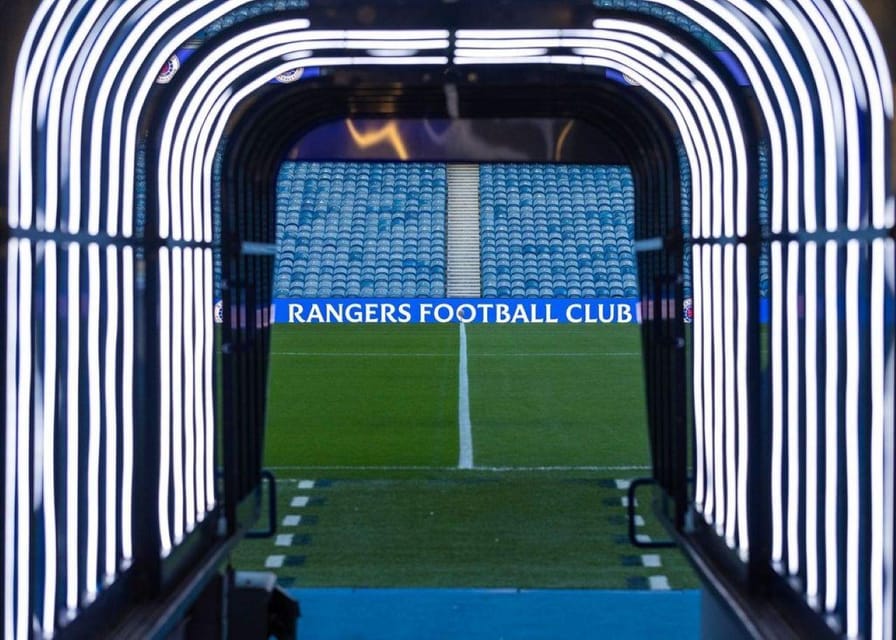
The tunnel is the emotional centre of the tour. You get the chance to run down it toward the pitch, then take in the stadium from close to field level.
This works because it changes your perspective. From the stands, a football ground is an enormous bowl. From the tunnel and pitchside area, you can imagine the noise, nerves, and anticipation before a match. Even a non-football fan can understand why this moment has such pull.
You are also given time for photographs, including a selfie with the stadium behind you. The chance to pause matters. A rushed photo stop would make the experience feel like a conveyor belt, while the slower pace allows you to take in the space and get a clear picture.
Weather may affect this part of the visit. One person enjoyed the tour despite rain, so it is sensible to wear comfortable shoes and come prepared for changing Glasgow conditions. The supplied guidance specifically recommends comfortable footwear, and that is good advice even on a dry day.
Sitting in the Dugout
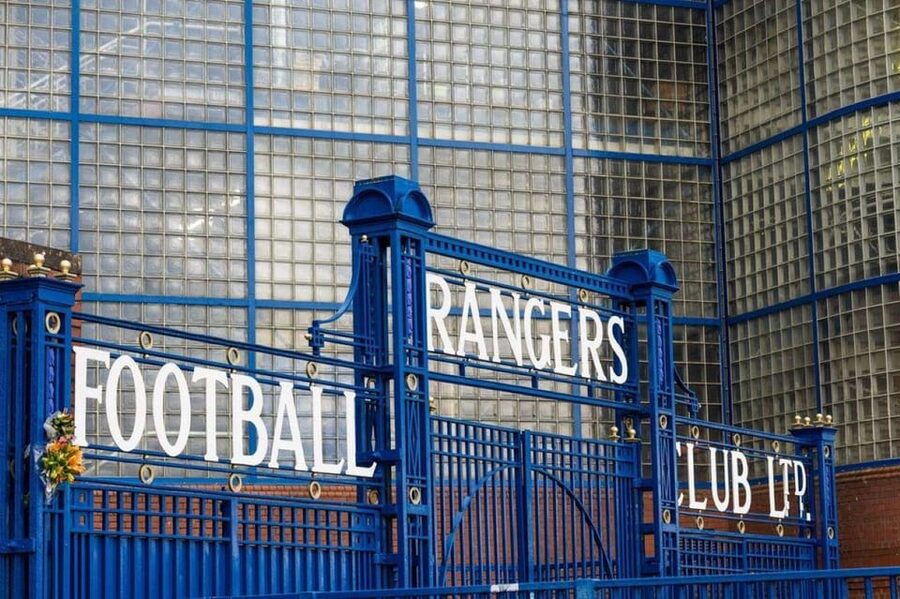
Taking a seat in the dugout is a small detail, but it is one of the most effective parts of the route. You are placed where players, coaches, and managers have watched the action unfold.
This is also a good example of the tour’s value. You are not just looking at a trophy cabinet through glass. You are being placed in recognisable football positions, which gives you memorable photographs and a clearer feeling for the stadium’s match-day layout.
The dugout stop is especially good for groups with mixed interests. A serious supporter may care about the people who sat there, while a child may simply enjoy sitting in the same kind of seat used during a match. Guides often add stories about managers and former players at this point, though the exact stories will depend on who leads your tour.
The tour can also include access to parts of the stands and field area. One overseas visitor particularly valued seeing the pitch, stands, and walkout tunnel together. I would see this as the main reason to choose the stadium tour instead of visiting only the museum.
Guide Style and Group Experience
The guide is central to the quality of this visit. The route itself is fixed, but the tone can change from one departure to another.
The best guides combine facts with humour and club feeling. Lawrence has been praised for his passion and jokes. John has been remembered for family stories and strong rapport with children. Karen, Christine, William, Sandy, and Billy have also been praised for making the tour friendly and informative.
You should expect a presentation with plenty of Rangers history, architecture, and personal stories. It is not simply a walk around empty rooms. The guide explains what you are seeing and answers questions along the way.
The pace is another plus. The tour is generally described as unhurried, with time to look around and take photographs. That suits older supporters and families. It also helps if you have a visual impairment, as one guide was praised for allowing extra time to reach different parts of the route.
The experience is not perfectly uniform. One person felt the guide released information slowly and could have engaged younger children more. That is a useful reminder that the personality of your guide matters. If you are visiting with children, encourage them to ask questions and take part rather than standing at the back of the group.
Is the $36 Price Worth It?
At $36 per person, the tour is not the cheapest way to see a football ground, but it offers more than a quick look inside the stands. You get 1.5 hours with a live English-speaking guide and access to dressing rooms, the Trophy Room, the tunnel, the dugout, and selected club rooms.
I think the price makes sense for a Rangers supporter, particularly if you value stories and behind-the-scenes access. The tour gives you a stronger connection to Ibrox than a museum visit alone. You also get photographs in places that are normally closed to the public.
For a neutral football fan, the value depends on your interest in stadium design and club culture. The marble staircase, old rooms, and architecture give the visit appeal beyond the match itself, but the presentation is still centred on Rangers. If you have no interest in football or sporting history, the price may feel high for a 90-minute visit.
Remember to add the separate Rangers Museum ticket if you want to see that collection too. Combining both visits could make the journey to Ibrox feel more worthwhile, but only the stadium tour is covered by this booking.
The booking terms are flexible: you can cancel up to 24 hours before the tour for a full refund, and you can reserve now and pay later. Starting times vary, so check the available departure when you book.
Who Should Book This Ibrox Visit?
I would recommend it first to Rangers supporters, former season-ticket holders, and anyone travelling with a football-loving parent or child. The tour works particularly well as a birthday gift or as an extra day around a Rangers match.
It also suits visitors who enjoy old stadium architecture. The Archibald Leitch staircase, formal rooms, and 125-year history give you plenty to look at even if you do not follow every fixture.
Families should benefit from the photographs, tunnel, dugout, and stories, but keep the walking and stairs in mind. The activity is listed as wheelchair accessible, yet the standard route has physical demands. Contact the provider before booking if you need a specific arrangement.
I would be less quick to recommend it to someone hoping for a broad presentation of every part of Rangers Football Club. The focus is mainly on Ibrox, the men’s team, the club’s past, and the stadium’s most important rooms. The women’s team receives limited attention based on one visitor’s experience.
Should You Book the Ibrox Stadium Tour?
Book it if you want to feel the stadium from the inside, not just photograph it from outside. The marble staircase, Trophy Room, dressing rooms, tunnel, and dugout create a well-rounded visit, while a strong guide can add the humour and personal memories that make the building feel alive.
I would pair it with the Rangers Museum if you want a fuller club visit, and I would allow extra time for photographs. Wear comfortable shoes, check the route if stairs are a concern, and remember that your guide will vary.
For $36, this is a good-value choice for Rangers fans and a worthwhile stadium visit for football-minded visitors. It is less compelling for anyone with no interest in the club, but for the right audience, the chance to walk the tunnel and sit in the dugout is difficult to replace.
FAQ
How long does the Ibrox Stadium Tour last?
The guided tour lasts about 1.5 hours.
Where does the Ibrox Stadium Tour begin?
Meet your guide at the main entrance of Edmiston House, home of The Rangers Museum. From there, the group is led to the Main Stand entrance of Ibrox Stadium.
Is Rangers Museum entry included?
No. Rangers Museum admission is separate and can be purchased in advance or at the door.
What areas can I see during the tour?
The tour includes access to the home and away dressing rooms, Trophy Room, tunnel, dugout, Blue Room, old Managers Room, and the marble staircase. Other rooms may be included depending on the route.
Can I take photographs?
Yes. The tour includes time for photographs, and you can take a selfie with the stadium as a backdrop.
Is the tour wheelchair accessible?
The activity is listed as wheelchair accessible. However, the route includes walking and stairs, so contact the provider before booking if you have specific mobility needs.
What language is the tour conducted in?
The live guided tour is conducted in English.
Can I cancel the tour?
Yes. You can cancel up to 24 hours in advance for a full refund. You can also reserve your place and pay later.
New on the fixture list around the UK
- London: Shoreditch Junkyard Golf Tickets for 9 or 18 Holes★ 4.7 · 31 reviews
- Newcastle: Junkyard Golf Tickets for 9 or 18 Holes★ 4.3 · 42 reviews
- London: F1® DRIVE – The Official F1® Karting Experience★ 4.3 · 22 reviews
- Leeds: Junkyard Golf Tickets for 9 or 18 Holes★ 4.5 · 38 reviews
- Glasgow Football Tour: Three Hampdens Walking Tour★ 5.0 · 2 reviews
- Glasgow: Celtic Park Number 7 Restaurant★ 4.1 · 28 reviews
- From London: Liverpool FC Stadium & Museum Rail Day Tour★ 4.8 · 8 reviews
- Belfast: Ulster Transport Museum Entry Ticket★ 4.7 · 4 reviews
More Stadium Tours in the UK to weigh up.

Liverpool: Liverpool Football Club Museum and Stadium Tour
Read our review →
London: Emirates Stadium Entry Ticket and Audio Guide
Read our review →
London: Chelsea Football Club Stadium and Museum Tour
Read our review →


This one also appears in