
Review · GLASGOW
Glasgow: Rangers Football Club Museum
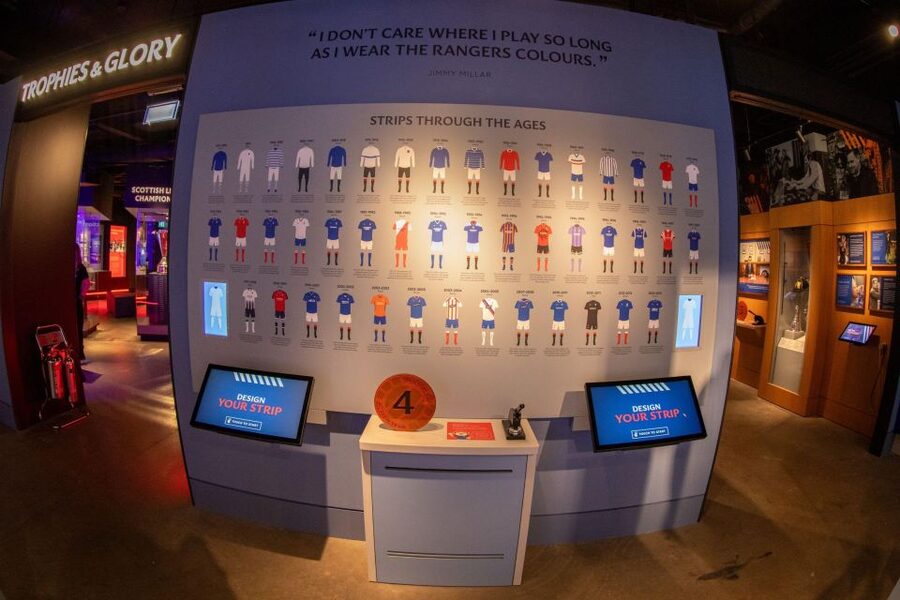
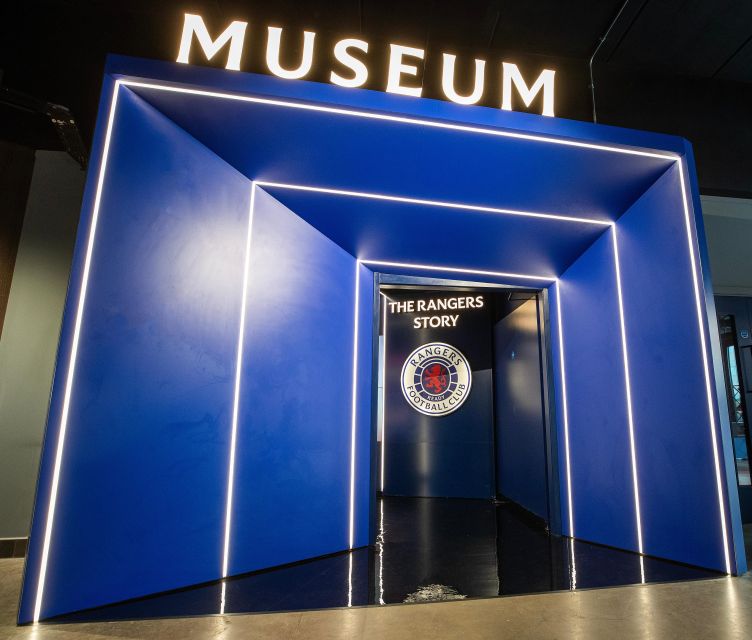
The best part of the Rangers Museum is its sweep through 151 years of one of Scotland’s biggest football clubs. You move from the early days to recent victories, with silverware, photographs, films, and club objects giving the story a strong sense of place.
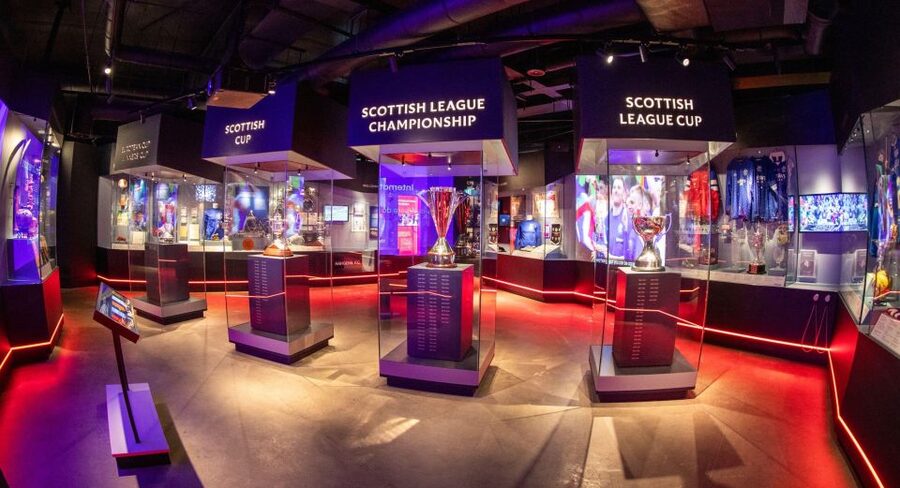
I like the trophy room, where the scale of the club’s success becomes clear, and the interactive screens, which give younger fans and families something to do beyond reading display panels. The free-flow layout also lets you linger over your favorite players and moments.
The main point to watch is that this is a museum visit, not the Ibrox Stadium tour. You enter Edmiston House and head upstairs, and the experience is self-guided, so anyone hoping for a fully led tour should set expectations accordingly.
Key points to know before you go
- 151 years of Rangers history: Follow the club from its beginnings to its most recent victories.
- A packed trophy room: See winning silverware and objects linked to the club’s long story.
- Interactive football activities: Build your Rangers dream team and work out formations on digital screens.
- About 90 minutes: The timed entry gives you room to browse at your own pace.
- Cafe and club shop: Finish with hot or cold snacks, drinks, and Rangers supporter items.
- Edmiston House entry only: The ticket does not include access to Ibrox Stadium.
Entering Edmiston House and finding the museum
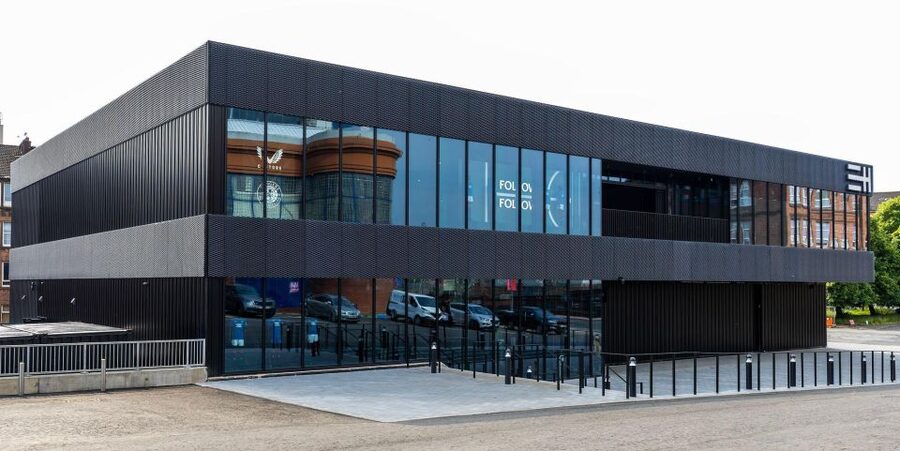
Your visit begins at Edmiston House. Once inside, head upstairs to the Rangers Museum. This is useful to know before arrival because your ticket is for the museum itself, not for a stadium tour or a general Ibrox access pass.
The venue is cashless, so bring a bank card or another accepted card payment method. Food, large bags, and luggage are not allowed inside. That makes this easier as part of a day with a light day bag rather than a stop made between hotel checkout and a train.
Entry is timed, but the museum uses a free-flow layout. You are not pushed from one display to the next in a fixed group. I like that arrangement for a football museum because your interests may be very specific. You can spend longer with a favorite era, player, manager, or trophy, then move on when you are ready.
The visit lasts about 1.5 hours. That is long enough to see the main displays without turning the museum into an all-day commitment. If you are visiting with a supporter who wants to read every panel, the flexible layout gives you a little breathing room. If you are with children or a less committed football fan, the interactive sections and cafe help keep the outing manageable.
More Sports Museums in the UK:
- Liverpool: Liverpool Football Club Museum and Stadium Tour
★ 4.8 · 10,764 reviews - Scottish Football Museum and Hampden Park Stadium Tour
★ 4.8 · 282 reviews - Barcelona: FC Barcelona Museum “Barça Immersive Tour” Ticket
★ 4.4 · 10,944 reviews
Starting with Rangers’ 151-year story
The museum’s central purpose is to explain how Rangers developed from its beginnings into a major Glasgow and Scottish football club. The displays cover more than just match results. You can expect a mixture of photographs, written information, video material, historic objects, and silverware.
That broad timeline is valuable because it gives context to trophies that might otherwise look like a row of impressive cups. You see the club’s story as a sequence of eras, with famous players, managers, matches, and events forming a long thread. Fans who already know the names will have plenty to recognize. Those who are newer to Rangers get a basic route through the club’s past.
I would allow time to read rather than racing straight to the trophy room. Several people who have spent decades supporting the club have found details they did not already know. That tells you the museum is not only for first-time football fans or children. It can also fill gaps for someone who remembers the matches but never stopped to study the club’s earlier years.
The museum also has appeal beyond match statistics. Rangers is closely tied to Glasgow, and the club’s story is part of the city’s social and sporting identity. You do not need to know every player or season to understand that this is more than a display of old shirts and cups.
The trophy room is the visual centerpiece
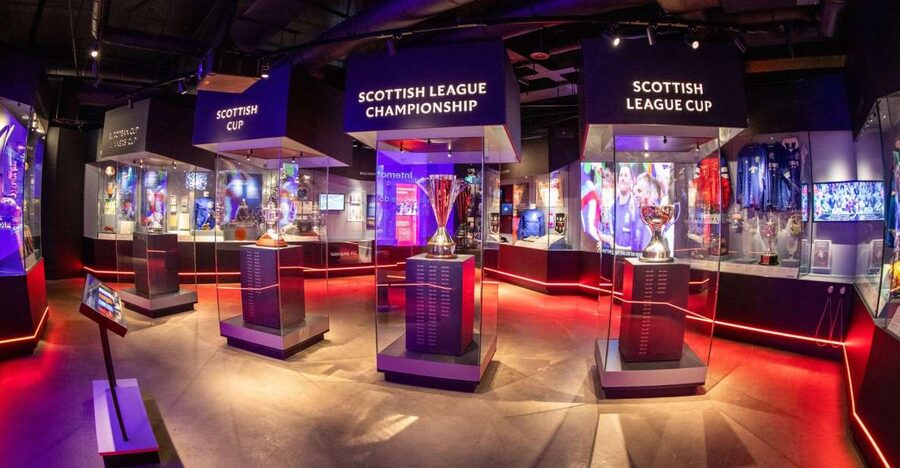
The trophy room is likely to be your first major pause. The display brings the club’s success together in one place, and the amount of silverware gives the visit its strongest visual punch.
I like this section because it works at two levels. A lifelong supporter can identify trophies and recall particular seasons. Someone with only a passing interest in football can still understand the scale of achievement by seeing so many awards grouped together.
The museum also includes unique artifacts from the club’s past. The available information does not give a full item-by-item inventory, so you should not arrive expecting a particular shirt, medal, or match ball unless it has been confirmed for your date. What you can count on is a mix of objects, images, and displays that help put the trophies into context.
Take your time with the captions and photographs. The written material is meant to explain what you are looking at, not simply label it. Video clips add movement and sound to a visit that could otherwise feel static. One useful feature is the clear visual presentation, including material designed to assist people with visual impairments.
The trophy room may be the main photo stop, but it is not the whole experience. If you only hurry through the other displays to reach the cups, you will miss much of what makes the museum worthwhile.
Interactive screens make the visit more than a history lesson
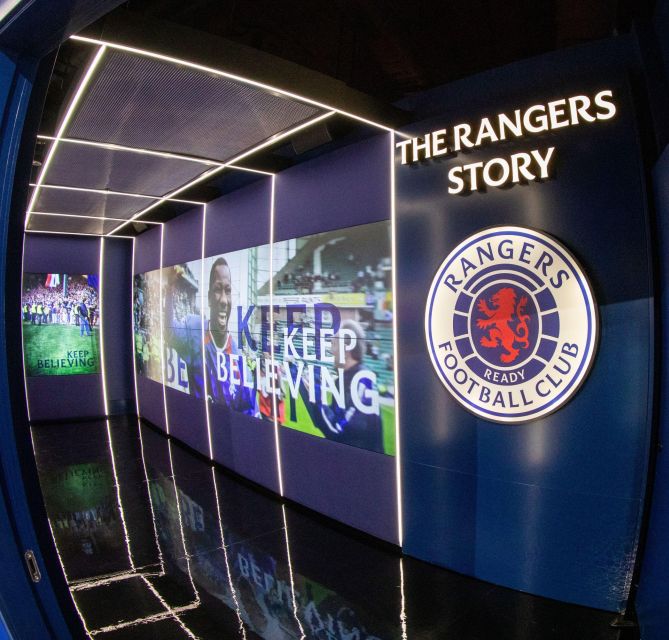
The most playful part of the museum is the digital football activity. You can build your own Rangers dream team and plan formations on interactive screens.
This is especially useful for families. Younger visitors may not want to read long panels about past seasons, but choosing players and arranging a team gives them a direct way into the subject. It also suits supporters who enjoy debating lineups. You can compare your preferred team with the choices made by the person beside you.
The interactive modules are informative as well as entertaining. They break up the reading and help the museum serve different types of football fan. Someone who loves statistics and club history can focus on the displays. Someone who wants a more active visit can spend time with the screens.
The museum does not appear to use a rigid route, so you can return to an activity or leave it for later. That flexibility matters when you are visiting as a family or with friends who have different levels of interest.
One practical limitation is that this is still a self-guided museum. If you have a detailed question about a player, a trophy, or a particular club event, there may not be a guide stationed beside every display. Staff have been described as friendly and helpful, but the experience is designed for you to explore independently.
More sporting days out around the UK:
- London: Emirates Stadium Entry Ticket and Audio Guide
★ 4.7 · 5,513 reviews - London: Chelsea Football Club Stadium and Museum Tour
★ 4.8 · 4,576 reviews - The Manchester City Stadium Tour
★ 5.0 · 4,176 reviews - London: Wembley Stadium Guided Tour
★ 4.7 · 3,629 reviews
Films, photographs, and personal memories
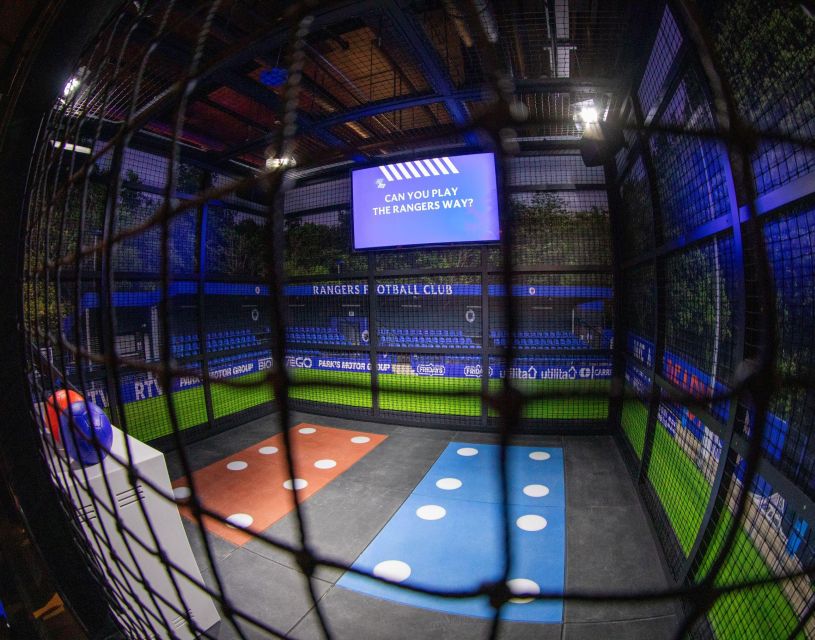
The museum uses films and photographs to give faces and voices to the club’s story. The video material is clearly presented, and the combination of moving images with written descriptions helps older supporters reconnect with periods they remember.
That emotional side is a real strength. A museum about a football club can easily become a dry list of dates and winners. Here, the photographs and films help connect the names to actual teams, matches, and moments. For someone who first visited Ibrox many years ago, the displays can bring back memories of old players and games.
The experience may be particularly meaningful for families who have followed Rangers across generations. A parent can explain why a certain player mattered, while a younger supporter can use the screens and newer displays to form their own favorites. The museum gives both groups something to talk about.
There is also room for more serious memories. The club’s story includes major events, and the displays can carry personal weight for people with a close connection to Rangers and Ibrox. That means the museum is not simply a cheerful collection of trophies. It also presents the events that shaped the club and its supporters.
A self-guided visit gives you control of the pace
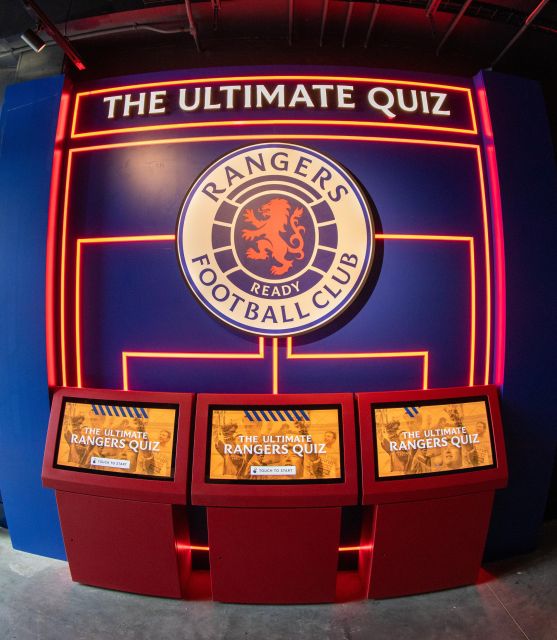
The free-flow format is one of the simplest reasons to book this experience. You are given an entry time, then explore the museum at your own speed rather than joining a fixed walking tour.
I prefer this setup for a club museum. You can stop when a name catches your eye, skip a section you know well, or slow down when a display brings back a memory. The 90-minute duration gives you a useful target, but you do not need to treat it as a strict minute-by-minute schedule.
The tradeoff is that you need to create your own structure. A guide is not leading you through the club’s story, so read the opening information and follow the timeline at a sensible pace. Start with the early history, continue through the photographs and films, then allow time for the trophy room and interactive screens.
If you are visiting with someone who has limited mobility, the museum is wheelchair accessible. Audio and visual assistance are available, which adds practical value for visitors who need support with the displays. Large bags and luggage are not permitted, so plan ahead rather than arriving with suitcases.
The cafe and club shop extend the visit
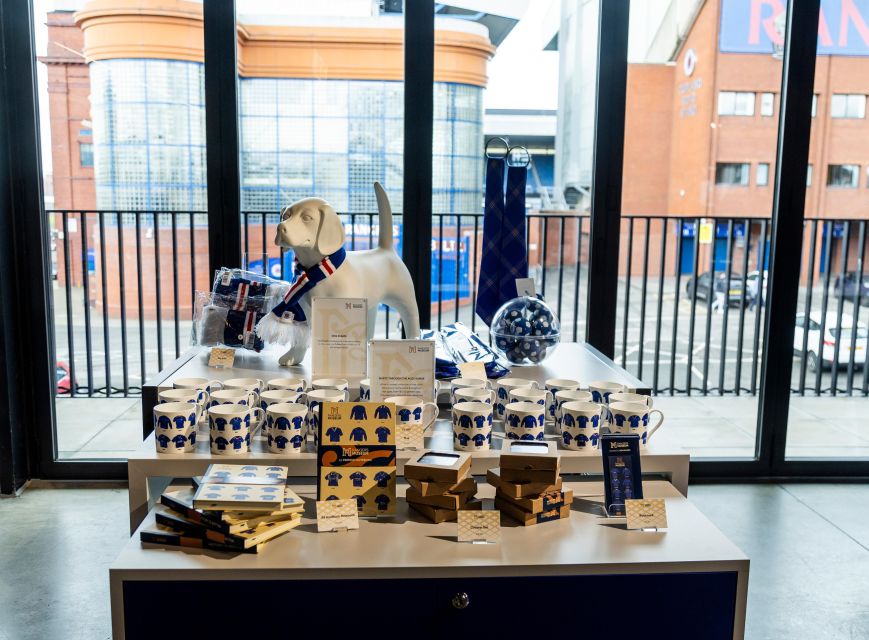
At the end, you can stop at the cafe for drinks and hot or cold snacks. It is a handy feature if you want to pause before heading back into Glasgow or if your group needs a break after the displays.
The cafe is not the main reason to book, but it makes the visit easier to fit into a day. You do not need to search for somewhere else immediately after leaving the museum. Seating may feel limited at busy times, so treat it as a useful refreshment stop rather than a place to plan a long meal.
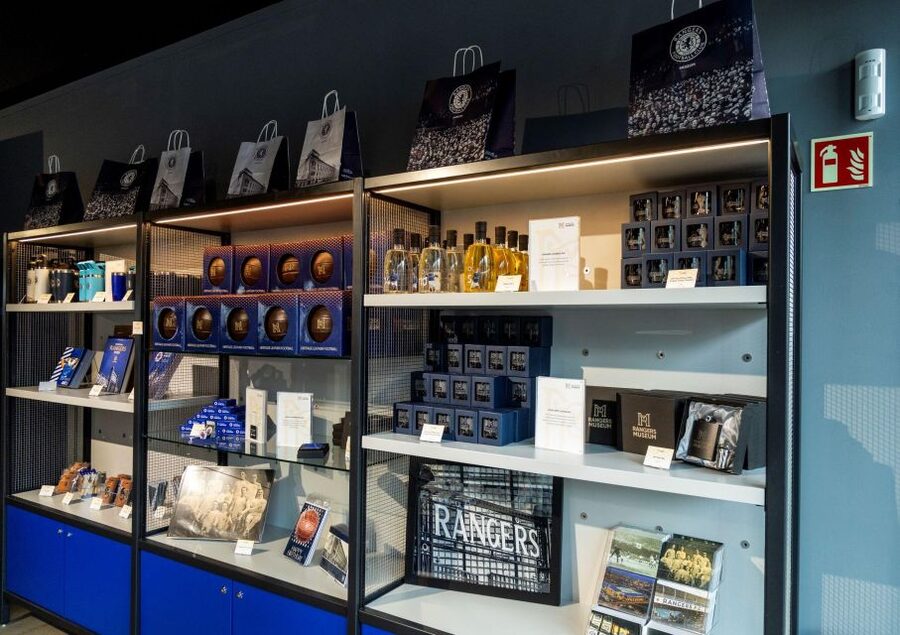
The club shop offers supporter items and souvenirs. That gives you a simple way to take home a scarf, shirt, or another Rangers product, though the exact stock is not specified. Since Edmiston House is cashless, remember that purchases at the cafe and shop require card payment.
I like having both options at the end rather than at the beginning. You can browse the merchandise after seeing the club displays, which gives the souvenirs more meaning. It also lets you leave the museum without carrying shopping bags through the exhibits.
Is $20 good value for 90 minutes?
At $20 per person, the museum is fairly priced if you have a real interest in Rangers or football history. You get about 90 minutes of access to the displays, trophy room, films, photographs, and interactive screens. The cafe and shop are extras, not hidden additions to the ticket.
The value depends on what you expect. If you want access inside Ibrox Stadium, $20 will not meet that expectation because the stadium tour is separate. If you want a focused look at the club’s past, with flexibility to browse alone, the price is easier to justify.
I would also consider the museum for a mixed-age group. The interactive screens help children and teenagers stay involved, while the historic displays give older supporters plenty to discuss. That shared appeal can make the ticket more useful than an experience aimed at only one age group.
For a casual football tourist with no connection to Rangers, the visit may take less than the full 90 minutes. In that case, compare the cost with your interest level and the rest of your Glasgow plans. For a committed supporter, the trophy room, club timeline, and old footage provide enough material to make the price reasonable.
Who will enjoy the Rangers Museum most?
This is an obvious choice for Rangers supporters, especially those visiting with children, parents, or friends who want a clear introduction to the club. It also suits anyone interested in Glasgow football and Scottish sporting culture.
I would recommend it to:
- Families looking for a football activity with both reading and hands-on sections.
- Lifelong supporters who want to revisit old players, managers, matches, and trophies.
- Teenagers who prefer interactive screens to a traditional museum route.
- Visitors who want a 90-minute activity rather than a full-day tour.
- Supporters who want a souvenir shop and cafe on site.
You may want to skip it if your only goal is to walk around Ibrox Stadium. Stadium access is not part of this ticket. Also think twice if you need a fully guided experience, since the museum is self-guided and free flowing.
Practical details that can shape your visit
Book a timed entry and arrive ready to head upstairs inside Edmiston House. Keep large bags and luggage elsewhere, and do not bring food into the museum.
The venue accepts card payments only. This applies to the cashless Edmiston House setting, so do not rely on cash for the cafe or shop.
Wheelchair access is available, and audio and visual assistance are offered. If you need a particular form of support, it is sensible to check the arrangements before setting out.
Cancellation is flexible up to 24 hours before the visit for a full refund, and you can reserve now and pay later. That is useful if your Glasgow schedule is still taking shape.
Should you book the Rangers Football Club Museum?
Book it if Rangers, football, or Glasgow sporting culture matters to you. The strongest reasons are the trophy room, the long club timeline, the clear films and photographs, and the interactive team-building screens. At $20 for about 90 minutes, it offers a focused outing with enough variety for adults and younger fans.
Do not book it expecting an Ibrox Stadium tour or a guide-led walk. Instead, think of it as a flexible club museum where you can choose your own pace, learn the story behind the silverware, and finish with a snack or supporter item. For the right football fan, that is a solid use of part of a Glasgow day.
FAQ
Where is the Rangers Museum located?
The museum is in Edmiston House. Enter Edmiston House and head upstairs.
How long does the Rangers Museum visit take?
The stated duration is 1.5 hours, or about 90 minutes. You explore the museum at your own pace during your timed entry.
Is the Ibrox Stadium tour included?
No. Access to Ibrox Stadium is not included with the Rangers Museum ticket.
Is the museum self-guided?
Yes. The museum has a free-flow layout, allowing you to explore the displays independently.
What can I see inside the museum?
You can see more than 150 years of Rangers history, trophies, historic artifacts, photographs, films, written displays, and interactive activities.
Is the Rangers Museum wheelchair accessible?
Yes. The museum is wheelchair accessible, and audio and visual assistance are available.
Can I eat or pay with cash at Edmiston House?
Food is not allowed inside the museum. Edmiston House is cashless and accepts card payments only. A cafe serving drinks and hot or cold snacks is available, along with a Rangers gift shop.
New on the fixture list around the UK
- London: Shoreditch Junkyard Golf Tickets for 9 or 18 Holes★ 4.7 · 31 reviews
- Newcastle: Junkyard Golf Tickets for 9 or 18 Holes★ 4.3 · 42 reviews
- London: F1® DRIVE – The Official F1® Karting Experience★ 4.3 · 22 reviews
- Leeds: Junkyard Golf Tickets for 9 or 18 Holes★ 4.5 · 38 reviews
- Glasgow Football Tour: Three Hampdens Walking Tour★ 5.0 · 2 reviews
- From London: Liverpool FC Stadium & Museum Rail Day Tour★ 4.8 · 8 reviews
- Glasgow: Celtic Park Number 7 Restaurant★ 4.1 · 28 reviews
- Belfast: Ulster Transport Museum Entry Ticket★ 4.7 · 4 reviews
More Sports Museums to weigh up.

Barcelona: FC Barcelona Museum “Barça Immersive Tour” Ticket
Read our review →
Liverpool: Liverpool Football Club Museum and Stadium Tour
Read our review →
Lisbon: Luz Stadium Tour & SL Benfica Museum Entry
Read our review →
Camp Nou Immersive Tour F.C.Barcelona Museum: Open Date Ticket
Read our review →

Melbourne: MCG and Australian Sports Museum Guided Tour
Read our review →
Turin: Juventus Museum entry ticket & Stadium Tour
Read our review →
Barcelona: FC Barcelona Museum Total Experience Pass
Read our review →This one also appears in