
Review · UK
St Andrews Tours: Town, Golf and Old Course History
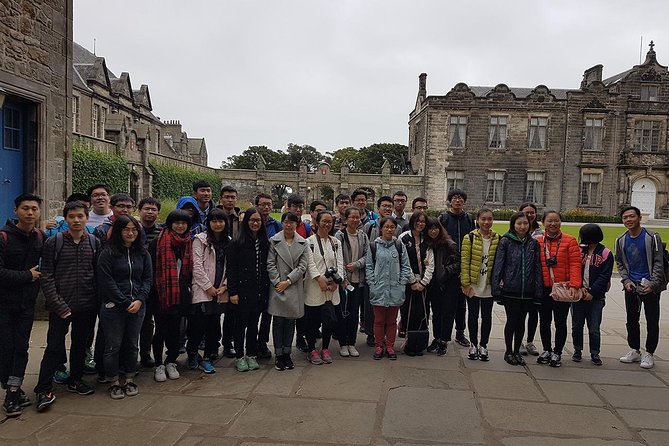
St Andrews is more than a famous golf course. This walking tour connects the town’s university, cathedral ruins, castle, and golfing landmarks in one compact route, ending at the Old Course and its celebrated Swilcan Bridge. Guides such as Richard bring unusual local insight, including years spent as a caddie and several books about St Andrews.
I like the balance of town history and golf history, so you do not need to be a golfer to get your money’s worth. I also like the finish: standing near the Old Course and taking photographs at Swilcan Bridge gives the tour a clear, memorable finale. The main drawback is its brisk pace and uneven suitability for anyone with walking problems or limited English.
Key points to know
- A local author may lead your walk: Richard has written seven or more books about St Andrews and has worked as a caddie for over eight years.
- The Old Course is the finale: You finish at Swilcan Bridge, close to the heart of golf, with time for photographs.
- It is not only a golf tour: The university, cathedral, castle, cemetery, and medieval story of St Andrews receive real attention.
- Sunday can be a smart choice: The Old Course is not used for golf on Sundays, allowing public access across the course, according to tour guidance.
- Plan for a brisk 1 hour 45 minutes: The group can include up to 20 people, and the route is not suited to slow walking.
- You need fluent English: The tour relies on spoken explanation, and translation or speaking slowly is not considered workable.
A St Andrews walk that joins two very different stories
The appeal here is simple: you see the town before you see the fairways. St Andrews grew around religion and learning, then became permanently linked with golf. This tour gives both stories room, rather than treating the town as a quick transfer to the Old Course.
At $27.78 per person, the price is modest for nearly two hours with a professional local guide. You are paying mainly for interpretation, not admission tickets. The cathedral, castle, university buildings, and Old Course are viewed from the walking route, so this is not a ticketed interior tour.
That matters because St Andrews can be confusing on a first visit. The main sights are close enough to walk between, but their connections are not always clear. A guide can explain why the cathedral mattered, how the university shaped the town, and how golf legends fit into the streets and links.
The experience is offered in English, with several departure times to help you fit it around other plans. It is usually booked well ahead, around 67 days in advance on average, so I would not leave it until the last minute if your dates are fixed.
More Golf Rounds and Courses in the UK:
- St Andrews: Golf Origins and Old Course History Tour
★ 4.7 · 322 reviews - St Andrews: Town, Golf, and Old Course History Tour
★ 4.7 · 162 reviews - Manchester: Junkyard Golf Club Tickets for 9 or 18 Holes
★ 4.6 · 133 reviews
Starting at T-Squared Social on North Street
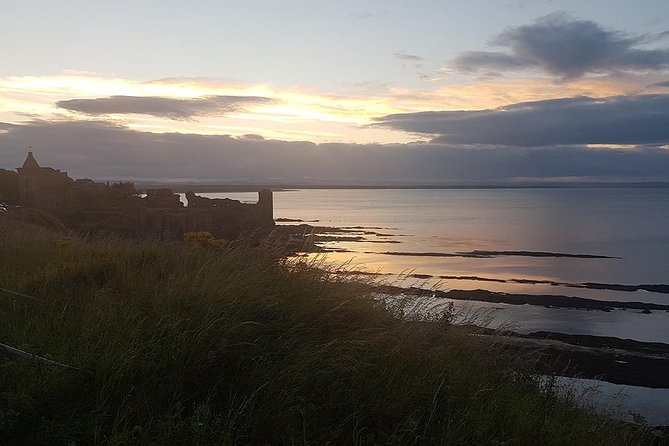
The meeting point is T-Squared Social at 117 North Street. It is a modern bar and restaurant associated with Tiger Woods and Justin Timberlake, with virtual golf and other sports activities inside. The contrast is useful: you begin in present-day St Andrews before walking into centuries of history.
Only about two minutes are allocated here, so do not expect a stop for food, drinks, or a round of virtual golf. Treat it as a clear meeting place. Arrive ready to walk, since the tour begins promptly and the route soon moves into the historic center.
The group can reach 20 people. That is still small enough for a personal walking experience, but you may find it harder to hear if you drift toward the back. Staying near the guide is sensible, especially in busy areas or when traffic and wind compete with the commentary.
The University of St Andrews and its 1413 beginning
The next stop introduces Scotland’s oldest university, founded in 1413. You spend around ten minutes learning about the institution, with attention to St Salvator’s College and the University Chapel.
This is a short stop, but it gives the town a second identity beyond golf. St Andrews is a university town with a long academic life, and the university buildings help explain why the place feels larger than its small size might suggest.
I like this part because it keeps the tour from becoming a single-subject pilgrimage. If you are traveling with someone who has no interest in golf, the university provides an immediate reason to pay attention. The guide’s job here is not simply to point at old stone. It is to explain how the institution fits into the town’s story.
Do not expect a full university campus visit or extended interior time. The experience is a walking overview, so you will see and discuss the key places rather than spending an hour inside the chapel or college.
Cathedral ruins, cemetery, and the town’s sacred past
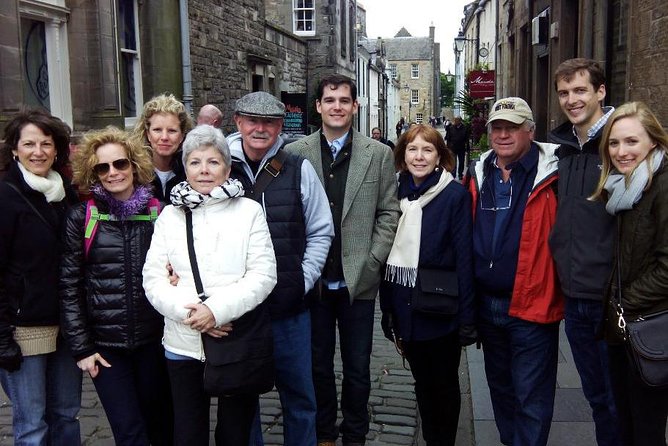
St Andrews Cathedral receives about 20 minutes, making it one of the longer town stops. The cathedral ruins are among the most striking parts of the route, and the surrounding ancient cemetery adds another layer to the visit.
The cathedral also links directly to golf history. The route includes the graves of golfing figures such as Old and Young Tom Morris, Allan Robertson, and Jamie Anderson. That combination is one of the tour’s strongest ideas: religious history and sporting history share the same ground.
You get a better sense of how old St Andrews is when the guide moves from university buildings to cathedral remains and cemetery stones. The town’s identity was not created by golf alone. Golf became famous here because it grew within an older religious and academic setting.
The ruins are outdoors, and the walking surface may not suit everyone. The tour is specifically not recommended for people with hip or knee problems, sprained ankles, walking frames, crutches, mobility scooters, or difficulty walking at a normal group pace. Wear practical shoes and expect Scottish weather to affect the feel of the stop.
More sporting history around the UK:
- Tour of Historic Fenway Park, America’s Most Beloved Ballpark
★ 4.5 · 3,013 reviews - Krabi: Ao Nang Landmark Stadium Muay Thai
★ 4.7 · 287 reviews - Private Luxury Tour: Marathon – Battle & Run That Changed History
★ 5.0 · 30 reviews - FC Barcelona History Immersive Walking Tour – Beer Included
★ 5.0 · 18 reviews
St Andrews Castle and the road toward the Open Championship
The route then reaches St Andrews Castle, once a bishop’s palace. The stop itself lasts about ten minutes, followed by a walk toward the Old Course filled with stories about Tom Morris, Allan Robertson, and the beginnings of the Open Championship.
This is where the tour shifts from buildings to personalities. Tom Morris and Allan Robertson are not just names connected with golf. They help explain how the game developed locally and how St Andrews became central to its wider story.
The walk between the castle and the Old Course is important. You are not being driven from one isolated sight to another. You move through the town and gradually toward the links, which makes the final arrival feel earned rather than staged.
A good guide can make this stretch especially effective. Richard, who has worked as a caddie and written extensively about St Andrews, is often praised for combining facts with humor. Other guides may lead the departure, so the exact style can vary, but the tour is designed around local explanation rather than a recorded script.
Forty minutes beside the Old Course
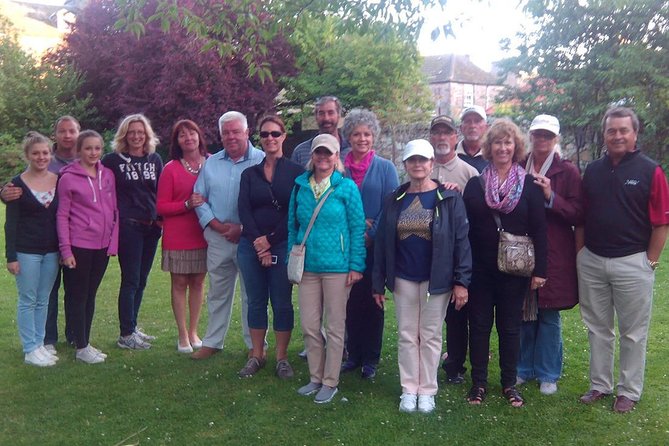
The Old Course gets the longest stop, about 40 minutes. You learn how golf developed and how the course changed over time, along with the nearby buildings and landmarks that have become part of golf’s public image.
For golfers, this is the core of the experience. You get close to the course, see the famous playing areas, and hear the stories behind the layout. You do not play a round, and the tour does not include a tee time. That distinction is important when comparing this walk with a golf package or course visit.
The tour includes walking across the first and 18th fairway area at your own risk. During live play, you must watch for golf balls. This is not a minor warning to ignore. The Old Course remains an active course, and you need to follow the guide’s directions and keep your attention on the play around you.
Timing can shape the experience. On Sundays, the Old Course is not used for golf, and the course becomes a public park where you can walk across it. That can make Sunday a particularly appealing day for anyone who wants a closer look without active play. Even then, check the conditions for your departure, since tournament days are excluded from the Swilcan Bridge finish.
The golf stop also works for non-golfers because the guide explains the course as part of St Andrews life. You can listen to the stories, notice the landmarks, and understand why a strip of ground became so important to the sport. You do not need to know a birdie from a bogey before arriving.
Swilcan Bridge and the final photograph
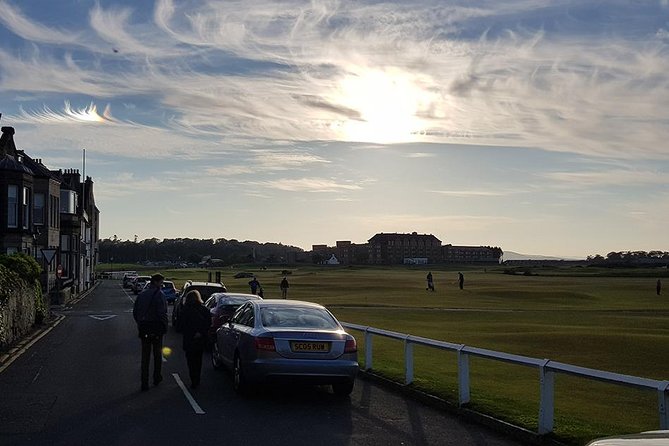
The tour ends at Swilcan Bridge on the Old Course, with about ten minutes for photographs and details about nearby buildings. This is a practical ending because it leaves you at the center of the golf story rather than returning you to the starting point.
The bridge is a photo stop, not an extended course visit. If getting the classic picture matters to you, keep your camera ready and listen for the guide’s instructions. The finish may not be available on tournament days.
Ending at the bridge also gives you freedom afterward. You are already by the Old Course, so you can continue exploring on your own, find food, or spend more time looking at the surrounding landmarks. One useful local suggestion is Jiggers fish and chips near the 17th hole, mentioned by guide Richard during a tour.
How fast is the walking pace?

The advertised duration is about 1 hour 45 minutes. That sounds relaxed, but the route covers several stops and the pace can feel quick. One assessment described it as a fast walk designed to fit many sights into a short time, while another found the pace easy with a smaller group.
Your experience may depend on group size and guide. A group of seven allows more room for questions and makes it easier to stay close to the guide. The maximum is 20, which is manageable but less intimate.
I would choose this tour if you can walk steadily for the full route. It is not designed for stopping every few minutes, using a mobility aid, or taking long breaks. Baby strollers and carriages are not suitable, and there is no place to leave strollers, golf clubs, or other bulky items during the walk.
Children under five are free, but the tour is not suitable for children under two. Service animals are allowed. The key issue for families is not age alone, but whether everyone can keep up and listen in English.
The guide makes the difference
The most important part of this experience is the person leading it. The strongest tours appear to come from guides who know St Andrews personally and can connect small details to the larger story.
Richard is the guide name most often associated with this experience. His background includes more than eight years as a caddie, and he has written at least seven books about St Andrews. That combination gives him a useful range: he can explain both the mechanics and culture of golf, then turn to the cathedral, university, and town streets without losing the thread.
The tour’s tone is often described as informative, funny, and easy to follow. There is one caution: a brisk format and a strong personality may not suit everyone. One assessment found the guide impatient at times, and another described a poor response when someone needed a restroom break. I would use the facilities before meeting and tell the guide early if you have a genuine need to stop.
The tour requires fluent English. This is not a walk where you can rely on occasional translation or ask the guide to slow down for the whole group. If you understand spoken English comfortably, you should get far more from the stories and jokes.
Is $27.78 good value?
For $27.78, I consider this good value if you want context rather than just photographs. You receive nearly two hours of guiding, a route through several major sights, and a finish at one of golf’s best-known landmarks.
The value is strongest for first-time visitors. You get your bearings quickly and can decide what deserves a longer visit later. The cathedral, castle, university, and Old Course each receive enough attention to make them meaningful, even though none receives a full interior tour.
It is less useful if you only want to walk the Old Course on your own. Sunday access may give you more time across the course, while this tour gives you a set route and spoken history. Golfers who already know St Andrews well may prefer a private tour, especially if they want more time for questions or a slower pace.
Free cancellation is available up to 24 hours before the start time. Changes or cancellations inside that window are not accepted for a refund. The activity depends on good weather, and if poor conditions cancel it, you are offered another date or a full refund.
Who should book this St Andrews walk?
I would book it for a first visit, a golf-focused day with a non-golfing companion, or anyone who wants the Old Course explained rather than simply photographed. It also suits readers who enjoy local stories, cemeteries, old buildings, and the way a town’s past shapes its present.
I would skip it if you need a slow route, cannot follow fluent English, want extensive indoor sightseeing, or are carrying golf clubs and need storage. The experience is also a poor fit if you dislike group walking or want guaranteed access to the Old Course during a tournament.
Book it when you want a compact introduction with a strong local voice. Choose Sunday if walking across the course is your priority, but remember that this is still a history walk, not a round of golf. For most first-time visitors, the combination of cathedral ruins, university life, golf legends, and Swilcan Bridge makes the price easy to justify.
FAQ
Where does the tour start?
The tour starts at T-Squared Social, 117 North Street, St Andrews, KY16 9AD, UK.
Where does the tour finish?
The tour finishes at Swilcan Bridge on the Old Course, 17 The Links, St Andrews, KY16 9JE, UK.
How long does the tour last?
The tour lasts approximately 1 hour and 45 minutes.
What language is the tour offered in?
The tour is offered in English, and all participants need a fluent command of English.
Is the tour suitable for non-golfers?
Yes. The route covers the university, cathedral, castle, cemetery, and wider history of St Andrews as well as golf.
Does the tour include playing golf?
No. The tour provides historical and local information around the Old Course but does not include a round of golf.
Can I walk across the Old Course?
The tour includes walking across the first and 18th fairway area at your own risk. You must watch for golf balls during live play.
Is Sunday a good day to take the tour?
Sunday may be useful because the Old Course is not used for golf that day and becomes a public park. Tournament days are excluded from the Swilcan Bridge finish.
Is the tour suitable for people with walking difficulties?
No. It is not suitable for slow walkers or people with hip or knee problems, sprained ankles, walking frames, crutches, or mobility scooters.
Can I cancel for a refund?
You can cancel up to 24 hours before the start time for a full refund. Poor weather cancellations offer a different date or a full refund.
New on the fixture list around the UK
- London: Shoreditch Junkyard Golf Tickets for 9 or 18 Holes★ 4.7 · 31 reviews
- Newcastle: Junkyard Golf Tickets for 9 or 18 Holes★ 4.3 · 42 reviews
- London: F1® DRIVE – The Official F1® Karting Experience★ 4.3 · 22 reviews
- Leeds: Junkyard Golf Tickets for 9 or 18 Holes★ 4.5 · 38 reviews
- Glasgow Football Tour: Three Hampdens Walking Tour★ 5.0 · 2 reviews
- From London: Liverpool FC Stadium & Museum Rail Day Tour★ 4.8 · 8 reviews
- Glasgow: Celtic Park Number 7 Restaurant★ 4.1 · 28 reviews
- Belfast: Ulster Transport Museum Entry Ticket★ 4.7 · 4 reviews
More Golf Rounds and Courses to weigh up.

St Andrews: Golf Origins and Old Course History Tour
Read our review →
St Andrews: Town, Golf, and Old Course History Tour
Read our review →
Manchester: Junkyard Golf Club Tickets for 9 or 18 Holes
Read our review →

Camden: Junkyard Golf Club Tickets for 9 or 18 Holes
Read our review →

Barbados Golf Experience Pass Challenge and Fun Golf for All
Read our review →
Access the Inaccessible: Sydney Luxury Golf Packages
Read our review →This one also appears in