
Review · BRAZIL
Rio: Maracanã Stadium Official Entrance Ticket
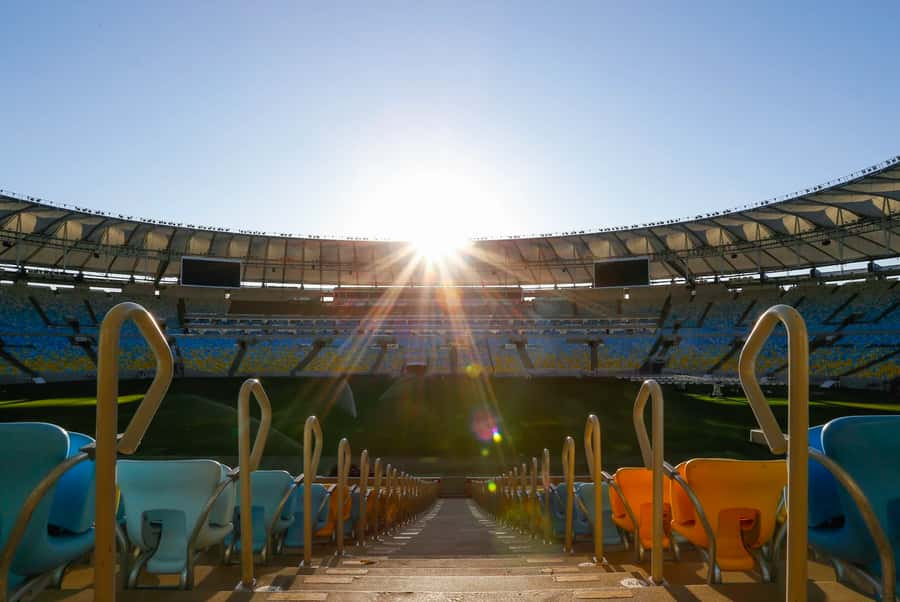
Maracanã is not just a football ground. It is where two World Cup finals were played, where the 2016 Olympic ceremonies took place, and where Brazil’s biggest football dreams have often met hard reality. Walking through the players’ tunnel toward the pitch gives you the clearest sense of why this stadium matters.
I like the chance to see the changing rooms and press conference room, then sit near the dugout and imagine the noise of a full house. I also like the museum’s shirts, trophies, photographs, and memorabilia, which give the stadium more meaning than a simple walk around empty seats.
The main catch is that this is usually a self-guided visit, not a traditional tour with a guide explaining every stop. The signs are available in Portuguese and English, and staff can help, but you should arrive ready to explore on your own.
Key points to know before you go

- Walk the players’ route: Follow the tunnel from the changing areas toward the pitch and imagine nearly 80,000 supporters overhead.
- See more than the stands: The visit includes the changing rooms, warm-up area, dugout, press conference room, museum, and pitchside areas.
- Plan for about 40 minutes: The booking is listed as a one-day activity, but the actual stadium visit is a short circuit that you can take at your own pace.
- Use Gate A: Go to the pedestrian entrance at Gate A on Avenida Rei Pelé, close to the UERJ ramp. Some visitors have found the directions confusing.
- Watch the match calendar: On match days, the final visit ends three hours before the gates open, though the closing time can change.
- Expect optional extras: Professional photos and a goal-kicking simulator may cost more than the admission ticket.
Why Maracanã matters beyond football
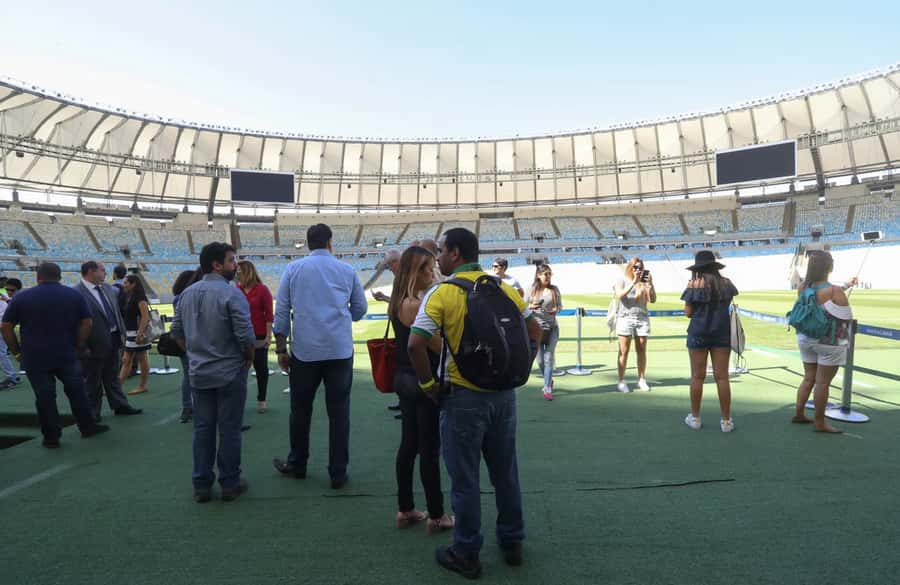
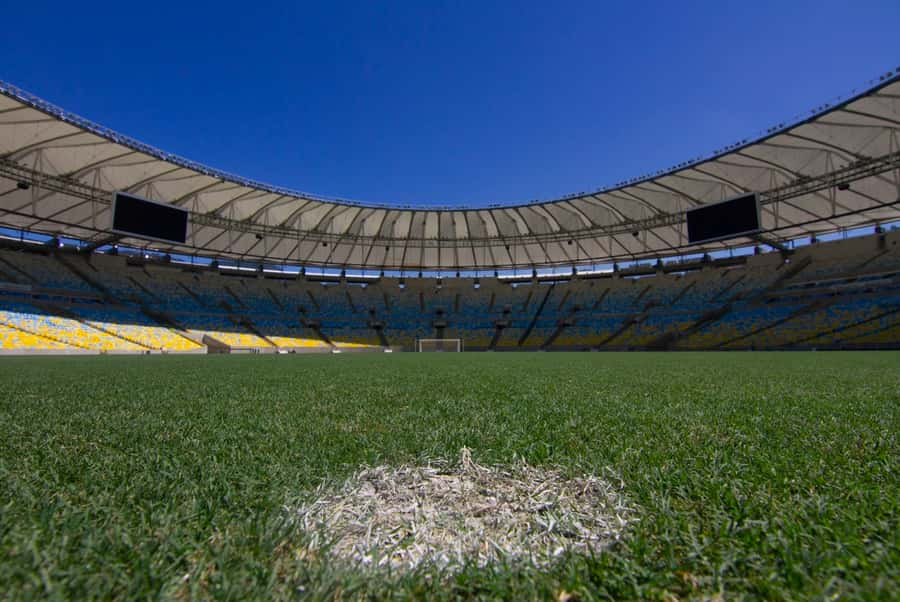
Maracanã was built in 1950 for Brazil’s first World Cup. It has been rebuilt and altered several times, yet it remains one of the world’s most recognizable football venues.
Its story includes triumph and disappointment. The stadium hosted the 1950 World Cup final, a match remembered in Brazil for the home team’s devastating loss. It also hosted the 2014 World Cup final, when Germany defeated Argentina. The pitch has seen World Cup drama from two very different eras.
Football is only part of the story. Maracanã hosted Confederations Cup matches in 2013, events connected with the 2007 Pan American Games, and the opening and closing ceremonies of the 2016 Olympic and Paralympic Games. It has also hosted major concerts by Madonna, the Rolling Stones, Paul McCartney, and Tina Turner, along with papal masses led by Pope John Paul II.
That range makes the visit worthwhile even if you are not a devoted football supporter. You are seeing a major civic venue, not only a place where clubs play matches.
More Stadium Tours in Brazil:
- Skip the Line Maracana Stadium Entrance Ticket
★ 4.0 · 203 reviews - Maracana Stadium – Behind the Scenes Tour
★ 3.7 · 123 reviews - Rio de Janeiro: Maracanã Stadium Match Ticket with Drink
★ 4.9 · 109 reviews
Entering at Gate A in Rio
Your practical starting point is Gate A, the pedestrian entrance at s/n on Avenida Rei Pelé, close to the Rampa da UERJ. The address is listed as Av. Rei Pelé, 2, Maracanã, Rio de Janeiro, RJ 20271-130.
The entrance instructions have caused confusion for some people. The safest approach is to go directly to Gate A and show your mobile or printed voucher at the tour box office. Once inside, continue toward the tour entrance. One recent description places it around the corner to the right after walking down from the gate.
Do not rely only on the phrase meeting point. This is not a hotel pickup or a guided group gathering somewhere across Rio. You make your own way to the stadium and enter at the designated gate.
The ticket provider sends a separate voucher after booking. Keep it available on your phone, though a printed copy is also accepted. Build in a little extra time to find Gate A, especially if you have a match or another fixed appointment later.
The changing rooms and warm-up room
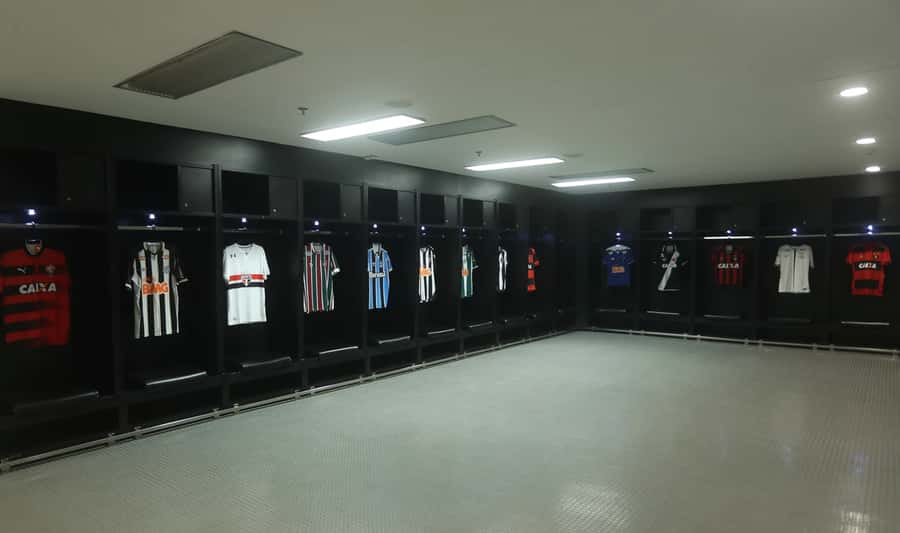
The route begins with areas that normally belong to players and staff. You can see the changing rooms, then continue into the warm-up room before following the path toward the field.
These spaces are valuable because they show the working side of football. The stands and pitch are the public face of a stadium. The changing rooms and tunnel reveal the short, tense part of the match that supporters never see.
The visit is not designed as a long guided presentation. Barriers and signs direct you through the main areas, so you can pause for photographs and read the displays at your own speed. If you want detailed stories about individual players or matches, you may need to ask staff rather than wait for a guide to appear.
Some visits have included helpful staff members. Liz and Mili were specifically praised in individual experiences, but the normal format is not a guaranteed led tour. Treat any personal assistance as a useful bonus, not as part of the ticket promise.
Walking the players’ tunnel to the pitch
For many people, the tunnel is the best part. You walk the same basic route players use to reach the field, then emerge near the pitchside area.
The tunnel works because it changes your sense of scale. In the museum, you look at shirts and photographs. In the tunnel, you can picture the sound building above you as the teams approach the field. The stadium’s capacity has changed over time, but the experience description evokes the roar of nearly 80,000 fans.
You can get close to the pitch and, depending on the setup, sit in or near the dugout. This is also where the optional photo services appear. Some visitors paid extra for professional pictures, and a goal-shooting activity is offered for an additional price. Those extras may appeal to families and serious football fans, but they are not included in the $24 admission.
Do not expect to walk freely across every part of the field. The route uses barriers and controlled access. You get the important visual experience of being beside the pitch without treating the playing surface like a public park.
More sporting days out around Brazil:
- Football Match in Rio de Janeiro – Guided with Transportation
★ 4.5 · 150 reviews - Rio de Janeiro: Football Game Ticket with Guide and a Drink
★ 4.6 · 124 reviews - Rio de Janeiro: See a Flamengo Game at Maracanã with a local
★ 5.0 · 105 reviews - 6 Hour Ayrton Senna Tour – The Greatest Formula 1 Drivers of all Time
★ 5.0 · 83 reviews
The press conference room and dugout
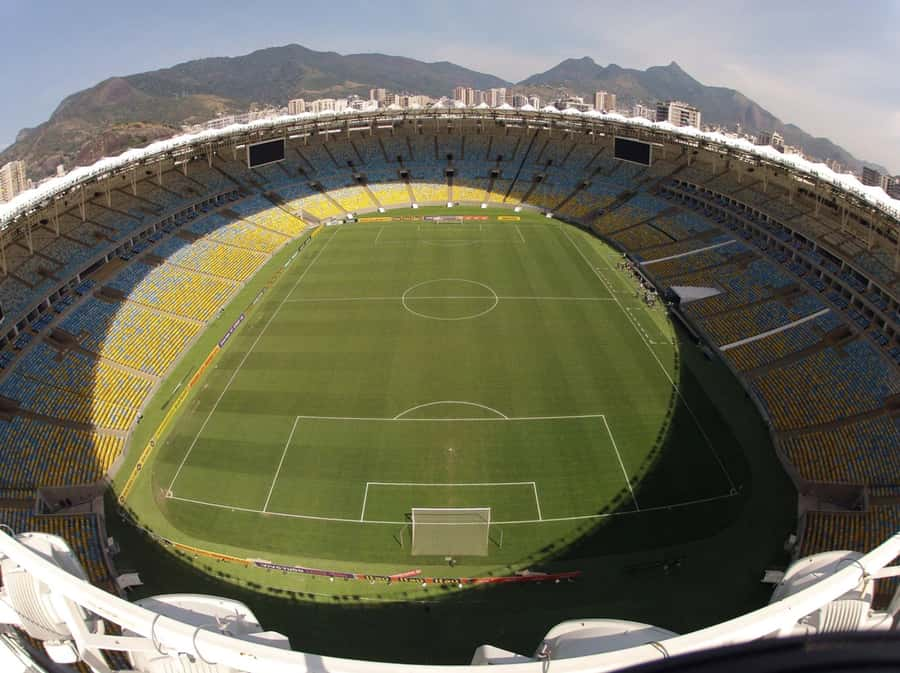
The press conference room gives you a different view of match day. Instead of imagining the players entering to a crowd, you can picture the post-match questions, the cameras, and the pressure after a major result.
The dugout is another small but effective stop. Sitting where coaches and substitutes have watched a match makes the stadium feel more personal. A fan who remembers Germany’s 2014 World Cup victory can connect the space with Mario Götze’s winning goal. Other visitors may think of club matches, Olympic events, or concerts instead.
The route gives you access to several behind-the-scenes areas in one compact visit. That is the main strength of the ticket. You do not spend the whole time looking at distant seating from one public corridor.
The football museum and memorabilia
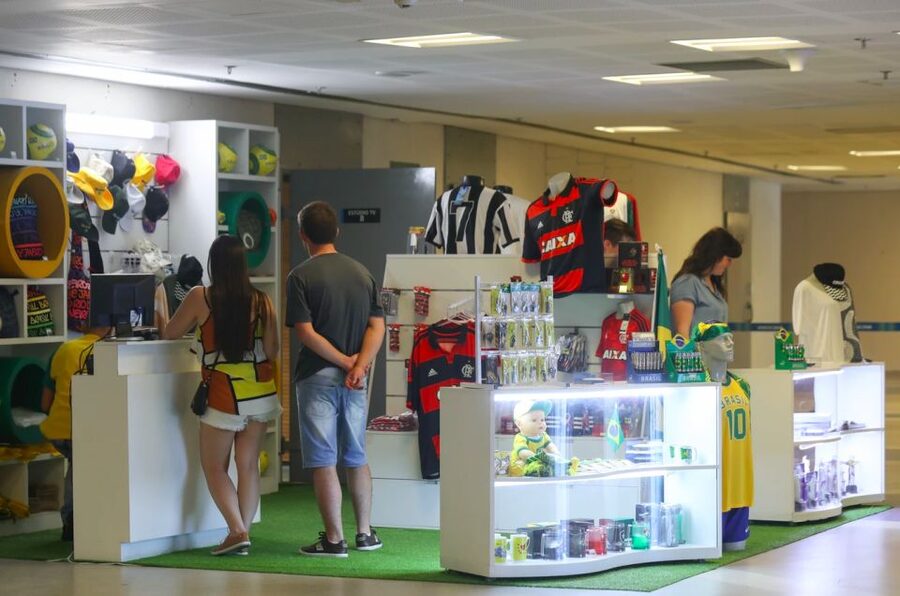
The museum adds context to the building. Displays bring together football shirts, trophies, photographs, and objects connected with famous Brazilian players and teams.
Look for the details rather than rushing through. Footprints and memorabilia help connect the national game with the players who made it famous. The museum is not enormous, so you should not expect a full-day football archive. Still, it gives a useful introduction to Maracanã’s place in Brazilian sport.
English and Portuguese signs make the route manageable for English-speaking visitors. The bilingual information is especially useful because the visit is often self-guided. You can read at your own pace and return to an exhibit if a particular player or event catches your interest.
If you know little about Brazilian football, the museum may feel brief. That is the point where a traditional guide would add value by explaining rivalries, famous matches, and the meaning of particular shirts. If you already know the sport, the objects and stadium access may be enough.
How long the visit really takes
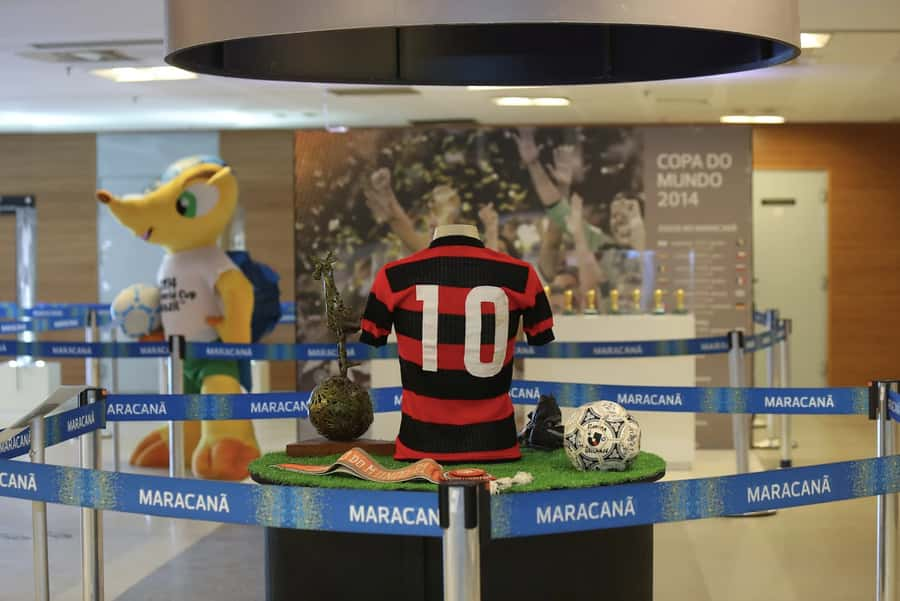
The activity is sold with a one-day duration because you select from available starting times during the day. The actual visit is described as about 40 minutes.
That short length is not necessarily a problem. The route covers the main areas without requiring half a day inside the stadium. You can move steadily through the museum, rooms, tunnel, pitchside area, and press zone.
You may be able to take longer if the venue allows it. Several descriptions present the visit as free flowing, with time to pause and take photographs. Still, do not assume that you can remain all day. The practical expectation is a compact stadium experience, not unrestricted access to every section.
A match day changes the calculation. The last visit ends three hours before the stadium gates open, according to the activity information. One visit ended much earlier than expected and left about 40 minutes before the match, despite the published timing. Check the date and contact the provider if the visit time changes.
Is $24 good value?

At $24 per person, the ticket is fairly priced for a major Rio attraction if you care about football or famous sporting venues. You get admission to the stadium, museum access, and behind-the-scenes areas without paying for a match ticket.
The value depends on what you expect. If you want to walk through the tunnel, see the changing rooms, touch the atmosphere of the dugout, and visit a small museum, the price is reasonable. If you expect a long guided history lesson or a large museum, the visit may feel short for the money.
The ticket can also work well when a match is unavailable. One visitor used the stadium visit after a scheduled match was moved, turning the tour into a practical alternative. If you can attend a real game, that will usually give you more atmosphere. The stadium tour gives you access to areas that a match ticket may not.
Budget for possible add-ons. Professional photos and the goal simulator are optional and cost extra. One visitor reported paying an additional $21 in Singapore dollars for photos, but prices and currency charges can vary. You do not need to buy these extras to complete the visit.
Match days, timing, and practical planning
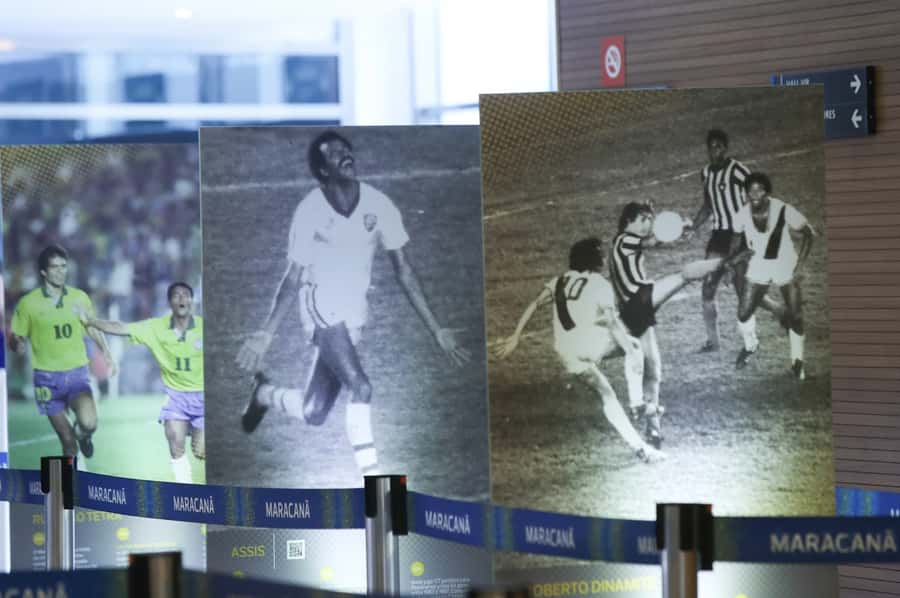
Check the football calendar before you book. A match can be the best possible reason to visit Maracanã, but it can also shorten or cancel the stadium tour schedule.
On match days, the final tour is supposed to finish three hours before the gates open. Since the actual closing time can change, do not book a tight connection afterward. If the provider changes the day or time, contact them to select another available slot or request a refund.
The stadium is wheelchair accessible, which makes this one of the easier major sports venues to include in a Rio itinerary. Food and drinks are not included, and hotel pickup and drop-off are not provided.
The simplest plan is to carry your voucher, go directly to Gate A, allow extra time for the entrance, and keep your schedule flexible. If you are visiting with children, the tunnel, pitchside area, and photo options may hold attention better than the museum text.
Who will enjoy this most?
You do not need to know every Brazilian player to enjoy Maracanã. The venue itself has enough symbolic weight to make the route interesting.
This visit is especially suitable for:
- Football fans who want to connect famous matches with a real place
- Families looking for a short activity with visual highlights
- Visitors who cannot attend a match
- Sports fans interested in World Cups and Olympic venues
- Concert fans curious about Maracanã’s non-football events
- Independent visitors who prefer to move at their own pace
You may want a different experience if you need a detailed, fully narrated tour. The activity is generally self-guided, with staff available to help and signs in Portuguese and English. That gives you freedom, but it also means you must create much of the story yourself.
Should you book the Maracanã visit?
Book it if you want access to the changing rooms, tunnel, pitchside area, dugout, press conference room, and museum for about $24. The strongest moments are physical and simple: walking the players’ route and seeing the field where major football and Olympic events took place.
Skip it if you are expecting a large museum, a long tour, or a guaranteed guide. In that case, attending a match will give you more noise and emotion, while this ticket gives you better access behind the scenes.
For many visitors, the best plan is to do both when possible: tour the stadium on a quiet day, then return for a match if your schedule allows. If you book only the tour, go to Gate A, allow for confusing directions, and remember that the short, mostly independent format is the experience you are buying.
FAQ
How long does the Maracanã Stadium visit last?
The visit itself is described as about 40 minutes. The booking is listed as a one-day activity because starting times are selected from availability during the day.
What is included in the ticket?
The ticket includes stadium admission, museum admission, and behind-the-scenes access to areas such as the changing rooms, tunnel, press conference room, dugout, and pitchside sections.
Is this a guided tour?
Usually, no. The visit is mainly self-guided, with signs in Portuguese and English and staff available to help with questions. Some individual visits have included assistance from staff members, but a full guided tour is not guaranteed.
Where do I enter?
Go to Gate A for pedestrians at Av. Rei Pelé, 2, Maracanã, Rio de Janeiro. The gate is close to the Rampa da UERJ. After entering, continue toward the tour entrance, which is around the corner to the right.
Do I need a printed voucher?
No. You can show the voucher on your mobile phone, though a printed voucher is also accepted at the box office at Gate A.
What happens on match days?
The final stadium visit ends three hours before the stadium gates open, according to the activity information. Times can change, so contact the provider if your selected day or time is altered.
Is the stadium wheelchair accessible?
Yes. The activity is listed as wheelchair accessible.
Are photographs included?
Admission includes the stadium visit, but professional photos are optional extras. A goal-kicking simulator is also available for an additional price.
Are food, drinks, hotel pickup, or hotel drop-off included?
No. Food and drinks, hotel pickup, and hotel drop-off are not included.
New on the fixture list around Brazil
- São Paulo: Join a São Paulo football game with a local fan★ 4.7 · 30 reviews
- Rio de Janeiro Private: Christ, Sugarloaf, Maracanã and more★ 5.0 · 9 reviews
- Rio de Janeiro: Enjoy a Botafogo soccer game with Locals★ 5.0 · 6 reviews
- Rio de Janeiro: Maracanã Stadium Behind the Scenes Tour★ 4.0 · 7 reviews
- Rio de Janeiro: Maracanã & Flamengo Football Tour★ 4.6 · 9 reviews
- #Maracanã★ 3.7 · 10 reviews
- Rio: Fluminense Match at Maracanã with Guide and Ticket★ 4.9 · 22 reviews
- Flamengo Game Experience at the Maracanã Stadium★ 4.9 · 54 reviews
More Stadium Tours to weigh up.

Liverpool: Liverpool Football Club Museum and Stadium Tour
Read our review →
Amsterdam: Johan Cruijff ArenA Tour with Optional Guide
Read our review →
Milan: San Siro Stadium and Museum Guided Tour
Read our review →
London: Emirates Stadium Entry Ticket and Audio Guide
Read our review →
London: Chelsea Football Club Stadium and Museum Tour
Read our review →
Lisbon: Luz Stadium Tour & SL Benfica Museum Entry
Read our review →This one also appears in