
Review · CROATIA
Hajduk Split Stadium Tour: An Unforgettable Experience
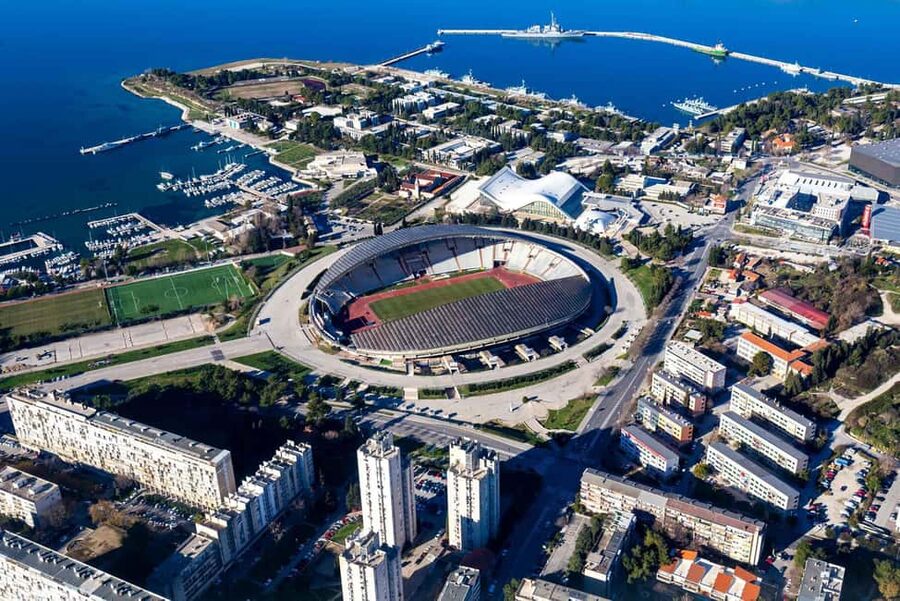
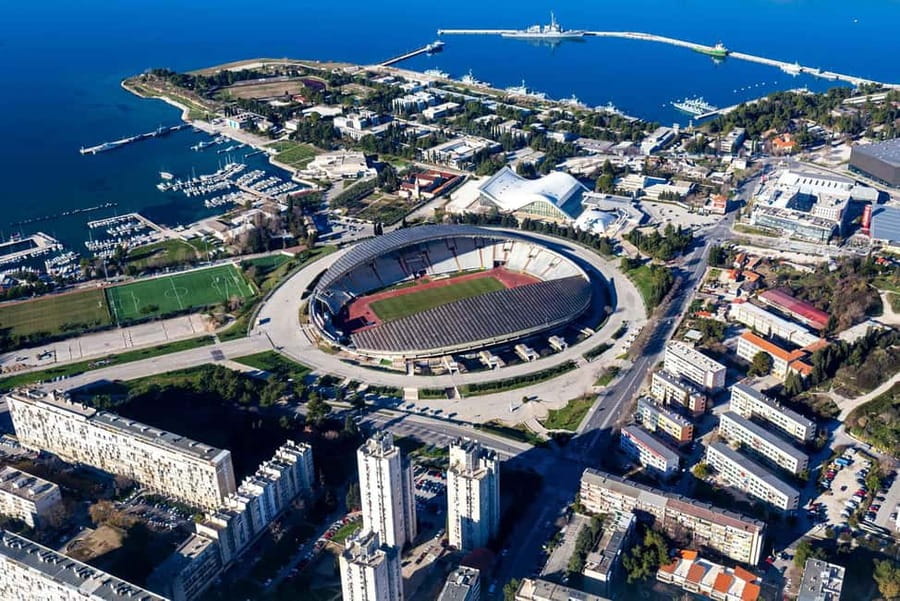
Poljud’s great surprise is that this is not just a football ground. It is a bold 1979 work of sports architecture, with a sweeping roof and a club story tied to Prague, Yugoslav football, Croatian football, and some famous giant-killings. The trophy room and the chance to step close to the pitch give the 45-minute visit real character.
I like the original 17-kilogram Yugoslav Cup, hidden for 20 years before going on display, and the press-room photo opportunity at the coach’s place. I also like that the tour explains the roof designed by Boris Magaš, rather than simply marching you through empty corridors.
The main caution is simple: Poljud is a working stadium, not a museum. Training or official events can restrict the field or trophy room, and some recent tours finished in about 30 minutes rather than the planned 45. Arrive on time, and book this for the football story and atmosphere, not for a guaranteed dressing-room visit.
Key points to know before visiting Poljud
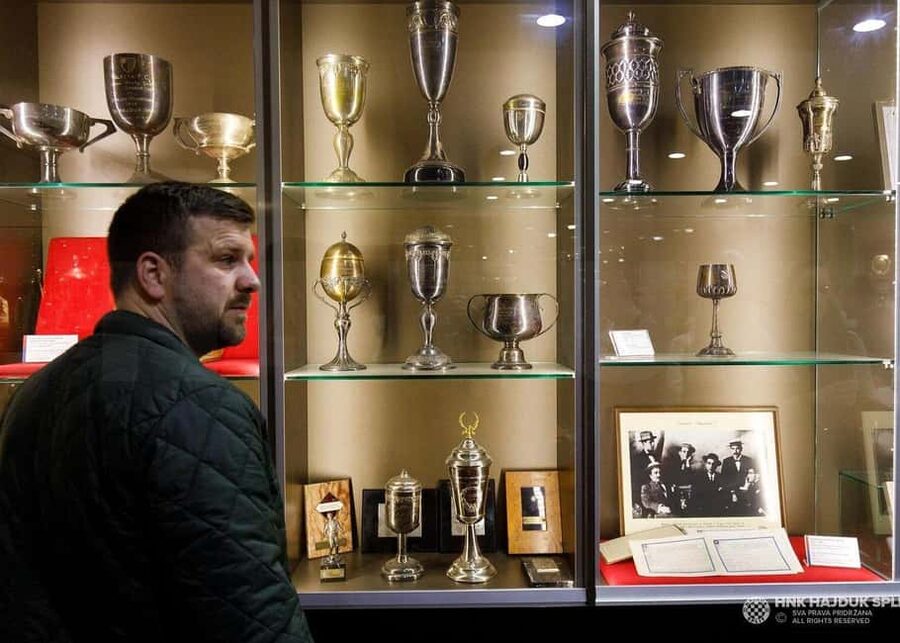
- The 1987 Yugoslav Cup is a star exhibit: The 17-kilogram trophy was hidden for two decades before returning to public view.
- Hajduk’s biggest victories get proper attention: The presentation covers the 6-0 win over Manchester United and a 4-0 victory against Aston Villa.
- You can sit at the coach’s place: The press room offers one of the better photo moments on the route.
- The stadium roof is part of the story: Boris Magaš designed Poljud as a major architectural work, not merely a football venue.
- Pitch access may change: Training and official stadium business can close the field or trophy room at short notice.
- The tour suits football fans more than general sightseers: At about $16 per person, the value depends on how much you care about Hajduk and the building.
Why Poljud is worth seeing beyond the football
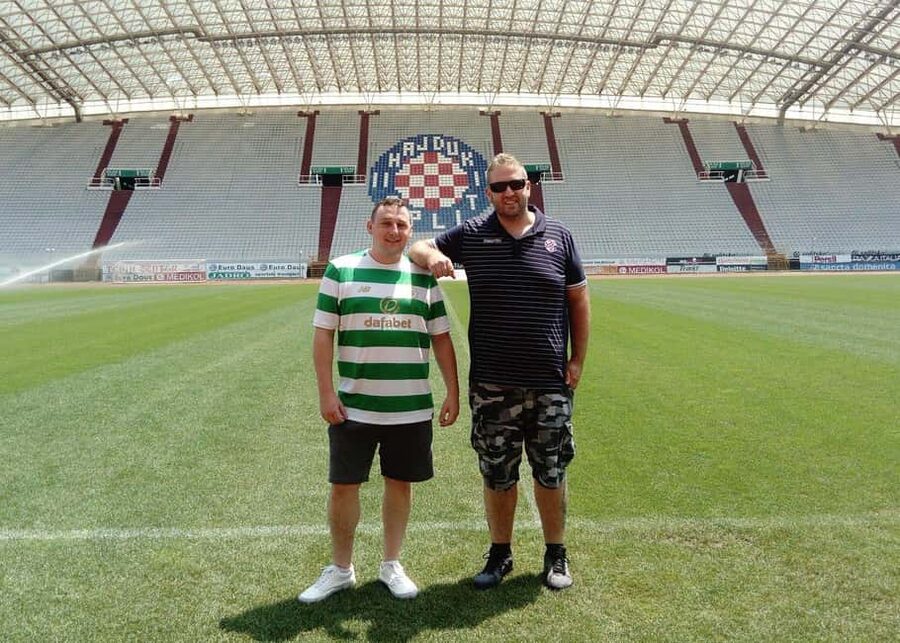
Hajduk Split is one of those clubs that means more to its city than a match result. Its story reaches back to its foundation in Prague, then runs through the club’s major victories, trophies, players, coaches, and its place in Croatian football.
That is why I would not treat this as a generic stadium photo stop. You are not only seeing seats and grass. You are getting a compact introduction to the people and matches that gave Poljud its emotional charge.
The setting helps. Poljud was built in 1979 and designed by Boris Magaš, one of Croatia’s best-known architects. Its unusual roof structure made it a major example of modern sports design, with comparisons to Munich’s Olympiastadion. You do not need to be an architecture specialist to appreciate it. The shape is memorable, and the VIP lounge gives you a better chance to hear how the building was planned.
The tour lasts 45 minutes on paper, so it fits neatly into a morning or afternoon in Split. That short length is useful if you are combining it with the old town, Marjan, or another Dalmatian stop. It also means the guide has little time to waste, and the quality of the explanation matters.
More Stadium Tours in the world:
- Madrid: Tour Bernabéu Entry Ticket
★ 4.5 · 21,573 reviews - Liverpool: Liverpool Football Club Museum and Stadium Tour
★ 4.8 · 10,764 reviews - Amsterdam: Johan Cruijff ArenA Tour with Optional Guide
★ 4.6 · 8,954 reviews
Starting at the fan shop beside the west entrance
Your meeting point is the stadium fan shop, beside the main stand near the west entrance. This detail matters because Poljud is large, and arriving at the wrong side could cost you the beginning of a short tour.
I would arrive early enough to locate the shop without rushing. Late arrivals may join after the group has started or wait for the next scheduled departure. Since the route is only 45 minutes, missing ten minutes is not a small thing.
The visit begins with an introductory presentation about Hajduk’s foundation and club history. Historical photographs show the founders and famous victories, including the 6-0 win over Manchester United and the 4-0 result against Aston Villa.
Those scores give the presentation some bite. The Manchester United result is especially striking because it was the club’s worst defeat outside the United Kingdom. The stadium also displays a gift from Manchester United connected with that match, an unusual reminder that football history is not only preserved in medals and cups.
Guides are available in English and Italian. No guide names are provided for this activity, and the language of the tour can affect how much detail you receive. If you need one language in particular, check the departure details before booking.
The trophy room and its 1,500 pieces
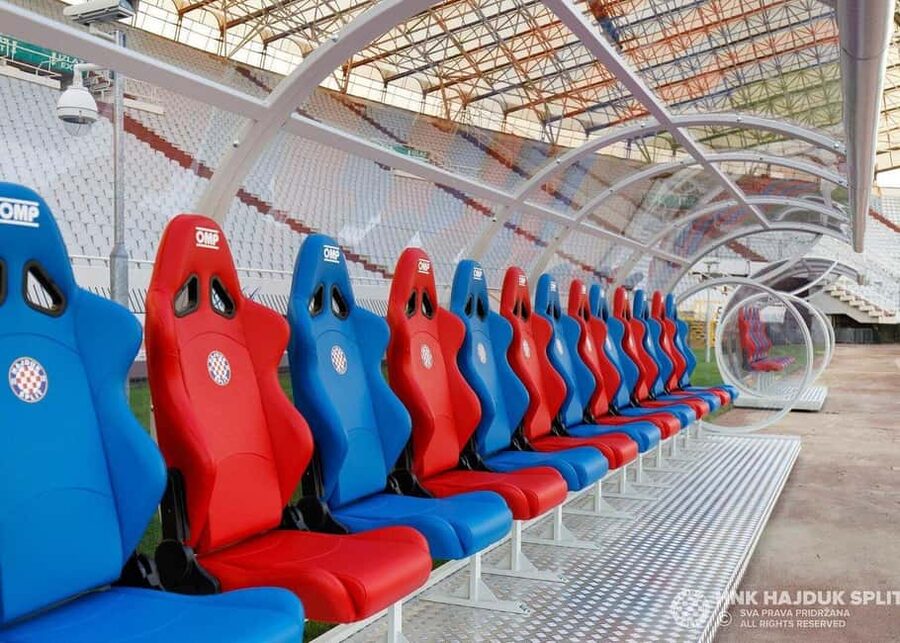
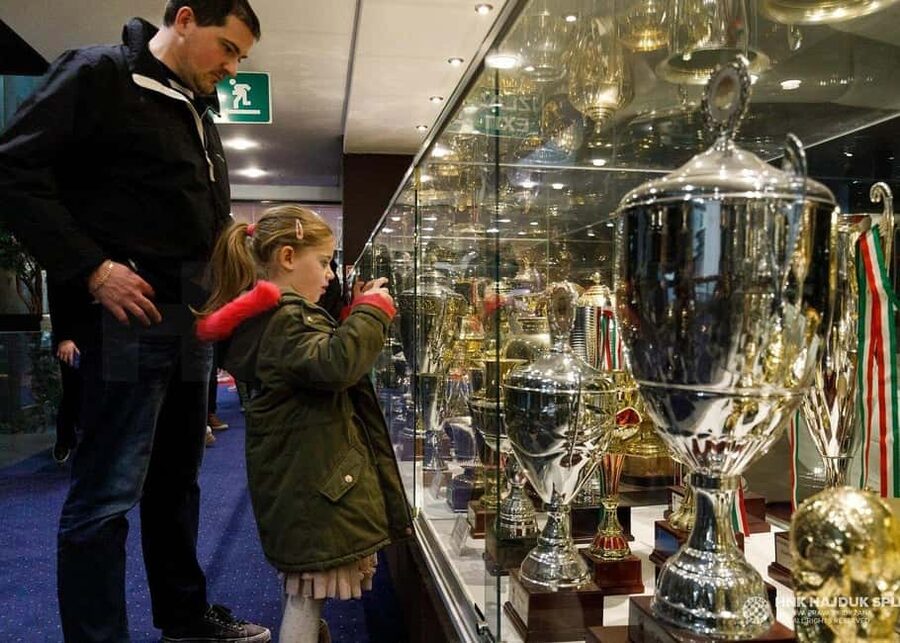
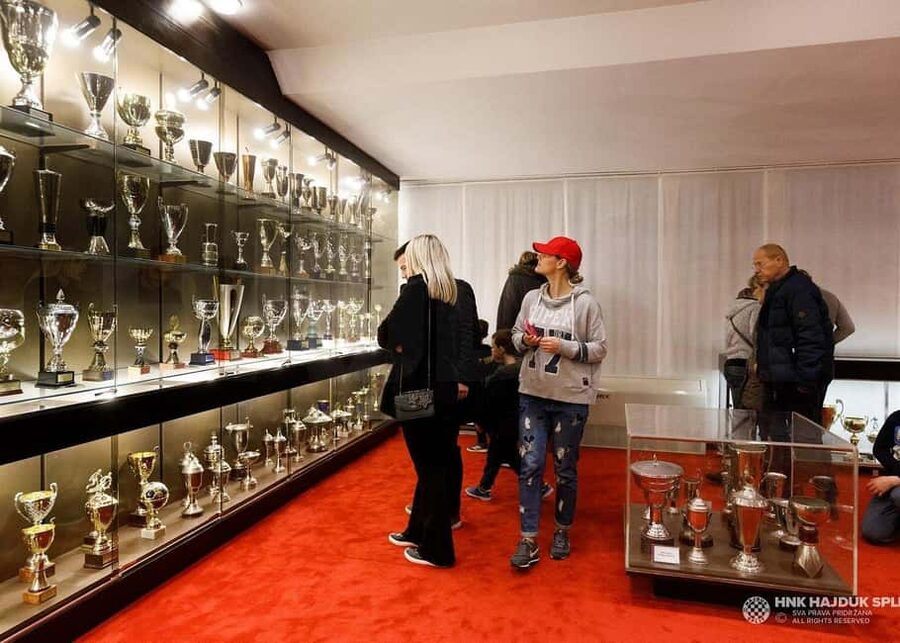
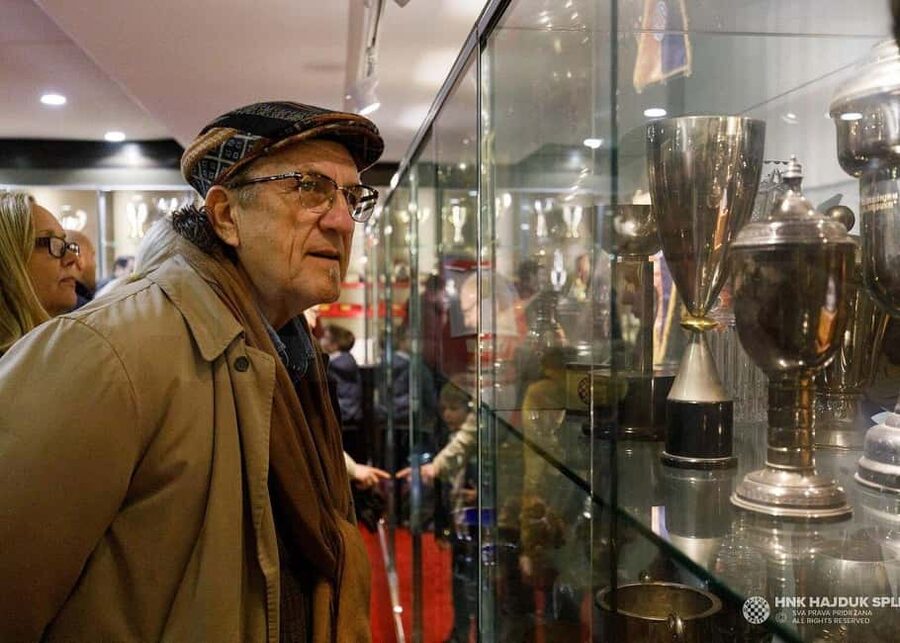
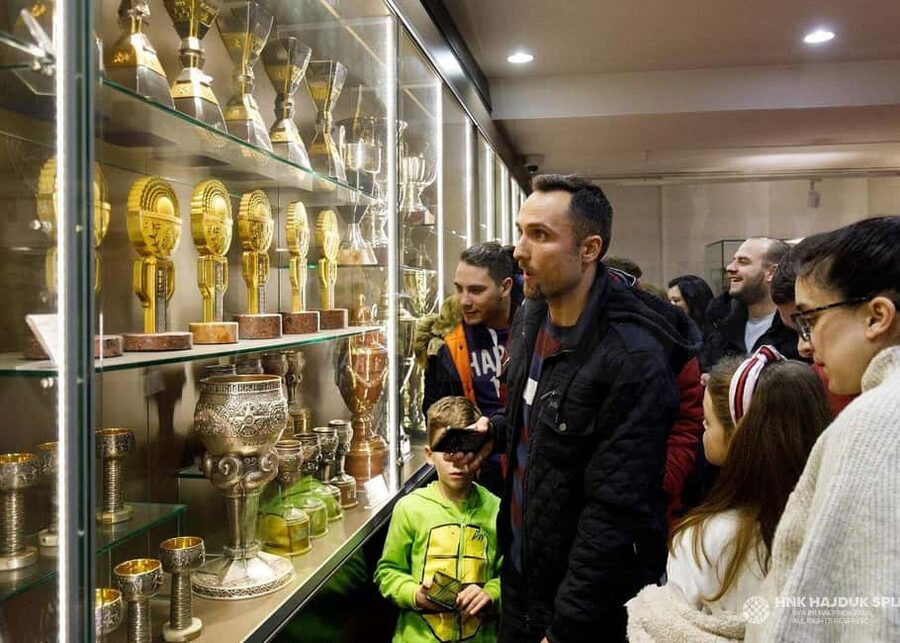
The trophy room is likely to be the emotional center of the visit. It contains more than 1,500 items, including cups, gifts, flags, shirts, photographs, and other Hajduk memorabilia.
A collection that size gives you more than a quick look at one championship cup. You can see how a football club builds its identity over many decades, with ordinary objects carrying as much feeling as major silverware. A shirt or flag can place a match in its time in a way that a list of results cannot.
The original Yugoslav Cup from 1987 is one of the most interesting pieces. It weighs 17 kilograms and was hidden for 20 years before being displayed. That odd detail makes the trophy memorable. It is not just another cup in a glass case. Its disappearance and return tell you something about the turbulent history surrounding football in the former Yugoslavia.
You will also see the first Croatian Championship trophy won by Hajduk during the club’s rise in the new Croatian football era. Alongside it are gifts and objects linked to notable victories, giving the room a clear connection to both local pride and international football.
There is one important qualification. Access to the trophy room is not guaranteed on every departure. A training session, official visit, or other stadium operation can change the route. If seeing the 1987 cup is your main reason for booking, keep that possibility in mind.
A hallway lined with Hajduk’s players
The route includes a hallway decorated with historic photographs of Hajduk players. This may sound less dramatic than the trophy room, but it helps connect the silverware to the people who won it.
I like this kind of stop because it slows the visit down just enough to show the human side of a club. The photographs give you faces, eras, and changing uniforms rather than only dates and scores. If you follow football closely, you may want extra time here, although the short tour means the guide may keep the group moving.
This is also a useful part of the visit for people who do not know Hajduk’s story in advance. You can see how the club’s identity has been carried by generations of players and coaches, not just by its current team.
More sporting days out around the world:
- Barcelona: FC Barcelona Museum “Barça Immersive Tour” Ticket
★ 4.4 · 10,944 reviews - Tokyo: Sumo Show Experience with Chicken Hot Pot and a Photo
★ 4.8 · 6,678 reviews - Milan: San Siro Stadium and Museum Guided Tour
★ 4.3 · 5,567 reviews - London: Emirates Stadium Entry Ticket and Audio Guide
★ 4.7 · 5,513 reviews
Taking the coach’s seat in the press room
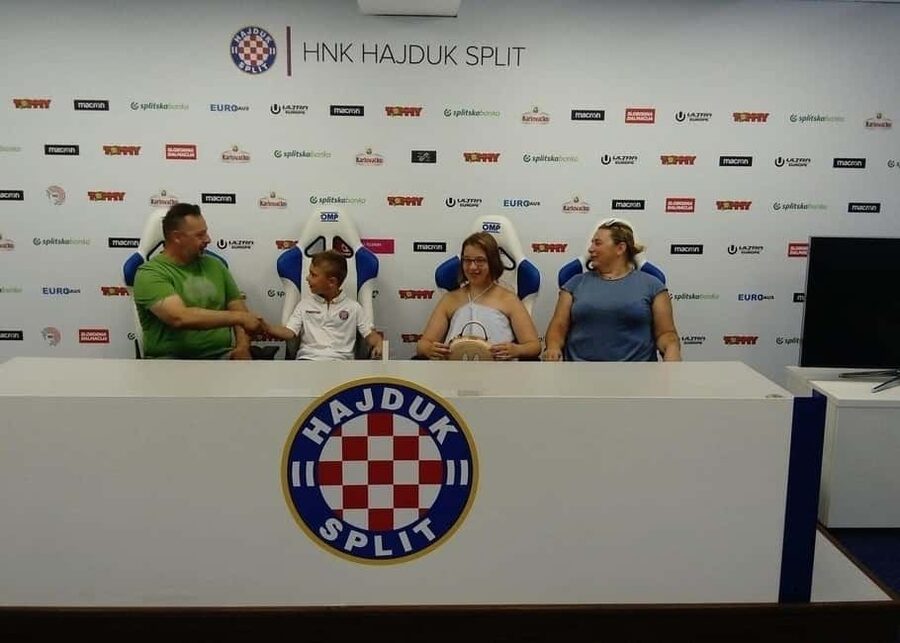
The press room provides one of the tour’s most practical photo opportunities. You can sit or pose at the coach’s place and take pictures as if you are facing the media after a match.
It is a small moment, but it works well because it gives you something to do rather than simply look at another room. Families and casual visitors may enjoy it, while football fans will recognize the familiar setting from post-match interviews.
Do not expect a long media presentation. The value here is the access and the photo, plus a glimpse of the professional side of match day. It is one of the advertised stops, but the exact amount of time spent there can vary with the guide and stadium schedule.
Recent departures have sometimes included only the trophy room, press room, and pitch, with the whole visit ending after about 30 minutes. That is worth knowing before you pay. You may get the key areas without a lengthy talk, so your expectations should match a brief stadium visit rather than a full behind-the-scenes production.
The VIP lounge and Boris Magaš’s roof
The VIP lounge is the most polished interior on the route. It gives you a look at the stadium from a more formal angle and provides the setting for an explanation of Poljud’s roof.
The roof is one of the building’s defining features. Boris Magaš designed Poljud in a period when sports architecture was reaching for large, expressive forms. The structure was considered a major achievement, and the tour uses the VIP area to explain why.
I would pay attention here even if you came mainly for Hajduk. The stadium’s design is one of the reasons the visit has broader interest. You are seeing a building from 1979 that was intended to be a modern architectural statement, not a basic concrete bowl.
The VIP lounge may not be the highlight for every visitor. If you are hoping for locker rooms, player tunnels, or a long technical talk, the advertised route does not promise those spaces. In particular, dressing rooms are not listed as part of the visit, so do not assume they are included simply because this is a stadium tour.
Getting close to the field
The chance to approach the pitch is the final big photo moment. From there, the stadium’s scale makes more sense than it does from an interior hallway. You can look back toward the stands and understand how the roof shapes the space.
For a football supporter, this is the part that turns the tour from a collection of exhibits into a visit to a real working ground. You are close to the place where Hajduk’s matches take place, not looking at a model or a historic photograph.
Again, pitch access is subject to change. Training sessions and official events can close the main field, even when the rest of the tour goes ahead. The stadium is still used for club business, and that can work for or against you. It gives the visit a sense of reality, but it also means the route is not completely fixed.
If you do reach the field, have your camera ready and follow the guide’s instructions. The tour is short, and the group may not have a long time in this area.
What $16 buys you in 45 minutes
The stated price is $16 per person. One recent booking description refers to a price of €14, so check the currency and final amount at the time you reserve.
At that price, I see fair value if you care about Hajduk, football history, or unusual modern architecture. You receive a presentation, access to the trophy collection, the player-photo hallway, the press room, the VIP lounge, and the pitch when stadium operations permit it.
The value is less clear if you are only mildly curious about football. A short visit can feel expensive if it lasts around 30 minutes and includes only the trophy room, media room, and pitch. There is no promise of dressing-room access, and the route can be reduced by training or official events.
I would compare it with the cost of other activities in Split, but the real question is personal. If the 1987 cup, the Manchester United story, and Poljud’s architecture sound interesting, $16 is a reasonable fee. If you mainly want a broad sightseeing tour, you may find the visit too narrow.
Free cancellation up to 24 hours before the start gives you some planning flexibility, and you can reserve now and pay later. Those terms help if your Split schedule is still changing. They do not remove the possibility of a same-week adjustment caused by stadium activity.
Who should book this Hajduk tour
I would recommend it most strongly to:
- Hajduk supporters and football fans
- Visitors interested in Croatian football
- People who enjoy sports architecture
- Families looking for a short, easy activity
- Anyone who wants a different side of Split beyond the historic center
It is also a good choice for a traveler who wants a structured visit but does not want to spend half a day at a museum. The 45-minute schedule leaves room for other plans.
I would be more cautious if you expect a full stadium back-stage experience. The tour does not list changing rooms, and recent short visits have felt closer to a quick route through three main areas than a detailed club production.
The best approach is to treat the tour as a compact introduction to Hajduk and Poljud. Go for the club story, the trophy room, the press-room photograph, the roof, and the chance to reach the field. Do not book it on the assumption that every listed area will be open on your date.
Should you book the Poljud Stadium Tour?
Book it if you want a focused look at Hajduk’s football story and a striking Split building. The 1987 Yugoslav Cup, the Manchester United connection, the historical photographs, and the pitch access give the experience more substance than a basic stadium walk-through.
Think twice if you need guaranteed field and trophy-room access, or if dressing rooms are essential to your idea of a stadium tour. The main risk is not the price, but the changing route and short running time.
For most football fans, the activity is worth fitting into a Split itinerary, especially at about $16. Arrive at the fan shop by the west entrance early, confirm the language, and keep your schedule flexible in case club training changes the start time or available areas.
FAQ
Where does the Hajduk Split Stadium Tour meet?
The meeting point is the stadium fan shop at Poljud Stadium, beside the main stand near the west entrance.
How long does the stadium tour last?
The planned duration is 45 minutes. Some departures may finish sooner, with one recent experience lasting about 30 minutes.
What languages are available?
The tour is offered in English and Italian.
What is included in the tour?
The visit includes an introductory presentation about Hajduk’s history, the trophy room, a hallway with historic player photographs, the press room, the VIP lounge, and access to the field when stadium operations allow it.
Can I visit the dressing rooms?
Dressing-room access is not listed as part of this tour, so you should not expect to enter them.
Is access to the pitch guaranteed?
No. Training sessions or official stadium activities can restrict access to the main pitch.
Is access to the trophy room guaranteed?
No. The trophy room may be closed if training, an official visit, or another stadium operation affects the route.
Can I cancel for a full refund?
You can cancel up to 24 hours in advance for a full refund.
Can I reserve now and pay later?
Yes. You can reserve your place and pay later, which keeps your plans flexible.
New on the fixture list around the world
- Spotify Camp Nou Tour F.C. Barcelona Museum (Open Date Ticket)★ 3.5 · 5 reviews
- Ferrari Driving Experience on a Racetrack★ 5.0 · 11 reviews
- Live Muay Thai Action Ticket at Phetchbuncha Samui Stadium★ 4.0 · 6 reviews
- Football tour: Red Star and Partizan Ultras History★ 5.0 · 14 reviews
- Private 4h Tour Of Camp Nou And Most Emblematic Sites Of Barcelona with pick up★ 4.5 · 3 reviews
- Discover Leo Messi’s secrets at Barça Café – Camp Nou★ 5.0 · 22 reviews
- BARCELONA SPORTS VIP – Camp Nou – La Masia & Montjuic (Olympic)★ 4.5 · 3 reviews
- Olympic and Sport Museum of Barcelona “Joan Antoni Samaranch”★ 4.5 · 22 reviews
More Stadium Tours to weigh up.
Liverpool: Liverpool Football Club Museum and Stadium Tour
Read our review →
Amsterdam: Johan Cruijff ArenA Tour with Optional Guide
Read our review →
Milan: San Siro Stadium and Museum Guided Tour
Read our review →
London: Emirates Stadium Entry Ticket and Audio Guide
Read our review →
London: Chelsea Football Club Stadium and Museum Tour
Read our review →
Lisbon: Luz Stadium Tour & SL Benfica Museum Entry
Read our review →This one also appears in