

Review · CHINA
Beijing: Hutongs,Drum Tower & Shichahai Walk /Bike/Food Tour
Beijing’s old hutongs are best understood at walking speed, where a vegetable market, courtyard lane, temple, snack stall, and lakeside café can appear within the same few blocks. This $15 tour connects several of the city’s most characterful areas without turning the visit into a museum march.
I like the mix of ordinary local life and major sights, especially the market and the old lanes. I also like that the Drum Tower ticket is included and that you can choose a shared-bike version. The main consideration is pace: the walking route lasts about 3 to 3.5 hours, and the bike size may not suit anyone over 1.85 meters.
Key points at a glance
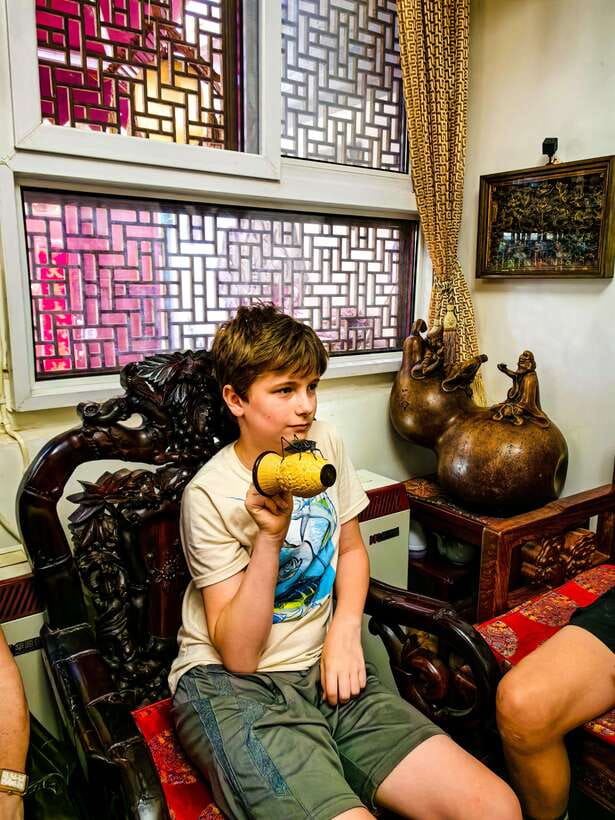
- Start with daily Beijing life: The local vegetable market shows where people shop for everyday needs, not just where visitors take photos.
- Climb the Drum Tower: Your guide explains its role as Beijing’s old timekeeper and ties it to the surrounding hutongs.
- See three distinct hutong areas: Yandai Byway, the lanes around Shichahai, and Nanluoguxiang each have a different feel.
- Walk beside an 800-year-old canal: Shichahai brings water, bridges, cafés, bars, and a change of pace.
- Choose walking or biking: The shared-bike option covers the same general cultural area, but bike size matters.
- Expect a local guide, not a formal lecture: Guides such as Amber focus on street food, shops, old buildings, and the stories behind the lanes.
Why Beijing’s hutongs are worth your time
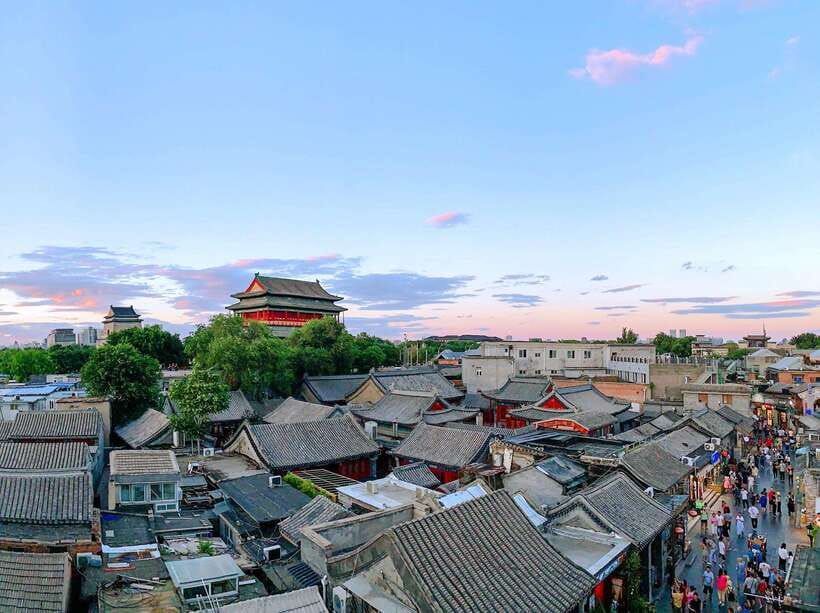
A hutong is a narrow lane lined with traditional courtyard homes, often called siheyuan. These courtyards once housed extended families and still give the older parts of Beijing their distinct shape. The city has changed greatly over the centuries, and many courtyards have been altered, divided, restored, or put to new uses.
That mix is the point. You are not seeing a perfectly preserved historical district frozen in place. You are seeing old lanes adapted to modern Beijing, with shops, homes, cafés, temples, snack counters, and daily errands sharing the same tight space.
I like this kind of city walk because the history comes through ordinary details. A market tells you more about daily routines than a display case can. A narrow lane shows how homes, commerce, and neighbors once fit together. The guide helps connect those details so the area feels like a lived-in part of Beijing rather than a scenic backdrop.
The route also gives you a good contrast between quieter residential lanes and popular shopping streets. That change is useful if you have limited time and want more than one version of old Beijing.
More stadium visits by bike around the world:
- Florence Premium E-Bike Football Tour
★ 5.0 · 5 reviews - Split: Old Town Guided Bike Tour with Poljud Stadium
★ 5.0 · 4 reviews
Starting at Guloudajie and the local market
The walking route begins at Exit A2 of Guloudajie Station on Line 2. That gives you a clear subway meeting point and puts you near the Drum Tower and the northern hutong districts.
Your first major stop is a local vegetable market. This is one of the strongest parts of the route because it shows a practical side of the city. You can expect stalls selling daily necessities, with local people shopping for food rather than browsing for souvenirs.
The market also helps you get your bearings before the more polished streets later in the walk. Look for the small details: what is being sold, how produce is displayed, and how the space is used by nearby residents. Your guide can explain what you are seeing and point out the difference between a working neighborhood market and a street designed mainly for visitors.
Food is part of the appeal here, but meals are not included. You will need to pay for any snacks, drinks, or other purchases yourself. That is not a serious drawback at this price, but you should bring some spending money if you want to sample food along the way.
Climbing the Drum Tower, Beijing’s old timekeeper

The Drum Tower is the route’s main historic monument, and the entrance ticket is included. You climb into the tower with your guide, who explains how it helped mark time in ancient Beijing and shares stories connected with the hutongs.
The tower gives the walk a useful anchor. Without it, the lanes can feel like a series of attractive but disconnected streets. Here, you get a clear sense of how the old city was organized and how public timekeeping once shaped daily life.
You should also expect stairs and a raised view over the surrounding area. The information provided does not specify the number or difficulty of the steps, so anyone with mobility concerns should consider that before booking, even though the activity is marked as wheelchair accessible.
The Drum Tower is not a full-day historical site, and the visit is fairly focused. That suits this tour. You get the building, the stories, and the connection to the nearby hutongs without spending most of the afternoon indoors.
Yandai Byway and the change from homes to shops
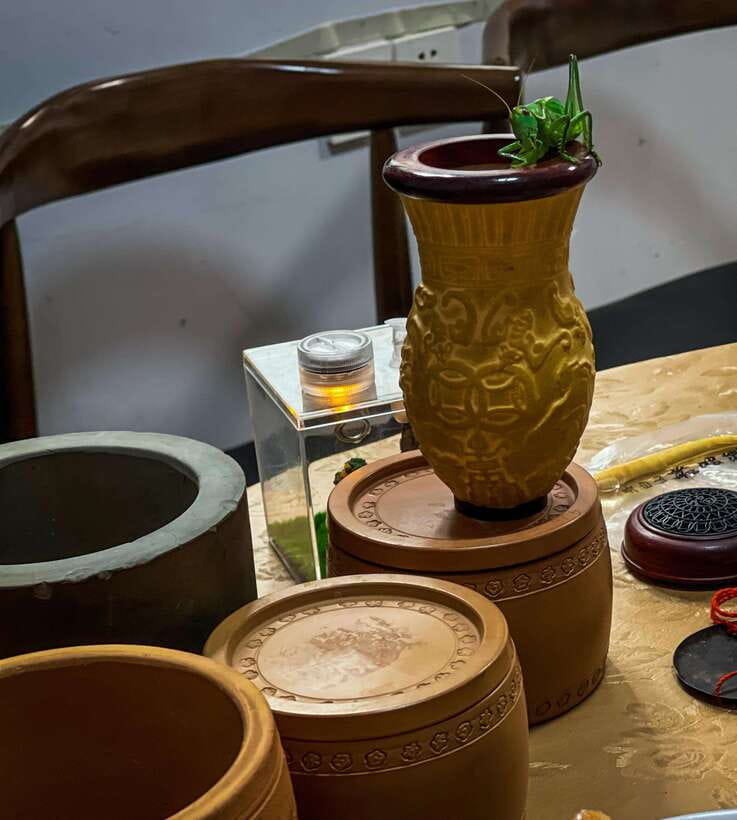
From the Drum Tower, the route continues to Yandai Byway, one of the better-known hutong streets in this part of Beijing. Here, the atmosphere shifts from everyday market life to a busier shopping lane.
You will find souvenir shops, bubble tea, snack stalls, and other small businesses. It is a good place to pause if you want a gift or a quick bite, though prices and crowds may feel less local than they did at the market.
That contrast is worth noticing rather than avoiding. Beijing’s old lanes have always supported trade, and Yandai Byway shows how a historic street can become a modern visitor district. The buildings and lane pattern preserve an older setting, while the shops reflect current demand.
I would not treat this stop as the most private or untouched section of the route. If you want only quiet residential lanes, the shopping activity may disappoint. If you want a mix of old architecture, food, and browsing, it adds useful variety.
Same city, another way to catch the action:
- Madrid: Tour Bernabéu Entry Ticket
★ 4.5 · 21,573 reviews - Barcelona: FC Barcelona Museum “Barça Immersive Tour” Ticket
★ 4.4 · 10,944 reviews - Liverpool: Liverpool Football Club Museum and Stadium Tour
★ 4.8 · 10,764 reviews - Amsterdam: Johan Cruijff ArenA Tour with Optional Guide
★ 4.6 · 8,954 reviews
Shichahai and the old canal waters
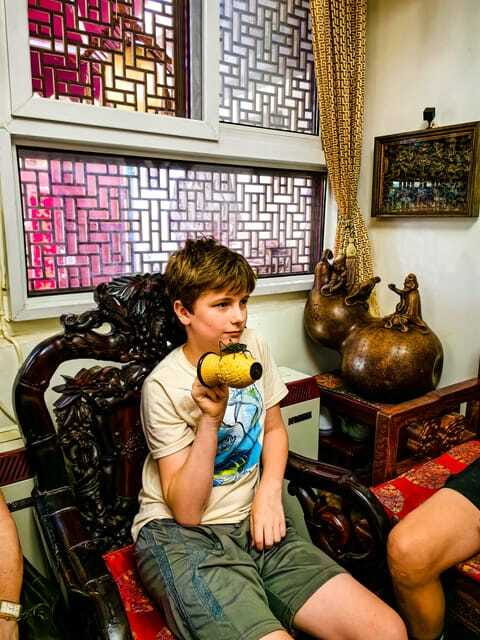
The walk then reaches Shichahai, an approximately 800-year-old canal and lake area. This is where the route opens up after the close-packed hutongs.
The water brings a different rhythm. Bars and cafés line parts of the lakeside, and bridges provide attractive points for photos and people-watching. The route includes Yongdingmen Bridge, giving you a specific place to look across the water and understand how the canal area connects the old neighborhoods.
Shichahai also helps explain why this part of Beijing has long been important. Water routes supported movement, trade, and settlement, while the surrounding lanes offered homes and shops. Your guide can add the historical background as you move between the water and the hutongs.
This is a good section for anyone who wants a break from narrow lanes. You get open views, reflections, and a chance to slow down. Keep in mind that the lakeside areas can feel more commercial, with cafés and bars aimed at visitors and evening customers.
From old temples to Nanluoguxiang
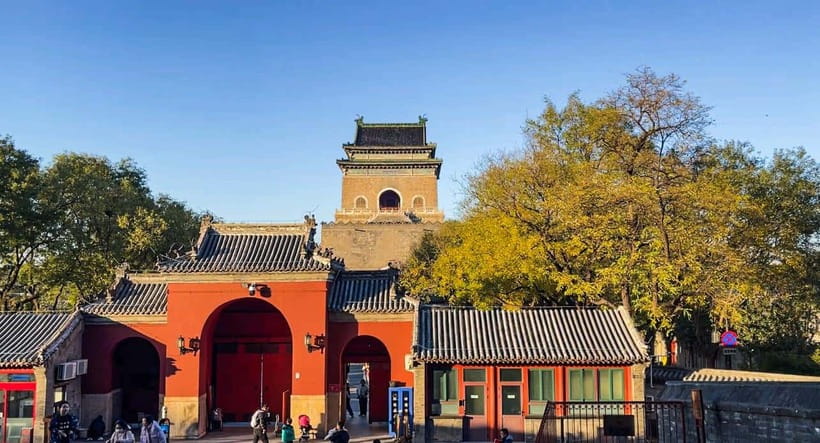
The final stretch passes old temples and attractive waters before reaching Nanluoguxiang. This section returns to the hutong pattern, but Nanluoguxiang brings another concentration of food stalls, souvenir shops, and small retailers.
It is a fitting end point because you can continue exploring after the tour finishes at Nanluoguxiang Subway Station. You are not left in an isolated neighborhood. The subway gives you an easy way to continue your day, provided you know where you want to go next.
Nanluoguxiang is popular, so do not expect a silent lane. Its strength is convenience and variety. You can look for snacks, pick up small gifts, or simply keep walking through the side lanes to see how the commercial street connects with nearby residences.
The route’s three main hutong areas work well together:
- Yandai Byway shows the visitor-friendly shopping side.
- The lanes around Shichahai connect old neighborhoods with the water.
- Nanluoguxiang combines food, small shops, temples, and subway access.
That range is one reason the tour feels fuller than a simple walk down one famous street.
Walking or biking: which option makes sense?
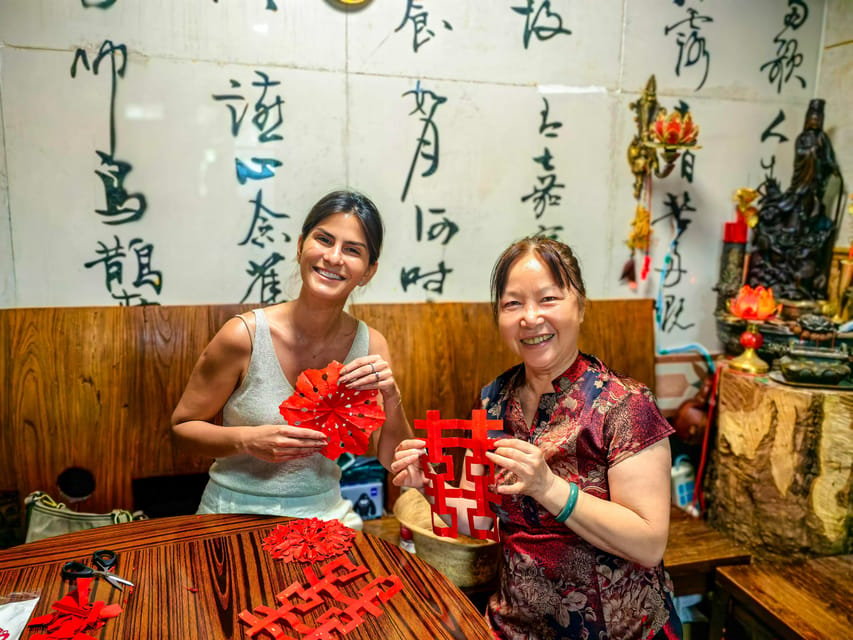
The shared walking tour lasts about 3 to 3.5 hours. Choose it if you want time to listen, stop for photos, look into market stalls, and notice how the lanes change from one block to the next.
The bike option is useful if you prefer to cover ground with less walking. A shared street bike is included for the bike tour, but the listed bike size does not suit people over 1.85 meters. That is an important practical limit, not a minor footnote.
Biking can also make narrow lanes feel different. You move through more quickly, but you may have less time to stop at each stall or absorb the guide’s explanations. The walking version is the safer choice if food, architecture, and conversation matter more to you than covering distance.
The overall activity is listed with a duration range of 1 to 4 hours, but the detailed walking schedule is about 3 to 3.5 hours. Check the exact option and starting time when you reserve, since the meeting point can vary by choice.
What the $15 price really includes

At $15 per person, this is a low-cost way to add context to a part of Beijing that is easy to explore on your own but harder to understand quickly. The fee includes a shared English-speaking local guide and the Drum Tower ticket. The bike is included in the bike option.
You still pay for transportation, meals, drinks, shopping, and any other expense not listed. There is no private car or hotel transfer. You meet the guide at the stated point for the walking route and finish at Nanluoguxiang Subway Station.
That arrangement keeps the price down. You are paying for local explanation and a planned route, not door-to-door service. For a first look at the hutongs, I think the value is strong, especially because the itinerary links the market, Drum Tower, canal, temples, and two famous shopping areas.
The small group format is described as shared, but the exact group size is not given. If you want a private pace or long stops at every food stall, this may not be the right format. If you want an affordable orientation to old Beijing, it makes sense.
The guide can shape the whole experience

The route depends heavily on the guide because much of its value comes from explanation. Amber is specifically associated with this experience and is described as friendly, well informed, and good at showing food and retail vendors while explaining the hutongs.
That style suits the route. You are not just passing buildings. You are learning how the lanes developed, what people buy at the market, and why the Drum Tower mattered. A good guide can also help you decide what is worth tasting or browsing during the short stops.
English is the listed tour language. The activity uses a local guide rather than an audio system, so you can ask questions as you go. Since the exact guide may vary, Amber should not be assumed for every departure.
Who should book this Beijing walk?
I would choose this tour if you want:
- A first introduction to Beijing’s hutongs
- A balance of history, food streets, markets, and shopping
- A local market rather than only polished attractions
- The Drum Tower visit included in a low-cost outing
- A guided route that ends near a subway station
- A choice between walking and biking
It suits solo visitors, couples, and anyone who wants a break from large formal sights. It also works well near the end of a Beijing stay, when you already understand the city’s major monuments and want to see how older neighborhoods function at street level.
You may want something else if you need a private vehicle, a fully private guide, a quiet architectural tour, or a food tour with included meals. The food focus is informal. You see snack streets and vendors, but breakfast, lunch, and dinner are not part of the price.
The activity is marked wheelchair accessible, but the Drum Tower visit includes a climb, and the route moves through narrow lanes. Ask for the exact arrangements before booking if step-free access is essential.
Should you book the hutong tour?
Book it if you want a compact, inexpensive introduction to old Beijing with more substance than a simple photo stop. The market, Drum Tower, Shichahai canal, Yandai Byway, temples, and Nanluoguxiang give you several different sides of the city in one outing.
The walking option is my safer recommendation for most people because it gives you time to notice the details and avoids the bike-size issue. Pick the bike version if you are comfortable with a shared street bike and want a quicker way through the district.
At $15, the tour offers good value as long as you understand what it is: a shared neighborhood walk with a local guide, not a private luxury excursion or a full food tasting. If that sounds like your kind of Beijing, this is an easy one to add to your plans.
FAQ
Where does the walking tour meet?
The walking tour meets at Exit A2 of Guloudajie Station on Line 2. The meeting point may vary depending on the option booked.
How long does the walking tour last?
The detailed walking route lasts about 3 to 3.5 hours. The activity is generally listed with a duration range of 1 to 4 hours, so check the selected option and start time.
What places does the route visit?
The route includes a local vegetable market, Drum Tower, Yandai Byway, Shichahai lake and canal, Yongdingmen Bridge, old temples, and Nanluoguxiang.
Is the Drum Tower entrance included?
Yes. The Drum Tower ticket is included in the tour price.
Is food included?
No. Breakfast, lunch, dinner, drinks, snacks, and other personal purchases are not included.
Can I choose a bike tour?
Yes. A shared street-bike option is available. The listed bike size may not suit people over 1.85 meters.
What language does the guide speak?
The tour is conducted in English by a shared English-speaking local guide.
New on the fixture list around the world
- Spotify Camp Nou Tour F.C. Barcelona Museum (Open Date Ticket)★ 3.5 · 5 reviews
- Ferrari Driving Experience on a Racetrack★ 5.0 · 11 reviews
- Live Muay Thai Action Ticket at Phetchbuncha Samui Stadium★ 4.0 · 6 reviews
- Football tour: Red Star and Partizan Ultras History★ 5.0 · 14 reviews
- Private 4h Tour Of Camp Nou And Most Emblematic Sites Of Barcelona with pick up★ 4.5 · 3 reviews
- Discover Leo Messi’s secrets at Barça Café – Camp Nou★ 5.0 · 22 reviews
- BARCELONA SPORTS VIP – Camp Nou – La Masia & Montjuic (Olympic)★ 4.5 · 3 reviews
- Olympic and Sport Museum of Barcelona “Joan Antoni Samaranch”★ 4.5 · 22 reviews
More China Sports Experiences to weigh up.

Beijing Day Tour: Mutianyu Great Wall,Summer Palace &Olympic Park
Read our review →
Hong Kong Jockey Club Racecourse Guided Tour with F&B
Read our review →
Private Trip to Mutianyu Great Wall&Olympic Stadium with English Speaking Driver
Read our review →
Shanghai: Table Tennis Museum Tour with Practice Session
Read our review →This one also appears in