
Review · BUENOS AIRES
AllMaradona Buenos Aires: Maradona House Museum and Stadium
Maradona’s story begins in La Paternal, not in a grand national stadium but on ordinary Buenos Aires streets and at Argentinos Juniors, the club that helped shape him. This three-hour tour connects those places: his first owned home, the stadium where he made his professional debut at 15, and a museum built by the club’s own supporters.
I like two things right away. Hotel pickup and drop-off remove the hassle of reaching a less central neighborhood, and the small group of no more than 10 people gives the guide room to answer questions. I also like the personal touch: the museum was created through volunteer work by Argentinos Juniors members, so it feels tied to the club rather than designed as a polished celebrity attraction.
The main consideration is the price, $138 per person. That is a serious charge for three hours, especially if you are only mildly interested in football. The value improves if you care about Maradona, want a guided look at Buenos Aires football culture, or would otherwise find the transport and sites difficult to arrange yourself.
Key details of the Maradona tour
- Maradona’s first owned home: See La Casa de D10S, where he lived with his family from 1978 to 1980.
- Professional debut site: Visit the Diego Armando Maradona Stadium, where he first played professionally for Argentinos Juniors at age 15.
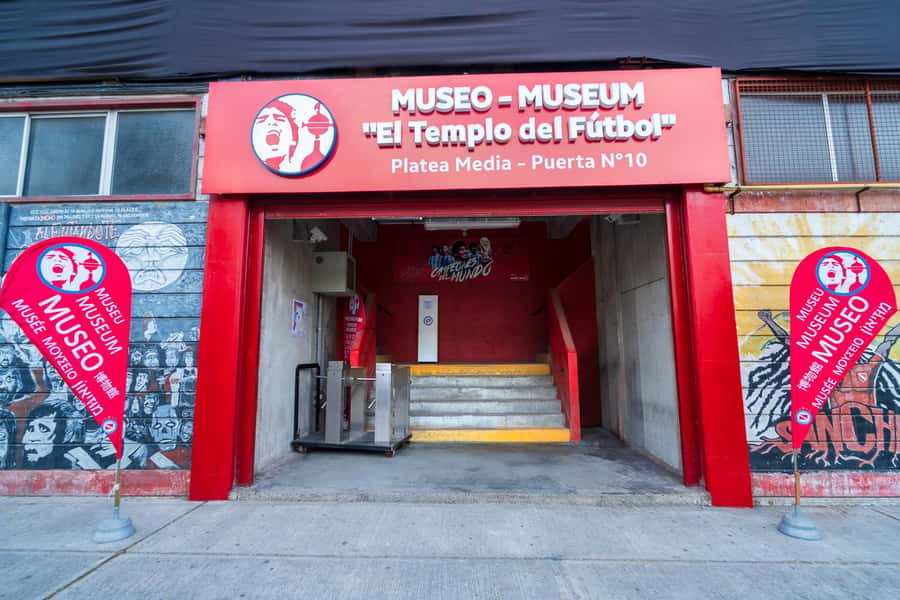
- Club-built museum: Explore El Templo del Fútbol, made by Argentinos Juniors supporters and club members through volunteer work.
- Behind-the-scenes stadium access: The visit includes the pitch, dressing rooms, central hall, press room, and stands.
- Simple door-to-door plan: Hotel pickup, return transport, entrance fees, and a bilingual guide are included.
- Strong guide element: Fernando Ponce and Fernando Jaime are among the guides associated with the tour, with English and Spanish available.
Why La Paternal matters to Maradona’s story
Many Buenos Aires football tours focus on famous club rivalries or giant stadiums. This one takes a more personal route. La Paternal is where Maradona’s professional story took shape with Argentinos Juniors, and the tour lets you connect his public fame with the places linked to his early adult life.
You will walk through the neighborhood connected with the young player. The appeal is not only the football ground. It is the idea of seeing the same streets Maradona walked while he was still beginning his career, before he became an international icon.
That setting gives the tour a useful sense of scale. Maradona’s rise can seem almost mythical when told through World Cup triumphs and packed stadiums. Here, the focus returns to a local club, a family home, and the first stage of his professional career.
I would book this for someone who wants context, not just a quick photo beside a statue. The guide is important because the streets themselves will not explain their connection to Maradona. A strong guide turns the neighborhood into a story, and the tour is offered in English and Spanish.
More Sports Museums in the world:
- Barcelona: FC Barcelona Museum “Barça Immersive Tour” Ticket
★ 4.4 · 10,944 reviews - Liverpool: Liverpool Football Club Museum and Stadium Tour
★ 4.8 · 10,764 reviews - Lisbon: Luz Stadium Tour & SL Benfica Museum Entry
★ 4.7 · 4,102 reviews
Starting with hotel pickup in Buenos Aires
The tour begins with pickup at the door of your hotel in Buenos Aires. That is a practical benefit, since you do not have to work out your own route to La Paternal or find the stadium entrance on your own.
The return transfer is also included. For a three-hour outing, this keeps the schedule compact and predictable. You can treat it as a half-day activity that fits neatly into a longer Buenos Aires visit.
The group is limited to 10 people. That is small enough for a more direct conversation with the guide, especially inside the museum or in the stadium areas. It also matters if you want to ask about Argentinos Juniors, Maradona’s early career, or the details of the sites without competing with a large crowd.
Starting times vary, so you need to check availability when booking. Food and drinks are not included, and the tour itself is centered on the stadium, museum, house, and neighborhood rather than a meal stop.
Inside the Diego Armando Maradona Stadium
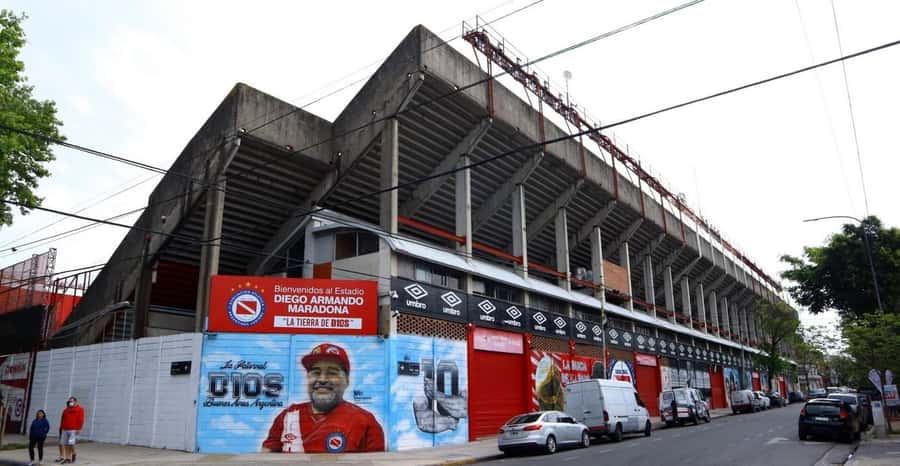
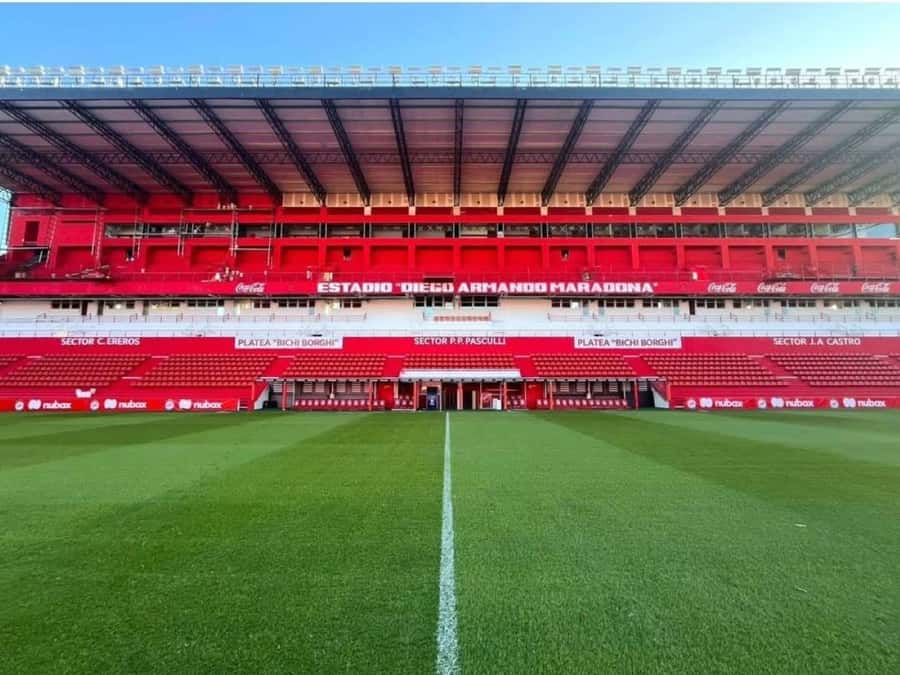
The stadium is the heart of the visit. It carries Maradona’s name and is tied directly to his professional debut with Argentinos Juniors. He first appeared for the club at age 15, a detail that gives this stop real weight for football fans.
The guided stadium visit lasts about 1.5 hours. That is the longest part of the tour, and rightly so. You are not simply entering the stands, taking a quick picture, and leaving. The visit includes the playing field, changing rooms, central hall, press room, and stands.
Each area adds something different. The field connects you with the place where Maradona first played professionally. The dressing rooms bring the focus back to the working side of football, while the press room points to the public attention that followed his rise.
The stands help you understand the club setting around his early career. Argentinos Juniors is not presented merely as a footnote before bigger clubs. It is the institution where Maradona developed and first gained a professional stage.
Access to several parts of the stadium is a strong point for the price. If you have already visited major football grounds elsewhere, you may find the stadium smaller or less grand than the famous tourist venues. Its value is personal and historical rather than architectural.
That distinction matters. You are paying to follow Maradona’s path and to hear the story of Argentinos Juniors. You are not paying for a massive modern arena with a long list of high-tech displays.
El Templo del Fútbol and the club’s own voice
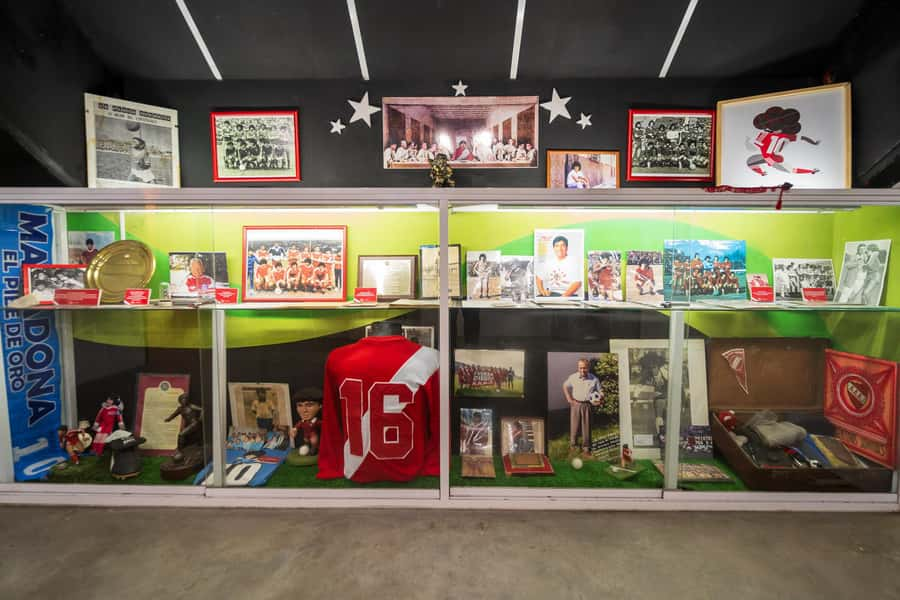
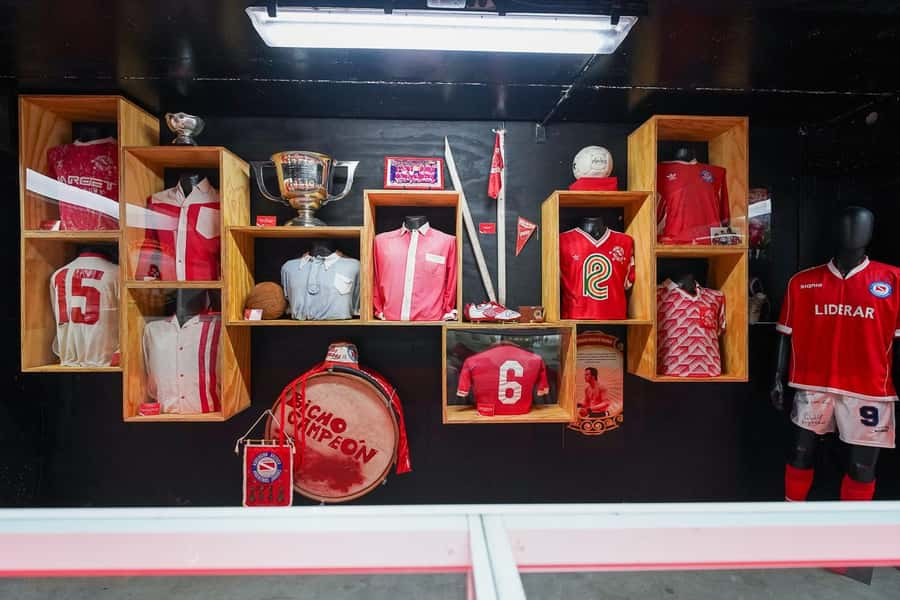
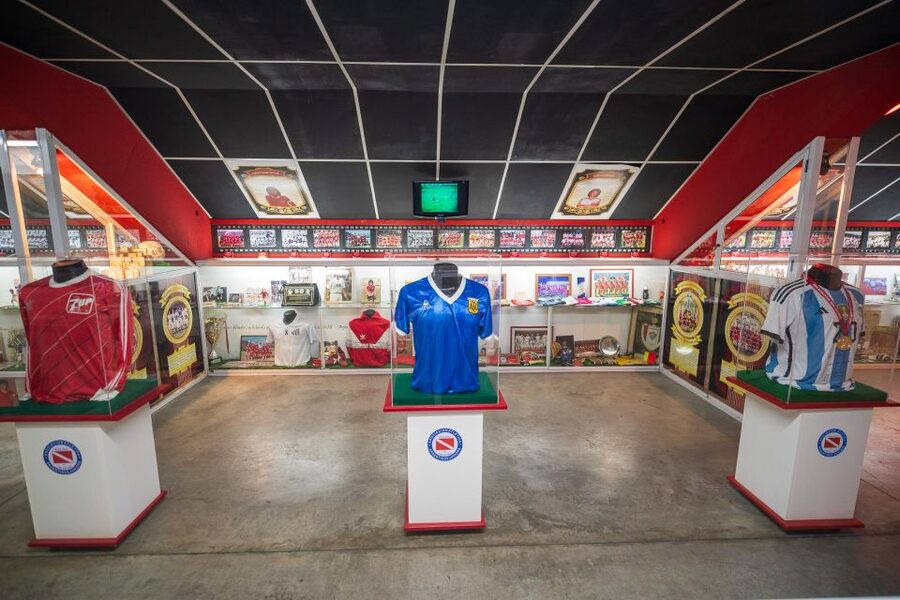
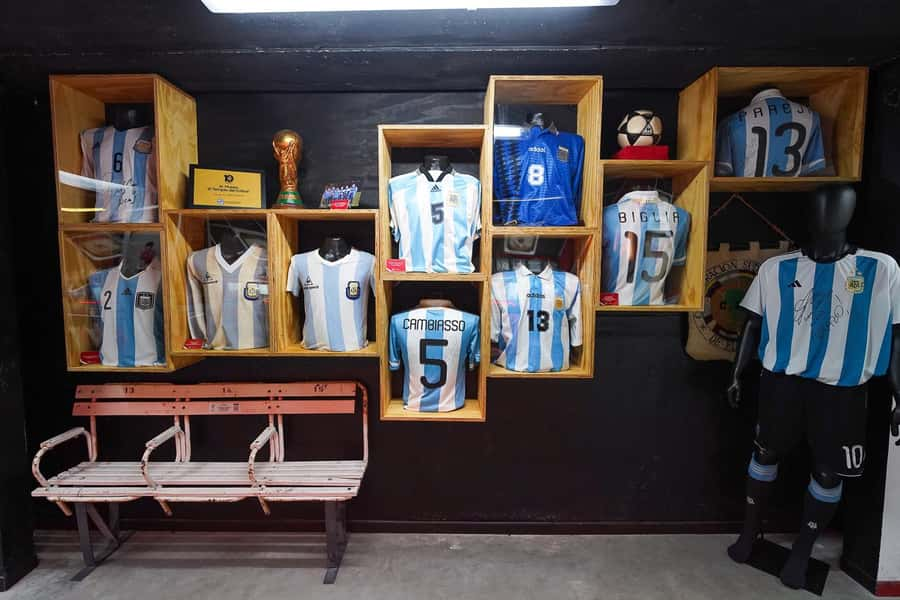
The museum, El Templo del Fútbol, is located inside the Diego Armando Maradona Stadium. Its most distinctive feature is how it came together: Argentinos Juniors fans and members created it through volunteer work.
I like that detail because it changes the tone of the visit. A museum built by people connected to the club can feel more personal than a commercial sports attraction. It reflects what the institution and its supporters chose to preserve and explain.
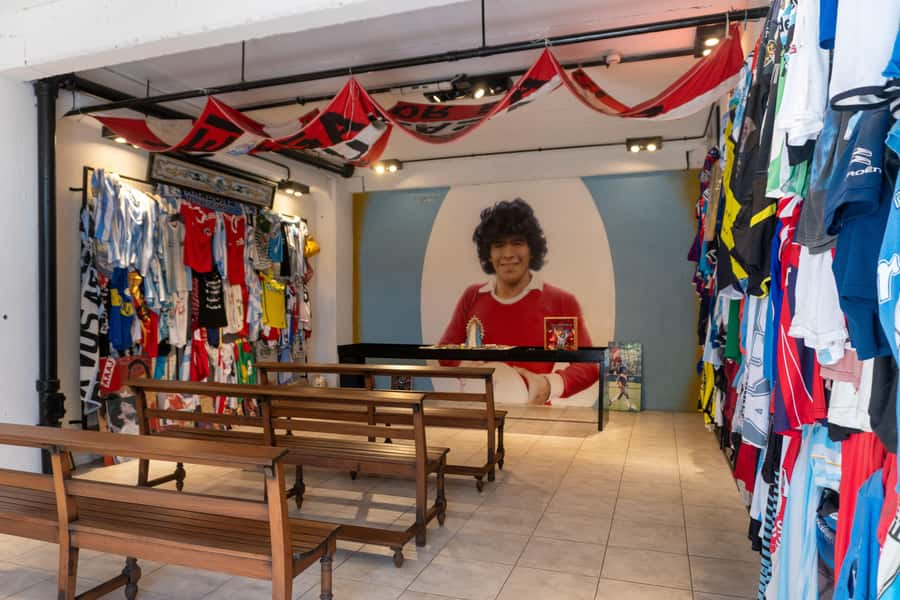
The museum focuses on the history of Argentinos Juniors and Maradona’s place within it. You can expect the guide to connect club history with the player’s early career, rather than treating him as an isolated celebrity.
The museum is especially useful if you know Maradona mainly from Argentina’s national team or from his later years in Europe. It fills in the earlier chapter, showing the club where he first made his name and the setting in which his talent became a professional career.
Allow time to listen. The tour is not just a self-guided room of objects. The bilingual guide is part of what you are buying, and names such as Fernando Ponce and Fernando Jaime are associated with particularly positive feedback about clear English, care, and football insight. Guide assignments can vary, so do not assume a particular person will lead your departure.
More Stadium Tours in the world:
- Madrid: Tour Bernabéu Entry Ticket
★ 4.5 · 21,573 reviews - Amsterdam: Johan Cruijff ArenA Tour with Optional Guide
★ 4.6 · 8,954 reviews - Milan: San Siro Stadium and Museum Guided Tour
★ 4.3 · 5,567 reviews - London: Emirates Stadium Entry Ticket and Audio Guide
★ 4.7 · 5,513 reviews
La Casa de D10S, Maradona’s first owned home
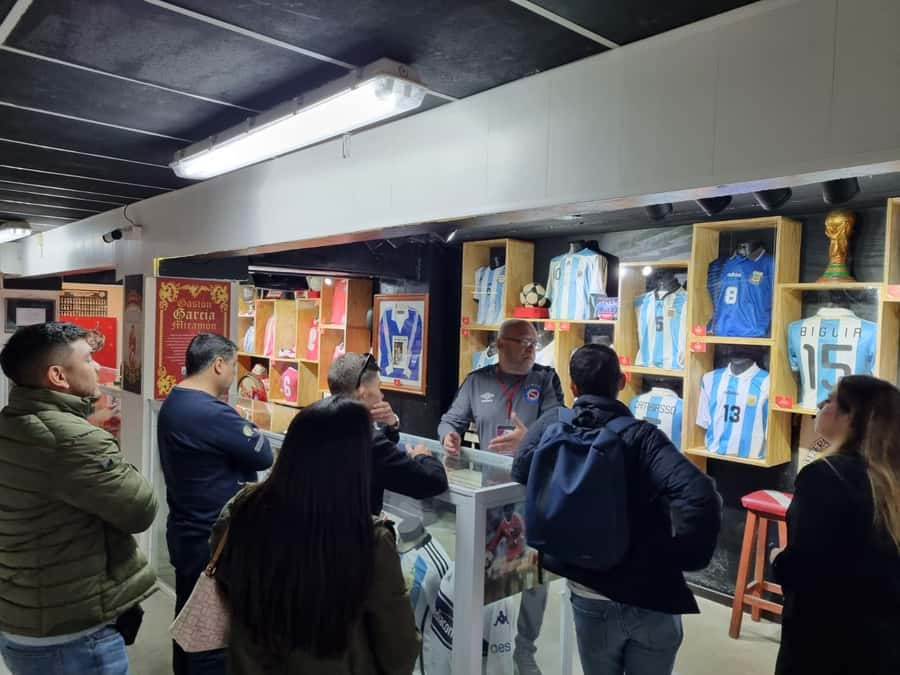
The second major stop is La Casa de D10S, the home Maradona owned first. He lived there with his family from 1978 to 1980, during his time as an Argentinos Juniors player.
The house was given to him by Argentinos Juniors for his 18th birthday. It was later recovered and recognized by the City Parliament as a historic place and tribute to Maradona. That background makes the visit more intimate than a stadium tour.
A football stadium shows the public side of a player’s life. A home gives you a glimpse of the family setting around his career. You are looking at a place connected with an important transition, when the teenage player was becoming a professional and his family life was changing with him.
The guided visit lasts about 50 minutes. That is enough time to understand why the home matters without turning the stop into a long architectural tour. The interest is in the connection to Maradona and his family, not in ornate interiors or a large collection of exhibits.
You should keep your expectations sensible. This is a house museum, not a sprawling celebrity museum with endless displays. Its appeal comes from the fact that it is a real place connected with a specific period of his life.
What the guide adds to the visit
The guide can make or break a football history tour. In this case, the strongest praise centers on guides who combine good English with a personal feel for the sport. Fernando Ponce is specifically associated with excellent English, patience, and strong knowledge of the subject. Fernando is also praised as an attentive and enthusiastic guide, while Fernando Jaime is named in connection with the Argentinos Juniors visit.
You should expect a guide who explains the link between the neighborhood, the club, the stadium, and the house. That connection is the point of the tour. Without it, you would be visiting separate buildings. With it, the sites form a clear path through Maradona’s early career.
The tour is also available in Spanish. If you speak Spanish, you may appreciate the chance to hear the club’s story in its local language. If you need English, the experience is designed to support you with a bilingual guide.
A small group helps here. Ten people or fewer means the guide can respond to individual questions and keep the pace more personal. It also makes it easier to stay engaged in spaces such as the museum, press room, or changing rooms.
Is $138 a fair price?
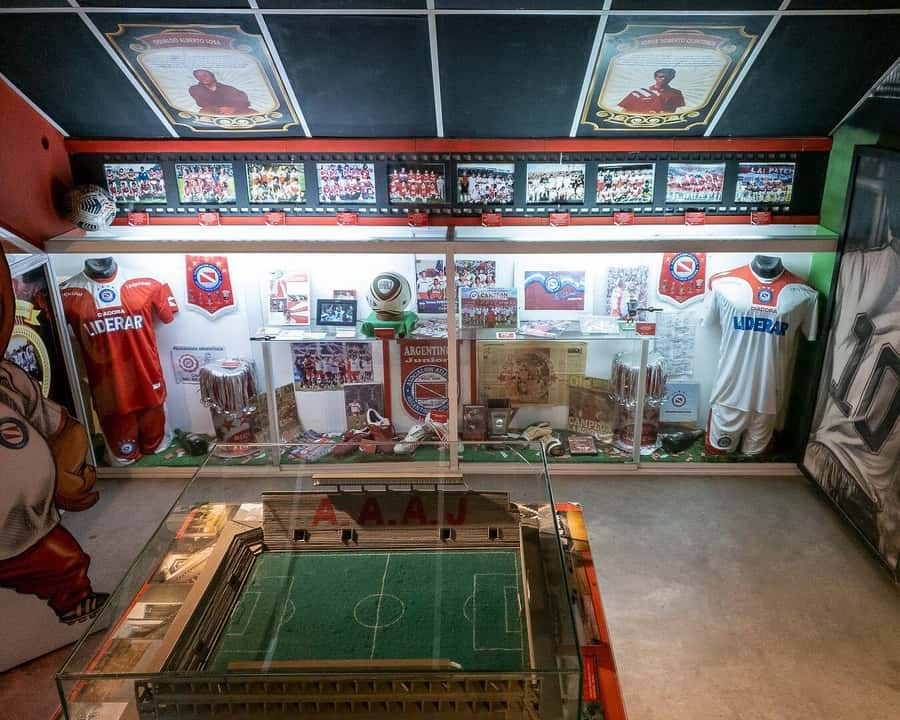
At $138 per person, this is not a budget sightseeing activity. You are paying for private transport from your Buenos Aires hotel, return transport, a small group, a bilingual guide, museum entry, stadium access, and entry to La Casa de D10S.
The price makes more sense when you consider the number of separate arrangements involved. You would otherwise need to reach La Paternal, identify the correct entrances, arrange access to the stadium and house, and find a way to connect the sites efficiently. The tour handles those details in one short outing.
Still, I would not call it a bargain. If you only want to see a football stadium, you can likely find cheaper ways to do that. If Maradona is central to your visit to Argentina, the price buys access to places that carry a direct connection to his life and career.
The best value comes from the combination of sites. The stadium explains his professional beginning. The museum gives the club’s perspective. The house adds a family and personal dimension. Remove one or two of those elements, and the cost would be harder to justify.
Who should book this experience?
I would recommend it first to devoted Maradona fans and football followers who want more than a match-day atmosphere. It is also a good choice if you want to understand why Argentinos Juniors matters in Argentine football.
Families can find it useful if children already have an interest in football and Maradona. The three-hour duration is manageable, and the stadium offers more variety than a simple museum visit.
The tour also suits visitors who prefer a structured outing. Hotel pickup and drop-off mean you do not have to plan the route, and the small group keeps the day more focused than a large coach excursion.
I would be more cautious if you are not interested in football. The neighborhood walk, house, museum, and stadium all depend on that subject. Buenos Aires has many other cultural attractions, so someone with limited interest in Maradona may get better value elsewhere.
Practical tips before you go
Check the available departure time before you commit, since start times vary. Make sure your hotel is in Buenos Aires and that the pickup arrangement is clear when booking.
Wear comfortable shoes for the neighborhood walking and the stadium visit. The supplied details do not specify a dress code or accessibility arrangements, so ask the provider directly if you have mobility needs or require a particular setup.
Bring water or plan to buy it before departure, since food and drinks are not included. You will also want your phone or camera ready, though the important part of the visit is the explanation of the places rather than simply collecting photographs.
You can cancel up to 24 hours before the tour for a full refund. You can also reserve now and pay later, which helps if your Buenos Aires schedule is still shifting.
Should you book the Maradona House Museum and Stadium tour?
Book it if you want to follow Maradona’s early life in a focused, local setting. The combination of La Casa de D10S, the stadium where he debuted professionally, and a supporter-built museum gives you a fuller picture than a single football attraction.
The tour is strongest when you value stories, context, and access to connected places. It is less convincing as a casual sightseeing stop, mainly because $138 is a high price for three hours.
For a serious Maradona fan, I think the direct link to La Paternal and Argentinos Juniors makes the cost defensible. For everyone else, compare your interest level honestly before booking. If you would enjoy hearing how a local club shaped one of football’s greatest players, this is a well-focused way to spend part of a Buenos Aires day.
FAQ
How long does the Maradona House Museum and Stadium tour last?
The tour lasts three hours, including the visits to the stadium, museum, and La Casa de D10S, along with hotel transfers.
Where does the tour begin?
Pickup is provided at the door of your hotel in Buenos Aires.
Is return transportation included?
Yes. Hotel pickup and drop-off transfers are included.
Which sites are included?
The tour includes the Diego Armando Maradona Stadium, El Templo del Fútbol museum, and La Casa de D10S, Maradona’s first owned home.
What areas of the stadium can I visit?
The stadium visit includes the playing field, changing rooms, central hall, press room, and stands.
Is the tour available in English?
Yes. A bilingual guide is available in English and Spanish.
How large is the group?
The tour is offered as a small-group experience with no more than 10 participants.
Are food and drinks included?
No. Food and drinks are not included in the tour price.
Can I cancel for a refund?
Yes. You can cancel up to 24 hours in advance for a full refund.
New on the fixture list around the world
- Spotify Camp Nou Tour F.C. Barcelona Museum (Open Date Ticket)★ 3.5 · 5 reviews
- Ferrari Driving Experience on a Racetrack★ 5.0 · 11 reviews
- Live Muay Thai Action Ticket at Phetchbuncha Samui Stadium★ 4.0 · 6 reviews
- Football tour: Red Star and Partizan Ultras History★ 5.0 · 14 reviews
- Private 4h Tour Of Camp Nou And Most Emblematic Sites Of Barcelona with pick up★ 4.5 · 3 reviews
- Discover Leo Messi’s secrets at Barça Café – Camp Nou★ 5.0 · 22 reviews
- BARCELONA SPORTS VIP – Camp Nou – La Masia & Montjuic (Olympic)★ 4.5 · 3 reviews
- Olympic and Sport Museum of Barcelona “Joan Antoni Samaranch”★ 4.5 · 22 reviews
More Sports Museums to weigh up.
Barcelona: FC Barcelona Museum “Barça Immersive Tour” Ticket
Read our review →
Liverpool: Liverpool Football Club Museum and Stadium Tour
Read our review →
Lisbon: Luz Stadium Tour & SL Benfica Museum Entry
Read our review →
Camp Nou Immersive Tour F.C.Barcelona Museum: Open Date Ticket
Read our review →

Melbourne: MCG and Australian Sports Museum Guided Tour
Read our review →
Turin: Juventus Museum entry ticket & Stadium Tour
Read our review →
Barcelona: FC Barcelona Museum Total Experience Pass
Read our review →This one also appears in