
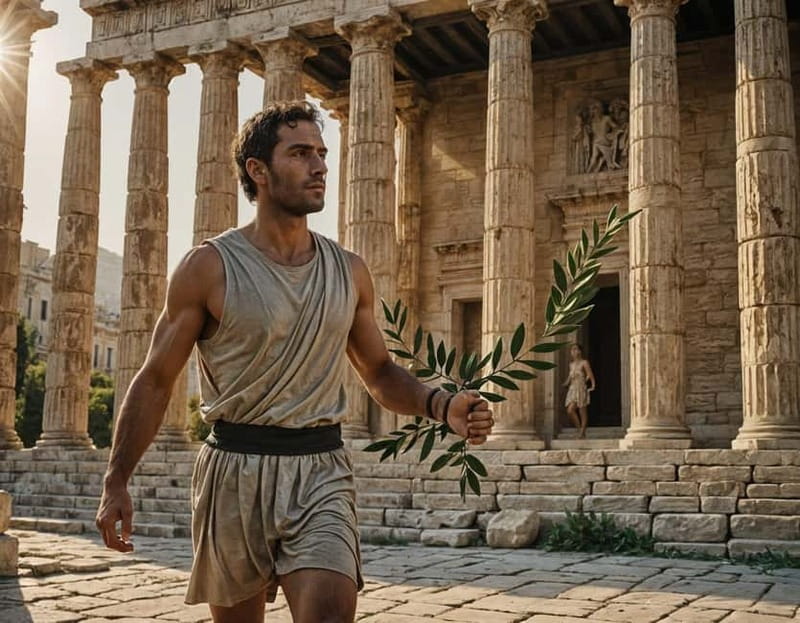
Review · GREECE
Private Luxury Tour: Marathon Heritage & Historic Run
The most surprising part of this tour is how many layers of Marathon you see in one half-day. The name points to a modern road race, but the area also holds an ancient sanctuary, a battlefield from 490 BCE, a burial mound for Athenian soldiers, a local museum, and the Panathenaic Stadium where the first modern Olympics took place in 1896.
I like the mix of outdoor history and museum time, and I like having a private car for the trip from Athens. The Marathon Run Museum is especially engaging, with a larger collection than you might expect. The main thing to consider is that the $160 price covers transportation and the driver, but not admission tickets or a licensed guide inside the archaeological sites and museums.
Key points to know before booking

- See Marathon beyond the famous race: Ancient battle sites, a warrior tomb, a sanctuary, and Olympic history all fit into one outing.
- The Run Museum is a real highlight: Medals, memorabilia, and stories from Olympic races give the modern marathon a human side.
- Private transport saves time: Hotel pickup, bottled water, WiFi, and an air-conditioned car make the long outing easier.
- Expect a history-focused driver: Demetris is one named driver praised for his friendly manner and strong command of the subject.
- Plan for extra costs: Museum and archaeological-site tickets are not included, and no licensed guide enters the sites with you.
- Walking is moderate but not effortless: Uneven ground and outdoor stops mean comfortable shoes, a hat, and sunscreen matter.
Why Marathon is worth a half-day from Athens
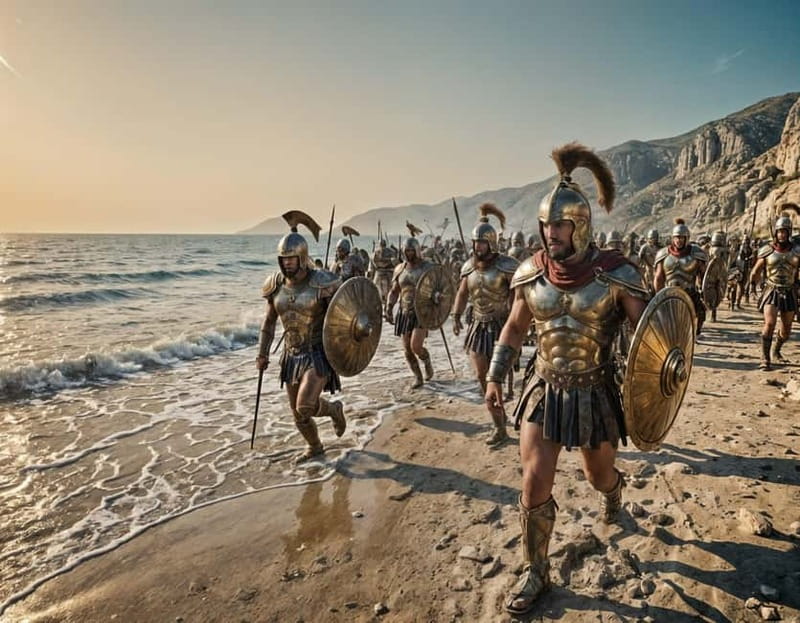
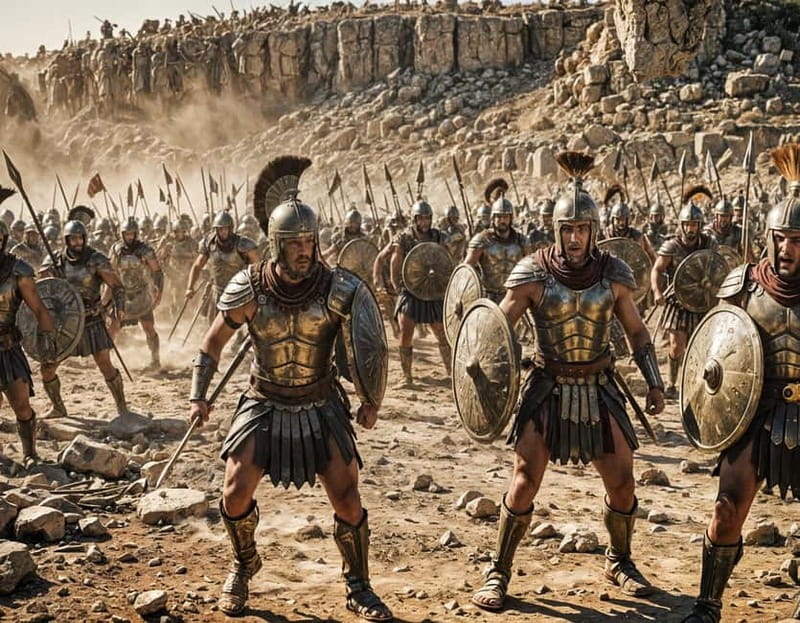
Marathon is not simply a place to check off because it gave a race its name. It is a useful key to several parts of Greek history. The Battle of Marathon in 490 BCE became a major Athenian victory against Persian forces, and the story later fed into the legend of the long-distance messenger Pheidippides.
The modern race is only one piece of the story. You also see how ancient Greeks honored their dead, how local communities preserved objects from earlier settlements, and how the name Marathon became tied to international sport. That range gives the outing more substance than a quick drive to a single monument.
The private format suits anyone who wants to move at a reasonable pace without joining a large group. You can ask questions in the car, spend more time at a favorite stop when timing allows, and avoid arranging several separate rides from Athens.
The schedule lasts about five hours. That is enough for a useful introduction, but not enough for a slow archaeological study. I would think of it as a focused overview rather than a full day devoted to every site in the Marathon area.
More sporting history around the world:
- Tour of Historic Fenway Park, America’s Most Beloved Ballpark
★ 4.5 · 3,013 reviews - St Andrews: Golf Origins and Old Course History Tour
★ 4.7 · 322 reviews - Krabi: Ao Nang Landmark Stadium Muay Thai
★ 4.7 · 287 reviews
Starting at Marathon Lake and the dam
The first listed stop is Marathon Lake, about 30 minutes. The reservoir was built to supply Athens with fresh water, so it adds a modern engineering story to the ancient material that follows.
You can expect a calm outdoor stop with views of the water and surrounding greenery. A walk along the Marathon Dam gives you a chance to stretch after the drive and take photographs. This is also a sensible place to start because it eases you into the region before the denser history begins.
Do not expect a long hike or a full nature outing. The scheduled visit is short, and the point is to see the dam and understand its purpose. Bring water and sun protection, particularly during hot weather. The tour includes bottled water, but your own hat and sunscreen are still practical.
The Sanctuary and the ancient setting
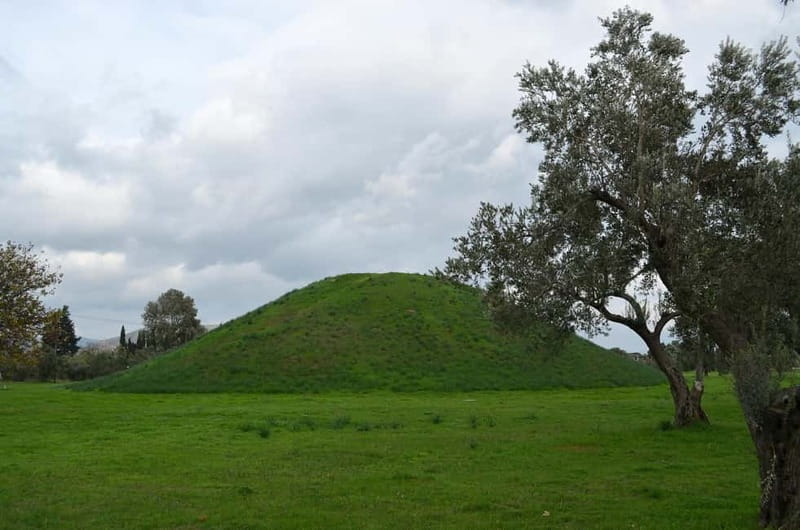
One of the stops is described as a sanctuary linked to ancient cultural exchange. The exact name and visit length are not specified in the supplied details, so you should confirm the precise site when booking or with the driver.
What matters is the setting within the larger story. A sanctuary can show you a side of ancient life that battlefield accounts often miss: worship, movement of people, and contact between communities. The stop is scheduled for roughly 45 minutes in the itinerary, giving you time to look around without turning the tour into a long excavation visit.
Because a licensed guide is not included, your driver can explain the background but cannot serve as an official guide inside an archaeological site. If detailed interpretation is important to you, ask about adding a licensed guide or prepare with some reading before you go.
The Marathon Tomb and the 192 Athenians
The Marathon Tomb is one of the most moving stops. This burial mound honors the 192 Athenian warriors who died during the Battle of Marathon in 490 BCE.
The site is not just a monument to military success. It also asks you to think about the human cost of the victory. The Athenian army defeated the Persian invaders, but the mound marks the people who did not return home.
You may spend about 30 minutes here, enough to understand the monument and connect it to the battlefield nearby. The open setting can be exposed to sun, and the ground may be uneven. Wear shoes with decent grip rather than thin sandals.
I find this stop more valuable when you resist treating it as a photo stop. Take a few quiet minutes to read the information and picture the relationship between the burial place and the wider battlefield. The story becomes clearer when you see the tomb as part of a sacred memorial, not just an ancient mound.
Same city, another way to catch the action:
- Madrid: Tour Bernabéu Entry Ticket
★ 4.5 · 21,573 reviews - Barcelona: FC Barcelona Museum “Barça Immersive Tour” Ticket
★ 4.4 · 10,944 reviews - Liverpool: Liverpool Football Club Museum and Stadium Tour
★ 4.8 · 10,764 reviews - Amsterdam: Johan Cruijff ArenA Tour with Optional Guide
★ 4.6 · 8,954 reviews
The Archaeological Museum of Marathon
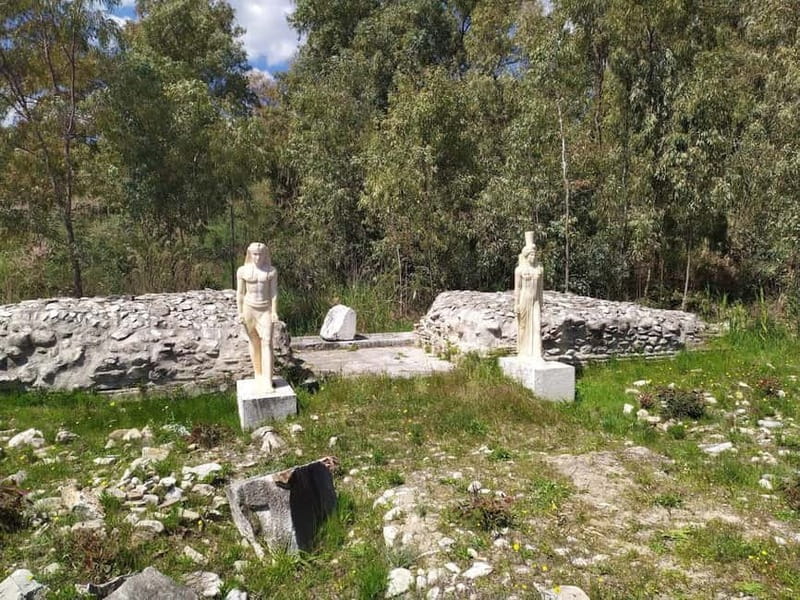
The Archaeological Museum of Marathon gives the tour its main indoor history stop. You can see statues, pottery, and other objects from the area’s ancient past, including material connected with the Battle of Marathon.
The scheduled visit is about 45 minutes. That is a reasonable amount of time for a first visit, though it will feel short if you like to read every label. I would focus on the objects that help explain daily life, religious practice, and the battle rather than trying to absorb the entire collection.
The museum also balances the outdoor sites. At the tomb and battlefield, you are standing in the places where events happened. Here, the objects offer physical evidence of the people and communities that occupied the region.
Admission is extra. The tour price does not include a licensed guide, so the driver will not accompany you as an official museum guide. That keeps the booking simpler and less expensive than a fully guided private tour, but it means you should ask questions before entering and take your time with the displays.
Walking the Marathon battlefield
The battlefield is the heart of the experience for many history-minded visitors. This is where the Athenian army won its decisive victory over Persian forces, an event later remembered as a turning point in Western civilization.
The site is valuable precisely because it is not presented as a polished attraction full of theatrical effects. You are there to connect the terrain, the tomb, and the account of the battle. The scheduled outdoor stop appears to be about 20 minutes, so expect a concise visit rather than a long walk across the entire area.
Your driver can help place the event in context, but the quality of the explanation will depend on the driver assigned. Demetris is specifically praised for being friendly and well informed about the subject, which is encouraging if he is your driver. Still, drivers are not licensed guides, so ask what level of commentary you will receive before setting out.
The battlefield is best for people who enjoy using their imagination. There may not be a large collection of visible ruins to occupy every minute. The appeal comes from standing in the area and understanding why this particular victory became so influential.
The Marathon Run Museum and the modern race
The Marathon Run Museum brings the story forward from ancient warfare to modern sport. Its exhibits cover the origins of the race inspired by Pheidippides and show how the event grew into a worldwide athletic tradition.
You can expect medals, race memorabilia, and stories from Olympic marathons. This is not merely a small display added to an ancient-history tour. The museum is described as surprisingly extensive and engaging, making it one of the strongest stops for anyone interested in sport, Olympic history, or the way legends change over time.
The visit lasts around 30 minutes in the listed schedule. If running matters to you, that may feel brief. You could ask whether the timing can be adjusted, though the tour also needs to reach the Panathenaic Stadium and return to Athens within five hours.
I like the contrast here. The tomb honors soldiers remembered for one ancient battle, while the museum shows how the name Marathon became attached to a modern test of endurance. The connection is not a simple historical chain, but it is an interesting one.
Finishing at the Panathenaic Stadium
The final major stop is the Panathenaic Stadium, with about 30 minutes scheduled. Built in marble, it hosted the first modern Olympics in 1896 and gives the tour a clear link to the international sporting world.
This stop works well at the end because it brings the ancient and modern threads together. You begin with Marathon’s ancient battlefield and end at the Athens venue where the revived Olympic movement took shape.
Half an hour is enough for a look around and some photographs, but not for an extended stadium visit. The itinerary is compact, so keep an eye on the clock at earlier stops. Entrance fees are not included here or at the other museums and archaeological sites.
The stadium is in Athens, making it a practical last stop before returning to your hotel or apartment. It also means you finish with a major landmark rather than ending the day at a remote outdoor site.
What the private vehicle adds
For one to four people, transportation is provided in a luxury sedan. Groups of five to seven use a minivan. Both options include air conditioning, private transport, WiFi, and bottled water.
That matters because Marathon is not a simple central Athens walking excursion. A private vehicle removes the need to coordinate public transport or hire separate taxis between sites. Hotel or apartment pickup and drop-off are included, and port pickup is available with a driver holding a sign with your name.
The driver waits outside the main entrance or designated pickup point, and you should be ready 10 minutes early. For port pickup, follow the instructions given at booking and keep your phone on.
Airport pickup is optional and costs extra. Food and drinks are not included, so plan to eat before or after the tour unless you make your own arrangements.
Price, timing, and what you actually receive
At $160 per person, the value depends on your group size and priorities. For one person, the cost is high compared with a shared excursion, but you are paying for private transportation, a flexible group, hotel pickup, and a focused route that would be awkward to arrange alone.
For a group of four, the private format becomes easier to justify because the cost is spread across the group. You also avoid the slower pace and fixed routine of a large coach tour.
The price does not include entrance fees or a licensed guide. Those exclusions are important. If you want formal explanations inside every museum and archaeological site, budget more and ask about guide availability. If you are comfortable receiving background from an English-speaking driver and exploring displays independently, the basic package may be enough.
The tour is offered in English and Greek. It is private, and the host or greeter can communicate in those languages. The overall rating is 5 from three published ratings, and the strongest praise centers on the engaging range of stops, the unexpectedly substantial Run Museum, and Demetris’s friendly historical commentary. Those are useful signs, but the small number of ratings means I would not treat the score as a guarantee.
Who should book this Marathon tour
I would recommend it to:
- Couples or families who want a private day outside Athens without planning several transfers.
- History fans interested in the Battle of Marathon and ancient Greek memorial customs.
- Runners and Olympic enthusiasts who want more than a quick photograph at the finish line.
- Small groups that value a car, hotel pickup, and a driver who can explain the route.
- Visitors who prefer a half-day outing instead of a full day away from Athens.
I would be more cautious if you need step-free access. The tour is not suitable for wheelchair users, and some sites involve moderate walking over uneven surfaces.
It may also disappoint you if you expect a fully guided archaeological tour. The driver has historical knowledge, but no licensed guide accompanies you inside the sites or museums. That is a clear tradeoff between a lower, simpler package and a more academic experience.
Should you book it?
Book this tour if you want to connect the ancient Battle of Marathon with the modern marathon race, and you value private transport more than a fully guided museum program. The strongest combination is the battlefield, the Tomb of the 192 Athenians, the Run Museum, and the Panathenaic Stadium.
Before paying, confirm the exact sanctuary and the unnamed itinerary stops, ask about entrance costs, and check whether a licensed guide can be added. If you do that and pack for sun and uneven ground, this is a smart, tightly planned way to see a side of Central Greece that many Athens visitors skip.
FAQ
How long does the tour last?
The tour lasts five hours, including pickup in Athens, the visits around Marathon, the Panathenaic Stadium, and the return to Athens.
Is hotel pickup and drop-off included?
Yes. Hotel and apartment pickup and drop-off are included. The driver waits outside the main entrance or designated pickup area, and you should be ready 10 minutes before departure.
Are entrance fees included?
No. Entrance fees for museums and archaeological sites are not included in the tour price.
Is a licensed guide included?
No. The tour includes an English-speaking driver with historical knowledge, but a licensed guide does not accompany you inside archaeological sites or museums.
What languages are available?
The host or greeter can communicate in English and Greek.
What type of vehicle is used?
Groups of one to four people travel in a luxury sedan. Groups of five to seven use a minivan. The vehicles are air-conditioned and include WiFi.
Is the tour suitable for wheelchair users?
No. The tour is not suitable for wheelchair users. Moderate walking and uneven surfaces are part of some site visits.
New on the fixture list around the world
- Spotify Camp Nou Tour F.C. Barcelona Museum (Open Date Ticket)★ 3.5 · 5 reviews
- Ferrari Driving Experience on a Racetrack★ 5.0 · 11 reviews
- Live Muay Thai Action Ticket at Phetchbuncha Samui Stadium★ 4.0 · 6 reviews
- Football tour: Red Star and Partizan Ultras History★ 5.0 · 14 reviews
- Private 4h Tour Of Camp Nou And Most Emblematic Sites Of Barcelona with pick up★ 4.5 · 3 reviews
- Discover Leo Messi’s secrets at Barça Café – Camp Nou★ 5.0 · 22 reviews
- Olympic and Sport Museum of Barcelona “Joan Antoni Samaranch”★ 4.5 · 22 reviews
- BARCELONA SPORTS VIP – Camp Nou – La Masia & Montjuic (Olympic)★ 4.5 · 3 reviews