
Review · GERMANY
Dresden: Dresden Transport Museum Entrance Ticket
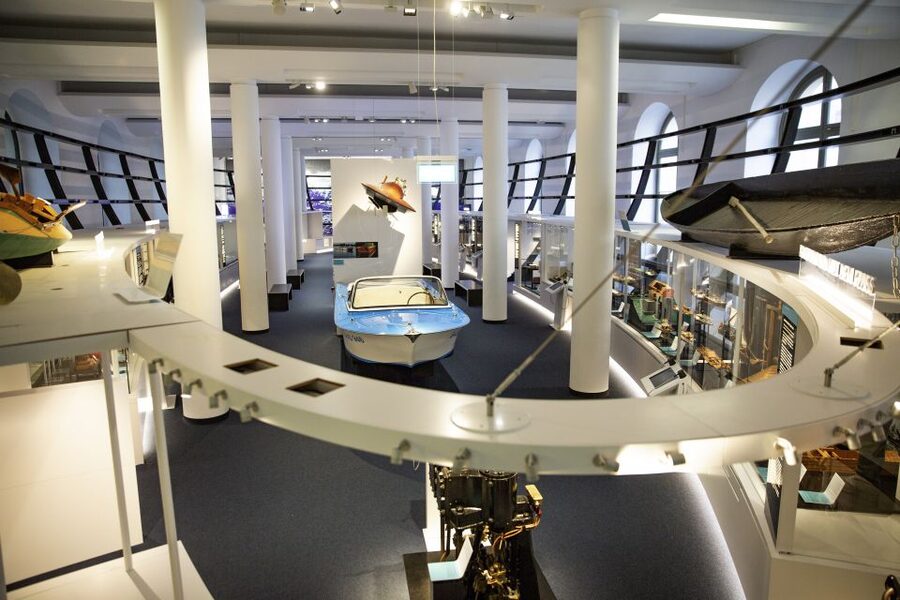
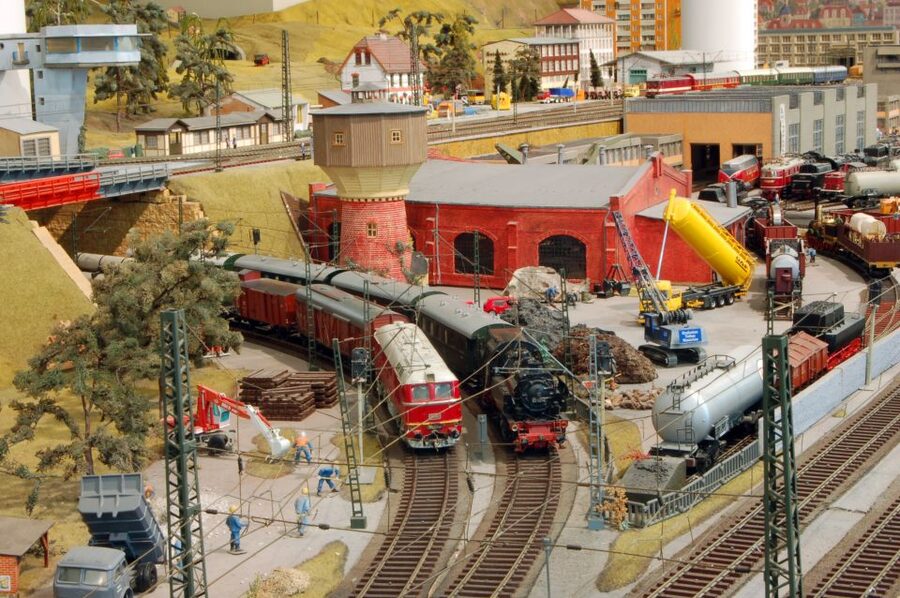
The most appealing part of Dresden’s Transport Museum is its range. In one building, you can move from steam locomotives and vintage cars to ships, aircraft, and hands-on technology displays. The Johanneum setting gives the visit a strong sense of place, while the exhibits keep it from feeling like a dry collection of machines.
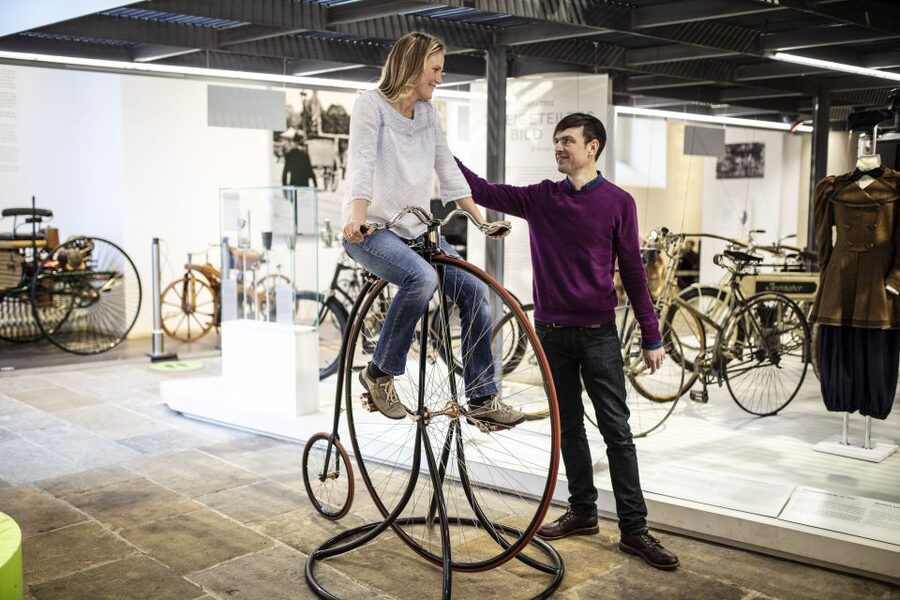
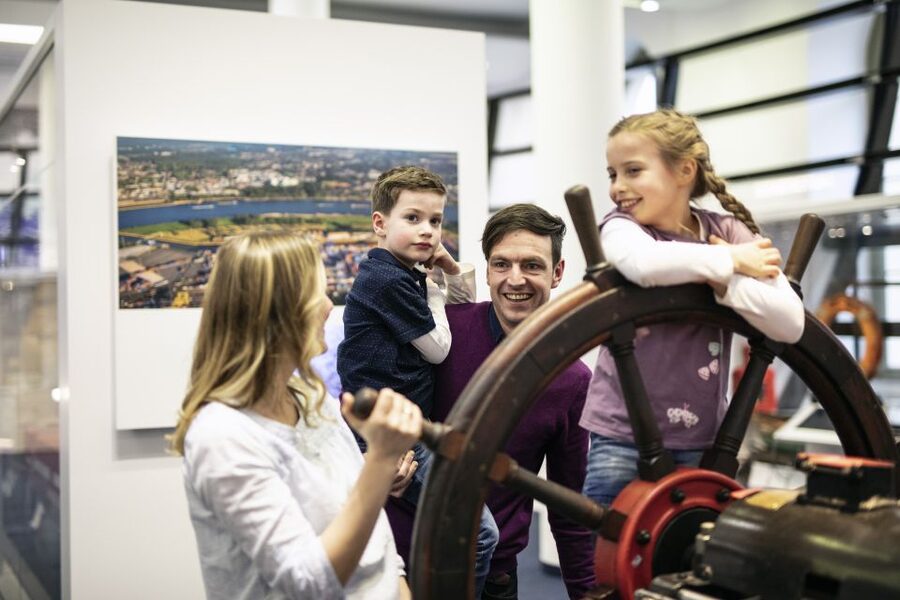
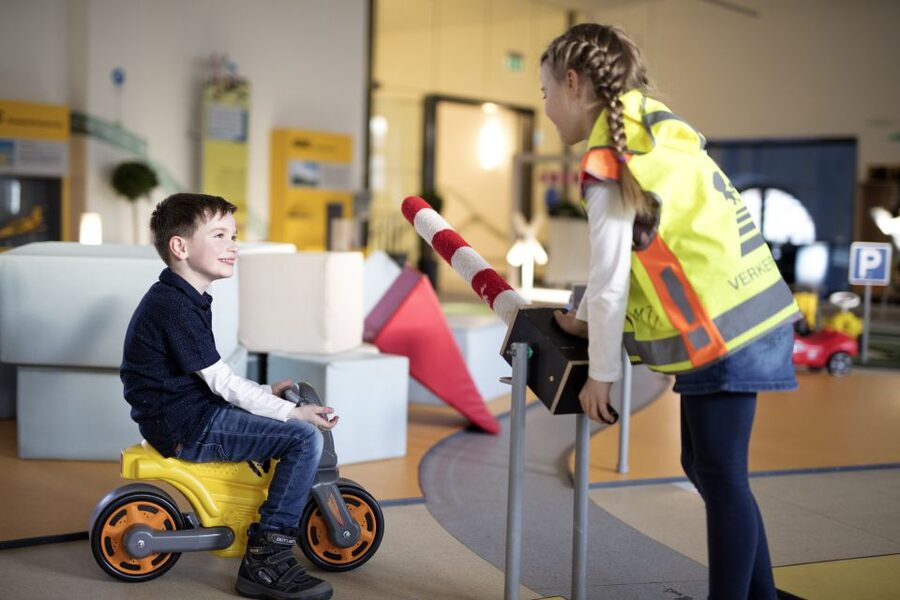
I like the free audio-guide app, which lets you explore at your own pace, and I like the number of interactive stations. Riding a penny-farthing, stepping onto a steam locomotive, and designing a boat for a digital race give children something to do, while adults can focus on the engineering and design.
The main consideration is that this is a self-guided museum visit, not a tour with a live guide. You must exchange your voucher at the ticket counter, download the app on your own phone, and arrange your own transportation. Bring headphones if you prefer listening privately.
Key points to know before you go
- Four transport worlds in one visit: See rail, shipping, road, and air exhibits under one roof.
- Hands-on displays for different ages: Ride a penny-farthing, board a steam locomotive, and design a digital racing boat.
- Audio guide on your phone: Use the museum’s free Wi-Fi to download the app in one of several available languages.
- A one-day ticket with flexible pacing: You can take your time rather than follow a fixed group schedule.
- Good value for families and transport fans: At $14 per person, the ticket covers all exhibitions and the audio guide.
- Practical access: The museum is wheelchair accessible, but food, drinks, parking, and transportation are not included.
Why the Johanneum makes a good museum setting
Your visit takes place in the Johanneum building, a historic setting in central Dresden. The building houses the Verkehrsmuseum Dresden, or Dresden Transport Museum, and the collection covers the main ways people and goods have moved through the modern world.
That broad scope is useful because you are not locked into one subject. You might begin with rail machinery, switch to the styling of an old car, then look at ship models or early flying machines. The change of scale keeps the visit moving. Some displays are full-size and imposing, while others are models that show how transport systems work.
I find transport museums most useful when they connect machines with people and daily life. The audio guide is meant to do that here, with stories about the vehicles, the people behind them, and the technology that changed how the world moves. You can spend more time with the displays that catch your eye and pass quickly over those that do not.
Do not expect a live docent leading a group through the building. There is no tour guide included. This format works well if your party has mixed interests, since one person can stop at a locomotive while another takes time with a road transport display.
More seats, stadiums and sporting nights around the world:
- Madrid: Tour Bernabéu Entry Ticket
★ 4.5 · 21,573 reviews - Barcelona: FC Barcelona Museum “Barça Immersive Tour” Ticket
★ 4.4 · 10,944 reviews - Liverpool: Liverpool Football Club Museum and Stadium Tour
★ 4.8 · 10,764 reviews
Start with the rail collection
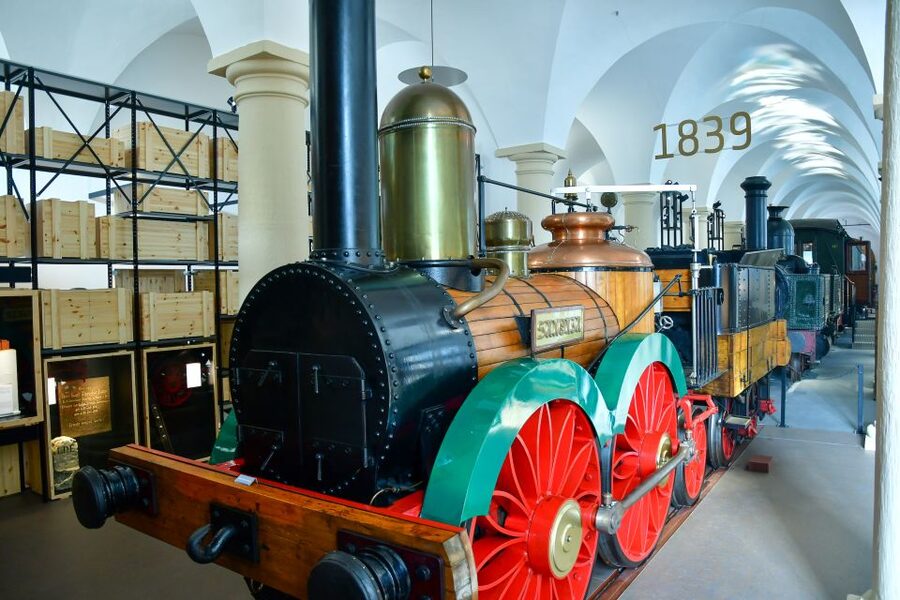
The rail section is likely to be one of the strongest opening points for many visitors. You can see once-powerful locomotives and board a steam locomotive, which gives the collection a physical quality that smaller displays cannot match.
A locomotive is not just an object behind glass. Its size, weight, and working parts help you understand the demands of early rail travel. The audio guide can add the background that a quick look cannot provide, including details about the technology and the people connected with it.
You should allow extra time here if trains interest you. The museum includes both original vehicles and models, so the experience moves between the real scale of transport and smaller displays that explain design or development. Children can focus on the size and shape of the machines, while adults may enjoy the engineering details.
One practical point: the museum ticket is valid for one day, so you do not need to rush from section to section. Starting with rail also gives you a clear sense of the museum’s approach. This is not only a display of polished objects. It is a look at changing technology and the force that transport once required.
Try the penny-farthing and explore road travel
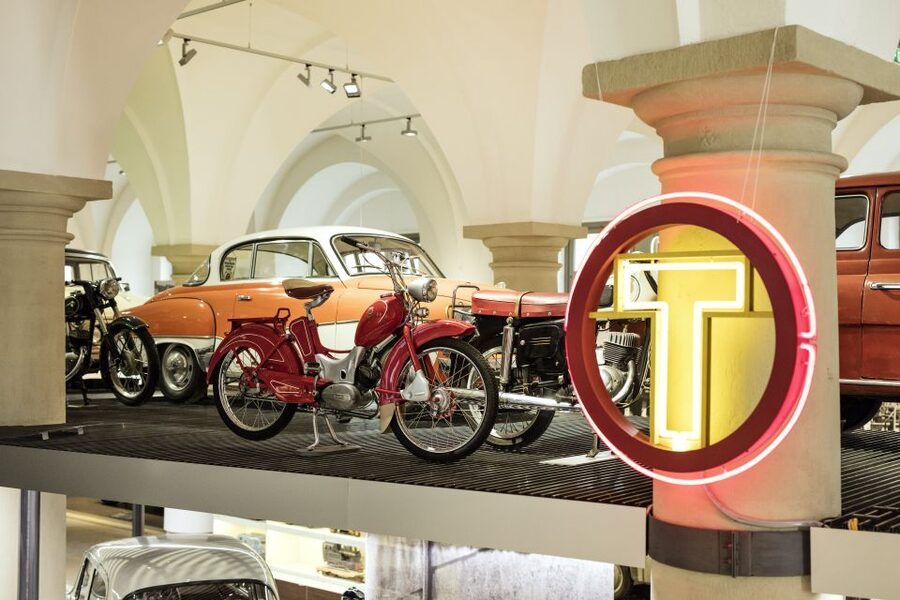
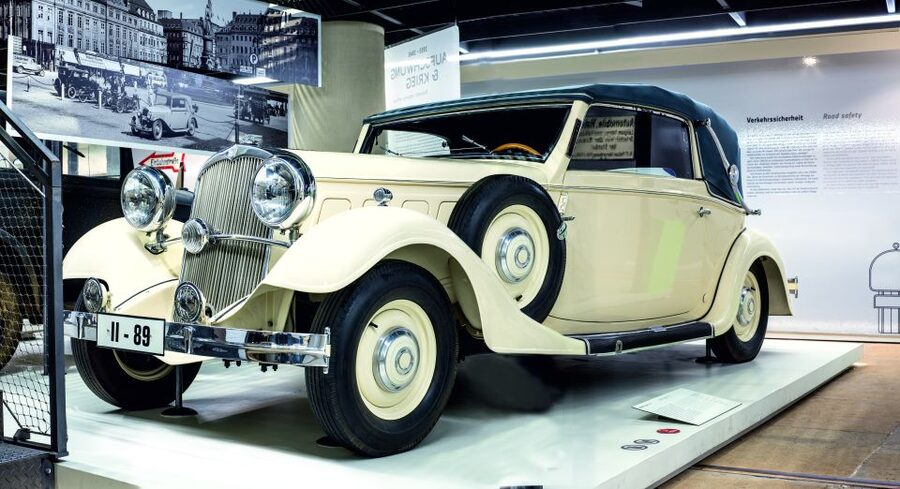
The road transport displays add a more personal scale. Cars, bicycles, and other road vehicles are easier to connect with because they are closer to objects many of us have used or seen. The collection includes elegant vintage cars, along with interactive material that helps explain the development of road travel.
The penny-farthing is a particularly memorable hands-on feature. You can ride one as part of the museum experience, giving you a direct sense of how unusual this early bicycle design was. It is the sort of activity that can turn a short stop into a story you remember later.
The vintage cars bring a different appeal. Their shapes and finish show how vehicle design has changed, but the audio guide helps move beyond appearance. Use it to learn about the people and technology connected with the vehicles rather than treating the cars as simple decorations.
This section should suit families well because it offers something physical to do. If you are visiting alone or with adults only, you can still get value from the contrast between the original vehicles and the explanatory models. The possible drawback is that the museum’s wide subject range means you may need to choose where to spend your time instead of studying every display in equal detail.
See ships and design a digital regatta
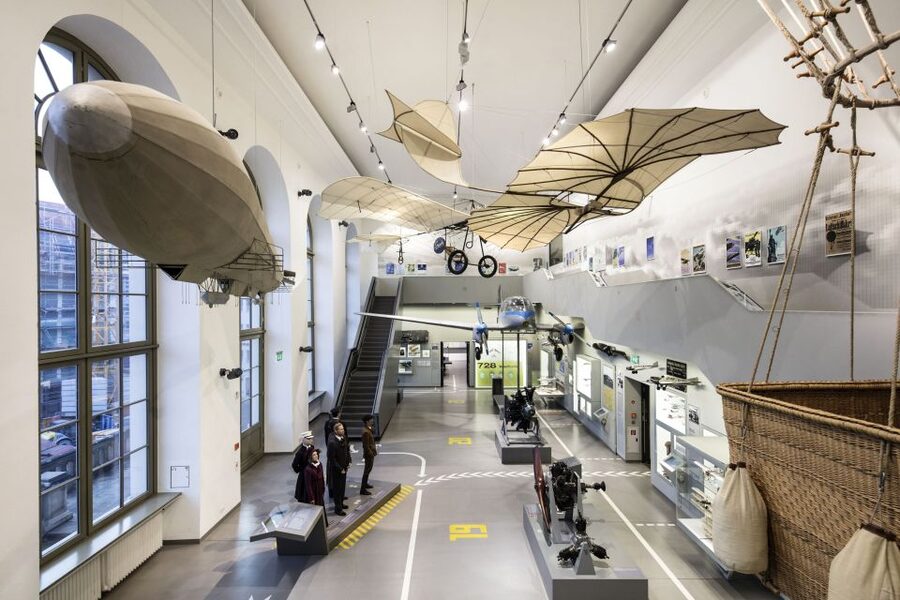
Shipping adds another change of scale. The museum displays stunning ship models, letting you examine forms that would be difficult to present at full size. Models can show the shape and structure of a vessel clearly, especially when paired with information about how transport technology developed.
The digital regatta is one of the more playful features. You can design your own boat and send it into a digital race. That activity makes a technical subject easier to grasp because you are not only reading about design. You are making a choice and seeing the result in a simple interactive setting.
I would make this a priority if you are visiting with children, though adults who like design and problem-solving may enjoy it too. It also breaks up the larger displays. After looking at locomotives and cars, the chance to create a boat gives you a different way to engage with the subject.
The shipping collection is also a good reminder that transport is not only about personal travel. Ships move goods, connect ports, and require careful design. The museum’s audio material can help place the models within that wider story.
Same city, another way to catch the action:
- Amsterdam: Johan Cruijff ArenA Tour with Optional Guide
★ 4.6 · 8,954 reviews - Tokyo: Sumo Show Experience with Chicken Hot Pot and a Photo
★ 4.8 · 6,678 reviews - Milan: San Siro Stadium and Museum Guided Tour
★ 4.3 · 5,567 reviews - London: Emirates Stadium Entry Ticket and Audio Guide
★ 4.7 · 5,513 reviews
Look up to the flying machines
The air section brings the visit to a different kind of transport. You can see adventurous flying machines and consider the early challenges of leaving the ground. The exhibits show another side of transport development, where weight, balance, power, and risk all mattered.
Flying machines tend to attract attention because their forms are less familiar than cars or trains. They also help show how quickly transport ideas can change. A full-size or imposing aircraft display can make the move from ground travel to air travel feel clear and dramatic, even when you are viewing models or preserved objects.
Use the audio guide here rather than relying only on a quick visual sweep. Aircraft can look simple from a distance, but the stories about their makers, users, and technology add useful context. Since the guide is downloadable in several languages, you can listen in the language most comfortable for you, subject to the languages available through the app.
There is no need to follow a strict route. You can focus on air travel for a while, then return to another section. That flexibility is one of the better reasons to choose a one-day museum ticket instead of a timed guided visit.
Make the audio guide work for you
The downloadable audio guide is included with admission, but it does require a small amount of preparation. At the museum, use the free Wi-Fi to download the audio-guide app on your own mobile device. There is no named personal guide and no live commentary included.
I recommend downloading it early in your visit, before you become absorbed in the displays. Bring your phone charged, and consider headphones if you want to listen without disturbing others. The guide is available in a variety of languages, though the supplied information does not list the exact language options.
The audio guide should be treated as a tool rather than a schedule. You can listen to the stories that match your interests and move on when you have had enough. That is especially helpful in a museum covering four major transport areas, since not every subject will appeal equally to every member of your group.
The app also gives the machines a human side. Stories about vehicles alone can become technical. Stories about the people and decisions behind them help explain why a particular invention mattered.
How much time should you allow?
The ticket is valid for one day, but no exact visit length is specified. Your timing will depend on how closely you use the audio guide and how long you spend at the interactive exhibits.
A quick visit can give you a look at each transport area. A slower visit makes more sense if you want to listen to the commentary, try the hands-on stations, and study the original vehicles and models. Families should allow extra time because the penny-farthing, steam locomotive, and digital boat activity may hold attention longer than a standard display.
The one-day validity gives you useful freedom. You can visit without feeling pressed to keep up with a group. Still, do not assume that the ticket includes a second day or a separate guided program. It covers entrance to all exhibitions for the stated one-day period.
Value at $14 per person
At $14 per person, this is a solid museum ticket if you have a real interest in machines, design, technology, or family-friendly activities. The price includes admission to all exhibitions, the downloadable audio-guide app, and free Wi-Fi for downloading it.
That matters because the museum is not offering just one room of vehicles. You get access to rail, road, shipping, and air displays, plus interactive elements that can keep a mixed-age group interested. The value is strongest when you plan to spend enough time exploring rather than making a very brief stop.
The price does not include food or drinks, transportation to or from the museum, parking fees, or a live guide. If you are driving, add parking to your budget. If you want a fully led experience with someone explaining each section in person, this ticket is not the right format.
The high overall rating of 4.6 from 189 reviews fits the museum’s broad appeal, and a verified December 4, 2025 comment praised the exhibitions and said the visitor would return. That matches my practical read: the collection has enough variety to support a repeat visit, especially if you first make a quick tour and later return for the audio stories and interactive displays.
Who will enjoy this museum most?
This is a good choice for families because the exhibits are not limited to reading and looking. The penny-farthing, locomotive, and digital regatta offer clear activities for younger visitors, while the vehicle collection gives adults plenty to examine.
Transport enthusiasts will also find a lot to work with. The museum brings together original vehicles, rare examples, models, and technology from several transport systems. You can focus on one subject or compare how rail, road, water, and air travel solved different problems.
It also suits independent visitors who prefer freedom over a fixed tour. You choose the order, the pace, and the amount of audio commentary. If you need a live guide, a food stop inside, or included parking, plan around those gaps before booking.
The museum is wheelchair accessible, which makes it a practical option for many visitors. The provided information does not give detailed access conditions for every individual display, so you may want to confirm any specific needs before arrival.
Booking details that matter
You must exchange your voucher at the ticket counter before entering. Plan a little time for that step rather than assuming you can walk straight into the exhibition halls.
The ticket offers free cancellation up to 24 hours in advance for a full refund, and you can reserve now and pay later. The activity has availability and starting times shown during booking, even though the visit itself is self-guided.
Because the museum provides free Wi-Fi, you do not need to use mobile data to download the audio-guide app. You do need your own mobile device. Food, drinks, parking, and transportation are separate expenses.
Should you book the Dresden Transport Museum?
Book it if you want a flexible museum visit with real machines, striking models, and activities that work for both children and adults. The $14 price is fair for access to all exhibitions plus the audio guide, especially if you spend several hours moving between rail, road, shipping, and air displays.
Skip it if your priority is a live guided tour or a tightly planned sightseeing experience. For everyone else, the Dresden Transport Museum is a practical, varied stop, and the one-day ticket lets you explore at your own pace without being tied to a group.
FAQ
Where is the Dresden Transport Museum located?
The museum is located in the Johanneum building in Dresden, Germany.
How much does admission cost?
The listed price is $14 per person.
How long is the ticket valid?
The ticket is valid for one day.
What types of transportation are shown?
The museum covers rail, shipping, road, and air transportation.
Is an audio guide included?
Yes. A downloadable audio-guide app is included with admission.
How do I download the audio guide?
You can use the museum’s free Wi-Fi to download the app on your own mobile device.
Is the audio guide available in different languages?
Yes. The audio guide is available in a variety of languages, though the specific language list is not provided.
Is the museum wheelchair accessible?
Yes. The activity is listed as wheelchair accessible.
Are food, parking, and transportation included?
No. Food and drinks, transportation to and from the museum, and parking fees are not included.
New on the fixture list around the world
- Spotify Camp Nou Tour F.C. Barcelona Museum (Open Date Ticket)★ 3.5 · 5 reviews
- Ferrari Driving Experience on a Racetrack★ 5.0 · 11 reviews
- Live Muay Thai Action Ticket at Phetchbuncha Samui Stadium★ 4.0 · 6 reviews
- Football tour: Red Star and Partizan Ultras History★ 5.0 · 14 reviews
- Private 4h Tour Of Camp Nou And Most Emblematic Sites Of Barcelona with pick up★ 4.5 · 3 reviews
- Discover Leo Messi’s secrets at Barça Café – Camp Nou★ 5.0 · 22 reviews
- BARCELONA SPORTS VIP – Camp Nou – La Masia & Montjuic (Olympic)★ 4.5 · 3 reviews
- Olympic and Sport Museum of Barcelona “Joan Antoni Samaranch”★ 4.5 · 22 reviews
More Germany Sports Experiences to weigh up.


Munich: City Bus Tour & FC Bayern Munich Allianz Arena Tour
Read our review →


Red Bull Arena Leipzig: Stadium Access & Guided Walking Tour
Read our review →

FC Bayern Munich Allianz Arena Tour and Panoramic Munich Tour
Read our review →
This one also appears in